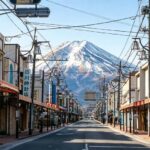
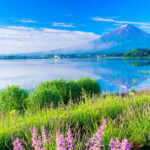
Mount Fuji is the star, but this tour gives you a whole day in its orbit: the mountain’s 5th Station, Lake Kawaguchi, the spring-fed village of Oshino Hakkai and a final stop at Gotemba Premium Outlets. I like that you can cover several far-flung places without sorting out rural bus connections, and I like the choice of an English- or Chinese-speaking guide and optional lunch.
The trade-off is time. Four stops in roughly 11 hours means you should expect a sampler, not a leisurely visit, and Fuji can hide behind cloud or become inaccessible in poor conditions. If shopping is not on your list, Gotemba’s place at the end of the day may feel like an odd use of precious sightseeing time.
- Four very different stops: Mountain views, a lakeside visit, a traditional village and a large outlet center all fit into one day.
- A practical alternative to independent transport: The bus links places outside Tokyo that take more planning to connect on your own.
- Fuji views are weather-dependent: A clear forecast improves your chances, but it cannot guarantee a view or access to the 5th Station.
- The schedule is brisk: Some stops may be short, particularly when traffic or a meal cuts into sightseeing time.
- Lunch is optional: Package choices vary, so check what is included before booking.
- Plan the finish carefully: Confirm the return drop-off and meeting point on your voucher, especially if you need to get back to your pickup location.
- A big Fuji day, with little time to spare
- Mount Fuji’s 5th Station: high views, weather rules
- Lake Kawaguchi: a scenic pause, not a lakeside stay
- Oshino Hakkai: village atmosphere in a brief visit
- Gotemba Premium Outlets: shopping at the end of the route
- The bus makes the route possible, but traffic sets the pace
- Is the .29 starting price good value?
- Before you reserve
- Who should book this Fuji day trip?
- FAQ
- How long is the tour?
- Which places are included?
- Is the tour available in English?
- Is lunch included?
- Can bad weather cancel or change the tour?
- Can I leave the tour before it ends?
- How much luggage can I bring on the bus?
- The Best Of Fujiyoshida!
- More Lunch Experiences in Fujiyoshida
- More Tours in Fujiyoshida
- More Tour Reviews in Fujiyoshida
A big Fuji day, with little time to spare
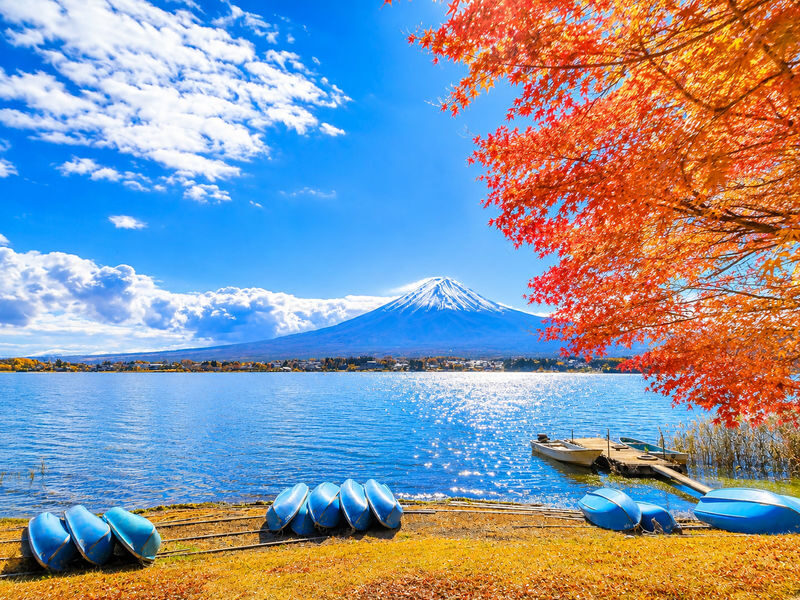
This is a classic day trip for a reason: Mount Fuji is one of Japan’s most memorable sights, and the stops around its base show you more than a single viewpoint. The route moves from high mountain access to lakeside scenery, village lanes and an outlet mall. That variety can make a long day feel full, though it also means the clock is always part of the experience.
The tour is based around an approximately 11-hour outing from Tokyo, with an English- or Chinese-speaking guide. Names such as Alex, Yuki, Eric and Chen have been associated with tours on this route, but your guide will depend on the date and language group. The most consistent positive feature is the guide’s role in keeping a complicated day organized: explaining the stops, giving clear meeting instructions and helping the group stay on schedule.
The price starts at $49.29, an appealing rate for a guided day involving several destinations and bus transport. The real value depends on what you want from the day. If your aim is to see the headline sights without arranging each connection, the price can make sense. If you want long, unhurried visits, or if Gotemba is not of interest, you may get more from choosing a tour focused on fewer places.

👉 See our pick of the 8 Most Highly Rated Private Driver Services In Fujiyoshida
Mount Fuji’s 5th Station: high views, weather rules
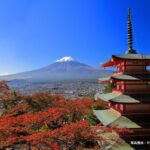
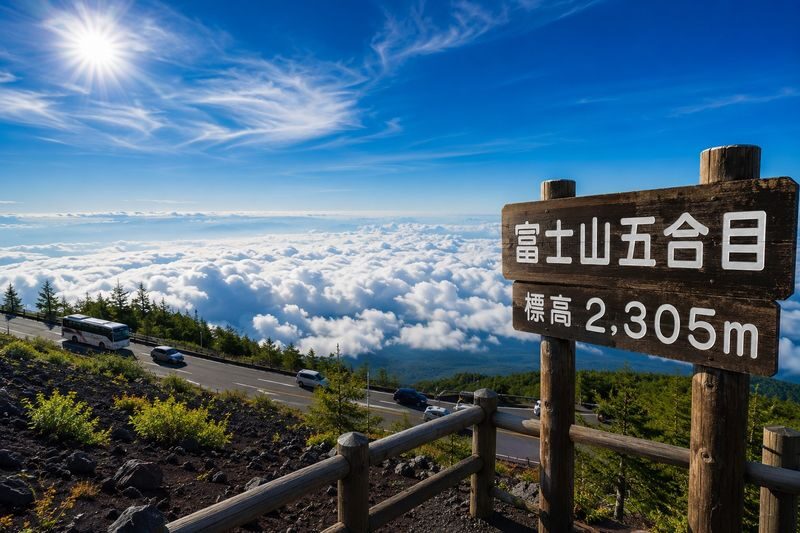
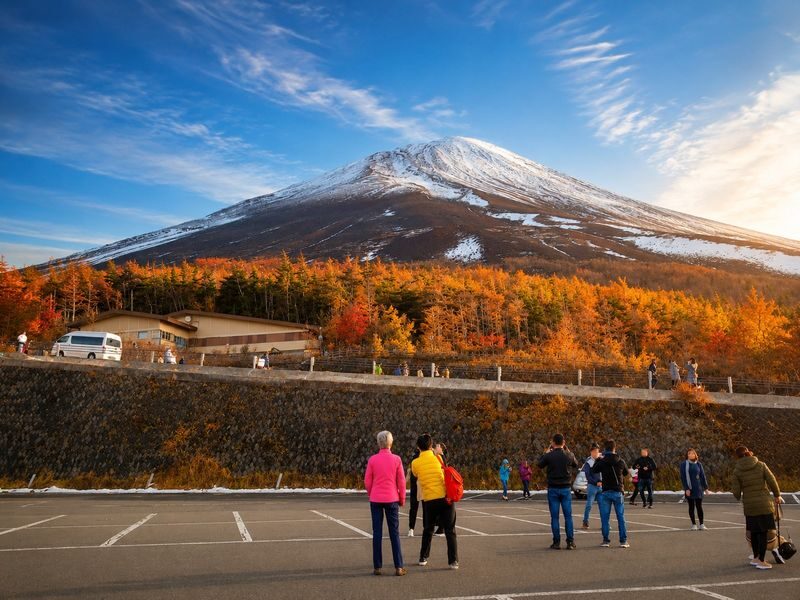
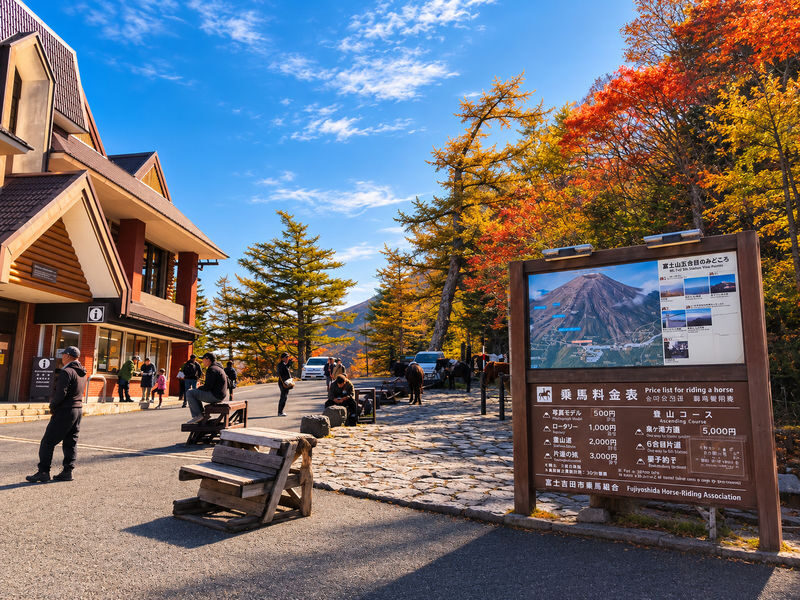
The 5th Station is the day’s most dramatic planned stop: a road-accessible point on Mount Fuji where you can get close to the mountain and look out over the surrounding area. It is not a summit visit, but it gives you a taste of Fuji’s scale and high-altitude setting without a climb. In summer, the mountain may not have its familiar snow-covered look, so set your expectations around the views and setting rather than a snow-capped postcard.
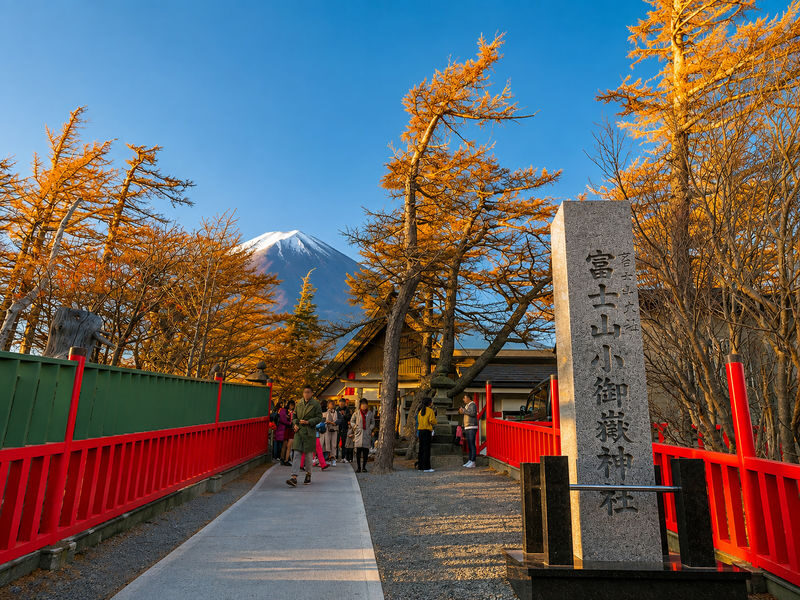
Weather is the biggest variable. Low cloud can block the mountain, while snow or other severe conditions can prevent the bus from reaching the 5th Station. In those cases, the route may change; one reported alternative was Fujiyoshida Sengen Shrine. Some trips have also reached a lower station instead. A substitution can still be worthwhile, but it is not the same as standing at the planned stop, so book with flexibility rather than treating access as guaranteed.
Keep your visit here focused. Reports of short stops make clear that this is not the place to plan a long hike or extensive shopping. Use the time to take in the view, get a few photos and look around, while keeping an eye on the guide’s return instructions. If seeing Fuji clearly matters most to you, check the forecast before the day, but remember that forecasts are not promises.
You can also read our reviews of more tours and experiences in Fujiyoshida
Lake Kawaguchi: a scenic pause, not a lakeside stay
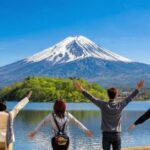
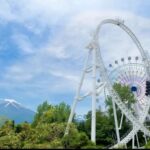
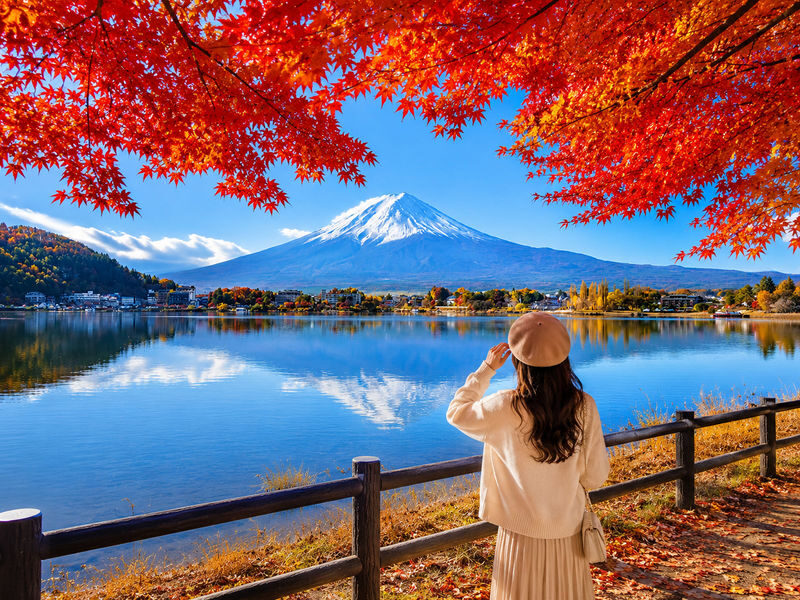
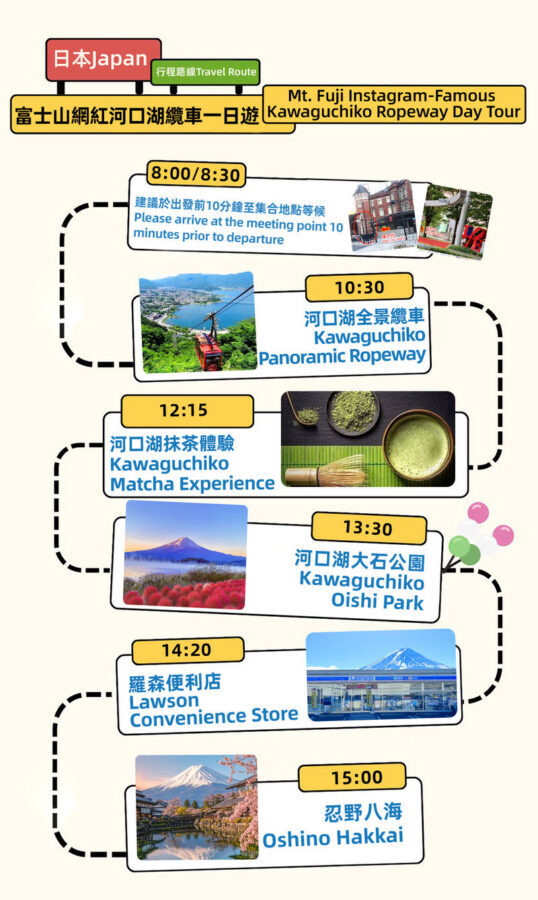
Lake Kawaguchi offers a different angle on the mountain. The lake and its surroundings are among the region’s classic Fuji-view settings, and on a clear day the combination of water and mountain can be the visual high point of the trip. Even when Fuji is obscured, the stop gives you a change of pace after time on the bus.
The catch is how much time you get. The stop may include lunch, and some schedules leave as little as about 50 minutes for the lake and meal together. That is enough to eat and take a quick look, but not necessarily enough to stroll at leisure, find the best viewpoint and sit down for a relaxed lunch. If you care more about the scenery than a set meal, a no-meal package may give you more control over your break. One practical approach is to bring food or pick up something quick, if your package and tour instructions allow it.
Lunch options differ by package. Japanese noodle soup and a black wagyu shabu-shabu set are among the choices described, while some packages have no meal. The included meal may be convenient, especially when the group is on a tight schedule, but food preferences matter. Halal options may be limited at the designated stop; vegetarian choices were available on one trip, and nearby convenience stores were suggested as another source of food. Check the precise meal option and dietary details before you book.
Oshino Hakkai: village atmosphere in a brief visit
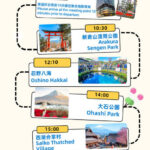
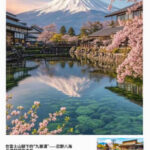
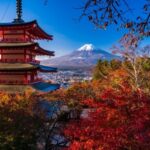
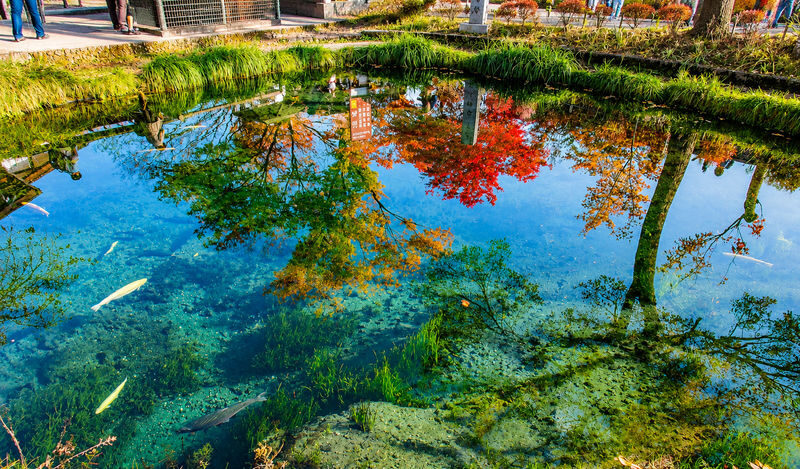
Oshino Hakkai brings a more intimate scale to the day. Rather than another broad view of Fuji, you get a chance to walk through a village setting known for its clear spring water. It is a useful contrast to the lake and mountain stops, and a good place to stretch your legs and take in a traditional rural scene.
This stop is also where the packed itinerary becomes noticeable. A short visit can feel pleasant if you want a quick look and a few photos, but it may frustrate you if you hope to explore slowly. Some people would rather spend that time at the lake or another Fuji viewpoint. That is a fair trade-off to consider: Oshino Hakkai adds variety, but it competes for minutes with the places you may care about most.
Follow the guide’s meeting instructions closely. At every stop, the group needs to return to the bus on time for the next leg. The more you treat this as a guided overview rather than an open-ended village visit, the better the schedule will feel.
Gotemba Premium Outlets: shopping at the end of the route
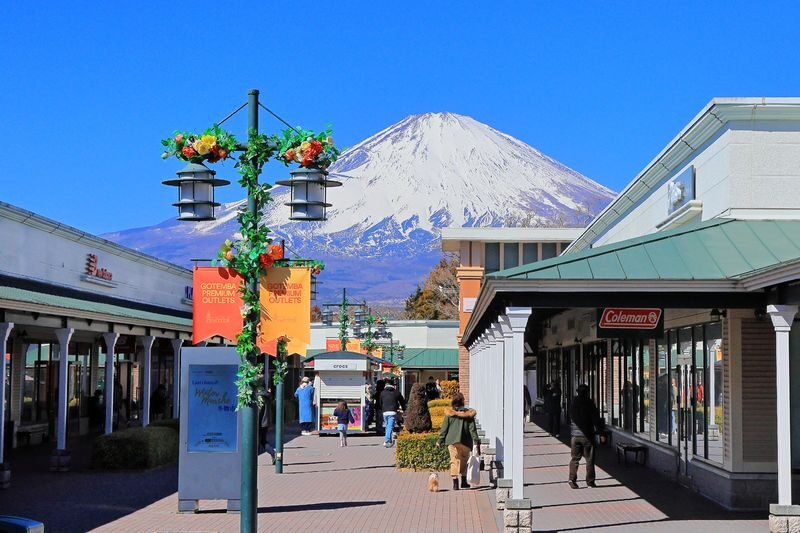
Gotemba Premium Outlets is a substantial change of scene from mountain and village sightseeing. It gives you time to browse brand-name shops and make purchases before heading back toward Tokyo. For anyone who wants to combine Fuji country with shopping, the stop is a clear bonus.
For a sightseeing-first visitor, it may be the day’s least appealing stop. The outlet visit is often around an hour and a half, though timing can vary. That is enough to target a few stores if you decide what you want in advance; it is not enough to browse every shop at a relaxed pace. Some trips have allowed even less time, so do not build a long shopping list around the stop.
I would make a short plan before arriving: pick your priority shops, note where they are and leave time to return to the bus. If shopping does not interest you, ask the operator or guide whether leaving the group at this stop is permitted and how the return works. The tour information says you must tell the guide in the morning if you plan to leave partway through or skip the return bus. You can only leave at a stop-off point, and there is no refund for the unused portion.
The bus makes the route possible, but traffic sets the pace
The main practical advantage is transport. The stops are spread across the Fuji area, and joining them into one day independently means coordinating connections as well as watching the clock. A bus tour takes that work off your hands and gives you a guide who can explain the plan in English or Chinese. Guides have been praised for clear instructions, local information and help with photos; individual service will naturally vary.
The bus also makes the day dependent on road conditions. Traffic around the Fuji region can be heavy, particularly during busy travel periods. Delays may lead to a changed route, shorter visits or a late return. One trip during Golden Week lost time in traffic, while another had a vehicle breakdown on the return and waited for a replacement. These are not everyday outcomes, but they show why a fixed timetable cannot be guaranteed on a road-based tour.
Be ready at the pickup point early. Tokyo stations can be confusing, and a missed meeting can mean missing the trip. The exact location is provided in your voucher, so check the written directions and map pin rather than relying on a station name alone. Also confirm where the tour ends. Pickup and drop-off locations may not be the same, and getting back to your original meeting point could mean extra travel costs.
You can also read our reviews of more tours and experiences in Fujiyoshida
Is the $49.29 starting price good value?
At the advertised starting price, the tour is a low-cost way to see several well-known Fuji-area stops in one day. The bus, guide and route planning are the core value. Optional meals and package variations can change the final cost, so compare the exact version you are booking rather than assuming lunch is included.
The price is strongest for first-time visitors who want an overview, do not want to manage rural transport and are happy with brief visits. The value is weaker if you want extended time by the lake, a long exploration of Oshino Hakkai or a full shopping session. In that case, a tour with fewer stops, or a self-planned overnight stay in the area, may suit you better.
There is also no way to buy guaranteed Fuji weather. If clouds hide the mountain, the transport and other stops still happen, but the main reason many people book can be missing. Think of the day as a chance to see Fuji, not a promise that you will see it clearly.
Before you reserve
The tour operates daily and offers instant confirmation, although the booking information also says confirmation may take up to 48 hours after payment. If a voucher does not arrive, the stated advice is to contact Klook for assistance. Bring only what you need for a day out; carry-on luggage up to suitcase size is allowed on the bus.
The cancellation details provided are inconsistent: one section says full refunds are available with at least 48 hours’ notice, while the FAQ says cancellations need to be made at least 11 days ahead. Rescheduling is also described as requiring 11 days’ notice. Check the terms shown for your exact package and voucher before paying, rather than relying on either deadline in isolation.
If severe weather or another unforeseen event makes the tour unsafe or impossible, the operator may cancel it. The information says you will be told one day before and offered a reschedule or full refund. This is another reason to leave a little room in your Tokyo plans instead of booking the tour on a day when you cannot adapt.
Who should book this Fuji day trip?
Book it if you want a straightforward first look at Mount Fuji’s surroundings, value having transport and a guide arranged, and are content to see several places briefly. It is also a sensible fit if Gotemba shopping sounds like a welcome finish rather than an interruption.
Look elsewhere if your priority is a long lakeside visit, an unhurried village walk or a guaranteed view of Fuji. For the best chance of enjoying the day, choose a package that suits your meal needs, check the pickup and drop-off details, and go in knowing that weather and traffic can change the plan. For a broad, budget-minded sampler from Tokyo, this route does a lot in one day, but it asks you to keep moving.
Departing Daily from Tokyo: Mount Fuji 5th Station, Lake Kawaguchi, Oshino Hakkai & Gotemba Premium Outlets 1-Day Tour (Optional Japanese Lunch)
“The tour guide was friendly and polite, and the itinerary was well-planned, especially the lunch arrangements. We were able to eat as soon as we go…”
FAQ
How long is the tour?
The day trip is described as lasting about 11 hours. Traffic and route changes can affect the schedule and return time.
Which places are included?
The planned stops are Mount Fuji’s 5th Station, Lake Kawaguchi, Oshino Hakkai and Gotemba Premium Outlets.
Is the tour available in English?
Yes. An English- or Chinese-speaking guide is offered. Check the package you select for the language details.
Is lunch included?
Lunch depends on the package. Options described include Japanese noodle soup, a black wagyu shabu-shabu set and a no-meal package.
Can bad weather cancel or change the tour?
Yes. Extreme weather or other unforeseen circumstances may lead the operator to cancel the tour. The operator may offer a reschedule or full refund, and the stated notice is one day before the scheduled date. Weather can also affect access to the 5th Station and visibility of Mount Fuji.
Can I leave the tour before it ends?
You can leave only at a stop-off point. Tell the guide when you meet in the morning if you plan to leave early or skip the return bus. No refund is given for the unused part of the tour.
How much luggage can I bring on the bus?
Carry-on luggage up to the size of a suitcase is allowed.