Your souvenir from Shinjuku need not be another packet of sweets or key ring. In this one-hour workshop, you shape a pair of wooden chopsticks with a hand plane, sand them smooth, and finish them with natural oil. The result is both useful and personal: a small piece of Japanese craft you made yourself.
I like two things in particular: you choose the wood, so color and grain become part of your design, and an English-speaking instructor walks you through each step. Optional Japanese name engraving adds another personal touch, though it costs extra.
One thing to plan for: the advertised starting price covers standard wood, but premium wood and engraving are paid add-ons. If you want either, check the extra cost before you begin. The workshop is short, so it works best as a focused break between larger Tokyo plans, not as a half-day cultural program.
- What to know before you book
- A hands-on hour in Shinjuku
- Choosing wood, then shaping your pair
- A useful souvenir, with optional extras
- Who will enjoy this workshop
- Practical details that can save a snag
- Should you book the Shinjuku chopstick workshop?
- FAQ
- How long does the workshop take?
- Where is the workshop?
- How do I get to the meeting point?
- What time can I book?
- Is the workshop conducted in English?
- What is included in the price?
- Do premium woods cost extra?
- Does the workshop include name engraving?
- Is there an age limit?
- Can I bring luggage, and is the venue wheelchair-accessible?
- The Best Of Tokyo!
- More Workshops & Classes in Tokyo
- More Tours in Tokyo
- More Tour Reviews in Tokyo
What to know before you book
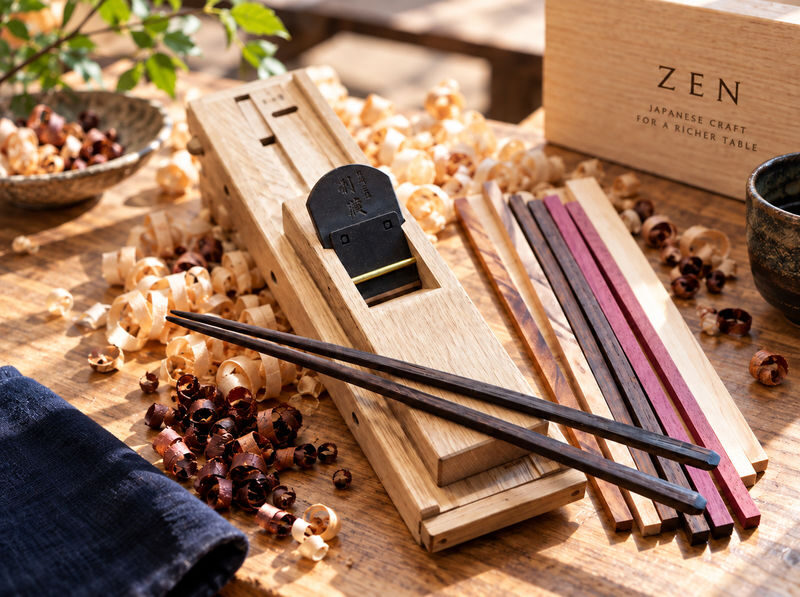
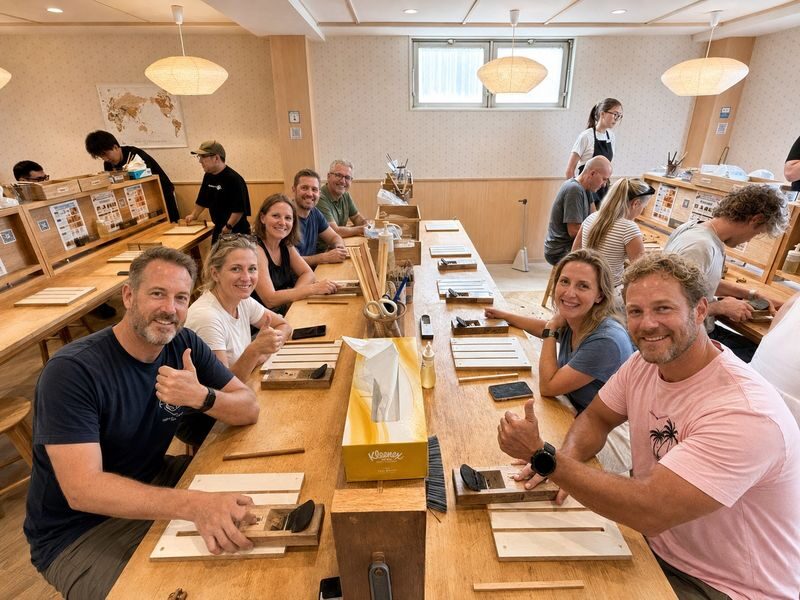
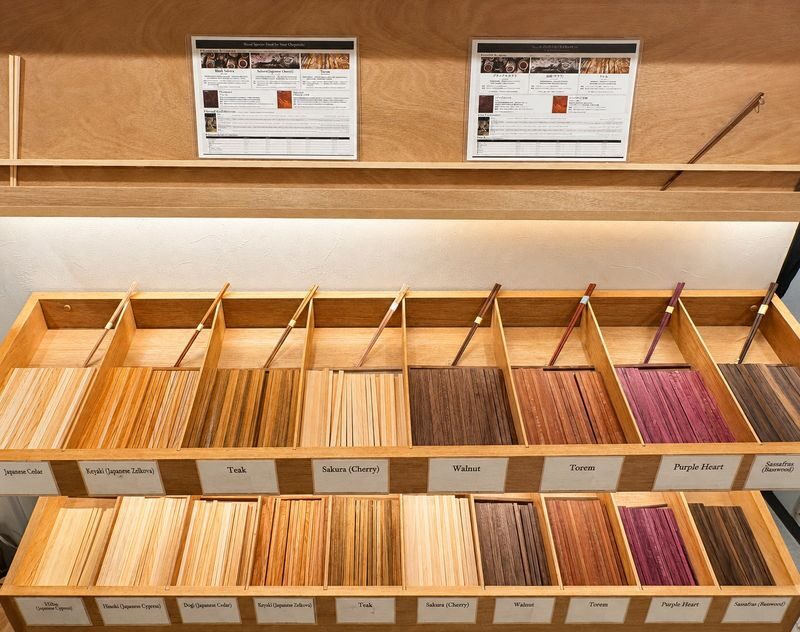
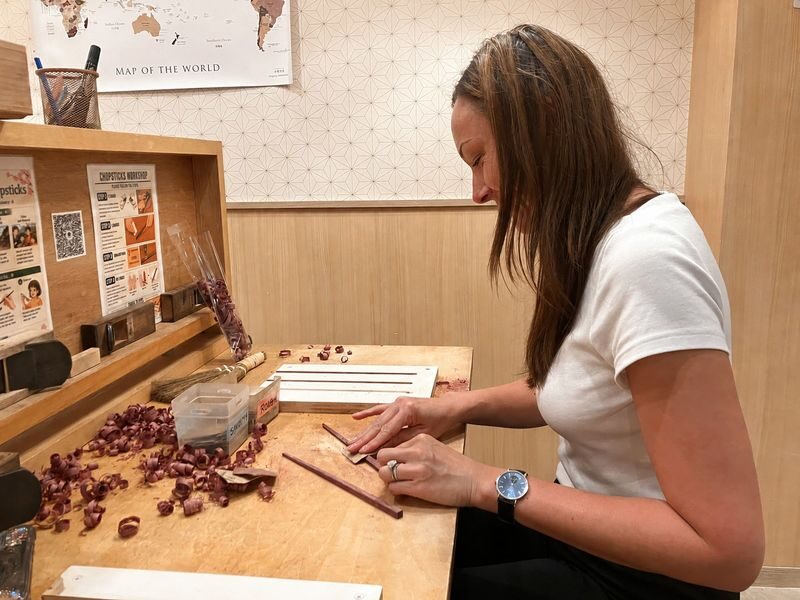
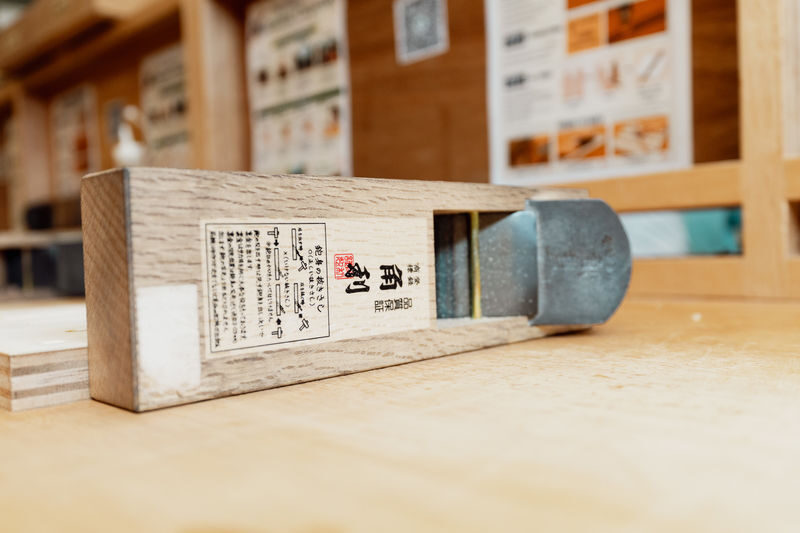
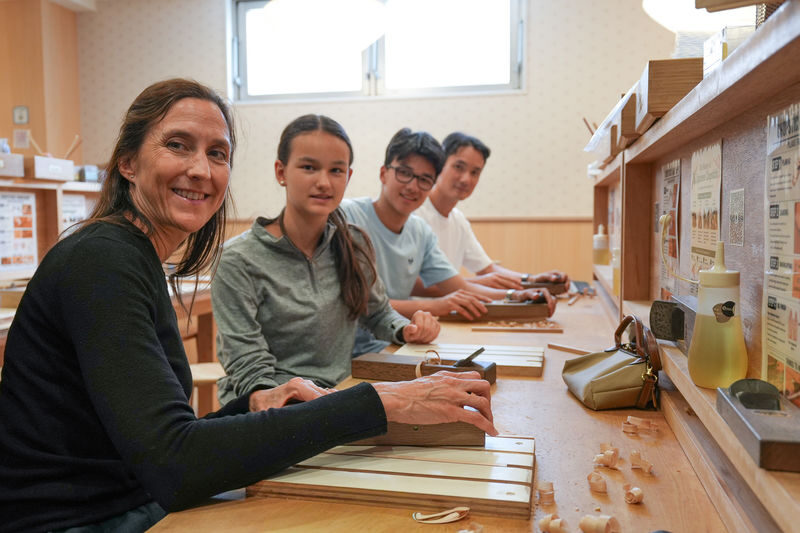
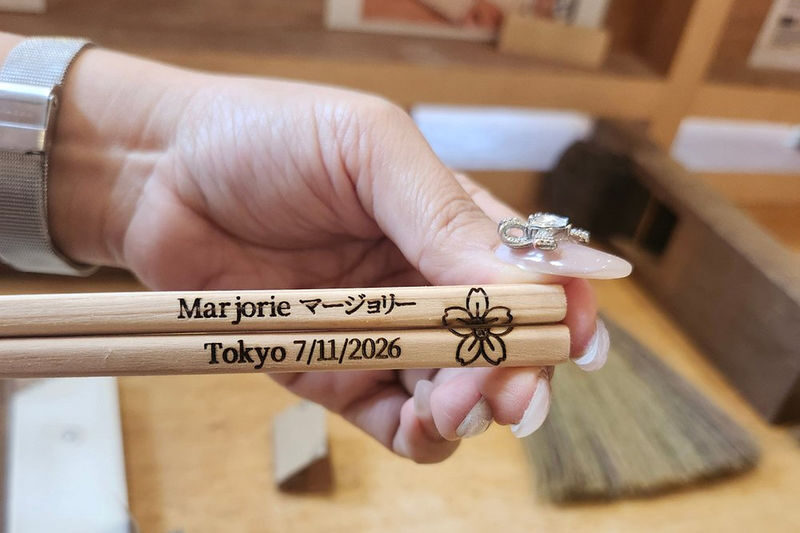
- Shape chopsticks with a hand plane: You work the wood yourself, then sand it and apply natural oil.
- Choose from different woods: Standard wood is included. Premium choices cost extra.
- Add Japanese name engraving: This is optional and carries an additional fee.
- Meet in central Shinjuku: The studio is on the 10th floor of Shinjuku West Square Building, a short walk from several stations.
- Plan for about an hour: The session is guided, though some people finish in roughly 40 minutes.
- No age limit, wheelchair access: The venue is listed as wheelchair-accessible, but it has no luggage storage.

👉 See our pick of the Our Picks For The 11 Best Workshops & Classes In Tokyo
A hands-on hour in Shinjuku
The workshop takes place at Shinjuku West Square Building, 10th floor, at 7-4-5 Nishi Shinjuku. It is a meet-up activity, not a sightseeing tour with transport. You make your own way to the studio, arrive five minutes before your selected start time, and return to the same address when the session ends.
That central location makes the class easy to fit into a day in Tokyo. Shinjuku-nishiguchi Station on the Toei Oedo Line is about a one-minute walk away. Seibu-Shinjuku Station is about three minutes away, and Shinjuku Station is about five minutes away. Those distances matter: you can slot the class between shopping, a meal, or a longer day of sightseeing without building a complicated trip around it.
You can choose from listed start times between 09:00 and 19:00, subject to availability when you book. The workshop lasts about an hour, although some sessions may take closer to 40 minutes. Treat the selected time as a firm appointment, not a flexible window. Arrivals more than 15 minutes late may be asked to reschedule, since the next booking can be affected.
You can also read our reviews of more tours and experiences in Tokyo

Choosing wood, then shaping your pair
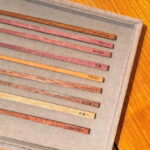
The activity begins with choosing wood. The standard option is included in the price, while more costly woods are available as paid upgrades. Each wood has its own color, grain, and texture, so the choice is more than a price tier. It gives you a say in how the finished pair looks and feels.
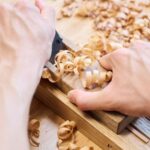
The workshop then moves from material to making. With the instructor’s help, you use a hand plane to shape the chopsticks carefully. This is the part that makes the activity different from simply buying a souvenir: you handle the tool and make the form yourself. If you are unsure how to plane the correct sides, ask for help. Instructors including Sota have helped participants through that tricky stage, and several instructors are praised for explaining the process step by step.
Next, you sand the surface to smooth it and bring out the wood’s natural appearance. A coat of natural oil gives the finished chopsticks a warm, polished look. The order is simple and satisfying: shape, smooth, finish. You do not need prior woodworking experience, but it helps to listen closely and take your time rather than trying to rush to a perfect result.
The instructor-led format is a real advantage for beginners. English-speaking staff are included, and instructors named by participants include Rick, Jen, Dilan, Aleyna, Karina, Momo, and John. The names vary by session, so you cannot request a particular instructor based on the information available. What you can expect is guidance through the process, with staff helping when you need a hand.
A useful souvenir, with optional extras
Once the chopsticks are shaped and finished, you can choose to add your name in Japanese through engraving. It is an appealing way to make the pair feel distinctly yours, especially if you are giving it as a gift. But engraving is not included in the starting price, so check the fee before deciding.
Premium wood follows the same rule. The basic wood is part of the workshop price, while upgraded choices cost extra. Some people choose different woods for each person in a pair or group, which makes the activity more individual. If you are on a tight budget, the standard wood still lets you take part in the complete making process.
The listed price begins at $6.35, an unusually low entry point for a guided activity and a handmade keepsake. The final cost can rise if you choose premium wood or engraving, so think of the starting price as the base rather than the guaranteed total. Even with add-ons, the value is in spending a focused hour making something useful, rather than buying a ready-made object and calling it a memory.
The class also offers a welcome change of pace. Tokyo days can involve plenty of walking, crowds, and decisions. Here, you sit down and concentrate on one small task. It is especially handy on a rainy day, or when you want a break from sightseeing that still feels connected to local craft.
Who will enjoy this workshop
This is a good fit for curious first-timers, solo visitors, couples, families, and small groups who want a short activity with a tangible result. There is no age limit, and the activity is wheelchair-accessible. The simple sequence and instructor support make it approachable for people who have never used woodworking tools.
It can also suit children, though the information does not specify a minimum age or how young participants are supervised. If you are booking for a child, contact the activity provider with any questions about the child’s needs before reserving. The absence of an age limit is helpful, but it does not answer every practical family question.
Solo visitors need not worry about arriving without a companion. The activity is designed around making your own pair, and staff can guide you through the work. For groups, the shared process gives everyone room to choose a different wood or personal finish, though no group-size details are provided.
This may not be the right choice if you want a long, in-depth course in Japanese woodworking. The session is about an hour, and the goal is to make a pair of chopsticks, not to study the full history of the craft. If you want a compact introduction and a practical takeaway, the scale is just right.
Practical details that can save a snag
The venue is cashless. Accepted cards include Visa, Mastercard, American Express, JCB, Diners Club, and Discover. Bring your mobile voucher and arrive five minutes early; the voucher is valid only for the date and time you selected.
There is no luggage storage, so avoid arriving with large bags. If you are coming straight from a hotel or station with your suitcase, make other arrangements first. The building is easy to reach by public transit, but the workshop itself does not provide storage.
You can book for the same day, with instant confirmation listed. If plans change, a full refund is available when you cancel at least 24 hours before the activity date, in local time. The workshop runs at the selected time, and late arrivals of more than 15 minutes may need to reschedule.
The activity information notes that schedules may change due to traffic or weather. Since this is a meet-up workshop at a fixed address, confirm your booking details and allow a little extra time to find the building and reach the 10th floor.



Should you book the Shinjuku chopstick workshop?
I would book this if you want a short, hands-on Tokyo activity and like the idea of taking home something you shaped yourself. The strongest reasons are the instructor support, the choice of wood, and the clear progression from planing to sanding and oiling. Optional engraving makes it an especially thoughtful keepsake, provided you are comfortable paying extra.
Skip it if you are looking for a long class, a detailed cultural lecture, or an activity with no possible add-on costs. For a modest base price and about an hour of your time, though, this is a practical way to slow down in Shinjuku and make a souvenir with a real connection to your visit.
Shinjuku Chopstick Making Workshop (Tokyo)
“Rick was amazing! walked in and he was able to assist in making a pair of chopsticks. very helpful and did a fantastic job with the engraving!!”
FAQ
How long does the workshop take?
The activity is listed as one hour. Some sessions may take about 40 minutes.
Where is the workshop?
It takes place on the 10th floor of Shinjuku West Square Building, at 7-4-5 Nishi Shinjuku, Shinjuku-ku, Tokyo.
How do I get to the meeting point?
Shinjuku-nishiguchi Station is about a one-minute walk away, Seibu-Shinjuku Station is about three minutes away, and Shinjuku Station is about five minutes away.
What time can I book?
Listed start times run from 09:00 to 19:00. Available options can depend on the date and booking.
Is the workshop conducted in English?
English-speaking staff are included.
What is included in the price?
The package includes the workshop, standard wood, admission, English-speaking staff, and use of traditional tools.
Do premium woods cost extra?
Yes. Standard wood is included, while premium wood upgrades are available for an additional fee.
Does the workshop include name engraving?
No. Japanese name engraving is optional and costs extra.
Is there an age limit?
No age limit is specified for this activity.
Can I bring luggage, and is the venue wheelchair-accessible?
The venue is listed as wheelchair-accessible, but it has no luggage storage facility.