In a quiet workshop above the streets of Asakusa, you can turn a piece of wood into a pair of chopsticks with your own hands. The one-hour class is guided in English, and instructors such as Hana, Mai, Lika, and John have helped participants through the steps.
I like two things in particular: you learn how an everyday Japanese object is shaped and finished, and you leave with a useful souvenir rather than another trinket. The main consideration is the short, fixed appointment: arrive on time, and allow extra minutes to find the workshop on the building’s 10th floor.
- At a glance
- A hands-on hour in Asakusa
- From wood to finished chopsticks
- A calm pause from temple streets
- What the one-hour schedule means
- Is the low starting price good value?
- Who will enjoy making chopsticks?
- Booking and arrival tips
- Should you book the Asakusa chopstick workshop?
- FAQ
- How long is the chopstick-making workshop?
- Where do I meet the instructor?
- Is the workshop taught in English?
- Do I need experience making things?
- Can children take part?
- What payment methods are accepted?
- What happens if I arrive late or need to cancel?
- The Best Of Tokyo!
- More Workshops & Classes in Tokyo
- More Tours in Tokyo
- More Tour Reviews in Tokyo
At a glance
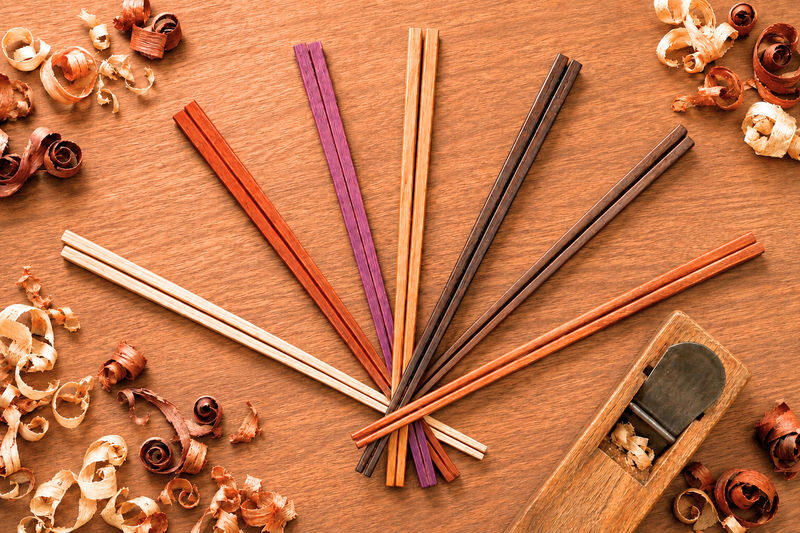
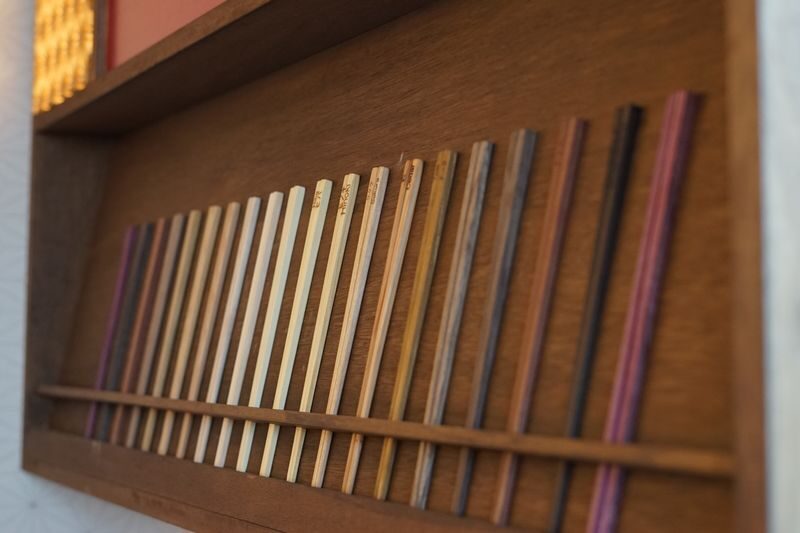
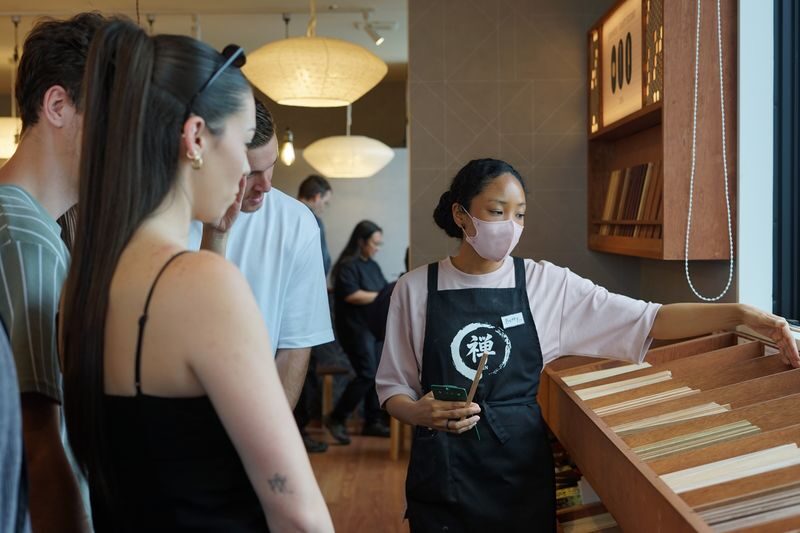
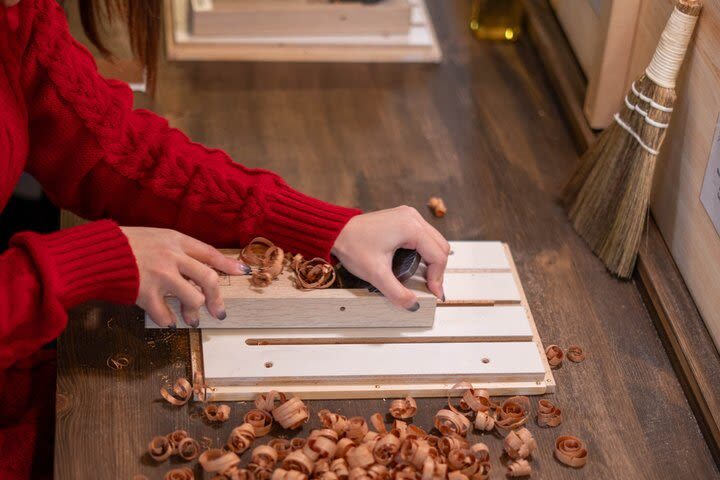
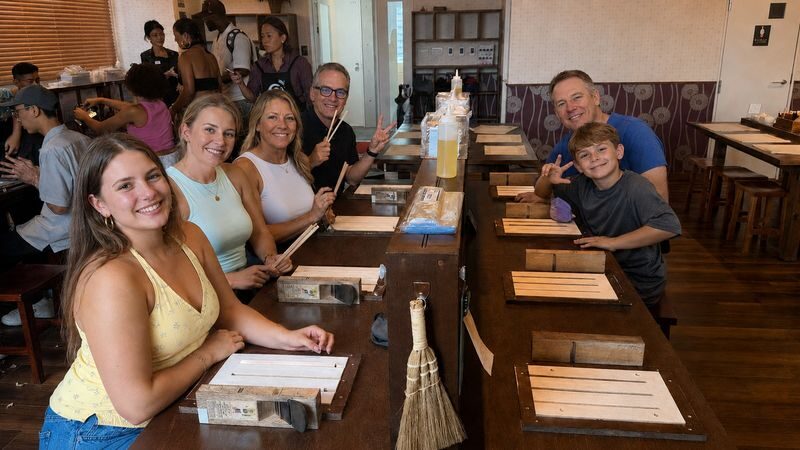
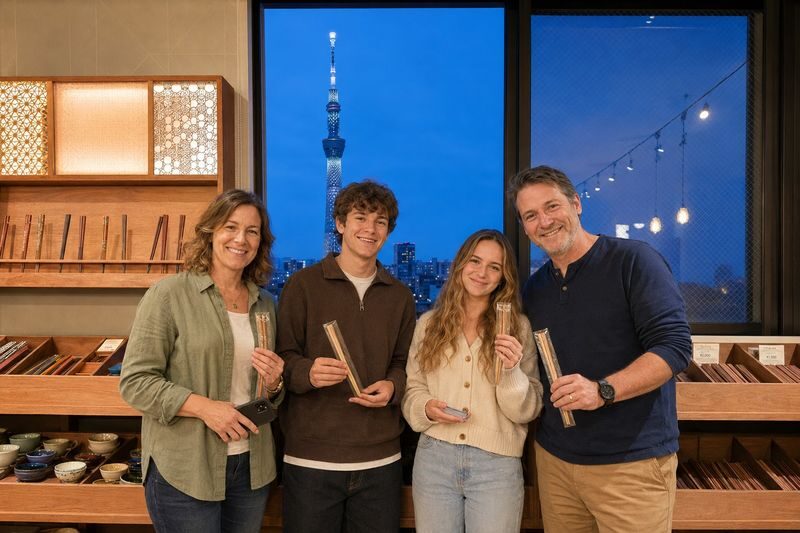
- Make a pair by hand: Shape, smooth, and finish wooden chopsticks with traditional tools.
- Get help as you work: English-speaking staff guide beginners through the process, including children.
- Take home something personal: Your finished chopsticks are wrapped in a special cover.
- Meet in central Asakusa: The workshop is at 1-chome-27-2 Asakusa, a short walk from Senso-ji Temple, according to one participant.
- Plan for one hour: The listed session runs from 15:00 to 16:00.
- Know before you go: Payment is cashless, and arrivals more than 15 minutes late may need to reschedule.

👉 See our pick of the Our Picks For The 11 Best Workshops & Classes In Tokyo
A hands-on hour in Asakusa
Asakusa is an appealing place to pause between temple visits, shopping streets, and meals. This workshop shifts the focus from looking at Japanese crafts to making one: you work on a small, familiar object and see how careful shaping turns wood into a pair of usable chopsticks.
The class takes place at Zen Craft Chopsticks Workshop, inside the Asakusa Tosei Building at 1-chome-27-2 Asakusa. You meet on the 10th floor. The address is easy to enter into a map, but give yourself a little time to find the right building and reach the workshop. One participant noted that the building has a single elevator and it can be busy, a good reason not to aim for the last minute.
This is a meet-up activity, not a guided tour that collects you from a hotel or takes you around the district. You make your own way to the workshop, take part in the class, and finish at the same address. That simple format keeps the experience focused and makes it easy to pair with other plans in Asakusa.
You can also read our reviews of more tours and experiences in Tokyo


From wood to finished chopsticks
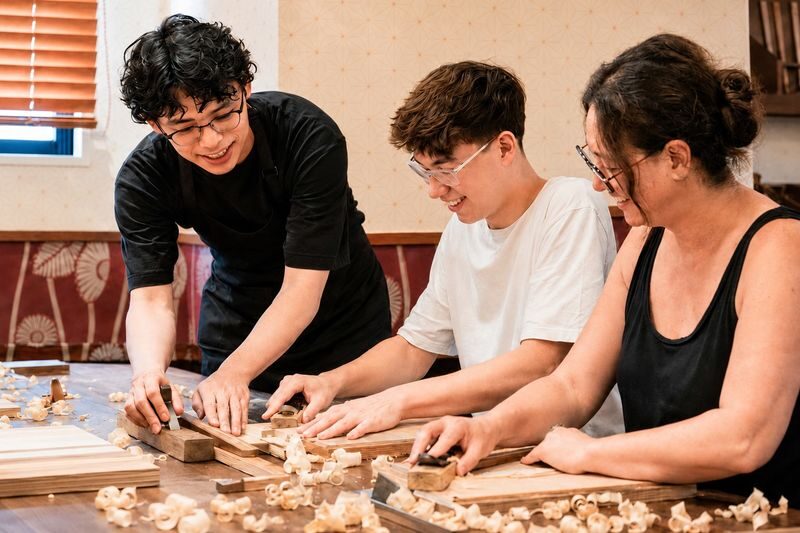
The heart of the class is the making process. With an instructor’s guidance, you shape the wood using traditional tools, smooth the surface, and finish the chopsticks so they are both attractive and functional. The work is hands-on, but you do not need prior craft experience: the steps are explained as you go, and staff can help when you are unsure how to proceed.
That guidance matters. Shaping a pair evenly takes attention, and small decisions can slow you down if you are trying to get the result just right. Instructor Hana, for example, has been praised for explaining the process carefully and giving participants time to make choices. Other instructors named in connection with the workshop include Mai, Lika, John, Shirin, Elijah, and Satoru. The instructor you meet may differ, but patient, clear help is a recurring strength of the class.
You can expect to leave with chopsticks that carry the marks of your own work. One participant described learning how to shave the wood correctly and taking home the leftover shavings, while others have mentioned choosing wood and oiling the finished piece. There has also been mention of engraving, though it is best to confirm directly whether that option is available for your session rather than assume it is included.
At the end, your handmade pair is wrapped in a special cover. It is a practical finish to a small project, and it makes the result easier to carry home as a souvenir or gift. More important, you will know how it came together: each careful pass over the wood has a place in the finished object.
A calm pause from temple streets
The workshop is described as peaceful, and that is part of its appeal. Asakusa can fill a day with sights and activity; an hour spent concentrating on a simple task gives you a different pace. You can focus on your hands, talk with the instructor, and make something with a clear beginning and end.
That quiet does not make the class solemn or demanding. The process is presented as accessible and enjoyable, and families have taken part together. An eight-year-old was able to enjoy the activity with help, and instructors have also been praised for working well with children. The activity has no age limit, and children aged 0 to 2 can participate for free. If you are booking for a child, keep in mind that the class involves using tools and following instructions; an adult should be ready to help them stay focused.
The experience also suits couples, friends, and small groups who want an activity that gives everyone something to do. It is a nice change from simply browsing shops or taking photos, and it gives you a shared project without taking up half a day. Larger groups have also taken part, with several staff members helping, though the precise group size is not specified.
What the one-hour schedule means
The listed departure is at 15:00, with the activity scheduled to end at 16:00. Treat that hour as a focused workshop, not a long visit with time for a full tour of the neighborhood. The schedule provides enough time for the core making process, but it does not suggest a leisurely afternoon that includes other stops.
Plan to arrive early. The meeting point is on the 10th floor, and the building’s single elevator may be in demand. More than 15 minutes late, you may be asked to reschedule because a late start can affect the next reservation. That is a firm enough threshold to take seriously, especially if you are navigating Asakusa for the first time.
The workshop’s address makes it convenient to combine with nearby sightseeing, but allow travel time on your own. Senso-ji Temple is within walking distance, based on participant experience, so you might schedule the class before or after a temple visit. Just avoid packing your itinerary so tightly that a delayed meal or crowded elevator puts the booking at risk.
Is the low starting price good value?
The advertised price starts at $6.35, which is low for a guided, hands-on activity in Tokyo. The value is not just the hour of instruction: you also make an object you can use at home, and you get a small introduction to the care involved in Japanese craftwork. For someone who prefers a personal keepsake to a mass-produced souvenir, that can make the class worthwhile.
Check the current booking price and package details before you commit. The starting price may not apply to every date or booking, and the available information does not spell out every possible material or finishing option. In particular, do not count on engraving unless the option is confirmed for your chosen session.
The class includes admission to the chopstick workshop and English-speaking staff. Tips and gratuities are not included. Payment at the venue is cashless, with Visa, Mastercard, American Express, JCB, Diners Club, and Discover accepted. That is useful to know if you were planning to pay in cash: bring a supported card instead.
You can cancel for a full refund if you do so at least 24 hours before the activity date, based on Tokyo local time. The voucher is valid only for the date and time you booked, so double-check your selected slot before setting off.



Who will enjoy making chopsticks?
I would recommend this for you if you like learning by doing, want a compact cultural activity, or are searching for a souvenir that feels connected to your time in Japan. It is particularly well suited to a spare hour in Asakusa and to families whose children enjoy making things with their hands.
It is also a good choice if you are curious about everyday craftsmanship. Chopsticks are ordinary objects, but making a pair asks you to notice their shape, balance, and finish. That small shift in attention is the class’s best cultural lesson: a familiar tool can be more interesting once you understand the care behind it.
You might prefer another activity if you want a long, detailed lesson in Japanese craft history or a broad tour of Asakusa. The format is short and practical, centered on making rather than a lecture or sightseeing. It is also not a drop-in activity: choose a time when you can arrive promptly and stay for the full session.
Booking and arrival tips
Choose the 15:00 start only if it fits comfortably into your day, and use the full address in your map: Asakusa Tosei Building, 1-chome-27-2 Asakusa, Taito City, Tokyo. The workshop is on the 10th floor. Since the activity has a strict late-arrival policy, I would build in a little buffer for finding the entrance and taking the elevator.
The class can be booked for the same day, with instant confirmation stated as available. Confirmation should arrive within minutes; if it does not, contact customer support before you travel to the venue. Remember that the voucher applies only to the date and time selected.
Should you book the Asakusa chopstick workshop?
Book it if you want a low-cost, one-hour activity that is creative, beginner-friendly, and easy to combine with time in Asakusa. The patient instruction, English-speaking staff, and finished pair of chopsticks make it a stronger choice than a quick souvenir stop. I would especially consider it for families, couples, and anyone who enjoys making something useful.
Skip it if your schedule is too tight for a fixed appointment, or if you are looking for an extended cultural tour rather than a short craft class. If you can arrive on time and enjoy a hands-on task, this is a modest but satisfying way to bring home a small piece of your Tokyo visit.
Tokyo Asakusa Chopsticks Workshop: Make Your Own Pair
“Clara is a wonderful person to work with, professional,friendly and engaging. great place”
FAQ
How long is the chopstick-making workshop?
The workshop lasts one hour. The listed session runs from 15:00 to 16:00.
Where do I meet the instructor?
Meet at Zen Craft Chopsticks Workshop in the Asakusa Tosei Building, 1-chome-27-2 Asakusa, Taito City, Tokyo. Go to the 10th floor.
Is the workshop taught in English?
Yes. English-speaking staff are included.
Do I need experience making things?
No prior experience is specified as necessary. The instructor guides you through shaping, smoothing, and finishing the chopsticks.
Can children take part?
There is no age limit. Children aged 0 to 2 can participate for free, and children have taken part with instructor help.
What payment methods are accepted?
The workshop is cashless. It accepts Visa, Mastercard, American Express, JCB, Diners Club, and Discover.
What happens if I arrive late or need to cancel?
Arrivals more than 15 minutes late may be asked to reschedule. You can receive a full refund if you cancel at least 24 hours before the activity date, using Tokyo local time.