Taiko is not a quiet souvenir-making class. You take up drumsticks, learn to strike a large Japanese drum, and feel the sound in your body as you work through rhythms with instructor Naoichi Hanada. In about 50 minutes, this small-group lesson aims to take you from first beats to a short piece you can play together.
I like two things in particular: the instructor adapts the lesson to different skill levels, so experienced drummers can get a challenge while beginners keep up, and the class is easy to reach by train, meeting at Okubo Station in Shinjuku. One thing to keep in mind: the studio is compact and the session moves quickly, so this is a lively first taste of taiko, not an in-depth course.
- What to know before you book
- A first lesson in a very physical instrument
- From Okubo Station to the drum room
- Learning the first beats
- Building rhythms into a short piece
- A small class with room to adjust
- What the studio is, and what it is not
- The price, time, and practical value
- What to wear and bring
- Should you book this taiko class?
- FAQ
- How long is the taiko experience?
- How much does the experience cost?
- Where is the meeting point?
- How do I get to JR Okubo Station?
- What time should I arrive?
- Do I need previous drumming experience?
- What should I wear?
- What ages can participate?
- What is included in the price?
- The Best Of Tokyo!
- More Tours in Tokyo
- More Tour Reviews in Tokyo
What to know before you book
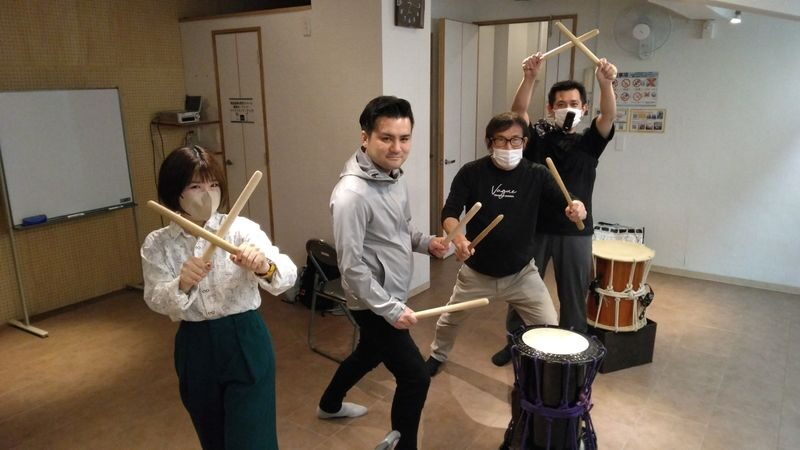
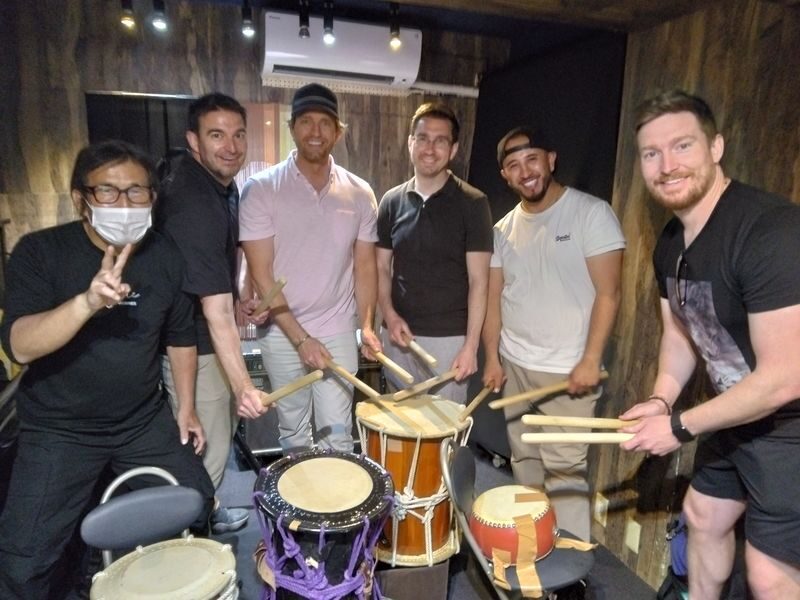
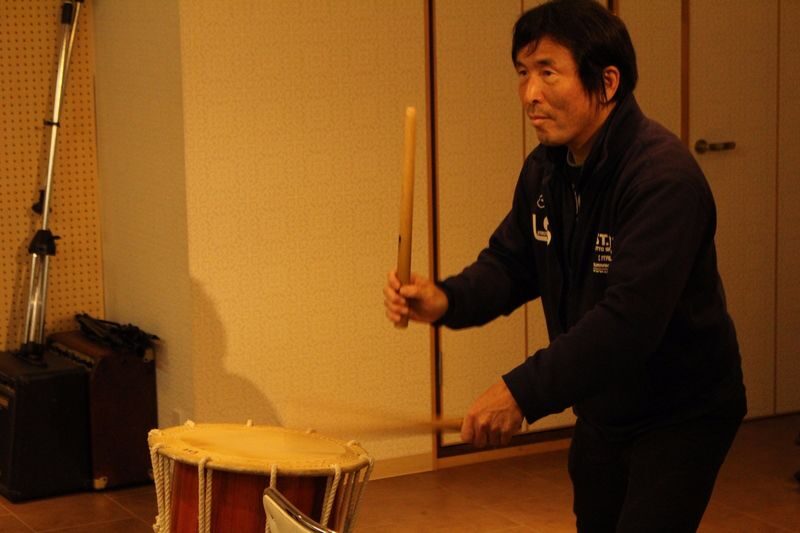
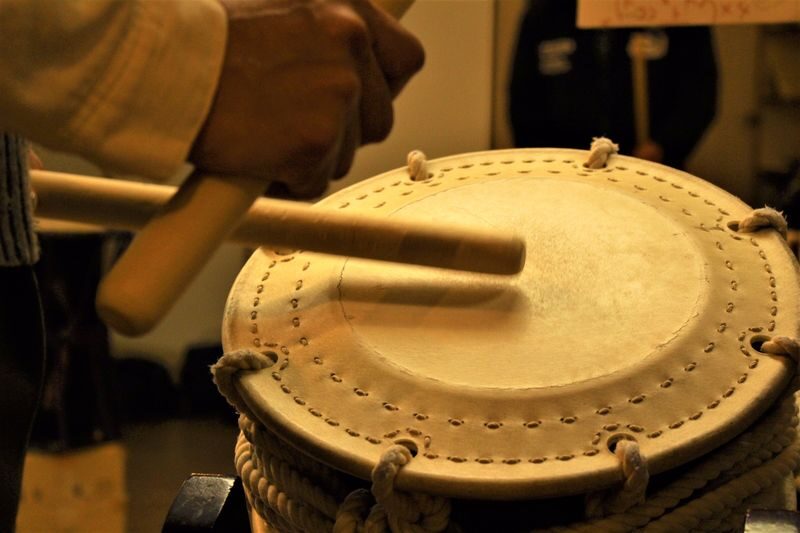
- The lesson begins with the basics: You learn how to hold the sticks and make clear, forceful strikes before working on rhythms.
- The instructor adjusts the challenge: Beginners can follow simpler patterns, while people with drumming experience may be given more complex beats.
- You may finish with a short song: The lesson builds from individual rhythms toward playing a simple piece together.
- The drum sound is powerful: Taiko takes physical effort, and a 50-minute class can leave you warm and ready for water.
- The studio is practical, not grand: Expect a small teaching space rather than a large performance hall or rows of drums.
- The meeting point is near the station: You meet by the FamilyMart at the South Exit of JR Okubo Station, then walk to the lesson space.
👉 See our pick of the Our Picks For The 11 Best Workshops & Classes In Tokyo
A first lesson in a very physical instrument
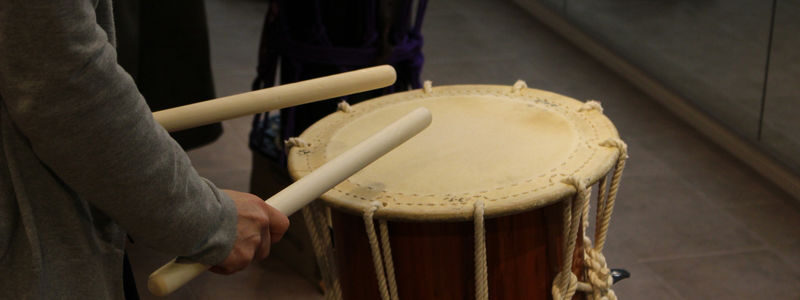
Taiko, also called wadaiko, is Japanese drumming with a big, direct sound. The point of this class is not to watch a performance from the sidelines. You pick up the sticks and try the instrument yourself, learning how a steady beat, a firm strike, and a bit of coordinated movement can turn noise into rhythm.
That physical side is part of the appeal. You do not simply tap a drum with your wrists. The instructor teaches you to use your body and keep the sticks responsive, and sustained playing can take effort. If you are used to sitting through cultural demonstrations, this is a more active way to spend an hour.
The class lasts about 50 minutes. That is enough time for an introduction, but not long enough to master a demanding tradition. I would treat it as a hands-on sampler: you get a sense of the sound, learn a few techniques, and leave with something simple to practise or show off at home.
You can also read our reviews of more tours and experiences in Tokyo.



From Okubo Station to the drum room
The meeting point is outside the FamilyMart by the South Exit of JR Okubo Station, at 1-23-21 Hyakunincho in Shinjuku. The directions specify the Chuo Line to Okubo Station. Because the activity starts at a particular place and time, take a moment to confirm that you are at the South Exit, not simply somewhere near the station.
The meeting time shown for this session is 18:00. Plan to arrive 15 minutes early, as requested. That buffer matters: late arrivals and no-shows are not refundable, and there is no advantage to sprinting through the station just before class.
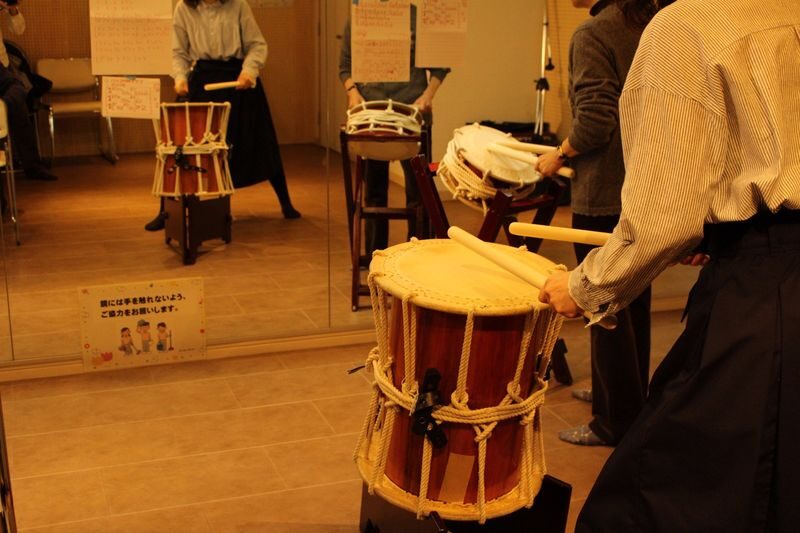
From the station, you walk with the instructor to the practice space. The setting is described as a compact studio, not a purpose-built tourist attraction or a large concert venue. Some visitors have found the room small, and drum stands may not always be available for every instrument. In one instance, drums were set on chairs instead. It is a practical arrangement, but worth knowing if you picture a polished music school with a drum at every station.
Learning the first beats
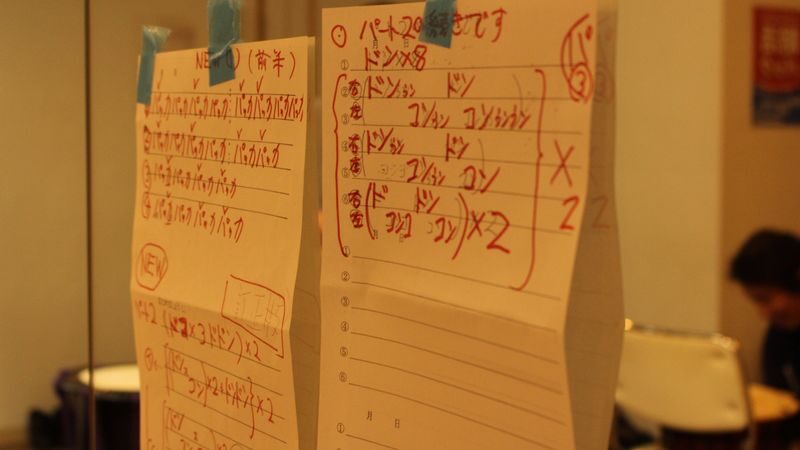
The lesson starts at a basic level. You get an instructor demonstration, learn how to handle the sticks, and try simple strikes and rhythms. This is welcoming for people who have never played an instrument, and the instructions are designed to be clear even if you do not have a music background.
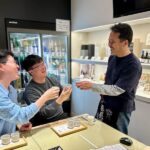
The teacher’s manner is a major part of the experience. Naoichi Hanada is described as patient, funny, encouraging, and able to explain the activity in English. He can simplify patterns for a beginner while giving a more experienced drummer something harder to follow. That flexibility is useful in mixed groups, where one person may have played percussion for years and another may be holding drumsticks for the first time.
You do not need perfect timing to take part. The aim is to listen, try, and improve as you go. If you lose the beat, keep watching the instructor and pick up the pattern again. The atmosphere is informal enough that a few missed strikes are part of the fun, not a reason to feel self-conscious.
Building rhythms into a short piece
Once you have the basics, the class introduces different rhythms and techniques. The teaching is hands-on: listen to the instructor, copy the pattern, then repeat it until the beat feels more natural. Several patterns may be put together into a short melody or song, giving the lesson a small sense of progress rather than leaving you with a set of unrelated taps.
The pace is brisk. That suits a short class and keeps the energy up, but it also means you should not expect a long discussion of taiko history or a detailed study of performance customs. The focus is on playing. A short lesson can feel repetitive if you want a wide range of exercises, but repetition is also how you begin to settle into a rhythm.
The physical sound is a highlight. Taiko drums are known for carrying a deep, forceful beat, and playing one yourself is different from hearing it in a performance or tapping along to an arcade game. You begin to understand that a strong sound depends on more than hitting hard. You need control, a steady pulse, and enough stamina to keep the sound consistent.
A small class with room to adjust
The intimate setup makes it easier for the teacher to notice how you are doing. In small groups, there is more opportunity to try the patterns, ask for help, and receive a version of an exercise that fits your ability. Some classes may even be one-on-one if no other participants have booked that time, but you should not count on a private lesson unless it is confirmed.
The format works particularly well for couples, families, and friends who want to do something together rather than watch one another take turns at a museum display. Families with children aged 10 and up can book at the adult rate. The stated age limit is under 71, so check the eligibility requirements carefully before reserving.
There is a useful balance here between instruction and play. The instructor leads the session, but you get to make the sound yourself and work toward a group rhythm. A parent who has played drums and a child who is new to music can both take part, though the teacher may need to adjust the challenge for each person.



What the studio is, and what it is not
It helps to set your expectations before you arrive. This is a modest teaching session with a working musician, not a large taiko centre with a full performance setup. The number and arrangement of drums can vary; the available details describe a small selection rather than a room full of instruments.
That simplicity can be a plus. You spend your time learning from the instructor instead of being passed through a highly staged attraction. But if your main reason for booking is to stand behind a huge ceremonial drum in an elaborate hall, this may not match the picture in your head. The experience offers direct access to the instrument and a teacher, not a grand venue.
The class also stays close to beginner level overall. A skilled percussionist may find the first exercises straightforward, although the instructor can offer harder beats. If you already play drums, tell him early so he can make use of your experience. If you are new, you can relax: the class is built to start with the basics.
The price, time, and practical value
At a starting price of $18.89, this is one of the less expensive ways to add a hands-on cultural activity to a Tokyo itinerary. Tax and the 50-minute wadaiko experience are included. Personal expenses are not. Prices can change, so check the amount for your date before booking.
The value is strongest if you want to do, rather than just observe. You get an instructor-led introduction, use of the drums during class, and a chance to play rhythms as part of a group. The short duration also makes it easier to fit around sightseeing than a half-day workshop. On the other hand, if you want a long lesson, a deep historical overview, or advanced training, the price does not turn this into a specialist course.
This is a good choice for a family activity, a casual date, or a small group looking for something unusual to do near Shinjuku. It can also work for musicians curious about taiko, provided they understand that the session is still an introductory class and that the challenge depends on the instructor and the group.
What to wear and bring
Wear stretchy clothing that lets you move your arms and shoulders comfortably. Taiko playing can be strenuous, and restrictive clothes will make it harder to follow the instructor’s movements. You do not need to bring an instrument; the activity includes the drum experience.
Your voucher is mobile, so have it ready on your phone. The voucher is valid only for the date and time specified. Since the session is short and late arrivals cannot receive a refund, check the station exit and meeting details in advance rather than relying on a hurried search when you arrive.
Should you book this taiko class?
Book it if you want a short, active introduction to a traditional Japanese instrument, especially if you enjoy trying things with your hands and do not mind making mistakes in front of others. The strongest reasons to go are the instructor’s personal approach, the chance to build simple rhythms into a piece, and the convenient Okubo meeting point.
Skip it if you expect a full-length course, advanced training, or a formal performance space. The room is small and the class is brief, but for the starting price it offers a memorable way to hear and feel taiko from the player’s side of the drum.
Taiko (Japanese Drum) Experience in Tokyo
“Fantastic fun, we had a great time, and my son know wants a Japanese drum at home. We really learnt a lot even though we were not that good, the te…”
FAQ
How long is the taiko experience?
The activity lasts about 50 minutes. It is a short introductory class, not an extended course.
How much does the experience cost?
Prices start at $18.89. The amount may vary, so check the price for your selected date when booking.
Where is the meeting point?
Meet in front of the FamilyMart by the South Exit of JR Okubo Station, at 1-23-21 Hyakunincho in Shinjuku, Tokyo.
How do I get to JR Okubo Station?
The directions specify taking the Chuo Line to Okubo Station. Make sure you use the South Exit for the meeting point.
What time should I arrive?
The listed session time is 18:00. Arrive at the meeting point 15 minutes before the scheduled start.
Do I need previous drumming experience?
No previous experience is required. The lesson begins with basic instruction, and the teacher can adjust the exercises to different skill levels.
What should I wear?
Stretchy clothing is recommended because playing taiko involves movement and can take physical effort.
What ages can participate?
Participants must be at least 10 years old and under 71. Children aged 10 and older pay the same rate as adults.
What is included in the price?
The price includes tax and the 50-minute wadaiko experience. Other personal expenses are not included.