Making chopsticks by hand turns an ordinary object into a small, useful souvenir. In this one-hour Asakusa workshop, you choose wood, shape it with workshop tools, and sand it until it feels right in your hands. The host also explains why chopsticks matter in Japanese daily life.
I like two things in particular: you make something you can actually use, and the studio’s location makes it easy to fit the class around a visit to Senso-ji Temple and Asakusa’s shopping streets. One thing to plan for: the listed price starts low, but premium wood and laser engraving cost extra, so check what your chosen package includes before you book.
- A practical souvenir: You make a pair of chopsticks to take home the same day.
- Hands-on work: Expect to shape and sand the wood yourself, not just watch a demonstration.
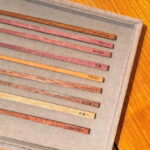
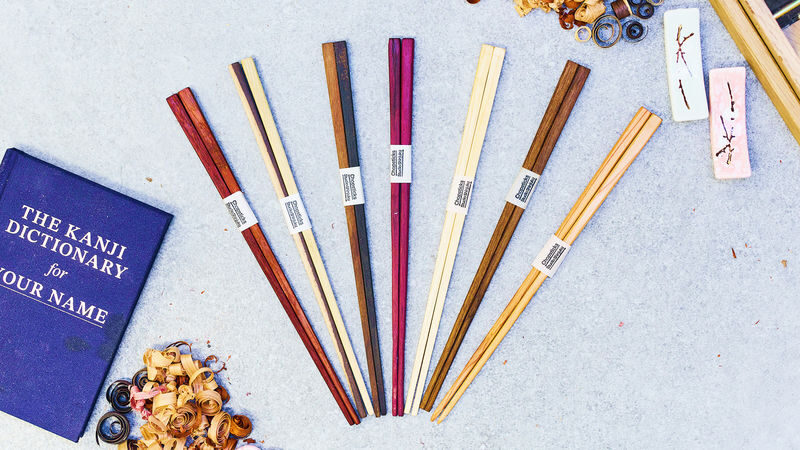
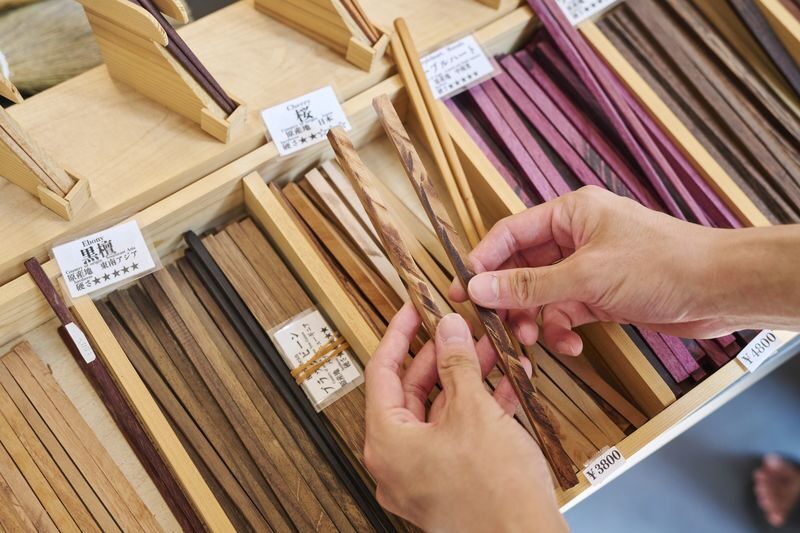
- Wood choices: More than 10 types are offered, though premium options cost extra.
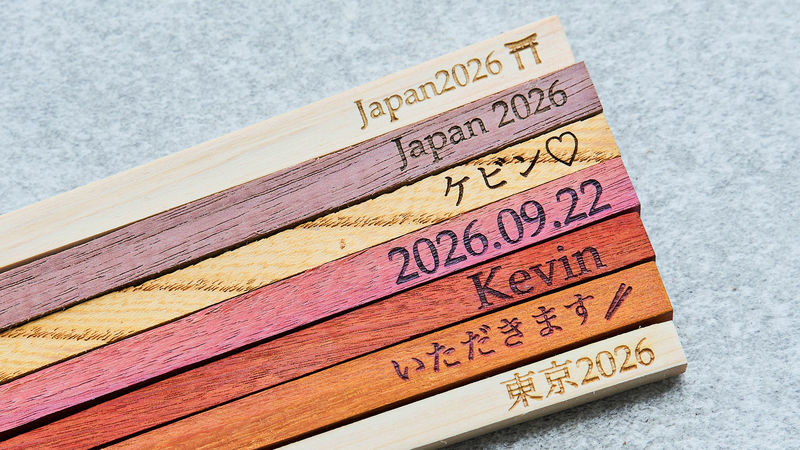
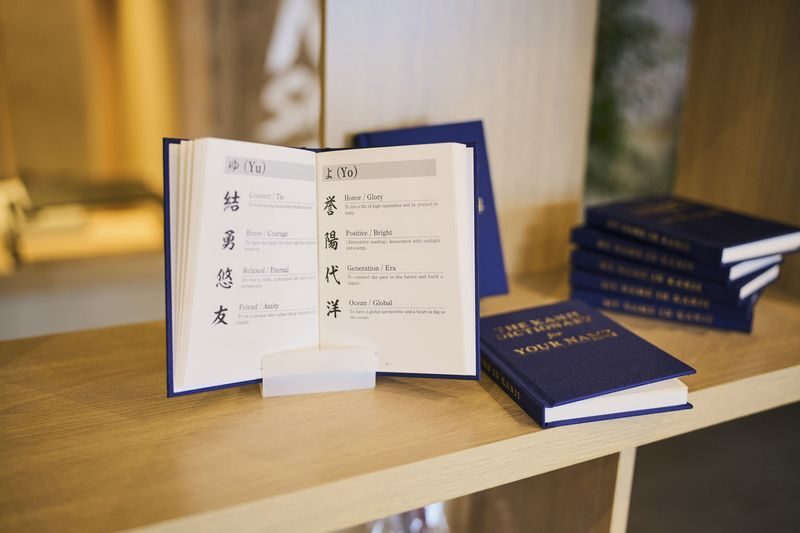
- Optional personal touch: Laser engraving can add a name in Kanji for an additional fee.
- Easy to fit into Asakusa: The studio is a short walk from several Asakusa Station exits and close to Senso-ji.
- Friendly instruction: Hosts guide you step by step in English and Japanese.
- A working souvenir, made one careful stroke at a time
- Choosing wood without losing track of the cost
- Shaping and sanding: the heart of the hour
- Local hosts make a small class feel welcoming
- A convenient stop near Senso-ji
- Is an hour enough?
- Getting good value from the booking
- Who will enjoy making their own pair?
- FAQ
- How long does the workshop take?
- Where does the activity meet?
- How do I get to the studio from Asakusa Station?
- Is wood included in the standard package?
- Does the workshop include engraving?
- Is the workshop suitable for children?
- What languages do the hosts speak?
- Can I cancel for a refund?
- The Best Of Tokyo!
- More Workshops & Classes in Tokyo
- More Tours in Tokyo
- More Tour Reviews in Tokyo
A working souvenir, made one careful stroke at a time
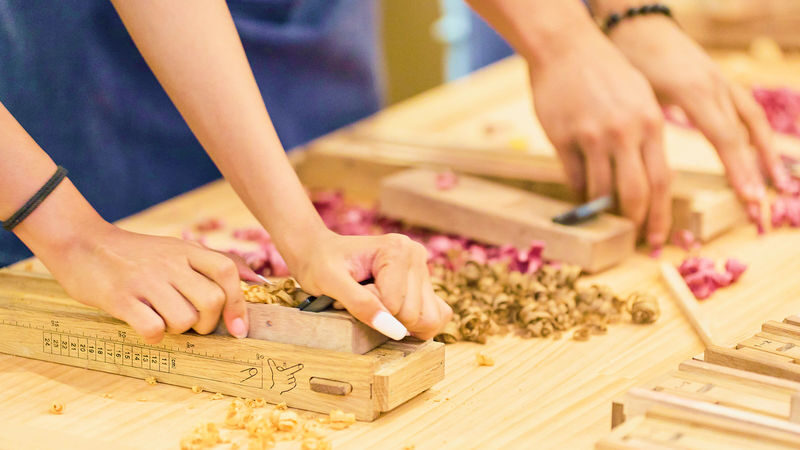
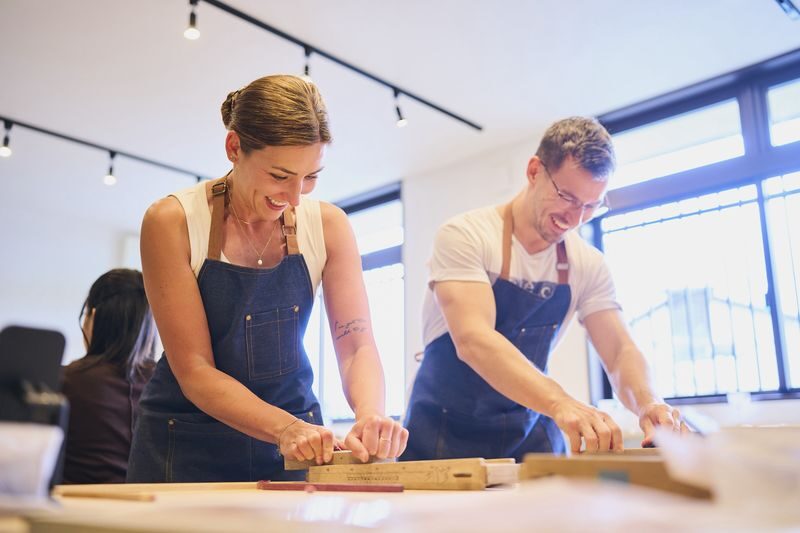
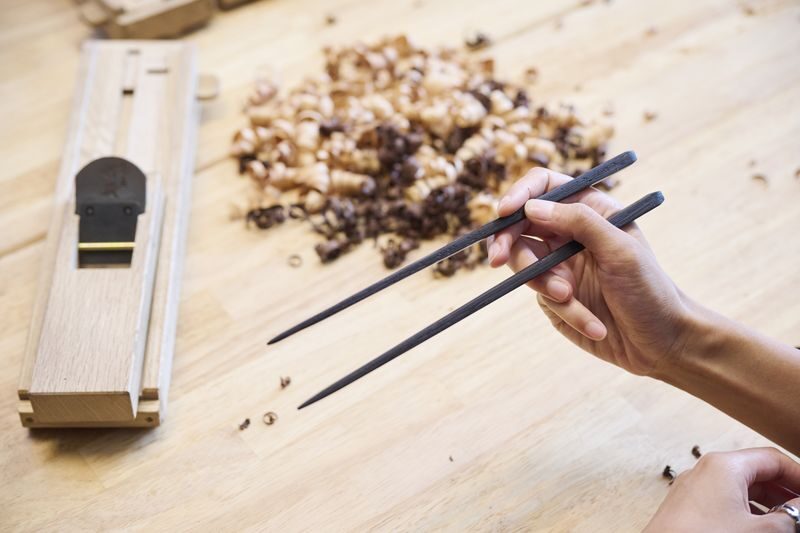
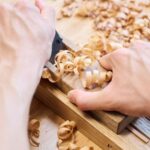
This class is not a lecture with a souvenir handed over at the end. You take part in making the object, using professional tools to shape the wood and sand it down. The work is fairly physical for such a short activity, so arrive ready to use your hands and take your time.
That effort is part of the appeal. A pair of chopsticks is familiar, but making your own changes how you look at it. You get a feel for the decisions behind its shape and finish, then leave with something personal rather than another mass-produced trinket.
The host begins with an introduction to the importance of chopsticks in Japanese life, then explains the steps and guides you through the work. The workshop is advertised as suitable for everyone, and children aged 16 or younger can take part with a paying adult. There is no stated age limit.
👉 See our pick of the Our Picks For The 11 Best Workshops & Classes In Tokyo
Choosing wood without losing track of the cost
You can choose from more than 10 wood types, but not all are part of the basic price. The standard package includes standard wood; premium wood is an optional upgrade. Laser engraving is also an extra, and the all-inclusive premium plan is another package option.
This is the main detail to check before you commit. The advertised starting price is from $12.65, but that should not be treated as the guaranteed final cost for every wood choice or finish. Some customers have found the pricing confusing, particularly when comparing the base workshop fee with wood upgrades and engraving. Confirm what is included in the exact package you select, and decide your add-on budget before you arrive.
The basic choice may be all you need. If you want a more unusual wood or a name engraved in Kanji, you can pay more for a keepsake with a stronger personal connection. If you are trying to keep the activity inexpensive, stick with the included standard wood and skip engraving.
You can also read our reviews of more tours and experiences in Tokyo

Shaping and sanding: the heart of the hour
After selecting your wood, you work through the shaping and sanding process with guidance from the staff. The goal is not simply to make two matching sticks look neat. You also sand the surface so the chopsticks fit comfortably in your hands.
The hosts explain each step, demonstrate how to use the tools, and help you as you go. That step-by-step support matters if you have never tried a craft workshop before. It also means the class is not entirely passive: you need to pay attention, follow the instructions, and put in some effort.
Be patient with the process. Sanding takes time, and the final pair may show the small differences that come with handmade work. That does not have to be a flaw. The finished chopsticks are intended for use, and an individual handmade look can be part of their appeal.
At the end, staff inspect the finished pair, and you can take your chopsticks home that day. You also receive care instructions. If you choose engraving, it is an optional final personalization, not part of the standard package.
Local hosts make a small class feel welcoming
The workshop is led by English- and Japanese-speaking staff, which helps you follow the demonstrations and ask questions. The hosts named by participants include Lara, Rino, Rin, Asuka, and Sami. You cannot request a particular instructor based on the information provided, but the consistent strength of the experience is the patient, friendly guidance.
That welcome can make a difference if you are travelling alone or bringing children. One solo visitor had a private session, though a private class is not guaranteed. Families have also attended with young children, and the staff helped them through the activity. Treat those examples as a sign that the workshop can suit different groups, not a promise about the group size or staffing on your date.
English support is especially useful when you are learning a hands-on task. Rather than guessing how much to sand or how to use a tool, you can ask for help as you work. The setting is also air-conditioned, a welcome break if you need an indoor activity on a rainy or hot Tokyo day.
A convenient stop near Senso-ji
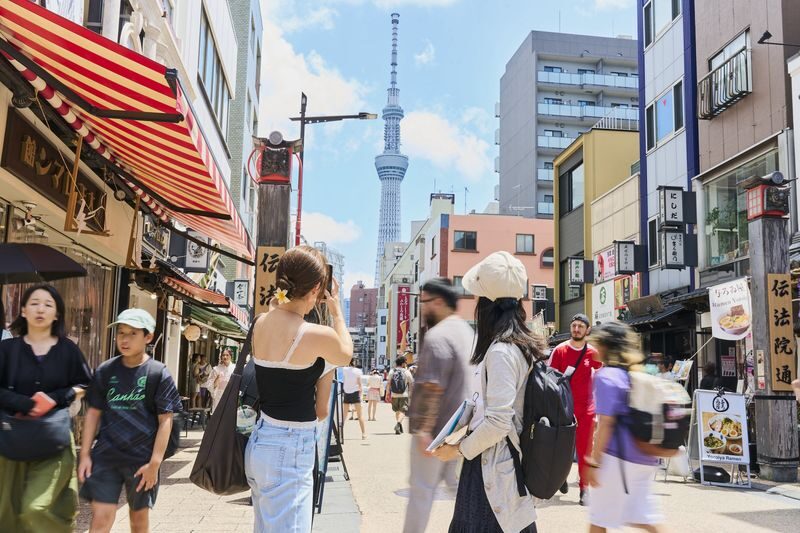
Chopsticks Studio Asakusa is on the sixth floor of The Room Asakusa, at 1-16-11 Asakusa, Taito City. It is close to Senso-ji Temple and the nearby shopping area, so the workshop works well as a short planned stop rather than a trip across town on its own.
The address is about a five-minute walk from Asakusa Station’s Tokyo Metro Ginza Line Exit 1, about six to nine minutes from the Toei Asakusa Line’s Exit A4, roughly three minutes from the Tsukuba Express’s Exit A1, and about five minutes from the Tobu Skytree Line main exit. The different rail lines have different exits, so check which one matches your route before setting off.
The workshop meets and finishes at the studio. Available start times are listed from 9:00 a.m. through 6:00 p.m., at one-hour intervals, though your return time depends on the selected departure time and the activity duration. Arrive five minutes early and stick to the time you booked. Late arrivals and no-shows are not eligible for a refund or amendment.
Is an hour enough?
For the activity as described, yes: the session is planned for one hour, including instruction and making your chopsticks. That makes it easy to slot between other Asakusa sights. But an hour is not a reason to rush the work. If you want to compare wood choices carefully or consider engraving, give yourself a little breathing room around the class.
The workshop is also a useful change of pace from temple visits and shopping. You get a focused activity indoors, and you leave with something you made. On the other hand, if you dislike making things or would rather spend the hour seeing another attraction, this may not be your best use of time. The wood shaping and sanding are the main event, not a brief add-on.



Getting good value from the booking
The value depends on what you want from the hour. If you enjoy hands-on activities, the base workshop can offer more than a souvenir purchase: you learn a little about chopsticks, work with the material, and make a pair under staff guidance. The location also helps, since you can combine it with Asakusa’s main sights without planning a separate outing.
If your priority is the lowest possible cost, pay close attention to package details. Standard wood is included according to the package information, while premium wood and engraving are optional extras. The all-inclusive premium plan is available, but check its precise inclusions and price at booking rather than assuming it covers every possible upgrade.
The workshop has a 5.0 out of 5 rating from 29 activity reviews, with praise especially strong for the kind staff, clear instruction, and the finished souvenir. Those are useful signs, but the small number of ratings does not tell you exactly how large your session will be or which host you will meet.
Bookings can be made for the same day when spaces are available, and confirmation is described as arriving within minutes. You can cancel for a full refund if you do so at least 24 hours before the activity date, in Tokyo local time. The operator may cancel due to extreme weather or unforeseen events, in which case you can reschedule or request a full refund. Pets are not allowed.
Who will enjoy making their own pair?
I would put this high on the list for visitors who like craft activities, want a practical keepsake, or need an indoor break in Asakusa. It is also a good choice for a family outing, provided children aged 16 or younger attend with a paying adult and are ready to follow the workshop instructions.
It can work for a solo visitor, too. The activity gives you something to focus on and a chance to talk with a local host. But do not book it expecting a grand historical tour or a long cultural demonstration. The cultural context is part of the session, while the main attraction is making the chopsticks yourself.
Book it if you enjoy making things and want a personal souvenir with a local connection. Skip it if you are short on time, dislike hands-on work, or want to avoid any extra spending beyond the starting price. For most people who choose the standard wood and approach the optional upgrades with a clear budget, it is a neat, well-placed way to make an ordinary object memorable.
Tokyo: Asakusa Chopstick Making Workshop with Locals
“We recommend this only for those who enjoy making things. The listed fee is just for enjoying the experience, and you need to choose the wood to ma…”
FAQ
How long does the workshop take?
The workshop lasts one hour.
Where does the activity meet?
It meets at Chopsticks Studio Asakusa, on the sixth floor of The Room Asakusa, 1-16-11 Asakusa, Taito City, Tokyo.
How do I get to the studio from Asakusa Station?
The studio is about a five-minute walk from the Tokyo Metro Ginza Line’s Exit 1, six to nine minutes from the Toei Asakusa Line’s Exit A4, three minutes from the Tsukuba Express’s Exit A1, and five minutes from the Tobu Skytree Line main exit.
Is wood included in the standard package?
The standard package includes standard wood. Premium wood is an optional upgrade, so check the selected package details and any added costs before booking.
Does the workshop include engraving?
Laser engraving is optional and costs extra. The all-inclusive premium plan is also offered as a package option.
Is the workshop suitable for children?
There is no age limit, but children aged 0 to 16 must be accompanied by a paying adult.
What languages do the hosts speak?
The workshop has an English- and Japanese-speaking guide.
Can I cancel for a refund?
You can receive a full refund if you cancel at least 24 hours before the activity date, based on local time in Tokyo. No refund or amendment is available for late arrivals or no-shows.