A child can move from ninja hand signs to throwing an iron shuriken in a single 45-minute session at Ninja Residence Jikukan. This compact class turns Asakusa sightseeing into a hands-on outing, with a costume and a few skills to practice before heading back to the temple streets.
I like two things in particular: the mix of activities, which keeps the class moving, and the chance to wear the ninja outfit around Asakusa afterward. The instructors are also described as patient and able to explain things in English, so children can follow along without needing Japanese.
The main consideration is the age limit: this is for children from 3 to 12, not a class for adults to join. Forty-five minutes is a short session, too, so treat it as a lively introduction rather than an in-depth martial arts lesson.
- What to know before you book
- From Hisago-dori to the ninja training room
- Five skills in one short class
- Instructors help bridge the language gap
- The costume makes the outing last longer
- How the price compares with a longer attraction
- Choosing a time and planning the rest of your day
- Who will get the most from this experience?
- Should you book the Asakusa Junior Ninja Adventure?
- FAQ
- How long is the Junior Ninja Adventure?
- What ages can participate?
- Where is the meeting point?
- What time slots are available?
- What activities are included?
- Is the class led in English?
- Can children wear the ninja costume after the class?
- What does the activity cost?
- What should participants wear?
- What happens if the operator cancels the activity?
- The Best Of Tokyo!
- More Tours in Tokyo
- More Tour Reviews in Tokyo
What to know before you book
 1 / 9
 2 / 9
 3 / 9
 4 / 9
 5 / 9
 6 / 9
 7 / 9
 8 / 9
 9 / 9
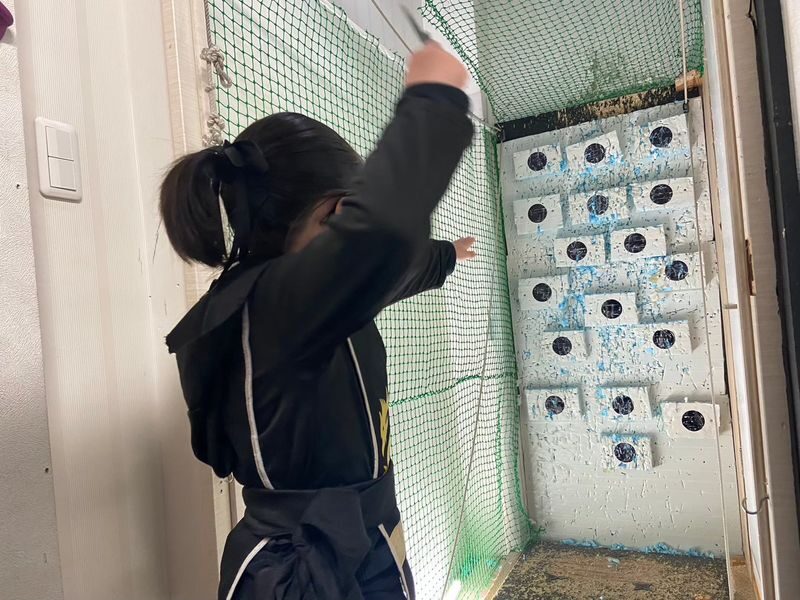
- Five activities fit into 45 minutes: Children try kuji-in hand signs, shuriken throwing, katana practice, stage combat and archery on a horse-riding machine.
- The shuriken are described as iron-made: This is a hands-on skills session, not just a costume photo stop.
- English-speaking staff lead the class: Instructors use English, and some sessions have also had Chinese-speaking staff.
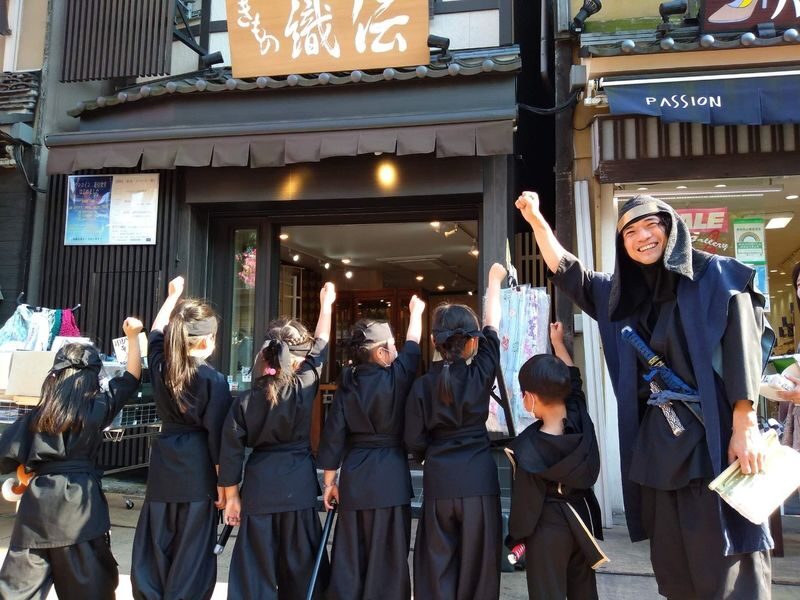
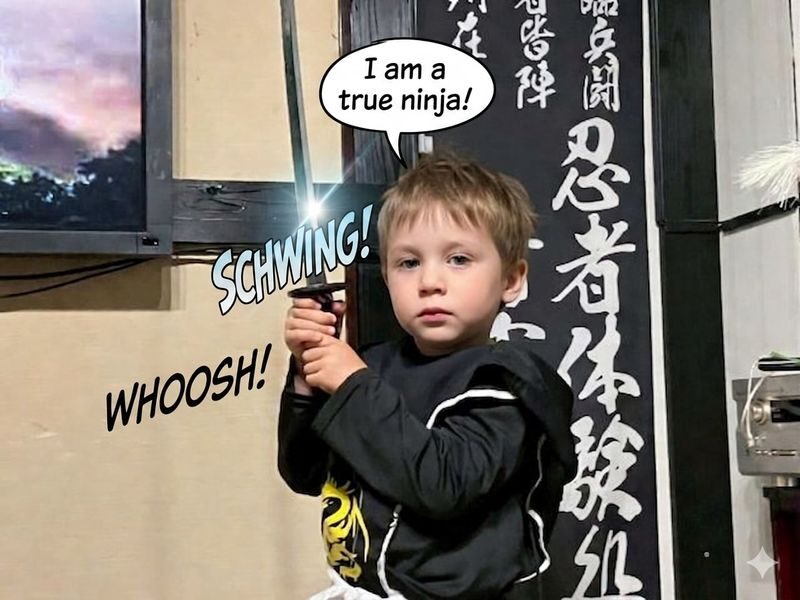
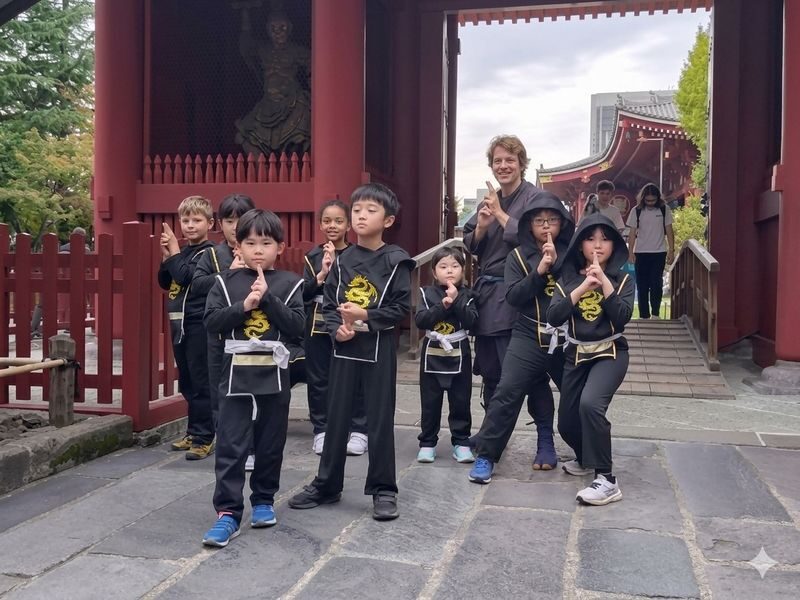
- Costume time can extend the outing: The ninja outfit is available to wear for free until 6 PM after the class.
- The location is in Asakusa: The meeting point is on the second floor of the SDS Building in Hisago-dori Shopping Street.
- Children must be ages 3 to 12: The activity is not intended for adult participants.

👉 See our pick of the Our Picks For The 11 Best Workshops & Classes In Tokyo
From Hisago-dori to the ninja training room
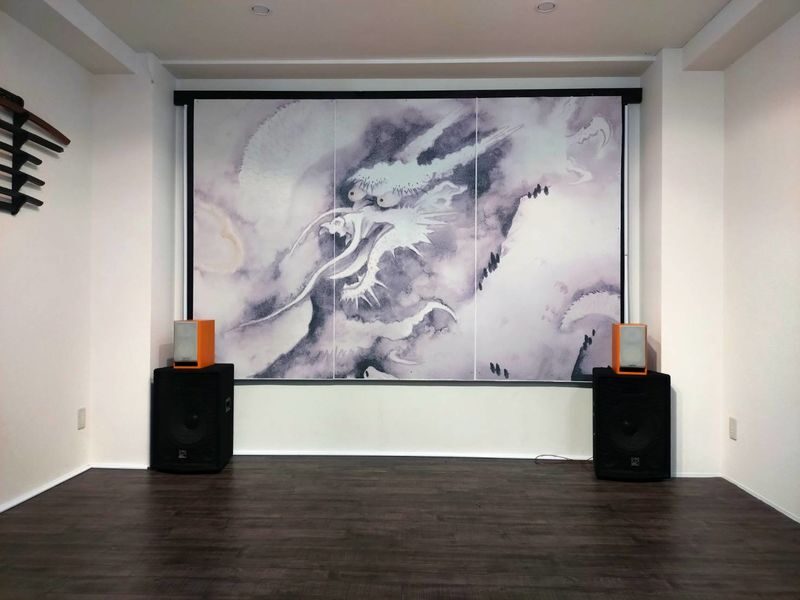
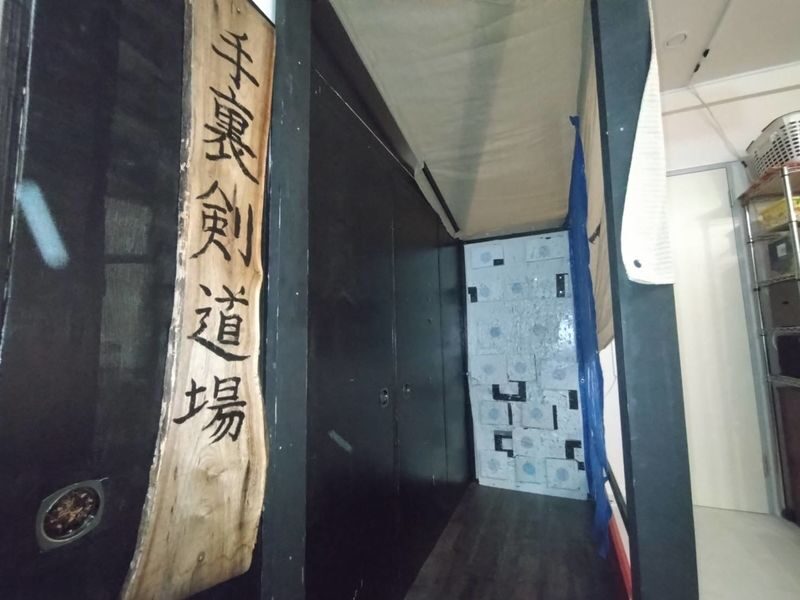
The meeting point is on the second floor of the SDS Building in Hisago-dori Shopping Street, at 2-26-5 Asakusa. The activity takes place at Ninja Residence Jikukan, also listed at 202, 2-26-5 Asakusa, in Tokyo’s Taito ward. Allow time to find the building and get upstairs before your chosen start.
You can book a session at 11 AM, 1 PM, 3 PM or 5 PM. Arriving late is a poor gamble: late participation is not allowed once the class has started, and this is a timed activity rather than a drop-in attraction. Wear comfortable clothes for movement beneath the costume.
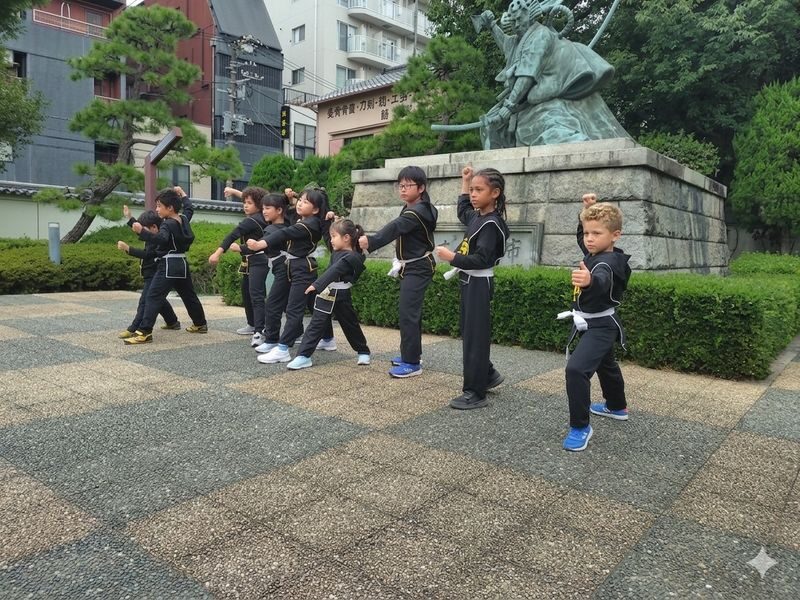
The location makes a useful pairing with a day in Asakusa. You can plan the class around other sightseeing, then use the costume time for nearby photos or a walk through the area. Senso-ji Temple is mentioned as a nearby place to take pictures, but the class itself ends at the ninja residence, so plan your route from there.
You can also read our reviews of more tours and experiences in Tokyo.



Five skills in one short class
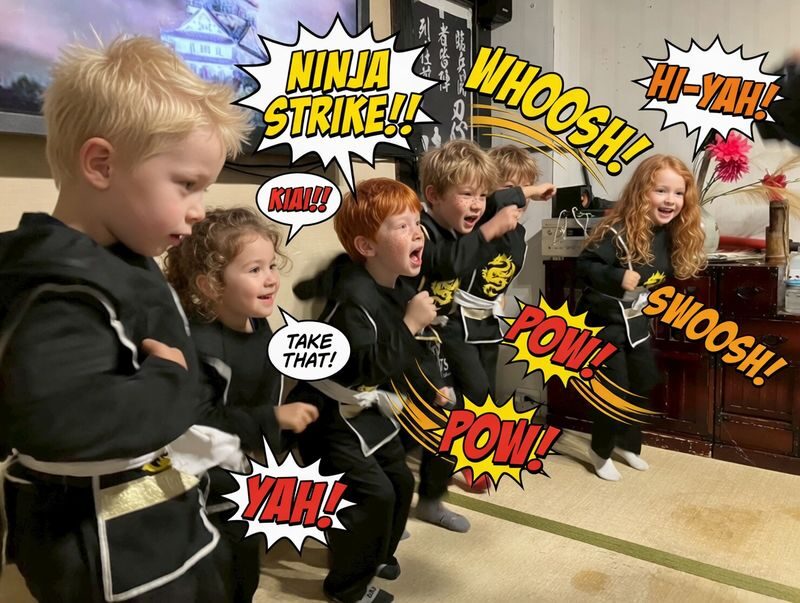
The 45-minute format is designed to keep children active. The training includes kuji-in, a sequence of nine hand signs, along with shuriken throwing, katana practice and tate, or stage combat. There is also an archery activity on a horse-riding machine, described as a nod to yabusame, the Japanese mounted archery tradition.
That mix is the main reason this experience can work well for children with different interests. One may be drawn to the sword practice, another to the shuriken, and another to the costume and role-play. Rather than spend the full session on one skill, the class gives them a quick taste of several.
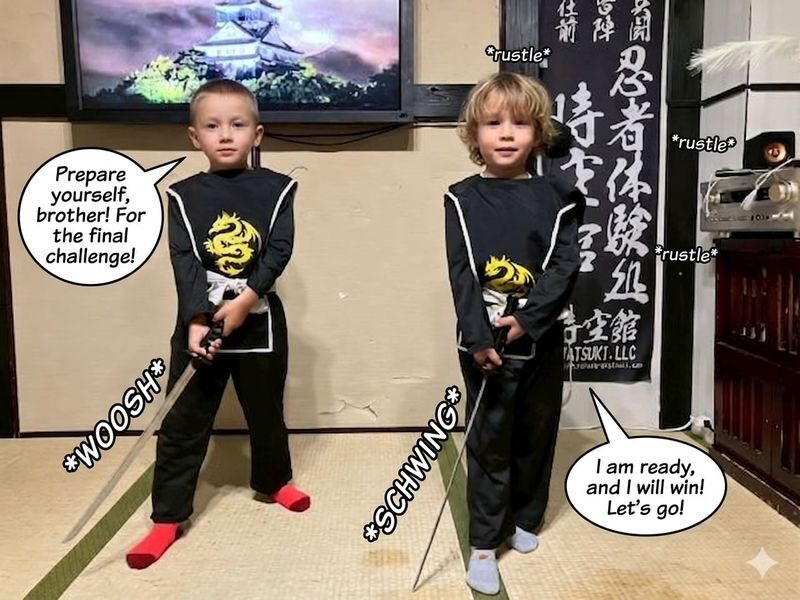
The shuriken activity is described as using iron-made throwing stars, giving the lesson a more hands-on feel than a simple dress-up session. The katana and stage combat portions add movement and performance to the training. The horse-riding machine archery activity is a simulation, not a horseback ride, so set expectations accordingly.
The class is presented as suitable for children, and the instructors guide the activities. Still, the equipment and movement mean this is not a passive show: children need to be willing to take part and follow directions. If your child prefers to watch rather than try the activities, the short format helps limit the commitment, but the experience is built around participation.
Instructors help bridge the language gap
English-speaking staff are included, and families have described the explanations as clear and easy for children to follow. That matters here: a child gets more from a sequence of activities if they understand what to do and why each skill is part of the session. Some staff are also described as speaking Chinese.
Names mentioned for instructors include Jin and Jim, though your trainer may be someone else. The common thread is a friendly, patient teaching style, with enough humor and encouragement to keep children engaged. One family also appreciated that the instructors did not pressure children to buy extras, a practical plus when you are trying to keep a child-focused outing simple.
The experience includes some ninja history as well as practice. It is not a long cultural lecture, and the 45-minute schedule leaves limited room for depth. Think of the context as a useful introduction woven into the activities, rather than a detailed history lesson.
The costume makes the outing last longer
After the class, the ninja costume can be worn for free until 6 PM. That turns a 45-minute booking into a possible photo opportunity and a playful walk around Asakusa, without adding a costume rental charge. Children can carry the character they have just played into the surrounding streets, which may be the most memorable part for some families.
The extra time is not unlimited. A 5 PM class ends at 5:45 PM, leaving only about 15 minutes before the costume period ends at 6 PM. Earlier sessions offer more time to explore in costume. If that is a key reason for booking, choose your departure time with the clock in mind.
A costume can also be warm, especially if the weather is hot. One child found the outfit uncomfortable toward the end and wanted to change quickly, so pack a little patience and keep the rest of your plans flexible. The costume walk is an option, not an obligation: you can simply finish the class, take photos, and move on.
How the price compares with a longer attraction
The 45-minute junior experience starts at US$24.65. For a short, instructor-led activity with several hands-on elements and costume use until 6 PM, that is a reasonable price if your child is keen on ninjas. It is especially practical when you want a structured break between sightseeing stops without committing half a day.
The value depends on what you expect. You are paying for a compact activity with instruction and access to the attraction, not a long course or a full-day costume rental. The price does not include personal expenses, and the information provided does not specify whether a parent’s admission is included. Check the booking details for the participants in your party before you pay.
The class is limited to children under 13 and at least 3 years old. Adults can accompany children as parents, but the activity is not described as an adult training session. If you are looking for something the whole family can actively join, this may not be the right fit.



Choosing a time and planning the rest of your day
The available start times are 11 AM, 1 PM, 3 PM and 5 PM, with corresponding end times of 11:45 AM, 1:45 PM, 3:45 PM and 5:45 PM. Options can depend on the session selected. The activity ends at the ninja residence, so you can continue sightseeing from there rather than returning to a separate departure point.
For the most relaxed costume photos, an earlier class gives you more time before 6 PM. A later slot may suit you if you are already spending the day in Asakusa, but leave enough time to reach the second-floor reception. The operator does not allow late arrivals to join after the class has begun.
A mobile voucher is used for entry, and confirmation is expected within 24 hours of booking. The voucher is valid only for the selected date and time. If extreme weather or another unforeseen event leads the operator to cancel, you can choose to reschedule or request a full refund. Cancellations made at least 24 hours before the activity date are eligible for a full refund; late arrivals and no-shows are not.
Who will get the most from this experience?
This class makes the most sense for children ages 3 to 12 who like costumes, role-play and trying things with their hands. It is a good match for families who want an activity that adds a different kind of memory to an Asakusa visit, rather than another stop built around looking at exhibits.
Younger children may enjoy the costume and short activities most, while older children may be more curious about the techniques and historical context. The class has also held the attention of children around 8 and 9, and families with children aged 3, 5 and 7 have found the session a good fit. Every child is different, but the variety helps avoid relying on one activity to hold everyone’s interest.
Parents who prefer to watch can still share the outing, and the class offers a clear point of connection afterward: photos in costume and a walk through Asakusa. Just remember that the participant age limit applies, and adult participation is not part of this junior program.
Should you book the Asakusa Junior Ninja Adventure?
Book it if you have a child between 3 and 12 who is excited by ninja stories, active play and dressing up. The short session, English-speaking instruction, several distinct skills and costume time give it more substance than a quick photo opportunity.
Skip it if you want a long history lesson, an adult activity or a full martial arts course. The 45 minutes pass quickly, and the horse-riding machine is a simulation rather than a real horse. For the right child, though, this is a nicely focused Asakusa break, especially if you choose an earlier slot and make time for the costume walk afterward.
Tokyo: Asakusa Junior Ninja Adventure Experience
“It was very experience for my kids. Staff are kind, unlike other children's attraction, they are not trying to sell anything to kids. True to their…”
FAQ
How long is the Junior Ninja Adventure?
The activity lasts 45 minutes.
What ages can participate?
Children must be at least 3 and under 13 years old, so the stated age range is 3 to 12.
Where is the meeting point?
Reception is on the second floor of the SDS Building in Hisago-dori Shopping Street, at 2-26-5 Asakusa.
What time slots are available?
You can choose from 11 AM, 1 PM, 3 PM or 5 PM. Available options can vary based on the selected session.
What activities are included?
The training includes kuji-in hand signs, shuriken throwing, archery on a horse-riding machine, katana practice and stage combat.
Is the class led in English?
English-speaking staff are included. Chinese-speaking staff are also described as available.
Can children wear the ninja costume after the class?
Yes. Costume use is free until 6 PM after the experience.
What does the activity cost?
The 45-minute Junior Ninja Adventure starts at US$24.65. The final price may depend on the booking details.
What should participants wear?
Comfortable clothing is recommended because the activity involves physical movement.
What happens if the operator cancels the activity?
If the operator cancels because of unforeseen events or extreme weather, you can reschedule or request a full refund.