Tokyo National Museum puts centuries of Japanese art and material culture under one roof, spread across several museum buildings in Ueno Park. I like two things in particular: the chance to see samurai arms, Buddhist art, prints, and ceramics side by side, and the regular galleries’ frequent exhibit changes, which keep the collection from feeling fixed in time.
The main trade-off is scale. Two or three hours gives you a worthwhile visit, but not a complete one, and covering several buildings can mean plenty of walking and reading. Choose a few priorities before you arrive, and leave time to sit down or visit the garden.
- Key points to know before you go
- A museum built for choosing your own route
- What to see across the museum buildings
- The garden is more than a photo stop
- How much time to set aside
- Ticket value and what the admission covers
- Opening hours, closures, and getting there
- Who will get the most from a visit
- Should you book Tokyo National Museum?
- FAQ
- How long should I plan for Tokyo National Museum?
- What does the regular admission ticket include?
- Does a special exhibition ticket also cover the regular exhibition?
- What are the museum’s opening hours?
- Which days is the museum closed?
- Are children admitted free?
- How do I get to the museum by train?
- Is the Kuroda Memorial Museum included?
- Can I use a mobile voucher?
- The Best Of Tokyo!
- More Museum Experiences in Tokyo
- More Tours in Tokyo
- More Tour Reviews in Tokyo
Key points to know before you go
 1 / 9
 2 / 9
 3 / 9
 4 / 9
 5 / 9
 6 / 9
 7 / 9
 8 / 9
 9 / 9
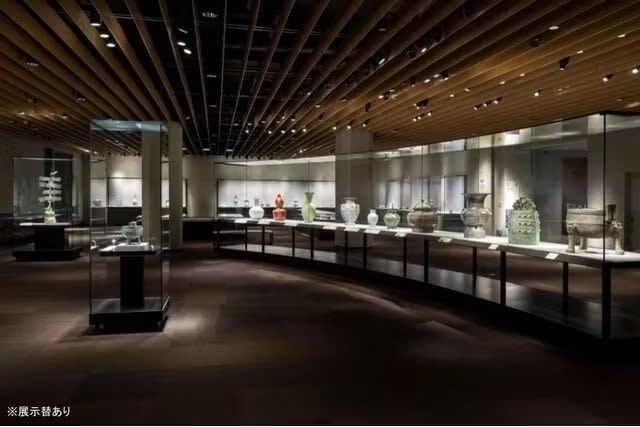
- A collection with real range: Around 120,000 artifacts make up the museum’s collection, with more than 3,000 objects on display at a time.
- The regular galleries keep changing: Exhibits change about 370 times a year, so a particular work may not be on view every visit.
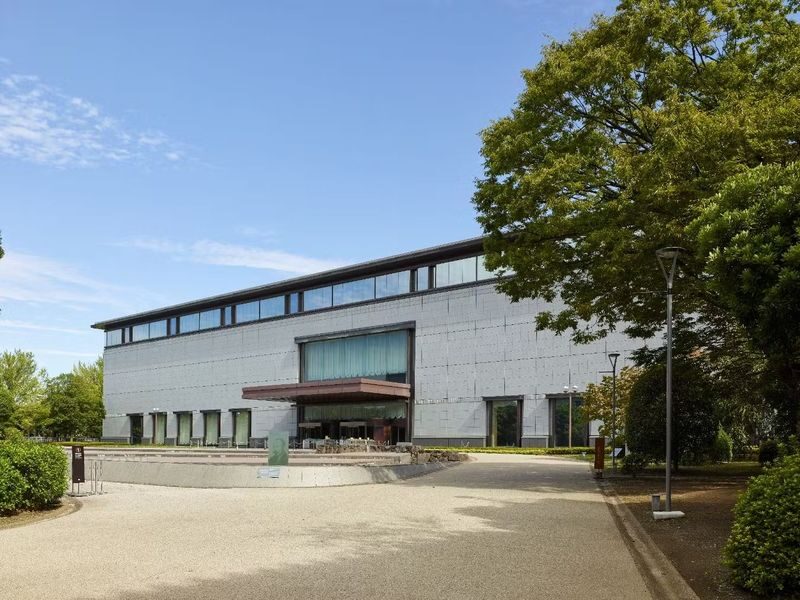
- Expect a multi-building visit: The museum spreads its displays across several buildings. Trying to see everything can wear out your feet.
- Special exhibitions cost extra: The standard admission covers the regular exhibition, not a separate special exhibition.
- Mobile entry is convenient: Show your voucher on your phone. The QR code is a useful shortcut, though entry procedures may vary.
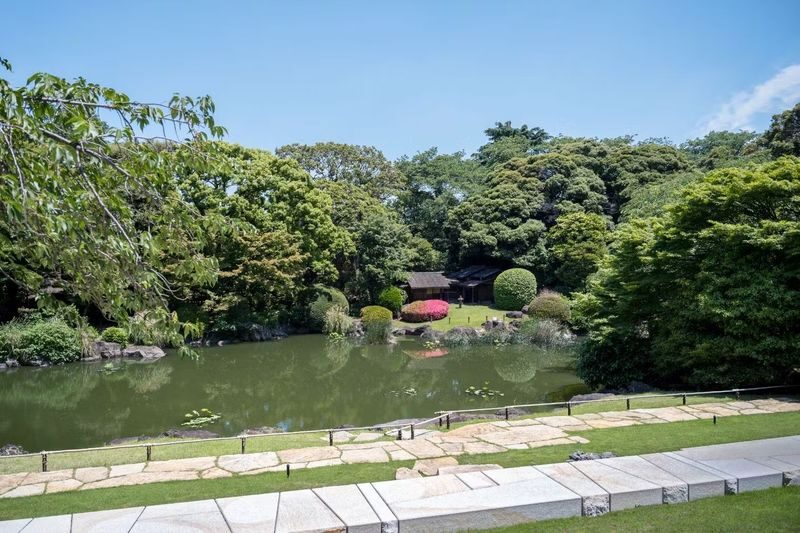
- Ueno Park adds breathing room: The Museum Garden has year-round greenery and traditional teahouses, making it a good pause between galleries.

👉 See our pick of the Our Picks For The 11 Best Workshops & Classes In Tokyo
A museum built for choosing your own route
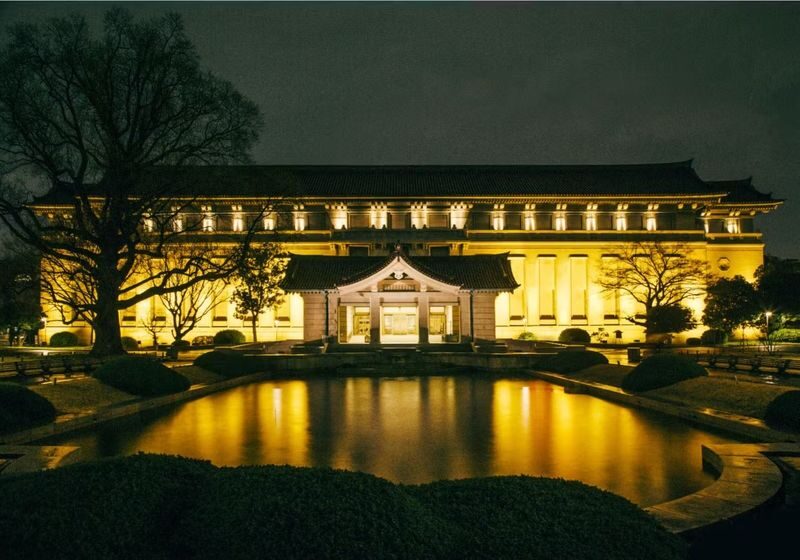
Founded in 1872, Tokyo National Museum is Japan’s oldest national museum. It holds a wide-ranging collection of Japanese art and artifacts, including national treasures and important cultural properties. Rather than follow a fixed tour, you can set your own pace and pick the subjects that interest you.
The collection is spread across multiple buildings, with more than 3,000 objects on display at any one time. That number tells you something useful: the museum is not a quick single-gallery stop. Even if you move briskly, you will need to make choices.
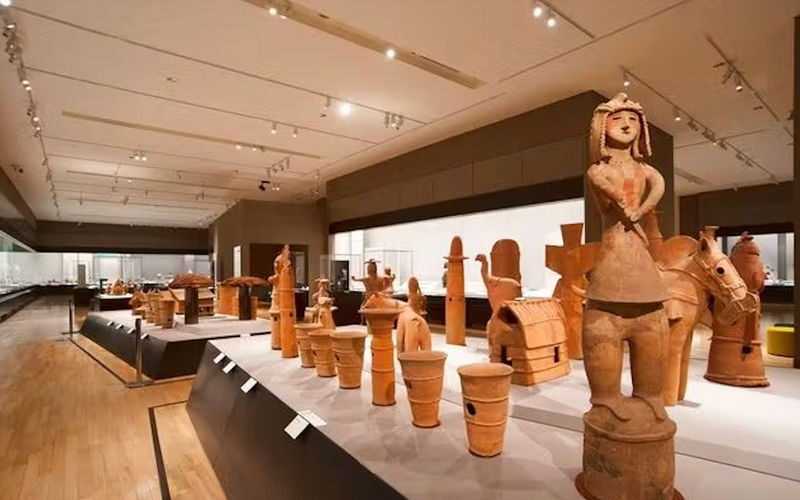
I would start with the Honkan, the Japanese Gallery, if this is your first visit. Its displays offer a way to connect objects from different periods and art forms, including samurai swords and armor, kimonos, woodblock prints, ceramics, and Buddhist works. Give yourself time to look closely. A sword is more than a weapon behind glass; its design and craftsmanship also tell you about the skills and values of the period.
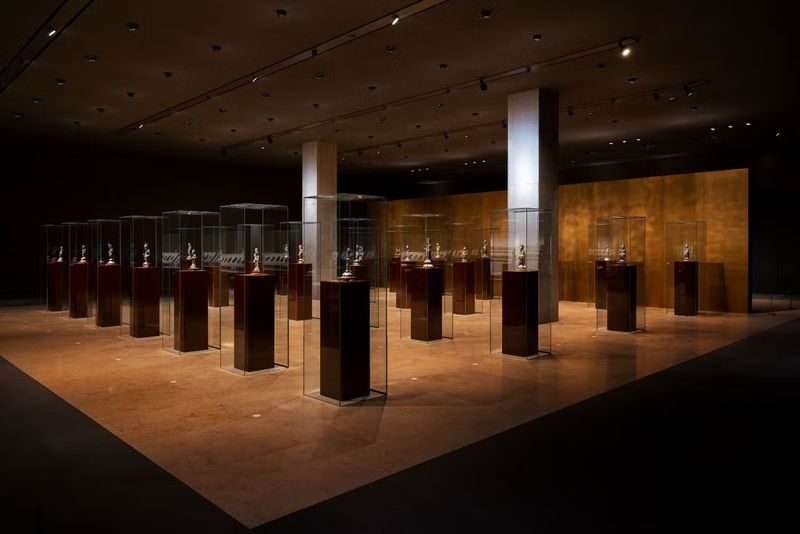
The museum’s Buddhist art is a particular draw. The collection includes the oldest collection of Japanese Buddhist art in existence, giving you a chance to see how religious objects became part of Japan’s artistic life. If Buddhism is a main interest, focus your attention here rather than rushing through every building.
The museum also presents artifacts from outside Japan. Displays include Chinese and Korean works, and the range can be a welcome surprise if you arrive expecting a museum devoted only to Japanese objects. Those galleries can help put Japan’s art in a wider regional context, though you may want to decide in advance how much time to give them.
You can also read our reviews of more museum experiences in Tokyo


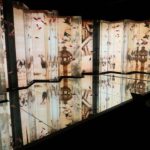
What to see across the museum buildings
There is no single route that suits everyone. You might spend most of your visit in the Japanese Gallery, or split your time between it and other pavilions. A practical plan is to choose one main interest, then add one or two other areas rather than trying to cover every room.
The Honkan’s Japanese galleries are a natural starting point for many visitors. Look for the objects that let you compare craft and function: armor and swords, clothing, prints, and religious art. The range is broad, so a little focus helps. Pick a few rooms that appeal to you, then slow down for the pieces you find most compelling.
The Heiseikan includes an Archaeology Gallery, which offers a different angle from the art displays. It can help you see the collection not just as beautiful objects, but as evidence of daily life and earlier cultures. The Archaeology Gallery has had a scheduled maintenance closure in 2026, so check the museum’s current notices if your visit is near a maintenance period.
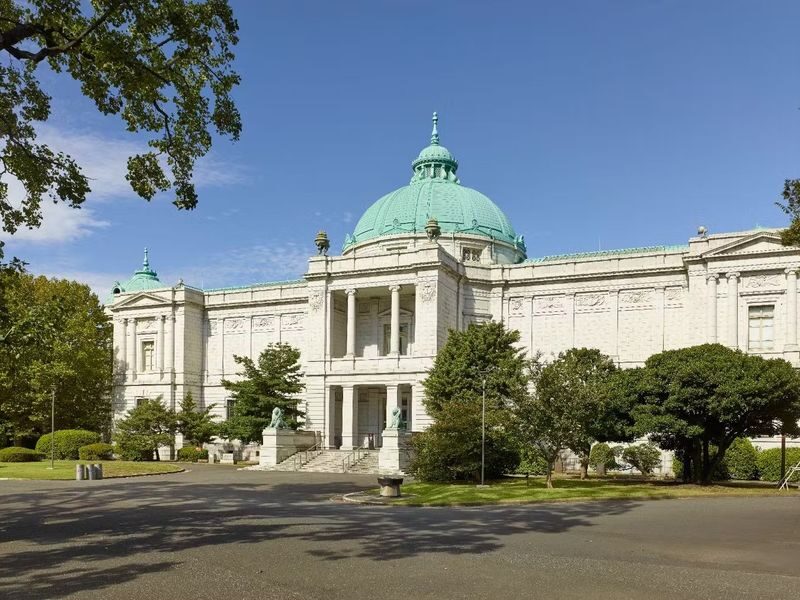
Other exhibition buildings add to the museum’s scale, but not every building is necessarily open for a regular visit. The Hyokeikan, for example, is open only during special exhibitions or events. Check what is open before you plan a route around a particular building.
Rotating displays are part of the experience. The regular exhibition changes exhibits about 370 times annually, so objects come and go throughout the year. That keeps repeat visits worthwhile, but it also means you should not assume that a famous work will be on view. The Great Wave off Kanagawa, for instance, is not always displayed. If there is one object you especially hope to see, check the current exhibition information before setting out.
The garden is more than a photo stop
When your eyes need a break from cases and labels, step into the Museum Garden. It has year-round greenery and traditional teahouses, adding a quieter, more open-air part to a museum visit.
The garden makes a useful counterpoint to the galleries. You can pause, reset your attention, and then return to the exhibits with a little more energy. It is also a good reason not to pack your schedule so tightly that you have to hurry through every room.
Allow extra time if you want to include it. The stated two-to-three-hour visit is a sensible starting point for the museum, but the grounds, the number of buildings, and your reading pace can all stretch the day. Several people find the walking tiring, so take advantage of the seating and rest areas rather than treating a break as wasted time.
How much time to set aside
For a first visit, plan on at least two hours and preferably closer to three. That gives you time for a focused look at the Japanese galleries and a selection of other displays, without turning the day into a race from case to case.
If you want to see multiple buildings in detail, read most of the labels, visit the garden, and stop for food or a rest, set aside more time. The museum is larger than many first-time visitors expect. It is easy to spend two hours in just a couple of buildings and still have plenty left unseen.
English explanations are available, and the museum’s signage is often described as helpful for international visitors. You will still encounter a lot of reading if you want to understand the objects in depth. If you are visiting with children, choose a few visual highlights and keep the pace flexible rather than expecting them to read every label.
The galleries are spacious and have resting seats, which helps on a long visit. Even so, comfortable shoes are a sensible choice. Walking through several pavilions adds up, particularly if you are also exploring the rest of Ueno Park that day.
Ticket value and what the admission covers
Admission starts at $6.35, though the final price can vary. For a museum with a collection of this size and several hours of material, the regular ticket can be good value, especially if you are interested in Japanese history, art, or craftsmanship. It is not a guided tour, so you are paying for access and the freedom to explore at your own pace.
The admission ticket covers the regular exhibition. A separate ticket is required for a special exhibition. If you buy a special exhibition ticket, it also gives you access to the regular exhibition on the same day, so you do not need to buy both.
The regular exhibition is free for visitors under 18 and for those over 70. High school students and younger visitors are also listed as free, with proof of age or student status required. One visitor with a disability and one caregiver may enter free with relevant documentation. The Kuroda Memorial Museum is also free to enter.
A mobile voucher is valid for 60 days from the booking confirmation date and expires at 23:59 on the final day. The QR code can make entry straightforward, though the exact process may vary: you may be able to show it at the entrance, or may need to exchange it for a paper ticket. The ticket is nonrefundable, so make sure the date and plan work for you before buying.



Opening hours, closures, and getting there
The stated hours are 9:30 a.m. to 5 p.m. Sunday through Thursday, and 9:30 a.m. to 8 p.m. Friday and Saturday. Last admission is 30 minutes before closing. The museum is generally closed on Mondays, with an exception when Monday is a national holiday; in that case, it closes the following weekday. Check the current calendar before you go, since temporary openings and closures can affect the schedule.
Maintenance closures are date-specific. Notices have listed galleries 7 to 10 in the Honkan as closed from December 1, 2025, to April 6, 2026, and the Heiseikan Archaeology Gallery as closed from February 2 to March 31, 2026. Those dates have passed, but the practical lesson remains: confirm which galleries are open on your visit date. The Hyokeikan is open only for special exhibitions or events.
The museum is at 13-9 Uenokoen, Taito City, Tokyo. From JR Ueno Station’s Park Exit or Uguisudani Station’s South Exit, it is about a 10-minute walk. From Tokyo Metro Ueno Station, Nezu Station, or Keisei Ueno Station, allow about 15 minutes on foot.
There is no parking at the museum. If you are arriving by car, use parking near the station rather than expecting a museum lot. Ueno Park is a practical setting for a longer outing, with other places to visit nearby, so you can build a full day around the area if you have the time.
Who will get the most from a visit
This museum suits you if you want to understand Japanese art and culture through actual objects rather than a short overview. It is especially rewarding if you are drawn to Buddhist art, samurai equipment, traditional clothing, prints, or ceramics. The variety also makes it useful for a second Tokyo visit, when you may have time to explore beyond the city’s headline sights.
Families can make it work, particularly because admission is free for children under 18. The galleries have clear explanations in English, and the wide range of objects gives you options for keeping younger visitors interested. Plan shorter gallery stretches and use the seating and garden as breaks.
You may find the museum less satisfying if you expect a tightly guided narrative or want an account of every aspect of modern Japanese history. The experience is organized around art and cultural objects, not a single continuous story of the nation. If your main interest is modern political history, this may not be the best use of your limited time.
The same applies if you have only an hour. You can still see a few highlights, but the museum’s size makes a very short visit feel like a sample rather than a full experience. Pick a building or subject in advance, and accept that you will leave plenty for next time.
Should you book Tokyo National Museum?
Book it if you want a substantial, self-paced look at Japanese art and material culture, and can give it at least two hours. Its strongest points are the scope of the collection, the changing displays, the English explanations, and the chance to rest or step into the garden between galleries.
Think twice if you are short on time, want a guided tour, or expect the regular ticket to include a special exhibition. Check the gallery schedule and the availability of any work you hope to see, then buy the standard admission only if the regular collection matches your interests. If it does, this is a rewarding and reasonably priced way to spend a few hours in Ueno.
Tokyo National Museum
“There are so much to see in this museum. It's so big and well maintained. Good experience”
FAQ
How long should I plan for Tokyo National Museum?
Allow two to three hours for a visit. You may want longer if you plan to explore several buildings, read the displays, and visit the Museum Garden.
What does the regular admission ticket include?
It includes admission to the regular exhibition. A separate ticket is required for a special exhibition.
Does a special exhibition ticket also cover the regular exhibition?
Yes. A special exhibition ticket also allows you to visit the regular exhibition on the same day.
What are the museum’s opening hours?
The stated hours are 9:30 a.m. to 5 p.m. Sunday through Thursday, and 9:30 a.m. to 8 p.m. Friday and Saturday. Last admission is 30 minutes before closing.
Which days is the museum closed?
It is generally closed on Mondays. If Monday is a national holiday, it opens that day and closes the following weekday. Temporary closures may also apply, so check the schedule for your date.
Are children admitted free?
Yes. Visitors under 18, including high school students and younger children, are free. Proof of age or student status may be requested.
How do I get to the museum by train?
It is about a 10-minute walk from JR Ueno Station’s Park Exit or Uguisudani Station’s South Exit. From Tokyo Metro Ueno Station, Nezu Station, or Keisei Ueno Station, allow about 15 minutes on foot.
Is the Kuroda Memorial Museum included?
Admission to the Kuroda Memorial Museum is free. It is open from 9:30 a.m. to 5 p.m., with admission until 4:30 p.m.
Can I use a mobile voucher?
Yes. Present your mobile voucher at the museum. The voucher is valid for 60 days from booking confirmation and expires at 23:59 on its last day.