Tsukiji is more than a place to buy seafood. It’s a neighborhood where market craft, Japanese food traditions, and temple life sit close together. I like this tour for two reasons: a guide can help you find your way through more than 400 shops, and the visit begins at Tsukiji Hongwanji, whose Indian-style design is an unexpected change of scene before the food stops.
The main thing to plan for is the cost of tasting. The starting price is $19.75, but food and personal expenses are not included, so bring extra money if you want to sample several stalls. The route is also shaped by market conditions and weather, so don’t expect every morning to unfold in precisely the same way.
What to know before you go
- The temple comes first: Start at Tsukiji Hongwanji, a Buddhist temple known for its uncommon Indian-style architecture and spiritual history.
- The market has more than 400 shops: Your guide helps you navigate the food stalls and family-run businesses, rather than leaving you to pick your way through alone.
- Tastings are your choice: Expect recommendations and explanations about foods such as tuna, Wagyu, tamagoyaki, grilled skewers, sushi, and seasonal seafood. Food costs extra.
- Guides add the context: Guides who have led this walk include Toshi, Nana, Mick, Yukari, Midori, and Clarke. The tour is in English.
- It ends in the morning: The stated return time is 10:30, though the schedule may change with weather or other conditions.
- Meet at the FamilyMart: The meeting point is in front of FamilyMart Tsukiji Honganjimae, beside Tsukiji Hongwanji Temple. Be on time, since late arrivals and no-shows are not refundable.

👉 See our pick of the Our Picks For The 11 Best Workshops & Classes In Tokyo
- What to know before you go
- Start at Tsukiji Hongwanji Temple
- Find your footing in the Outer Market
- Taste at your own pace
- Let food stories explain the neighborhood
- A short morning with a clear end point
- What the price buys, and what it doesn’t
- Who should book this Tsukiji walk?
- FAQ
- Where does the tour meet?
- What places does the tour visit?
- What food might I try?
- Is food included in the price?
- Is the tour offered in English?
- Can children and infants join?
- Can I cancel for a refund?
- The Best Of Tokyo!
- More Food & Drink Experiences in Tokyo
- More Tours in Tokyo
- More Tour Reviews in Tokyo
Start at Tsukiji Hongwanji Temple
 1 / 7
 2 / 7
 3 / 7
 4 / 7
 5 / 7
 6 / 7
 7 / 7
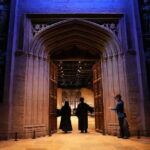
The first stop gives the walk a welcome change of pace. Tsukiji Hongwanji is known for its Indian-style architecture, which sets it apart from the more familiar image many visitors have of a Japanese temple. Your English-speaking guide introduces the building and its spiritual history before you enter the market streets.
This is not just a photo stop on the way to breakfast. Hearing some context here helps you see Tsukiji as a neighborhood with more than one purpose: food is central, but faith and local life have their place too. The calm temple setting also offers a quieter start before you move into the crowded lanes of the Outer Market.
Keep expectations in proportion. The tour description promises a guided visit and time to enjoy the serene atmosphere, but it does not specify how long you will spend inside or which parts of the temple you will see. If you have a particular interest in the architecture or Buddhist practice, ask your guide as you go.
You can also read our reviews of more food & drink experiences in Tokyo
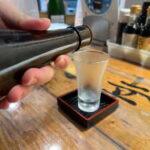


Find your footing in the Outer Market
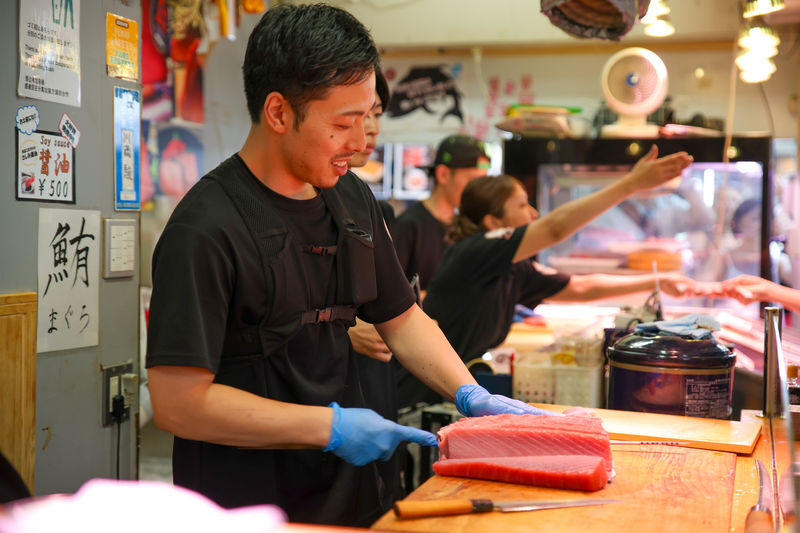
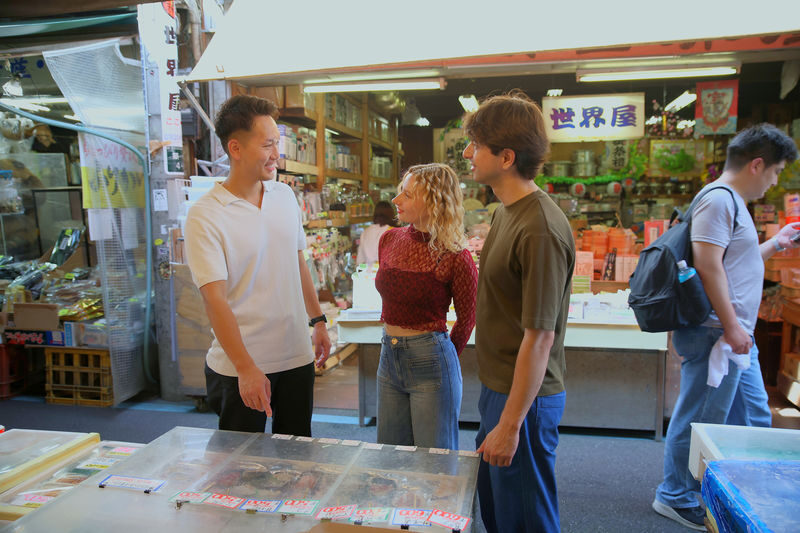
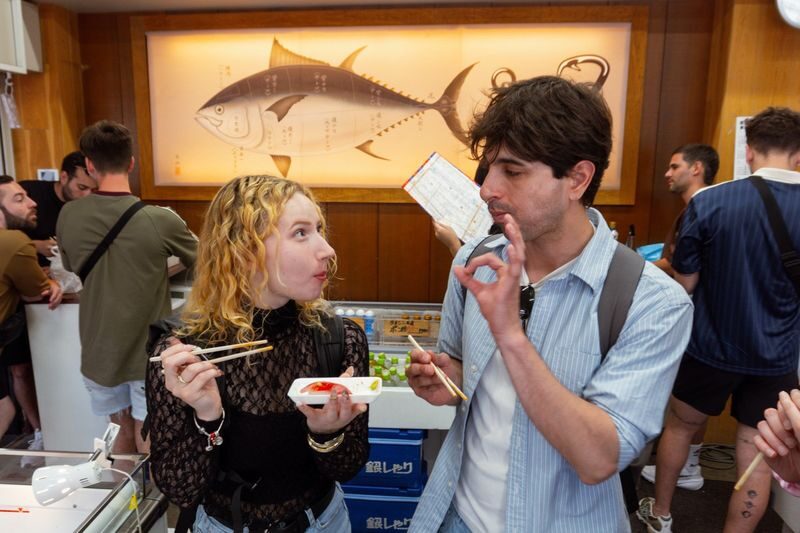
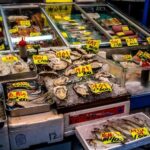
From the temple, the route moves into Tsukiji Outer Market, a maze of more than 400 shops and stalls. Seafood sellers, food counters, and small family-run businesses fill the area. A guide makes a practical difference here: instead of scanning every counter and guessing what is worth trying, you have someone to explain the choices and lead you toward places they know.
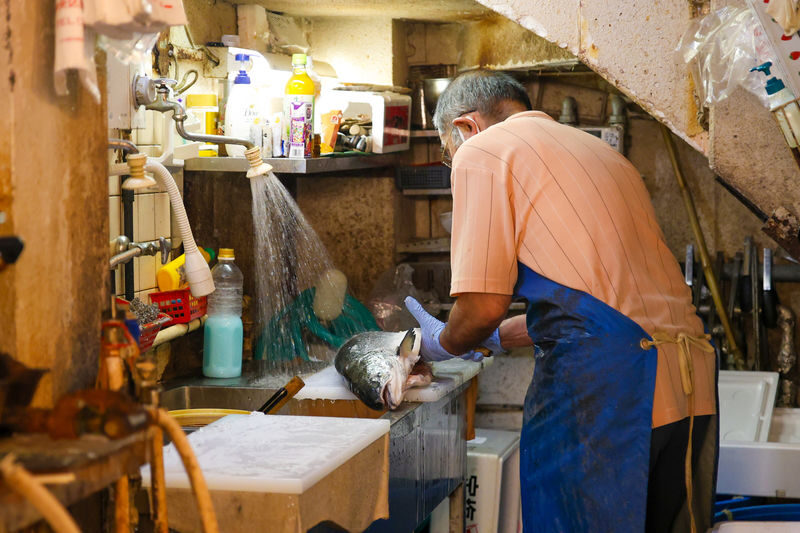
The market is still a working food district, not a staged display for visitors. That is part of its appeal, and also why it can feel busy and a little hard to navigate. The lanes are full of competing sights and smells, so a clear route and a person who can point things out helps you spend less time deciding where to look.
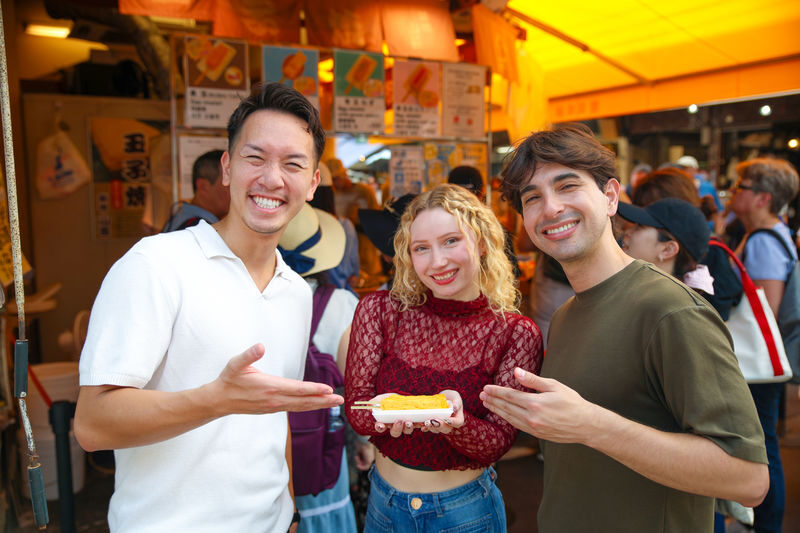
The tour emphasizes shops and food stops that may be easy to miss when you wander on your own. Guides such as Toshi, Nana, and Yukari have been praised for adjusting the route to people’s interests and answering questions along the way. That flexibility is useful if you are curious about a certain food, have a cautious eater in the group, or want guidance on where to start.
Still, the market is not a quiet tasting room. You will be walking through a busy area, and the order or number of stops may change. Go with an open mind, and remember that the guide can point you toward food, but you choose what to buy and eat.
Taste at your own pace
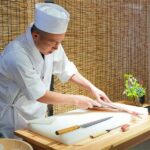
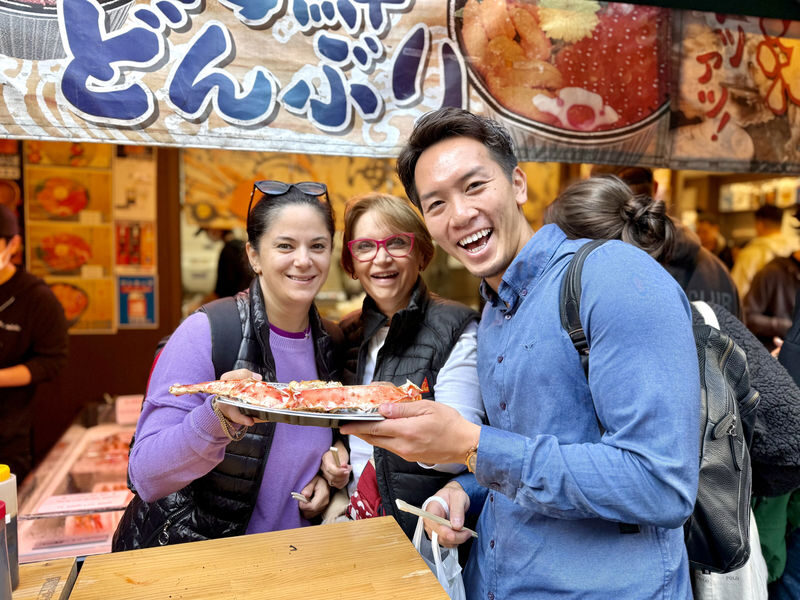
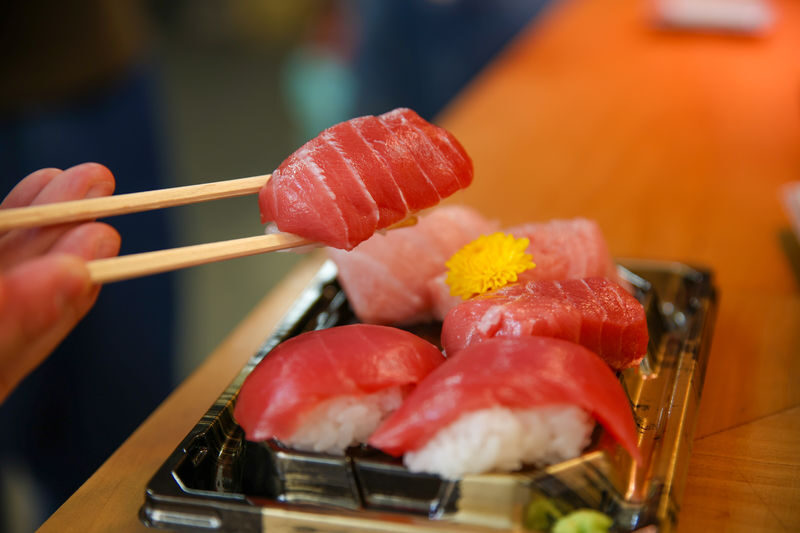
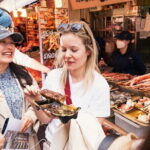
Food is the heart of the experience, but this is not a fixed tasting menu. The tour introduces Japanese market foods such as grilled skewers, tamagoyaki, sushi, Wagyu beef, and seasonal seafood. Tuna and other fresh ingredients are also part of the conversation, with your guide explaining what you are seeing and how the food fits into local cooking.
The choice to taste what appeals to you is a real advantage. You can follow a recommendation, try something unfamiliar, or simply ask what a particular item is before deciding. For people who are curious about Japanese food but unsure how to order at a market stall, that small bit of help can make the difference between passing by and trying something new.
The practical catch is the budget. The tour’s starting price does not include food or other personal expenses, so the final cost depends on how much you buy. If you want to sample a range of dishes, set aside extra spending money rather than treating the listed price as the full cost of breakfast.
It is also wise to tell your guide about allergies or dietary needs. One guide has been praised for taking allergies seriously, and the tour’s flexible approach may help you discuss what is suitable. However, the available information does not promise that every stall can meet every dietary restriction, so use your judgment and ask before ordering.
Let food stories explain the neighborhood
A good market walk is not only about what lands on your plate. The guide can explain ingredients, culinary habits, and the traditions kept alive by local artisans and family-run shops. That background gives more meaning to the stalls: you begin to see the people and routines behind the food, not just a row of counters.
Guides who have led the tour include Toshi, Clarke, Midori, Nana, Mick, Yukari, and others. The names matter less than the kind of help the format offers: a guide can answer questions, make suggestions, and, in some cases, tailor the route to what you feel like eating. That personal touch is one reason this walk can work well for people who want more than a self-guided browse.
The style of interpretation may vary. Some guides lean into the temple and history, while others put more emphasis on food recommendations and market practices. If food knowledge is your top priority, say so early. One useful piece of advice is to be clear about what you hope to learn, whether that is Japanese ingredients, market history, or which bites to try.
A short morning with a clear end point
The meeting point is in front of FamilyMart Tsukiji Honganjimae, at 3-chome-11-8 Tsukiji, next to the temple. Your departure time is confirmed after booking, and the stated return is 10:30 at Tsukiji Outer Market. That morning schedule makes the tour easy to pair with the rest of a Tokyo day, though you should check your confirmed start time rather than assume one.
No transport between stops is described, so plan on walking. Wear comfortable shoes and be ready to keep moving through market lanes. The schedule can change depending on weather and traffic conditions, so allow a little flexibility if you have plans immediately afterward.
The tour has no age limit, but infants and children must be included in the passenger headcount. That is a useful detail for families booking together. The route’s food focus may also suit mixed-age groups, since you can choose what to taste rather than being committed to one set menu.
You can also read our reviews of more tours and experiences in Tokyo

What the price buys, and what it doesn’t
At a starting price of $19.75, the main value is the guide’s local direction and explanations. You are paying for an organized introduction to the temple and Outer Market, plus help finding food stops and understanding what is on offer. If you are new to Tsukiji, that guidance can save time and make the market less intimidating.
The price does not cover food or personal purchases. That means the tour may be a good-value way to get your bearings, but it is not a bargain meal with a set number of samples included. Your total spend will rise with each dish you decide to try, so think of the base price as the cost of the guided experience.
The tour also has strong appeal if you like small, personal interactions. Some guides have been described as patient, friendly, and willing to adapt the walk to the group. But the precise number of people on your departure is not specified, and a personalized route should not be treated as guaranteed.
Bookings are valid only for the selected date and time. Confirmation is normally sent within minutes, and cancellation at least 24 hours before the activity date earns a full refund. Late arrivals and no-shows cannot be refunded, so check your meeting details and leave enough time to reach the FamilyMart.
Who should book this Tsukiji walk?
I would choose this tour if it is your first visit to the Outer Market, if you want someone to explain what you are looking at, or if you enjoy tasting food with a bit of cultural context. The temple visit makes the morning feel more rounded than a food-only stroll, while the guide helps make a large market easier to approach.
It is also a good fit for curious eaters who want to try unfamiliar foods but appreciate having a guide nearby to explain them. Families can book, since there is no age limit, but every child and infant must be included in the headcount. If anyone in your party has food allergies or strict dietary needs, contact the guide or operator with questions and confirm options before you rely on the tour for suitable food.
You may prefer to explore on your own if you want complete control over your pace and spending, or if you already know the market well. And if your main goal is a substantial included meal, this is not the right format: tastings are optional and paid separately.
My call: book it for a guided introduction, not for a prepaid feast. You get the best value when you arrive curious, ask questions, and budget for the food you actually want to try.
Tokyo: Tsukiji Fish Market Street Food Tour
“Toshi was a great guide. we went to many places on the food tour with he. will want to book again!!!!!”
FAQ
Where does the tour meet?
Meet in front of the FamilyMart next to Tsukiji Hongwanji Temple, at 3-chome-11-8 Tsukiji, Chuo City, Tokyo.
What places does the tour visit?
The route includes Tsukiji Hongwanji Temple and Tsukiji Outer Market.
What food might I try?
The tour may introduce you to grilled skewers, tamagoyaki, sushi, Wagyu beef, tuna, and seasonal seafood. You choose what to taste.
Is food included in the price?
No. Food and other personal expenses are not included, so bring extra money for anything you want to buy.
Is the tour offered in English?
Yes. The tour includes an English-speaking guide.
Can children and infants join?
There is no age limit, but infants and children must be included in the passenger headcount.
Can I cancel for a refund?
You can receive a full refund if you cancel at least 24 hours before the activity date, using destination local time. Late arrivals and no-shows cannot be refunded.