Sumo is much more than two wrestlers pushing each other out of a circle. At this two-hour show in Tokyo’s Tatekawa district, you get a close look at the sport’s rituals and techniques, hear about wrestlers’ daily lives, and can volunteer to face a former pro in the ring. The format is a lively demonstration, not a full tournament bout.
I like two things in particular: the English explanations make the customs easier to follow, and the chance to try a sumo suit and challenge a wrestler turns a lesson into a funny, memorable moment. The meal option adds tonkatsu and chanko nabe, the hot pot associated with sumo wrestlers. One thing to weigh: the bouts are short, and shared seating means you may sit with other parties.
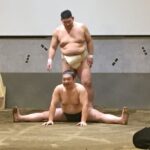
- Former wrestlers lead the show: Watch demonstrations and hear about sumo’s rules, training, and daily life.
- Audience participation is part of the fun: You may volunteer to put on a sumo suit and take on a wrestler.
- The meal is a substantial part of the experience: Book the lunch option for tonkatsu and chanko nabe prepared by the wrestlers.
- Seating is shared: Standard ringside seating is at tables beside the ring, with up to 12 people.
- Find the venue in Tatekawa: It is about a five-minute walk north of Kikukawa Station.
- Expect a staged introduction, not a tournament: The show teaches and entertains, with demonstrations rather than long competitive bouts.
- What the sumo show actually offers
- The two-hour rhythm: explanations, demonstrations, and a challenge
- The ring challenge is the most personal part
- Tonkatsu and chanko nabe make lunch part of the outing
- Choosing a seat and understanding the price
- Getting to Tatekawa without a last-minute scramble
- Who will get the most from this experience
- Should you book the Tokyo sumo show?
- FAQ
- How long is the SUMO Show in Tokyo?
- Where is the venue?
- How do I get to the venue?
- Is the show conducted in English?
- What food comes with the meal option?
- Can I take part in the sumo wrestling?
- Is seating shared?
- Are children under four admitted free?
- Can I request a special meal for an allergy or dietary restriction?
- What is the cancellation policy?
- The Best Of Tokyo!
- More Shows & Entertainment in Tokyo
- More Tours in Tokyo
- More Tour Reviews in Tokyo
What the sumo show actually offers
 1 / 8
 2 / 8
 3 / 8
 4 / 8
 5 / 8
 6 / 8
 7 / 8
 8 / 8
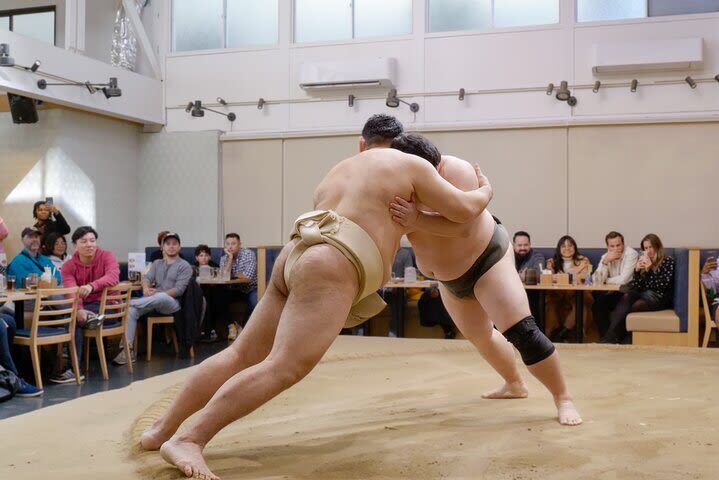
This is an introduction to sumo led by former professional wrestlers, not a chance to watch a day of tournament matches. The host explains the sport and its customs while the wrestlers demonstrate techniques and show how a bout works. That distinction matters: if your main aim is to watch extended, high-stakes competition, this is a different kind of outing.
The show is designed to make the sport approachable. Explanations cover rules, training, and the lives of wrestlers, with humor and audience involvement mixed in. Names mentioned in past sessions include host Michi and wrestlers Kuma, Jumbo, Ben, Joe, Ryu, and Otori. The people leading your session may not be the same.
I see the value in this format if you are new to sumo or traveling with children. The host gives you a framework for understanding what happens in the ring, rather than leaving you to guess at the rules. The trade-off is that you are buying a guided cultural demonstration, not a full day of sport.

👉 See our pick of the Our Picks For The 11 Best Workshops & Classes In Tokyo
The two-hour rhythm: explanations, demonstrations, and a challenge
The activity is listed as two hours, with lunch included in the meal package. Expect the time to be divided between the introduction to sumo, demonstrations, audience participation, and the meal. The exact order and pace may vary, so plan around the scheduled duration rather than counting on every segment lasting the same amount of time.
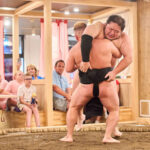
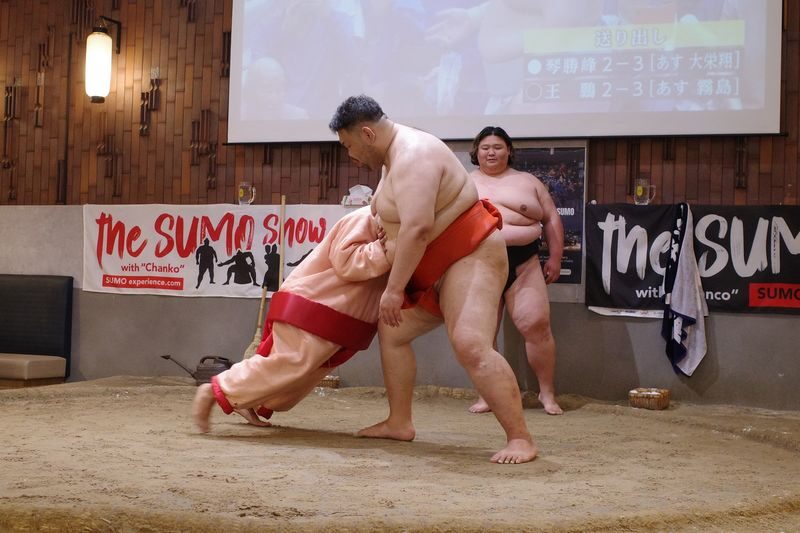
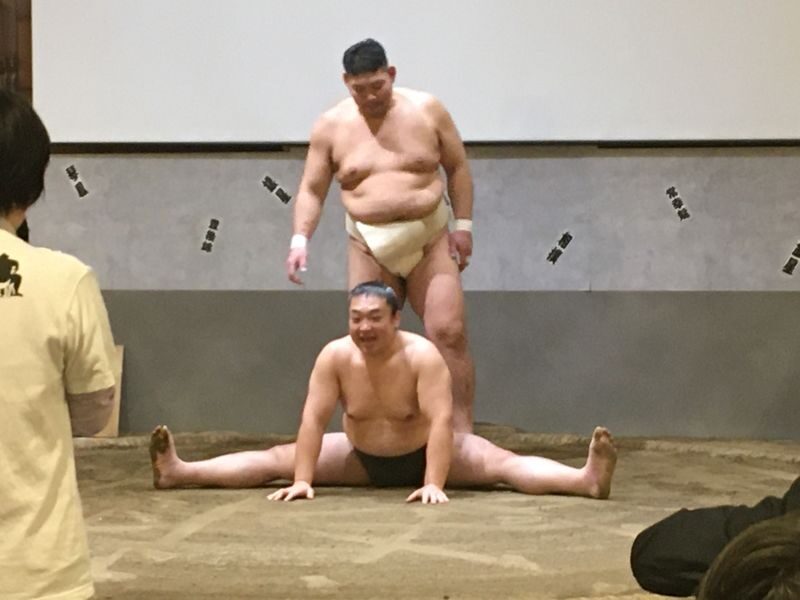
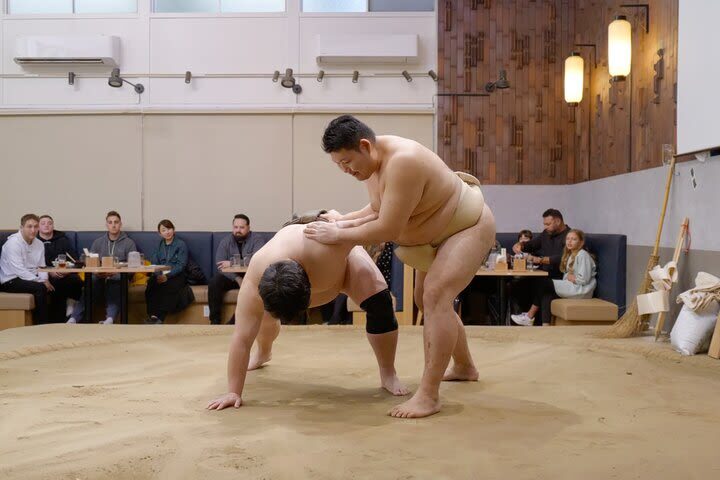
The demonstrations are the heart of the show. You see wrestlers up close as they explain and perform sumo techniques, and the host puts the rules into plain language. This helps you notice that sumo involves more than size and strength: the sport has formal movements and traditions that are part of the spectacle.
A useful expectation to set is that the actual wrestling bouts are brief. Some people come hoping for long fights and leave wanting more action. The program gives more time to explanation, demonstrations, and the chance for volunteers to challenge the wrestlers. If you are curious about the culture and want a fun, hands-on introduction, that balance makes sense. If you want sustained competitive wrestling, you may prefer to seek out a tournament instead.
You can also read our reviews of more tours and experiences in Tokyo
The ring challenge is the most personal part
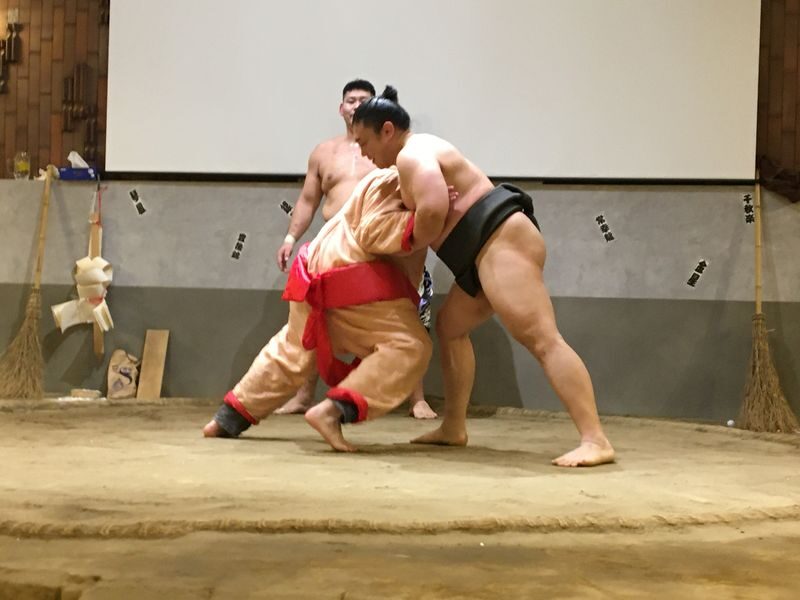
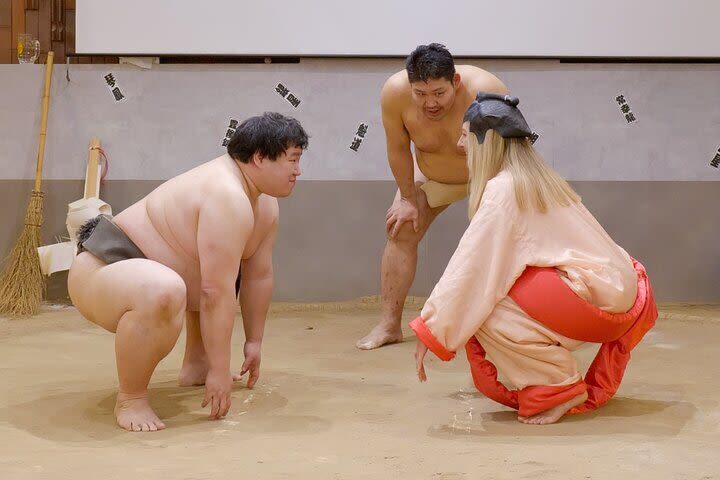
At the end of the show, audience members may have the chance to put on a sumo suit and face a wrestler. Participation is voluntary, so you can watch from your seat if you would rather not climb into the ring. The wrestlers and host keep the mood light, and the challenge is presented as entertainment, not as a test of your athletic ability.
The appeal is the contrast: you get to feel the scale and force of a professional wrestler at close range, while the event keeps the encounter playful. Children and adults have taken part, and the show also makes room for photographs and questions. If you want to join in, be ready to volunteer when the opportunity comes. If you prefer to observe, you still get the demonstration and the explanations.
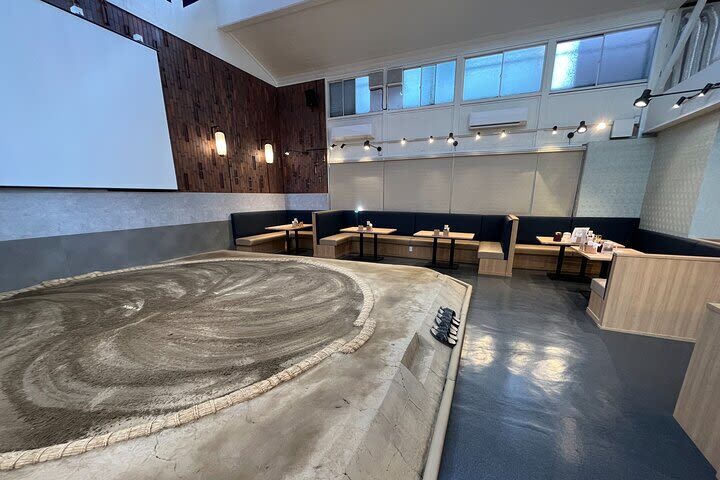
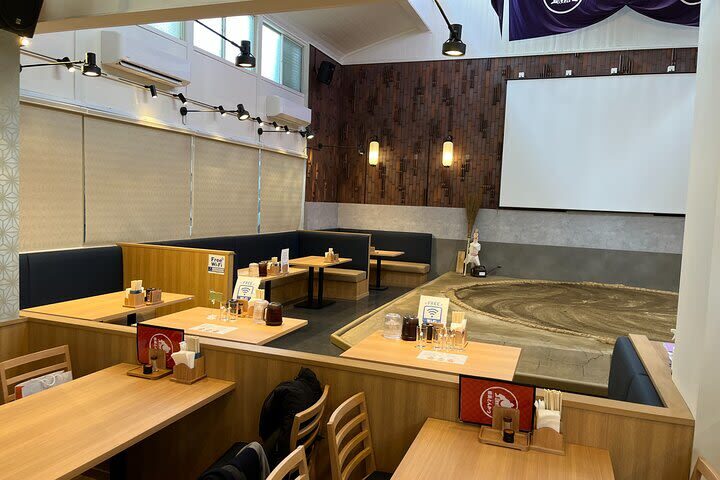
This is not a private performance. You share the room, and the table seating is shared too, so your experience includes the other people around you. That can add to the friendly, group atmosphere, but it is worth knowing before you book if you expect a table reserved just for your party.
Tonkatsu and chanko nabe make lunch part of the outing
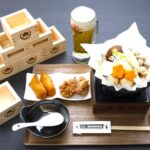
The meal option includes tonkatsu, a Japanese-style pork cutlet, and chanko nabe, a hot pot closely associated with sumo wrestlers. The food is prepared by the wrestlers, linking lunch to the subject of the show rather than treating it as a separate restaurant stop. People have described the portions as filling, and some sessions have also included ice cream.
The food is one of the strongest reasons to choose the meal package if you want a fuller outing. You get to hear about sumo while eating dishes connected with the sport, and the shared-table setup can make lunch feel social. There is also a drinks menu, with drinks paid for separately.
Check the meal details carefully when choosing a package. A no-meal option is also offered, and the food is not suitable for every diet by default. If you have an allergy or dietary restriction, enter it in the special notes when you reserve the meal option. Requests made fewer than five days before the event may not be accommodated. Halal food is not provided, so this meal package may not suit you if you require halal food.
Choosing a seat and understanding the price
The advertised starting price is from $114.49, though the final cost depends on the package and seat you select. The options include a Standard Ringside Seat and a Premium Frontside Seat. The supplied package details describe the Standard Ringside Seat, so check the current inclusions and price for your chosen option before paying.
Standard seating is shared, with a maximum of 12 people at a table beside the ring. You are close to the action, but you should not assume that your party will have a table to itself. A premium seat may suit you if you want a different position, but compare the actual price and seating description before deciding whether the upgrade is worth it.
For value, think about what you want from the visit. The meal option combines a cultural introduction, live demonstrations, audience participation, and lunch in one activity. That can make the price easier to justify for a family or a first-time visitor who wants a guided experience. If you mainly want to see long bouts, or are paying for a larger group, the cost may feel high for a show where the wrestling itself is only one part of the program.
Getting to Tatekawa without a last-minute scramble
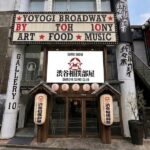
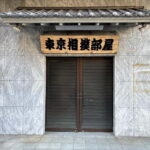
The venue is at 3 Chome-1-11 Tatekawa, Sumida City, Tokyo 130-0023. It is about a five-minute walk north of Kikukawa Station. The location is not right beside Tokyo’s main tourist sights, so allow time for the journey and leave a buffer to find the entrance.
Use the full address when planning your route, and check your directions before setting out. Some people have found the location difficult to identify on arrival, so do not rely on a quick glance at a station map. The activity meets in Tatekawa, and being late can mean missing the show: late arrivals and no-shows are not eligible for refunds or changes.


Who will get the most from this experience
I would put this on the shortlist for families, first-time visitors to Japan, and anyone curious about sumo who wants more than a distant view of a match. The host’s explanations, demonstrations, and photo opportunities make the sport easier to understand. The chance to participate adds an element of silliness that works well for a group willing to laugh at itself.
It can also suit solo visitors or couples. Shared seating means you may be at a table with other people, but the format gives everyone a common subject to talk about. The two-hour schedule offers a defined outing, and the meal option gives you a chance to sit down and eat without having to plan a separate lunch nearby.
I would be more cautious if your priority is authentic tournament competition or if you expect a long wrestling program. The event is clearly an introduction with showmanship and audience interaction. That is not a flaw, but it is important to know what you are paying for.
Children aged 0 to 3 can attend free if they do not need a separate seat. For older children, the light-hearted explanations and volunteer challenges can make the sport easy to enjoy as a family. If you are bringing a child who prefers watching to taking part, that is fine too: participation is an invitation, not the whole point.
Should you book the Tokyo sumo show?
Book it if you want to learn the basics of sumo in a friendly setting, see former professional wrestlers demonstrate the sport, and perhaps try the ring for yourself. The meal package is appealing if you are interested in chanko nabe and want lunch included in the outing. For the best value, choose it because you want the full mix of food, explanation, and entertainment, not because you expect a tournament.
Consider another option if long bouts are your main reason for going, or if shared seating and the price do not suit your group. The show offers a personal, approachable introduction to sumo, but it is not a substitute for competitive matches. If that distinction fits your plans, this can be a memorable way to spend part of a Tokyo day.
The SUMO Show in Tokyo
“Amazin show. Excellent food. I will do it again!”
FAQ
How long is the SUMO Show in Tokyo?
The stated duration is two hours. The time includes the show and, for meal bookings, lunch.
Where is the venue?
The address is 3 Chome-1-11 Tatekawa, Sumida City, Tokyo 130-0023.
How do I get to the venue?
The venue is approximately a five-minute walk north of Kikukawa Station. Allow extra time to find it.
Is the show conducted in English?
An English-speaking guide is included.
What food comes with the meal option?
The meal option includes tonkatsu, a Japanese-style pork cutlet, and chanko nabe, a sumo-style hot pot.
Can I take part in the sumo wrestling?
Audience members may have the chance to put on a sumo suit and challenge a wrestler. Participation is voluntary.
Is seating shared?
Yes. The listed Standard Ringside Seat uses shared seating at tables beside the ring, with a maximum of 12 people.
Are children under four admitted free?
Children aged 0 to 3 can attend free as long as they do not occupy a separate seat.
Can I request a special meal for an allergy or dietary restriction?
If you book a meal option, enter dietary restrictions or allergies in the special notes when reserving. Requests made fewer than five days before the event may not be accommodated.
What is the cancellation policy?
A full refund is available if you cancel at least 48 hours before the activity date, using local destination time. Late arrivals and no-shows are not eligible for refunds or changes.