Mount Fuji gives this day trip its big moment: a snowy view from Yeti, a small ski resort at the mountain’s second station, followed by a soak at Konohana Onsen. I like the easy ride from Tokyo and the choice between sledding, beginner slopes, and a full ski setup. You can enjoy the snow without knowing how to ski.
The main trade-off is scale. Yeti uses artificial snow and is smaller than a high-mountain resort, so it suits a first taste of winter more than a full ski holiday. You also have a fixed schedule, and the hot spring bath costs extra.
- The essentials at a glance
- A direct ride to Mount Fuji’s snow
- Four hours at Yeti: snow play or ski practice
- Choosing the right package before you go
- Konohana Onsen: a warm pause after the snow
- The ride back and the limits of a fixed schedule
- How good is the value?
- Who should book this Mount Fuji snow trip?
- FAQ
- How long do you spend at Yeti?
- Is Yeti suitable for someone who has never skied?
- Is the snow natural?
- Does the transportation-only option include Yeti admission?
- Is the hot spring included in the tour price?
- How do you reach Konohana Onsen from the parking area?
- What ski package choices are available?
- When does the bus return to Tokyo?
- Can I bring extra luggage?
- What happens if the hot spring is closed?
- More Skiing Experiences in Susono
- More Tours in Susono
- More Tour Reviews in Susono
The essentials at a glance
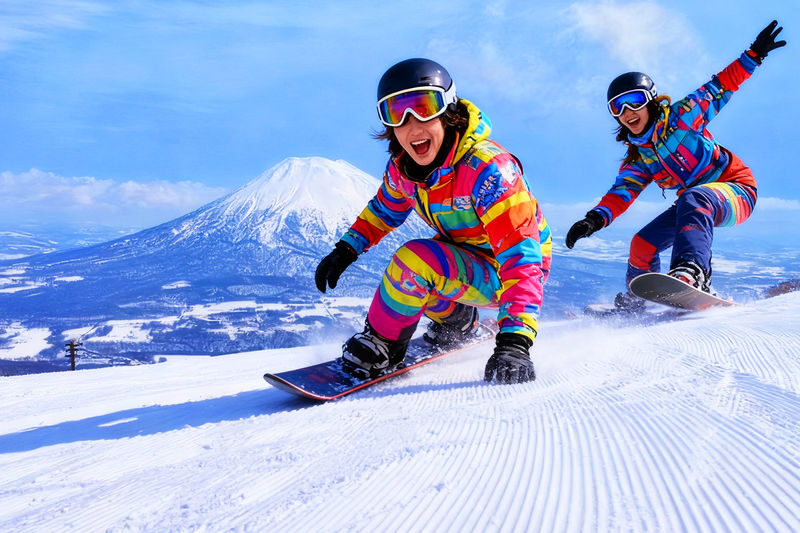 1 / 8
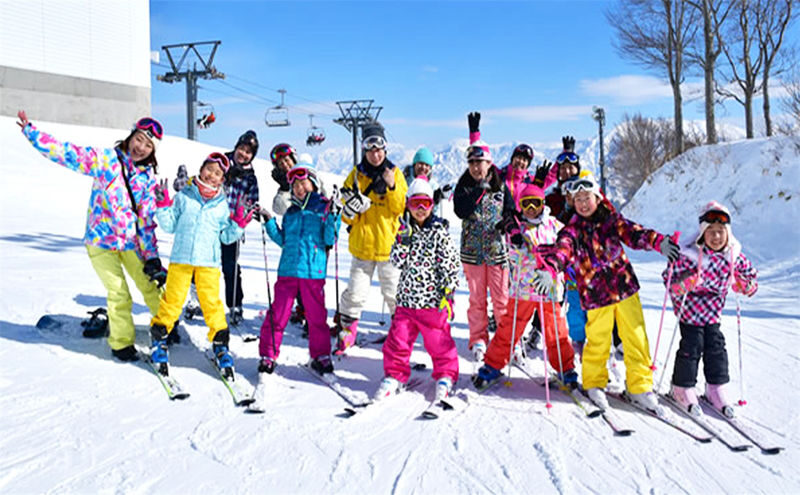 2 / 8
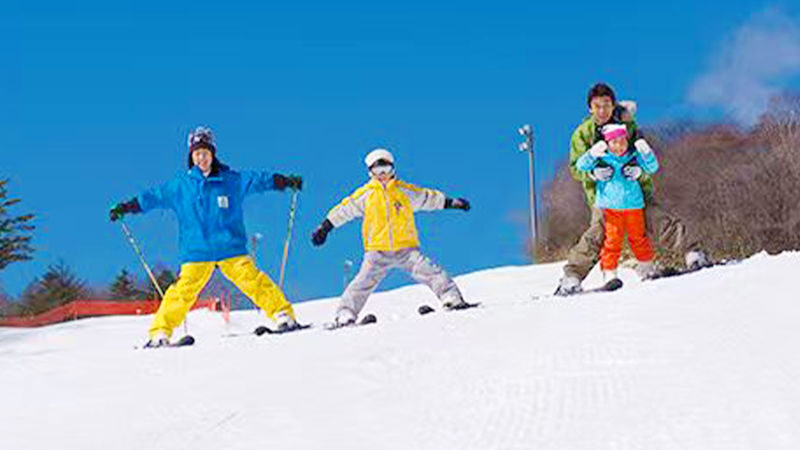 3 / 8
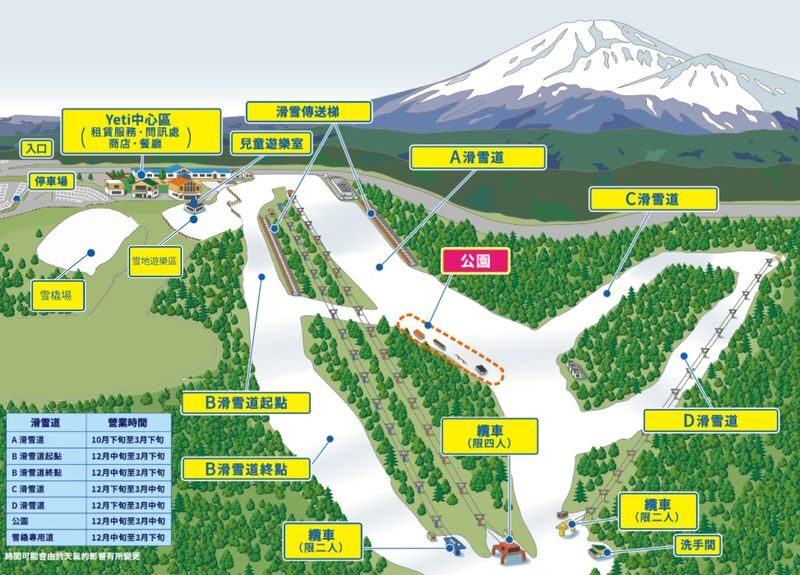 4 / 8
 5 / 8
 6 / 8
 7 / 8
 8 / 8
- A Tokyo-to-snow day: Round-trip bus transport takes you to Yeti and back, so you can skip driving and winter-road planning.
- Four hours at Yeti: There is time for snow play or skiing, though equipment fitting and lift time cut into the hours on the slopes.
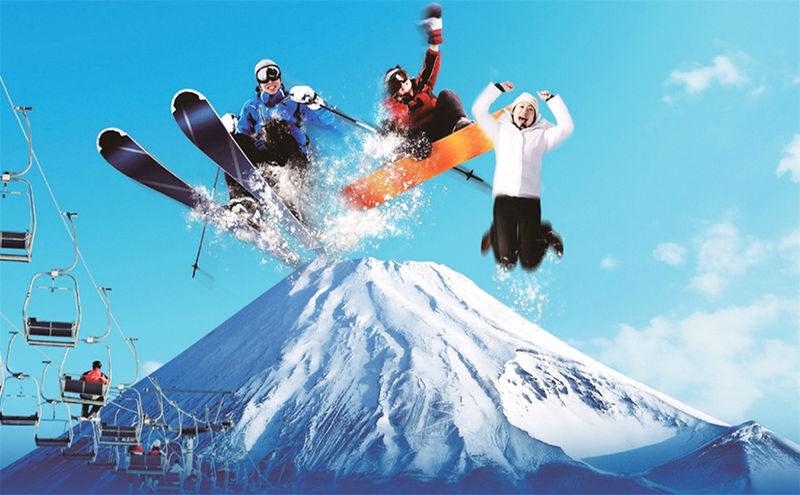
- A small resort with a big view: Yeti has beginner and intermediate-to-advanced runs, but its artificial snow and compact scale shape the experience.
- Pick your snow plan: Options range from transport only to sledding, ski equipment, or a full ski package with a suit.
- A hot spring finish: Konohana Onsen is an optional stop, with bathing fees paid on site.
- A guide can make the day easier: Guides named Frenkie and Yuri have led trips, but you cannot count on a particular guide being assigned.
A direct ride to Mount Fuji’s snow
The day starts early, with departure options listed at 7:30 or 8:00. The bus heads from Tokyo to Fujiyama Snow Resort Yeti in Susono, Shizuoka Prefecture. The ride saves you from arranging a rental car, fitting snow gear into city travel, and working out the route on your own.
Transport is the core convenience here. The base transportation option includes round-trip transfers, tolls, parking, and fuel, with a guide or driver-guide service. The tour may run in a smaller vehicle depending on the day’s group size. That can allow a more flexible pace, but the driver’s priority is the road, so commentary may be brief.
You share the vehicle with other people on a fixed route. There are no unscheduled stops outside the attractions, and the day’s timing can shift with traffic, weather, or crowds. Arrive at your assigned meeting point at least ten minutes early. The tour information and vehicle details are sent by email between 4 and 10 p.m. Japan time on the day before departure, so check your inbox before bed.
You can also read our reviews of more tours and experiences in Susono
Four hours at Yeti: snow play or ski practice
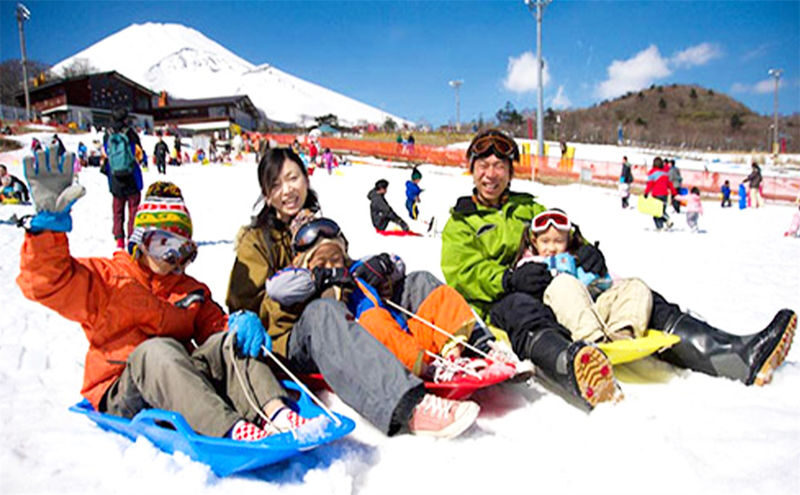
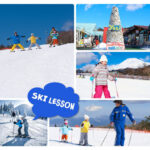
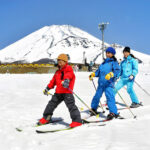
Yeti is set at Mount Fuji’s second station and is among the ski areas closest to Tokyo. You get about four hours there, from roughly 10:15 to 14:15. That is enough for a first snow experience, a few beginner runs, or a family session with sledding, but it is not a leisurely full day on the slopes.
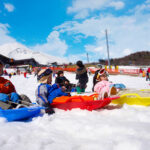
If you have never skied, you can spend your time in the snow-play area. The advertised activities include sledding, building snowmen, and taking photos. This is the tour’s strongest fit for people who want to feel snow underfoot without the pressure of learning a sport. Bring warm clothing and non-slip shoes; the snow and winter temperatures can make a long outdoor stop chilly.
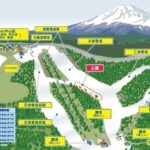
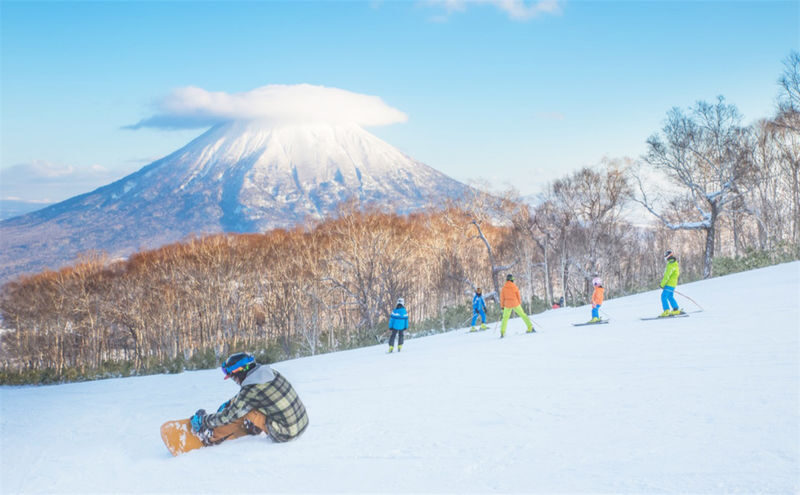
The resort divides its runs by level. A and B are beginner slopes, while C and D are described as intermediate and advanced. That gives a new skier a clear place to start and someone with some experience a chance to work on turns and speed control. Still, the resort’s compact footprint matters: experienced skiers looking for a large network of natural-snow runs should set their expectations accordingly.
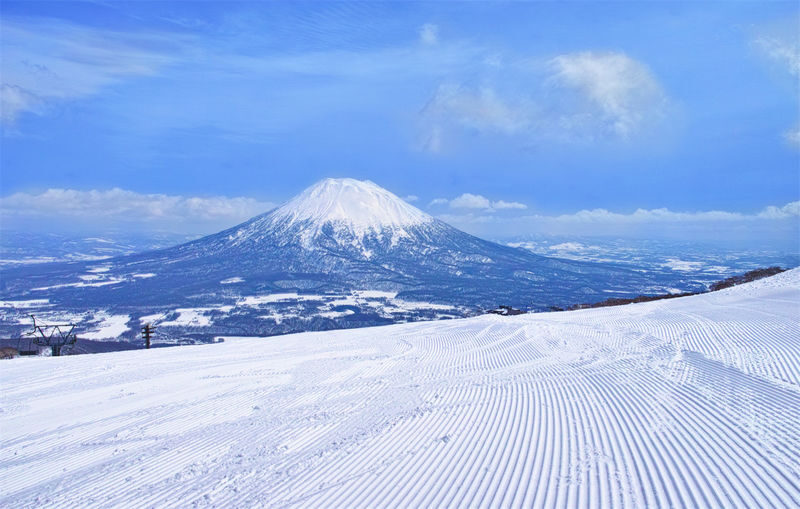
Yeti uses artificial snow, and one visitor found the snow area notably small. That is a fair caution, not a reason to dismiss the outing. The point is access and a chance to try snow near Tokyo, not a vast alpine ski week. On clear days, Mount Fuji can supply the drama that the resort’s size does not. One outing had a clear view of the mountain, and that kind of visibility can make the day feel special. Weather is changeable, however, so a Fuji view is not assured.
Choosing the right package before you go
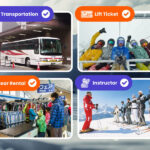
The package you book determines whether you have access to snow activities and what gear is included. The listed options are:
- Transportation only: Round-trip transfer from the meeting point, from US$72.09.
- Snow play: Snow-play area and sledding, from US$96.09.
- Ski package: Admission, lift access, and ski equipment, from US$156.15.
- Full ski package: Park admission, lift access, ski equipment, and a ski suit, from US$204.19.
The tour’s overall starting price is advertised from US$50.49, but the listed package prices vary substantially. Treat the package you select, not the lowest headline figure, as the useful basis for comparing cost. The transportation-only option does not include admission to Yeti or the hot spring, and meals and drinks are also extra.
If you are new to skiing and want a one-stop setup, the ski package or full ski package is the simplest route. The full option adds a ski suit, which may be useful if you do not own winter sports clothing. If you already have gear or only want to play in the snow, transport-only may make sense, but check what you will need to pay at the resort before you commit.
The package descriptions say ski equipment rental is available, while the listed options clarify what is included in each tier. Read the selected option carefully: admission, lift access, equipment, and clothing are not interchangeable inclusions. Skiing carries a risk of injury, so arrange suitable sports insurance yourself.
Konohana Onsen: a warm pause after the snow
After Yeti, the bus stops at Konohana Onsen for about 70 minutes, around 2:45 to 3:55 p.m. The hot spring is an optional activity, and the bathing fee is paid on site. This is a welcome change of pace after time in the cold, especially if you have been skiing or sledding.
The bath is promoted for its Mount Fuji views, but weather and visibility will determine what you can see. There is also a small practical wrinkle: the hot spring is outside the parking area, and you need to take an elevator to reach it. Allow time for that walk and access, rather than assuming the bath door is right beside the bus.
Seventy minutes is a short visit, not a long spa afternoon. You will need to keep an eye on the group’s meeting time and leave room for changing and getting back to the vehicle. If you would rather not bathe, you can use the stop as a rest break, but the main appeal of this leg is the chance to warm up before the return ride.
Konohana-no-Yu can close for maintenance or other conditions. If it cannot operate, the tour may use another hot spring facility of the same standard, with the day’s arrangement set by the operator. Tattoo rules can vary with the facility, so check the current on-site policy if that matters to you.
The ride back and the limits of a fixed schedule
The bus leaves after the hot spring stop, with the return trip listed at about two hours. Drop-off times are estimates: Tokyo MODE Gakuen is listed around 6 to 6:10 p.m., and Tokyo Station’s Marunouchi North Exit around 6:30 to 7 p.m. Traffic can push the arrival later, and a smooth day can bring an earlier return.
Do not book a flight, dinner reservation, or other fixed plan for that evening. The operator warns that weather, road conditions, and crowding can alter the schedule, and delays or partial itinerary changes do not come with compensation. That is the cost of reaching a mountain resort and hot spring in one organized day.
The tour asks you not to eat or drink in the vehicle. Each person may bring one piece of luggage at no charge; additional pieces cost 2,000 yen each and should be declared in advance. There are no child seats, so consider that if you are travelling with a young child. Children aged zero to two ride free only if they do not need a separate seat, but they must still be included in the passenger count. Children aged three and up pay the adult rate.
You can also read our reviews of more tours and experiences in Susono


How good is the value?
This is best understood as a convenience package, not a bargain ski holiday. You are paying to link Tokyo, a snow resort, and a hot spring in one day without driving. For a first snow outing, that combination can be worth more than a larger resort’s acreage, particularly if you do not own winter gear.
The value depends on what you book. Transport only keeps the initial cost down, but you then need to budget separately for Yeti admission, bathing, food, and any gear or lift access you want. The full ski option costs more but bundles the major ski items, including a suit. Compare the final total with your plans for the day, not just the starting price.
The visitor feedback has been strongest around organization, friendly guides, equipment help, and clear-day views of Fuji. Frenkie was praised for making the day feel straightforward and comfortable, while Yuri was credited with helping make the journey pleasant and recommending the hot spring. Guide assignments vary, so consider those names examples rather than promises. The less glowing assessment is also useful: the snow area can feel small if you expect a large natural resort.
Who should book this Mount Fuji snow trip?
I would choose this trip if you are based in Tokyo and want a low-planning introduction to snow, especially with children, a partner, or friends who do not all ski. The snow-play option keeps the day accessible, while the ski packages let beginners try the slopes without bringing a full kit from home. The hot spring gives the schedule a relaxing final stop rather than making the day only about sport.
I would look elsewhere if your priority is extensive skiing, long hours on varied terrain, or a guaranteed view of Mount Fuji. Yeti is compact, the day is tightly timed, and the mountain can be hidden by weather. But if a practical Tokyo transfer, a first run or sled ride, and a warm bath sound like a good winter day, this trip brings those pieces together with little transport fuss.
Departure from Tokyo | Mt. Fuji Yeti Skiing x Konohana Onsen Hot Spring Day Trip | Optional Single Transfer/Includes Ski Equipment Rental
“Such a fun experience! Everything was well organized from departure in Tokyo to the Mt. Fuji Yeti snow area and Konohana Onsen. Everyone enjoyed th…”
FAQ
How long do you spend at Yeti?
The scheduled visit is about four hours, from roughly 10:15 a.m. to 2:15 p.m. The actual timing may change with weather, traffic, or crowds.
Is Yeti suitable for someone who has never skied?
Yes. The resort has beginner slopes, and the snow-play area offers activities such as sledding, snowman building, and taking photos.
Is the snow natural?
No. Yeti uses artificial snow, and the resort is smaller than natural high-mountain ski areas.
Does the transportation-only option include Yeti admission?
No. Yeti admission is listed as an excluded cost for the transportation-only option.
Is the hot spring included in the tour price?
No. The hot spring visit is optional, and you pay the bathing fee on site.
How do you reach Konohana Onsen from the parking area?
The hot spring is outside the parking lot area. You need to take an elevator to reach it.
What ski package choices are available?
Options include a ski package with admission, lift access, and equipment, and a full ski package that also includes a ski suit. A separate snow-play package includes access to the snow-play area and sledding.
When does the bus return to Tokyo?
Estimated drop-offs are around 6 to 6:10 p.m. at Tokyo MODE Gakuen and around 6:30 to 7 p.m. at Tokyo Station’s Marunouchi North Exit. Actual arrival depends on road conditions.
Can I bring extra luggage?
Each person may bring one piece free of charge. Additional pieces cost 2,000 yen each, and you should declare them when booking.
What happens if the hot spring is closed?
If Konohana-no-Yu cannot operate because of maintenance or other conditions, the tour may redirect the group to a hot spring facility of the same standard.