Fuji Safari Park puts a lively start on a Mount Fuji day out: you can see wild animals close up, then trade the safari for spring-fed ponds and flower-field views. I like the mix of child-friendly wildlife and calm countryside stops, and the planned transport from Tokyo, which saves you from stitching together a long day by train and bus.
The main catch is that safari access costs extra, and the popular Jungle Bus can sell out. You’ll need to plan that part ahead, keep to the group’s schedule and accept that Fuji views depend on weather. This is a full-day tour, not a 50-minute outing: the roughly 50 minutes refers to the safari bus ride.
- At a glance
- A Tokyo departure with three very different stops
- Fuji Safari Park: plan the animal experience first
- Oshino Hakkai: clear water and a slower pace
- Oishi Park: flowers, lake and a chance of Fuji
- What the price includes, and what you pay on site
- The long ride and the fixed schedule
- Who will get the most from this day
- Should you book this Mount Fuji day trip?
- FAQ
- How long is the tour?
- Is Fuji Safari Park admission included?
- Is the Jungle Bus included in the price?
- Should I reserve the Jungle Bus in advance?
- Can I enter the open feeding area without taking the Jungle Bus?
- Is lunch included?
- What is included in the tour fare?
- Where does the tour return?
- Can I bring luggage?
- Are child seats available?
- More Safari Adventures in Susono
- More Tours in Susono
- More Tour Reviews in Susono
At a glance
- Fuji Safari Park is the main event: Allow 2 hours 30 minutes at the park, but park entry and animal experiences are extra.
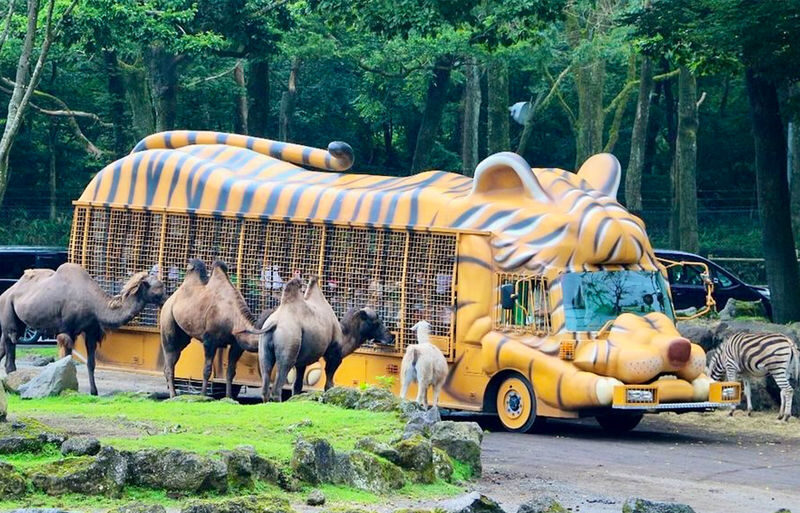
- Book the Jungle Bus early: It costs about ¥1,500 per person and may sell out. The tour’s timing makes the 11:00 slot the practical choice.
- Oshino Hakkai brings a quieter pause: Spend about 1 hour 30 minutes among eight Mount Fuji spring ponds, traditional buildings and local food stalls.
- Oishi Park is a quick photo stop: Its flower displays and Lake Kawaguchi views share the frame with Mount Fuji when skies cooperate.
- Expect a long day: Departure is at 8:00, with return to Shinjuku expected around 18:30 to 19:00, depending on traffic.
A Tokyo departure with three very different stops
This tour is built around contrast. The morning is for animals and excitement; the middle stop slows down beside clear water and old-style village scenery; the final stop gives you a chance to stroll by the lake and look for Mount Fuji across the water.
You travel with other passengers in a shared vehicle, with a driver-guide who may provide Chinese, English, Japanese or simple multilingual service. Depending on group size, the operator may use a smaller vehicle where the driver also handles guiding. In that case, expect basic commentary rather than a running lecture.
That arrangement is useful if you want transport taken care of, especially with children, but it is not a private tour by default. The group follows fixed stop times, and the vehicle cannot make unscheduled stops outside the attractions. Arrive at the meeting point 10 minutes early. Late arrivals and no-shows are not refunded, so treat the morning start as firm.
You can also read our reviews of more tours and experiences in Susono
Fuji Safari Park: plan the animal experience first
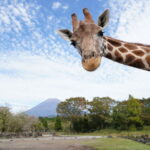
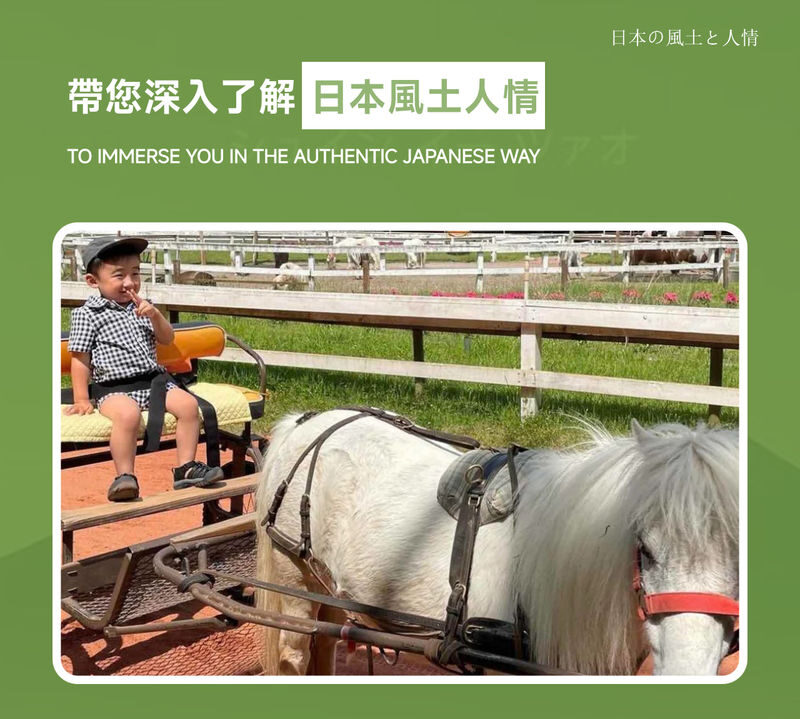
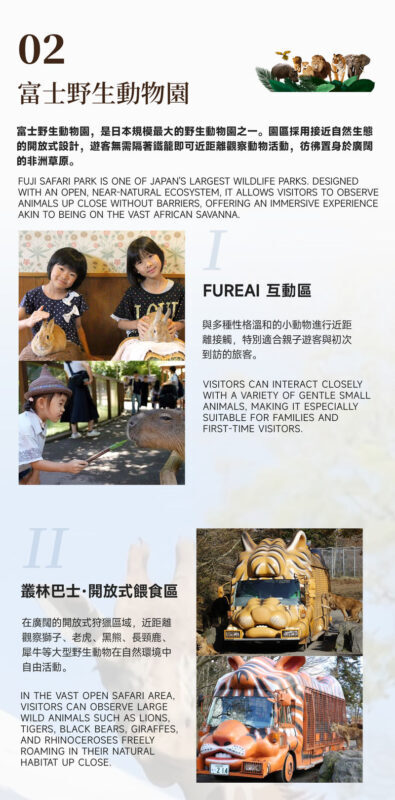
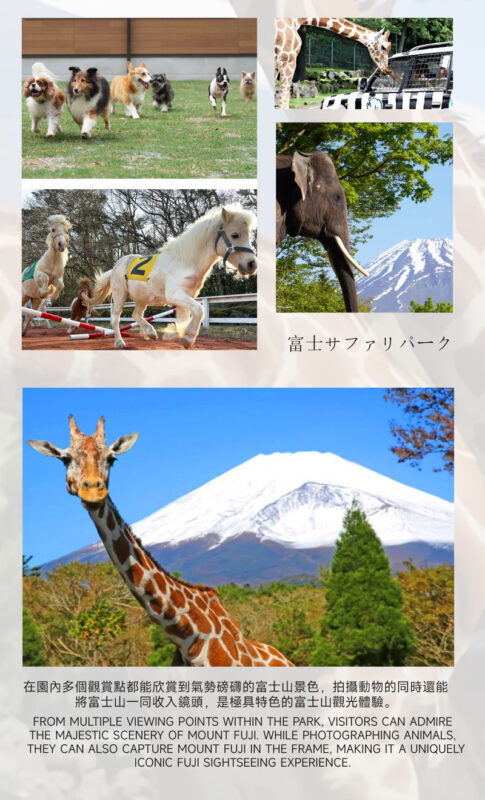
You reach Fuji Safari Park at about 10:00 and have roughly 2 hours 30 minutes to explore on your own. The park is the tour’s biggest draw for families: it gives children a chance to see wild animals at close range, with optional feeding and interactive experiences available for an additional charge.
The crucial detail is that park admission is not included. The reference price is ¥3,200 for adults, ¥2,000 for children aged 4 through junior high school, and free for children under 3. The Jungle Bus is another extra, listed at about ¥1,500 per person for ages 3 and up, with children required to ride with an adult. Costs and what is operating can change, so check the park’s arrangements for your date.
If you want the bus, make a reservation in advance. It is popular, and tickets can sell out, especially during holidays and peak seasons. The tour is planned around an 11:00 bus slot, so this is the time to target. Do not assume you can simply buy a ticket when you arrive. Some families have reached the park to find no suitable bus tickets left, which can turn the day’s main attraction into a disappointment.
There is an alternative for the safari zone’s open feeding area: take the Jungle Bus or buy a visitor walkway ticket, listed at ¥600 per person and payable in cash only. Walking takes about 90 to 120 minutes, compared with roughly 50 minutes by bus, and it is more physically demanding. With only 2 hours 30 minutes at the park, walking can use up much of your visit. Decide in advance which experience matters most to your family.
Park staff control which areas and activities are open. Weather, animal health and park arrangements can affect access, and the tour operator does not offer refunds if a particular area is closed. Follow the park’s safety rules: do not feed animals without permission, tap vehicle windows or take other risks.
Oshino Hakkai: clear water and a slower pace
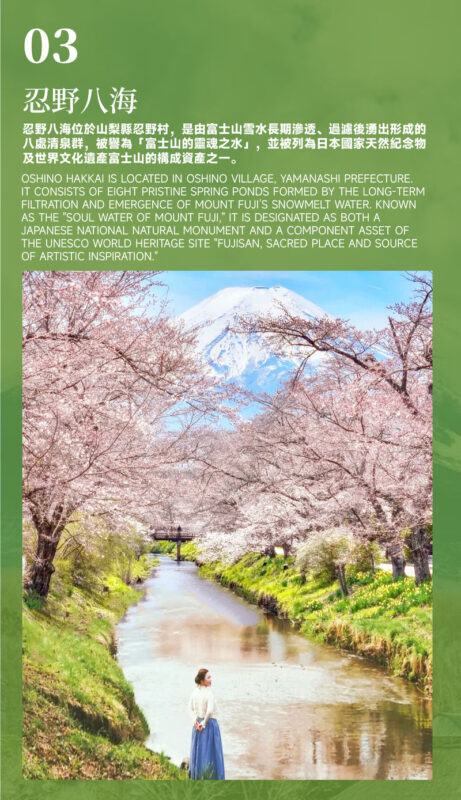
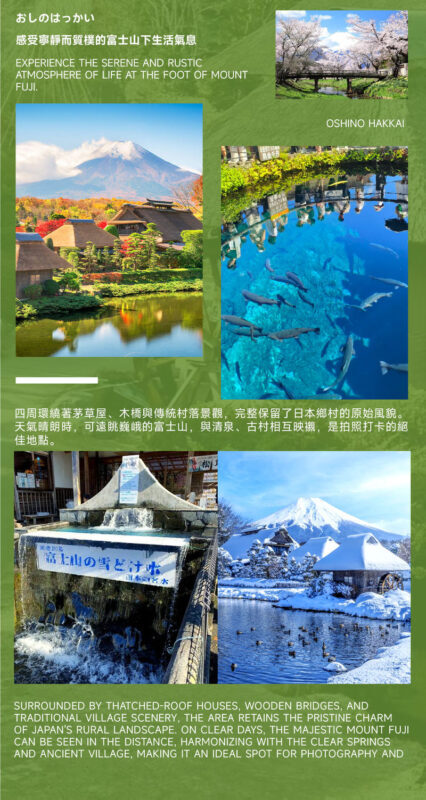
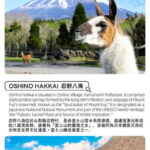
At about 13:20, the tour reaches Oshino Hakkai for a 1-hour 30-minute self-guided stop. The village is known for eight springs fed by Mount Fuji’s melted snow. Wooden bridges, thatched-roof houses and the clear water make this a marked change of pace after the safari.
I like this stop as a reset. You can stroll rather than rush through another major attraction, and the visit includes time for lunch. Local specialties and handmade snacks are available to buy, though meals and drinks are not covered by the tour price. With a limited window, choose your meal and wandering time with the next departure in mind.
The appeal here is not a long list of activities. It is the chance to see water that has filtered through Mount Fuji and to enjoy a traditional rural setting. The springs and village atmosphere are the point. If your family needs a quieter interlude between the safari and the final photo stop, this is the natural place for it.
Oishi Park: flowers, lake and a chance of Fuji
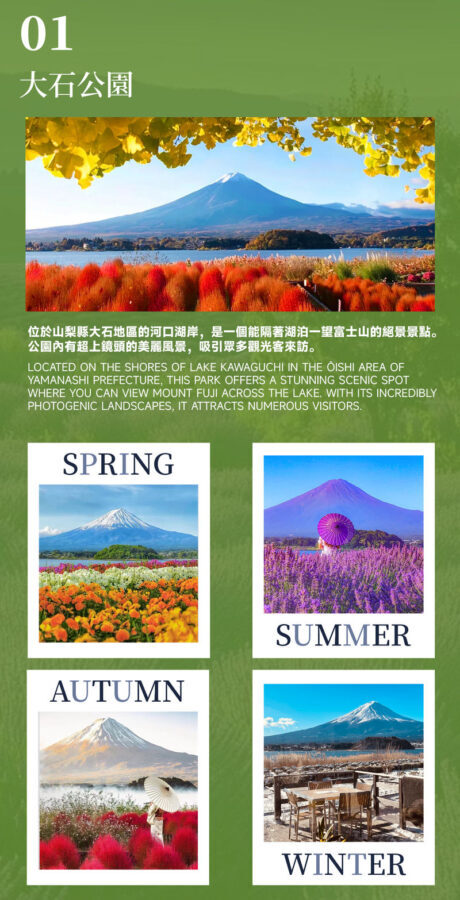
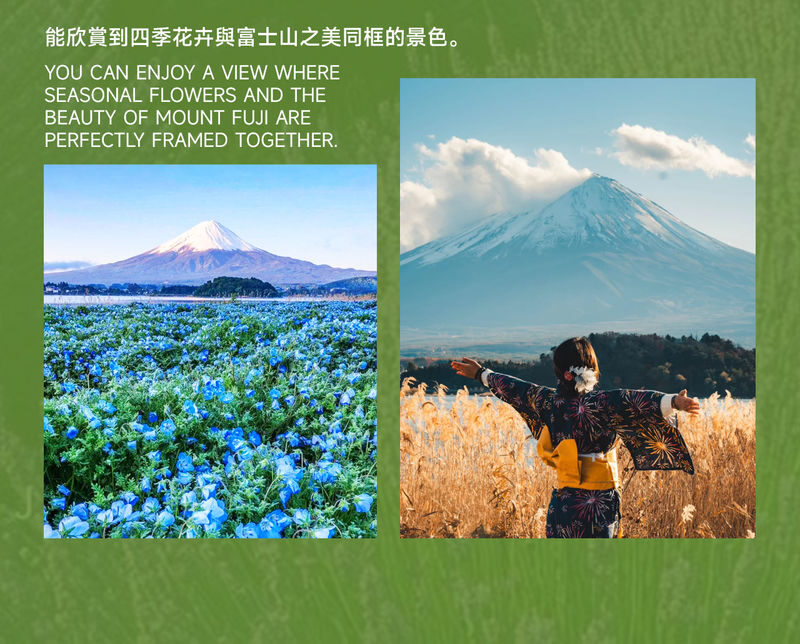
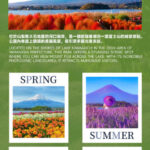
The final scheduled stop is Oishi Park, reached at about 15:20 for a 40-minute visit. The park’s seasonal flower beds sit beside Lake Kawaguchi, with Mount Fuji in the view when the weather allows. Spring brings tulips and rapeseed flowers, summer brings lavender, and autumn brings broom grass and peacock flowers.
Forty minutes is enough for a stroll and photographs, but not a leisurely park visit. Keep an eye on the group’s meeting time, and don’t count on seeing Fuji clearly. Clouds and weather can hide the mountain, and flower timing shifts from year to year with the climate. The park is still a pleasant lake-side stop, but the famous mountain-and-flowers picture is never guaranteed.
What the price includes, and what you pay on site
The advertised starting price is from US$49.35, while the family recommendation package is listed from US$70.45. Prices depend on the selected package and date, so check the option you book. The tour fee covers round-trip transport from the meeting point, fuel, tolls and parking, along with a professional driver-guide.
That transport is a meaningful part of the value. You get three widely separated stops in one day without having to coordinate separate connections, and you can rest in the vehicle between visits. Families in particular may find that simpler than managing a long sequence of public transport rides. Past trips have been led by guides including Anna Hayashida, Joe and Takada, but guide assignments vary. The strongest practical benefit to look for is clear communication and safe, considerate driving, not a particular named guide.
Budget separately for Fuji Safari Park admission, the Jungle Bus or walkway ticket, optional animal experiences, and food and drinks. For an adult who chooses park entry and the bus, the listed reference charges add up to about ¥4,700 before meals or other extras. A child aged 4 through junior high school choosing those same two paid items would be about ¥3,500. These are reference amounts, not a promise of final prices; check what the park is charging and operating on the day.
You can also read our reviews of more tours and experiences in Susono

The long ride and the fixed schedule
The day starts at 8:00 and is expected to return to the Shinjuku LOVE Sculpture around 18:30 to 19:00. That is a substantial day out, with several hours on the road, so bring what your family needs for a full day and consider how young children handle long vehicle trips. Child seats are not available.
Traffic, weather and crowd levels may change the order or duration of stops. The tour may arrive earlier if roads are clear, but delays are possible, especially in peak periods. Don’t schedule a flight, bullet train or important evening plan too close to the estimated return. The operator says not to count on the stated return time as exact.
You may bring one piece of luggage per person at no charge. Extra pieces cost ¥2,000 each and must be declared when booking; vehicle space is limited, and excess luggage may be refused. Eating and drinking in the vehicle is not allowed, so plan snacks for the stops rather than the ride.
Who will get the most from this day
This route suits families who want a day outside Tokyo without organising every transfer themselves. Children get the strongest draw at the safari park, while Oshino Hakkai and Oishi Park give adults scenery, a relaxed walk and seasonal color. It also works for anyone who prefers a planned route to navigating several destinations independently.
It is less suitable if you need a flexible pace, want to linger at one place, or have limited mobility. The schedule is fixed and requires walking at the stops. The tour also is not recommended for people with certain medical conditions, including high blood pressure or epilepsy. Seniors aged 70 and over and pregnant participants must contact the operator in advance to sign a waiver; seniors aged 70 and over are also asked to present a medical certificate.
The smaller-vehicle option can make the day feel more personal, but it does not guarantee a private car or extensive guiding. One family traveling alone received hotel pickup and drop-off from their driver, Joe, but that was an individual arrangement, not a standard promise. Book on the assumption that you will share the vehicle and meet at the designated point.
Should you book this Mount Fuji day trip?
Book it if your priorities are a child-friendly safari, straightforward transport from Tokyo and a sampler of Fuji-area scenery in one day. The value is strongest when you reserve the Jungle Bus early and are comfortable paying park and activity fees on top of the tour fare.
Think twice if the safari bus is essential but you cannot secure a place, or if your family needs a slow, flexible day. The schedule gives you a useful overview, not hours at each stop. My practical advice is to settle the safari booking first, then decide if the all-in cost and long day still suit your plans. If they do, this is a sensible way to pair wildlife with spring water and a lakeside Fuji view.
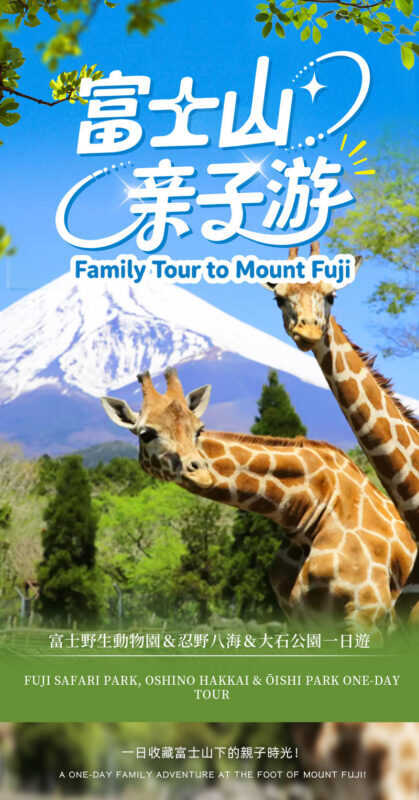
Must-Do for Families: Fuji Safari Park x Oshino Hakkai x Oishi Park | See Animals Up Close – Day Trip to Mount Fuji (From Tokyo)
“driver / tour guide provided great customer service!”
FAQ
How long is the tour?
It is a full-day trip, departing at 8:00 and expected to return to the Shinjuku LOVE Sculpture between 18:30 and 19:00. The roughly 50-minute duration refers to the Jungle Bus safari, not the whole tour.
Is Fuji Safari Park admission included?
No. The reference admission cost is ¥3,200 for adults, ¥2,000 for children aged 4 through junior high school, and free for children under 3.
Is the Jungle Bus included in the price?
No. Its reference fee is ¥1,500 per person for ages 3 and above. Children must be accompanied by an adult.
Should I reserve the Jungle Bus in advance?
Yes. Tickets can sell out, particularly during holidays and peak seasons. The tour’s schedule makes the 11:00 slot the recommended time.
Can I enter the open feeding area without taking the Jungle Bus?
A visitor walkway ticket is another option, listed at ¥600 per person and payable in cash. Walking through the area takes about 90 to 120 minutes, compared with roughly 50 minutes by bus.
Is lunch included?
No. Meals and drinks are at your own expense. Oshino Hakkai has local specialty meals and handmade snacks available to purchase.
What is included in the tour fare?
Round-trip transfers from the meeting point, tolls, parking and fuel are included, as is a professional driver-guide.
Where does the tour return?
The expected return point is the Shinjuku LOVE Sculpture, at about 18:30 to 19:00. The actual time depends on road conditions.
Can I bring luggage?
Each person may bring one piece of luggage free of charge. Additional pieces cost ¥2,000 each and should be declared when booking.
Are child seats available?
No. Child seats are not available, and infants and children must be included in the passenger headcount.