A tea ceremony is more than a bowl of matcha: it is a series of deliberate gestures, shared etiquette, and small acts of hospitality. At Teahouse Minamikaze, you watch an instructor prepare tea, then whisk your own, with explanations in English and seasonal sweets alongside both bowls.
I like two things in particular: you get to take part, rather than only watch, and the kimono dressing and photo time are included. The table-and-chair setup also makes the ceremony easier to follow if sitting on the floor is uncomfortable.
One thing to keep in mind: this is a teaching room in a city building, not a historic tea house. If you want an old-world setting above all, the room may feel plain. If you want an approachable cultural lesson near Asakusa and Skytree, the practical format has real appeal.
- Two bowls of matcha: One is prepared by your instructor; you whisk the other yourself.
- Kimono and photos: Dressing is included and optional, with time to take pictures.
- Seasonal wagashi: Japanese confections accompany the tea, including sweets from a long-established shop.
- No floor seating: You take part at a table and chairs, without kneeling.
- A small class: The group size is one to 15, with private sessions available for groups of seven to 15 by arrangement.
- Close to Asakusa sights: The venue is about a 10-minute walk from Senso-ji Temple, with Skytree nearby.
- A hands-on tea lesson, not just a demonstration
- Kimono time before the tea
- A comfortable room with a practical setup
- What the 90 minutes feel like
- Why the location works for an Asakusa day
- The value at about
- Who will get the most from it
- Booking details to check before you go
- Should you book this tea ceremony?
- FAQ
- How long does the tea ceremony experience last?
- Is kimono dressing included?
- Do I need to kneel during the ceremony?
- How many bowls of matcha are included?
- Where is the meeting point?
- Can children take part?
- The Best Of Tokyo!
- More Tours in Tokyo
- More Tour Reviews in Tokyo
A hands-on tea lesson, not just a demonstration
 1 / 9
 2 / 9
 3 / 9
 4 / 9
 5 / 9
 6 / 9
 7 / 9
 8 / 9
 9 / 9
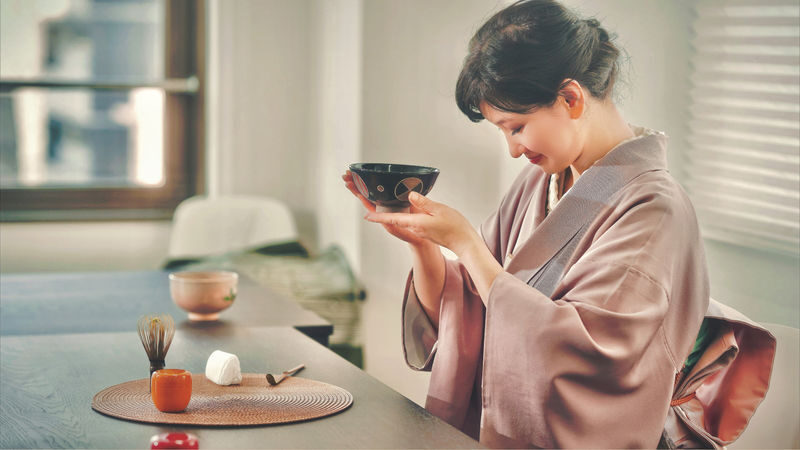
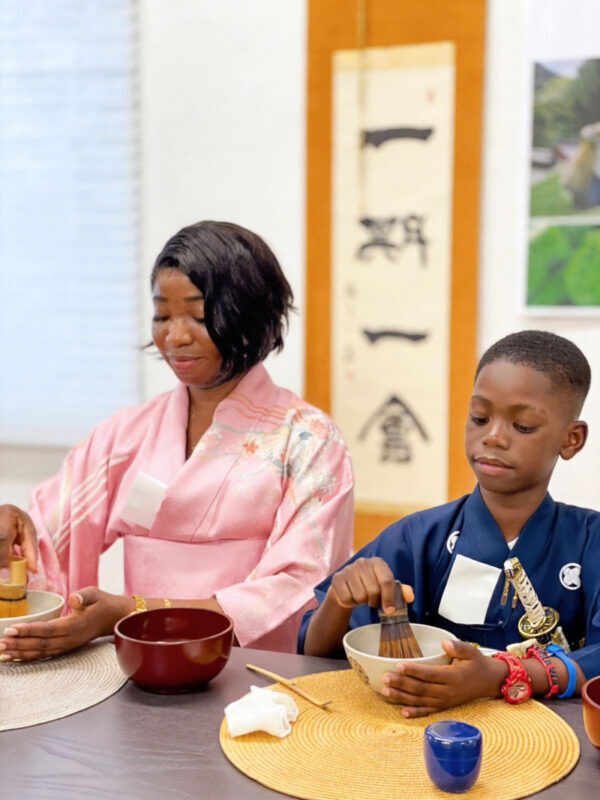
The session is built around a useful progression: first you learn what to notice, then you see the ceremony performed, and finally you try making matcha yourself. That structure suits beginners. You do not need to know the etiquette in advance, and the instructor stays with you throughout to explain the steps and answer questions.
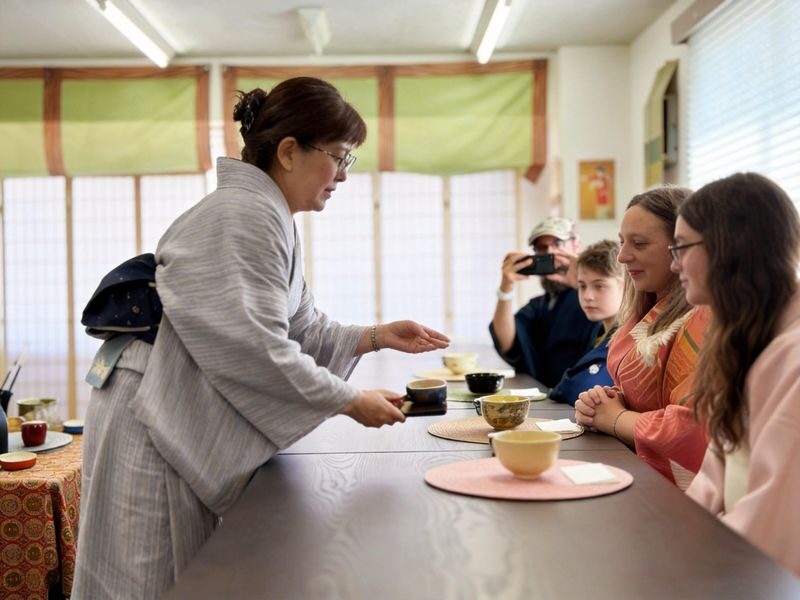
The host’s demonstration is the quieter, more observant part. You see how the tea is prepared and how the utensils are handled, while learning about the customs and hospitality behind the practice. Names mentioned by people who have taken the class include Atsuko, Aiko, and Keiko. Staff can vary, so you should not count on a particular instructor, but the English guidance is part of the experience.
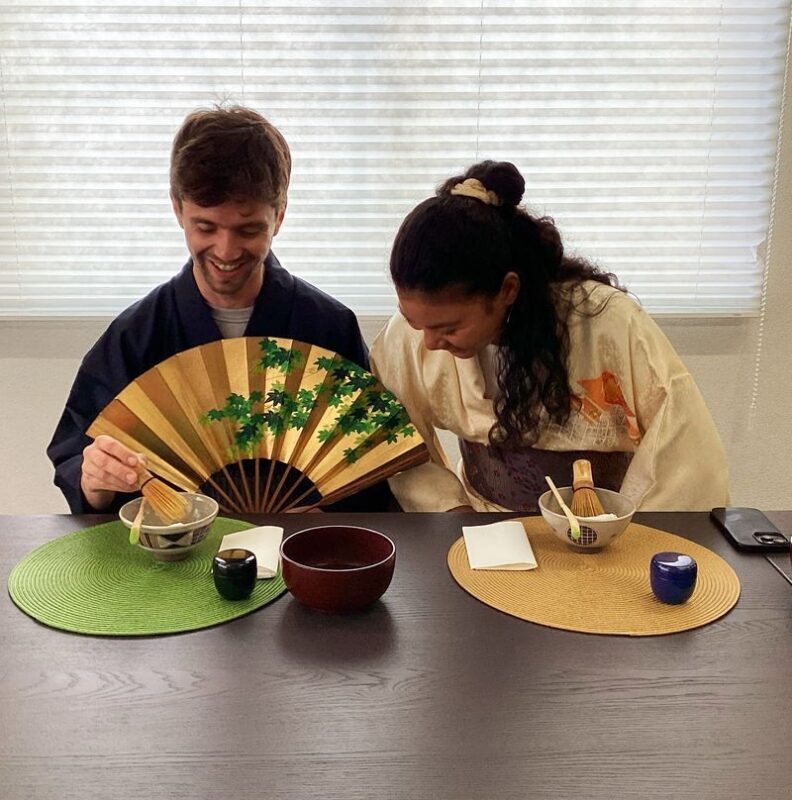
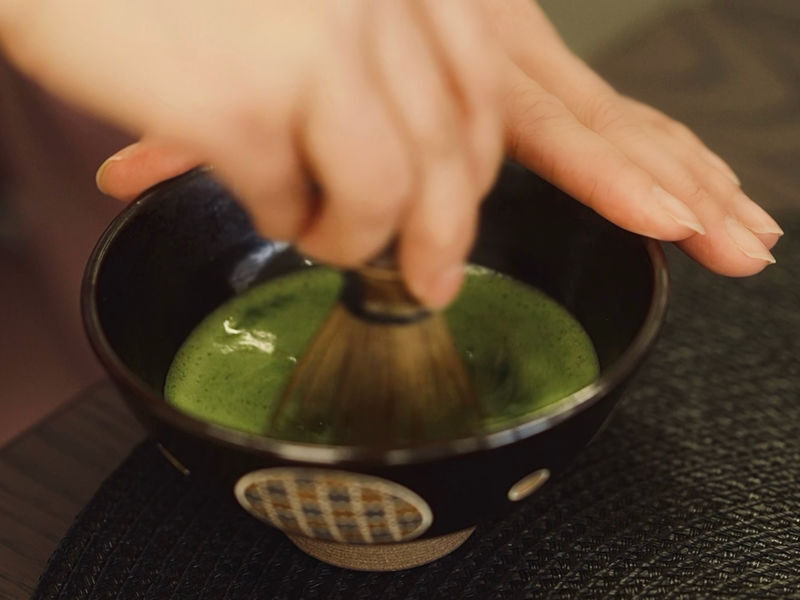
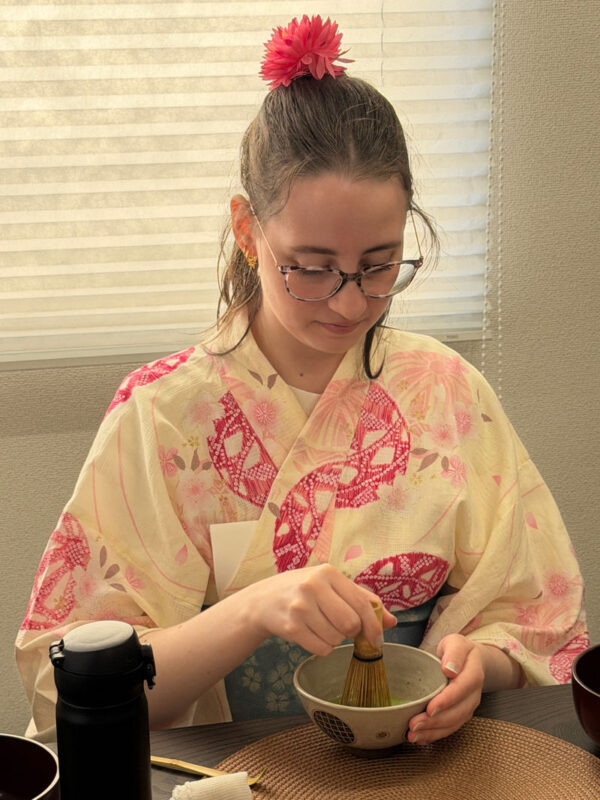
Then comes your turn with the whisk and traditional utensils. You follow the techniques the instructor has shown you, prepare matcha, and drink the result with a Japanese sweet. You are not expected to arrive with skill or perfect form. The point is to learn by doing, and that makes the customs easier to remember than a talk alone.
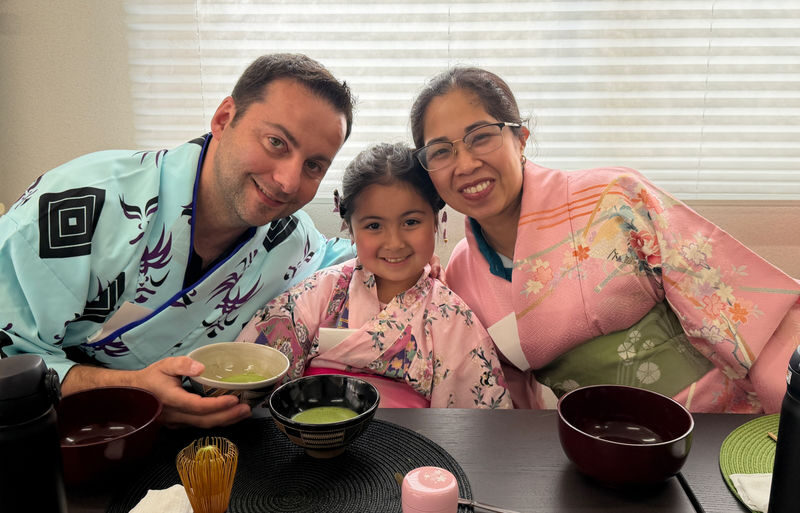
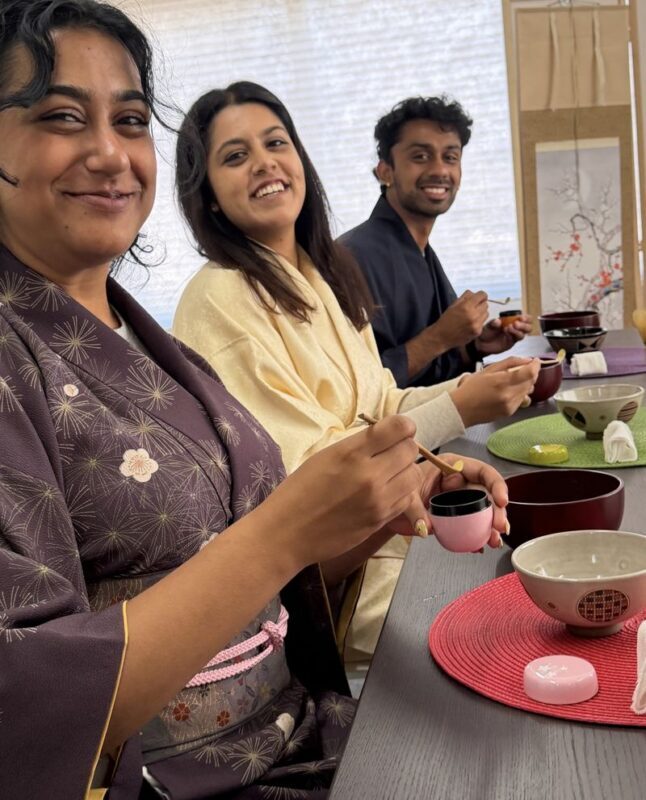
You receive two bowls in total: one prepared by the instructor and one you make yourself. The sweets are seasonal wagashi, so what you are served can change with the time of year. This pairing is more than a snack break. It gives you a chance to notice how tea and sweets are presented together, and to slow down enough to enjoy both.

👉 See our pick of the Our Picks For The 11 Best Workshops & Classes In Tokyo
Kimono time before the tea
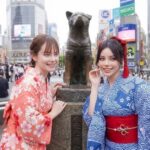
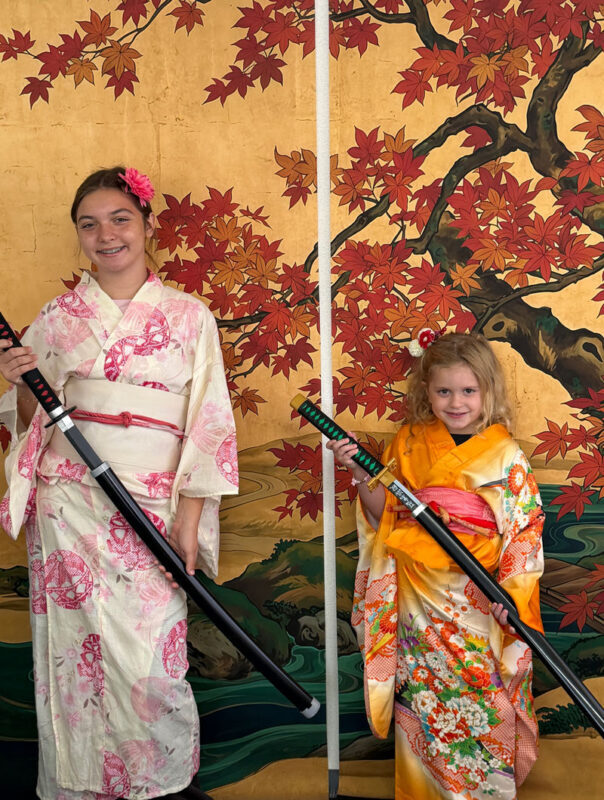
Kimono dressing is included, but taking part is optional. If you choose to dress up, staff help you put on the kimono before the tea lesson and allow time for photos. Some participants have also had help styling their hair with flowers, though that should be treated as a possible extra touch, not a guaranteed part of every session.
The photo opportunity is a real draw if you want a few memorable pictures without arranging a separate rental. The building is close to Tokyo Skytree, and the activity includes the chance to take photos outside with the tower in the background. You can also take pictures inside in your kimono. Bring your own phone or camera; the staff may help take photos for you.
Do not mistake the photo session for a full-day kimono outing. This is a short dressing and photo opportunity tied to the tea class, not a citywide rental with hours to explore in traditional clothing. That focused format keeps the experience manageable, particularly if you are fitting it between visits to Senso-ji and other Asakusa sights.
You can also read our reviews of more tours and experiences in Tokyo.


A comfortable room with a practical setup
The ceremony takes place on the sixth floor of the Kenmabuchi Azumabashi Building, at 2-1-5 Azumabashi in Sumida-ku. You meet inside the tea room, rather than at a street-level tour desk. The room is between a restaurant and a dry-cleaning shop, about 30 metres from a Lawson in the direction of Skytree.
The room uses tables and chairs, so there is no kneeling. That makes the class more comfortable for many people and lets you concentrate on the instructor’s movements instead of worrying about your legs. It is also helpful for families, although children must be at least five years old and infants and children count toward the passenger headcount.
The trade-off is atmosphere. A few participants have found the setting less traditional than they hoped, and that is a fair point: a classroom in a modern building does not create the same sense of place as a historic tea room. The ceremony, utensils, instruction, and tea-making are the focus here. Think of it as a cultural workshop with a traditional practice, rather than a visit to a preserved Japanese house.
What the 90 minutes feel like
The experience lasts about 90 minutes, though the general activity summary also gives a one-hour duration. The detailed schedule lists a 10:30 a.m. to noon morning session and a 2:00 to 3:30 p.m. afternoon session, so I would plan around the longer 90-minute window. Arrive by 10:20 for the morning class or 1:50 for the afternoon one.
You begin with the kimono option and photos. This gives you a relaxed start and a chance to get comfortable in the room before the more structured lesson. If you would rather skip the clothing, it is optional, though you may miss one of the most distinctive parts of the experience.
Next, the instructor introduces tea ceremony customs and explains how to take part. You watch a demonstration and enjoy the first bowl of matcha with a seasonal sweet. The lesson is designed for people new to tea ceremony, and the English-speaking guide makes it possible to ask questions along the way.
After that, you handle the utensils and whisk your own matcha, following the methods you have just seen. You drink your second bowl with another Japanese confection. The hands-on part is the activity’s strongest reason to book: you leave with a better sense of the care involved, not just a photo of yourself holding a bowl.
The session may run beyond its planned end. One person found it went about 20 minutes over, which they did not mind, but you should avoid booking it too close to another timed activity. Allow a little breathing room, especially if you have a lunch reservation or a train to catch.
Why the location works for an Asakusa day
The venue is well placed for a day that includes both old Asakusa and the modern skyline. Honjo-Azumabashi Station is about a two-minute walk away. Asakusa Station is around seven minutes on foot, and Skytree Station is about 10 minutes away. Senso-ji Temple is roughly a 10-minute walk from the venue.
That means you can build the class into a walking day rather than setting aside time for a long transfer across Tokyo. A morning session can fit before more sightseeing, while the afternoon option works if you want to visit the temple area first. The schedule is fixed to the time you select, so make your surrounding plans with the full 90 minutes in mind.
The nearest station depends on where you are coming from and what you plan to see next. Follow the address to the sixth floor, and look for the building details rather than expecting a separate street-front tea house. The directions place it near Lawson, between a restaurant and a dry-cleaning shop.
The value at about $49
At a starting price of $49.29, you are paying for a guided lesson, two bowls of matcha, seasonal sweets, traditional utensils, and optional kimono dressing with photo time. That is a fuller package than a quick tea tasting. The price makes the most sense if you take part in both the tea-making and kimono portions, and if you value the instructor’s explanations as much as the pictures.
It is less compelling if you only want to drink matcha or take a few kimono photos. You can find tea and sweets elsewhere, and the venue is not a historic setting. But if you want a structured introduction that combines explanation, demonstration, and practice in one visit, the included elements add up well.
The group can include up to 15 people, so the amount of individual attention may depend on the session. The available information notes that groups of seven to 15 can arrange private sessions with no other groups, though the start time may need flexibility. Ask the provider about this before booking if a private class matters to you. Solo visitors are also welcome, and a small or even one-person session may give you more room to ask questions, though group size varies.
Who will get the most from it
I would recommend this for first-time visitors who want a clear, friendly introduction to tea ceremony without needing to know the rules beforehand. It also suits matcha fans who want to learn how to whisk it, families with children aged five and older, and anyone looking for an activity that offers more than sightseeing and photos.
The English instruction is especially useful because the ceremony has its own etiquette and sequence. People who have taken part in a tea ceremony elsewhere may still find the hands-on format worthwhile, but the value depends on how much they enjoy learning the basics again and comparing the experience.
If your priority is a traditional architectural setting, look for a class that specifically takes place in a historic tea room. If your priority is personal instruction, participation, and an easy-to-follow format near Asakusa, this one is a better fit. The central location and short duration make it easy to pair with nearby sights.
Booking details to check before you go
Choose either the morning session, listed as 10:30 a.m. to noon, or the afternoon session, listed as 2:00 to 3:30 p.m. The meeting time is 10 minutes before the start. Late arrivals and no-shows are not refundable, so allow time to find the building and reach the sixth floor.
The activity is for ages five and up. Storage is available at the venue, but staff should be contacted for rates. The booking is valid only on the date and time selected. You can cancel for a full refund if you do so at least 24 hours before the activity date, using local time.
Should you book this tea ceremony?
Book it if you want to learn by doing, enjoy seasonal sweets, and have time for a kimono photo session close to Asakusa and Skytree. The best part is the combination: a calm demonstration, an explanation of the customs, and the chance to make your own matcha.
Skip it if the setting itself is your main reason for booking and you expect a historic tea house. For most curious beginners, though, this is a practical, welcoming way to spend 90 minutes and come away with more than a souvenir photo.
Enjoy an authentic Japanese tea ceremony and kimono experience in Asakusa
“Very thoughtful and personal experience. Aiko and Atsuka took the time to help us through this guided ceremony, while also teaching and informing u…”
FAQ
How long does the tea ceremony experience last?
Plan for about 90 minutes. The listed sessions run from 10:30 a.m. to noon and from 2:00 to 3:30 p.m.
Is kimono dressing included?
Yes. Kimono dressing and time for photos are included, but dressing up is optional.
Do I need to kneel during the ceremony?
No. The experience uses tables and chairs, so you do not need to kneel.
How many bowls of matcha are included?
You receive two bowls. The instructor prepares the first, and you whisk the second yourself using traditional utensils.
Where is the meeting point?
Meet inside the tea room on the sixth floor of Kenmabuchi Azumabashi Building, 2-1-5 Azumabashi, Sumida-ku, Tokyo. The venue is about two minutes on foot from Honjo-Azumabashi Station.
Can children take part?
Yes, children aged five and older can participate. Infants and children must be included in the passenger headcount.