Hakone’s best-known sights make a striking one-day circuit: the red torii at Lake Ashi, a ropeway above volcanic ground, and the island of Enoshima. The appeal is the variety. You get mountain and lake views in Hakone, then a coastal stop, without planning several train and bus connections yourself.
I like two things in particular: the ropeway is included in the package details, and the route pairs it with Owakudani, where you can see Hakone’s volcanic terrain up close. I also like that the tour leaves room for the famous pirate ship on Lake Ashi, though its ticket costs extra.
The trade-off is a packed schedule, with only about two hours for Enoshima and short stops elsewhere. Guide commentary can also vary: some guides, including Wanting and Wan Ting, are praised for clear explanations, while some outings have felt more like transport with basic meeting instructions.
- What to know before you book
- A big Hakone day, with a coastal finish
- Lake Ashi and the torii gate
- Ropeway views above Hakone
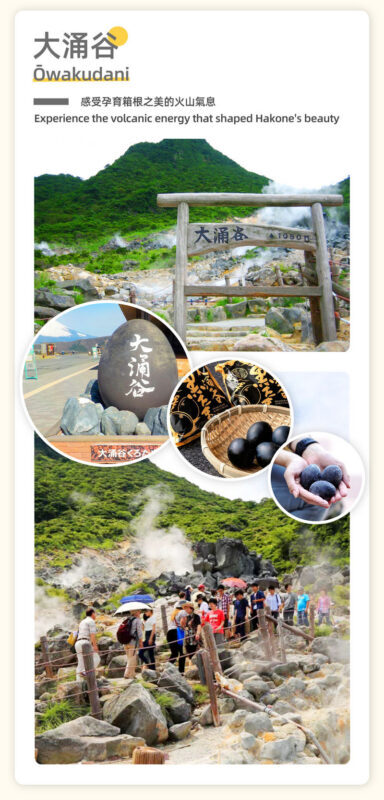
- Owakudani’s volcanic ground and black eggs
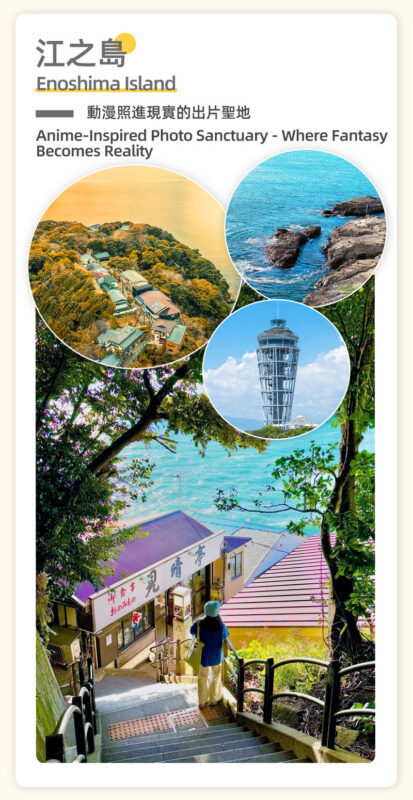
- Enoshima’s shrines, street and sea views
- Guides, group size and the ride from Tokyo
- Is the price good value?
- Practical details that can make the day easier
- Who should choose this day trip?
- FAQ
- Is the Hakone Pirate Ship ticket included?
- Is the Hakone Ropeway ticket included?
- Where does the tour depart from?
- Where does the tour return?
- How much time is planned for Enoshima?
- Does the tour include a stop in Kamakura town?
- Are meals included?
- Can I bring luggage?
- What happens if weather affects the ropeway or outdoor stops?
- What languages are available for the guide?
- The Best Of Hakone!
- More 1-Day Tours in Hakone
- More Tours in Hakone
- More Tour Reviews in Hakone
What to know before you book

- Lake Ashi’s torii is a view, not a guaranteed photo: weather and visibility affect what you can see, including any view of Mount Fuji.
- The pirate ship costs extra: the listed fare is ¥1,200 per person, and the cruise is self-guided.
- Ropeway ticket details conflict: the package details say it is included, while another section lists a ¥1,500 fare as not included. Confirm your exact package before booking.
- Owakudani is a volcanic stop: plan time for the scenery and, if you wish, black eggs sold at your own expense.
- Enoshima gets about two hours: enough for a focused visit, but not a leisurely tour of every attraction.
- The return can be late: the stated drop-off window is 18:00 to 19:30, with delays possible in traffic.

👉 See our pick of the Hakone’s 3 Top Walking Tours
A big Hakone day, with a coastal finish
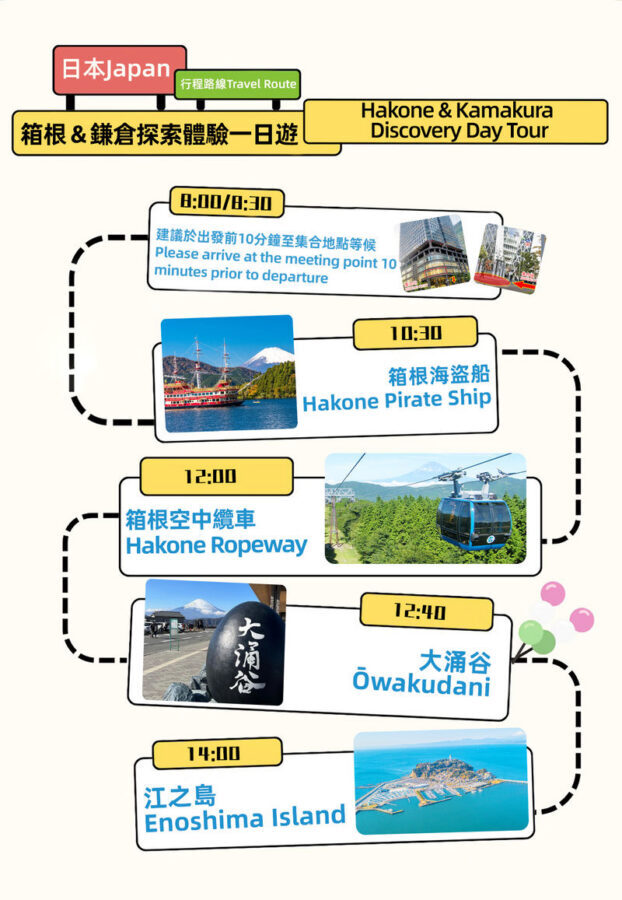
This is a shared day trip from Tokyo that combines several sights often handled by separate transport connections. The itinerary starts around 08:00 or 08:30, depending on the departure option, and returns to Tokyo in the evening. The planned route includes Lake Ashi, the Hakone Ropeway, Owakudani and Enoshima.
That range is the tour’s main selling point. In Hakone, you move between a lakeside shrine setting, a boat ride you can choose to add, and a high viewpoint over volcanic terrain. Enoshima changes the mood again, with shrine grounds, a shopping street and views from the island’s Sea Candle observation tower.
The trade is time. Each stop is a sample, not a deep visit, and the drive between Hakone and Enoshima takes a substantial part of the day. If you want the freedom to linger over lunch, walk every shrine path or wait for ideal Fuji visibility, a self-planned trip with an overnight stay will suit you better.
One detail worth noting: the tour name includes Kamakura, but the listed sightseeing stop is Enoshima. The described attractions there are Enoshima Bridge, Benzaiten Nakamise Street, Enoshima Shrine and the Sea Candle. No specific Kamakura town stop is listed, so book this for the Hakone and Enoshima circuit rather than expecting time at Kamakura’s other sights.
You can also read our reviews of more tours and experiences in Hakone

Lake Ashi and the torii gate
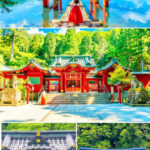
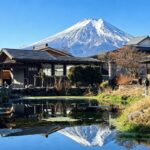
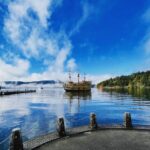
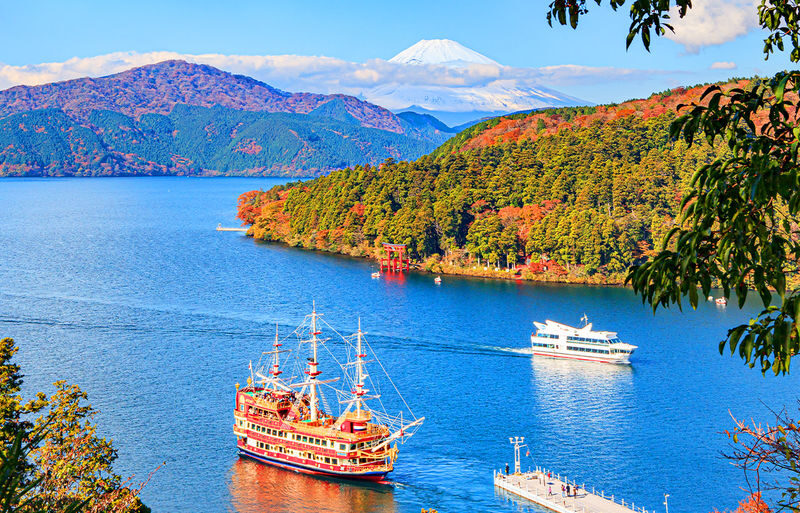
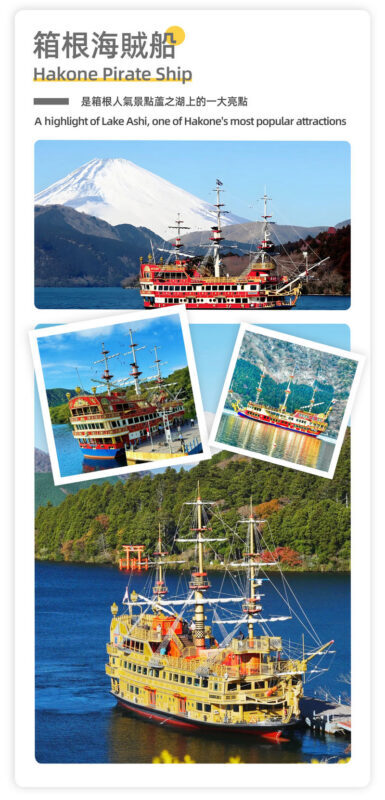
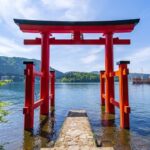
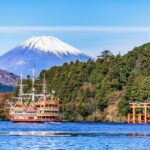
The red Peace Torii at Hakone Shrine is the image many people come for. Set at the edge of Lake Ashi, it makes a memorable frame against the water and, when conditions allow, the surrounding mountains. Mount Fuji can appear in the distance, but weather and visibility decide whether it does. Treat it as a possibility, not a promise.
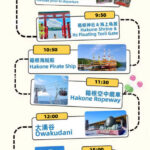
The schedule allows about an hour for the Hakone sightseeing cruise, described as self-guided. If you want the pirate ship, budget ¥1,200 per person for the ticket, which is not included in the stated inclusions. The boat is a popular way to see the torii, lake and mountains from the water, but you should check the day’s timing with your guide so you know how it fits the group’s schedule.
You are not required to take the cruise according to the tour information. That gives you a choice, but it also means the hour may feel different depending on whether you board. If the ship is a priority, bring cash and confirm the ticket price and departure arrangements before setting off.
The torii and the cruise are scenic rather than interpretive parts of the visit. If you want to understand the shrine’s history in detail, ask your guide what commentary they provide, or plan to read up beforehand. The tour promises an English- or Mandarin-speaking guide, but the amount of explanation can vary.
Ropeway views above Hakone
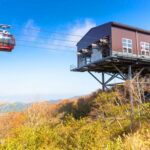
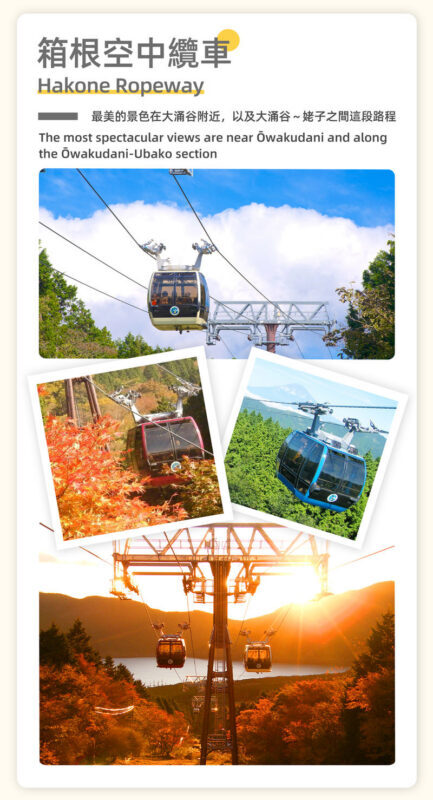
The Hakone Ropeway is one of the day’s strongest reasons to book. The route gives you a view over Lake Ashi and the volcanic area around Owakudani, with the best chances for dramatic scenery described near Owakudani and between Owakudani and Ubako. Between Ubako and Togendai, the focus is more on Lake Ashi and its crater-lake setting.
The schedule allocates roughly 30 minutes to the ropeway, so this is a ride and a look around, not a long stop. When the air is clear, you may see Mount Fuji. Wind or other weather can disrupt operations: a cancellation can remove a major part of the day, and the tour may adjust its route for safety.
There is a fare discrepancy to resolve before you pay. The included-items section says the Hakone Ropeway ticket is included, but the detailed description also gives a ¥1,500 per-person ticket price and says it is not included. Because those statements disagree, check the current package terms with the seller rather than assuming the ride is covered or budgeting as if it definitely is not.
Owakudani’s volcanic ground and black eggs
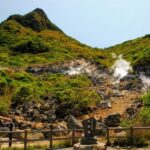
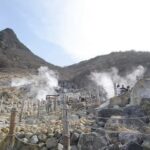
Owakudani gives the mountain part of the trip a different character. This is a famous Hakone sightseeing stop known for volcanic activity and its black eggs. The schedule allows about 40 minutes, enough for a look around and a snack, but not a leisurely visit if the area is busy.
The eggs are sold at your own expense. Local lore says each one adds seven years to your life, a cheerful claim best taken as folklore rather than a health plan. Bring cash, since the tour advises you to carry it and personal food costs are not covered.
Weather and operating conditions matter here. The attraction may adjust hours or access during severe weather or other disruptions, and staff can ask you to stop outdoor activities. Your guide may also change the order of stops or cut part of the route if traffic or conditions require it.
Enoshima’s shrines, street and sea views
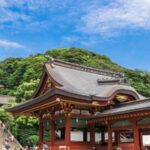
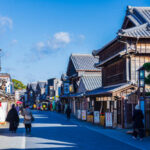
The listed Enoshima stop lasts about two hours and is self-guided. That gives you a chance to walk across Enoshima Bridge, browse Benzaiten Nakamise Street, visit Enoshima Shrine and, if time and admission arrangements allow, go up the Sea Candle observation tower. Food is available around the island, but meals are not included.
Two hours calls for choosing a priority. You could focus on the shrine and street, or use the time for a meal and a viewpoint, but trying to do everything at a relaxed pace may be difficult. Keep track of the meeting time and location. The group will not wait for late arrivals, and the return journey is long.
The tour presents Enoshima as the coastal counterpoint to Hakone’s mountain and lake scenery. That contrast is worthwhile if you want to see two different sides of Kanagawa in a single day. It is less satisfying if you prefer one place at a slower pace or want a dedicated visit to Kamakura town.

Guides, group size and the ride from Tokyo
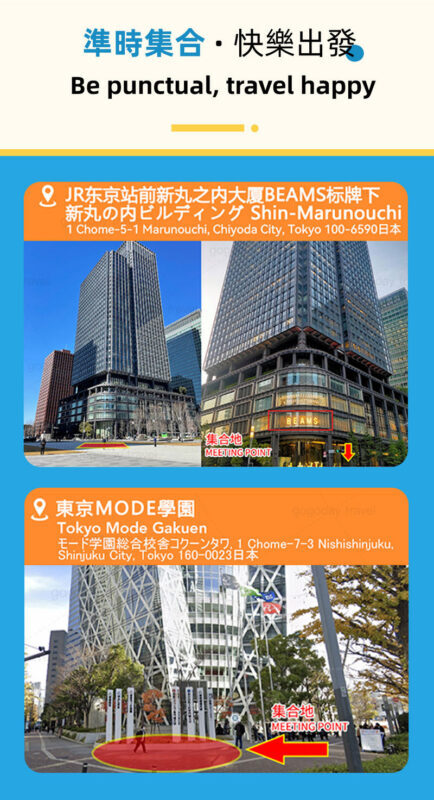
Transport is included from the designated Tokyo meeting point, along with tolls, parking and fuel. The exact meeting location and vehicle details are sent by email the evening before departure. The information gives both Tokyo Station and Shinjuku Station as return drop-off options, but your drop-off should match your boarding location. Confirm the exact meeting point in your instructions and arrive at least 10 minutes early; the vehicle leaves on time.
The vehicle depends on the number of people booked. Small groups may travel in a Toyota Alphard or similar vehicle, while larger groups may use a van, minibus or large bus. The operator describes small groups of four to 13 with a driver-guide arrangement, and groups of 14 to 45 with a driver and guide. In the driver-guide format, driving is the main job, so commentary may be limited.
Guide quality can shape the day. Wanting and Wan Ting are among the guides praised for clear explanations, helpful organization and sharing cultural context. Other experiences have had less commentary, with the guide mainly giving stop times and directions. You should expect practical help, but don’t book on the assumption that every guide will provide a detailed running history lesson.
Is the price good value?
The product summary gives a starting price of US$49.35, while the package option shown is US$70.45. Prices can vary by date or selection, so check the final amount for your chosen departure. At either price, the value depends on how much you want the convenience of a driver and the number of stops in one day.
The base fare covers round-trip transport, a guide speaking English or Mandarin, tolls, parking and fuel. The pirate ship is extra at ¥1,200 per person, and meals and personal purchases are also extra. Ropeway inclusion is unclear in the supplied fare details, so verify whether the ¥1,500 cost applies to your booking. Add those costs before comparing this with arranging transport independently.
For a short stay in Tokyo, having a vehicle connect Hakone and Enoshima can save planning time and make an ambitious route manageable. The price is less attractive if you want a slow visit, or if you would rather spend the day on just Hakone and avoid the long cross-region drive. Remember that traffic can push the return as late as 20:00, so don’t schedule a flight, dinner reservation or other fixed activity that evening.
Practical details that can make the day easier
Check your email the evening before departure for the guide, vehicle and meeting information. The operator says this arrives between about 18:00 and 21:00 Japan time. If it is missing, check your spam folder and contact the supplier; if several messages arrive, follow the latest one.
You may bring one piece of luggage for free, but you need to note it when booking. Extra luggage is listed at ¥2,000 per piece, paid to the driver or guide, and unannounced luggage may be refused. Since the tour is a shared ride, pack with the vehicle space in mind.
Children aged zero to two ride free only if they do not need a separate seat. Children aged three and older pay the adult rate, and anyone aged 17 or younger must be accompanied by a paying adult. The activity is not recommended for people with certain serious medical conditions, pregnant people or people with disabilities; check with the operator if you have health or mobility concerns.
The schedule can change because of traffic, weather, holidays or crowding. The guide may reorder or reduce stops, and missed portions for those reasons are not refundable. If you leave the group early, the unfinished part is treated as voluntary abandonment, with no refund.
Who should choose this day trip?
I’d consider this tour if you have one free day, want a broad look at Hakone and Enoshima, and value a planned ride more than the freedom to linger. It suits first-time visitors who are comfortable with short stops, group timing and a long day on the road. It can also work well for families, though the pace and vehicle arrangements deserve a close look.
Skip it if your main goal is a calm shrine visit, a long cruise, or a full day in Kamakura. The schedule is built around reaching several highlights, not spending hours at one. If you do book, confirm the ropeway fare, choose your Tokyo meeting point carefully, and leave the evening open for a late return.
Hakone Ashinoko Lake Water Torii & Hakone Pirate Ship & Hakone Ropeway & Kamakura Enoshima Day Trip (From Tokyo)
“Today, I want to give a big shout-out to our driver. Although our group tour was originally for multiple people, it ended up being just my family a…”
FAQ
Is the Hakone Pirate Ship ticket included?
No. The cruise ticket is listed as not included and costs ¥1,200 per person. The boat ride is optional and self-guided.
Is the Hakone Ropeway ticket included?
The package details say it is included, but another part of the tour information lists a ¥1,500 fare as not included. Confirm the fare for your selected package before booking.
Where does the tour depart from?
The departure point is in Tokyo, but the exact meeting location is sent by email the evening before the trip. Confirm your assigned location and arrive 10 minutes early.
Where does the tour return?
The return drop-off is Tokyo Station or Shinjuku Station, depending on where you boarded. The stated arrival window is 18:00 to 19:30, but traffic can delay arrival until 20:00.
How much time is planned for Enoshima?
The listed stop is about two hours. It is self-guided and includes time to visit places such as Enoshima Shrine, Benzaiten Nakamise Street and the Sea Candle.
Does the tour include a stop in Kamakura town?
No specific Kamakura town stop is listed. The named sightseeing stop is Enoshima, with attractions on the island.
Are meals included?
No. Meals and beverages are not included, and food bought during the day is at your own expense.
Can I bring luggage?
One piece of luggage per person is allowed free if you note it when booking. Extra pieces are listed at ¥2,000 each, paid to the driver or guide.
What happens if weather affects the ropeway or outdoor stops?
Operating hours and activities may change or be canceled because of severe weather or other conditions. The guide may adjust the route or reduce stops for safety, and no refund is promised for those changes.
What languages are available for the guide?
The tour offers English- and Mandarin-speaking guides. The amount of commentary may vary, particularly when the guide is also responsible for driving.