The pleasure of this day is the change of scene: a boat ride on Lake Ashi, a cable car over steaming volcanic ground, then an island walk beside the sea. Mount Fuji may appear along the way, but clouds can hide it completely, so think of it as a possible bonus rather than the day’s guarantee.
I like the combination of two very different Hakone rides and the chance to reach Enoshima without planning a string of train and bus connections yourself. The trade-off is a long, tightly scheduled day. Traffic, crowds and bad weather can take a bite out of it, and the lowest advertised price does not necessarily include the boat and ropeway tickets.
- At a glance
- Lake Ashi sets the pace
- The Ropeway gives Hakone its drama
- Owakudani is more than a photo stop
- Enoshima brings the sea into the day
- The coach is the convenience, and the constraint
- What the price does and does not cover
- Weather and expectations deserve a reality check
- Who should book this day trip?
- FAQ
- How long is the tour?
- Where does the tour depart from?
- Are the pirate ship and ropeway tickets included?
- Is Mount Fuji guaranteed to be visible?
- Is food included?
- How much time is set aside at each stop?
- Does the tour include a separate stop in Kamakura?
- Is the tour suitable for wheelchairs or strollers?
- What should I know about booking and luggage?
- The Best Of Hakone!
- More Tours in Hakone
- More Tour Reviews in Hakone
At a glance
 1 / 9
 2 / 9
 3 / 9
 4 / 9
 5 / 9
 6 / 9
 7 / 9
 8 / 9
 9 / 9
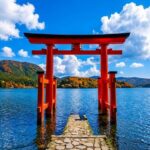
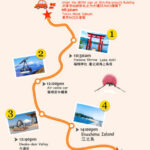
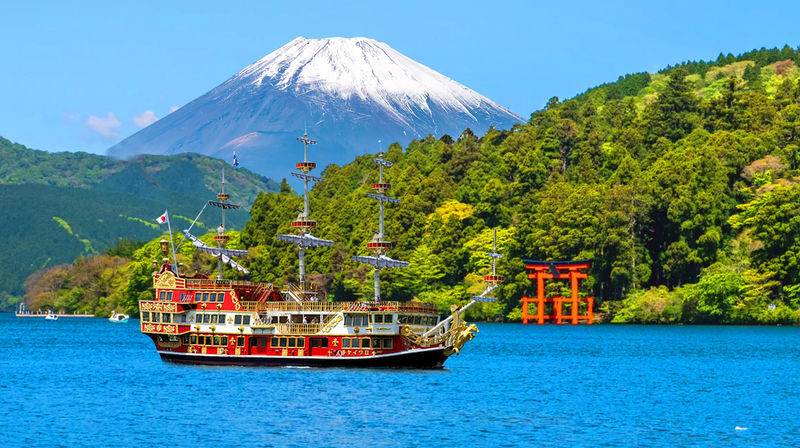
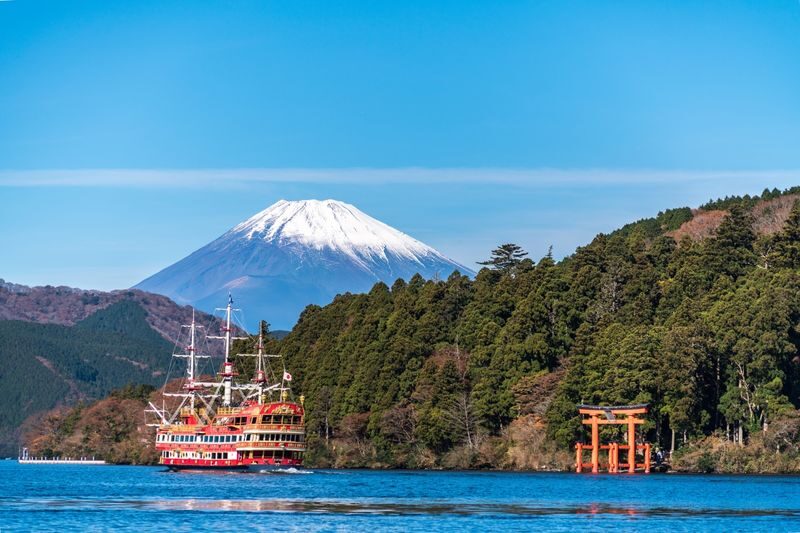
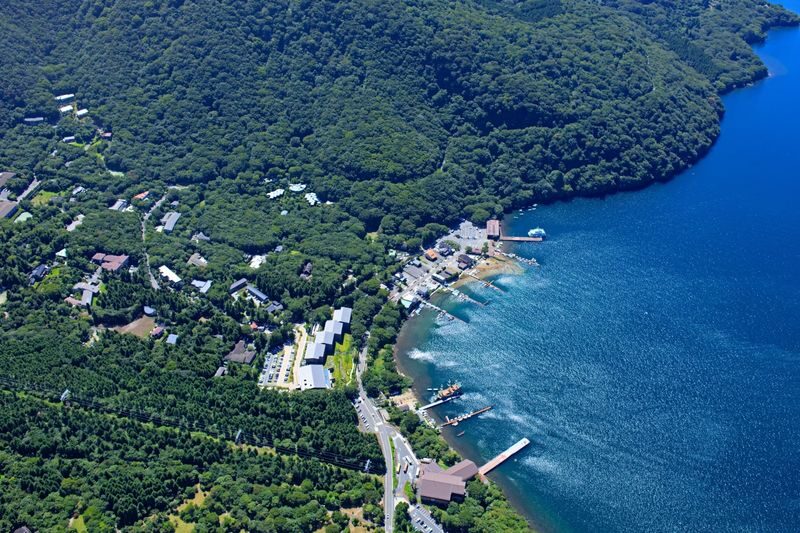
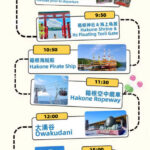
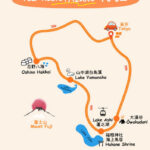
- Lake Ashi by pirate ship: About an hour on the lake, with mountain views and the Hakone Shrine torii gate along the shore.
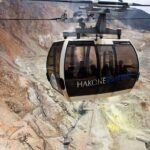
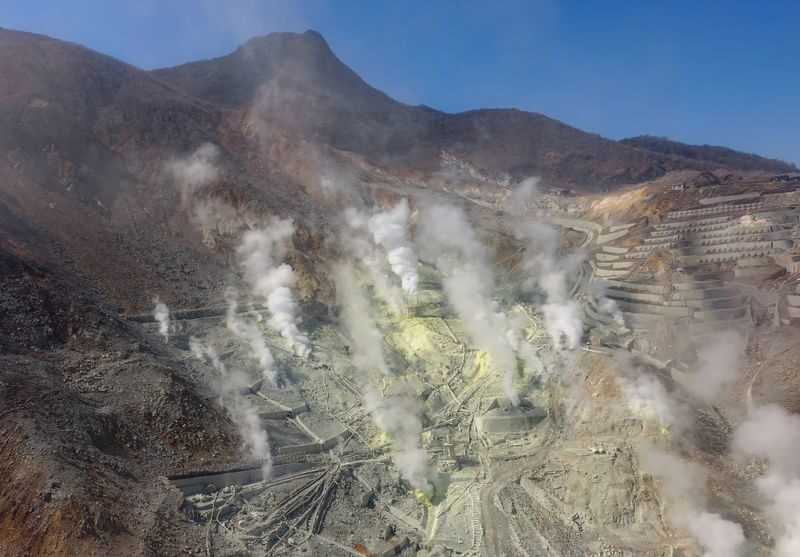
- Hakone Ropeway: A roughly 25-minute aerial ride above the volcanic area around Owakudani.
- Owakudani stop: About 45 minutes to see the geothermal vents and try the famous black eggs.
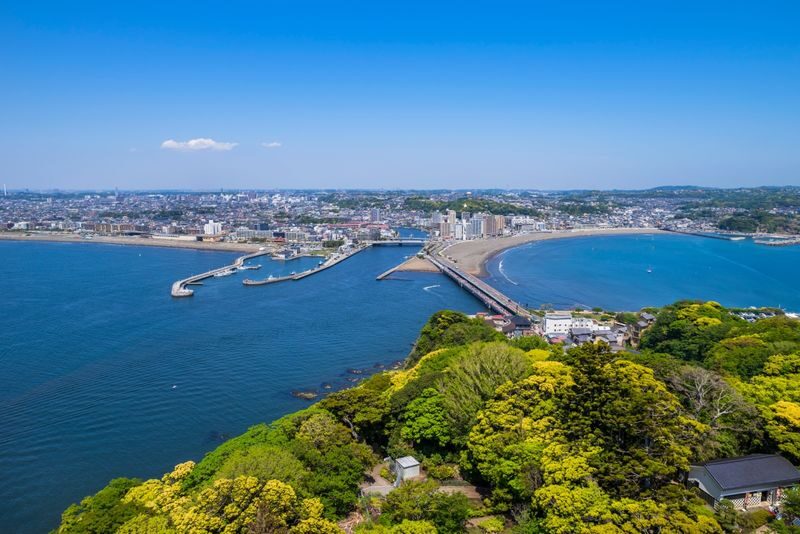
- Enoshima: About two hours for island paths, shrines, sea views and local food.
- Tokyo transport included: Round-trip coach travel, tolls, parking and fuel are included.
- Weather matters: Fuji views are not assured, and poor conditions can also affect the boat and ropeway.

👉 See our pick of the Hakone’s 3 Top Walking Tours
Lake Ashi sets the pace
The day starts with a coach departure from Tokyo or Shinjuku at 8:00 or 8:30, depending on the chosen meeting point. You need to arrive 15 minutes early. The exact meeting details arrive by email around 6 p.m. the day before, so check your spam folder as well as your inbox. The meeting point cannot be changed on the day.
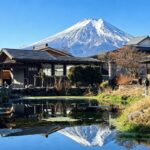
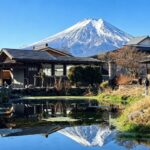
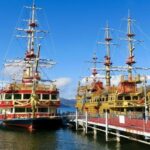
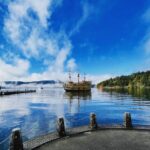
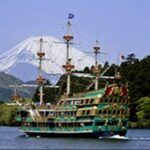
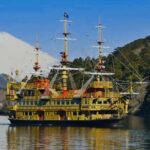
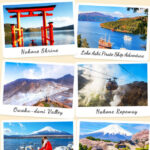
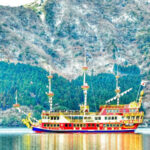
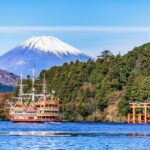
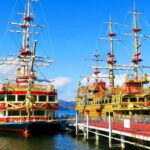
After the drive to Hakone, the schedule gives you about an hour for the Lake Ashi pirate ship. It is a playful way to cross the water, but the real attraction is the view: wooded slopes around the lake, the Hakone Shrine torii gate near the shore, and, if skies cooperate, Mount Fuji in the distance.
The ship is part of the appeal, but don’t expect a private cruise or a quiet boat ride. This is a popular sightseeing route, and the lake can be busy. Give yourself time to take in the view rather than spending the entire crossing trying to get the perfect photo. Fuji may be out of sight behind cloud even when the lake itself is attractive.
The listed cruise time is about an hour, though the actual schedule can shift with traffic and operating conditions. Keep an eye on the meeting time your guide gives you. This is a self-guided stop, so the guide handles directions and timing, but you explore the boat and lakeside on your own.
You can also read our reviews of more tours and experiences in Hakone.
The Ropeway gives Hakone its drama
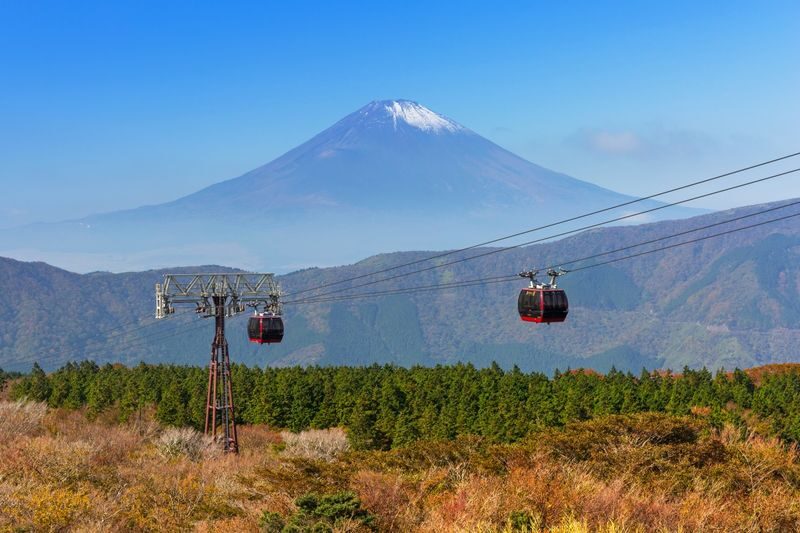
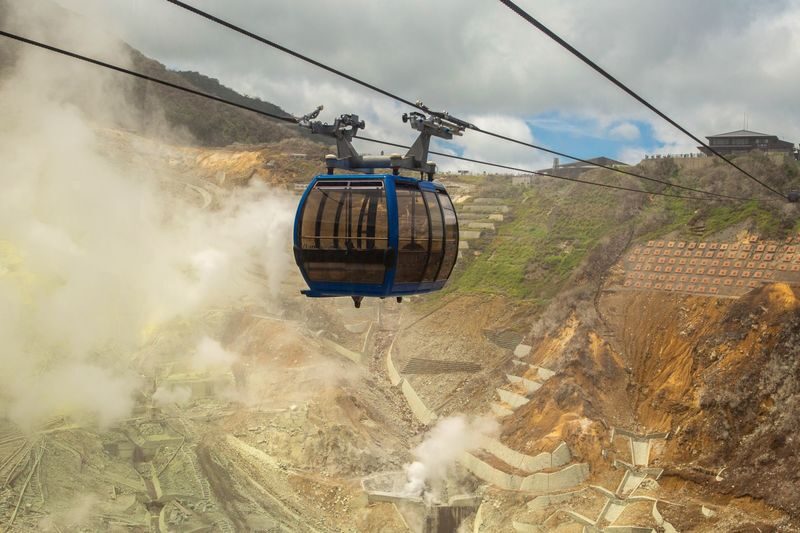
Next comes the Hakone Ropeway, with about 25 minutes set aside for the ride. From the cable car, you look down over the volcanic ground around Owakudani, where steam rises from geothermal vents. The view is a striking contrast to the lake: less postcard calm, more reminder that Japan’s mountains are still geologically active.
On a clear day, you may see Lake Ashi and Fuji from above. On a cloudy day, the ride can still be interesting, but visibility may shrink to mist and slopes. Wind or other poor conditions can also affect whether the ship and ropeway operate. If either activity is cancelled, the tour may adjust the plan; refunds for unavailable attractions have been made on some departures, but don’t assume that a bad-weather day will be fully refunded.
There’s a practical point here: the ropeway and Owakudani are at higher elevations, where it can feel colder and windier than Tokyo. Bring a warm layer, even if the city forecast looks mild. That advice matters especially in spring and autumn, when a sunny morning can still give way to a chilly stop on the mountain.
Owakudani is more than a photo stop
The coach gives you about 45 minutes at Owakudani. This is a short visit, but long enough to see the steaming vents and get a sense of the sulfurous air and exposed volcanic terrain. The site is known for black eggs, cooked in the area’s mineral-rich hot-spring water. Their shells turn dark during cooking, and local legend says eating one adds seven years to your life. That is a generous return for a snack, though the legend is best treated as folklore.
The time allowance is not enough for a long wander, so choose what matters most once you arrive: a look at the geothermal activity, a taste of the eggs, or a quick browse. If the ropeway arrives late or the area is crowded, you may need to keep moving. The guide’s timing matters here, particularly because the group still has to reach Enoshima and return to Tokyo.
Owakudani’s smell and steam are part of the experience, not a flaw in the scenery. If you are sensitive to sulfur fumes or have a medical condition that makes this environment unsuitable, consider that before booking. The activity is not recommended for people with certain medical conditions, including high blood pressure or epilepsy, or for pregnant people.
Enoshima brings the sea into the day
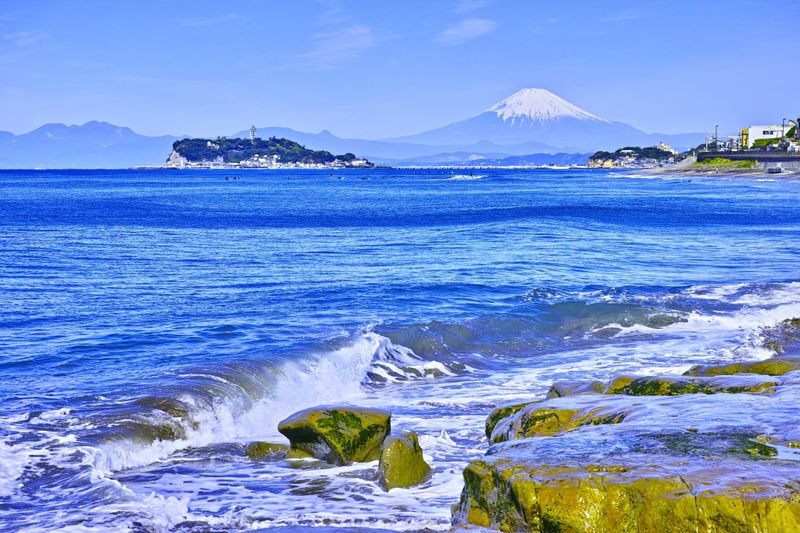
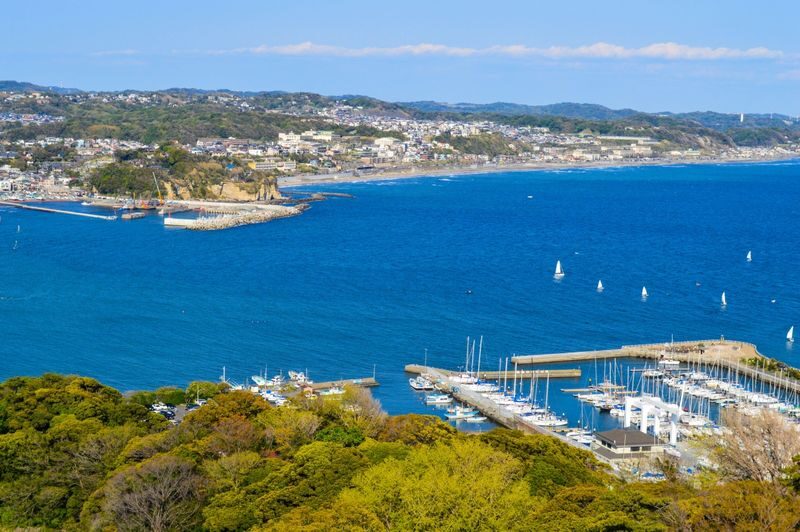
The final major stop is Enoshima, with about two hours to explore. The island has shrines, narrow lanes, stone steps and views over Sagami Bay. On a clear day, Fuji may appear where sea and sky meet. The combination of island paths and coastal air makes a welcome change after Hakone’s lake and volcanic scenery.
Two hours is enough for a taste, not a deep exploration. You’ll need to choose between walking farther, visiting shrines, stopping for food or reaching an observation point. The island has steps, so wear shoes you can manage on uneven routes and inclines. This outing is not stroller- or wheelchair-accessible, and it is not recommended for people with impaired mobility.
Food is one reason to leave some time unplanned. Enoshima is known for local seafood, including whitebait, as well as seaweed rolls and Shonan milk ice cream. Meals are not included, though, so budget for anything you want to eat. The stop is self-guided, which gives you freedom to choose your own pace within the group’s return time.
One naming detail is worth checking before you book: the tour’s title refers to Kamakura, but the provided schedule sets aside time for Enoshima and does not list a separate Kamakura stop. Don’t book expecting a distinct Kamakura visit unless the operator confirms that the route has changed for your date.
The coach is the convenience, and the constraint
Round-trip transport from the Tokyo meeting point is the main practical advantage. Hakone and Enoshima are spread across a wide area, and arranging the same sequence by public transport would take more planning and involve connections. Here, the guide and driver handle the route while you get a full day of sightseeing without managing each transfer yourself.
The day is advertised as 10 hours, with a return around 6 p.m. But the expected drop-off window is 6 to 7:30 p.m., and heavy traffic can push it as late as 8 p.m. Traffic has delayed returns, especially during busy periods. Avoid booking a tight evening connection, dinner reservation or other fixed plan for that night.
The pace is a balancing act. Some departures have felt well spaced, with enough time at the stops; others have felt rushed. The itinerary has several major sights in one day, and the coach still needs to cover the distances between them. If you want to linger, take a long meal or explore every path, this format will frustrate you. If you prefer a broad overview with transport sorted, the structure is useful.
The guide is more than a timekeeper when communication is clear. Guides named on recent departures have included Sandy, Eric, Carter, Zoe and Antong, with English and Chinese service offered. Assignments vary, so you cannot count on a particular guide. Clear instructions and help with tickets have made the day easier on some departures; the quality of guiding can vary, so keep the meeting times and stop details handy.

What the price does and does not cover
Prices start at $49.25, but there are several package choices. Some include the Lake Ashi pirate ship and Hakone Ropeway tickets; another option explicitly excludes both. Compare the exact package before paying, because those admissions can change the real cost of the day substantially.
The base inclusions cover round-trip transfers, tolls, parking and fuel, along with an English- or Chinese-speaking guide. Meals, drinks and personal purchases are extra. If the package excludes the ship and ropeway, budget for those tickets separately rather than judging the tour by the starting price alone.
For value, think of the fee as paying for transport and an ambitious route, not just a bus seat. The day links places that are spread out, and having someone coordinate the coach schedule can save effort. But you’re paying for access to several places in limited time, not an in-depth guided visit at each one.
Weather and expectations deserve a reality check
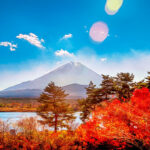
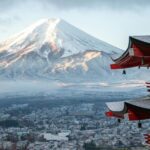
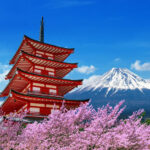
The biggest uncertainty is Fuji. It is visible only when conditions allow, and cloud, rain or fog can hide it from Lake Ashi, the ropeway and Enoshima alike. The tour’s name and promotional emphasis may make Fuji feel like the central promise, but the more dependable plan is the sequence of lake, volcanic valley and island. Book for that variety, not for a guaranteed Fuji photograph.
Bad weather can affect more than the mountain view. Heavy rain and wind can make outdoor stops uncomfortable, reduce visibility and disrupt the boat or ropeway. Check the forecast before you go, but remember that conditions can differ between Tokyo and the higher Hakone area. Bring a waterproof layer and warmer clothing if the forecast calls for unsettled weather.
Who should book this day trip?
I’d choose this tour if you have one free day in Tokyo, want to see several different sides of the region, and value straightforward transport over a slow, independent visit. It suits people who are happy to follow a schedule, spend much of the day moving between stops and accept that the views will depend on the weather.
I would look for a different plan if you need wheelchair or stroller access, want a long visit to Kamakura, or care most about seeing Mount Fuji. For Fuji, conditions are the deciding factor, and this route cannot promise a clear view. If you book, choose the ticket package that matches your budget, pack for cooler mountain weather, and keep your evening free in case traffic stretches the ride back.
Mt. Fuji, Hakone, Kamakura, and Enoshima Day Trip: Lake Ashi Pirate Ship Cruise & Mt. Fuji and Owakudani Views by Ropeway & Enoshima Scenic Views and Gourmet Food (Departure from Tokyo/Shinjuku)
“The itinerary was well-planned, and there was ample time at each attraction. The tour guide was very attentive and responsible; even switching betw…”
FAQ
How long is the tour?
The day is listed as about 10 hours, with an 8:00 or 8:30 departure and an expected return between 6:00 and 7:30 p.m. Traffic can delay the return until around 8:00 p.m.
Where does the tour depart from?
The available meeting points are Tokyo Station or Shinjuku Station. Your meeting point cannot be changed on the day, and you should arrive 15 minutes before departure.
Are the pirate ship and ropeway tickets included?
It depends on the package. Some options include both tickets, while another option specifically excludes them. Check the selected package details before booking.
Is Mount Fuji guaranteed to be visible?
No. Fuji views depend on the weather and may be obscured by cloud, rain or fog at all three areas.
Is food included?
No. Meals and drinks are not included. Enoshima has local food options, including whitebait, seaweed rolls and Shonan milk ice cream.
How much time is set aside at each stop?
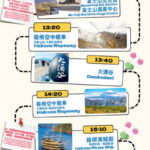
The schedule allows about one hour for the Lake Ashi cruise, 25 minutes for the ropeway, 45 minutes at Owakudani and two hours at Enoshima. The timing may change with traffic and weather.
Does the tour include a separate stop in Kamakura?
The provided schedule lists Enoshima but does not set out a separate Kamakura stop. Confirm the route with the operator if visiting Kamakura is important to you.
Is the tour suitable for wheelchairs or strollers?
No. The activity is not wheelchair- or stroller-accessible and is not recommended for people with impaired physical mobility. Child seats are not available.
What should I know about booking and luggage?
Infants and children must be included in the passenger count. The stated luggage allowance is two standard-sized pieces. Tour guide details are sent by email around 6 p.m. the day before, so check your inbox and spam folder.