Rolled sushi is the star here, but this is more than a quick lesson in shaping rice and filling. At Selva Kitchen Studio, you get a guided, hands-on introduction to Japanese home cooking, then sit down to eat what you have made. The small group keeps the class personal, and the instructor explains the steps as you go.
I like two things in particular: the recipes are meant to be manageable at home, and the meal includes more than sushi, with dishes such as savory egg custard, miso soup and sesame pudding. I also like that the instructors bring cultural context into the cooking, so you learn some of the traditions behind the food as well as the technique.
One point to check before booking: the experience is described as 20 minutes in one place, but the scheduled class lasts 2 hours and 30 minutes. The 20-minute figure appears to refer to the time it takes to make individual dishes, not the whole activity. The exact menu may also change with the season and ingredient availability.
- What to know before you book
- A small kitchen class in Osaki
- The lesson moves from introduction to lunch
- A lesson that makes Japanese cooking feel doable
- What the dishes add to the experience
- How the price compares with the value
- Who will enjoy this class most
- Booking and meeting-point details
- Should you book the Osaki sushi class?
- FAQ
- How long does the cooking class last?
- Where does the class meet?
- What food is included?
- Can dietary requirements be accommodated?
- How many people are in each class?
- What should I bring to the class?
- The Best Of Tokyo!
- More Cooking Classes in Tokyo
- More Tours in Tokyo
- More Tour Reviews in Tokyo
What to know before you book
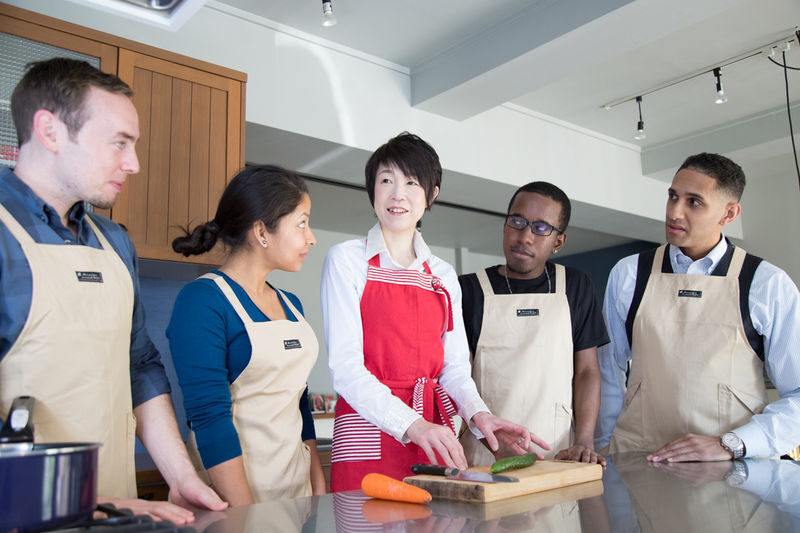
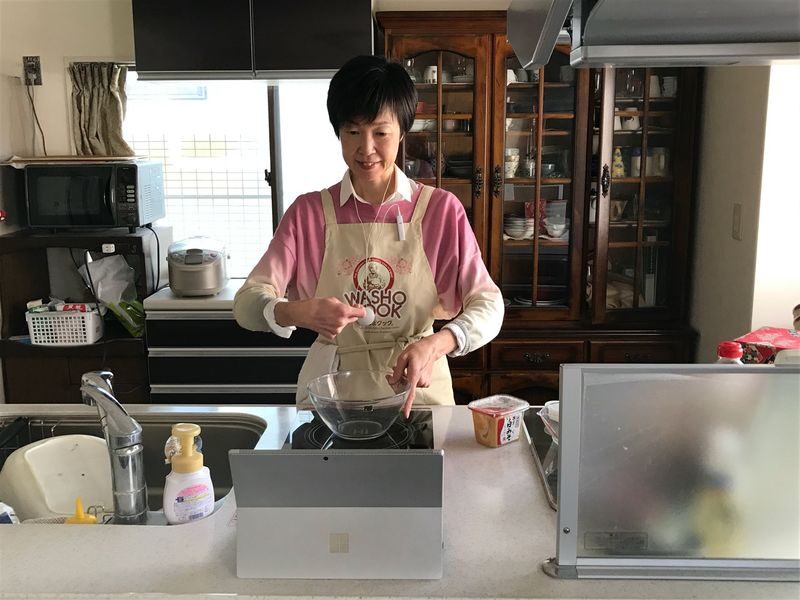
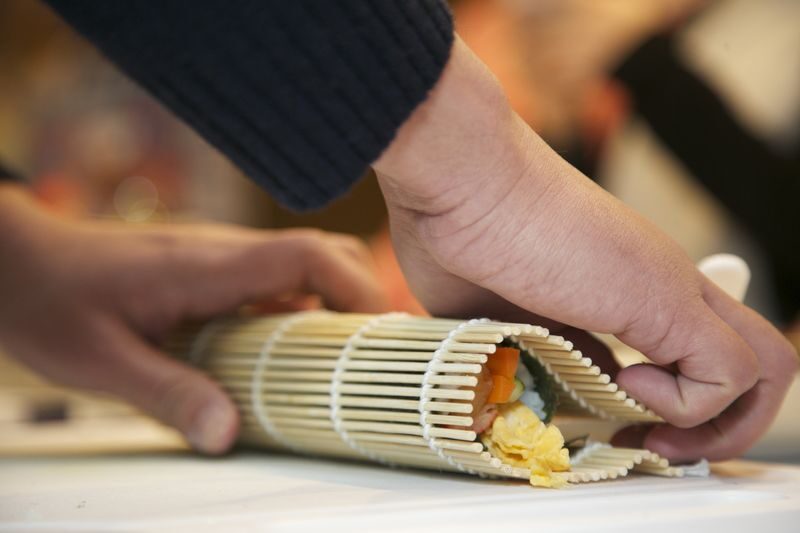
- A small class of two to eight: You should have room to follow demonstrations and ask questions, though the class needs at least two participants to run.
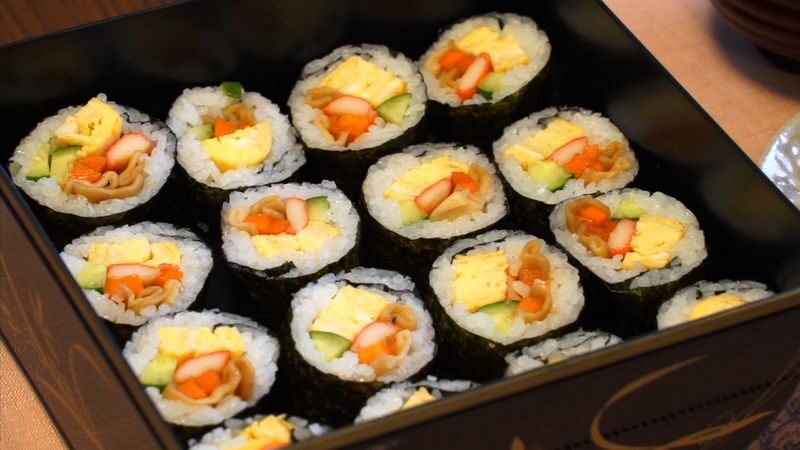
- A full meal, not just sushi practice: The listed menu includes rolled sushi, savory egg custard, miso soup and white sesame pudding, with soup stock also included.
- More than one sushi style is introduced: The class description names rolled sushi, chirashi sushi and inari sushi. The specific menu can vary, so check what is planned for your date.
- A 2.5-hour schedule: The class begins at 11:00 and ends at 13:30, with cooking followed by a shared tasting.
- A central, easy-to-find meeting point: Selva Kitchen Studio is a four-minute walk from Osaki Station, above a Chinese restaurant called Koraku.
- A practical take-home skill: The emphasis is on straightforward recipes you can try again at home, rather than a long, elaborate Japanese menu.

👉 See our pick of the Our Picks For The 11 Best Workshops & Classes In Tokyo
A small kitchen class in Osaki
The class meets at Selva Kitchen Studio, on the second floor of 1-19-9 Osaki in Shinagawa-ku. It is a short walk from Osaki Station, and Koraku, a Chinese restaurant, is on the ground floor of the same building. That landmark should help you identify the entrance, but do check the map and address before setting off.
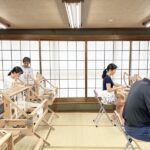
This is an on-site cooking experience, not simply a demonstration from across the room. The group size is capped at eight, with a minimum of two participants. That is a useful scale for a practical lesson: you can watch the instructor closely, try the techniques yourself, and ask for help without competing with a large crowd.
The class is offered every day of the week, according to the schedule provided. The listed session runs from 11:00 to 13:30, making it a substantial morning activity and a good fit if you want lunch to be part of the experience. Leave room in your plans afterward, especially if you prefer not to hurry through the tasting.
You can also read our reviews of more cooking classes in Tokyo



The lesson moves from introduction to lunch
The first part, from 11:00 to 11:15, is an introduction to the day’s recipes. This short opening gives you a chance to hear what you will cook and how the lesson is organized. If you have dietary needs, raise them in advance and mention them again at the start so the instructor can confirm the arrangements.
From 11:15 to 12:45, the instructor demonstrates and guides the cooking. The experience is designed to teach several approachable dishes, with each one taking about 20 minutes to make. That is a helpful pace for learning: you get hands-on practice without turning lunch into a test of endurance.
The class description includes rolled sushi, chirashi sushi and inari sushi among the styles you may learn. The listed menu for the activity names rolled sushi, savory egg custard, miso soup and white sesame pudding, along with soup stock. Since the menu can change with the season and available ingredients, do not assume every session will cover every named sushi style or serve precisely the same dishes.
The variety is part of the appeal. You are not spending the entire session on one roll; you get a taste of how different dishes contribute to a Japanese meal. The included soup stock is also worth noting because it is a building block in Japanese cooking, rather than simply another finished dish on the table.
From 12:45 to 13:30, the group sits down for a tasting party and eats the food prepared during class. This shared meal is a pleasant payoff after the work, and it gives you time to enjoy the dishes as a complete lunch. Lunch and refreshments are included, as are the use of the facilities and a recipe.
A lesson that makes Japanese cooking feel doable
There are plenty of Japanese recipes that demand time, specialized ingredients or careful technique. This class is pitched toward dishes that are easier to reproduce at home, which makes it useful beyond the morning itself. You can leave with a recipe and a clearer sense of how the components fit together.
The instructor’s role matters here. The class is taught in English or Japanese, and the cooking is paired with explanations of Japanese culture and food traditions. Past participants have especially valued clear, step-by-step teaching and a relaxed atmosphere. In accounts of the class, instructors named Akiko and Tomorrow were singled out for being kind and helpful; your instructor may be different on the day.
That personal element can make a cooking class more rewarding than a restaurant meal. You are not only tasting Japanese food, you are learning how to make it and hearing some context for the choices behind it. One participant also described picking up new Japanese words during the lesson, an added bonus if you enjoy learning through everyday conversation.
Still, keep your expectations grounded. This is a short introductory class, not a professional culinary course. You should expect practical instruction and a shared meal, not an exhaustive study of sushi craft or Japanese food history.
What the dishes add to the experience
Rolled sushi gives you the most recognizable hands-on task: arranging ingredients and rice, then forming them into a roll. The class is intended to guide you through the process rather than assume you already know the technique. If you have never made sushi, the instructor’s demonstration should help make the steps easier to follow.
Chirashi sushi and inari sushi broaden the lesson beyond rolled sushi. Their inclusion in the class description suggests a chance to see different ways sushi can be served, though the exact dishes for your session may vary. If one of these styles is a main reason you are booking, ask whether it is on the planned menu for your date.
The savory egg custard and miso soup make the meal feel like more than a sushi sampler. White sesame pudding brings a sweet finish, while soup stock connects the cooking to a basic ingredient used in Japanese dishes. Together, the listed items provide a more rounded introduction to a home-style meal than sushi alone.
How the price compares with the value
The on-site class starts at US$75.69 per person, and the same price applies to all ages. That is not a cheap lunch, but lunch is only part of what you are paying for. The fee covers a 2.5-hour guided class, ingredients and facilities for cooking, refreshments, a recipe, and a meal made by the group.
The value depends on what you want from your time in Tokyo. If you are mainly looking for the least expensive way to eat sushi, a cooking class is not the right choice. If you want a small-group activity that combines a meal, practical instruction and cultural explanation, the price is easier to justify.
The class also gives you a skill you can carry home. Recipes intended to be manageable outside Japan are a real advantage, especially if you enjoy cooking and want to keep the memory alive in your own kitchen. The group limit of eight helps preserve the personal feel, though the class must reach its minimum of two participants.



Who will enjoy this class most
This experience suits curious eaters, home cooks and couples who want a hands-on break from sightseeing. It is also a sensible choice for families or mixed-age groups, since the same price applies to all ages, though you should confirm that the format suits your party before booking.
You do not need to be an experienced cook to take part. The lesson is designed around demonstrations and straightforward dishes, with clear instructions noted as a strength by people who attended. If you are interested in Japanese food but wary of complex techniques, the approachable focus should make the class feel welcoming.
It may be less appealing if you want a fast activity or a deep technical course in sushi making. The actual schedule is two and a half hours, and some time is devoted to cooking and eating together. That is a feature if you want a relaxed meal and a lesson, but a drawback if your day is tightly planned.
The class can accommodate dietary requirements, including allergies, gluten intolerance, vegetarian diets and other needs. Provide your preferences at checkout, and contact the operator if you need to clarify a particular ingredient or preparation. The menu is subject to seasonal changes, so confirmation is sensible for significant dietary restrictions.
Booking and meeting-point details
Meet at Selva Kitchen Studio, second floor, 1-19-9 Osaki, Shinagawa-ku, Tokyo. The studio is about four minutes on foot from Osaki Station. A Chinese restaurant named Koraku occupies the first floor of the building.
Your booking confirmation is expected within 48 hours. If it does not arrive, contact customer support. The voucher is valid only for the selected date and time, and you present it on your phone. Arrive on time: late arrivals and no-shows are not refunded.
The cancellation charges rise as the activity date approaches, from no fee for cancellations made at least 11 days ahead to the full price on the day of the class. Changes and refunds are not available for late arrivals or no-shows, or if someone is refused service for not following the operator’s rules. Read the terms carefully before paying, especially if your Tokyo plans may shift.
Should you book the Osaki sushi class?
Book it if you want to do more than eat Japanese food: you want to make it, understand a little of its context, and sit down to enjoy the results. The small group, English-language instruction and home-friendly recipes make this a strong choice for a relaxed, participatory morning.
Skip it if you want a short, low-cost activity or need a fixed menu of specific dishes. Confirm the session’s menu if chirashi or inari sushi is essential to your plans, and remember that the class lasts 2.5 hours, not 20 minutes. For an unhurried introduction to Japanese home cooking with lunch included, it offers a worthwhile mix of learning and eating.
Japanese Rolled Sushi cooking in Tokyo
“Fabulous food, fun learning and well explained. Tomorrow does a very nice job of teaching and the foods were absolutely delicious!”
FAQ
How long does the cooking class last?
The scheduled activity lasts 2 hours and 30 minutes, from 11:00 to 13:30. The 20-minute figure refers to the approximate time needed to make an individual dish.
Where does the class meet?
It meets at Selva Kitchen Studio, second floor, 1-19-9 Osaki, Shinagawa-ku, Tokyo. The studio is a four-minute walk from Osaki Station, above the Chinese restaurant Koraku.
What food is included?
The listed menu includes rolled sushi, savory egg custard, miso soup and white sesame pudding, with soup stock also included. The menu may change with the season and ingredient availability.
Can dietary requirements be accommodated?
Yes. The activity can accommodate allergies, gluten intolerance, vegetarian diets and other dietary needs. Indicate your preferences at checkout.
How many people are in each class?
The group size is two to eight participants. At least two people are required for the activity to run.
What should I bring to the class?
Present your mobile voucher at the meeting point. The use of facilities is included.