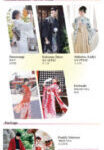
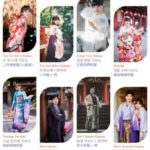
Asakusa is one of Tokyo’s best places to wear a kimono: its temple streets and old-town character make the outfit feel at home, not like a costume dropped into the wrong scene. This rental includes the basics, and a professional dresser helps you get ready before you head out.
I like two things here: you can arrive without bringing kimono accessories, and Sensoji Temple is about a five-minute walk away. The shop is also on the fourth floor of the Tokyo Rakutenchi Asakusa Building, inside Asakusa Yokocho, where you can take photos before setting off.
One caution deserves attention: the experience has a low average score from a very small number of ratings, including a recent complaint about difficulty finding the shop and getting a refund. Confirm the exact location and current operating details before booking, and keep your voucher accessible on your phone.
- A few details to know before you book
- Dressing for Asakusa, not just for a photo
- From the fourth floor to Sensoji Temple
- What the Standard price covers
- The part that can test your patience
- A practical warning about finding the shop
- Who will get the most from this rental
- Should you book this Asakusa kimono rental?
- FAQ
- What does the Standard kimono rental include?
- Is a hair set included?
- How far is the shop from Sensoji Temple?
- When must I return the kimono or yukata?
- Can children take part?
- Can pregnant people or wheelchair users use the dressing service?
- The Best Of Tokyo!
- More Shopping Tours in Tokyo
- More Tours in Tokyo
- More Tour Reviews in Tokyo
A few details to know before you book
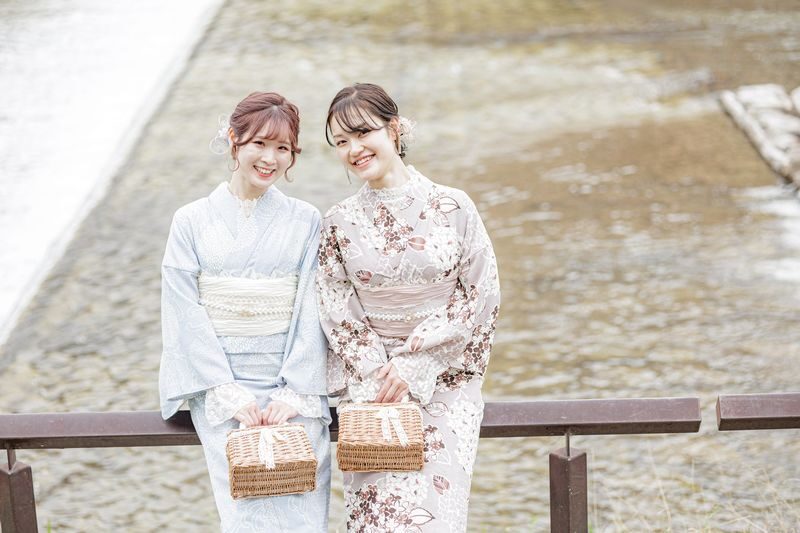
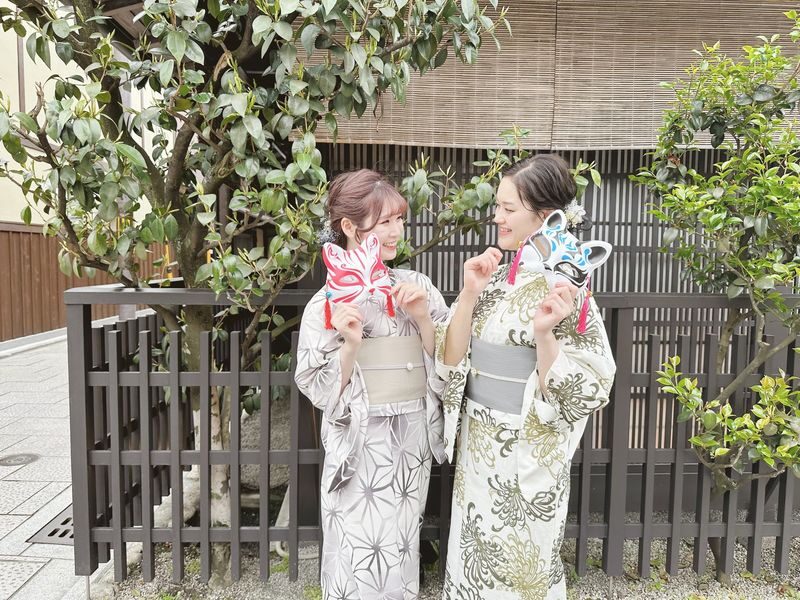
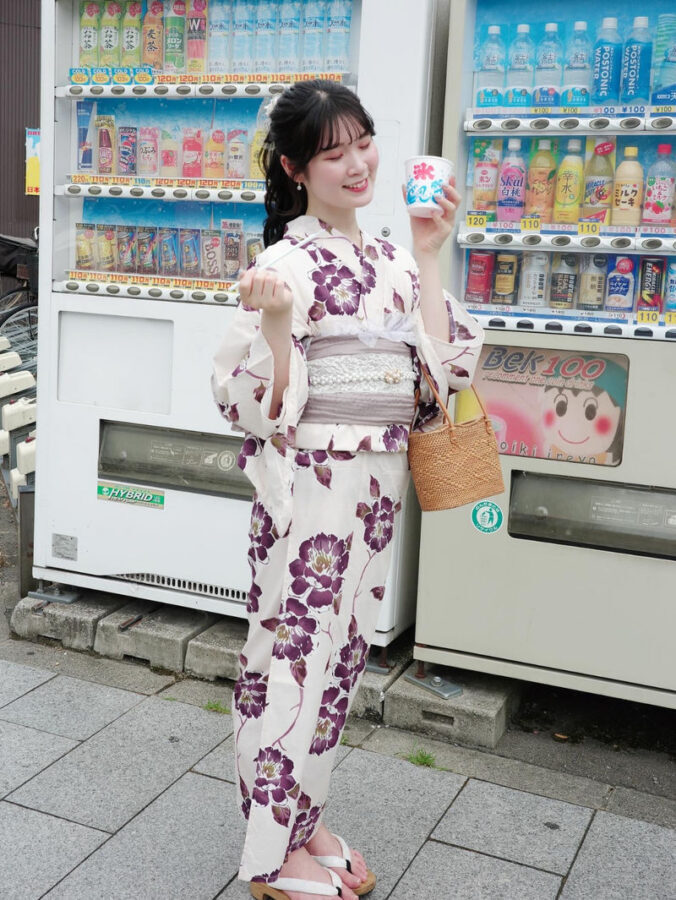
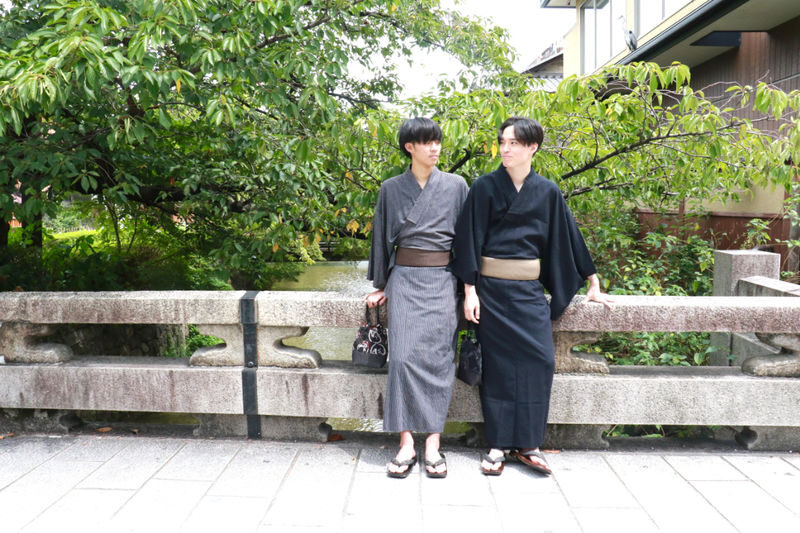
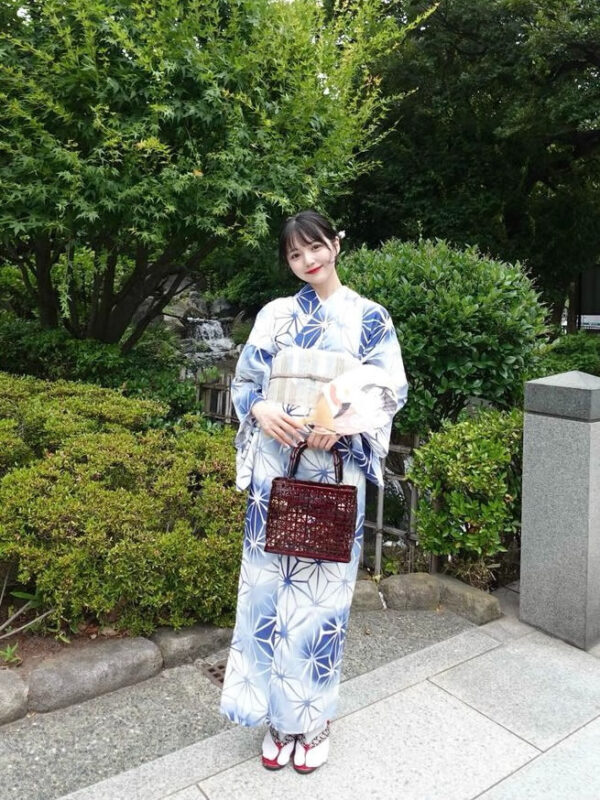
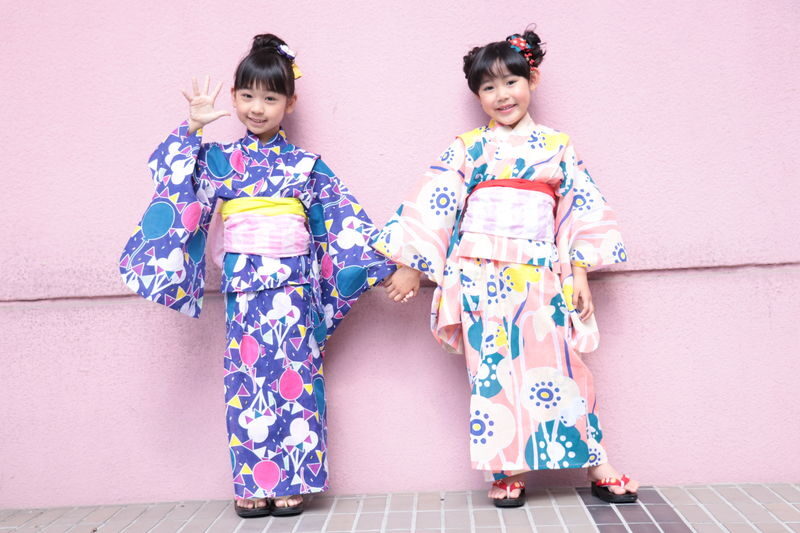
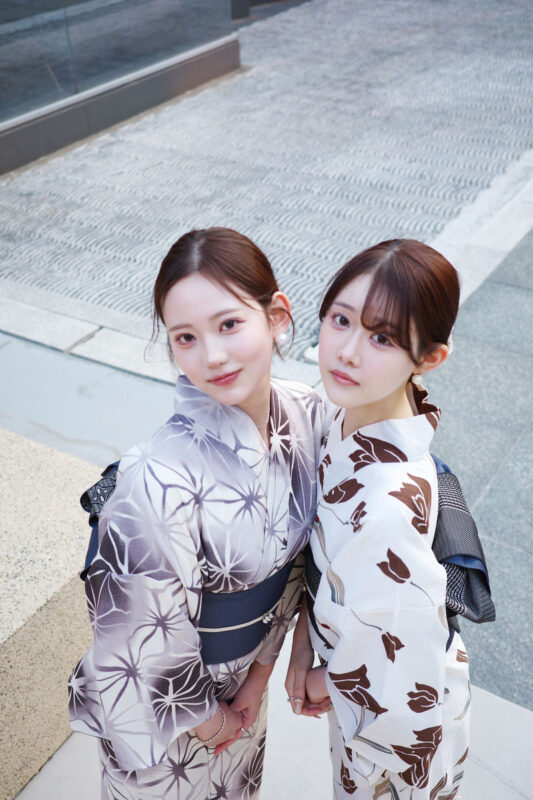
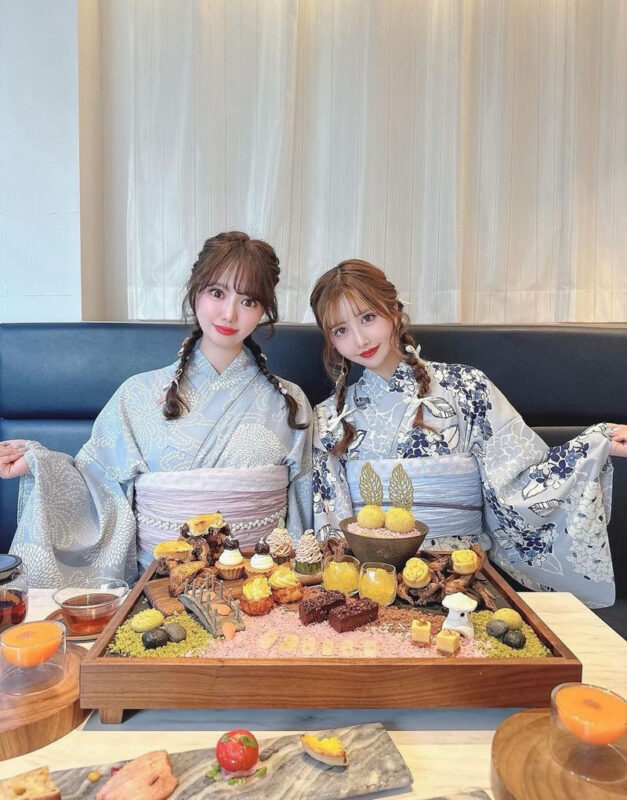
- The outfit is more than a kimono: Standard includes an obi sash, bag, sandals, undergarments, tabi socks, accessories, and a hairpin rental.
- Summer means yukata: The shop provides a yukata in summer instead of a kimono.
- Sensoji is close: It is roughly a five-minute walk from the shop, so you can make the temple and surrounding Asakusa streets your outing.
- Plan for possible waiting: Depending on the season and time of day, getting dressed may involve a wait of 30 to 90 minutes.
- Check the return clock: Return your outfit by 18:00, or by 15:00 the next day if you have arranged a next-day return.
- Add-ons cost extra: Hair styling, a haori jacket, a stole, and other accessories are available for additional fees.

👉 See our pick of the Our Picks For The 11 Best Workshops & Classes In Tokyo
Dressing for Asakusa, not just for a photo
The central appeal is simple: you get dressed in traditional Japanese clothing and spend the rest of your time in Asakusa, where the setting suits it. That makes this more than a quick costume change. You can wear your outfit on the way to Sensoji Temple and through a neighborhood known for its downtown character.
A professional kimono dresser helps you put the layers and sash in place. That matters if you have never worn a kimono. The outfit can look straightforward on a hanger, but dressing is a skilled task, and you do not need to work out the folds and ties on your own.
The standard package includes a kimono, obi sash, Japanese-style bag, zori sandals, an undergarment, a long undergarment, tabi socks, accessories, and a hairpin rental. In summer, the outfit changes to a yukata. The practical appeal is that you do not need to bring your own clothing pieces or accessories for the rental.
Do not confuse the hairpin rental with a finished hairstyle. A standard hair set is listed as an optional extra for ¥1,100 per person. If you want your hair styled to match the outfit, budget for that separately and confirm what the set includes at the shop.
You can also read our reviews of more shopping tours in Tokyo


From the fourth floor to Sensoji Temple
The rental shop is at Asakusa Yokocho on the fourth floor of the Tokyo Rakutenchi Asakusa Building. That is a useful detail to save before you go: the named building and floor are more helpful than searching only for a general Asakusa address.
Once dressed, Sensoji Temple is about a five-minute walk away. You can head there for the temple grounds and photos, then continue through Asakusa at your own pace. The rental is not described as a guided tour, so you should plan your own route and decide how much time to spend at each stop.
Asakusa is a natural match for kimono because the neighborhood has a distinct old-town feel. You can enjoy the contrast between traditional dress and Tokyo’s modern city life without needing to travel far from the shop. The outfit also gives you a reason to slow down and notice the setting, instead of treating the temple as a quick stop between train connections.
Asakusa Yokocho itself is another photo opportunity, with the shop located on its fourth floor. If you are short on time, you can take pictures there before walking to Sensoji. If you have a longer window, the temple and nearby streets give you more room to make the rental part of a proper neighborhood outing.
What the Standard price covers
The Standard plan starts at US$27.75. For that price, the listed inclusions cover the rental outfit, dressing fee, experience fee, tax, and several clothing items you would otherwise need to arrange. That makes the starting price appealing if you want the basic experience and do not need many upgrades.
The price can rise depending on the kimono and optional items you select. Optional extras include a standard hair set for ¥1,100, a standard haori for ¥550, a stole for ¥550, and an obidome and sanbu himo accessory set for ¥550. Additional charges are paid at the shop by cash or credit card.
There is also a Deluxe Plan listed from US$118.25, but the details provided do not explain how it differs from Standard. I would not assume the higher price means a particular garment, service, or extra. Ask what is included before choosing it, especially if the Standard outfit already covers what you want.
A small but important detail: a hairpin rental is included, while hair styling is an extra. If photographs are a priority, decide whether you want the additional hair set and factor it into the total. Otherwise, the Standard package gives you the main pieces needed to dress and head out.
The part that can test your patience
The dressing process may not begin right away. Depending on the time of day and season, you may wait 30 to 90 minutes. That is a wide range, so avoid scheduling a tight lunch reservation or a timed attraction immediately after your booking.
You are also choosing an outfit that needs to be returned on a schedule. The standard return deadline is 18:00. Next-day returns are possible, but the items must be brought back by 15:00 the following day. Confirm the next-day option and any added cost at the shop, since extra options and charges are handled in person.
The shop warns that clothes may get dirty and that you may go to dangerous places. Treat the rental as an outfit for ordinary sightseeing, not as clothing for rough activity. If you are planning a day that could soil or damage the garment, ask the staff what is suitable before you set off.
A practical warning about finding the shop
The location information gives a clear building name and floor: Tokyo Rakutenchi Asakusa Building, fourth floor, at Asakusa Yokocho. Still, a serious complaint about finding the address makes this the part I would verify most carefully. Before you pay, check that the shop is currently operating at that exact location and that the entrance and floor instructions match your booking.
Have the voucher ready on a phone or another internet-connected device. The staff must be able to view it on the day, and the voucher may not load if you are somewhere without Wi-Fi or mobile access. Open it before you arrive, rather than relying on a last-minute connection.
There is a full refund if you cancel at least 24 hours before the activity date, based on local time. Late arrivals and no-shows are not eligible for a refund or amendment, so allow extra time to reach the building and find the shop.


Who will get the most from this rental
This experience suits you if you want to wear kimono or summer yukata while sightseeing in Asakusa, especially if you would rather have a dresser help than assemble the outfit yourself. It also works well if you want a special photo setting near Sensoji without booking a guided outing.
Families can book for children aged three and older, but participants aged three to 15 must be accompanied by a paying adult. Participants must be under 100. The shop cannot provide kimono dressing for pregnant customers, people with injuries, or people using wheelchairs, so check these restrictions before making plans.
Feedback about the service is mixed, and the available ratings are based on only two responses. One person praised staff for being friendly and helpful with the dressing, and described the kimono as comfortable and attractive. That is exactly the kind of support you want when the outfit is unfamiliar, but the limited feedback does not guarantee a smooth visit.
The sharper concern is the report of trouble locating the address and securing a refund. I would treat that as a reason to confirm the location and booking terms directly, not as proof that every visit will go badly. The dress-up concept and convenient temple location are appealing; reliable directions are essential to making them worthwhile.
Should you book this Asakusa kimono rental?
Book it if wearing traditional dress is part of the fun for you, you want help getting dressed, and you are happy to explore Asakusa on your own after the appointment. The Standard plan offers a useful set of basics at a reasonable starting price, and the five-minute walk to Sensoji keeps the outing easy to plan.
Pause before booking if you need a highly predictable schedule, have little patience for a possible 30-to-90-minute wait, or cannot manage the stated dressing restrictions. Most of all, confirm the shop’s exact current location and what the Deluxe Plan includes. With those points settled, this can be a pleasant way to see Asakusa dressed for the neighborhood.
Kimono Rental (Provided by Kimono Rental Wargo Tokyo Asakusa Store)
FAQ
What does the Standard kimono rental include?
It includes a kimono, obi sash, bag, sandals, undergarment, long undergarment, tabi socks, accessories, and hairpin rental. Tax, the experience fee, and the dressing fee are also included.
Is a hair set included?
No. A hairpin rental is included, but the standard hair set is an optional extra listed at ¥1,100 per person.
How far is the shop from Sensoji Temple?
The shop is about a five-minute walk from Sensoji Temple.
When must I return the kimono or yukata?
The regular return deadline is 18:00. If you arrange a next-day return, you must return the items by 15:00 the following day.
Can children take part?
Participants must be at least three years old. Children aged three to 15 must be accompanied by a paying adult, and all participants must be under 100.
Can pregnant people or wheelchair users use the dressing service?
No. The shop says it cannot provide kimono dressing to pregnant people, people with injuries, or people using wheelchairs.