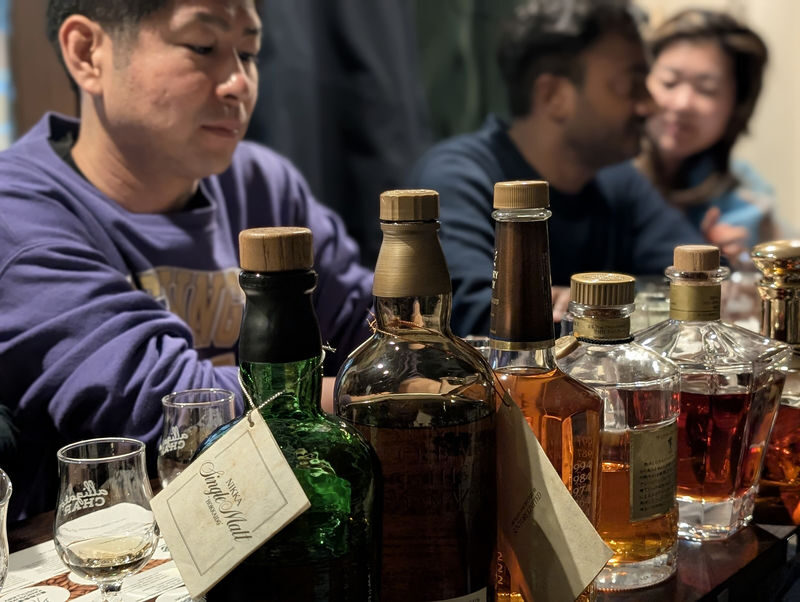
Rare Japanese whiskies, including bottlings from Karuizawa and Hanyu, are the draw here. In a two-hour session at a speakeasy above Bar C Shell, your host serves 12 or more drams and sets old releases beside newer names such as Ichiro’s Malt. A special collector’s pour caps the tasting.
I like the mix of hard-to-find whisky and clear context: the host discusses distillery history, Mizunara oak, authenticity and recent Japanese whisky rules. I also like that the session compares established producers, Suntory and Nikka, with smaller craft distilleries, rather than treating Japanese whisky as one single style.
The main consideration is the pace. Twelve or more drams in two hours is a lot of whisky, and this is an adults-only tasting for people aged 20 and over. It is best for someone who wants a focused whisky session, not a light drink before a busy day.
- Key points at a glance
- A Tokyo tasting built around the host’s whisky choices
- Why the old bottles matter
- From Suntory and Nikka to the craft boom
- Two hours, 12-plus pours and a steady pace
- Finding the speakeasy in Arakicho
- Is 3.95 good value?
- Who will get the most from this tasting?
- Should you book it?
- FAQ
- How long does the Premium Japanese Whisky Omakase last?
- How many whiskies will I taste?
- Where is the tasting held?
- Which train stations are closest?
- What start times are available?
- How early should I arrive?
- Is there a minimum age?
- Do I need to bring identification?
- What is included in the price?
- Is transport included, and can I cancel?
- The Best Of Tokyo!
- More Tours in Tokyo
- More Tour Reviews in Tokyo
Key points at a glance
 1 / 9
 2 / 9
 3 / 9
 4 / 9
 5 / 9
 6 / 9
 7 / 9
 8 / 9
 9 / 9
- Twelve or more drams: A two-hour guided tasting with a welcome highball and a wide range of Japanese whisky.
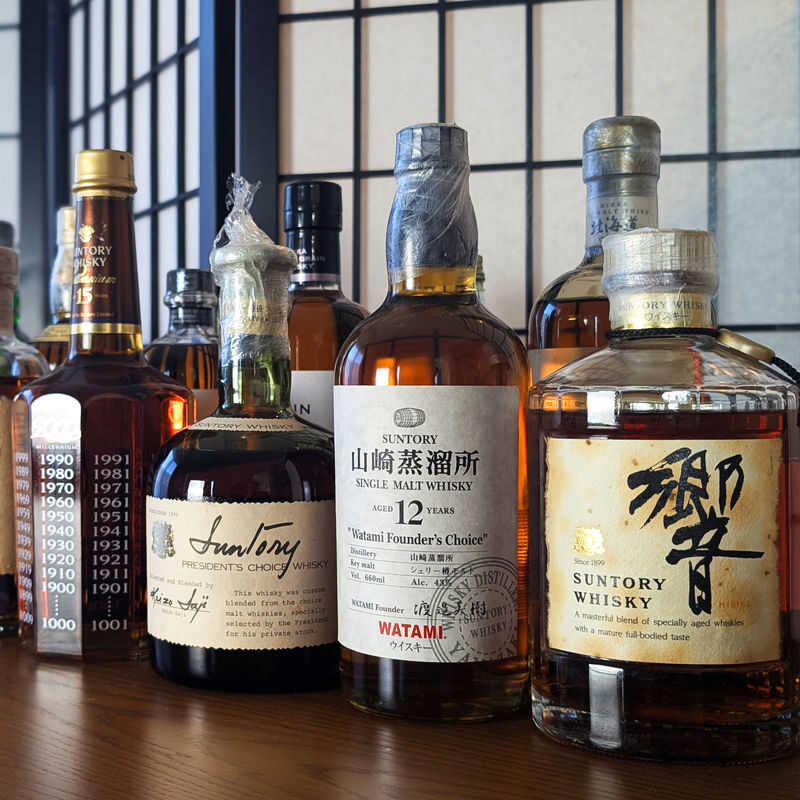
- Older and scarce bottles: The selection may include 1960s to 1980s vintages and whisky from Karuizawa, Hanyu and mothballed Mars distilleries.
- A collector’s pour: One super-premium dram is set aside as a special part of the session.
- Old names meet new makers: Compare Suntory and Nikka with the modern craft whisky scene, including Ichiro’s Malt.
- Useful whisky lessons: Talk through Mizunara oak, how to spot fakes and Japanese whisky rules introduced in 2024.
- A tucked-away venue: The tasting takes place on the second floor of Wind Arakicho, in a speakeasy above Bar C Shell.

👉 See our pick of the Our Picks For The 11 Best Workshops & Classes In Tokyo
A Tokyo tasting built around the host’s whisky choices
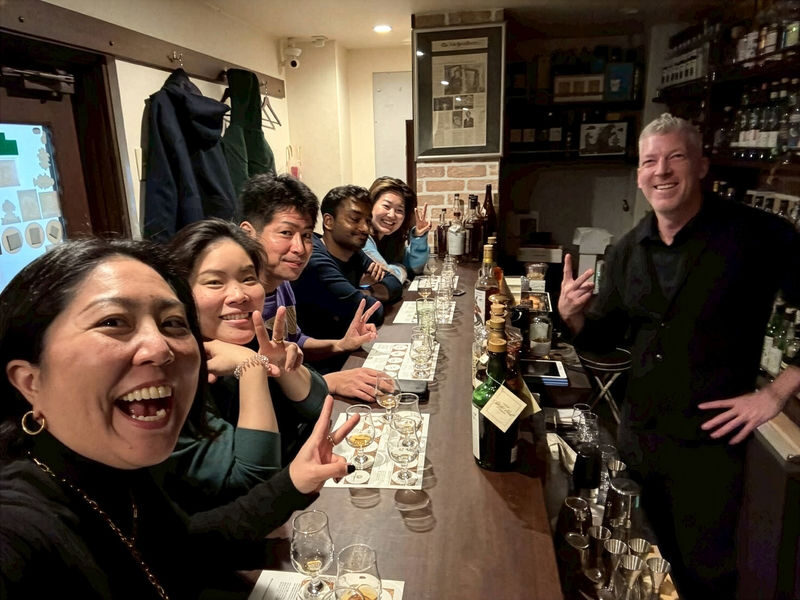
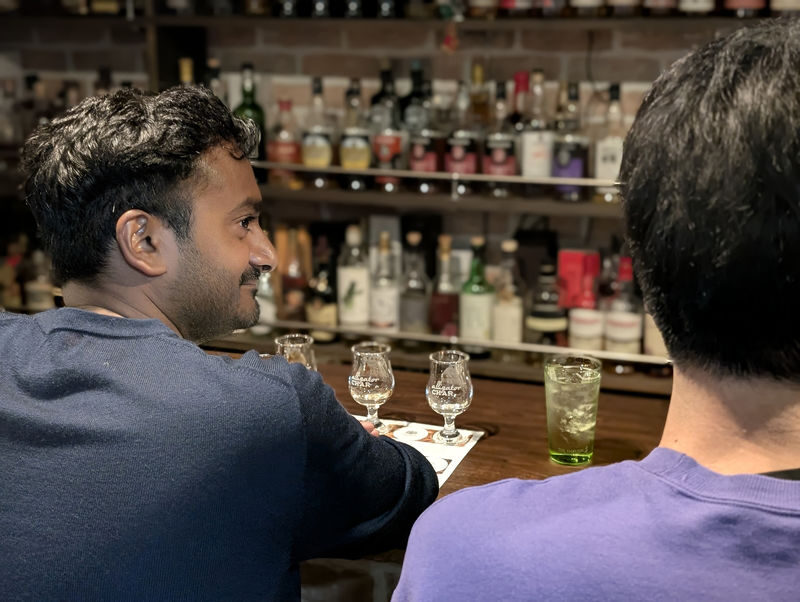
Omakase means the host chooses what to serve. Here, that means you are not simply ordering from a bar menu. Your English-speaking host leads a tasting from a personal collection, choosing a sequence meant to show different periods and styles of Japanese whisky.
The format suits curious drinkers who want guidance as much as rare pours. You can ask questions as you taste, and the host can adjust the conversation to your interests, whether you are learning the basics or already know your way around a whisky label. The session is described as tailored, though no set tasting order or specific bottles are guaranteed.
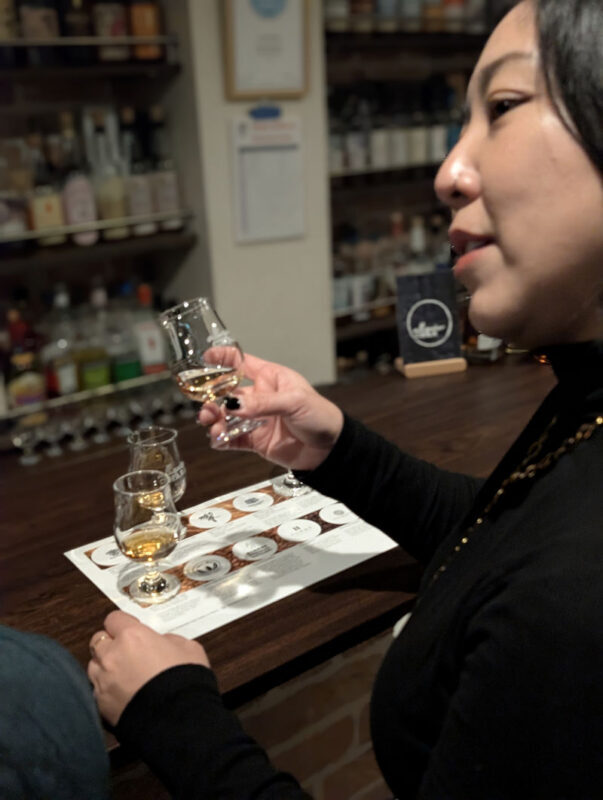
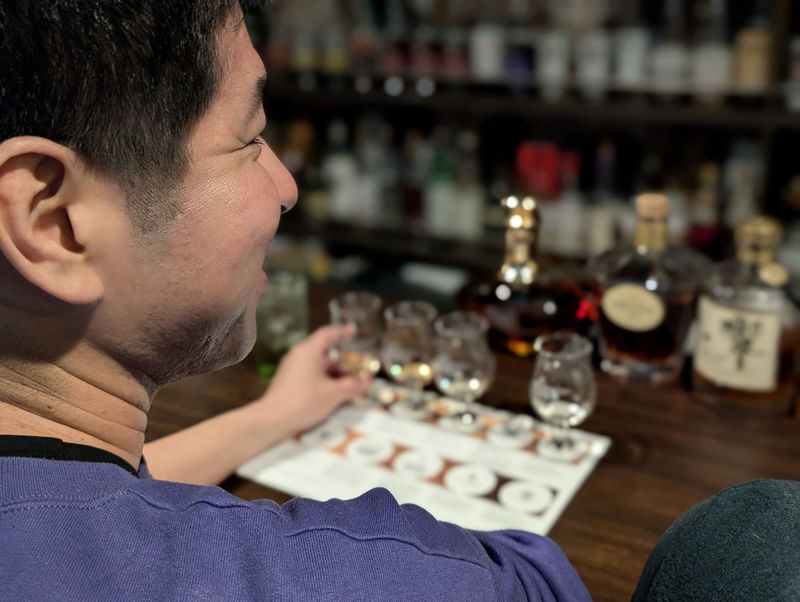
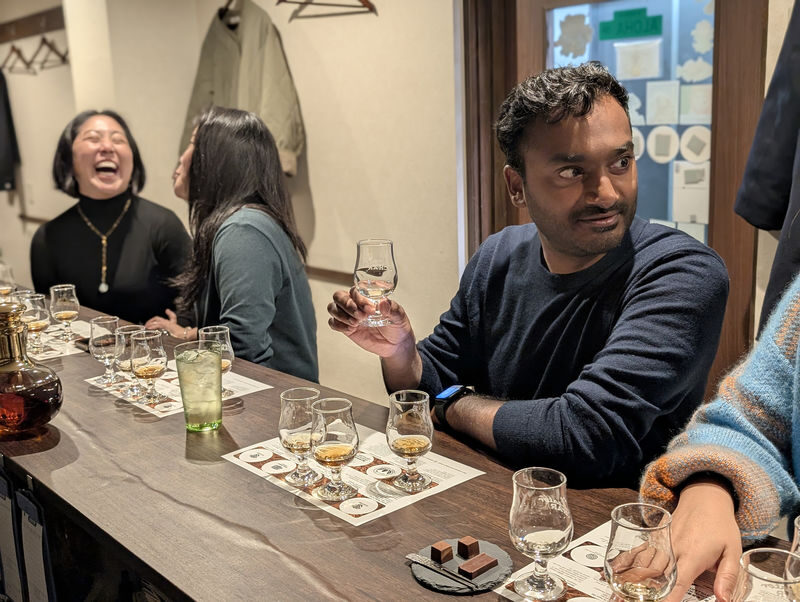
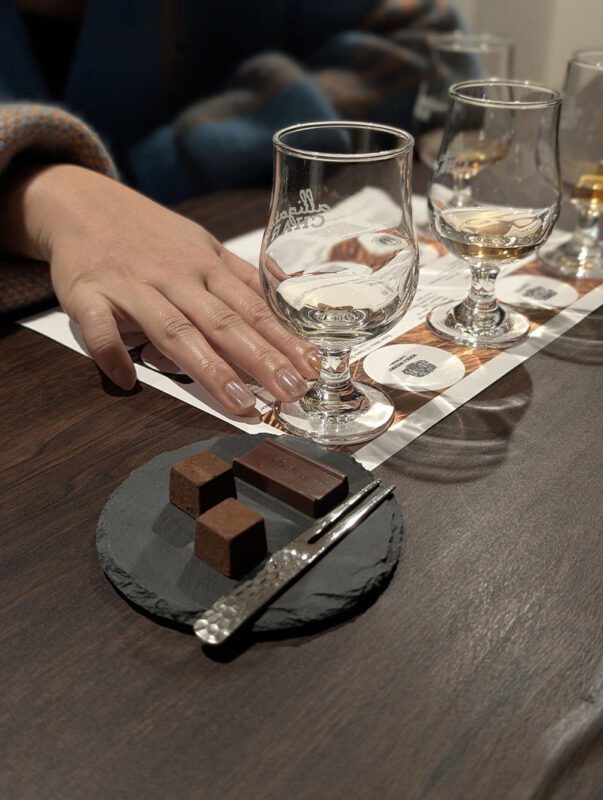
A welcome highball starts things off before the whisky pours. Then the focus shifts to the drams themselves, with more than 12 served over about two hours. The small, hosted setting gives each whisky a little room for discussion, unlike a quick flight where the names and flavours can blur together.
You can also read our reviews of more tours and experiences in Tokyo.


Why the old bottles matter
Japanese whisky has changed quickly over the decades, and older releases offer a way to taste that change rather than just hear about it. The session highlights rare vintages from the 1960s through the 1980s, an era that can be especially appealing to collectors and drinkers interested in how the country’s whisky makers developed.
Karuizawa and Hanyu are among the legendary distilleries named for the tasting. They are often described as ghost distilleries because they no longer operate, which makes bottles from them scarce. Mothballed Mars distilleries also appear among the examples of whisky history you may encounter.
These are not ordinary bar pours. That scarcity is part of the appeal, but it also means you should come ready to listen and taste thoughtfully. The session does not list exact bottles in advance, so it is wiser to view the named distilleries and date ranges as a sense of the collection, not a promise that every specific bottle will be served.
A super-premium Collector’s Dram is another high point. It is presented as a once-in-a-lifetime pour that is rarely available in public bars. The exact whisky is not specified, but the idea is clear: one pour is intended to be a special moment, rather than just another sample in a long flight.
From Suntory and Nikka to the craft boom
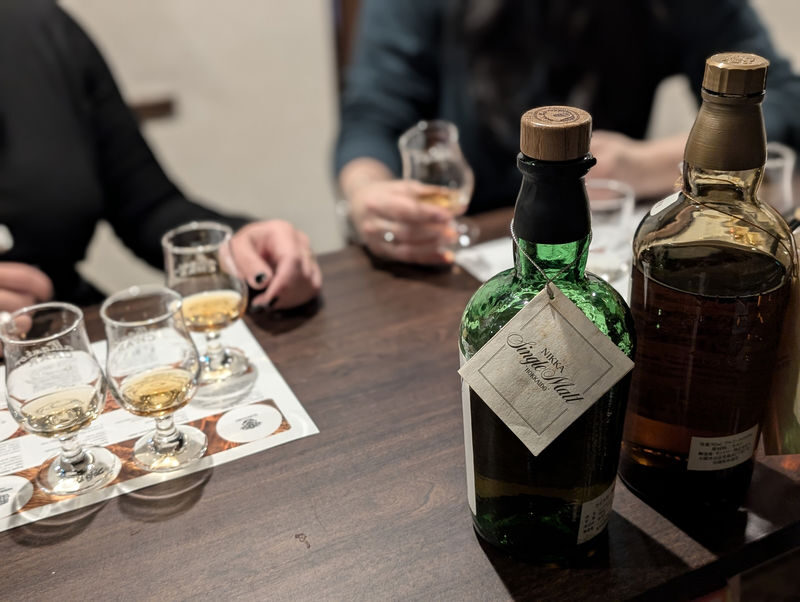
The tasting also connects famous Japanese whisky names with newer makers. Suntory and Nikka provide a foundation for understanding the country’s best-known producers, while Ichiro’s Malt represents the newer craft scene. Putting these names in the same session helps you notice how the industry has broadened.
That comparison is useful even if you have tried Japanese whisky before. You can consider what changes between makers, eras and styles instead of treating Japanese whisky as a single category. The host’s historical context adds a frame for those differences, and you can ask questions as the tasting moves along.
The session also touches on Mizunara oak, a Japanese oak used in whisky maturation. It is a distinctive topic for anyone interested in how cask choices shape a whisky’s character. The host also discusses spotting fakes and Japanese whisky rules introduced in 2024. Those subjects matter most if you are considering buying bottles or want to understand how authenticity is judged.
The experience is educational, but it remains a tasting, not a formal class with a published syllabus. If you want precise technical detail about every whisky, ask questions during the session. The advertised range and the host’s guidance give you a useful starting point, but the exact depth will depend on what you want to discuss.
Two hours, 12-plus pours and a steady pace
The tasting lasts two hours. That is enough time for a guided flight, but 12 or more drams is a substantial amount of alcohol, especially when the session includes a welcome highball and a premium pour. The pace may feel brisk if you want long pauses between each whisky.
You do not need to be a collector to book, but you should be comfortable with a whisky-focused event. If you are new to the spirit, the guided format and chance to ask questions can help make the variety less daunting. If you already know Japanese whisky, the appeal is more likely to be the older bottles, the collector’s pour and the chance to compare eras.
This is not a food tour. Drinks are included, but no food is listed, and outside food and drinks are not allowed. Plan your day accordingly, particularly if you are not used to tasting multiple whiskies in one sitting. The activity does not include transport, so you will need to make your own way to and from the venue.
Finding the speakeasy in Arakicho
The tasting is held at Wind Arakicho Building, second floor, 7-6 Arakicho, Shinjuku City. The speakeasy is above Bar C Shell and is closed to the public when it is not hosting these private sessions. Go to the second floor by the stairs; the entrance is to the left, with the stair entrance directly to the right of the door to Bar C Shell.
The closest stations listed are Yotsuya-Sanchome, Akebonobashi and Yotsuya. Allow time to find the entrance, especially if you are unfamiliar with the neighbourhood. Arrive 10 minutes before your selected start time, and bring a valid ID to show that you are at least 20.
Available start times are 13:00 and 15:30. The return times are listed as 15:00 and 17:30, depending on the departure you choose. The venue details identify Wind Arakicho in Shinjuku, so check your confirmation carefully for the meeting instructions before setting out. The host’s name is not provided in the experience details.



Is $183.95 good value?
At a starting price of $183.95, this is a premium tasting, not a casual bar stop. The value rests on the number and rarity of the pours, the collector’s dram, the English-language guidance and the chance to learn about the whisky while tasting it. A flight of 12 or more drams would be hard to compare with buying a few standard pours at a regular bar, particularly when rare older bottles are involved.
The other side of the calculation is that you are paying for an experience whose exact bottle lineup is not fixed in the details. If you mainly want a simple introduction to Japanese whisky, a less expensive tasting may be enough. If you want scarce bottles and a guided comparison of old and new producers, the higher price has a clearer purpose.
A welcome highball and a gift are included. The gift is described as handmade maps and local guides to take home, a useful keepsake if you are spending more time in Tokyo. Tips, personal expenses and transport are not included.
Who will get the most from this tasting?
I would put this near the top of the list for whisky fans who want more than a standard flight. The old vintages and ghost distillery names make it especially appealing to collectors, while the talk about authenticity and current rules gives the session practical value beyond the glass.
It can also suit a newcomer who is genuinely interested in whisky and comfortable asking questions. The host presents the experience as suitable for both beginners and people hunting for rare flavours. Still, the number of pours and the price make it a poor fit if you only want one drink, are watching your alcohol intake, or would rather have a meal included.
The experience has a small public track record so far, with two five-star ratings. The comments specifically praise the host’s historical context, the range from early releases by major producers to modern craft distilleries, and the value of the guidance. Those are the qualities to look for here: strong explanation, broad range and a rare-pour focus, rather than a long list of sightseeing stops.
Should you book it?
Book if rare Japanese whisky is a real interest, or if you want an expert-led tasting that links older distilleries with today’s producers. The chance to try 12 or more drams, discuss fake bottles and taste a collector’s pour gives this session a clear focus that a regular bar visit may not match.
Skip it if you prefer a casual drink, need food included, or do not want several pours in a short span. Before booking, be sure the two-hour format and price suit your plans, then check your confirmation for the exact meeting details. For the right whisky fan, this is an unusually concentrated way to explore Japan’s whisky story in central Tokyo.
Premium Japanese Whisky Omakase
“Very knowledgeable in both history and context of Japanese whiskies. Enjoyable experience!”
FAQ
How long does the Premium Japanese Whisky Omakase last?
The tasting lasts about two hours.
How many whiskies will I taste?
The session includes 12 or more drams, along with a welcome highball.
Where is the tasting held?
It takes place at Wind Arakicho Building, second floor, 7-6 Arakicho, Shinjuku City, Tokyo. The speakeasy is above Bar C Shell.
Which train stations are closest?
The closest stations listed are Yotsuya-Sanchome, Akebonobashi and Yotsuya.
What start times are available?
The listed start times are 13:00 and 15:30. Choose your start time when booking.
How early should I arrive?
Arrive 10 minutes before your selected departure time.
Is there a minimum age?
Participants must be at least 20 years old, the legal drinking age in Japan. Children aged 0 to 2 can enter free of charge.
Do I need to bring identification?
Yes. Bring valid ID to prove that you are at least 20.
What is included in the price?
The experience includes admission, an English-speaking host, drinks or alcohol at selected bars, a welcome gift and a welcome highball.
Is transport included, and can I cancel?
Transport is not included. You can receive a full refund if you cancel at least 24 hours before the activity date, using the destination’s local time.