Ryogoku’s sumo story makes more sense when you see it in the neighborhood where the sport is part of daily life. On this guided walk, you’ll hear how sumo developed over roughly 1,600 years, pass sumo landmarks and stables from outside, and finish with chanko-nabe, the hot pot linked to wrestlers’ training diets.
I like two things in particular: the sumo expert gives the walk a clear focus, and lunch turns a lesson about wrestlers’ routines into something you can taste. The route also brings in Japanese religious and cultural sites, including a Shinto shrine, a Buddhist temple, a garden, and a sword museum.
The main caveat is that this is not a sumo practice or match tour. A stable visit may also be limited to viewing from outside, and wrestlers may not be available. Confirm what is likely to be open before booking if seeing wrestlers is essential to you.
Key points
- Sumo is the focus: Learn about its history, traditions, and wrestlers’ lives from an English-speaking expert.
- Chanko-nabe is included: Lunch features the hearty hot pot associated with sumo wrestlers.
- Ryogoku landmarks add context: The walk includes sumo-related places, with a Shinto shrine, Buddhist temple, garden, and sword museum also part of the cultural picture.
- No live sumo is included: You won’t watch a bout or a training session.
- The stable stop can vary: Stables are viewed from outside, and wrestlers may not be available.
- Check the timing carefully: The stated schedule runs from 9:30 a.m. to 1 p.m., while the tour is also described as lasting two to two and a half hours.

👉 See our pick of the Our Picks For The 11 Best Workshops & Classes In Tokyo
- Key points
- Ryogoku, where sumo belongs
- Sumo landmarks, with a note about stable visits
- More than a sumo walk
- Chanko-nabe: the meal at the heart of the outing
- Timing, meeting point, and practical details
- Who should book this tour?
- Should you book it?
- FAQ
- Does the tour include a sumo match?
- Will I watch sumo wrestlers practice?
- Can I enter a sumo stable?
- Is lunch included?
- What language is the tour in?
- Where is the meeting point?
- Where does the tour end?
- How long does the tour take?
- Can children join?
- The Best Of Tokyo!
- More Historical Tours in Tokyo
- More Tours in Tokyo
- More Tour Reviews in Tokyo
Ryogoku, where sumo belongs
 1 / 7
 2 / 7
 3 / 7
 4 / 7
 5 / 7
 6 / 7
 7 / 7
Ryogoku is the right setting for an introduction to sumo. Rather than trying to explain the sport from a distance, the walk takes you through its home district, where sumo-related landmarks and stables give the guide places to point out and stories to tell.
The tour presents sumo as more than a contest. You’ll hear about its development over roughly 1,600 years and learn about wrestlers’ lives and routines. That context can make the sport easier to follow later, whether you plan to watch sumo in Japan or simply want to understand what you see on television.
This is a small-group tour led by an English-speaking sumo expert. The guide’s name isn’t specified, so you can’t choose a particular person, but the specialist focus is useful: your time is centered on sumo rather than on a general Tokyo sightseeing circuit.
The format also has a limit. It’s a walking introduction, not a backstage pass. Stables are viewed from outside, and the tour does not include a practice session or a match. If your main goal is to watch wrestlers train, choose a tour that explicitly includes training access instead.
You can also read our reviews of more historical tours in Tokyo


Sumo landmarks, with a note about stable visits
As you walk, the guide connects local landmarks to sumo’s place in Ryogoku and explains aspects of wrestlers’ lives. A stable stop can help make those routines feel less abstract, but the tour describes viewing stables from outside. Don’t expect to go inside or meet wrestlers as part of the standard experience.
Availability can matter. If wrestlers are away or otherwise unavailable, the stable stop may not offer the view you hoped for. A tournament period has affected one tour, with no sumo stable visit possible because wrestlers were unavailable. If this is the part you care about most, ask the operator what is expected on your date before you commit.
The guide was described as good and informative, which is important on a tour where much of the value comes from explanation rather than access to an event. Still, no guide can guarantee that a stable will be active or that wrestlers will be visible. Book for the neighborhood walk and cultural background first, and treat a glimpse of sumo life as a possible bonus.
More than a sumo walk
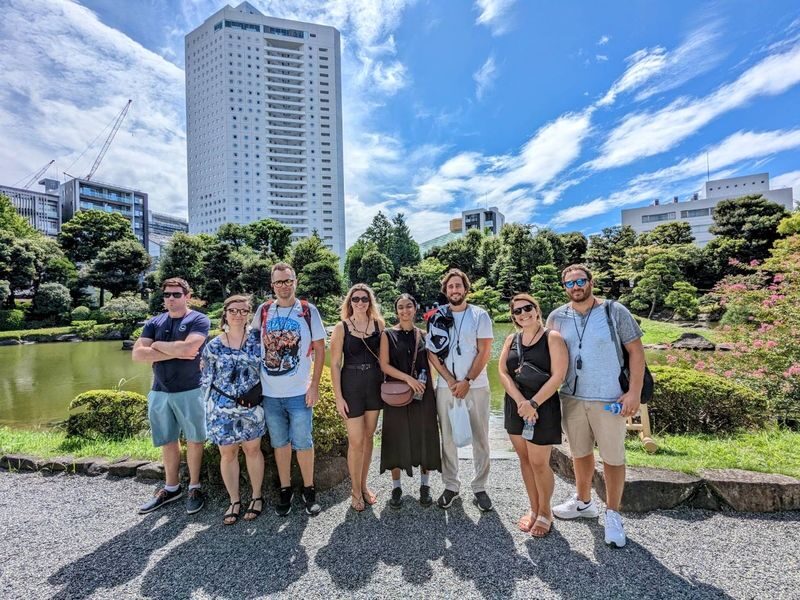
The route also brings in Japanese culture beyond the sport. The experience includes a Shinto shrine and a Buddhist temple, as well as a garden and sword museum. These stops broaden the outing and help balance the walk, especially if you’re curious about the district beyond sumo.
The available details don’t give a stop-by-stop schedule or say how long you spend at each place. Think of these sites as part of a guided cultural walk, not as a promise of extended visits inside every attraction. If you have a particular museum or garden in mind, check whether entry is included. The stated inclusions are an English-speaking guide and lunch, not tickets or other personal expenses.
That distinction matters at the listed price, which starts at US$146.99. You’re paying for a specialist guide, a planned walk through sumo country, and a meal, rather than for admission to a sumo event. For someone who wants a short, focused introduction with lunch built in, the package may be worthwhile. If you only want to see a match or practice, this is the wrong fit.
Chanko-nabe: the meal at the heart of the outing
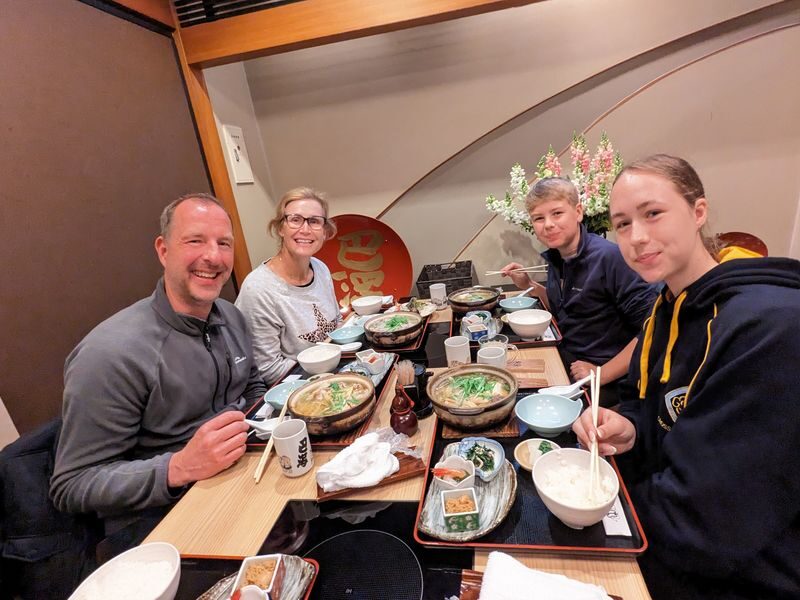
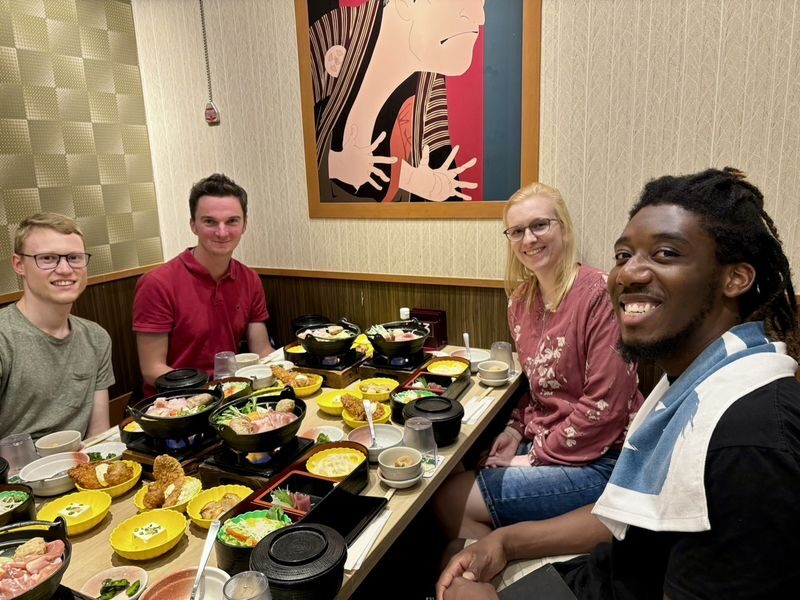
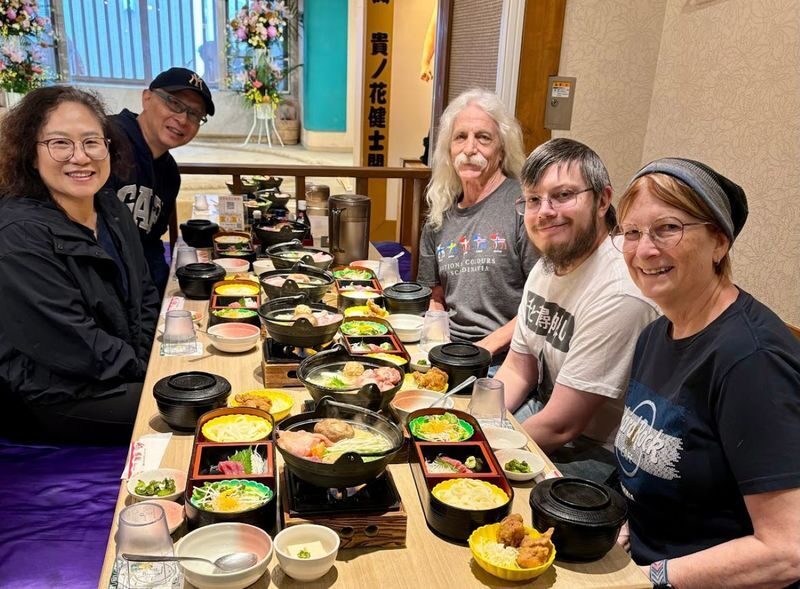
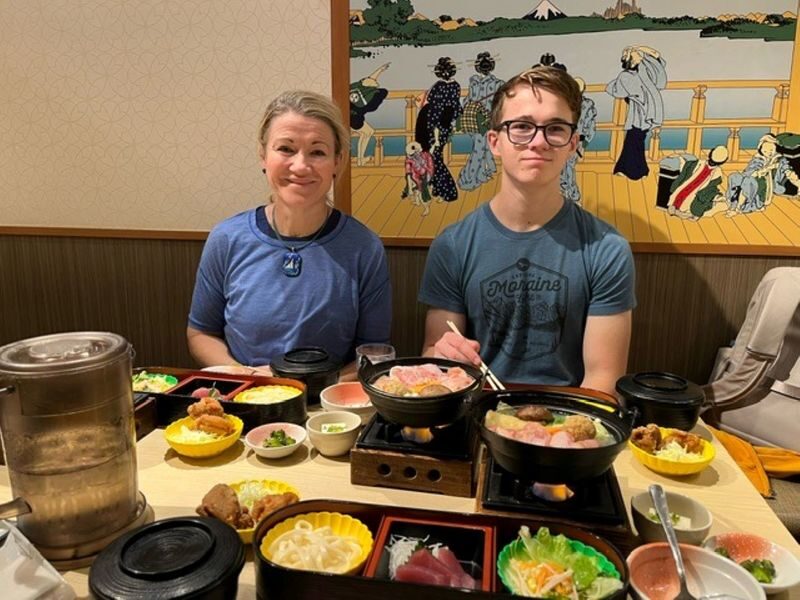
Lunch is chanko-nabe, a hot-pot dish associated with sumo wrestlers and their efforts to build their bodies. It gives the tour a practical, memorable link between food and athletic life: instead of only hearing what wrestlers eat, you get to try a version of the dish yourself.
The meal is at a Ryogoku restaurant described as one of the area’s best for chanko-nabe. The exact menu can change with the season and ingredient availability, so don’t book expecting a fixed set of ingredients. The meal is included, but other personal expenses are not.
Food is a strong reason to choose this tour if you enjoy meals that carry a local story. It’s less compelling if you’re looking for a cooking class or a detailed food crawl. The focus remains sumo, with lunch as a substantial part of the experience rather than the sole event.
Timing, meeting point, and practical details
The published timing needs a little care. The tour is described as two hours in one place and as a two-and-a-half-hour guided tour elsewhere, while the departure and return times run from 9:30 a.m. to 1 p.m. That schedule spans three and a half hours. Confirm the expected finish time before planning lunch, an afternoon booking, or onward travel.
The departure instructions specify the Toei Oedo Line Ryogoku Station, Exit A3, at ground level. Ryogoku has both a Toei station and a JR station, so use the Toei station, not JR. Arrive five minutes early; latecomers and no-shows are not eligible for a refund.
The return point is given as Hana no Mai Edo Tokyo Museum, at 1-chome-1-15 Kamezawa in Sumida City. Since the start and end points differ, plan for the tour to finish away from your meeting point. The voucher is mobile and valid only for the date and time booked. Confirmation is expected within minutes; if it doesn’t arrive, contact customer support.
Children aged 0 to 5 can join free. The information provided doesn’t specify other age rules, group size beyond describing the tour as small group, or accessibility details. Ask the operator directly if those factors affect your plans.
You can also read our reviews of more tours and experiences in Tokyo



Who should book this tour?
I’d choose this experience if you want a guided introduction to sumo, prefer learning in the district connected with the sport, and would enjoy a traditional hot-pot lunch. It also suits visitors who want their morning to include more than one theme, with religious and cultural landmarks alongside the sumo focus.
It’s not the right choice if your priority is seeing a live bout, watching practice, entering a stable, or meeting wrestlers. Those are not included, and stable visibility can vary. For a trip built around a specific sumo experience, find a tour that names that access as part of its offer.
The operator, Arumachi, Inc., has a stated 87 percent good review rate across 64 total reviews, but the feedback for this particular tour is very limited. One concern raised was the lack of advance notice that a stable visit would not be possible during a tournament. Take that as a useful booking tip: ask about stable availability before you pay, rather than assuming that a tournament means you’ll see wrestlers.
Should you book it?
Book this tour for sumo insight, a Ryogoku walk, and chanko-nabe, not for live action. The specialist guide and included meal give the outing a clear purpose, and the cultural stops add variety. Before booking, verify the finish time and ask whether the stable stop is likely to offer anything beyond an outside view. If those expectations suit you, it can be a rewarding way to understand sumo before watching it elsewhere.
Ryogoku Sumo History & Culture Day Tour with Chanko-nabe Lunch
FAQ
Does the tour include a sumo match?
No. The tour does not include watching sumo bouts.
Will I watch sumo wrestlers practice?
No practice viewing is included. The tour focuses on learning about sumo and visiting related landmarks.
Can I enter a sumo stable?
The tour describes visits to stables from outside. Entry is not included, and wrestlers may not be available.
Is lunch included?
Yes. Lunch is chanko-nabe at a Ryogoku restaurant. The menu may change with the season and ingredient availability.
What language is the tour in?
The tour includes an English-speaking guide.
Where is the meeting point?
Meet at the Toei Oedo Line Ryogoku Station, Exit A3, at ground level. Do not go to the JR Ryogoku Station.
Where does the tour end?
It ends at Hana no Mai Edo Tokyo Museum, at 1-chome-1-15 Kamezawa in Sumida City.
How long does the tour take?
The timing is described in different ways: two hours, two and a half hours, and a schedule from 9:30 a.m. to 1 p.m. Confirm the expected finish time before booking.
Can children join?
Children aged 0 to 5 can join free.