Tokyo’s skyline spreads out below you from the 60th floor of Sunshine 60, with a chance of spotting Mount Fuji on a clear day. I like two things here: the views come with room to sit and linger, and the ticket is a relatively inexpensive way to add a high-up city stop to an Ikebukuro visit.
The observatory is more than a window-lined viewing floor. Its seven zones add playful touches, including virtual reality flights, so you can choose a quiet look at the city or a more animated visit. The main caveat is the weather: clouds can hide Fuji, and arriving in daylight means waiting if you want to see the night lights.
At a glance
- A high view in Ikebukuro: The observatory sits on the 60th floor of Sunshine 60 Building.
- Seven ways to see the skyline: The themed zones include playful features and virtual reality activities such as Swing Coaster and Tokyo Bullet Flight.
- Sunset is the sweet spot: Arrive with enough time to see daylight fade into the evening city lights.
- Mount Fuji is weather-dependent: You may spot it on a clear day, but clouds and haze can obscure it.
- A relaxed indoor stop: Seating, a café and a family-friendly atmosphere make it easy to take a break above the city.
- Bring your phone and internet access: Staff must open and validate your Klook voucher on your device.
- Tokyo from the 60th floor
- Take your time in the seven zones
- Aim for the hour before sunset
- A calmer alternative to a crowded viewpoint
- Getting to Sunshine 60 in Ikebukuro
- Is the ticket good value?
- Who should book Sunshine 60 Observatory?
- FAQ
- How long should I allow for the visit?
- What are the opening hours?
- How do I get to the observatory by train?
- What does the admission ticket include?
- Can I see Mount Fuji from the observatory?
- Can I leave and come back in?
- What do I need to show at the entrance?
- Are children charged admission?
- The Best Of Tokyo!
- More Tours in Tokyo
- More Tour Reviews in Tokyo
Tokyo from the 60th floor
 1 / 6
 2 / 6
 3 / 6
 4 / 6
 5 / 6
 6 / 6
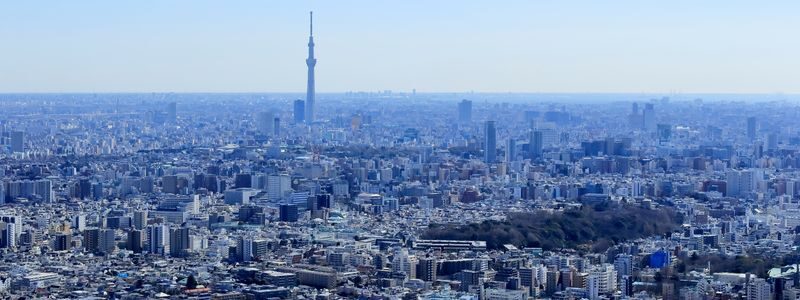
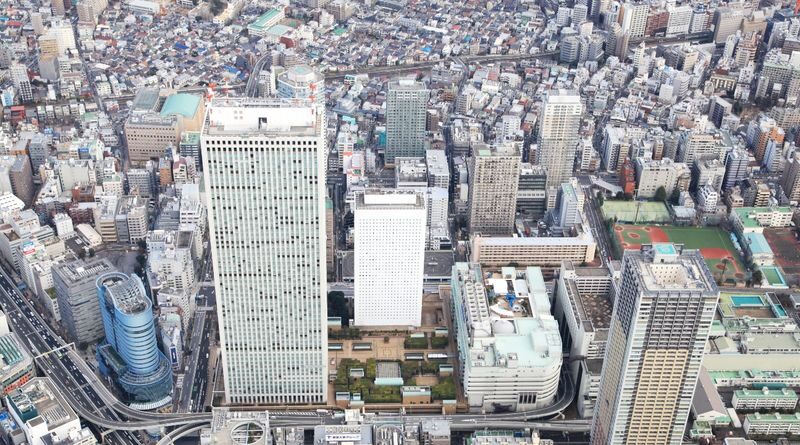
Sunshine 60 Observatory Tenbou Park puts you above Ikebukuro, with views across Tokyo and beyond. From this height, the city becomes a pattern of streets, buildings and distant landmarks. On a clear day, you may be able to pick out Mount Fuji; Tokyo Skytree and Tokyo Tower are also among the sights people look for from the windows.
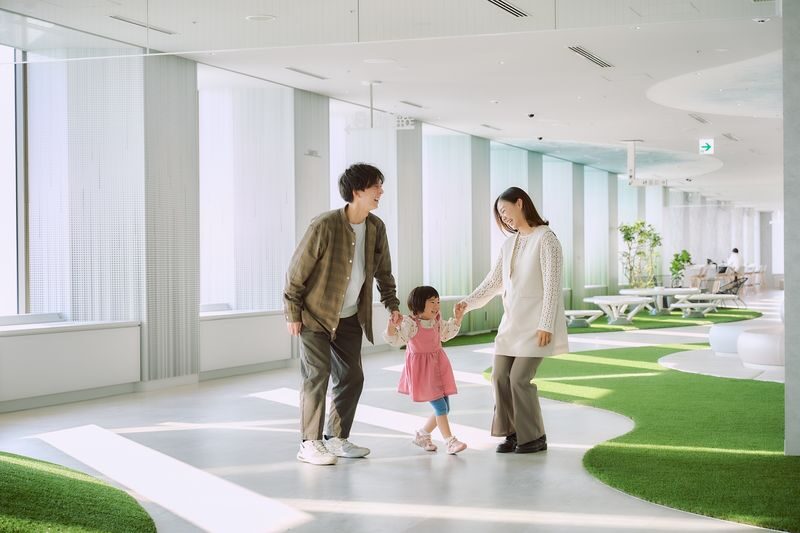
The view is the main event, but this is not a bare platform where you take one photo and leave. The observatory has been redesigned with seven zones that give the visit a more playful feel. You can settle in to watch the city, take photos in designated spots, or try one of the virtual reality activities if it is available during your visit.
That mix suits a wide range of plans. If you have already spent the day walking Tokyo’s streets, it is a comfortable place to pause without giving up the sightseeing. If you are travelling with children, the themed areas and VR rides give them something to do beyond looking out of a window. Just keep in mind that some areas may be unavailable during events.

👉 See our pick of the Our Picks For The 11 Best Workshops & Classes In Tokyo
Take your time in the seven zones
The seven zones are designed to offer different ways to experience the Tokyo skyline. The supplied details name the Swing Coaster and Tokyo Bullet Flight as virtual reality activities, which simulate flights around the city. They are imaginary rides rather than actual flights, but the realistic perspective adds an amusement-park note to what might otherwise be a quieter observatory visit.
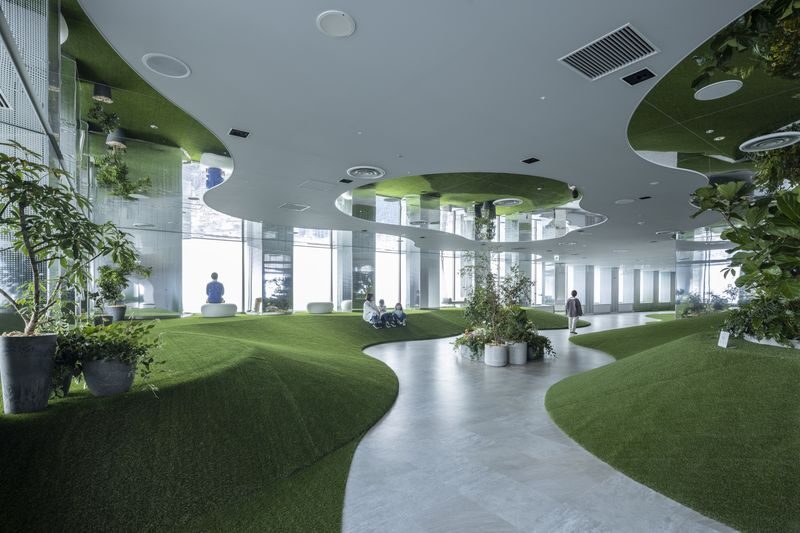
Think of the zones as options, not a strict itinerary. You can look around at your own pace, stop for photos, find a place to sit, and decide whether the VR attractions appeal to you. The layout also includes spots with a relaxed, indoor park feel. Seating and grass-like areas have been described, and there are swings, though exact features and access can vary.
The main trade-off is that the attraction’s extra features may matter more to some people than others. If you want nothing but an unobstructed, dramatic view, the themed zones may feel like decoration around the central experience. If you enjoy a casual space where you can move between views, photo spots and activities, they make the visit more varied.
Allow about 1 to 2 hours. You can make a quick circuit if you are short on time, but the observatory is better when you are not rushing. The café and seating invite a longer pause, especially if you arrive before sunset and want to watch the light change.
You can also read our reviews of more tours and experiences in Tokyo.



Aim for the hour before sunset
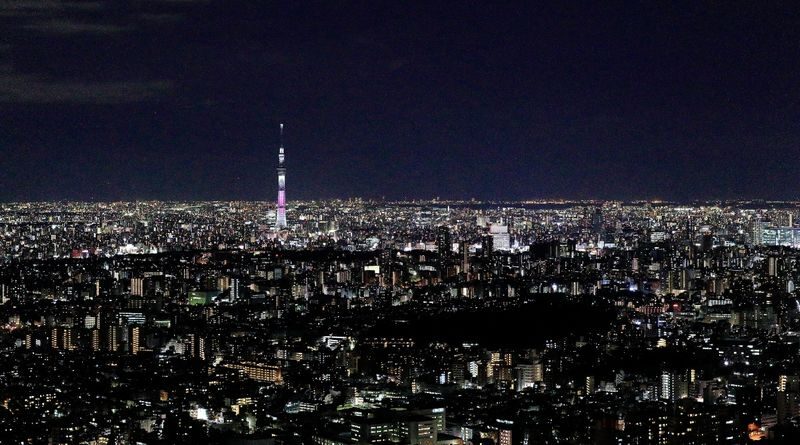
Morning and evening both offer a different look at Tokyo. In daylight, you can make out more of the city’s shape and surrounding scenery. Toward evening, the view changes as the sky darkens and buildings begin to glow. If you want both, arrive with enough time to see the transition rather than walking in just after dark.
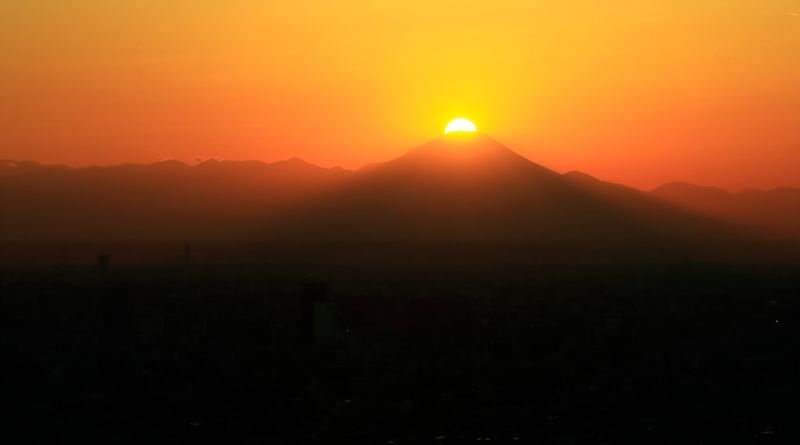
Sunset is also your best chance to look for Mount Fuji, provided the weather cooperates. The mountain is not guaranteed to appear, even when the day seems pleasant. Clouds, haze and distance all matter, so treat a Fuji sighting as a bonus rather than the reason to buy your ticket.
A little planning helps. Check the forecast and the observatory’s current opening hours before you go, since hours can change. The stated schedule is Monday to Friday, 11:00 a.m. to 9:00 p.m., with last admission at 8:00 p.m. Special business hours and events may affect access, so confirm the current details on the official website.
There is a practical reason not to arrive too late: you need time to enjoy the view before the venue closes. And if you arrive while it is still bright, you may have to wait for the city lights. That wait can be pleasant if you have a seat and a drink, but less appealing if you are hungry, tired or trying to fit in several stops.
A calmer alternative to a crowded viewpoint
Sunshine 60 offers a different rhythm from a quick, high-energy photo stop. The indoor setting, places to sit and café make it easier to slow down and watch the city rather than jostle for a view. The space can be quiet and comfortable, though families and children are part of the atmosphere, and event periods may bring a different feel.
That comfort matters if you are travelling with young children or want a break from Tokyo’s busy streets. You can take in the panorama, sit for a while, and let the visit unfold at your own pace. The observatory is also a useful alternative if another popular viewpoint is crowded or unavailable, though conditions and crowd levels can change from day to day.
The view itself depends heavily on visibility. On a clear day, the city stretches out sharply and distant sights become easier to identify. On a cloudy or hazy day, you may still enjoy the scale of Tokyo, but distant landmarks and Mount Fuji can be hard to see. For the best chance of a crisp panorama, build some flexibility into your schedule rather than treating the observatory as a fixed-weather highlight.
Getting to Sunshine 60 in Ikebukuro
The address is Sunshine 60 Building 60F, 3-1-1 Higashi-Ikebukuro, Toshima-ku, Tokyo 170-0013. From Higashi-ikebukuro Station on the Yurakucho Line, it is about a five-minute walk from Exit 6. Once inside Sunshine City, follow signs for the observatory.
The journey up is part of the approach, but the important practical point is to have your ticket ready before you reach the entrance. With a Klook booking, open the app or website, go to My bookings, and tap See voucher. Your phone needs an internet connection because the voucher URL must load on your device.
Show the voucher to the facility staff, who will handle the ticket validation. Do not try to operate or validate it yourself. If the ticket is marked as used, it is no longer valid, and you cannot enter without presenting the voucher on your phone. There is no web-numbered ticket required.
Entry is valid only for the date, and time if one is specified, on your voucher. Re-entry is not allowed after you leave, so plan to eat, use the café or take a break before exiting. The ticket covers admission to Sky Circus Sunshine 60 Observatory; personal expenses, such as café purchases, are extra.
Is the ticket good value?
At a starting price of $4.45, this is an appealingly low-cost way to see Tokyo from above. The exact price can vary, but the value comes from more than the height: you get a panoramic indoor viewpoint, time to sit and relax, themed zones and the possibility of trying VR activities. For a stop that can fill 1 to 2 hours, it can fit neatly into a day in Ikebukuro without taking over your schedule.
It is especially good value if you want a comfortable, flexible visit rather than a single photo and a quick exit. Families may appreciate having a few different things to look at and do, while couples or solo visitors can use the café and seating for a slower pause. The comparatively low starting price also makes it easier to choose this observatory as an extra stop rather than a major-ticket commitment.
There are limits. The price does not buy clear skies, a guaranteed view of Fuji, or access to every zone during special events. And if you only want the biggest outdoor thrill or a specific landmark view, compare the experience with other observatories before deciding. Here, the value is the combination of city views and a comfortable, playful indoor setting.

Who should book Sunshine 60 Observatory?
I would put this on the list if you are already visiting Ikebukuro, want a city view without a long outing, or need a place to rest between walks. It also makes sense for families and anyone who likes the idea of pairing a panorama with a café break and optional VR activities.
Choose your timing with care. Go in daylight for a clearer sense of Tokyo’s layout, or arrive before sunset if you want to see the view shift into night. If Mount Fuji is your priority, check the weather, but keep expectations flexible. The observatory is a strong-value stop when you want a relaxed, indoor look at the city, not a guaranteed mountain view.
Sunshine 60 Observatory Tenbou Park Admission in Tokyo
“Wonderful experience and a breathtaking view!”
FAQ
How long should I allow for the visit?
Plan for about 1 to 2 hours. You can spend less time looking around, or stay longer to sit, visit the café and watch the light change.
What are the opening hours?
The stated hours are Monday to Friday, 11:00 a.m. to 9:00 p.m., with last admission at 8:00 p.m. Hours may change, and special business hours or events can affect access, so check the official website before you go.
How do I get to the observatory by train?
Take the Yurakucho Line to Higashi-ikebukuro Station. The observatory is about a five-minute walk from Exit 6, inside Sunshine 60 Building.
What does the admission ticket include?
The ticket includes admission to Sky Circus Sunshine 60 Observatory. Personal expenses are not included.
Can I see Mount Fuji from the observatory?
You may be able to see Mount Fuji on a clear day, especially around sunset, but visibility depends on the weather. Clouds or haze can obscure it.
Can I leave and come back in?
No. Re-entry is not allowed after you leave the venue, so plan your visit before exiting.
What do I need to show at the entrance?
Open your voucher in the Klook app or website under My bookings, then tap See voucher. Present it on your phone to staff. Your phone must have internet access, and staff must operate the ticket.
Are children charged admission?
Children aged 0 to 5 enter free. Children aged 15 and older are charged the adult rate.