Asakusa’s sushi class turns a meal you may know well into a practical lesson: you’ll shape nigiri, make a sushi roll, and wear a traditional-style happi coat while you work. It’s a friendly way to spend part of a Tokyo day, especially if you want more than a restaurant meal but don’t need a full cooking course.
I like two things here: you make sushi yourself from the start, with a chef explaining each step in English, and the happi coat gives the class a playful Japanese touch without making it feel like a costume show. Tuna and salmon are among the ingredients, and one participant especially liked the squid nigiri.
One point to plan around: the class is advertised as 90 minutes, but some sessions have wrapped up in about 45. Drinks cost extra, and the venue’s small sign can make the second-floor studio tricky to spot, so leave yourself time to find it.
- What to know before you book
- From Endo Building to the sushi counter
- First, learn the basic sushi steps
- Make nigiri, roll sushi, and taste the result
- The happi coat adds a light cultural touch
- How much time to set aside
- What the price includes, and what it doesn’t
- Dietary needs and a few practical cautions
- Who will enjoy this class most
- Should you book the Asakusa sushi class?
- FAQ
- How long does the sushi-making class last?
- Where does the class meet?
- What will I make during the class?
- Is the class suitable for beginners?
- Can I request vegetarian, vegan, or gluten-free food?
- Are drinks included in the price?
- What is the minimum age to participate?
- The Best Of Tokyo!
- More Workshops & Classes in Tokyo
- More Tours in Tokyo
- More Tour Reviews in Tokyo
What to know before you book
 1 / 10
 2 / 10
 3 / 10
 4 / 10
 5 / 10
 6 / 10
 7 / 10
 8 / 10
 9 / 10
 10 / 10
- You make both nigiri and a sushi roll: The chef demonstrates the basics, then you try the techniques yourself.
- English instruction is included: Staff guide you through the class in English, which makes this accessible to first-time sushi makers.
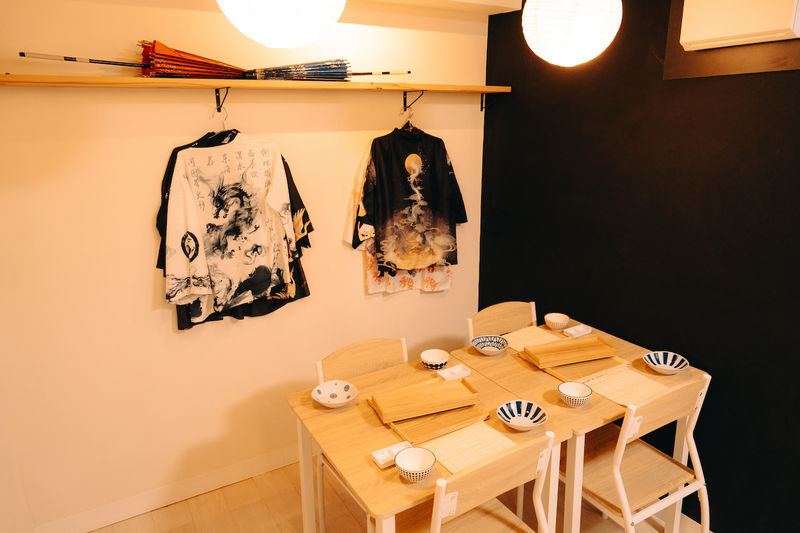
- A happi coat comes with the experience: It’s a Japanese-style chef coat, part of the fun and a useful photo detail.
- The class may run shorter than advertised: It is listed as 90 minutes, but some sessions have ended after around 45 minutes.
- Dietary requests need advance notice: Vegetarian, vegan, and gluten-free options are available if you message at least one day ahead.
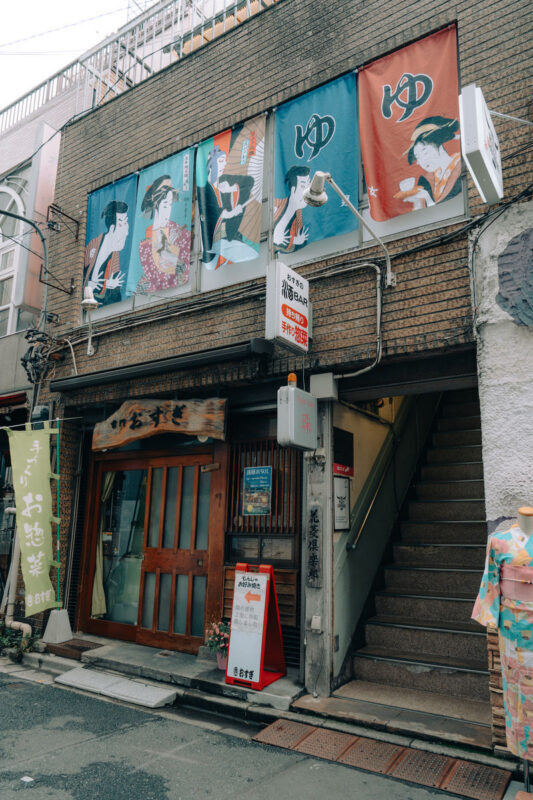
- Look carefully for the entrance: The studio is on the second floor of Endo Building, and its sign is small.

👉 See our pick of the Our Picks For The 11 Best Workshops & Classes In Tokyo
From Endo Building to the sushi counter
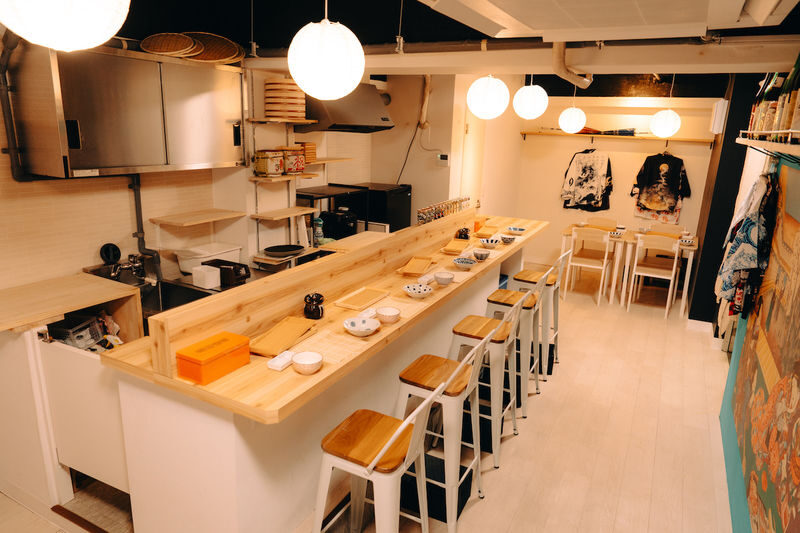
The class meets at SUSHI GARYU ASAKUSA, on the second floor of Endo Building at 1-18-3 Asakusa in Taito City. The address is specific, but the small sign has made the entrance easy to miss. I’d put the full address into your map app and allow a little extra time rather than rushing in at the last minute.
You’re meeting at a sushi business, not heading out on a neighborhood tour. The focus is hands-on: the chef shows you how to make sushi, then you repeat the steps yourself. English-speaking staff are included, so you can ask questions and follow the demonstration without needing to know Japanese.
The class is open to participants aged four and up. That makes it an option for families with children, though a young child’s ability to follow the instruction and handle the food will matter. The activity is listed as not recommended for people with disabilities, so if you have mobility or access needs, check directly with the provider before booking rather than assuming the second-floor venue will work for you.
You can also read our reviews of more tours and experiences in Tokyo


First, learn the basic sushi steps
The session begins with instruction from a sushi chef. You’ll be shown how to prepare nigiri and a sushi roll, then get a chance to practise the steps yourself. The class is aimed at beginners, so you don’t need sushi-making experience to take part.
That beginner-friendly approach matters. Sushi can look simple when it arrives neatly arranged on a plate, but shaping rice and placing fish takes a little care. Here, the point is not to produce restaurant-perfect pieces on your first try. It’s to understand the process and have a go with a chef nearby to help.
The listed ingredients include popular choices such as tuna and salmon. One participant also singled out squid nigiri as a favourite, so the ingredients may extend beyond those two examples. The exact selection is not specified, so don’t book expecting a particular fish unless the provider confirms it.
Make nigiri, roll sushi, and taste the result
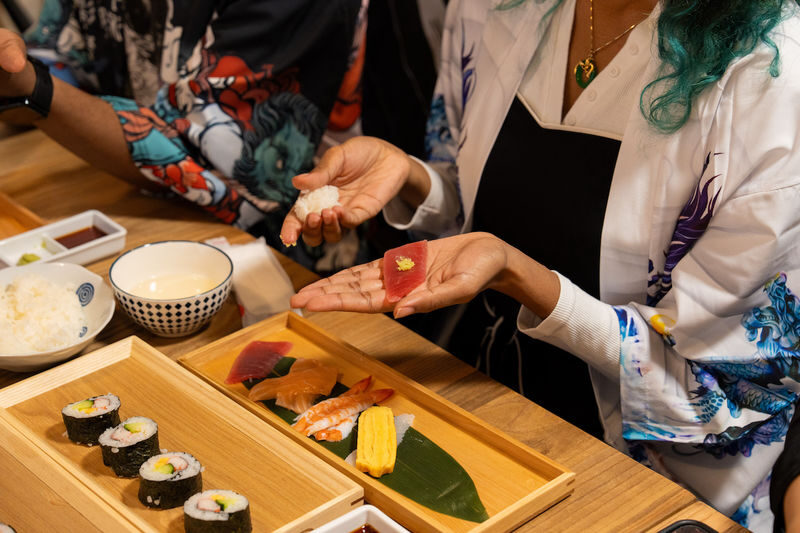
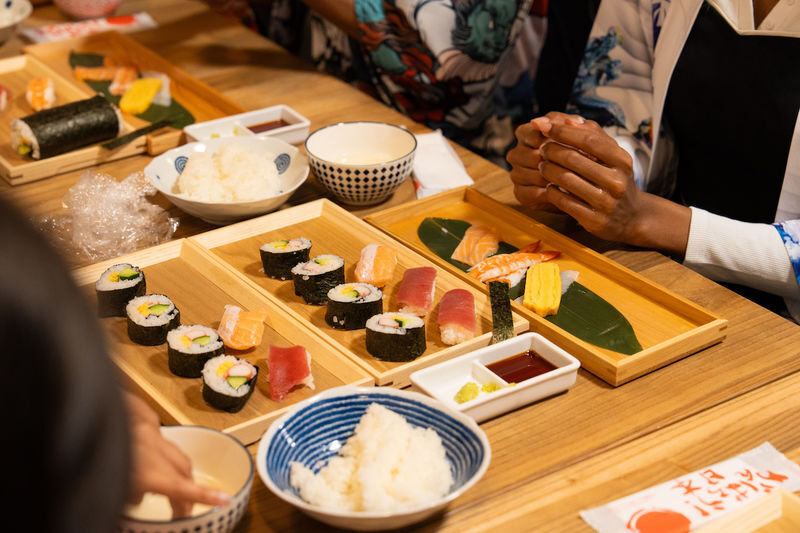
After the demonstration, you make nigiri and a roll yourself. The class is a short introduction rather than a long culinary course, but that mix gives you two different forms to try: a hand-shaped piece topped with fish and a rolled sushi format.
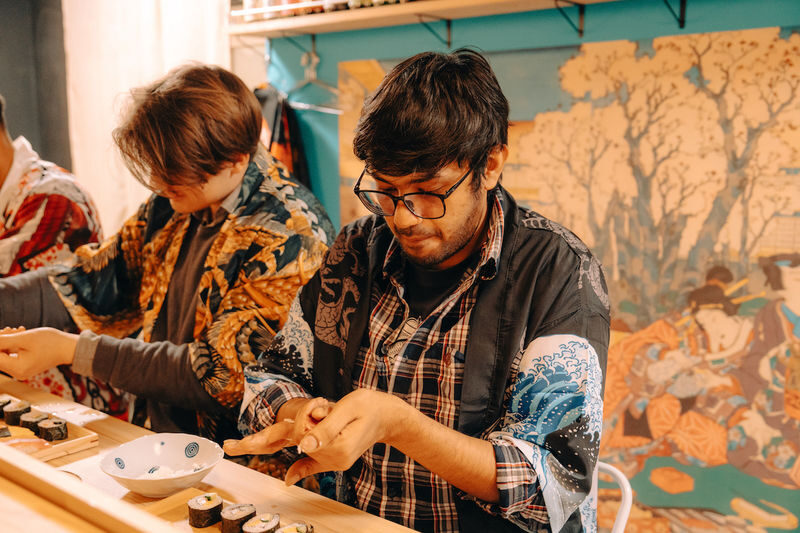
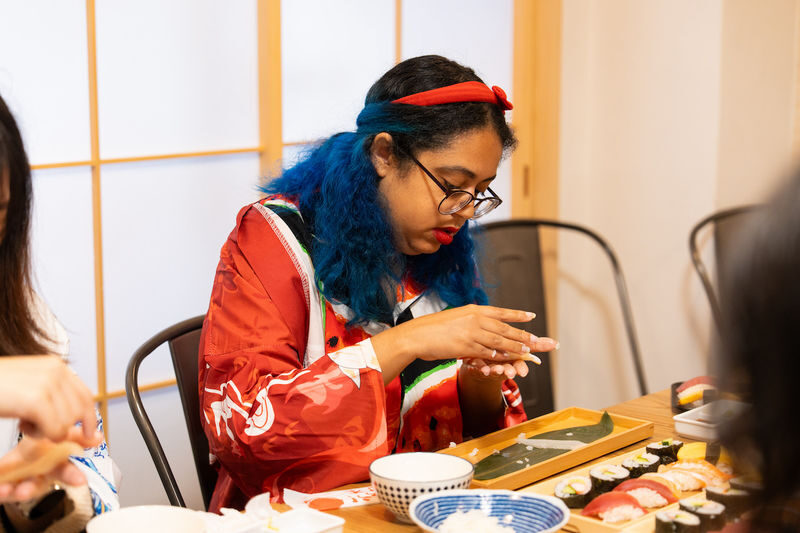
The practical value is in doing the work, not just watching someone else’s hands. You can see how the chef handles the rice and ingredients, then try the same actions yourself. The instructions are described as clear and easy to follow, and the teaching style has been praised for being warm, lively, and engaging. Hide, Hayato, and Mia are among the instructors named by people who have taken the class, though you should not assume a specific person will lead your session.
Once you’ve finished making the sushi, you can taste your creations. The amount is described as generous enough that arriving hungry makes sense. It’s a satisfying way to end the lesson, though it is not a substitute for a full meal if you have a big appetite.
The happi coat adds a light cultural touch
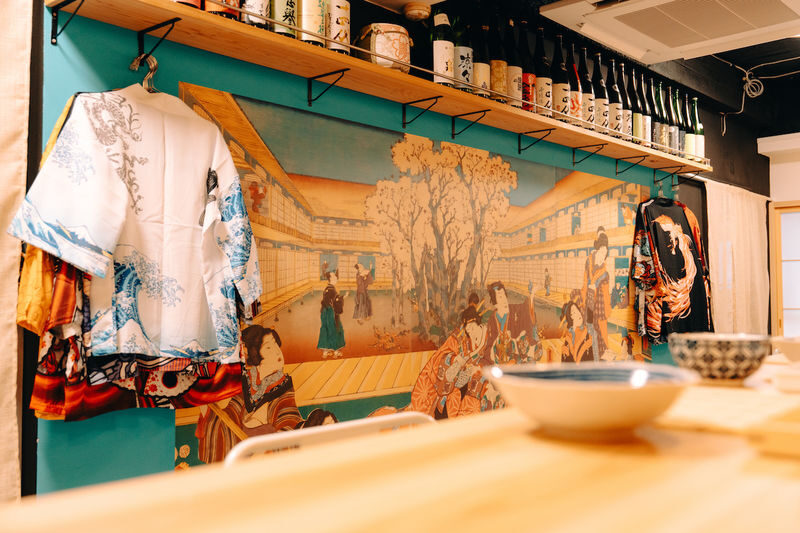
The happi coat is a Japanese-style chef coat, and wearing one gives the class a more distinct sense of place than a standard cooking demo. It’s a small detail, but it helps mark the activity as an experience rather than simply a meal-prep lesson.
The coat is not the main reason to book. The real draw is learning a few sushi techniques with a chef and then eating what you made. Still, the outfit helps set a relaxed tone and makes the class appealing to families, couples, and anyone who enjoys a photo with their activity.
The cultural element is kept close to the food. You’re not promised a broad lecture on Japanese history or a tour of Asakusa. Instead, the class combines sushi instruction with some cultural context, as well as the chance to chat with staff. A few participants have received local food recommendations from instructors, but treat that as a welcome extra, not a guaranteed part of every session.
How much time to set aside
The class is sold as a 90-minute activity, but several people have finished in about 45 minutes. That is a meaningful difference if you’re planning a tightly packed Tokyo itinerary. I’d keep a gap around the booking, but avoid scheduling a major attraction immediately afterward on the assumption that you’ll use the full hour and a half.
The shorter sessions do not necessarily mean you’ll miss the core activity: instruction, making nigiri and a roll, and tasting your work are the main parts. Still, if you want a long, in-depth cooking class, this may feel brief. The experience is best understood as a compact, guided introduction.
The timing can also affect how you judge the price. At US$62.45 and up, you’re paying for a chef-led activity, ingredients, English-language help, and a chance to make and eat sushi, rather than simply buying a meal. That can be good value if you want an interactive activity and would otherwise pay for a separate meal and experience. It’s less compelling if you only want to eat sushi or expect a long workshop.



What the price includes, and what it doesn’t
The package includes the 90-minute sushi-making class and English-speaking staff. Drinks are not included, and some people have found beverage prices high. If you’re watching your budget, ask about drink prices before ordering, or plan to keep the class cost focused on the food and instruction.
The posted starting price is US$62.45, but the final amount can depend on the selected package or booking details. Consider the class as an activity with a meal attached, rather than a low-cost way to get lunch. You’re paying for instruction and participation, and the value depends on whether that hands-on part appeals to you.
The experience has a 4.9 out of 5 rating from 13 ratings, while the provider has a 97% good-review rate across 41 reviews. Those figures are encouraging, though the class is a better fit for someone who wants a short, friendly lesson than for a serious sushi student looking for technical depth.
Dietary needs and a few practical cautions
Vegetarian, vegan, and gluten-free options are available, but contact the provider at least one day in advance. Requests made on the day may not be accommodated. The same advance notice applies to food allergies, so send details early and wait for confirmation if your needs are important to your ability to participate.
Outside food and drinks are not allowed. That is worth knowing if you’re travelling with snacks or planned to bring a drink. The class itself provides the sushi-making activity, but the cost of beverages is separate.
The venue is not recommended for people with disabilities. The address places it on the second floor, but no further access details are provided. If stairs, seating, or other access arrangements matter to you, contact the provider before paying.
Who will enjoy this class most
This is a good choice if you’re curious about Japanese food, enjoy learning by doing, or want a low-pressure activity to share with a partner or family. Children aged four and older can participate, and the step-by-step teaching makes the class approachable for beginners. The friendly, personal style also seems to be part of its appeal.
You’ll get the most from it if you’re happy to learn a few basic techniques, make a modest amount of sushi, and eat what you prepare. The class is not designed as a professional course, and the uncertain finish time makes it a poor fit for a schedule that allows no flexibility.
If you’re deciding between this and a longer food tour, think about what you want from the day. This class keeps you in one place and puts you in the chef’s role for a while. It won’t take you around Tokyo or provide a broad food itinerary, but it gives you a direct, enjoyable introduction to making nigiri and rolls.
Should you book the Asakusa sushi class?
Book it if you want an approachable, English-guided sushi lesson with fresh ingredients, a happi coat, and a tasting at the end. The strongest reasons to go are the chance to make both nigiri and a roll, the personal instruction, and the friendly atmosphere described by people who have taken the class.
Think twice if you need the full 90 minutes, expect drinks to be included, or want a detailed technical course. Allow time to find the small sign, send allergy or dietary requests at least a day ahead, and keep your schedule after class flexible. For a short, hands-on food experience in Asakusa, it offers a cheerful change from simply choosing sushi off a menu.
Sushi Making Class in a Happi Coat in Asakusa
“A wonderful 1.5-hour experience with a great chef who expertly taught us sushi preparation techniques. The class concluded with a tasting of our cr…”
FAQ
How long does the sushi-making class last?
It is listed as a 90-minute class, though some sessions have finished in about 45 minutes. Leave some flexibility in your schedule.
Where does the class meet?
It meets at SUSHI GARYU ASAKUSA, on the second floor of Endo Building, 1-18-3 Asakusa, Taito City, Tokyo, postal code 111-0032. The sign is small, so allow time to locate the entrance.
What will I make during the class?
You’ll learn to make nigiri sushi and a sushi roll, with ingredients that include tuna and salmon. You’ll then taste the sushi you make.
Is the class suitable for beginners?
Yes. It is described as beginner-friendly, with a chef demonstrating the steps before you make sushi yourself.
Can I request vegetarian, vegan, or gluten-free food?
Yes. Vegetarian, vegan, and gluten-free options are available. Message the provider at least one day before the class, as requests made on the day may not be accommodated.
Are drinks included in the price?
No. English-speaking staff and the sushi-making class are included, but drinks are not.
What is the minimum age to participate?
Participants must be at least four years old.