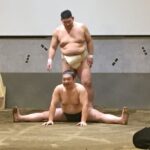
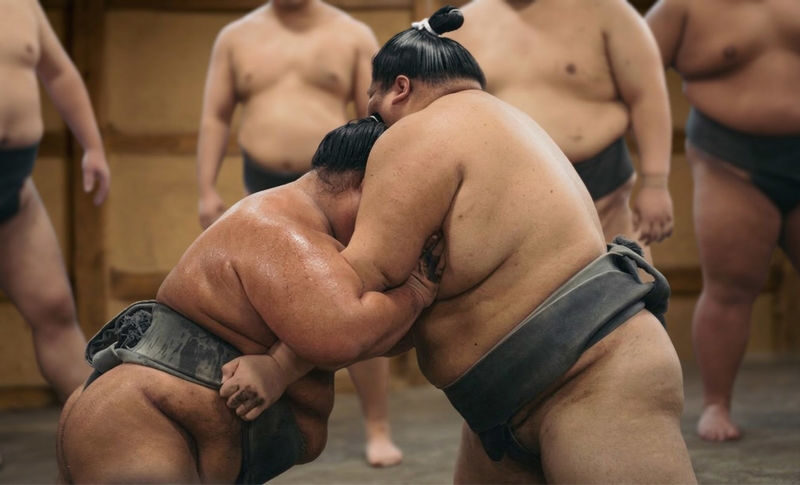
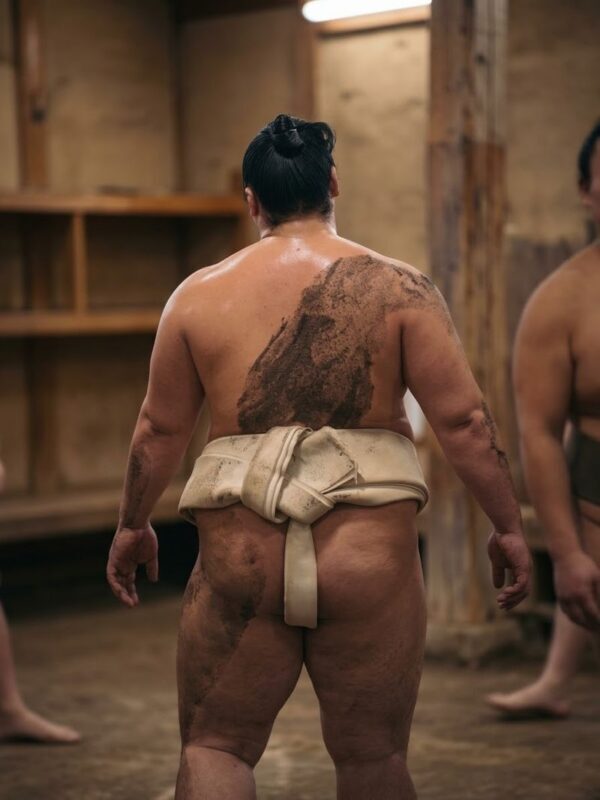
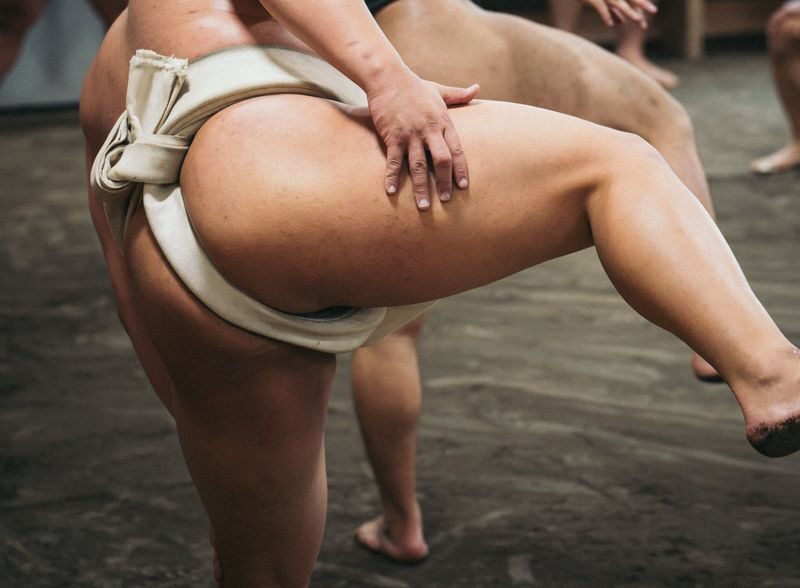
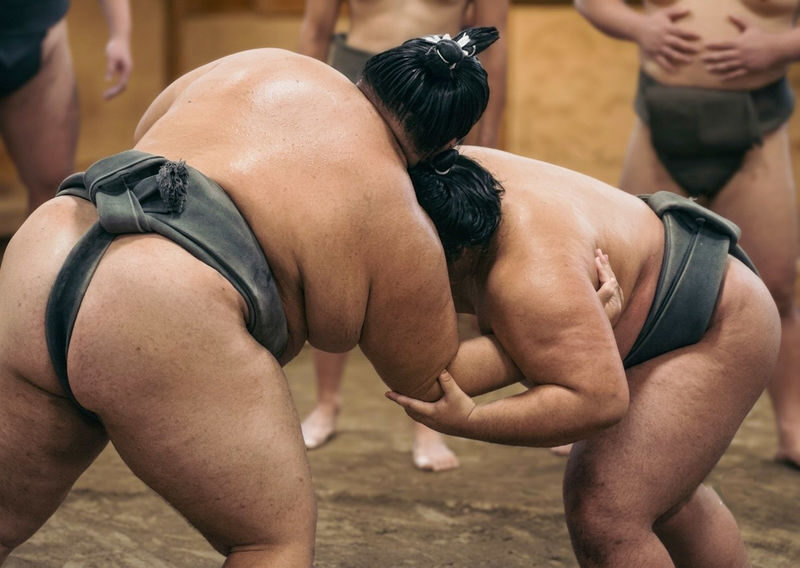
The best part of this Tokyo morning is not a staged bout, but the chance to watch professional wrestlers train at a real sumo stable. You sit quietly near the practice floor as warmups and sparring unfold at close range. The action can be forceful and intense, but this is a working practice, not a show arranged for visitors.
I like two things in particular: the former sumo journalist guide, Shinya Setsu, brings useful context and personal stories, and the walk through Ryogoku adds a little neighborhood history to the visit. One consideration: this starts early, and spectators must follow strict rules. You may need to sit on a floor cushion, stay quiet and keep your phone off.
- At a glance: real training, early start, useful context
- At Ryogoku, sumo is work before it is spectacle
- A journalist’s stories make the rules easier to understand
- The early schedule, step by step
- What the rules mean for your visit
- Is .60 fair value?
- Who should book this Ryogoku morning?
- Booking details worth checking
- Should you book it?
- FAQ
- Where does the tour meet?
- What time does the tour start and finish?
- Do I watch a real sumo match?
- How long is the sumo practice viewing?
- Who leads the explanations?
- Can I ask the wrestlers questions?
- Are children allowed?
- What should I expect during practice?
- Are food and drinks included?
- What is the cancellation policy?
- The Best Of Tokyo!
- More Tours in Tokyo
- More Tour Reviews in Tokyo
At a glance: real training, early start, useful context
 1 / 9
 2 / 9
 3 / 9
 4 / 9
 5 / 9
 6 / 9
 7 / 9
 8 / 9
 9 / 9
- Watch practice, not a staged performance: You observe professional wrestlers training in a serious setting.
- Hear from a sumo specialist: Shinya Setsu, a former sports journalist who covered sumo, leads explanations and answers questions.
- Expect an early morning: The advertised tour runs around 7:30 to 10:30, with meeting and viewing times varying by package.
- See more than the stable: The route includes Former Yasuda Garden, Yokoamicho Park and a return to the Ryogoku Kokugikan area.
- Plan for quiet, careful viewing: Shoes come off indoors, movement is limited, and calls, smoking and drinking are not allowed.
- Price starts at $94.60: Admission to the sumo arena is included; food, drinks and personal spending are not.
👉 See our pick of the Our Picks For The 11 Best Workshops & Classes In Tokyo
At Ryogoku, sumo is work before it is spectacle
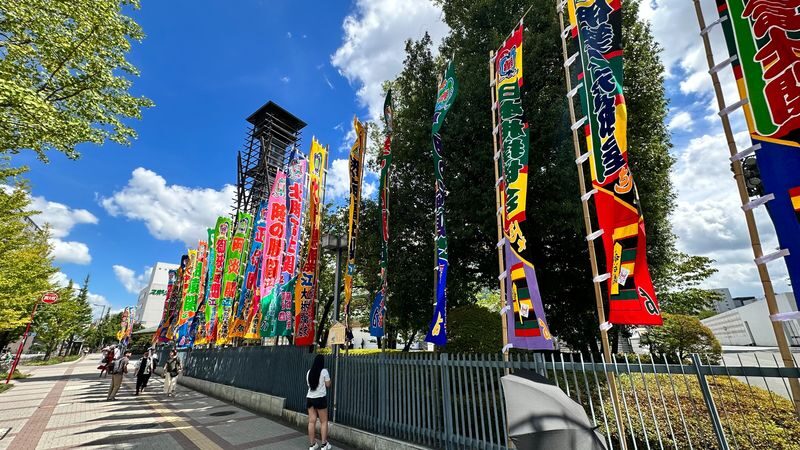
Ryogoku is Tokyo’s sumo neighborhood, and the morning practice here offers a different view of the sport from a tournament or a tourist-oriented demonstration. You are watching wrestlers do their regular training, with the pace and content shaped by the stable’s own routine. The appeal is that you get close to the discipline behind the bouts, not just the dramatic clash at the ring.
The practice can include warmups and sparring. From nearby, you can see the strength involved, but also the repeated effort and form. Some sessions may feel more intense than others. During a tournament period, practice can be lighter, and the wrestlers’ schedules may affect what you see. That variability is part of attending a real session rather than a fixed show.
It is worth arriving with the right expectations. You are there to observe, not to chat with wrestlers or interrupt their work. The Q&A is with your guide after practice, and that is where the details about wrestlers, training and sumo culture come into focus.
You can also read our reviews of more tours and experiences in Tokyo.

A journalist’s stories make the rules easier to understand
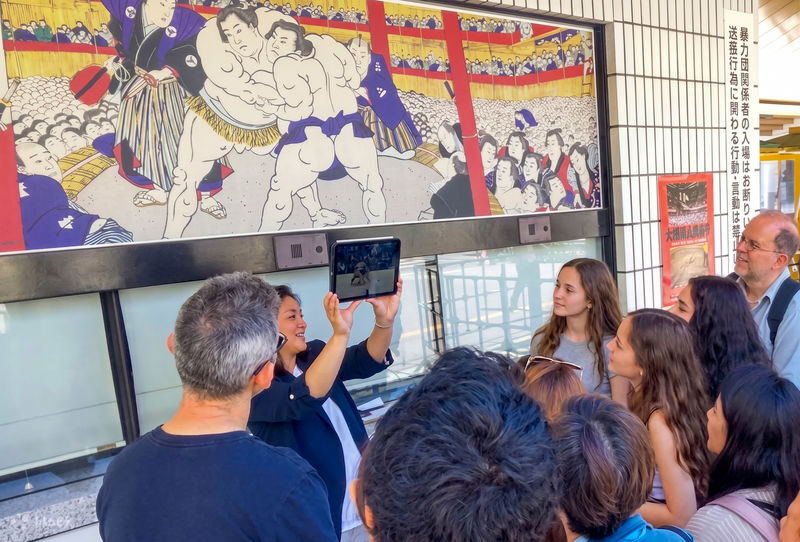
Watching a practice without context can leave you wondering what each drill means, or why a particular bout matters. Shinya Setsu, a former national newspaper sports journalist who covered sumo, helps connect what you see with the sport’s history, rankings and modern life. His commentary is in English, with an interpreter guide also accompanying the tour.
The most valuable part is the chance to ask questions after the practice. You can ask about how wrestlers live and train, how rankings work, or what separates a successful technique from sheer size. Setsu has also shared anecdotes from his years around the sport, including stories about tournaments and individual rikishi. That first-hand reporting perspective gives the tour a different texture from a general cultural introduction.
The explanations continue beyond the stable. The tour includes a look at the competition ring and, depending on access and the day’s arrangements, the sumo museum at Kokugikan. One account describes viewing the museum, while another notes that a tournament was underway and the group did not go inside. Treat arena access as part of the day’s possible variation, not as a guaranteed museum visit.
The early schedule, step by step
The meeting point is near Ryogoku Station, at the Toei Oedo Line’s Exit A2. The JR Ryogoku Station east exit is about a five-minute walk away. The operator sends details by email before the date, and you should arrive five minutes before departure. The tour does not refund late arrivals or no-shows, so build in a little extra time for the station.
There are different viewing arrangements. One option begins at about 7:25 and places you in the front row for more than two and a half hours. Another starts around 8:15, with back-row viewing for about an hour. The general tour schedule lists a 7:30 departure and a 60 to 120 minute practice visit, followed by neighborhood stops and time for questions. Check your selected package and final instructions closely, since the experience length can vary.
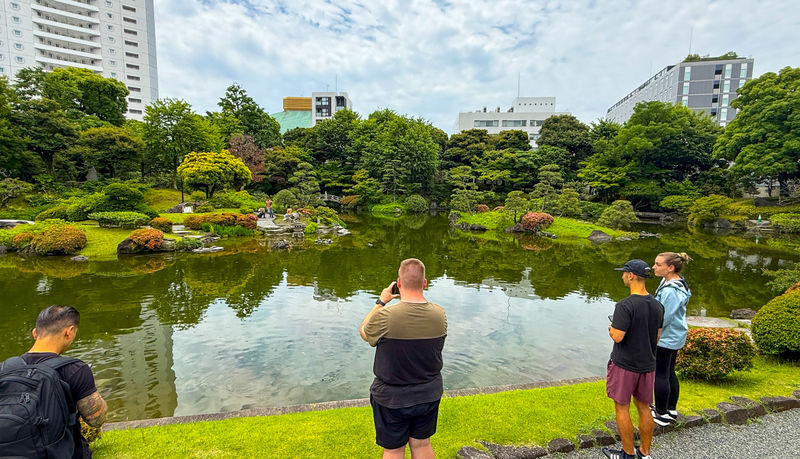
After the practice, the group visits Former Yasuda Garden, a traditional Japanese garden. The planned stop is short, about five minutes, so think of it as a brief change of pace rather than a full garden visit. It gives you a glimpse of a quieter side of Ryogoku before the tour continues.
Yokoamicho Park is another short stop, also planned for about five minutes. The schedule does not promise an extended walk or a long explanation here. Its value is in linking the sumo district to nearby sites and giving the route a little more local context.
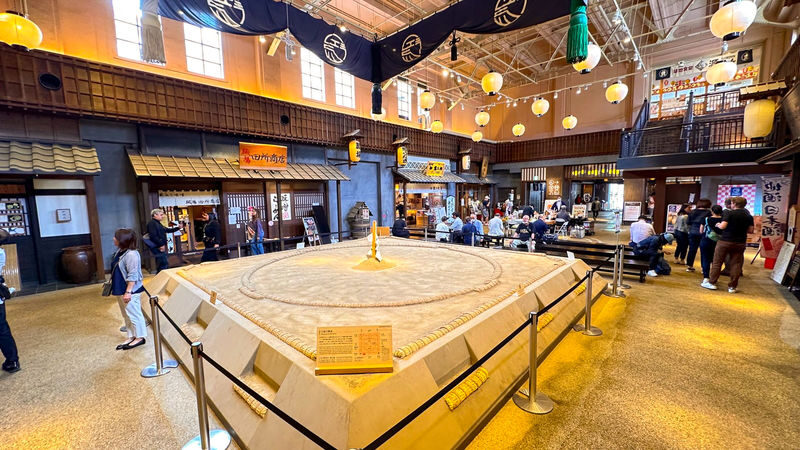
The final portion returns to Ryogoku Kokugikan. You can ask the sumo specialist questions, see a real competition ring and, when access allows, visit the museum. The tour is listed as ending around 10:30, with the return point near Ryogoku Station. You may also leave after watching the practice if you prefer not to continue with the rest of the tour.
What the rules mean for your visit
A sumo stable is not a tourist facility, and the rules are firm. You may be asked to remove your shoes and sit on a floor cushion, either cross-legged or on a chair. During practice, remain quiet and avoid unnecessary movement. Turn off your phone and do not make calls indoors.
Pets are prohibited, and smoking and drinking are not allowed. If you ignore the rules, staff may ask you to leave without re-entry or a refund. These limits are not incidental fine print: they protect a working training session and are part of what makes the visit feel like an observation, rather than an audience performance.
Children aged four and older may join. Children from birth to age three are free if they do not need a separate seat. Keep in mind that a long, quiet morning may be a tougher fit for very young children than the age policy alone suggests.
Is $94.60 fair value?
At a starting price of $94.60 for roughly three hours, this is not a cheap way to fill a morning. But the price covers more than simply standing near a practice floor: you get a guided visit, English interpretation, an expert Q&A and a short walk through the sumo district. Admission to the sumo arena is included, while meals, drinks and personal expenses are extra.
The main value is access and explanation. A tournament ticket lets you see official bouts, but it does not necessarily show you a stable’s training routine or provide a journalist to explain the sport’s daily workings. This tour is a strong choice if you want the behind-the-scenes perspective and are curious about sumo beyond the big-match atmosphere.
The practice itself can change from day to day, and not every session will offer the same amount of action or the same wrestlers. Several participants have found the close view and guide’s commentary worth the early start, while one practical account notes the observation could last longer than expected. If a fixed timetable matters to you, leave room in your morning afterward.
Who should book this Ryogoku morning?
I’d recommend this to first-time visitors who want to understand sumo, not just watch a match. A guide can explain what you are seeing while the wrestlers train, and the questions afterward help turn an unfamiliar ritual into something you can follow. It also suits established sumo fans: you may recognize wrestlers if they happen to be at practice, and the reporter’s stories add context even if you already know the basics.
It can work well for families with school-age children. One family with children aged 10 and 14 found the tour engaging, and children aged four and up are eligible. Still, be honest about your child’s ability to sit quietly and follow the rules for an extended period.
This is not the best fit if you want to interact directly with wrestlers, take a casual approach to the viewing rules, or sleep in. Nor should you book it expecting a guaranteed tournament bout, a fixed practice length, or arena access in every circumstance. The draw is a close look at real training, with a specialist to help you make sense of it.
Booking details worth checking
The activity is offered by 株式会社KimiBoku, with a stated price from $94.60 and instant confirmation. The mobile voucher is valid only for the date and time booked. Changes are generally allowed until 24 hours before the activity, subject to the booking’s terms and exclusions.
You can cancel for a full refund if you do so at least 24 hours before the activity date, using destination local time. In extreme weather or other unforeseen events, the operator may cancel and offer a reschedule or full refund. Check the departure email for the precise meeting details and your viewing arrangement before setting out.
Should you book it?
Book this tour if you want authentic sumo practice with an expert guide, and if an early start and quiet observation suit you. It is especially worthwhile for curious newcomers and fans who want more than a stadium seat. If you mainly want to see official tournament bouts, book a tournament experience instead, or use this tour to understand the sport before attending one.
Tokyo Authentic Sumo with journalist walks
“Tour was great! Our guide was great and showed us all the best spots, answered all our questions, and made it a worthwhile experience. I would do t…”
FAQ
Where does the tour meet?
Meet near the Toei Oedo Line’s Ryogoku Station, Exit A2, at ground level. The east exit of JR Ryogoku Station is about a five-minute walk away. The operator emails the final meeting details before the tour.
What time does the tour start and finish?
The general schedule is about 7:30 to 10:30. The viewing arrangement can vary: one option begins around 7:25 with front-row viewing for more than two and a half hours, while another begins around 8:15 with about an hour of back-row viewing.
Do I watch a real sumo match?
No. The central activity is watching professional wrestlers at morning practice in a real sumo stable. It is not a staged show or an official tournament bout.
How long is the sumo practice viewing?
The planned observation is 60 to 120 minutes in the general schedule. The selected package may offer a different viewing period, so check its stated time before booking.
Who leads the explanations?
The tour includes a sumo specialist and an interpreter guide. Shinya Setsu, a former national newspaper journalist who covered sumo, has led tours and shares explanations and stories about the sport.
Can I ask the wrestlers questions?
The Q&A is with the sumo specialist after practice. Spectators are expected to observe quietly and avoid disturbing the wrestlers while they train.
Are children allowed?
Participants must be at least four years old. Children aged zero to three may join free if they do not occupy a separate seat.
What should I expect during practice?
You should expect quiet, attentive viewing. Shoes must be removed indoors, and you may sit cross-legged on a floor cushion or on a chair. Keep movement to a minimum and turn off your phone.
Are food and drinks included?
No. Meals and beverages are not included, and other personal expenses are also extra.
What is the cancellation policy?
A full refund is available if you cancel at least 24 hours before the activity date, using local destination time. If unforeseen events or extreme weather cause the operator to cancel, you may reschedule or request a full refund.