Tokyo shows a different face before lunch: temple grounds before the day’s crowds build, market stalls serving breakfast, and a citywide train lesson worked into the trip. This tour links Asakusa, Tsukiji, Meiji Jingu and Shibuya in one morning, with an English-speaking guide leading the way.
I like two things in particular: the group is limited to eight or can be private, and the guide helps you learn to use public transit as you go. Amy is one guide named in connection with the tour, though you can’t count on being assigned to her.
The main consideration is the pace. Four stops and several train rides make for a full morning, and your time at each place is set by the schedule. Check the departure and return options carefully, and don’t plan a leisurely breakfast or long shopping stop along the way.
- The useful details at a glance
- Starting in Asakusa at Sensoji
- Learning Tokyo’s trains on the way to Tsukiji
- Tasting the market atmosphere at Tsukiji
- Finding quiet at Meiji Jingu Shrine
- Ending at Shibuya Crossing
- What the morning’s pace means for you
- Is .50 a fair price?
- Booking and meeting-day tips
- Should you book this Tokyo morning tour?
- FAQ
- How much does the tour cost?
- Which places does the tour visit?
- What time can I start?
- Where is the meeting point?
- How early should I arrive?
- Where does the tour end?
- What time does the tour return?
- How large is the group?
- Is the tour in English?
- Can I cancel for a refund?
- The Best Of Tokyo!
- More Shopping Tours in Tokyo
- More Tours in Tokyo
- More Tour Reviews in Tokyo
The useful details at a glance
 1 / 10
 2 / 10
 3 / 10
 4 / 10
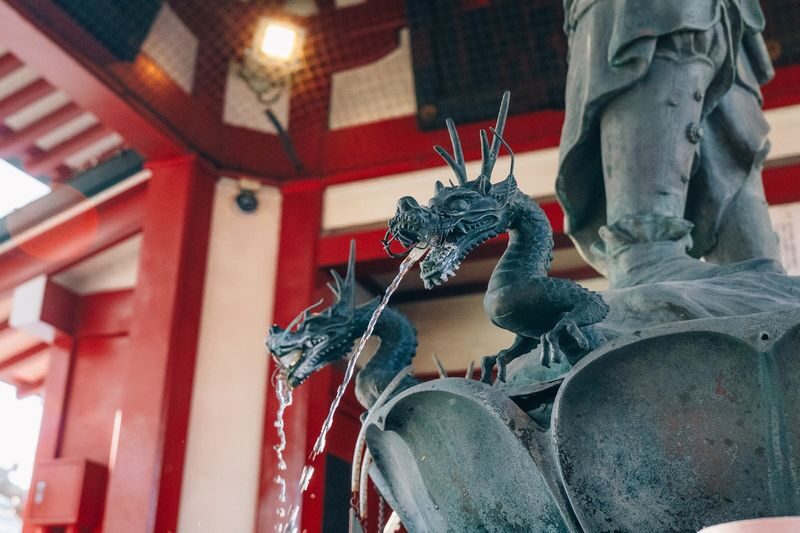 5 / 10
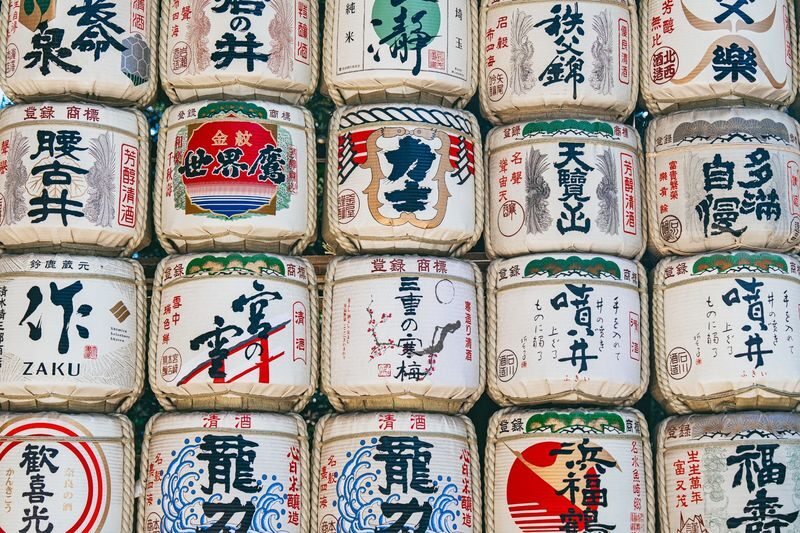 6 / 10
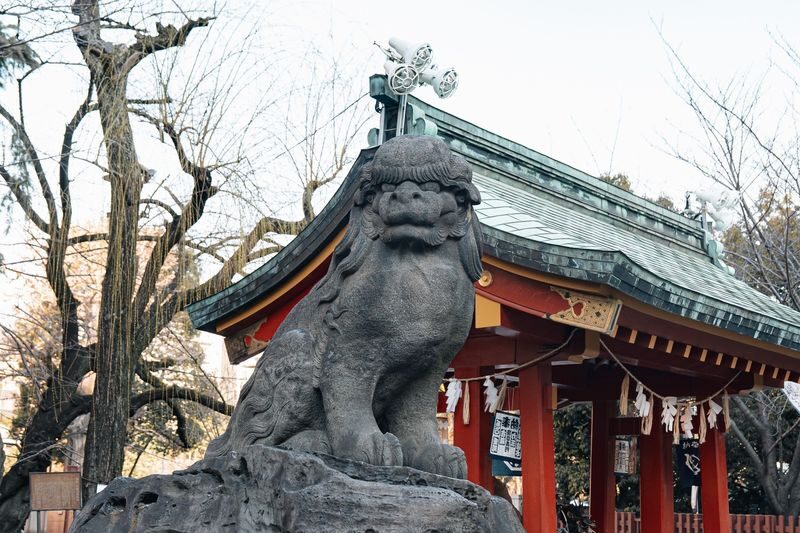 7 / 10
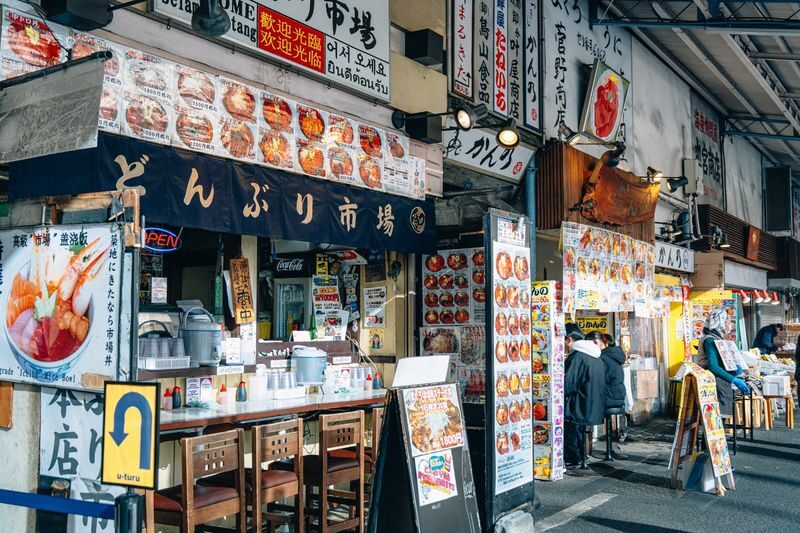 8 / 10
 9 / 10
 10 / 10
- Four classic Tokyo stops before lunch: Sensoji Temple, Tsukiji Outer Market, Meiji Jingu Shrine and Shibuya Crossing.
- A small group or private outing: The group option is capped at eight, a manageable size for moving through busy stations and temple grounds.
- A practical train lesson: The route includes three train rides, and the guide helps you learn how to use Tokyo’s public transit.
- An early start: Choose a departure at 06:45, 07:15, 07:45 or 08:15. The early timing is meant to help you see the sights before crowds swell.
- A lively food stop: Tsukiji Outer Market has sushi, sashimi and tamagoyaki, a Japanese rolled omelet, among its market foods.
- A Shibuya finish: The tour ends near Hachiko Statue and the scramble crossing, with lunch options nearby.
👉 See our pick of the Our Picks For The 11 Best Workshops & Classes In Tokyo
Starting in Asakusa at Sensoji
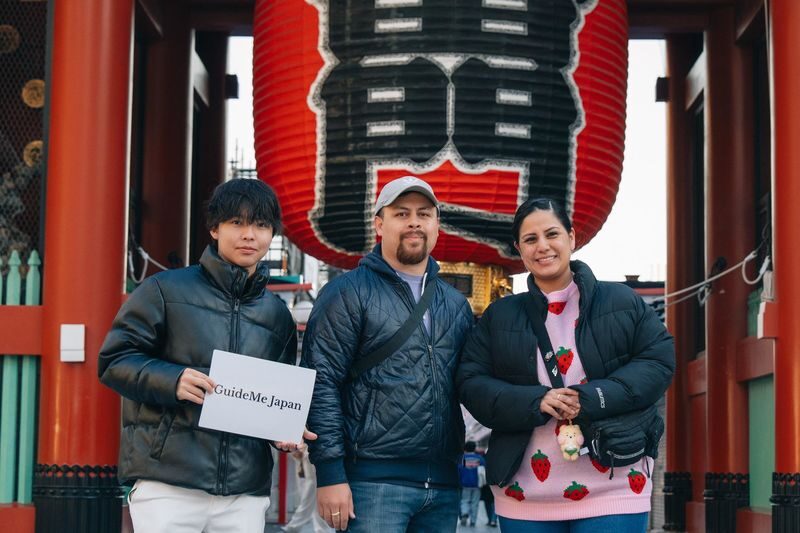
The tour meets in front of Burger King Asakusa Azumabashi, at Cross Bil Royal Palace, 2-chome-20-6 Kaminarimon, Taito City. Look for a guide holding a GuideMeJapan sign, and arrive five minutes before your chosen departure time.
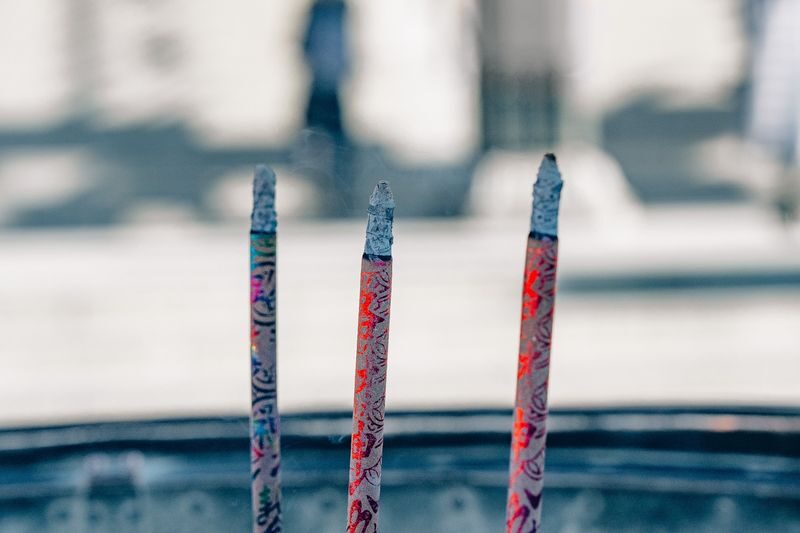
From there, you begin in Asakusa, a historic district known for Sensoji, Tokyo’s oldest and best-known Buddhist temple. The guided visit lasts about an hour and a half, giving this first stop more time than any other on the route.
Sensoji is a good place to begin because it offers an immediate contrast: a major temple in a city that is already moving at full speed. The neighboring Nakamise Shopping Street adds a commercial edge to the traditional setting. You can take in the temple and the approach without having to work out the route or context on your own.
The early start matters here. It can mean a calmer visit than you’d get later in the day, though it doesn’t guarantee an empty temple or street. If you want time to browse every shop, take photographs at length or pause for a snack, keep in mind that this is a guided group itinerary, not a free-roaming morning.
You can also read our reviews of more shopping tours in Tokyo


Learning Tokyo’s trains on the way to Tsukiji
After Asakusa, the group takes a train for about 20 minutes to Tsukiji Outer Market. The transit is part of the experience, not just dead time between sights: your guide can show you how to use Tokyo’s public transit while you travel.
That’s useful if you are new to the city and expect to make more train trips on your own. You’ll have a real route to follow, with a guide there to answer questions, rather than just receiving general advice. One person who took the tour specifically appreciated that getting between the sights made learning the train system feel like part of the outing. Amy, praised for patience and an engaging personality, is a guide name associated with the experience, but guide assignments can vary.
The route lists two more train rides, about 20 minutes to Meiji Jingu and about 10 minutes to Shibuya. Those short transfers help connect otherwise spread-out sights, while giving you further chances to get comfortable with the system. The tour details do not specify whether transit fares are included, so check that before booking.
Tasting the market atmosphere at Tsukiji
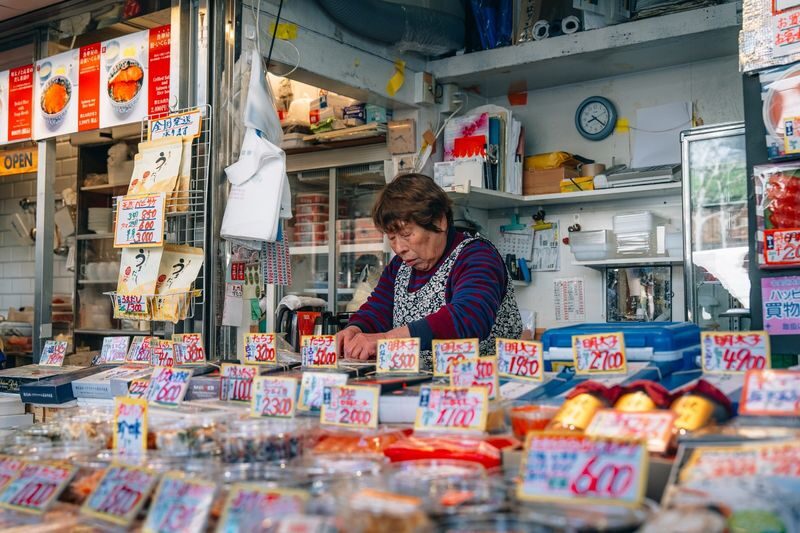
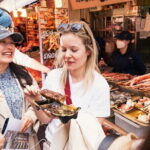
You have about an hour at Tsukiji Outer Market, once the world’s largest seafood market and still a popular stop for food lovers. The market is known for sushi, sashimi and egg omelet, so it gives you a chance to see Tokyo’s food culture up close.
This is a guided visit, but the details don’t say that food is included in the tour price. Treat any tasting as an extra expense unless your booking confirms otherwise. An hour can be enough for a look around and a bite, but it is not a long market crawl. If sampling several stalls is high on your list, you may find the pace tight.
The food focus is a welcome change after the temple visit. Asakusa gives you a historic and religious landmark; Tsukiji puts the emphasis on what people eat. The contrast is one of the strengths of a route that has to cover a lot in one morning.
Finding quiet at Meiji Jingu Shrine
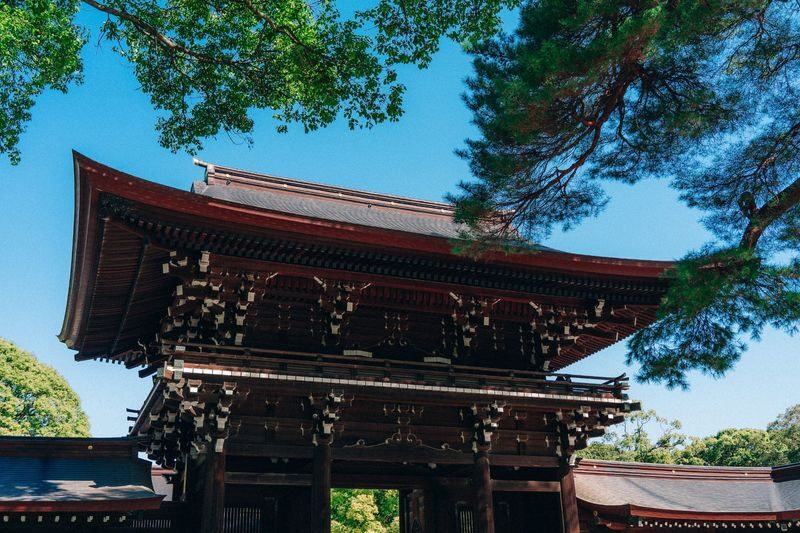
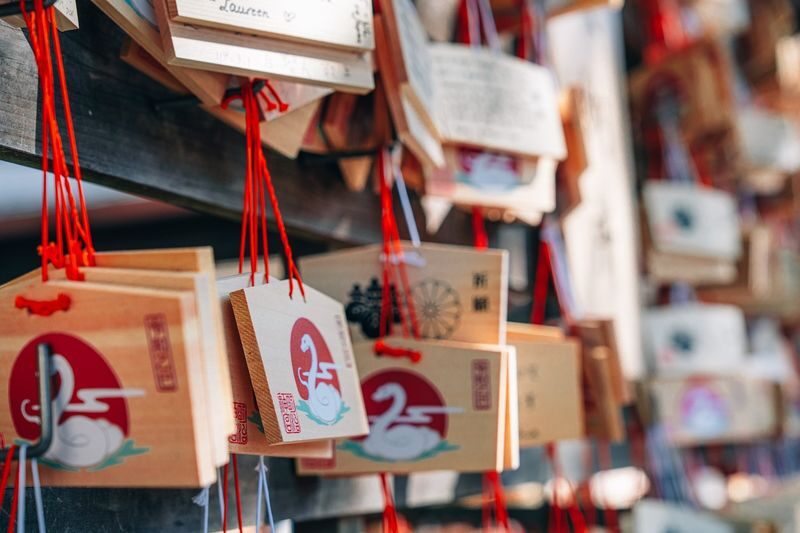
The next train ride takes about 20 minutes, followed by a one-hour guided visit to Meiji Jingu Shrine. Set in a forested area in the heart of Tokyo, the Shinto shrine is dedicated to Emperor Meiji and Empress Shoken.
After the market, the shrine offers a change of pace. Its wooded setting creates a calmer feel than the commercial streets and train stations on either side of the visit. You’ll get a guided introduction rather than simply passing through, which is helpful if you want context for a site that may otherwise seem quiet and understated.
The tour gives you an hour here. That’s enough to make the shrine a meaningful stop, but the schedule does not suggest an extended walk or a long pause. Keep your expectations aligned with a guided overview and a full itinerary.
Ending at Shibuya Crossing
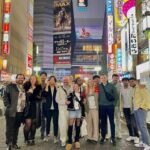
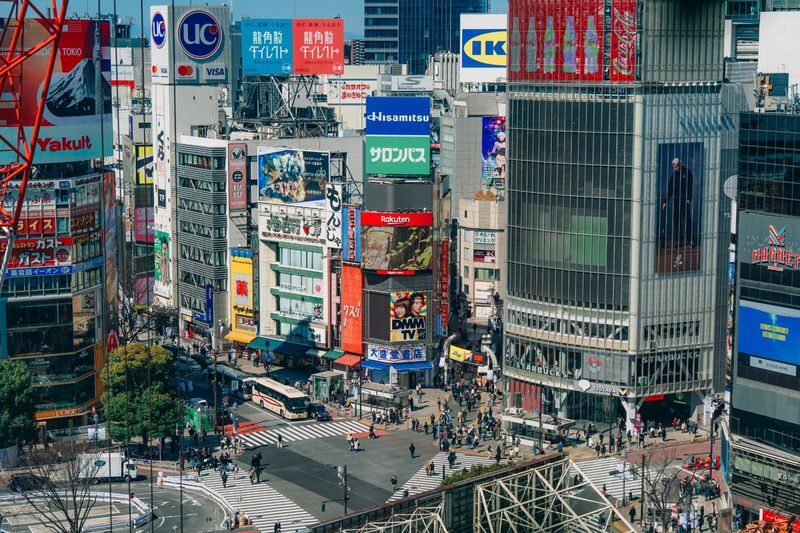
A roughly 10-minute train ride brings you to Shibuya, where the tour spends about an hour around the famous scramble crossing. Located outside Shibuya Station, the crossing is known for people moving across it from several directions at once.
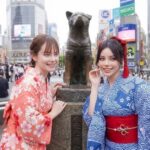
The stop brings the morning back into the city’s modern pulse. After the temple grounds and shrine forest, Shibuya’s scale and movement make a fitting final chapter. You’ll end near the Hachiko Statue and the crossing, a convenient place to choose lunch and continue exploring on your own.
An hour is a generous portion of the listed schedule for this stop, but the tour remains guided. If you want to linger independently, take more photographs or visit other Shibuya attractions, you can do that after the group portion ends. The tour itself does not list a visit to Shibuya Sky, so don’t assume that viewpoint is part of the experience.
You can also read our reviews of more tours and experiences in Tokyo


What the morning’s pace means for you
The four guided stops total four and a half hours: 90 minutes at Sensoji, an hour each at Tsukiji, Meiji Jingu and Shibuya. Add the listed train rides, about 50 minutes in all, and you can see why the schedule is a brisk half-day rather than a slow wander. The timing can change with traffic and weather, so treat the stated return windows as options rather than a promise of an exact minute.
Departures are offered at 06:45, 07:15, 07:45 and 08:15. Return options are 11:45, 12:15, 12:45 and 13:15, with available combinations depending on the departure time and itinerary duration. Choose the earliest slot if avoiding crowds is your top priority, and leave some flexibility in your afternoon plans.
This tour suits you if you want an efficient introduction to several major sights, value the company of an English-speaking guide, or feel unsure about using Tokyo trains. The small group cap should make it easier to ask questions than on a large coach tour. A private option is available if you prefer a more personal outing, though the supplied price information does not give a separate private-tour rate.
It is less suited to you if you want to spend hours at the market, browse at your own pace, or build the morning around a long meal. The route is designed to cover a lot, so you trade lingering time for variety and the convenience of a guide connecting the stops.
Is $61.50 a fair price?
The tour starts at $61.50. For that price, the appeal is not just four well-known locations. You’re also paying for an English-speaking guide, a small group option, a planned route across several parts of Tokyo and help understanding the train system as you go.
That can be good value if Tokyo transit feels daunting or if you have only one morning to get oriented. A guide also adds context to a temple, market and shrine that you might otherwise see as separate photo stops. On the other hand, food, transit fares and any admissions are not specified in the tour details, so check what is included before you compare the price with a self-guided day.
GuideMe Japan Corporation has 331 total reviews and a 92% good review rate. The overall figure suggests a broadly positive record, while the individual feedback available for this specific outing is limited. The clearest praise points to patient answers, a guide with a warm personality and the train rides as a useful learning experience. Those are exactly the features that matter most if you want both sightseeing and practical orientation.
Booking and meeting-day tips
Your voucher is valid only for the date and time booked. Confirmation is expected within minutes; if it does not arrive, contact customer support. The meeting point is specific, so use the full address and look for the GuideMeJapan sign in front of the Burger King rather than relying on the broad Asakusa area name alone.
Arrive five minutes early and choose your departure time with the whole morning in mind. The tour ends at Shibuya Hachiko Statue, near the scramble crossing, where you can choose from lunch options in the area. The operator may cancel for extreme weather or other unforeseen events, in which case you can reschedule or request a full refund. You can also receive a full refund if you cancel at least 24 hours before the activity date, based on local time.
Should you book this Tokyo morning tour?
Book it if you want to see Asakusa, Tsukiji, Meiji Jingu and Shibuya in one guided morning, and if learning the trains is as useful to you as seeing the landmarks. The small-group limit, early departures and knowledgeable-feeling route design make it especially appealing for a first Tokyo visit or a short stay.
Skip it if your ideal morning means shopping slowly, eating your way through Tsukiji or spending as long as you like at each temple. The value here comes from connection and coverage, not from unstructured time. If that trade-off suits you, this is a practical way to get four very different sides of Tokyo before lunch.
Tokyo Early Morning Tour Asakusa Meiji Shrine and Tsukiji Market
“great tour with an awesome guide, Amy. she was able to, paitiently, answer all our questions and had a great personality while showing us the sites…”
FAQ
How much does the tour cost?
The listed starting price is US$61.50. The details do not specify whether food, train fares or admissions are included, so check the booking terms before you go.
Which places does the tour visit?
The route includes Sensoji Temple in Asakusa, Tsukiji Outer Market, Meiji Jingu Shrine and Shibuya Scramble Crossing.
What time can I start?
Departure options are 06:45, 07:15, 07:45 and 08:15. You must join at the time selected when booking.
Where is the meeting point?
Meet in front of Burger King Asakusa Azumabashi at Cross Bil Royal Palace, 2-chome-20-6 Kaminarimon, Taito City, Tokyo. The guide will have a GuideMeJapan sign.
How early should I arrive?
Arrive five minutes before your selected departure time.
Where does the tour end?
The tour ends at Shibuya Hachiko Statue, near the scramble crossing, at 2 Chome-1 Dogenzaka, Shibuya, Tokyo.
What time does the tour return?
Return options are 11:45, 12:15, 12:45 and 13:15. The available return time depends on your departure and the itinerary duration.
How large is the group?
The group option is limited to a maximum of eight people. A private option is also available.
Is the tour in English?
Yes. The tour includes an English-speaking guide.
Can I cancel for a refund?
You can receive a full refund if you cancel at least 24 hours before the activity date, using destination local time. If extreme weather or another unforeseen event leads the operator to cancel, you can reschedule or request a full refund.