A short walk from Harajuku’s city noise, Meiji Shrine’s tree-lined approach feels like a change of pace. About 100,000 trees shade the paths, and the quiet can be striking. Your guide helps make sense of the shrine’s customs and of the history behind this major Shinto site.
I like two things in particular: the small group, limited to 10, which gives you room to ask questions, and the chance to learn simple shrine etiquette as you go. Guides such as Tomo, Frankie, Keiko and Airi have led tours here, and the strongest feature of the experience is the personal explanation of what you are seeing.
One consideration: the 90-minute tour is a compact introduction, not an in-depth study of Shinto or Japan’s imperial system. The route also mentions a sweet or special treat at the end, but food is not listed among the included items, so plan to pay separately if you stop for something.
- Key points before you book
- From Harajuku Station into the shrine forest
- The approach path and the 12-meter torii
- Meiji Jingu, Shinto customs and the imperial system
- A short route with room for questions
- What the price buys you
- Practical details for a smoother visit
- Should you book the Meiji Shrine walking tour?
- FAQ
- How long is the walking tour?
- Where do I meet the guide?
- What departure times are available?
- Where does the tour end?
- What language is the tour in?
- How many people can join the group?
- What should I wear?
- Can children join?
- Is food included?
- What is the cancellation policy?
- The Best Of Tokyo!
- More Walking Tours in Tokyo
- More Tours in Tokyo
- More Tour Reviews in Tokyo
Key points before you book
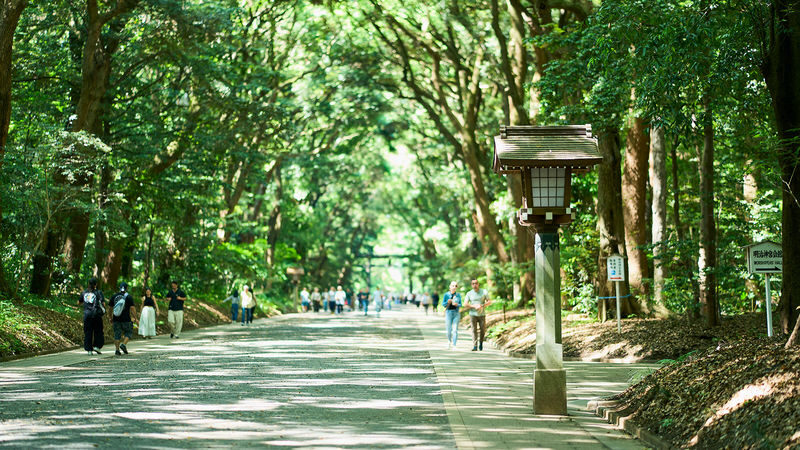
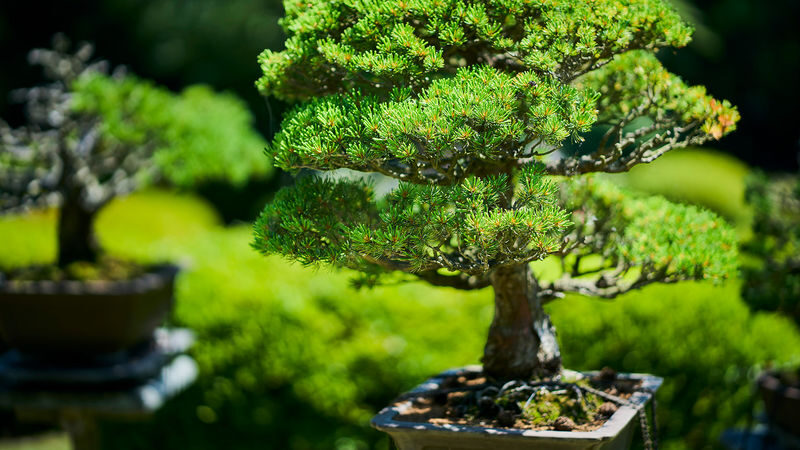

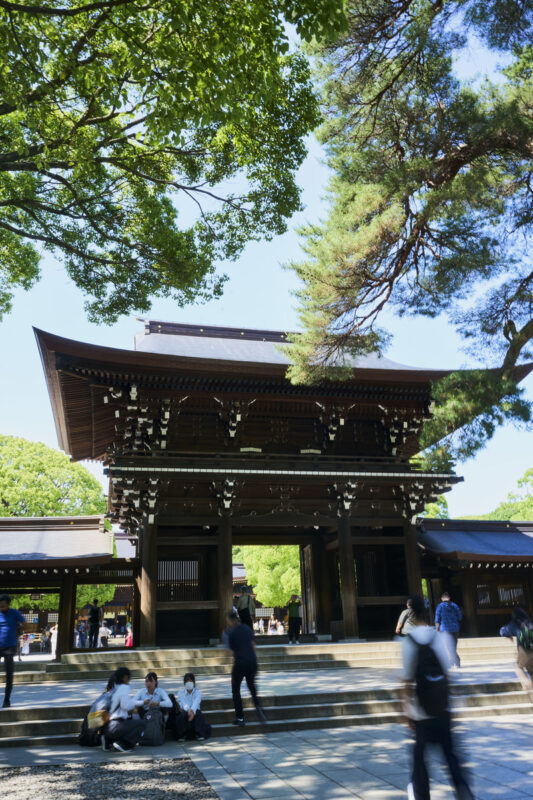
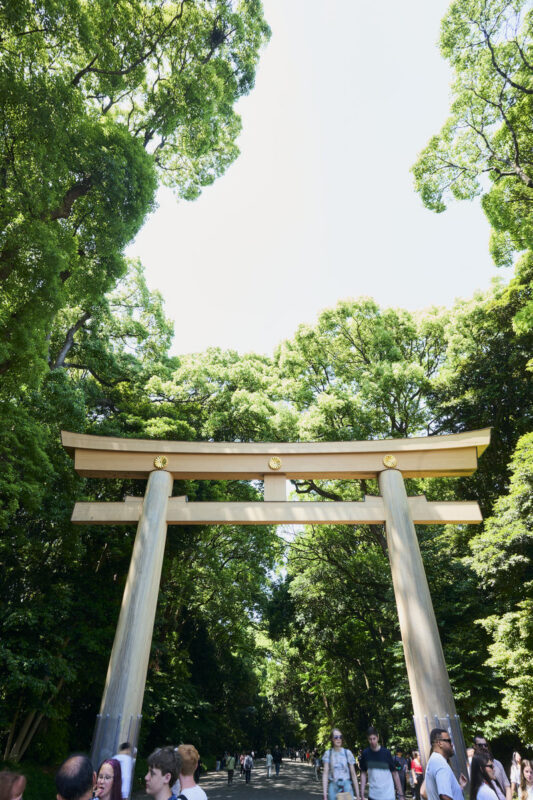
- A forest walk in central Tokyo: Meiji Shrine’s approach passes beneath roughly 100,000 trees.
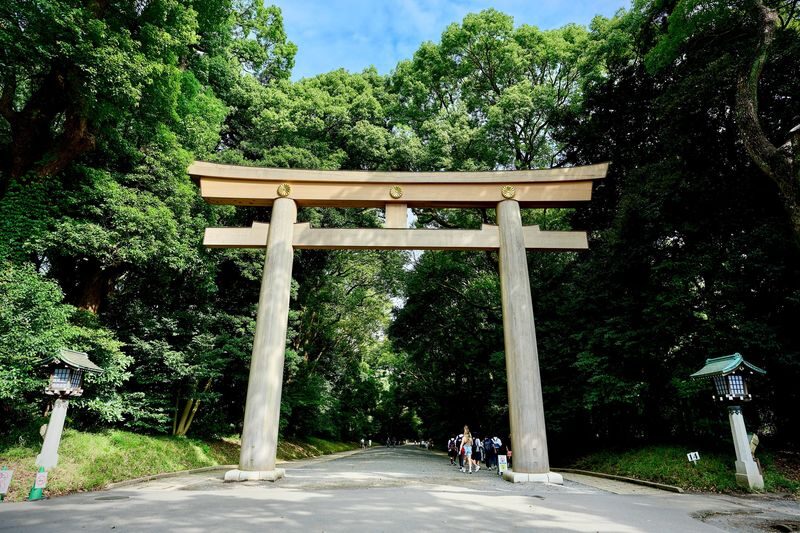
- A 12-meter wooden torii: The gate is made from Taiwanese cypress said to be 1,500 years old.
- Small-group format: The tour is limited to 10 people, with an English-speaking guide.
- Customs you can use: Learn why visitors walk at the sides of the path and how to approach a shrine visit.
- A history lesson with a broad sweep: The guide connects Shinto and the imperial system with Japan’s shift from samurai rule to modern life.
- A short, fixed-time outing: The listed walking tour lasts 90 minutes, with several possible departure times.

👉 See our pick of the Our Picks For The 11 Best Workshops & Classes In Tokyo
From Harajuku Station into the shrine forest
You meet your guide at the Omotesando Exit, also called the East Gate, of JR Harajuku Station. Look for a guide holding a Local Guide Stars sign. The meeting point is convenient for a walk that begins in the city and soon enters the shrine’s wooded grounds, but take care to use the right station exit.
Choose from departure times of 09:00, 11:00, 12:00 or 14:30 when booking. You are asked to arrive 15 minutes early, and the selected departure time matters. The return is to Harajuku Station, though the available return times depend on your start time and the itinerary length.
The transition is part of the appeal. A major Tokyo shrine sits close to Harajuku’s busy streets, yet the shaded paths offer a calmer setting. Birdsong and tall trees replace much of the city sound. The contrast helps you feel why this place is often described as a quiet heart of tradition, rather than simply another stop on a shopping-day itinerary.
The tour is advertised as 90 minutes. That makes it a practical choice if you want context without giving up half a day. Still, walking time and the pace of explanations can shape how long you are out, so check the return details for your chosen departure before you plan a tight connection or meal afterward.
You can also read our reviews of more walking tours in Tokyo



The approach path and the 12-meter torii
The path to the main shrine is more than a stroll through greenery. Your guide can explain why the forest was planted and point out how the grounds create a sense of separation from the nearby city. That context changes the walk from a pleasant shortcut into part of the visit itself.
One of the most striking landmarks is Japan’s largest wooden torii gate. It stands about 12 meters high and is made from a Taiwanese cypress that is around 1,500 years old. The size is impressive, but the material and age give the gate a stronger presence than a quick photo stop might suggest.
There is also a small custom worth remembering: when you pass through a torii, walk along the edge of the path rather than down its center. The central route, called seichu, is reserved for deities. It is an easy detail to miss if you walk through on your own, and a useful example of how a guide can explain the meaning behind ordinary-looking actions.
The forest itself is not untouched wilderness. The grounds include about 100,000 trees, and the guide can discuss how the planted woodland became part of the shrine’s setting. That is an especially useful point for visitors who assume the quiet is simply a natural feature of the site.
Meiji Jingu, Shinto customs and the imperial system
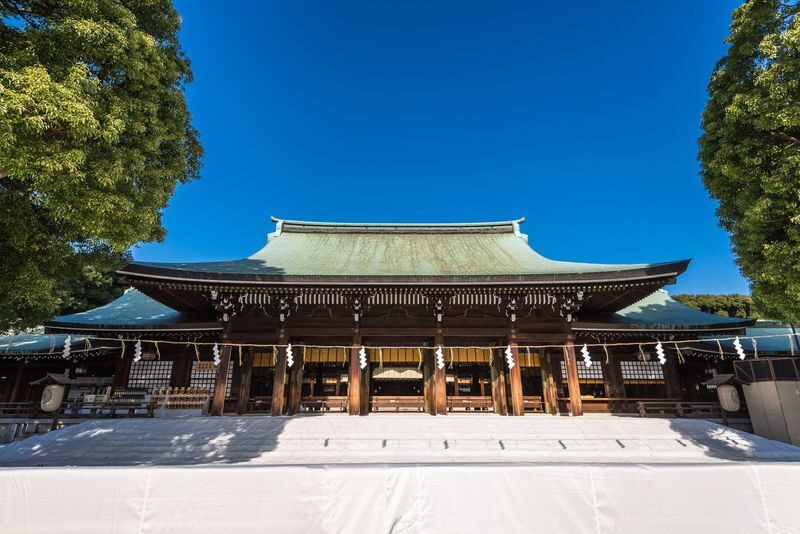
At Meiji Jingu, the guide shifts from the path to the shrine’s religious and historical meaning. The tour introduces Shinto, Japan’s indigenous religion, and the place of the imperial system in the country’s history. The experience presents that system as extending back 2,600 years, while also tracing Japan’s change from a samurai society to a modern nation.
That is a lot of ground for a short walk. Think of the tour as a clear starting point, not a complete account of Japanese history. The real benefit is being able to ask a local guide what a symbol, ritual or historical reference means in the moment, rather than trying to piece it together from signs alone.
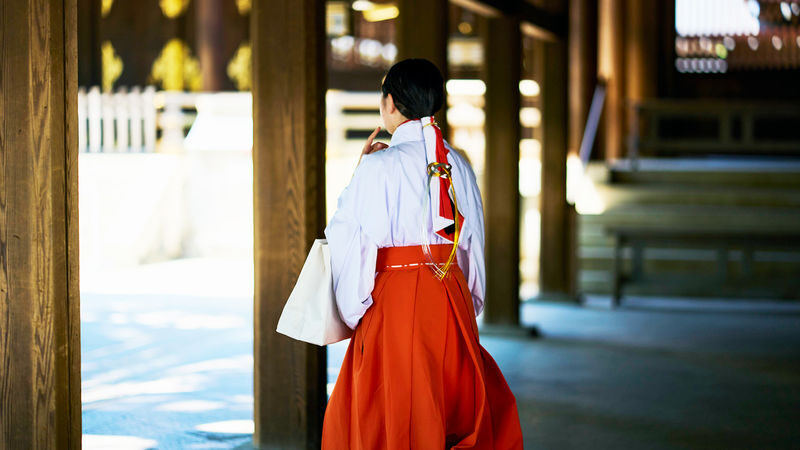
The shrine visit also includes practical guidance on how to take part respectfully. You may offer a coin, write a wish or draw a sacred poem for wisdom. These small actions can make the visit more engaging, especially if you are new to Shinto customs and would rather know what you are doing than copy the person ahead of you.
Bring a coin if you would like to make an offering. One guide, Tomo, has even lent coins to visitors who did not have one, but that is a kind gesture, not something to count on. A little preparation lets you take part without making the moment awkward.
The guides are central to the experience. Names from past tours include Frankie, Tomo, Keiko, Airi, Ayaka, Yuuki, Nanami, Ami and Nono. The qualities most often highlighted are clear explanations, kindness and an ability to keep children interested. If you are travelling with curious kids, the small-group format gives them a better chance to ask questions than a large coach tour would.
Some tours may end up private if no one else books the same time. That can give you more freedom to set the pace and ask questions, though it is not guaranteed. For solo visitors, a guide can also make the shrine feel less like a place to walk through and more like a place whose customs you can understand.
A short route with room for questions
The walk follows a simple pattern: meet at Harajuku Station, take the path toward the main shrine, visit Meiji Jingu, and return to the station. The schedule may change with weather or other conditions. There is no transport included or needed for the described route, and the main activity is on foot.
A 10-person cap is a useful middle ground. It is more personal than a large group and still offers the social ease of a shared tour. If you have a question about an imperial symbol, a ritual or the forest, you have a fair chance of getting an answer without interrupting a lecture or losing the guide in a crowd.
The main trade-off is depth. In 90 minutes, the guide has to choose what to explain. If you want a detailed history of Shinto, the imperial household and every feature of the shrine, you may want a longer or more specialized tour. If you want enough context to make the visit meaningful, this format is well suited to the job.
What the price buys you
The experience is advertised from $17.70, while the listed 90-minute walking package starts at $25.29. Since the figures differ, check the price shown for your chosen date and package before booking. The included service is an English-speaking staff member; food is not listed as included.
For a short guided walk, the value comes less from the distance covered than from what you learn along it. You get an introduction to Shinto etiquette, the shrine’s forest and the imperial history behind the visit. A guide can also answer questions in real time, which is particularly useful if this is your first shrine visit.
The price is reasonable for an introduction, especially if you are short on time or travelling with family. It is less compelling if you already know the shrine’s customs and mainly want to wander at your own pace. The grounds can be visited without a guide, so the decision rests on how much you value explanation and interaction.
The route hints at ending with something sweet or special, but the package details do not specify a meal or snack as part of the price. Treat that as a possible extra stop rather than a promised food tasting. If you want to plan a meal around the tour, confirm what the selected departure includes.



Practical details for a smoother visit
Wear walking shoes. The experience involves a walk along paths through the shrine grounds, and comfortable footwear is more useful than dress shoes. No special clothing requirement is given.
Children aged 12 and older pay the adult rate. Children aged 0 to 2 can join free. The tour’s explanations can work well for families with questions, but remember that it remains a walking tour with a set duration.
Your mobile voucher is accepted, and confirmation is expected within minutes of booking. If it does not appear, contact customer support. The voucher is valid only for the date and time specified, so keep your selected departure in mind.
You can cancel for a full refund at least 24 hours before the activity date, using local time at the destination. In extreme weather or other unforeseen events, the operator may cancel and offer the option to reschedule.
Should you book the Meiji Shrine walking tour?
Book it if you want a calm, guided introduction to one of Tokyo’s best-known Shinto shrines, and you value hearing why the customs matter. The forest, the old cypress torii and the chance to ask about Shinto and Japan’s imperial system make the short walk more rewarding than simply following the path on your own.
It is also a good fit for solo visitors, first-time shrine-goers and families who like asking questions. If you want a long historical seminar, a guaranteed private tour or a meal included in the price, this is not the right choice. For a compact, personal walk that helps you read the place with more understanding, it is a sensible use of 90 minutes.
Tokyo: Meiji Shrine Walking Tour – Shintoism & Imperial System
“our guide Tomo was amazing. he gave us a bunch of interesting information about the shrine and was wonderful interacting with my two chatty kids an…”
FAQ
How long is the walking tour?
The package described is a 90-minute walking tour. Return-time options can vary based on the departure time and itinerary.
Where do I meet the guide?
Meet at the Omotesando Exit, also called the East Gate, of JR Harajuku Station. The guide will hold a sign that says Local Guide Stars.
What departure times are available?
The listed choices are 09:00, 11:00, 12:00 and 14:30. Choose your time when booking and arrive 15 minutes early.
Where does the tour end?
The return point is Harajuku Station. The available return time depends on your selected departure and itinerary.
What language is the tour in?
An English-speaking staff member is included.
How many people can join the group?
The small-group tour is limited to 10 people.
What should I wear?
Walking shoes are recommended for the shrine paths.
Can children join?
Children aged 0 to 2 can join free. Children aged 12 and older are charged the same rate as adults.
Is food included?
Food is not listed among the included items. The route mentions ending with something sweet or special, so check the package details if you are expecting a snack or meal.
What is the cancellation policy?
You can receive a full refund if you cancel at least 24 hours before the activity date, using local time at the destination. If extreme weather or another unforeseen event leads the operator to cancel, you may reschedule.