Tokyo’s Imperial Palace East Gardens put the city’s past within easy reach of its present: stone castle remains and garden paths sit beside the modern capital. This walk focuses on the former Edo Castle grounds, where a guide can connect the scattered structures to the era of shoguns and samurai.
I like two things here: the small-group format, which leaves room to ask questions, and the route’s mix of gardens, guardhouses and castle remains. One important limit: you do not enter the Imperial Palace itself. The visit is to the East Gardens, so book this for history and context, not a look inside the Emperor’s residence.
- What to know before you book
- A castle site hiding in plain sight
- From Ote-mon Gate into the gardens
- Ninomaru Garden and Suwa-no-Chaya
- Edo Castle’s ruins and defenses
- The keep model and Obansho Guardhouse
- What makes the guide worth paying for
- Price, comfort and practical details
- Who should book this walk
- FAQ
- Does this tour enter the Imperial Palace?
- How long does the tour last?
- Where is the meeting point?
- Where does the tour end?
- What language does the guide speak?
- How large is the group?
- What should I wear?
- Is the tour wheelchair-accessible?
- Can I cancel for a refund?
- The Best Of Tokyo!
- More Walking Tours in Tokyo
- More Tours in Tokyo
- More Tour Reviews in Tokyo
What to know before you book

- The walk takes about two hours. The listed departure and return slots run from 10:00 to 12:00, 12:30 to 14:30, or 14:00 to 16:00, depending on availability.
- Expect a small group. The tour is usually fewer than eight people, though the stated group limit varies in the booking information.
- The guide makes the difference. Guides including Hiro, Ichiro, Keiko, Karina, Masa, Tom and Lauren have led walks. Your guide is assigned for the date, so you cannot count on a particular person.
- It is an outdoor history lesson. There are no meals or beverages included, and much of the route is on foot in the gardens.
- The East Gardens are the focus. You see castle remains and related sites, not the Imperial Palace interior.
- Walk-ready shoes matter. The route is not wheelchair-accessible, and the grounds can feel demanding in hot weather or rain.

👉 See our pick of the Our Picks For The 11 Best Workshops & Classes In Tokyo
A castle site hiding in plain sight
Tokyo’s Imperial Palace area can seem like a quiet green pause amid a city built for speed. But the East Gardens are not simply a place to stroll. They preserve parts of the grounds of Edo Castle, which once belonged to the political center of shogunate Japan. The guide’s role is to help you read what remains and understand how the site changed over time.
That context matters because the experience is not a tour of grand palace rooms. You will see open grounds, garden features, castle ruins and historic structures. The palace itself is not open as part of this activity. If you arrive expecting to walk through the Emperor’s residence, you will be disappointed; if you want a guided introduction to the former castle grounds, the plan makes more sense.
A guide can also give these places a human scale. The route includes defensive structures and a guardhouse, not just scenic stops. At each one, you can ask how the site fits into the larger story of Edo and the castle. The best use of this tour is as a first, well-organized look at the gardens, especially if signs alone would leave you wanting more explanation.
You can also read our reviews of more walking tours in Tokyo


From Ote-mon Gate into the gardens
The meeting point is in front of Starbucks Coffee at Kokyo Gaien Wadakura Fountain Park, at 3-1 Kokyogaien, Chiyoda City. Look for a guide holding a Fantasy Travel sign with an aircraft logo. Arrive five minutes early; the group sets out from there and returns to Ote-mon Gate.
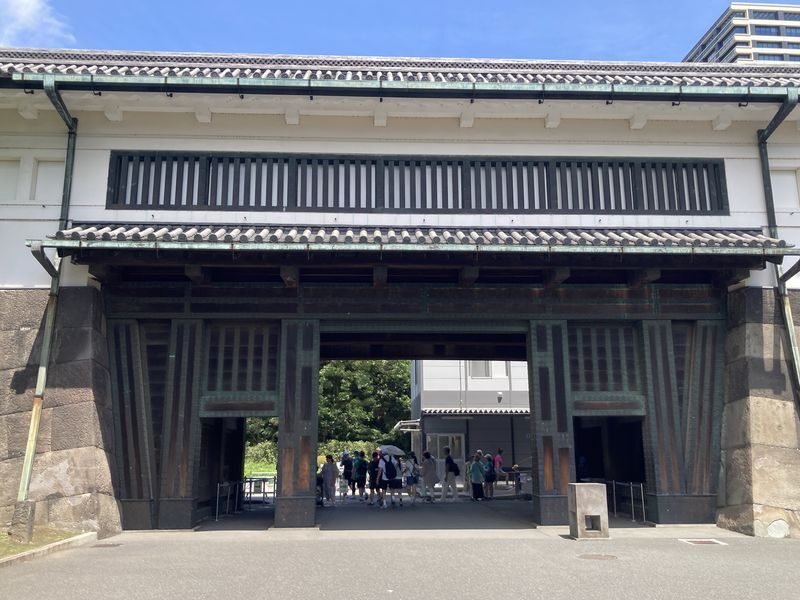
Ote-mon Gate is the first major stop, with about ten minutes set aside for a guided introduction. It is a useful place to begin because the gate frames your move from the surrounding city into the castle grounds. The tour starts with an actual landmark rather than a long lecture elsewhere, helping you connect the place beneath your feet with the history to come.
The starting arrangements are simple, but the area is large enough that arriving at the wrong entrance could make you late. Check the map sent with your booking, and do not assume the meeting point is the same as the return point. The tour begins near Wadakura Fountain Park and ends at Ote-mon Gate.
Ninomaru Garden and Suwa-no-Chaya
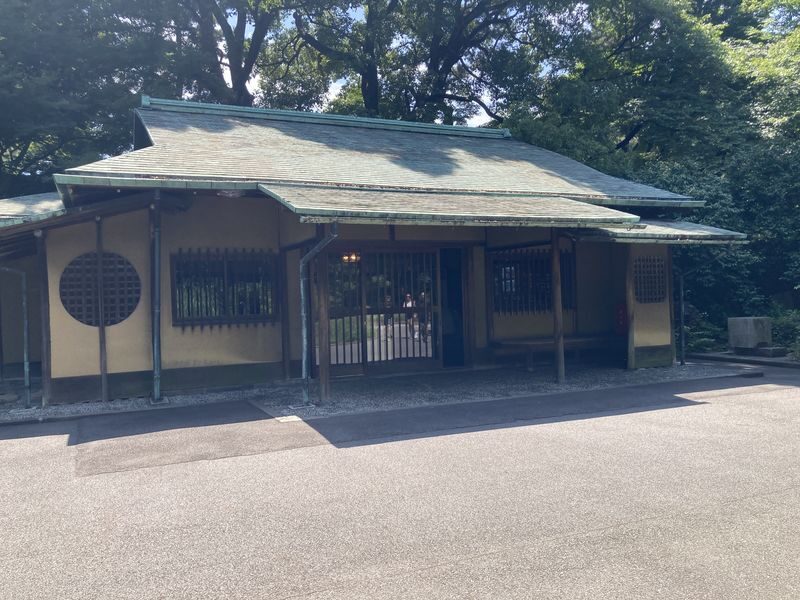
Ninomaru Garden gets about fifteen minutes, followed by roughly ten minutes at Suwa-no-Chaya, written in the schedule as 諏訪の茶屋. These garden stops give the walk a change of pace from castle foundations and defensive works. They also offer a chance to look closely at the grounds while your guide explains their place within the former castle precinct.
The route is more rewarding if you treat the garden as part of the history rather than as a decorative interlude. The garden’s design and setting help show that the site served more than one purpose. You can ask your guide about the meaning behind the gardens and the structures around them, a subject that several visitors have singled out as particularly interesting.
There is not much time to linger at any one stop, so this is not a leisurely garden visit with a long break. If you like to take photos, leave yourself time to do so while staying with the group. Guides have also helped with photos at notable spots, but that should be seen as a welcome extra, not a formal part of the program.
Edo Castle’s ruins and defenses
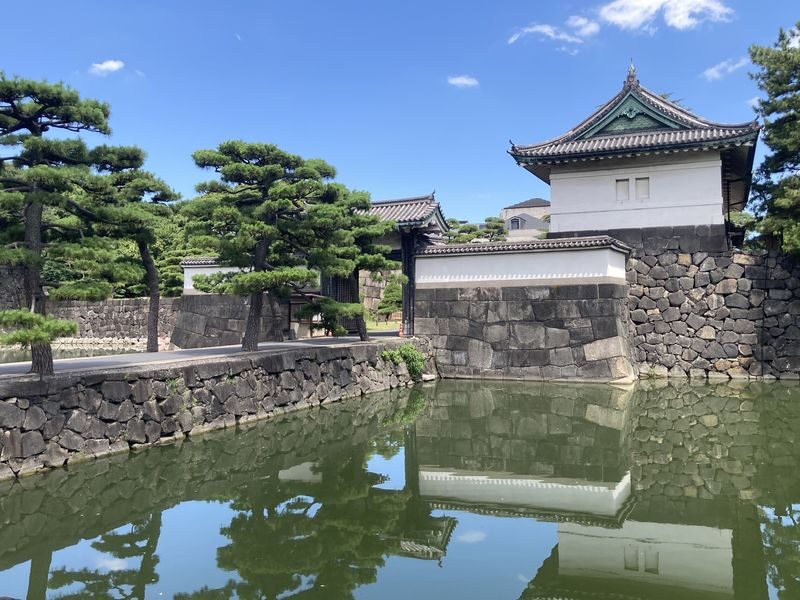
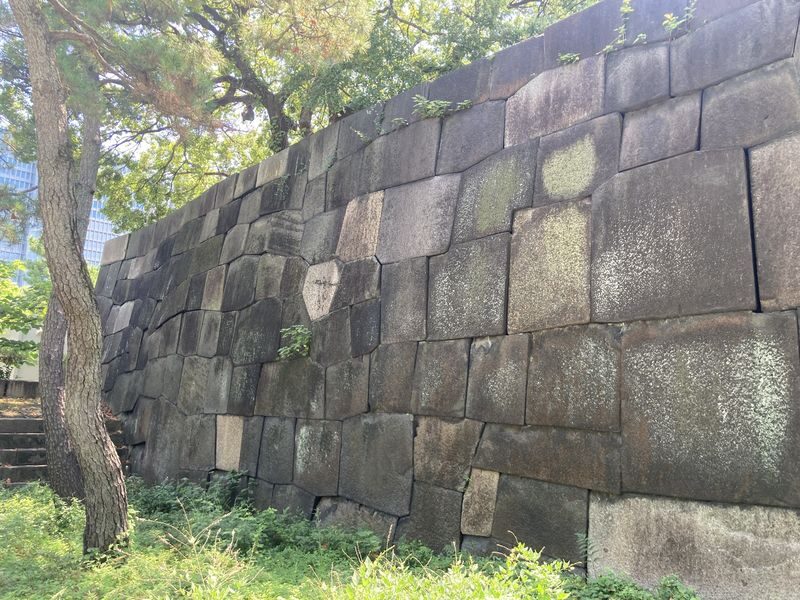
The next stretch turns toward the remains of Edo Castle. About fifteen minutes are allotted for the castle ruins, then ten minutes at Fujimi-tamon Defence House and another ten at Fujimi-yagura. These stops shift the story from gardens to the practical business of protecting a major seat of power.
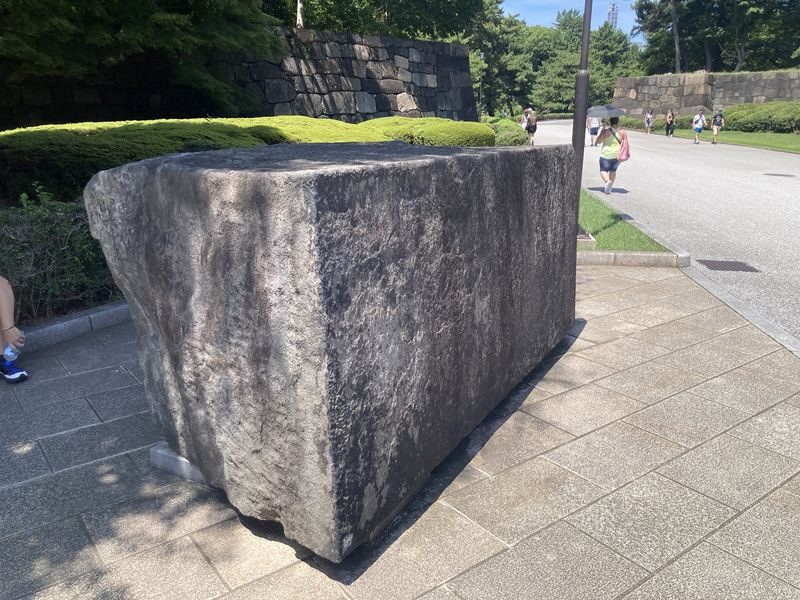
The structures are worth seeing even if you do not know the details in advance. A guide can explain why defensive buildings and castle remains belong together, and how the site’s surviving elements offer clues to its earlier use. The route is designed to make those connections, rather than leave you to piece them together from scattered signs.
The walk continues to the site identified as Edo Castle Honmaru Goten Palace, with about ten minutes there. It is a place to understand the former palace area as part of the castle complex. Keep in mind that a stop at the site does not mean you enter an intact palace building. The tour concerns the historic grounds and what remains of them.
This section is where sturdy walking shoes pay off. You will be moving between stops across the grounds, with no vehicle transfer described. One visitor reported walking the full two hours, which is a good expectation to set: this is a walking tour, not a seated talk with a few short strolls.
The keep model and Obansho Guardhouse
The Edo Castle keep restoration model receives about fifteen minutes. A model can help you picture the scale and form of a structure when the original is not standing in front of you. It is one of the clearest chances on the route to compare the visible remains with an explanation of what the castle complex once included.
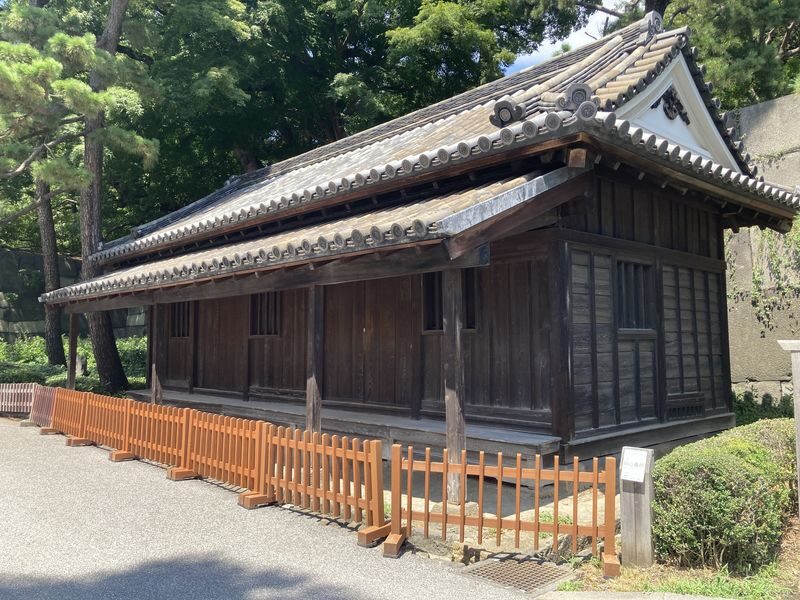
The final listed stop is Obansho Guardhouse, with about fifteen minutes for a guided visit. The guardhouse brings the walk back to the people and routines that helped secure the castle grounds. It is a fitting last stop before the group returns to Ote-mon Gate, and it gives you a final chance to ask questions before heading off on your own.
The planned stop times add up to around two hours, matching the standard time slots. Weather and other conditions can change the schedule, though. The route is outdoors, so rain or summer heat may shape how comfortable the walk feels. Guides have been praised for adjusting the pace, making cooling breaks and keeping groups engaged in difficult weather. Still, carry water and dress for the forecast rather than counting on the day to be mild.
You can also read our reviews of more historical tours in Tokyo


What makes the guide worth paying for
The East Gardens can be visited without this paid tour, so the fee is not buying exclusive access. It buys a guided walk, English-language explanations and a route that gathers the key sites into one visit. That distinction matters when you weigh the price, which starts at $18.99.
If you are comfortable exploring on your own and reading the available signs, you may not need a guide. But the tour can be useful if you want the historical links explained as you go, or if you prefer to ask questions instead of researching the site later. Some visitors have found the interpretation less useful than they hoped, so the value depends in part on how much you want a guide’s commentary.
The strongest accounts of the experience center on clear storytelling, patience and the ability to answer questions. Guides such as Hiro, Ichiro, Keiko and Masa have been praised for making the history approachable. Some have used visual materials, offered photo help or suggested other places to see in Tokyo. Those are individual touches, not guaranteed features, but the steady attention to the group is a recurring strength.
The small-group format helps here. The tour is usually fewer than eight people, though the stated maximum differs across the activity details. A smaller group tends to make it easier to hear the guide and speak up. On some dates, the group may be especially small, but do not book on the assumption that you will receive a private walk.
Price, comfort and practical details
At the starting price of $18.99, this is a reasonable spend if you want a guide to turn the castle grounds into a connected story. It is less compelling if you mainly want free time in the gardens or expect access to the Imperial Palace interior. The tour includes an English-speaking guide and admission to the listed attractions; meals, drinks, tips and personal expenses are not included.
There is also a private option for one to four people. If your party has more than four, the package information says to add a person for each additional seat. A private tour may suit a family or small party that wants a more personal pace, but the price for that option is not provided here, so check the current booking details before deciding.
Wear casual clothes and walking or running shoes. The activity is not wheelchair-accessible, although one guide did assist a participant who needed a wheelchair on a particular visit. That account should not be taken as a promise of access: the tour is officially listed as not wheelchair-accessible, so contact the operator before booking if mobility support is essential.
Firearms and other weapons, drones, alcohol, flammable items and sharp objects are prohibited, and pets are not allowed. The voucher is for the date and time selected, and you can show it on your phone. Cancellations made at least 24 hours before the activity date qualify for a full refund; booking changes are also allowed up to 24 hours ahead, with some stated exceptions.
Who should book this walk
This tour suits first-time visitors who want a compact introduction to Edo Castle and the Imperial Palace East Gardens without planning the route themselves. It is also a good fit if you enjoy asking questions, prefer a guide who can connect separate sites, or want a manageable history walk in the middle of a Tokyo itinerary.
Families may appreciate guides who adapt explanations for children, but remember that the tour lasts around two hours and is mostly outdoors. In summer, heat and humidity can make that feel longer; in rain, the ground and the pace may be less comfortable. If you are sensitive to weather, choose your time with the forecast in mind and bring water.
Book it if you want context more than access. Skip it if your main goal is to enter the Imperial Palace, avoid walking, or spend unhurried time in the gardens. At this price, the guided interpretation can be worthwhile, but the gardens themselves are the setting, not an attraction you need a paid ticket to reach.
Tokyo: Small-group Imperial Palace Historical Walking Tour
“I had a truly enjoyable and informative time thanks to the Imperial Palace tour! 😊 Thanks to the kind and detailed explanations, I was able to gain…”
FAQ
Does this tour enter the Imperial Palace?
No. The tour visits the Imperial Palace East Gardens and former Edo Castle grounds. Entry to the Imperial Palace itself is not included.
How long does the tour last?
The listed time slots are about two hours, such as 10:00 to 12:00. The schedule may change depending on traffic and weather conditions.
Where is the meeting point?
Meet in front of Starbucks Coffee at Kokyo Gaien Wadakura Fountain Park, 3-1 Kokyogaien, Chiyoda City, Tokyo. The guide holds a Fantasy Travel sign with an aircraft logo.
Where does the tour end?
The listed return point is Ote-mon Gate.
What language does the guide speak?
An English-speaking guide is included.
How large is the group?
The tour is described as small-group and usually has fewer than eight people. The stated maximum varies in the activity details, so check the selected package when booking.
What should I wear?
Casual clothing and walking shoes or running shoes are recommended.
Is the tour wheelchair-accessible?
No. The activity is listed as not wheelchair-accessible.
Can I cancel for a refund?
You can receive a full refund if you cancel at least 24 hours before the activity date, using destination local time.