Nezu Shrine’s tunnel of red torii gates gives this half-day walk a striking start. From there, the route threads through quieter parts of old Tokyo before reaching Yanaka Ginza, a short shopping street lined with about 60 local shops.
I like the mix of shrine, neighborhood lanes and hands-on cat painting, and the guide’s local context can make the walk more rewarding than a solo wander. One caveat: the painting workshop may not be available on every tour, so treat it as a planned highlight, not a guarantee.
- At a glance
- From Nezu Shrine’s red gates to Yanaka’s old lanes
- Nezu Shrine and the vermilion torii
- Walking Hebi-michi and stopping at a local gallery
- Painting a lucky cat in an old folk house
- A cedar tree and the local character of Yanaka Ginza
- What the .59 starting price gets you
- Timing, comfort and practical limits
- Who should book this Yanaka walk?
- FAQ
- How long is the Yanaka walking tour?
- Where do I meet the guide?
- How early should I arrive?
- Is the lucky-cat painting workshop guaranteed?
- Is a full meal included?
- Can the tour accommodate vegetarian diets or food allergies?
- Is the route wheelchair- or stroller-accessible?
- Can children join the tour?
- What is included in the price?
- The Best Of Tokyo!
- More Walking Tours in Tokyo
- More Tours in Tokyo
- More Tour Reviews in Tokyo
At a glance
 1 / 9
 2 / 9
 3 / 9
 4 / 9
 5 / 9
 6 / 9
 7 / 9
 8 / 9
 9 / 9
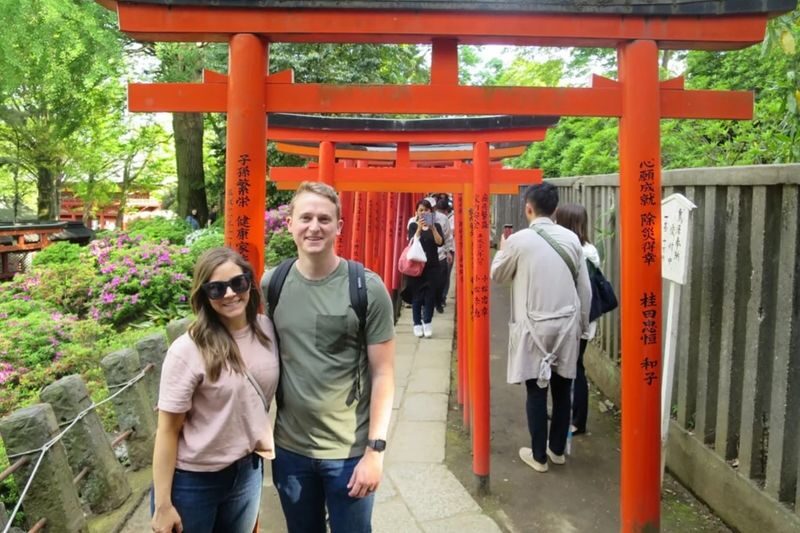
- Nezu Shrine’s torii gates: A photo-friendly stop at one of Tokyo’s oldest shrines, with a guide to explain some of the religious and cultural context.
- Lucky-cat painting: A chance to decorate a small statue at a café in an old folk house, when the workshop is open.
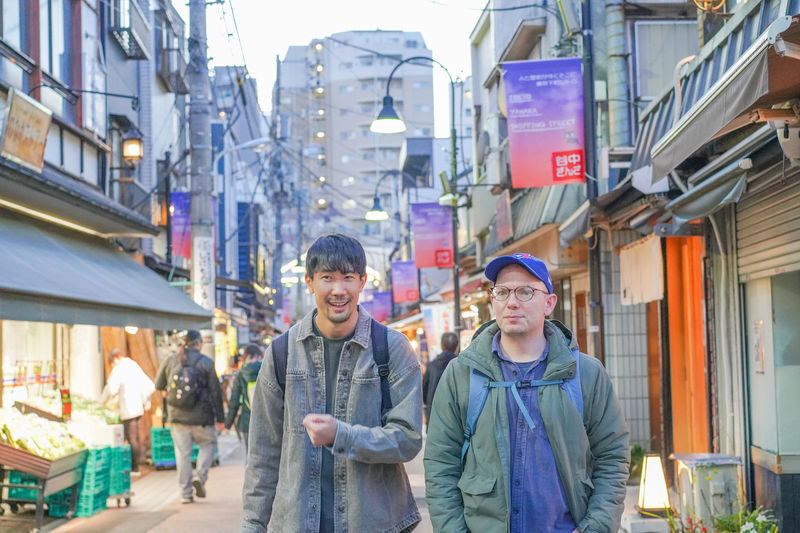
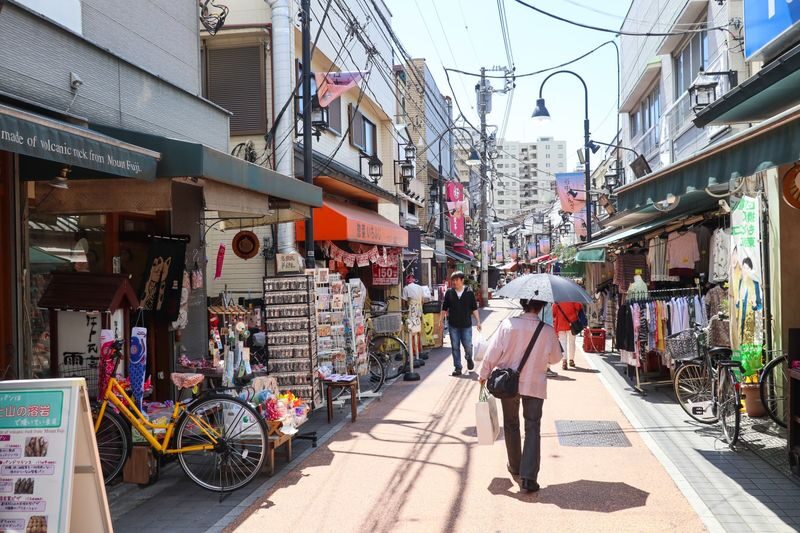
- Yanaka Ginza: A 170-meter shopping street with roughly 60 shops, a compact taste of Tokyo’s older neighborhood life.
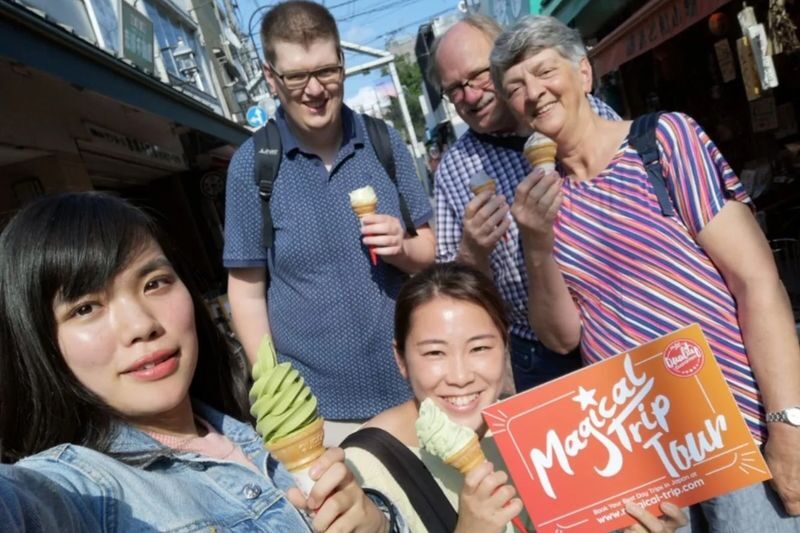
- A guided afternoon walk: The tour runs from 13:30 to about 17:00 and includes snack samples, a café drink and a sweet.
- A flexible café stop: The cat-painting portion has been replaced by a visit to a coffee shop when the workshop was closed.
- Come prepared: Wear comfortable walking shoes, eat beforehand and arrive at Nezu Station Exit 1 ten minutes early.

👉 See our pick of the Our Picks For The 11 Best Workshops & Classes In Tokyo
From Nezu Shrine’s red gates to Yanaka’s old lanes
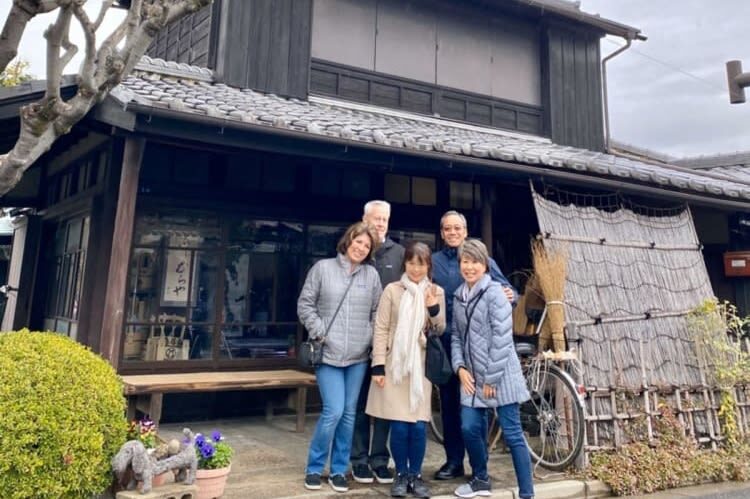
This tour is a good fit if you want to see a quieter side of Tokyo without spending half a day figuring out the route yourself. It starts near Nezu Station and links a major shrine, small neighborhood stops and Yanaka Ginza on foot. The guide is central to the experience: you get cultural and historical explanations as you walk, rather than just a sequence of photo stops.
The afternoon schedule is straightforward. Meet at 13:30 outside Nezu Station Exit 1, where the guide will be at street level holding a red or orange MagicalTrip sign. The walk is due to finish around 17:00. That leaves much of the day free, but it also means you should eat lunch first. The included tastings and café stop are treats, not a meal.
The route includes Nezu Shrine, Hebi-michi, a local art gallery, a café and Yanaka Ginza. The pace is described as leisurely, but this is still a walking tour with several stops and some areas that are not wheelchair- or stroller-accessible. Comfortable shoes are a practical choice, not an optional flourish.
You can also read our reviews of more walking tours in Tokyo


Nezu Shrine and the vermilion torii
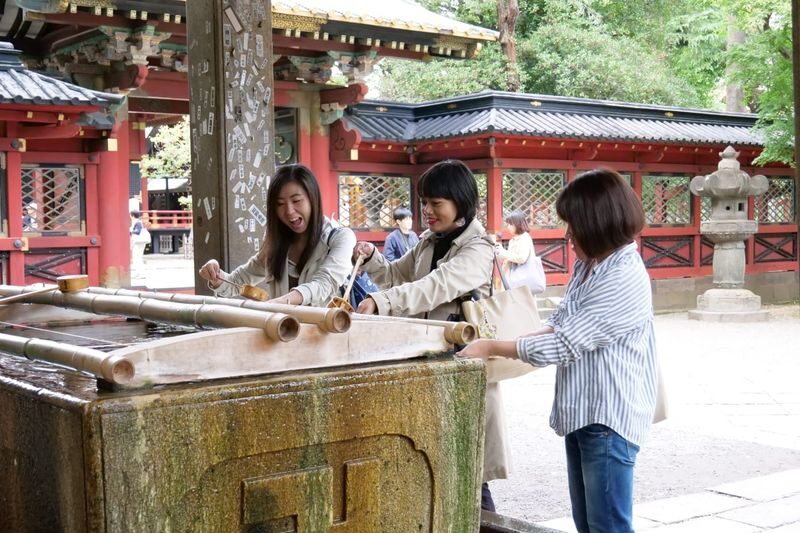
Nezu Shrine is one of Tokyo’s oldest shrines, and the vermilion torii gates are the tour’s most memorable visual stop. You’ll have time to take photos around the tunnel while your guide shares details about Japan’s traditional religion and the shrine. The gates create a strong sense of transition from city streets into a place set apart for worship.
The value here is not only the pictures. A guide can help you understand what you are looking at and how to behave respectfully at a Shinto shrine. The tour description does not promise a formal ceremony or a long guided visit, so think of this as an introduction rather than an in-depth religious lesson.
A visit to the shrine also gives the walk a clear starting point. Rather than beginning with shopping, you first see a place tied to spiritual practice, then move into the surrounding neighborhood. If you have already visited several major Tokyo shrines, the stop may feel familiar, but the torii tunnel and local context still make it a distinctive part of this route.
Walking Hebi-michi and stopping at a local gallery
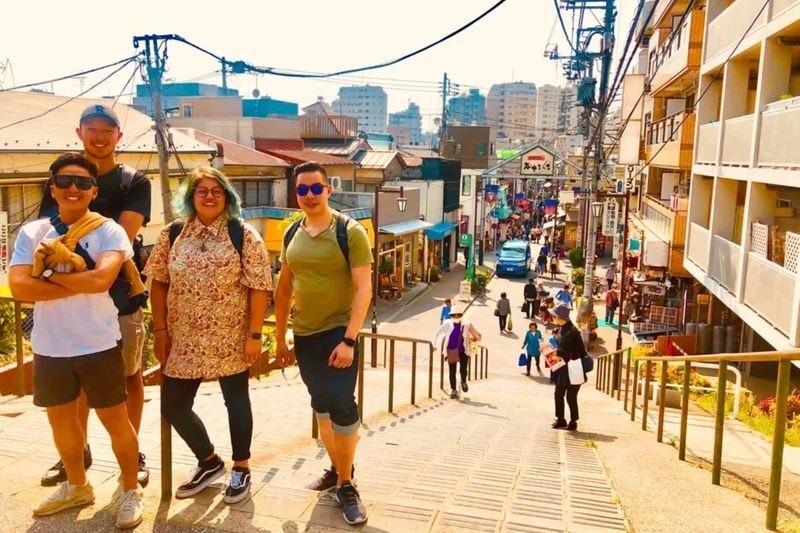
After the shrine, the group continues on foot through Hebi-michi, then visits a local art gallery. These are useful parts of the tour because Yanaka is not just a shopping destination. The walk between named attractions gives you a look at the neighborhood itself and makes the route feel less like a checklist.
The details available for Hebi-michi and the gallery are limited, so don’t book expecting a specific exhibit, artist talk or long gallery visit. Their appeal is more modest: they add local texture between the shrine and the café. Your guide can answer questions along the way, and the best use of this time is to ask about what catches your eye.
Past participants have particularly valued the guides’ willingness to explain and help. Guides named in past tours include Kanako, Hana and Ryo-san, but your guide may be someone else. The names are worth noting as examples of the personal, question-friendly approach the walk can offer, not as a promise about who will lead your date.
Painting a lucky cat in an old folk house
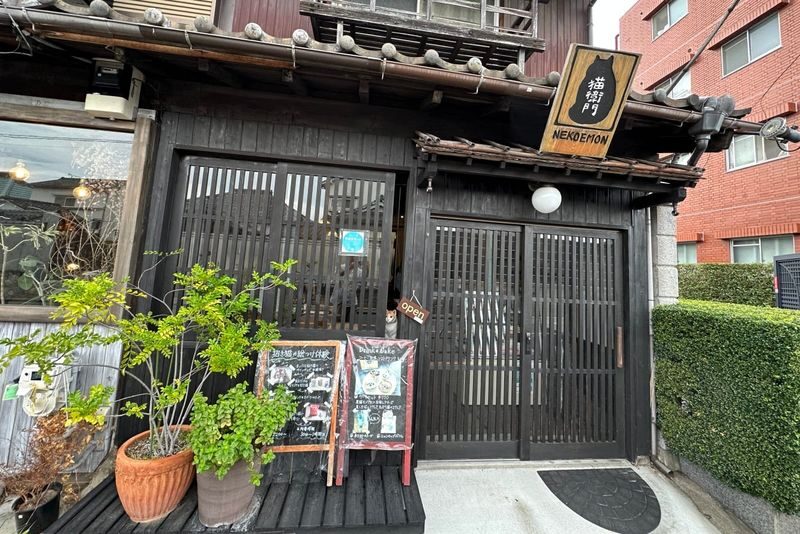
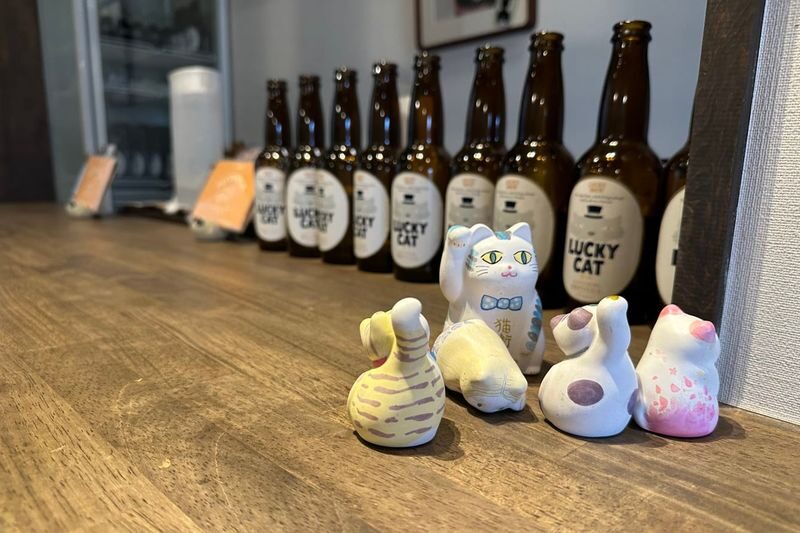
The café stop is the tour’s hands-on feature. It is described as the first café in Japan to offer workshops for crafting lucky-cat statues. You’ll have a drink and a sweet, then paint a statue with your own colors and patterns. It gives you a take-home keepsake with more personal meaning than a standard souvenir.
The café is housed in an old folk house, which adds a bit of character to the break. It is also a welcome pause midway through an afternoon on foot. The painting itself should appeal to families with older children, couples and anyone who likes making something rather than only looking.
There is an important qualification: the workshop may not run on every tour. On one past tour, the shop was closed, and the group went to a coffee place instead. That is a sensible backup, but it changes the experience: you still get a café stop, yet you may miss the activity that makes this tour especially unusual. If painting the cat is a deciding factor, ask the operator about availability before booking.
The tour includes one drink and one sweet at the café. These are included in the price, but they do not make this a lunch tour. Some food samples are also part of the walk, and the exact offerings may vary by stop. If you have allergies or dietary needs, contact the operator at least a day ahead. The kitchens are not controlled by the tour company, allergy-free food cannot be guaranteed, and vegetarian diets cannot be accommodated.
A cedar tree and the local character of Yanaka Ginza
The route also passes a famous Himalayan Cedar tree before reaching Yanaka Ginza. This provides another neighborhood landmark along the way, though the tour details do not specify a long stop or a detailed talk there. It is one more reason to keep your camera handy and let the guide fill in context as you go.
Yanaka Ginza is the natural finale. The street is about 170 meters long and has roughly 60 shops, making it small enough to explore without feeling overwhelmed. It offers a glimpse of a local shopping street rather than a large commercial district, and the guide can help you notice details you might otherwise pass by.
The walk ends around 17:00, with Yanaka Ginza listed as the final destination. The meeting information also repeats the Nezu Station address for the return details, so if your onward plans depend on the exact endpoint, confirm the finish location with the operator before tour day. You should have a little time to browse, but don’t assume the tour includes a long, free shopping session.
This is a good place to continue your own exploration after the guided portion, if your schedule allows. The tour’s purpose is to connect the street to the wider neighborhood, not to provide a full shopping excursion. You may want to bring a little spending money for anything you find, since personal purchases are not included.
You can also read our reviews of more city tours in Tokyo


What the $77.59 starting price gets you
At a starting price of $77.59, this is more than a shrine walk. The fee includes an English- or Japanese-speaking guide, a drink and sweet, food samples, the lucky-cat painting activity when available, and photos. The combination can be worthwhile if you value explanation and a participatory stop, especially if Yanaka is new to you.
The price is harder to justify if you mainly want to browse Yanaka Ginza. The street is short, and you can visit it independently. What you are paying for is the joined-up route, local commentary, café break and the chance to paint a keepsake. The guide’s input is likely to matter most if you enjoy asking questions about everyday culture and spiritual traditions.
The tour has a 4.8 out of 5 rating from six reviews, and the provider has a 92 percent good-review rate across 853 reviews. The small number of ratings for this particular tour is worth keeping in perspective. Still, the specific feedback points to a consistent strength: guides are described as helpful, generous with their time and good at explaining the area. One person also found the itinerary less satisfying, which is a reminder that the route’s appeal depends on your interest in walking, local context and small stops.
Timing, comfort and practical limits
Plan on about three and a half hours of walking and stops. The tour starts promptly at 13:30, and you are asked to arrive ten minutes early at the top of the stairs outside Nezu Station Exit 1. The guide will hold a red or orange sign marked MagicalTrip. Late arrivals who miss the group cannot join, reschedule or receive a refund, so give yourself room for a wrong turn or a slow station exit.
Tokyo’s weather can be demanding in either direction. The operator notes that summer highs can reach 40°C and winter lows can drop to -5°C. Dress for the forecast, carry water in hot weather and wear layers in cold weather. The tour is not recommended for pregnant women, and pets are prohibited.
The route is not wheelchair- or stroller-accessible, and child seats are not available. These details matter for a walk through older streets and should be considered before booking. Children aged zero to three can join for free, but the tour does not provide child seats.
For dietary restrictions or allergies, contact the operator at least one day before the tour. Requests made on the day cannot be accommodated, and the operator cannot guarantee food free of allergens or meet vegetarian requirements. If food is a major part of your reason for booking, clarify what can be arranged before you pay.
Who should book this Yanaka walk?
I’d choose this tour if you want a guided introduction to an older Tokyo neighborhood and enjoy a mix of architecture, local streets, food tastes and a small creative activity. It suits first-time visitors who want a break from Tokyo’s larger commercial areas, and repeat visitors who would rather spend an afternoon on neighborhood details than another major landmark.
It is also a sensible option if you appreciate a guide who can answer questions. Past tours have been led by Kanako, Hana and Ryo-san, with several guests finding the guides warm and helpful. Your guide is not guaranteed to be one of them, but the tour is built around a guided walk rather than a self-guided route.
I would skip it if you need step-free access, require vegetarian food, want a full meal or are booking chiefly for the cat-painting workshop without confirming it is available. If those points work for you, the combination of Nezu Shrine, local lanes and Yanaka Ginza makes for a useful, personable afternoon. Book it for the neighborhood and guide, and treat the cat painting as a welcome extra.
Yanaka Historical City Exploration Walking Tour in Tokyo’s Old Town
“was a wonderful day and very insightful into the Yanaka Town and its surroundings. highly recommend for all ages.”
FAQ
How long is the Yanaka walking tour?
It runs from 13:30 to about 17:00, for roughly three and a half hours.
Where do I meet the guide?
Meet outside Tokyo Metro Nezu Station Exit 1. The guide will be at street level at the top of the stairs with a red or orange MagicalTrip sign.
How early should I arrive?
Arrive ten minutes before the 13:30 departure. The tour starts on time, and late arrivals who miss the group cannot join or receive a refund.
Is the lucky-cat painting workshop guaranteed?
No. The workshop may be unavailable if the café is closed. In that case, the café stop may be replaced with a visit to another coffee place.
Is a full meal included?
No. The tour includes a café drink and sweet, plus food samples, but not a full lunch or dinner. Eat before you go.
Can the tour accommodate vegetarian diets or food allergies?
Vegetarian diets cannot be accommodated, and allergy-free food cannot be guaranteed. Contact the operator at least one day ahead about allergies or dietary restrictions.
Is the route wheelchair- or stroller-accessible?
No. Some locations on the route are not accessible by wheelchair or stroller, and child seats are not available.
Can children join the tour?
Children aged zero to three can join for free. Child seats are not available.
What is included in the price?
The tour includes an English- or Japanese-speaking guide, a café drink and sweet, local food samples, photos and the lucky-cat painting activity when available. Personal expenses are not included.