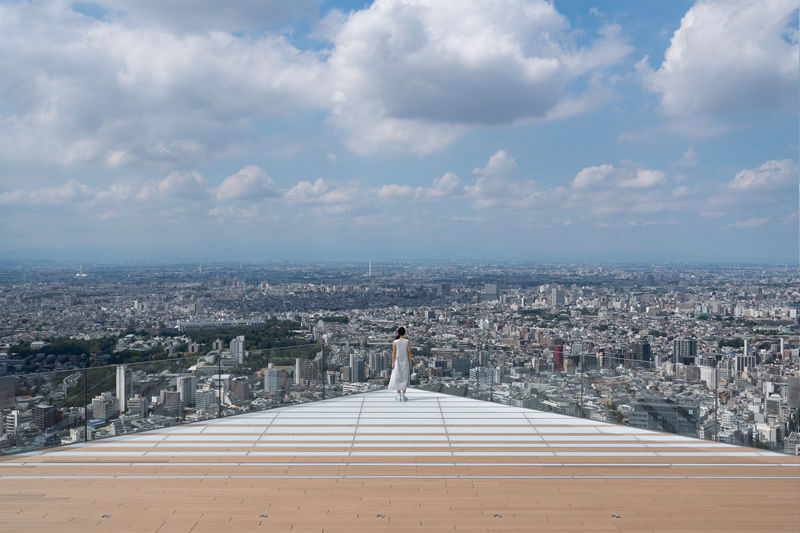
Tokyo spreads out in every direction from SHIBUYA SKY, with Shibuya Crossing far below and, on a clear day, Mount Fuji on the horizon. At 229 meters, this is a chance to get your bearings in a city that can feel wonderfully hard to map from street level.
I like two things especially: the rooftop gives you an open-air view, not just a look through glass, and the visit has more to it than a lift to an observation deck. The Sky Gate escalators and Sky Gallery’s digital art make the climb part of the experience.
The main trade-off is weather and timing. Wind or other bad conditions can close the rooftop, and sunset slots are popular, so a ticket does not guarantee the exact view you hoped for. Bring a flexible attitude, and check the rooftop status before you go.
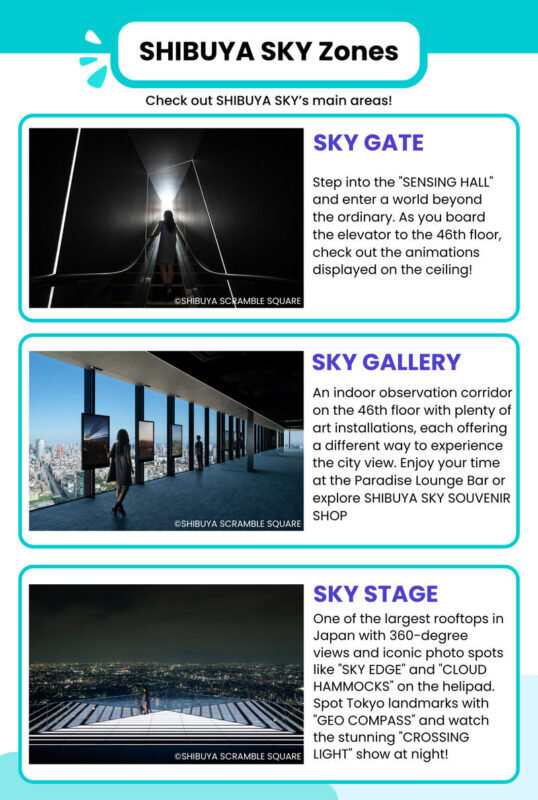
- Three distinct zones: Move from the Sky Gate escalator to the indoor Sky Gallery, then out onto the rooftop Sky Stage.
- A high viewpoint: From 229 meters above Shibuya, look for Yoyogi Park, Tokyo Bay, Tokyo Skytree, the Shinjuku skyline, and Mount Fuji on a clear day.
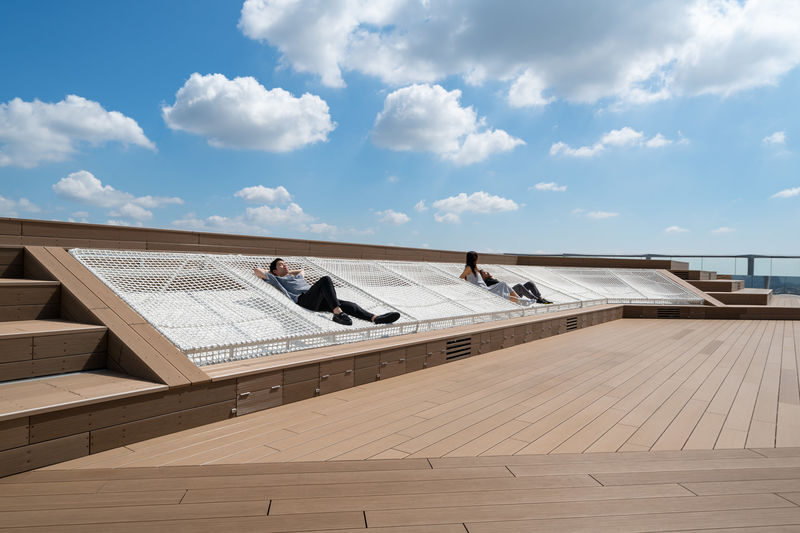
- A rooftop photo spot: Sky Edge puts the city in front of you, while the Cloud Hammocks offer a place to pause.
- A changing city view: A late-afternoon entry can take you from daylight to sunset and Tokyo’s night lights.
- A practical ticket perk: Admission includes 10% off food and drinks at Paradise Lounge.
- Plan for the rooftop rules: Bags, hats, loose items, food, and drinks cannot go onto Sky Stage.
- What the 229-meter view gives you
- From Sky Gate to Sky Stage
- Choosing a time that suits your visit
- Is the ticket worth the price?
- Getting there and what to bring
- Weather, comfort, and a good backup plan
- Who should book SHIBUYA SKY?
- FAQ
- How long should I allow for SHIBUYA SKY?
- What are SHIBUYA SKY’s opening hours?
- When should I book for sunset?
- Can I arrive before my ticket time?
- What do I need to show at entry?
- What items are not allowed on the rooftop?
- What happens if bad weather closes the rooftop?
- Are children admitted free?
- Is SHIBUYA SKY accessible by wheelchair?
- The Best Of Tokyo!
- More Tickets in Tokyo
- More Tours in Tokyo
- More Tour Reviews in Tokyo
What the 229-meter view gives you
 1 / 6
 2 / 6
 3 / 6
 4 / 6
 5 / 6
 6 / 6
SHIBUYA SKY sits atop Shibuya Scramble Square, directly connected to Shibuya Station. Its height gives you a broad, 360-degree view that helps make Tokyo’s scale easier to grasp. You can look across the Shinjuku skyline, Yoyogi Park, Tokyo Bay, and Tokyo Skytree, with Mount Fuji sometimes visible on a clear day.
The view is not only about ticking off landmarks. From above, the dense streets and blocks of buildings make more sense as parts of a vast city, and the famous Shibuya Crossing becomes a small but lively scene below. If you are visiting Tokyo for the first time, I like this as an early stop: it can give you a useful mental map before you set off to explore at street level.
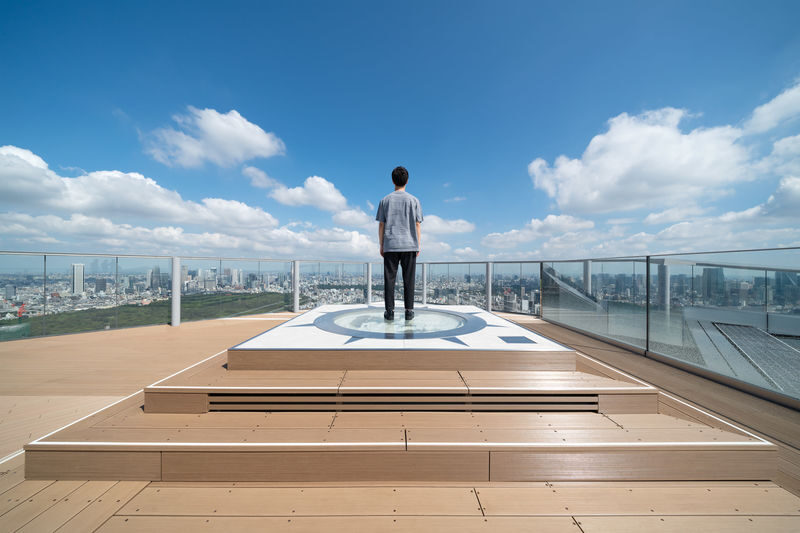
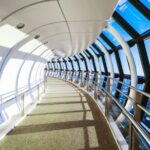
The open rooftop is a big part of the appeal. Unlike a fully enclosed observation floor, Sky Stage puts you outdoors with the city around you. That openness can also mean wind, cold, or heat, so the weather affects comfort as well as visibility. In poor conditions, the rooftop may close temporarily, leaving the indoor corridor on the 46th floor open.

👉 See our pick of the Our Picks For The 11 Best Workshops & Classes In Tokyo
From Sky Gate to Sky Stage
Your visit takes you through three zones, each with a different feel. Sky Gate is the approach, including the escalator experience on the way up. It builds a sense of anticipation before you reach the main viewing areas, and gives the trip a little more character than simply stepping out of an elevator onto a deck.
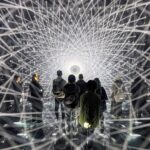
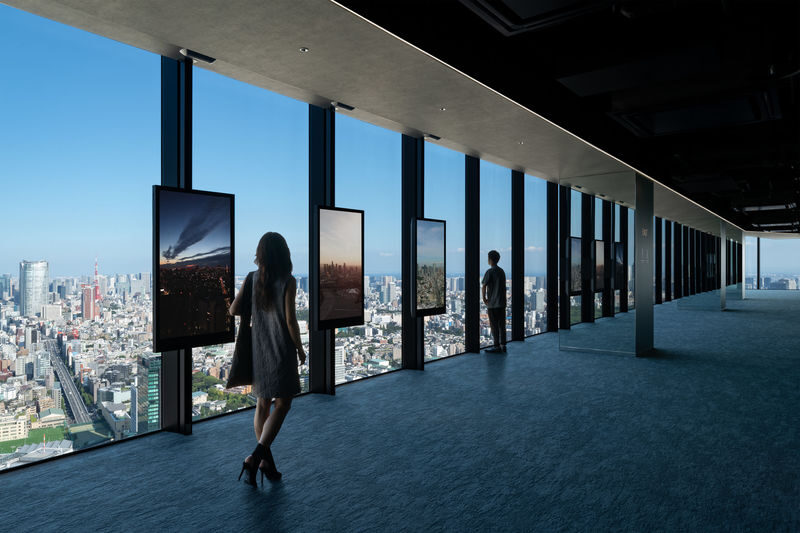
Next comes Sky Gallery, the indoor zone. Here, digital art and installations give you something to look at between the city views. Named features include Time River, Parallel Windows, and Data Scape. The Geo Compass can help you identify landmarks, a useful touch when the skyline is so wide that it is easy to lose track of what you are seeing.
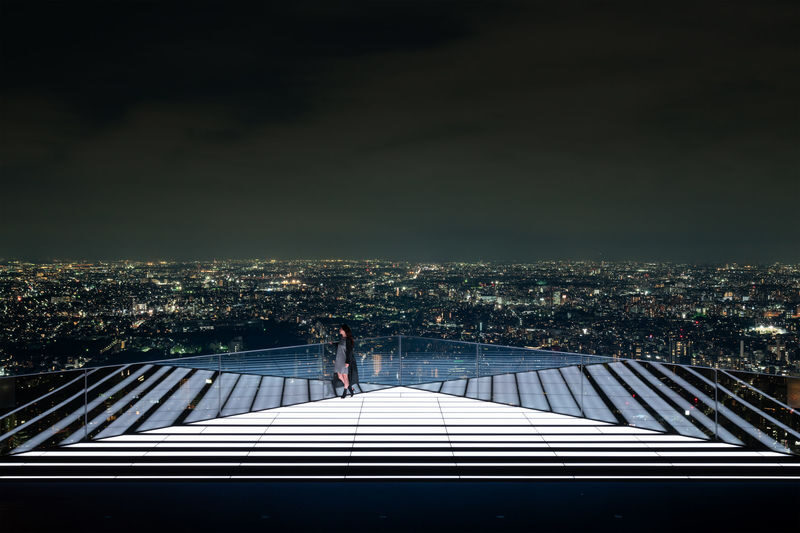
Sky Stage is the open-air rooftop. This is where you can take in the panorama, look out from Sky Edge, and rest on the Cloud Hammocks. At night, the Crossing Light show adds another visual element. The rooftop’s openness is a treat for clear views and photos, but it is also the part most affected by wind and weather.
There is no guide or set group itinerary described for this ticket. You explore the zones at your own pace, which makes it easy to linger over the view or move on when the rooftop feels crowded. Plan for around one to two hours, though you can stay longer if conditions are comfortable and you want to see the city at more than one time of day.
You can also read our reviews of more tours and experiences in Tokyo


Choosing a time that suits your visit
Sunset is the most sought-after time for good reason. Arrive before the sun goes down and you can see the city in daylight, watch the light change, then stay for the night view. The exact sunset time shifts through the year, from around 4:30 p.m. in December to close to 7 p.m. in June and July.
That popular window can sell out quickly. Tickets are released from midnight Japan time two weeks before the admission date, and booking ahead is sensible if sunset matters to you. The late-afternoon slots are not the only worthwhile choice, though. A night visit gives you the city lights without the wait for sunset, while a daytime visit can make distant landmarks easier to pick out when visibility is good.
A few practical details matter more than they might for a flexible sightseeing stop. Tickets are for a specified date and time, and you should reach the 14th-floor entrance within 20 minutes of your admission time. Arriving late can cause problems, so allow time to find your way through Shibuya Scramble Square rather than aiming to arrive at the last moment.
Opening hours are listed as 10 a.m. to 10:30 p.m., with last entry at 9:20 p.m. Hours and rooftop status can change, and the observation deck may close temporarily in strong winds, high temperatures, or other adverse weather. Check the official schedule before setting out.
Is the ticket worth the price?
With admission from $17.09, SHIBUYA SKY can be good value if you want a high, open-air view and a memorable way to see Shibuya from above. The ticket covers the observatory, and the 10% Paradise Lounge discount is a small added benefit if you order food or a drink there. Transport, meals, and other personal expenses are not included.
The value depends on what you want from an observation deck. The rooftop, Sky Edge, and Cloud Hammocks make this more than a simple indoor viewing floor, while the Sky Gallery adds art and interactive features. On the other hand, the experience is not built around a guide or a long list of structured activities. If your priority is simply to identify landmarks, you may spend less time here than someone who wants to take photos, watch the light change, and linger.
Crowds can affect the atmosphere, especially around sunset and popular photo spots. The venue manages entry, but the rooftop can still feel busy. If you prefer quiet viewpoints, consider a less popular time slot. Also keep in mind that glass can reflect in photos in some areas, so the open-air rooftop is often the better place for unobstructed shots.
Getting there and what to bring
The venue is directly connected to Shibuya Station. From the station, use underground exit B6 and follow the signs for the SHIBUYA SKY elevator to the 14th-floor entrance. It is also connected to the Tokyo Metro Ginza and Hanzomon lines. The supplied address is Shibuya Scramble Square, 2-24-12 Shibuya 2-chome, Shibuya-ku, Tokyo.
Show your mobile voucher and passport at entry. The name on the booking should match your passport, since ID checks may take place and a mismatch can mean refused entry without a refund. Resale is not allowed. Make sure payment has completed before you arrive.
Pack light. Bags, pouches, tripods, monopods, selfie sticks, headphones, hats, food, drinks, and items that could blow or fall are not allowed on the rooftop. Storage is available at the venue for a fee; ask staff for current rates. Staff conduct baggage checks, so leave time for that process. Photography is allowed, but commercial photography and video, as well as live broadcasting, are prohibited.
There are stairs and escalators, and some areas are intentionally darkened for the installation, so take care on steps. The activity is listed as wheelchair- and stroller-accessible, and staff can direct visitors to a priority elevator. Strollers cannot go onto the rooftop. Children aged 0 to 5 enter free, including six-year-olds who have not yet started elementary school. Tickets for children aged 6 to 11, including elementary-school students aged 12, are sold at the 14th-floor counter and require a paying adult.
Weather, comfort, and a good backup plan
The rooftop is the star, but it is exposed. A breezy day can feel cold up there, and strong winds or other adverse weather may close Sky Stage. Dress for the conditions, and do not count on a clear view of Mount Fuji; it is a bonus on a clear day, not a promise.
If the roof is closed during your selected entry time because of unforeseen circumstances, the indoor 46th-floor corridor remains open. If all tickets in your booking are unused, the stated policy allows you to contact Klook Customer Service by 11:59 p.m. Japan time that day for a full refund. That condition is specific: if you decide to enter and use the tickets, the refund rule for unused tickets no longer applies.
You can still make a worthwhile visit if the rooftop is unavailable, especially if you enjoy the indoor art and views. But if an open-air panorama is the whole reason you booked, check the conditions before you go and be ready to adjust your plans.
Who should book SHIBUYA SKY?
I’d recommend it to first-time visitors who want a fast, striking overview of Tokyo, to photographers who enjoy city views, and to anyone already spending time around Shibuya. It also suits people who like a mix of architecture, digital installations, and an outdoor viewpoint rather than a purely indoor observatory.
It may be a less satisfying choice if you dislike crowds, are counting on a specific weather-dependent view, or mainly want a quiet place to sit. Sunset is lovely but can be busy and sells out early. For a calmer visit, choose a different time and keep the rooftop forecast in mind.
Book SHIBUYA SKY if the city panorama is high on your Tokyo list, and reserve early if you want the sunset hour. If your schedule is tight, the weather uncertain, or you prefer quieter viewpoints, choose a less popular slot and treat the rooftop as a bonus rather than a guarantee.
SHIBUYA SKY Ticket
“Purchasing Shibuya Sky ticket on Klook has been a smooth and easy experience! Worth purchasing online.”
FAQ
How long should I allow for SHIBUYA SKY?
Plan on about one to two hours. You may want longer if you hope to see both daylight and night views or spend time in all three zones.
What are SHIBUYA SKY’s opening hours?
The listed hours are 10 a.m. to 10:30 p.m., with last entry at 9:20 p.m. Hours can vary, so check the official schedule before your visit.
When should I book for sunset?
Book as early as you can. Tickets become available from midnight Japan time two weeks before the visit date, and sunset slots are especially popular. Sunset ranges from around 4:30 p.m. in December to close to 7 p.m. in June and July.
Can I arrive before my ticket time?
You should enter during your booked time. Arrive at the 14th-floor entrance within 20 minutes of that time, since entry may not be allowed after the designated window.
What do I need to show at entry?
Present your mobile voucher and passport. The name on the booking should match your passport, and ID checks may take place.
What items are not allowed on the rooftop?
Bags, pouches, tripods, monopods, selfie sticks, headphones, hats, food, drinks, strollers, and loose items that could fall or scatter are not allowed on Sky Stage. Storage is available at the venue for a fee.
What happens if bad weather closes the rooftop?
The indoor corridor on the 46th floor remains open. If Sky Stage closes during your selected time and every ticket in the booking is unused, contact Klook Customer Service by 11:59 p.m. Japan time that day to request a full refund.
Are children admitted free?
Children aged 0 to 5 enter free, including six-year-olds who have not yet started elementary school. Tickets for children aged 6 to 11, including elementary-school students aged 12, must be bought at the 14th-floor counter, and the child must be with a paying adult.
Is SHIBUYA SKY accessible by wheelchair?
The activity is listed as wheelchair-accessible. Ask staff to direct you to the priority elevator. There are stairs and escalators, and strollers are not allowed on the rooftop.