In a quiet Asakusa shop, you can turn traditional Japanese materials into something useful or easy to pack: a knotted bookmark, a stencil-printed postcard, or a small clasp purse. The session is designed for beginners, with a staff member guiding you through the work rather than leaving you to puzzle out each step alone.
I like the choice between mizuhiki cordwork and crafts that use traditional stencil paper or fabric. I also like that the purse project can include a tiny practice purse before you make the main piece, so you can learn the process without worrying about the first attempt.
One thing to weigh is the price against the short session. Some projects take around 35 to 45 minutes, though the experience is presented as an hour, and the small shop may have limited room or fabric choices.
- What to know before you choose
- Pick the craft that fits your trip
- What the hour feels like
- The pleasure is in the making
- The instructor makes a difference
- How good is the value at .75?
- Finding Seikyodo in Asakusa
- Who will enjoy this workshop most?
- Should you book it?
- FAQ
- How long does the experience take?
- What is the address?
- Which crafts can I choose from?
- What is included?
- Do I need craft experience?
- What can I make in the purse session?
- Is the workshop offered in English?
- How do I present my booking?
- What is the cancellation policy?
- The Best Of Tokyo!
- More Tours in Tokyo
- More Tour Reviews in Tokyo
What to know before you choose
 1 / 9
 2 / 9
 3 / 9
 4 / 9
 5 / 9
 6 / 9
 7 / 9
 8 / 9
 9 / 9
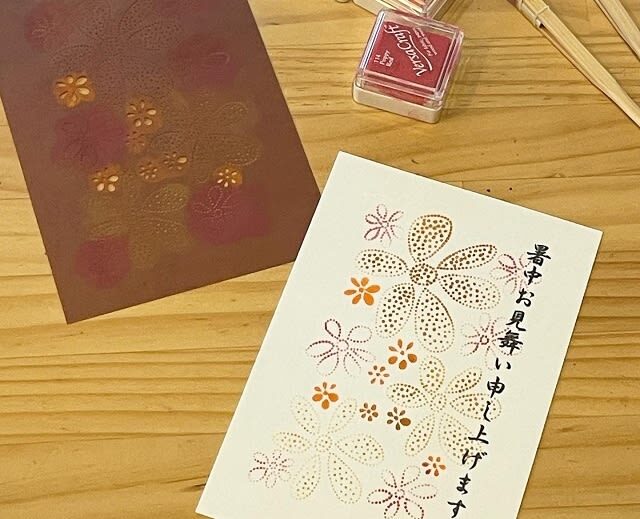
- Ise Katagami postcards: Use a stencil based on intricate patterns cut into durable washi paper, then try stencil dyeing with designs by craftsperson Chiaki Imasaka.
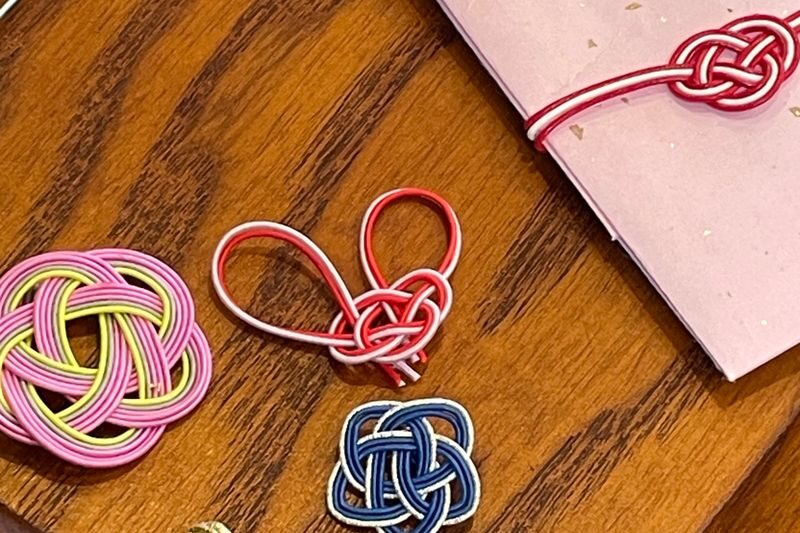
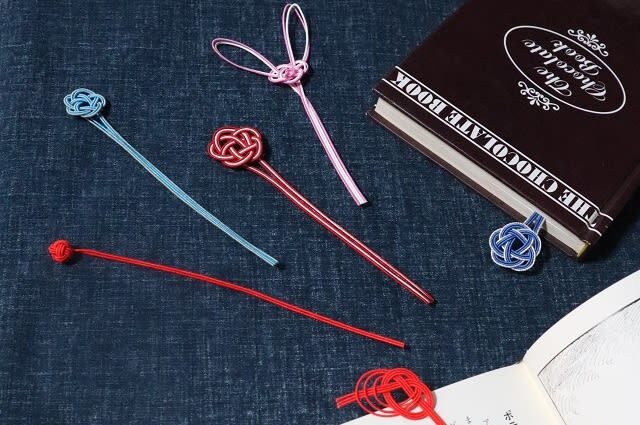
- Mizuhiki bookmarks: Learn to shape traditional decorative cord into knots such as the Awaji and Ume, then make a bookmark.
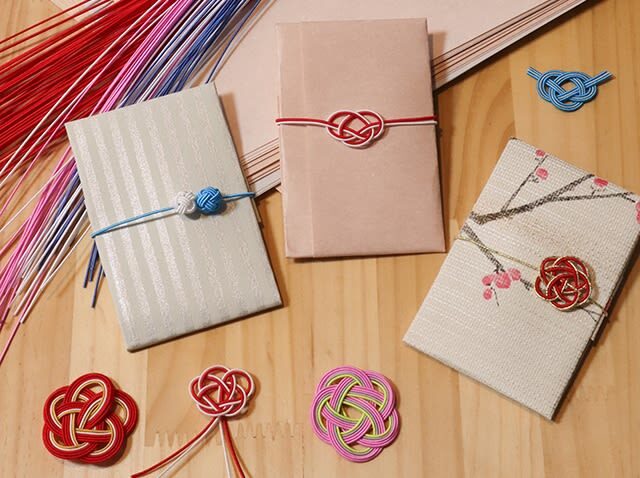
- Mizuhiki money envelopes: Use the same celebratory cord craft to make an envelope for a special occasion.
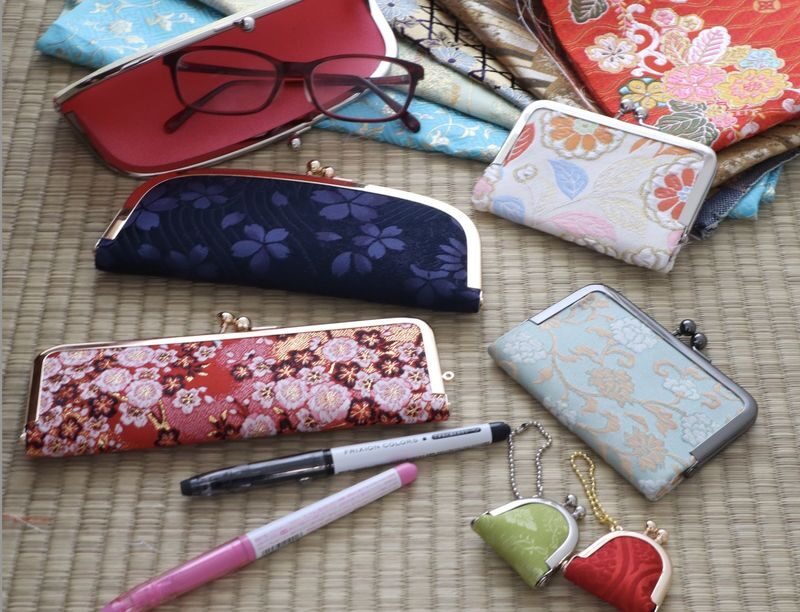
- Clasp purses and coin cases: Make a small accessory from traditional Japanese fabric or washi paper, without sewing.
- Patient, step-by-step help: The experience is beginner-friendly, and staff are often praised for staying close by when a knot or assembly step gets tricky.
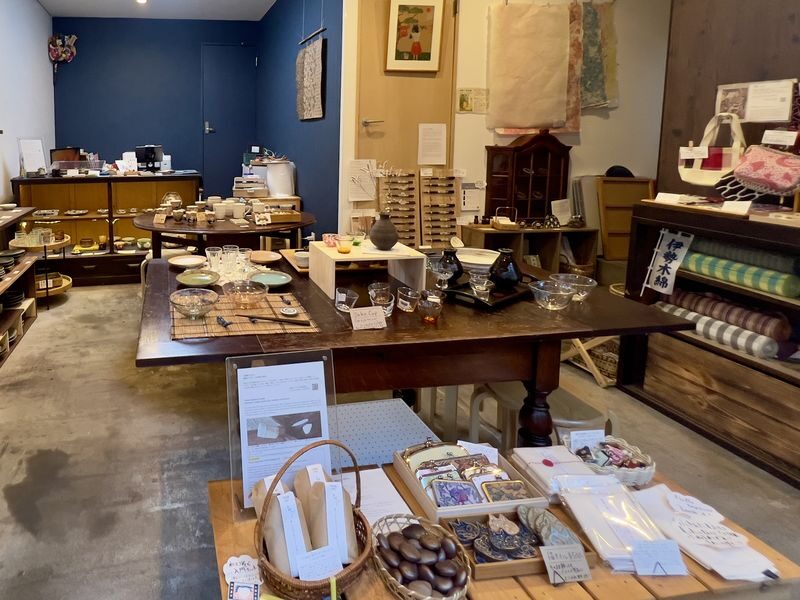
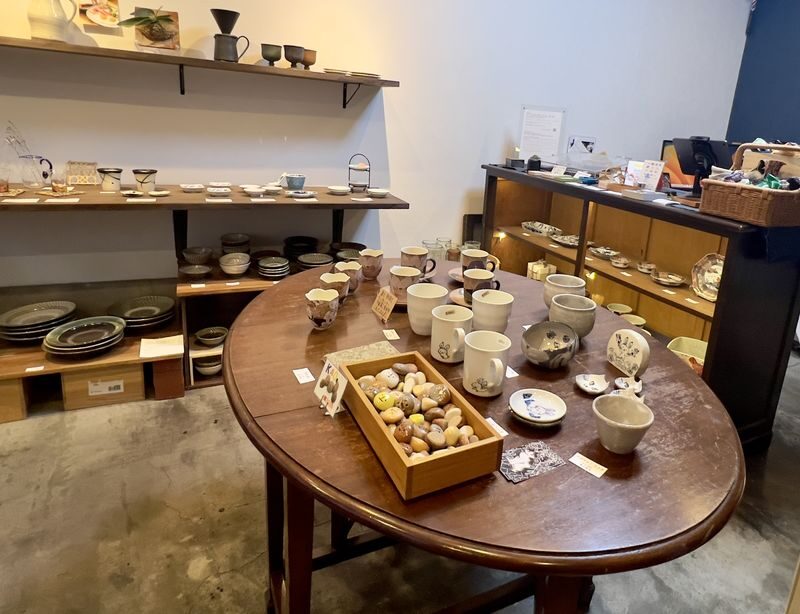
- A modest workshop setting: Seikyodo is a small pottery and crafts shop in Asakusa, so expect a personal, compact session rather than a large classroom.

👉 See our pick of the Our Picks For The 11 Best Workshops & Classes In Tokyo
Pick the craft that fits your trip
This is not one fixed class with four projects. You choose one package when booking, and each option gives you a different way into Japanese craft traditions. Check the exact package name before paying, since the options range from a small paper project to a fabric accessory.
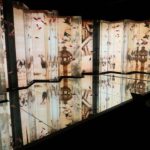
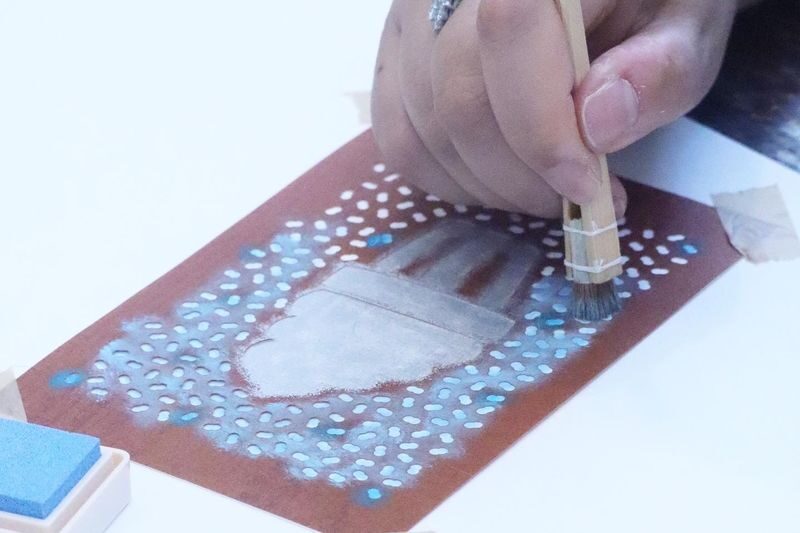
The Ise Katagami postcard session is the most directly tied to stencil dyeing. Ise Katagami stencils are made from sturdy washi paper, with artisans able to cut more than 900 patterns into a space about one inch wide. You use a stencil carrying Chiaki Imasaka’s designs to make postcards, an appealing choice if you enjoy pattern, printing, and paper arts.
The mizuhiki bookmark session focuses on decorative cords used for gifts and celebratory envelopes. You learn to color and wind silk thread around a core, then work through knots such as Awaji and Ume. The bookmark is small and light, making it an easy souvenir to carry. It also gives you a chance to learn a technique you can practise again, rather than simply assembling a ready-made object.
Choose the mizuhiki-style money envelope if the ceremonial use of the cord interests you more than a bookmark. Mizuhiki is traditionally used on envelopes and gifts for special occasions, so the finished piece has a clear purpose beyond decoration. The knotting takes patience, but the instructor’s close guidance helps if the cord does not behave on the first try.
The clasp purse option is the most practical project. You can make a mini purse or coin case using traditional Japanese fabric or washi paper, with no sewing involved. Several people who made purses describe starting with a tiny practice version, then moving on to a larger accessory such as a coin purse, glasses case, or small pouch. The exact object depends on the chosen project and materials available.
You can also read our reviews of more tours and experiences in Tokyo.



What the hour feels like
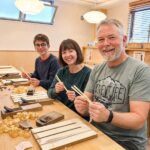
Expect a short, hands-on workshop rather than a long demonstration. The staff explain the process, show you what to do, and help when you get stuck. That balance matters: you get to make the item yourself, but you are not left alone with unfamiliar materials and a set of instructions.
For mizuhiki, the early part is about getting a feel for the cord and how it bends into a knot. One account describes two practice attempts followed by a finished bookmark, a useful indication that the first knot may take a little patience. If your hands are not used to delicate craft work, the step-by-step pace should help.
The purse activity is also built around learning by doing. Fabric selection comes before the making, and the small practice purse gives you a low-stakes run at the process. The method is meant to be accessible even if you do not consider yourself crafty. A few people finish in roughly 35 to 45 minutes, while others describe a session closer to an hour.
With the postcard project, the central experience is using the stencil to apply a pattern to paper. The craft has a strong visual link to kimono dyeing, where katagami stencils are used to transfer designs onto cloth. You are making postcards rather than dyeing a kimono, but the stencil work offers a compact introduction to the pattern-making tradition.
The pleasure is in the making
The appeal here is not a grand tour or a rare, elaborate object. It is the chance to slow down and work with traditional materials for a while, then leave with something you made. In a city where many activities involve moving quickly between sights, a quiet craft session can make a welcome change of pace.
I especially like the purse option for a souvenir that can be used during the rest of your trip. A coin purse, glasses case, or small pouch can earn its place in your bag, rather than sitting on a shelf once you get home. The project is also personal: you choose fabric, and the finished piece will not look exactly like anyone else’s.
The paper and mizuhiki options have their own strengths. A postcard is light and easy to slip into luggage, while a bookmark is a useful reminder of the knotting technique. A money envelope connects the craft to Japanese gifting customs. These are modest keepsakes, but they can carry more meaning than a mass-produced souvenir because you have learned how the design comes together.
The instructor makes a difference
A repeated strength of the experience is the patient, friendly instruction. The people who lead sessions are described as kind and helpful, and the guidance is often detailed enough to keep first-timers moving through tricky steps. Instructors named by participants include Yuko and Albert, but staffing may vary by session.
Language support is listed in both English and Japanese. Some instructors are more fluent in English than others, yet the steps are practical and often easy to demonstrate. You can expect staff to help with the process, though it is sensible to be patient if you need a complicated explanation in English.
The atmosphere can feel quite personal because the shop and work area are small. Some sessions have only one group at a time, while the shop still operates and staff may need to help customers who come in. That can make the class feel intimate, but it also means you should not expect a private studio with lots of space or uninterrupted attention every minute.
How good is the value at $22.75?
Prices start at $22.75, but the total value depends on which craft you choose and how much you value the finished item. For a short activity with instruction, materials, and a handmade keepsake, the price can make sense, especially if you want an experience that is more personal than buying a souvenir from a shop.
It is less compelling if you judge activities mainly by how long they last. Some purse projects take under an hour, and the bookmark can be a relatively simple piece once you understand the knot. One participant felt the bookmark session did not offer enough for the cost. That is a fair caution: this is a compact workshop, not a half-day craft course.
For the purse, the chance to make a bonus mini item can improve the value, and the final accessory may be useful after the class. Fabric choice is not unlimited, and one participant found the selection a little narrow. If having a very specific pattern or color matters to you, keep that in mind.
Finding Seikyodo in Asakusa
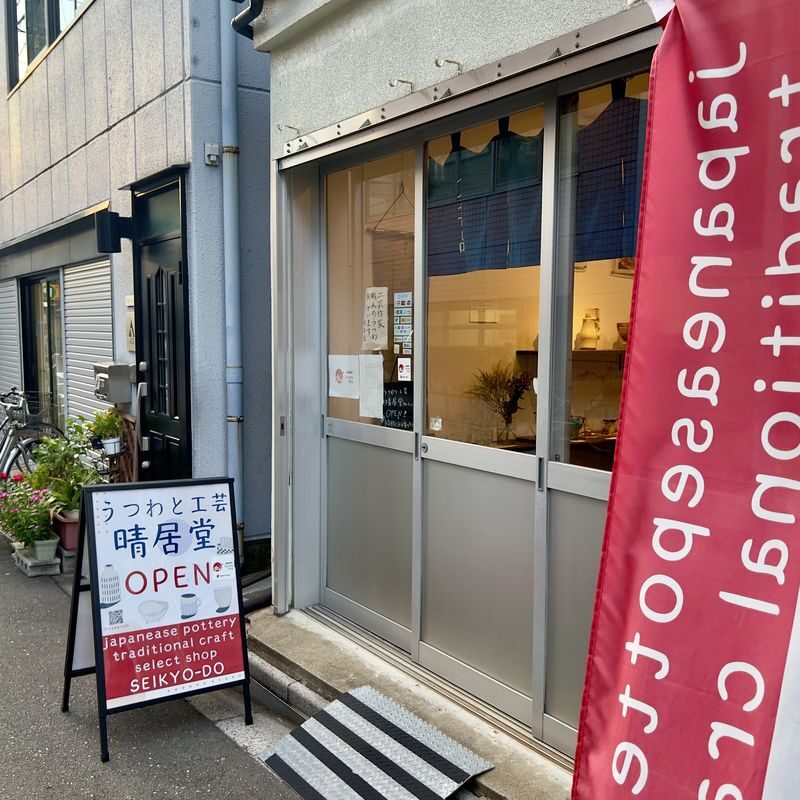
The meeting point is Pottery & Crafts Shop Seikyodo, at 101 2 Chome-27-3 Matsugaya, Taito City, Tokyo 111-0036. The activity is in Asakusa, not Akasaka. Those names are easy to mix up when you are planning from a map, so check the full address and map pin before setting out.
The shop is described as being on a quiet street, and the walk from a train station is around ten minutes according to one account. Directions on a map app have sent at least one person the wrong way, so allow a little extra time and check the destination carefully. Arriving late or missing the session can affect your booking, so do not plan this as a last-minute dash between attractions.
Who will enjoy this workshop most?
This suits you if you enjoy making things, want a relaxed activity in Asakusa, or are looking for a small souvenir with a story behind it. It is also a good fit for friends, couples, and families who want to share an activity without needing prior craft experience. Children have enjoyed the sessions, though the material provided does not specify a minimum age.
Choose the purse if you want something functional and enjoy picking fabric. Choose mizuhiki if you like careful handwork and decorative knotting. Choose the postcard activity if paper patterns and stencil printing sound more appealing than assembling an accessory.
You may want to skip it if you are looking for a long class, a large selection of materials, or a guaranteed private lesson. The shop is compact, and the session is short by design. I would also avoid booking it as a tightly timed stop if you are unfamiliar with the neighborhood.
Should you book it?
Book this if you want a short, hands-on break in Asakusa and would value a handmade keepsake more than a long lesson. The strongest reason to go is the supportive, step-by-step teaching, paired with a choice of crafts that connect to Japanese materials and customs. Before you confirm, check that you have selected the right project and the Asakusa location. If you prefer an activity that lasts several hours, this one may feel brief for the price.
Traditional Japanese Crafts Making Experience in Tokyo
“So much fun!!! Such a cool souvenir. instructor: We had Albert as are instructor. he was great! We had a lot of fun and laughs with Albert make the…”
FAQ
How long does the experience take?
The experience is described as one hour. Some purse sessions take about 35 to 45 minutes, so the actual time can vary by project and pace.
What is the address?
The meeting point is Seikyodo Asakusa, 101 2 Chome-27-3 Matsugaya, Taito City, Tokyo 111-0036, Japan.
Which crafts can I choose from?
The package options are Ise Katagami postcards, a mizuhiki-style money envelope, a mizuhiki bookmark, and a clasp purse made with traditional Japanese fabric.
What is included?
English-speaking and Japanese-speaking staff are listed, along with the one-hour mizuhiki bookmark-making experience. The package you book determines which activity you take part in.
Do I need craft experience?
No prior experience is specified as necessary. The activities are guided step by step, and the purse-making process is described as beginner-friendly.
What can I make in the purse session?
You can make a mini-sized clasp purse, coin case, or another small accessory such as a glasses case, depending on the project and materials available. The process uses traditional fabric or washi paper and does not require sewing.
Is the workshop offered in English?
English-speaking staff are listed. English fluency may vary, but the steps are demonstrated and staff help with the work.
How do I present my booking?
Present your mobile voucher at the meeting point. The voucher is valid only on the date and time specified for your booking.
What is the cancellation policy?
You can receive a full refund if you cancel at least 24 hours before the activity date, based on local time at the destination. Refunds or changes are not available if you arrive late or do not attend.