Art Aquarium Museum GINZA turns goldfish into the subject of a small, theatrical art show. Rows of glowing tanks, traditional Japanese patterns, and shifting color make the fish the moving part of each display. It’s a very Tokyo blend of aquarium and design exhibition, and an easy indoor stop in Ginza.
I like two things in particular: the variety of display styles, from long rows of tanks to a goldfish waterfall, and the freedom to take photos and videos as you go. Up to two children aged 12 or younger can enter free with a paying adult, which helps make this a convenient family outing.
The trade-off is duration. You may finish in about 30 minutes if you move briskly, so the ticket can feel costly if you expect a large museum. And the fish displays raise an ethical question for some people, especially around the small tanks and dramatic lighting.
- What to know before you go
- Goldfish, light, and a different kind of aquarium
- Following the displays from corridor to bamboo
- How long to allow, and how to make the visit count
- Is the ticket worth its price?
- Getting to the entrance inside Ginza Mitsukoshi
- A family stop, with one important question to weigh
- Should you book Art Aquarium Museum GINZA?
- FAQ
- How long does a visit take?
- What are the opening hours?
- Where is the museum entrance?
- Which stations are closest?
- Can I take photos and videos?
- Do children need a ticket?
- Are strollers, pets, or lockers available?
- The Best Of Tokyo!
- More Tickets in Tokyo
- More Tours in Tokyo
- More Tour Reviews in Tokyo
What to know before you go
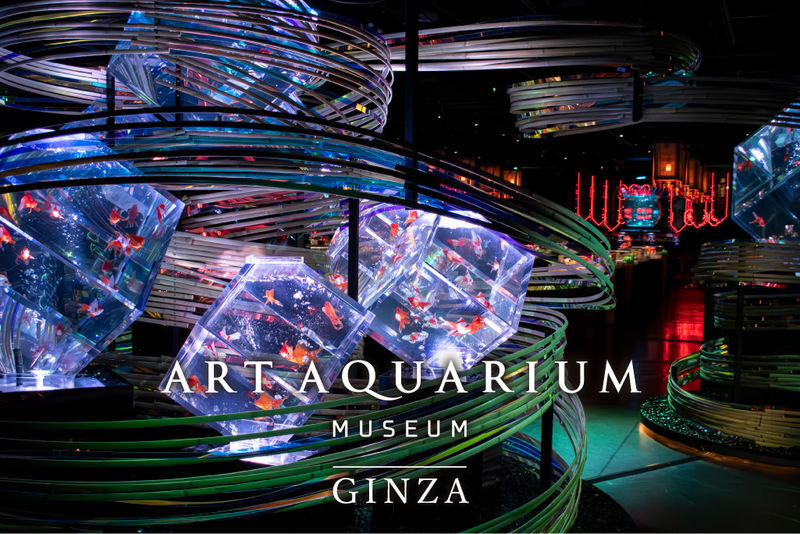
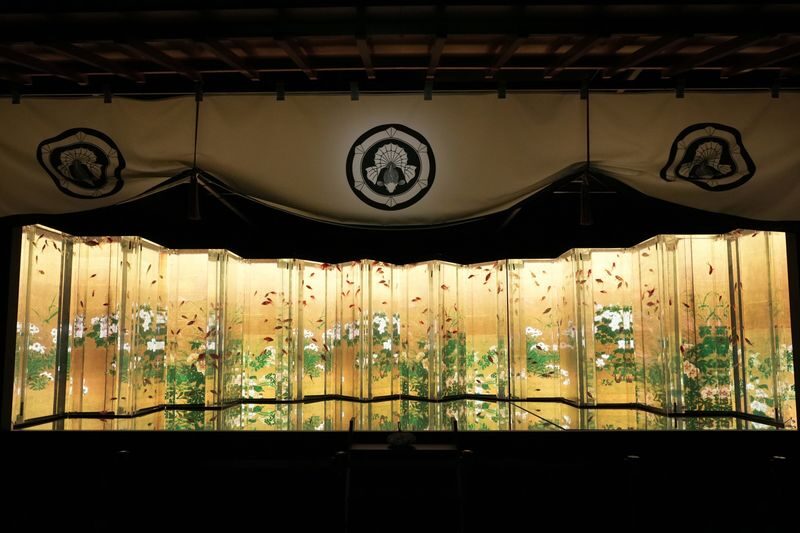
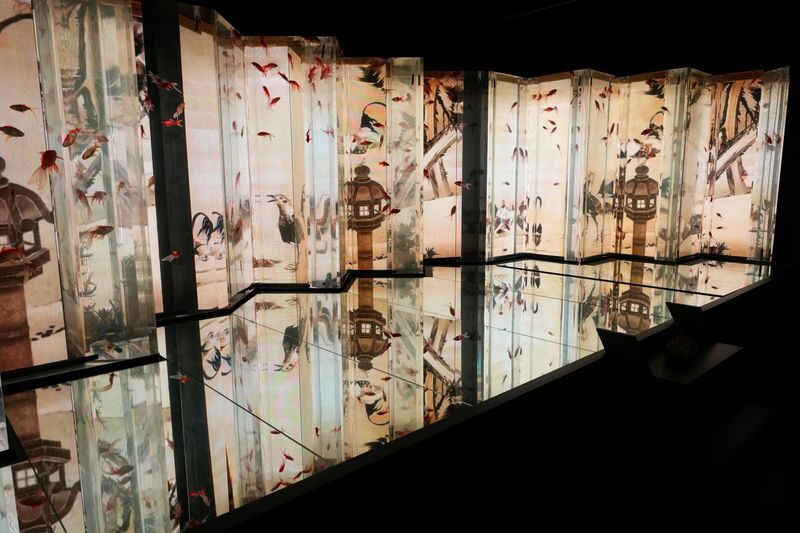
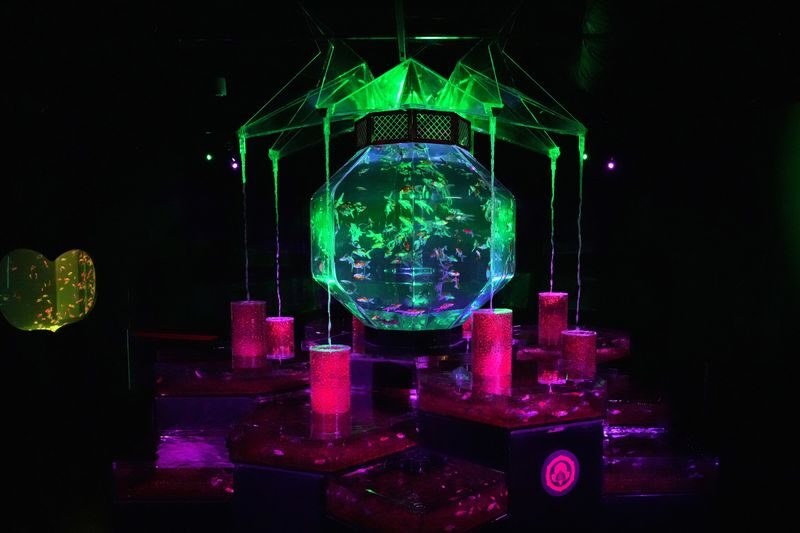
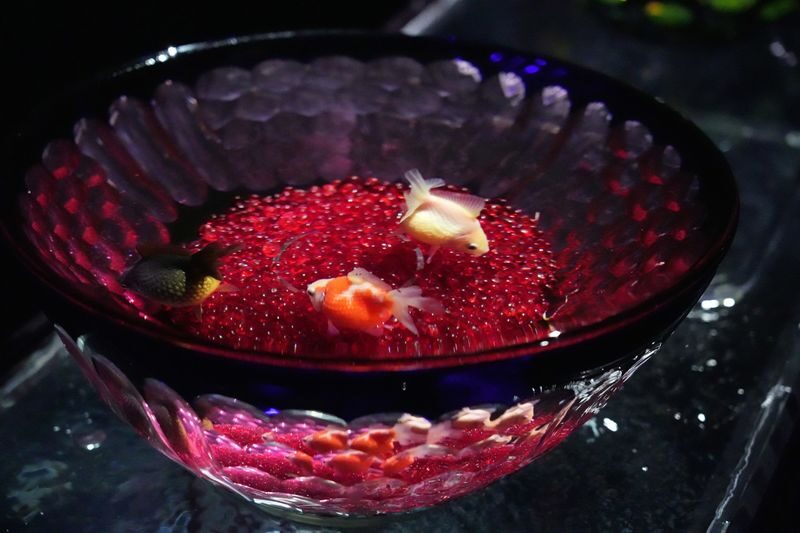
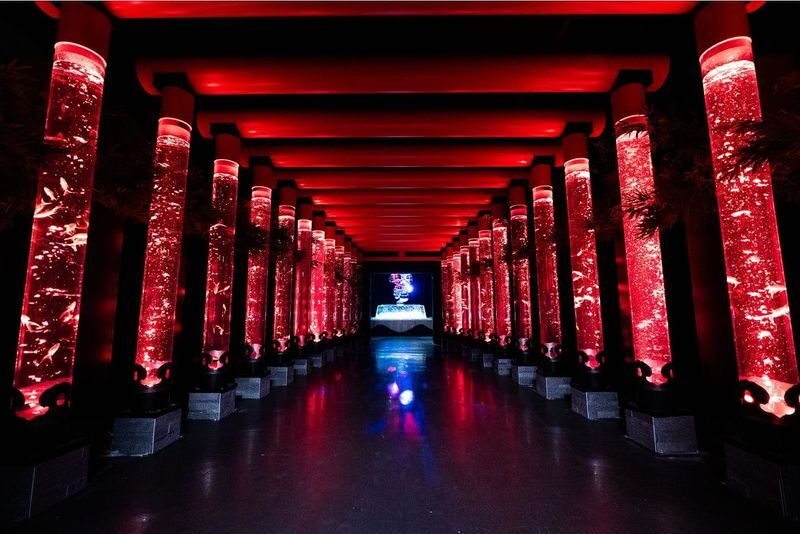
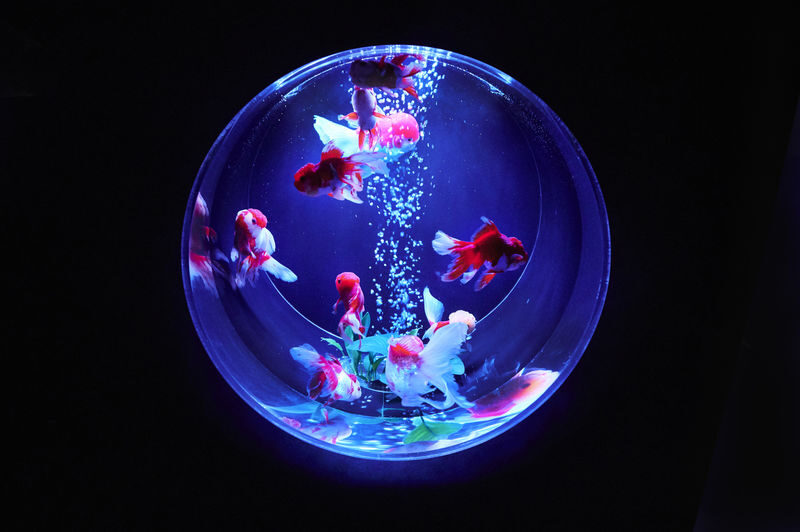
- Goldfish Corridor: Long lines of lit tanks make the fish seem to swim through patterns of color.
- Goldfish Waterfall: Stacked tanks create a water-like cascade, one of the more striking photo stops.
- Temaririum: Bright patterns inspired by Japanese temari balls give this display a distinct traditional look.
- Bamboo Forest: Tall, glowing tanks echo bamboo stalks, with shifting light around the fish.
- A compact visit: Allow 30 minutes to two hours. Many people will find about an hour is enough to see the main displays at a relaxed pace.
- A handy Ginza location: The museum is inside Ginza Mitsukoshi, with direct access from Ginza Station and other nearby stations.

👉 See our pick of the Our Picks For The 11 Best Workshops & Classes In Tokyo
Goldfish, light, and a different kind of aquarium
This is not a conventional aquarium focused on ecosystems, educational exhibits, or a wide range of marine life. Art Aquarium Museum GINZA puts goldfish at the center and uses the setting around them as part of the display. The result is closer to a sequence of designed rooms than a day-long museum visit.
The show’s appeal comes from the contrast between familiar fish and unfamiliar surroundings. Goldfish move through illuminated tanks, colored patterns, and Japanese-inspired shapes. The changing light and quiet atmosphere can make a simple scene feel theatrical, while the fish themselves keep the displays from becoming static.
That distinction matters when deciding if the ticket suits you. If you want a broad introduction to aquatic life, this is not the place to choose. If you enjoy photography, visual design, or unusual indoor attractions, you’ll have more to look at.
The setting is deliberately dark and subdued, according to some descriptions of the exhibition. That lets the lit tanks draw your attention, but it may not suit everyone. If you prefer bright, open galleries or feel uneasy about fish kept in small displays, consider that before booking.
You can also read our reviews of more tours and experiences in Tokyo


Following the displays from corridor to bamboo
The route takes you through a series of distinct goldfish installations. There’s no guide named in the available activity details, and the visit is designed for you to wander at your own pace. Take your time with the first room instead of treating the displays as a checklist. The appeal is in noticing how the tank shapes and lighting change the way you see the fish.
The Goldfish Corridor uses long rows of illuminated tanks. It gives you a clear introduction to the museum’s central idea: the fish, light, and repeated tank forms work together as one composition. The corridor also offers an easy way to take photos, though the low-light setting may make phone shots look different from what you see in person.
At the Goldfish Collection, rare goldfish appear in creative tank designs that show off their colors, fins, and shapes. This is the point to slow down and compare the fish rather than simply looking for the next dramatic room. The exhibition’s focus is narrow, but the range of goldfish forms gives that focus some variety.
The Goldfish Waterfall stacks tanks in a cascading arrangement. It is among the clearest examples of the museum turning aquarium displays into set pieces. Look at the overall structure, then at the fish moving inside each level. If you’re taking photos, this is a good place to pause and try a few angles.
In Temaririum, the patterns draw on traditional temari balls. The bright geometry gives the room a different visual rhythm from the corridor and waterfall. The fish move through the patterns, so the scene changes as you watch. This mix of Japanese design references and aquarium display is one reason the attraction feels distinct from a standard fish exhibit.
The Goldfish Bamboo Forest uses tall column tanks that glow like bamboo. Shifting light changes the look of the room, and the upright displays make this section feel different from the lower, more horizontal arrangements elsewhere. It also provides another strong photo stop, although the lighting can be part of the ethical concern for people who are uncomfortable with animals displayed in theatrical conditions.
Displays can change with the seasons, so the museum’s look may not be identical on every visit. The named installations give you a useful sense of the show’s style, but leave room to notice what is on view during your date.
How long to allow, and how to make the visit count
The stated visit time is one to two hours, but that is a generous window for a compact attraction. If you move quickly, you may see everything in about 30 minutes. If you like to take pictures, compare the displays, or stop with children, plan closer to an hour or more.
The difference comes down to how you visit. A quick walk-through gives you the broad idea: rows of tanks, distinctive lighting, and several Japanese-inspired designs. A slower visit lets you look at individual fish, revisit a favorite room, and try photos without rushing. There is no need to stretch the stop if the visual style is not for you.
I’d think of this as a short Ginza activity, not a destination that needs to fill half a day. It pairs naturally with shopping or a meal in the area, and it can be a useful indoor option on a rainy day. If your hotel is far away and your schedule is tight, the short duration makes the trip less attractive unless the exhibition itself is high on your list.
Photography is allowed, including video, which is a real plus if you enjoy documenting unusual interiors. Keep in mind that a phone screen may not reproduce the color and dimness of the rooms exactly. Take a few pictures, but give yourself time to look up from the camera too.
Is the ticket worth its price?
Tickets start at $17.05, with package options that may affect the value. For a compact exhibition, that can feel expensive if you expect a large aquarium or several hours of activities. On the other hand, the ticket covers a specific art-focused attraction in central Ginza, and the unusual displays offer more than a row of ordinary fish tanks.
The best value comes when you appreciate the combination of design, light, and goldfish, rather than judging the visit by its length alone. If you get strong pleasure from visual settings and photography, a one-hour stop may feel worthwhile. If you want a long, information-packed museum visit, the short route could leave you wanting more.
Look closely at the package you choose. Options include a fixed-date ticket, a flexible-date adult ticket, a buy-two-get-one-free offer, and a ticket with a JPY 500 museum-shop voucher. There are also combinations with teamLab Planets TOKYO or 24-, 48-, and 72-hour Tokyo Subway tickets. Check the terms and dates for the option you select, as the listed price and inclusions can vary.
The shop is at the end of the visit, and one ticket option includes a JPY 500 retail voucher. If you already expect to browse the shop, that package may make more sense than admission alone. The voucher is for the museum shop, not a general discount elsewhere in Ginza.
Getting to the entrance inside Ginza Mitsukoshi
The address is 4 Chome-6-16 Ginza, Chuo City, Tokyo, inside the Ginza Mitsukoshi New Building. The entrance is via Ginza Terrace on the ninth floor. Use the New Building escalator or elevators in either building to reach that level. The Main Building escalator does not go directly to the ninth floor, so following the wrong escalator can send you searching.
Ginza Station, served by the Tokyo Metro Ginza, Marunouchi, and Hibiya lines, has direct access. Higashi-Ginza Station is about a two-minute walk via an underground passage, while Ginza-itchome Station is about five minutes away from Exit 9. JR Yurakucho Station is roughly a nine-minute walk from the Chuo or Ginza exit.
The location is easy to combine with a day around central Tokyo, but do allow time to find the correct building entrance. The venue is in a department store complex, and the key practical detail is the ninth-floor Ginza Terrace entrance.
Opening hours are listed as 10:00 a.m. to 7:00 p.m., with last entry at 6:00 p.m. Hours and closure dates can change, so check the museum’s current information before you set out. Advance purchase is recommended, especially on weekends and holidays, when same-day tickets may sell out.
Tickets are date-specific unless you choose a flexible-date option. If you miss the selected entry time, you may still be admitted later that same day, but you could have to wait during busy periods. Entry is by voucher, so have it ready at the entrance.
Strollers and pets are not allowed, and there are no coin lockers inside the museum. Lockers are available around the station, so travel light or store bulky items before arriving. Up to two children aged 0 to 12, including elementary school students, enter free with a paying adult. Children in that age group must be accompanied by a paying adult.
You can also read our reviews of more museum experiences in Tokyo


A family stop, with one important question to weigh
The displays and the photo-friendly format make this an easy option for families with younger children. The free entry allowance for up to two children per paying adult also improves the price for a family. Still, the exhibition is dark, the route is relatively short, and there are no details here about special activities for children. Think of it as a visual outing rather than a hands-on children’s museum.
There is another consideration beyond age and attention span: animal welfare. Some people find the fish displays beautiful and calming; others feel uneasy about the size of the tanks or the lighting. Those reactions are personal, but they are worth taking seriously. If the way animals are displayed is likely to trouble you, this may not be a comfortable visit, no matter how striking the art looks.
For everyone else, the best approach is to go in knowing what the attraction is and what it is not. It is a designed exhibition centered on goldfish, not an expansive aquarium or a traditional Japanese art museum. That clear expectation makes it easier to judge whether the ticket matches your interests.
Should you book Art Aquarium Museum GINZA?
Book if you enjoy unusual visual displays, want a photo-friendly indoor stop, or are already spending time in Ginza. The goldfish corridor, waterfall, Temaririum, and bamboo-like tanks give the visit a clear sense of place, and the compact format fits easily between other plans.
Think twice if you expect a large aquarium, a long visit, or extensive educational content. The ticket can feel steep for a short circuit, and the display style may not sit well with you if you’re concerned about fish kept in small tanks under bright, changing lights. If those trade-offs work for you, this is a distinctive stop. If not, spend your time and budget elsewhere.
Art Aquarium Museum GINZA Ticket
“Original idea, but you can see everything in 30 minutes, which is why I consider it a bit pricey.”
FAQ
How long does a visit take?
Plan for about one to two hours, depending on how long you spend looking at each display and taking photos. A brisk visit may take about 30 minutes.
What are the opening hours?
The listed hours are 10:00 a.m. to 7:00 p.m., with last entry at 6:00 p.m. Hours and closure dates may change, so check the latest information before visiting.
Where is the museum entrance?
The museum is inside the Ginza Mitsukoshi New Building at 4 Chome-6-16 Ginza. Enter via Ginza Terrace on the ninth floor, using the New Building escalator or an elevator.
Which stations are closest?
Ginza Station has direct access. Higashi-Ginza Station is about a two-minute walk via an underground passage, Ginza-itchome Station is about five minutes away, and JR Yurakucho Station is about a nine-minute walk.
Can I take photos and videos?
Yes. Visitors may take photos and videos inside the museum.
Do children need a ticket?
Up to two children aged 0 to 12, including elementary school students, can enter free with a paying ticket holder. Children must be accompanied by a paying adult.
Are strollers, pets, or lockers available?
Strollers and pets are not allowed inside, and the museum has no coin lockers. There are coin lockers around the station.