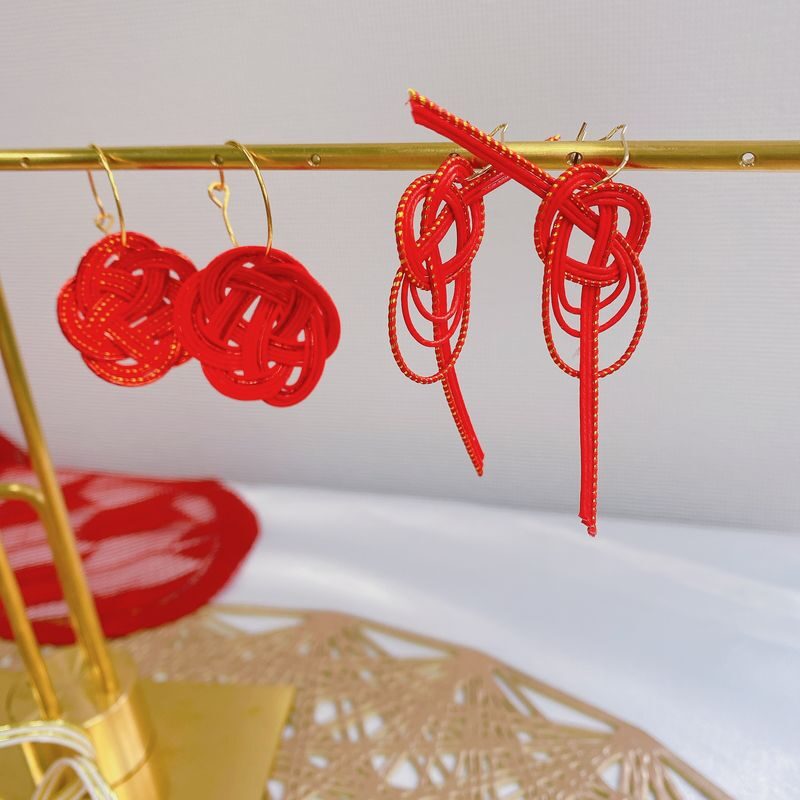
A Daruma workshop gives you something more personal than a souvenir-shop purchase: you make a traditional Japanese good-luck doll your own, choosing washi paper and drawing its face. At KUROMAMEDO in Shinjuku, you can also get a taste of the craft shop’s broader menu, which includes mizuhiki accessories and Maiko bookmarks.
I like two things in particular: you can bring a face design or character idea to make your doll individual, and the instructor explains Daruma’s history alongside the hands-on craft. The shop is also a few minutes from Shinjuku Gyoen National Garden, so the workshop can fit naturally into a day in the area.
One consideration: this is a focused craft activity, not a broad cultural tour. The exact duration and group size aren’t specified, so check those details if they matter to your plans.
- Choose your washi: Use your favorite Japanese paper to give your Daruma its own look.
- Draw a custom face: You can bring a draft or draw a face inspired by a favorite character.
- Get guidance as you work: Tomomi has led sessions and is described as patient and precise in her directions.
- Find more crafts in the shop: Mizuhiki accessories, Maiko bookmarks, seasonal Nerikiri sweets, and ready-made souvenirs are also part of KUROMAMEDO’s offerings.
- Plan around Shinjuku: The workshop is at Shinjyuku Front Bldg., a few minutes from Shinjuku Gyoen National Garden.
- Snacks and a welcome gift are included: The listed starting price is $25.25 for the Daruma Workshop.
- Making a Daruma That Feels Like Yours
- Choosing Paper and Designing the Face
- Learning With an Instructor
- A Craft Shop With More Than Daruma
- Fitting the Workshop Into a Shinjuku Day
- Who Will Get the Most From It
- Is the Daruma Workshop Worth Booking?
- FAQ
- Where is the Daruma workshop held?
- How much does the Daruma Workshop cost?
- What will I make?
- Can I bring a design for the Daruma face?
- Who teaches the workshop?
- What is included in the price?
- Are children included in the booking headcount?
- Can I cancel for a refund?
- The Best Of Tokyo!
- More Workshops & Classes in Tokyo
- More Tours in Tokyo
- More Tour Reviews in Tokyo
Making a Daruma That Feels Like Yours
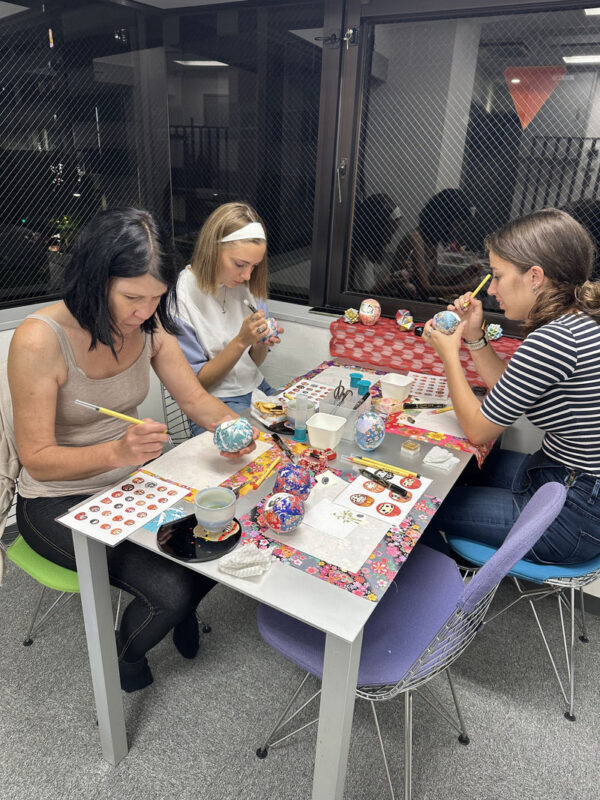
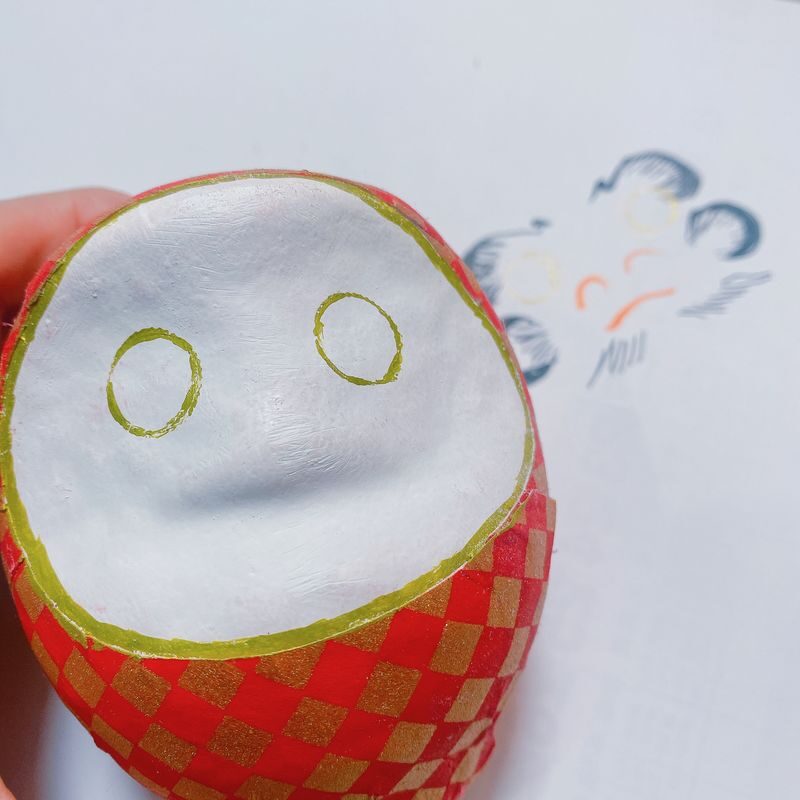
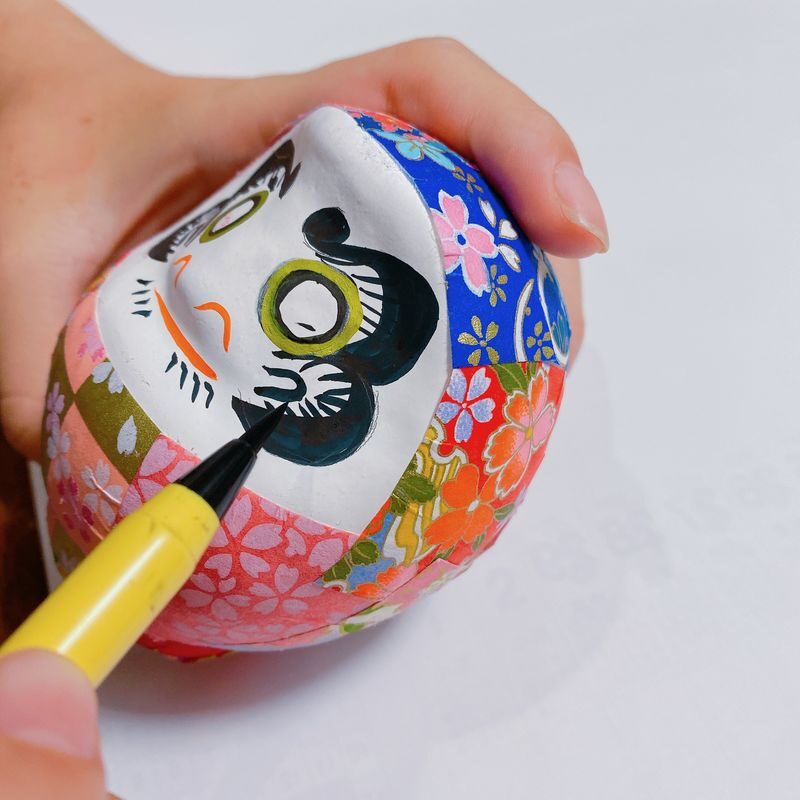
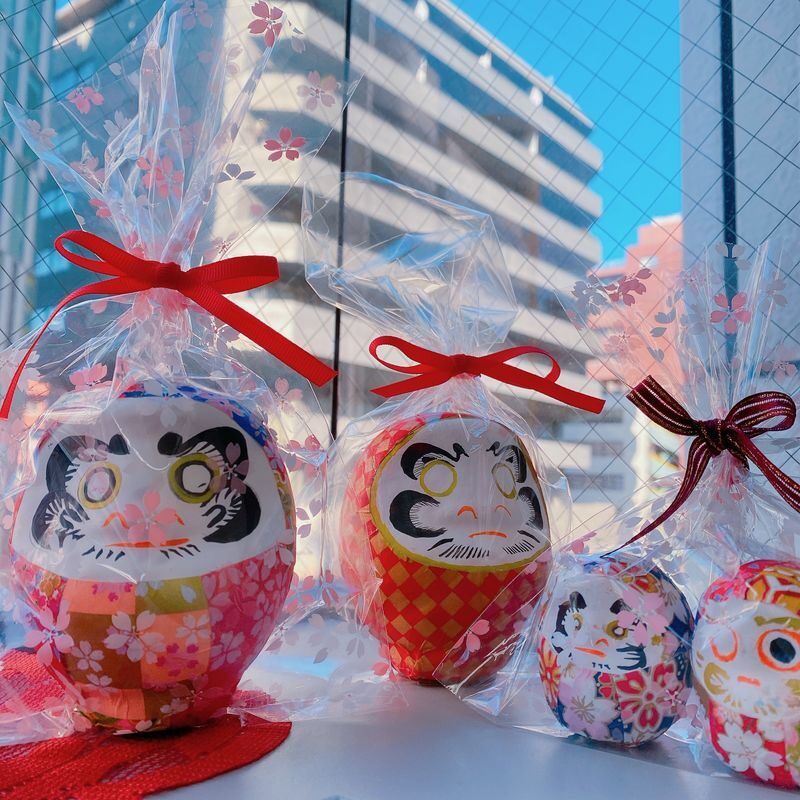
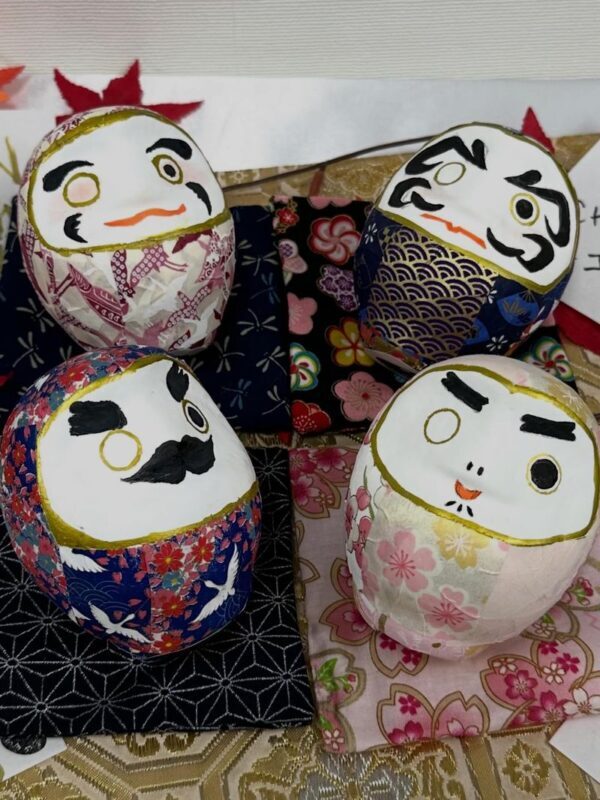
The heart of this experience is simple: you make a Daruma, a traditional Japanese doll, into a souvenir that reflects your own taste. Instead of choosing a finished object from a shelf, you select washi paper and draw the face yourself. That small act of choice is what makes the finished piece feel personal.
You don’t have to settle for a standard expression, either. The workshop information invites you to bring a draft of a Daruma face, and says you can draw a face based on a favorite character. If you have a particular idea in mind, bring a sketch or visual reference. It gives you a starting point, while leaving room to adapt the design as you work.
The activity is a good match for anyone curious about traditional Japanese crafts but unsure where to begin. You don’t need to arrive with a whole project planned. The instructor is there to explain the technique and help you through the process, and the workshop’s appeal lies in making something with your own hands rather than simply hearing about a tradition.
Daruma are associated with Japanese tradition, and the class includes an explanation of their history. That context helps the craft feel less like a casual art project and more like a small encounter with an object that carries cultural meaning. The exact historical topics aren’t specified, so think of this as an introduction that accompanies the making, not a full history lesson.

👉 See our pick of the Our Picks For The 11 Best Workshops & Classes In Tokyo
Choosing Paper and Designing the Face
Washi paper is one of the main ways to personalize your doll. The workshop lets you choose your favorite paper, so your selection can shape the look of the finished Daruma before you even draw its face. You might prefer a pattern that feels bold, delicate, or simply pleasing to you. The available designs aren’t listed, so you’ll see the actual options when you visit.
The face is another chance to make the souvenir your own. A traditional expression is one option, but the workshop also welcomes original designs and character-inspired faces. If you’re particular about what you want to draw, a draft can help. If you’d rather decide on the spot, you can use the materials and guidance at the workshop to find a direction.
This freedom is a plus, especially if you’re doing the activity with a friend or family member. You can both make Daruma dolls without ending up with identical keepsakes. The trade-off is that a custom design may take more thought than copying a sample. If you prefer a clear plan, sketching in advance can make the creative part easier.
The class is also a practical choice for a souvenir that packs more meaning than a generic trinket. You’ll have a reminder of a hands-on activity, and the finished object will reflect choices you made during the workshop. Just keep in mind that the precise steps, materials beyond the washi, and expected completion time aren’t provided in advance.
You can also read our reviews of more tours and experiences in Tokyo


Learning With an Instructor
Good instruction matters in a craft workshop, particularly if you haven’t tried the technique before. Tomomi has led this class, and her teaching has been described as gentle and patient, with clear explanations of each step. She has also shared Daruma’s history during the activity, giving the making a bit of cultural context.
The location guidance is another practical point. Tomomi has been praised for sending precise directions that made the workshop easy to find. Check for any message from the instructor before you set out, especially if you’re unfamiliar with the building. The meeting point is Shinjyuku Front Bldg., and the workshop is in Shinjuku.
Instructor availability can change, so don’t assume Tomomi will lead every session. Still, the reported approach gives you a useful sense of the class: it is intended to be welcoming to people exploring Japanese culture, including visitors who may not have experience with traditional crafts. If you have questions about the craft or design, asking the instructor is likely the best way to get help tailored to your project.
The class has received very positive early feedback, with praise for patient explanations, quality materials, and a wide choice of things to work with. That is encouraging, though the total number of ratings available is small. I’d treat it as a promising sign rather than proof that every session will be identical.
A Craft Shop With More Than Daruma
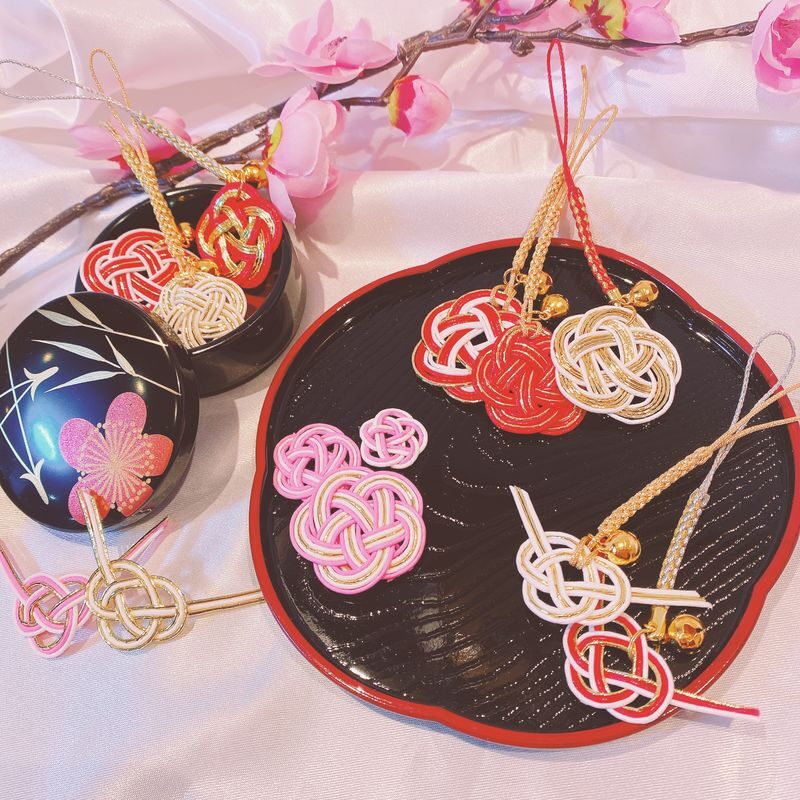
KUROMAMEDO offers more than one kind of handmade activity. Alongside the Daruma workshop, the shop lists mizuhiki crafts, where colored strings are used to make accessories or charms, and Maiko bookmarks. It also offers handcrafted Nerikiri, Japanese sweets inspired by the seasons.
That range gives the shop a broader identity than a single-purpose class venue. If you’re interested in Japanese crafts, you can explore other activities or look at ready-made souvenirs in the store. The Daruma package, however, is the one described here, so don’t assume another craft is included in its price.
The extra choices are useful if you’re planning with someone whose interests differ from yours. One person may be drawn to the Daruma, while another prefers a small accessory or bookmark. But the available information doesn’t say whether you can switch activities during a booking, combine workshops, or buy a multi-activity package. Check with the operator if you want to do more than the Daruma session.
Seasonal Nerikiri sweets add another thread of Japanese tradition to the shop’s offerings. Snacks are included with the Daruma package, but the information doesn’t specify what they are or whether they are Nerikiri. It’s best to think of the sweets as part of the wider shop experience, not a guaranteed part of this particular workshop.
Fitting the Workshop Into a Shinjuku Day
The meeting point is Shinjyuku Front Bldg. in Shinjuku, and KUROMAMEDO is a few minutes from Shinjuku Gyoen National Garden. That makes the workshop a natural stop if you’re already spending time in this part of Tokyo. You can plan it alongside a visit to the garden without treating it as a separate day trip.
The precise directions deserve a little attention. A previous session leader, Tomomi, has provided particularly clear instructions, but you should still check any location message you receive rather than relying on a general map pin alone. The building’s name is useful when planning, and the instructor’s directions may help with the last part of finding the shop.
No workshop duration is provided, so I wouldn’t build a tight schedule around an assumed finish time. If you have a timed reservation elsewhere, confirm how long the activity takes before booking. The same goes for group size, which isn’t specified. You can ask the operator if you’re looking for a quieter class or have a particular scheduling need.
Snacks and a welcome gift are included. These are pleasant extras, but the main value is the activity itself: guided time making an original Daruma and the finished souvenir. At a starting price of $25.25, the workshop can be a reasonable way to spend part of a Tokyo day if a hands-on craft matters more to you than a quick shopping stop.
Who Will Get the Most From It
I’d recommend this workshop to you if you enjoy making things, want a tangible souvenir, or are curious about Japanese craft traditions without needing a full-day class. It also suits people who like a bit of creative freedom. You can plan a design beforehand, or use the workshop as a chance to experiment with paper and a face of your own.
Families may find the activity appealing, but there’s one booking detail to note: infants and children must be included in the passenger headcount. The information doesn’t give an age limit or say how much assistance children need, so ask the operator if you’re deciding whether it fits a young child.
This may be less appealing if your priority is a detailed guided tour of Tokyo, a long lecture on Japanese history, or a highly structured sightseeing itinerary. The workshop is centered on making a Daruma. Its cultural element comes through the craft and the instructor’s explanation, rather than a wider tour of the city.
The shop’s other crafts are a bonus for people interested in Japanese handmade goods, but they shouldn’t be confused with the included activity. Choose the Daruma package because you want to make a Daruma. If mizuhiki accessories or Maiko bookmarks are your main interest, ask whether those have separate sessions and what they cost.



Is the Daruma Workshop Worth Booking?
At $25.25 and up, this is a fairly direct purchase: you’re paying for a guided craft activity, a personal souvenir, snacks, and a welcome gift. The value will depend on whether you enjoy the process of making something. If you only want a finished Daruma, the shop also sells ready-made souvenirs, but the workshop offers the extra experience of choosing materials and drawing the face yourself.
I’d book it if you want a manageable, creative break in Shinjuku and like the idea of carrying home an object you helped make. The patient instruction and historical context add something useful, while the option to bring a face design makes the activity more flexible than a fixed template. Before booking, confirm the duration and group size if those could affect your day, and check for detailed directions from the instructor.
Daruma Workshop by Making your Own Japanese Souvenir in Shinjuku
“Wonderful experience! The instructor was exceptional and patient, explaining each step perfectly. It was a great shared moment with quality materia…”
FAQ
Where is the Daruma workshop held?
It takes place at KUROMAMEDO in Shinjuku, at Shinjyuku Front Bldg. The shop is a few minutes from Shinjuku Gyoen National Garden.
How much does the Daruma Workshop cost?
The listed starting price is US$25.25 for the Daruma Workshop.
What will I make?
You’ll make a Daruma doll using washi paper of your choice and draw its face.
Can I bring a design for the Daruma face?
Yes. You can bring a draft, and the workshop information says you can draw a face inspired by a favorite character.
Who teaches the workshop?
Tomomi has led sessions and has been described as a gentle, patient instructor who explains the steps and Daruma’s history. The instructor for your session may vary.
What is included in the price?
Snacks and a welcome gift are included with the Daruma Workshop.
Are children included in the booking headcount?
Yes. Infants and children must be included in the passenger headcount.
Can I cancel for a refund?
You can receive a full refund if you cancel at least 24 hours before the activity date, using destination local time. If the operator cancels because of unforeseen events or extreme weather, you can request a full refund.