Edo Kiriko turns a plain glass into something personal: you choose a pattern, learn to cut it, and leave with the piece you made. At Sokichi, a 90-minute class gives you practice before you work on your own glass, so you can try a traditional craft without needing an artistic background.
I like the chance to choose from many glass shapes and pattern samples, then make your own decisions about the design. I also like that instructors guide each person at their own pace, with English, Chinese, and Japanese support available.
One thing to consider: cutting requires focus and steady hand movements. A clear glass is included, but colored glass costs extra, and the extra payment has been reported as cash only.
- Practice comes first: Try cutting techniques on a spare glass before working on your chosen piece.
- You design both sides: Pick patterns for the base and the side of your glass.
- Clear glass is included: Colored options cost extra, so bring cash if you may want to upgrade.
- The class takes about 90 minutes: It fits neatly between other Asakusa stops.
- You leave with your own glass: Your finished piece is boxed for you to take home.
- Children must be at least nine: The work calls for concentration, and accompanying a child may require advance contact.
- A hands-on way to understand Edo Kiriko
- Choosing your glass and pattern
- Practising before the real cuts
- Carving the base and the side
- A good fit for an Asakusa day
- What the price buys
- Who should book this class
- Should you book?
- FAQ
- How long does the glass-cutting experience take?
- What is included in the starting price?
- Can I choose a colored glass?
- What time can I book the class?
- What is the minimum age to participate?
- Where is Sokichi Kiriko Workshop?
- Can I get a refund if I cancel?
- The Best Of Tokyo!
- More Tours in Tokyo
- More Tour Reviews in Tokyo
A hands-on way to understand Edo Kiriko
 1 / 8
 2 / 8
 3 / 8
 4 / 8
 5 / 8
 6 / 8
 7 / 8
 8 / 8
Edo Kiriko is a traditional Japanese glass-cutting craft that dates to the Edo period. Its appeal is easy to see in the finished work: fine cuts catch the light and turn a drinking glass into a patterned object. At Sokichi, you get to try the technique yourself rather than only admire finished pieces.
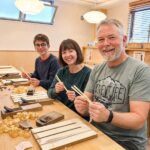
The class is made for beginners. You do not need to arrive with a design background or experience using glass-cutting tools. The instructor demonstrates the technique, gives you time to practise, and helps you adjust as you work. That guidance matters because the cutting can feel less straightforward in your hands than it looks on a finished glass.
This is a small creative project, not a masterclass in every part of the craft. You’ll learn the basics and make one glass within a limited session. The result is a useful souvenir with a story behind it, but it’s best to arrive ready to enjoy the process rather than expect professional-level work.

👉 See our pick of the Our Picks For The 11 Best Workshops & Classes In Tokyo
Choosing your glass and pattern
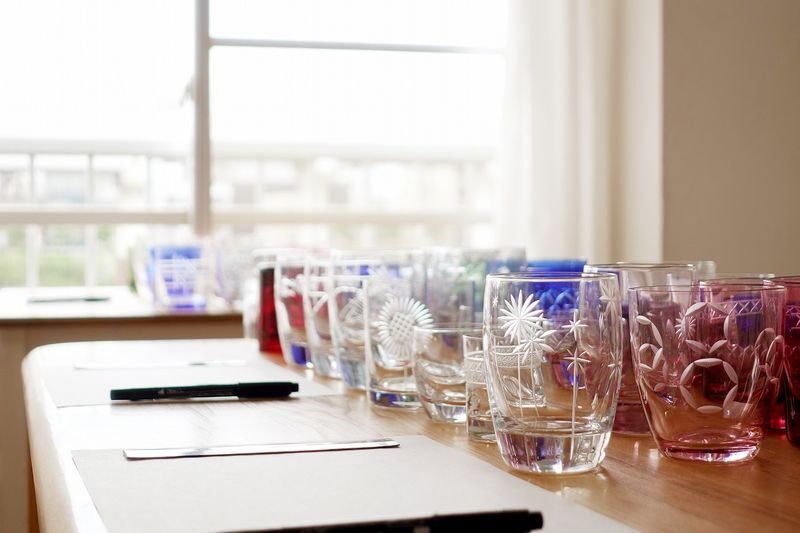
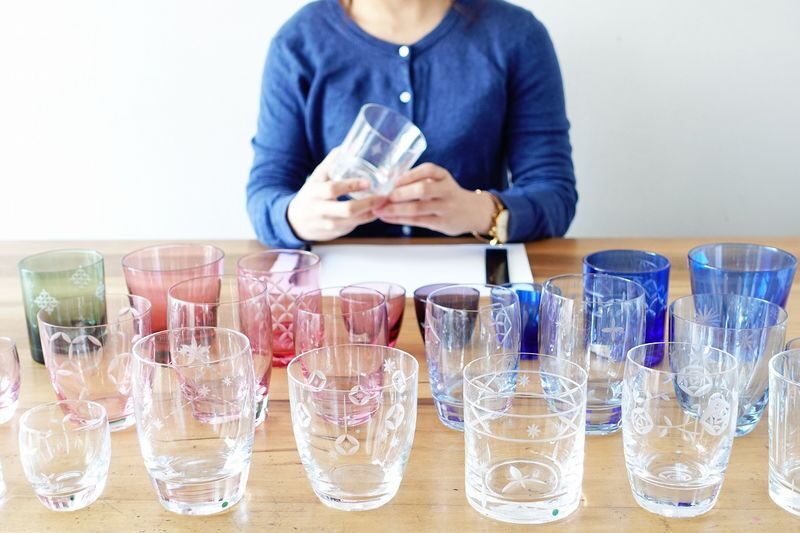
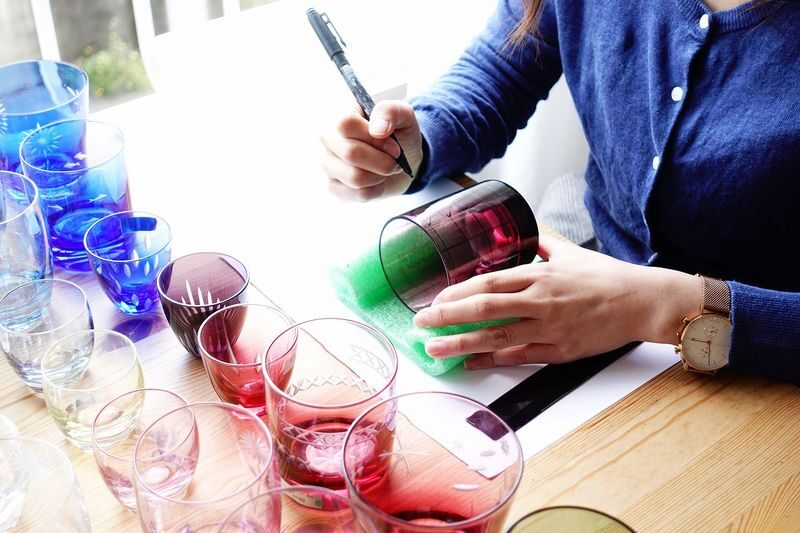
The included option is one clear glass. Sokichi offers a wider selection of shapes and colors, but colored glass costs extra. The amount is not specified as a fixed price in the activity details; some participants have reported an additional cost of about ¥2,000, payable in cash. Ask about the current price before deciding, and bring cash if you think you may want to upgrade.
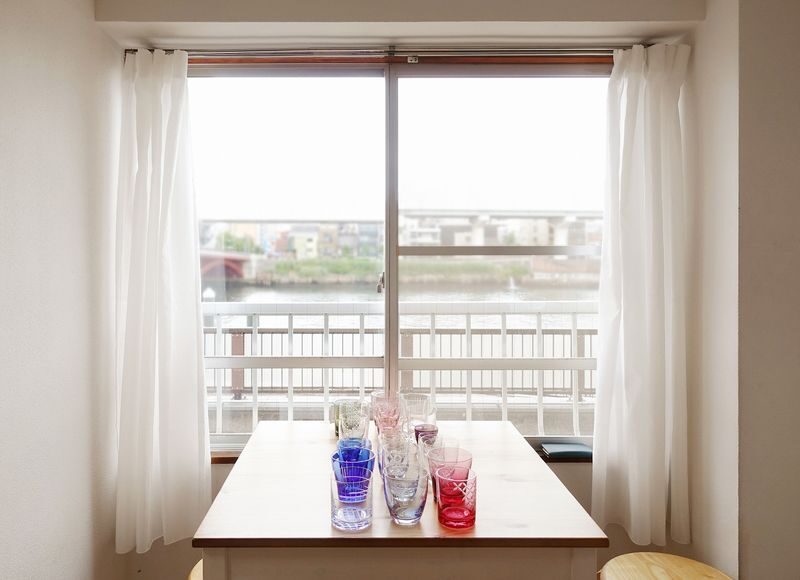
Once you have your glass, you choose a design from a range of samples. You’ll select one for the base and another for the side, giving you room to make the finished piece feel like your own. The samples are useful guides, especially if you are unsure how to build a pattern from scratch.
You can keep the design simple or try a more intricate pattern, but complexity takes time and careful handwork. If this is your first time cutting glass, start with a pattern you can manage comfortably. You can still make a distinctive piece without trying to fit every possible motif onto one glass.
The clear glass is a sound choice if you want to keep the price down. Some people prefer the clean look of clear glass, while color can make the cuts more visible. The best option depends on your taste and budget, not on a rule that one is better.
You can also read our reviews of more tours and experiences in Tokyo.



Practising before the real cuts
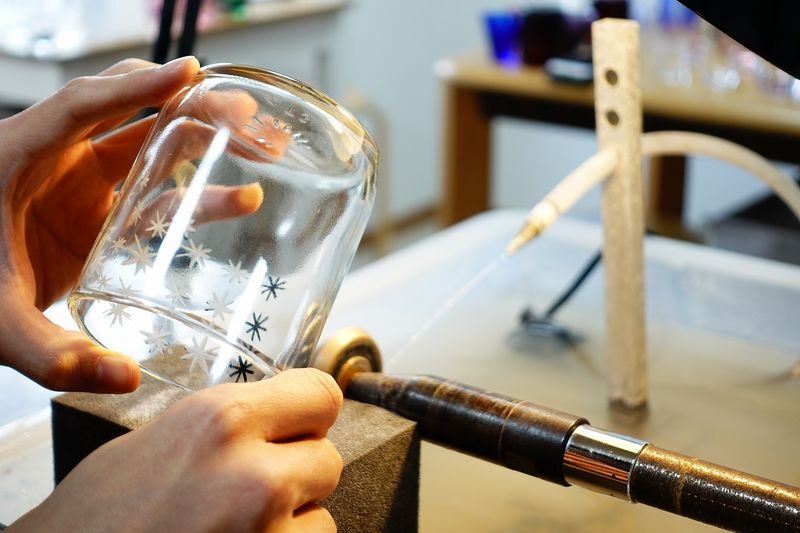
The session begins with an explanation and demonstration of the cutting technique. You then practise on another glass before moving to your chosen piece. This is one of the most useful parts of the class: it lets you test different strokes and get a feel for the tool before making marks you’ll keep.
Take the practice time seriously. Try more than one stroke style, ask questions, and notice how much pressure and control each technique calls for. If a design feels too difficult on the spare glass, you can choose a simpler approach for the finished one.
The instructor gives individual help during the group session. That means you are not left to work out every mistake on your own, and beginners can get advice suited to their pace. People who have little confidence in their artistic ability can still follow the steps and leave with something they are pleased to have made.
Cutting does require concentration. If your hands tire or you need more time to decide on a design, tell the instructor early so you can work out what is practical within the class. The goal is a glass you are happy to take home, not the most complicated pattern in the room.
Carving the base and the side
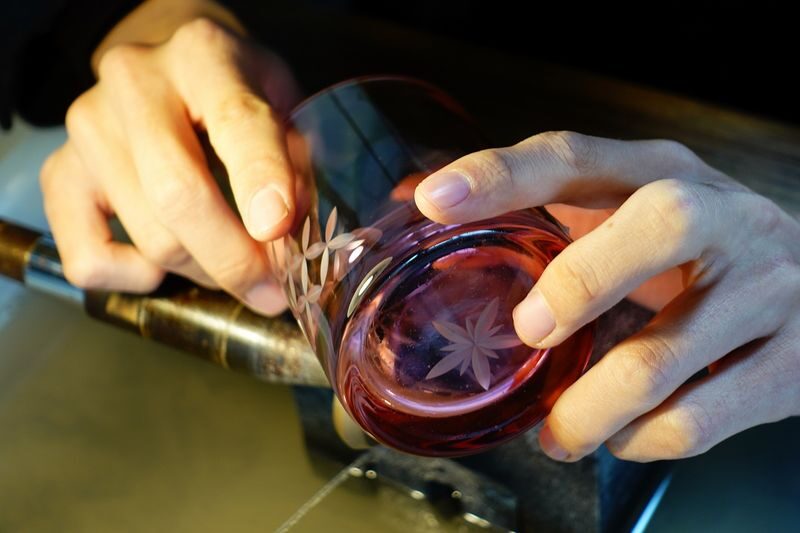
After practice, you carve the design for the bottom of your glass, followed by the pattern on its side. This order gives the project a clear structure: first the smaller base design, then the more visible decoration around the glass.
The work is hands-on throughout. You guide the tool to create the cuts, while the instructor checks your progress and offers advice. If you make a mistake, ask for help rather than assuming the piece is ruined. The instructor can explain what went wrong and, where possible, help you improve the result.
It is worth remembering that this is your own handmade glass. Fine lines may not be perfectly even, and that is part of the difference between a personal piece and a polished example made by a master. If you enjoy making things, the small imperfections can be part of its character. If you want a flawless piece, you may prefer to buy finished Edo Kiriko instead.
At the end, there is a photography corner where you can use your phone or camera to take a picture of your glass. The finished piece is placed in a box on the spot, so you can take it with you. Since it is glass, pack it with care for the rest of your day.
A good fit for an Asakusa day
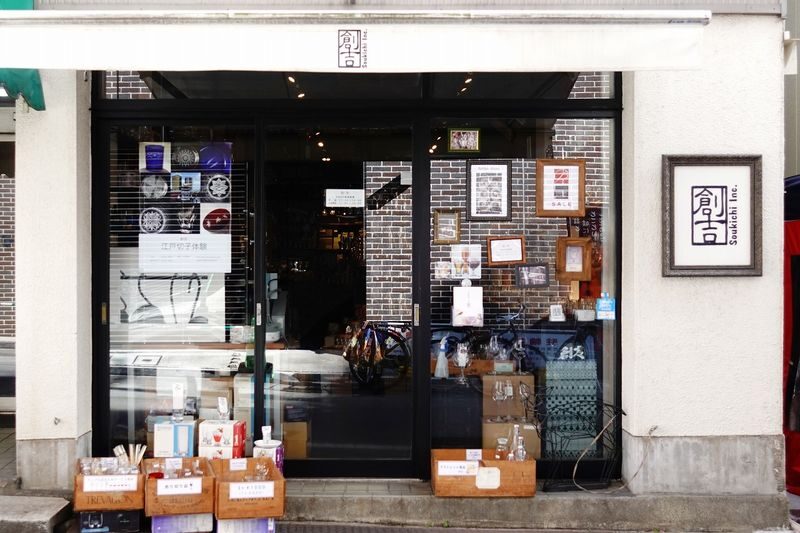
Sokichi is at 2 Chome-1-14 Kaminarimon, a short walk from Asakusa Station and close to the area’s sights. From the Ginza Line, use Exit 4 and continue past Gonpachi and Asakusa Yomo. From the Asakusa Line, use Exit 3, follow the directions past the Kaminari-mon Post Office and Hong Kong Tei, then walk about 300 meters.
The location makes the class easy to pair with time in Asakusa. Its 90-minute length is long enough to learn a skill and finish a glass, but short enough to leave room for sightseeing, a meal, or a visit to nearby shops. The available regular start times are 10:15, 13:00, and 15:00. A session after 17:00 costs ¥550 more.
Arrive 10 minutes before your selected start time. The class runs on a set schedule, and latecomers or no-shows are not eligible for a refund. The meeting point is the workshop itself, so plan your route before setting out rather than relying on a last-minute search.
The group size can range from one to 36 participants. The exact feel of a session may depend on how many people are booked, but the instructor is expected to offer guidance suited to each person. If you want to participate with a child, contact the operator in advance. Children must be at least nine, and adult accompaniment may not be possible in every case because the work needs concentration.
What the price buys
Prices start at $29.89, with one clear glass, the experience course, and an English-, Chinese-, or Japanese-speaking guide included. You also get practice time, instruction, use of the workshop, and a finished glass to take home. For a hands-on activity, that is good value if you want more than a purchased souvenir.
The extra cost to consider is colored glass. The upgrade price may vary, and the additional payment has been reported as cash only. If keeping to the base price matters, stick with the clear glass, which is included and can still show the cut pattern clearly.
The class is most worthwhile for people who enjoy making something and learning by doing. It may be less satisfying if you prefer a quick demonstration, want a finished object without effort, or feel uncomfortable using a cutting tool. The instructor’s help makes the activity accessible to beginners, but it does not remove the need to focus.
Who should book this class
I’d recommend Sokichi to couples, families with children aged nine or older, and solo visitors who want a break from looking at sights. It works particularly well if you enjoy craft activities or want a personal souvenir that connects to a Japanese tradition. The multilingual instruction is a practical help for international visitors.
You do not need to be naturally artistic. A willingness to practise and follow instructions is more useful than drawing skill. Participants with limited patience for careful handwork, or anyone who finds sustained hand movements difficult, should weigh that against the class’s demands. The session requires focus, and the cuts are made by hand.
There is also a satisfying change of perspective in making the glass yourself. Once you have felt how much control the technique takes, you may look at finished Edo Kiriko with a sharper eye. That appreciation is part of what makes this more than a souvenir-making stop.
Should you book?
Book this if you want a manageable, creative activity in Asakusa and like the idea of taking home something you made yourself. The class balances instruction with room to choose your own pattern, and the included clear glass keeps the starting price straightforward. Allow about 90 minutes, arrive early, and bring cash if you may choose a colored glass. If you want a flawless finished piece or would rather avoid focused handwork, this is probably not the best use of your time.
Crafting Your Own Unique Edo Kiriko Glass in Asakusa at Sokichi
“I am so glad I found this activity. The experience was very pleasant, the instructor speaks English very well, and even though there are other stud…”
FAQ
How long does the glass-cutting experience take?
The guided workshop lasts about 1 hour and 30 minutes.
What is included in the starting price?
The package includes one clear glass, the experience course, and a guide who speaks English, Chinese, or Japanese.
Can I choose a colored glass?
Colored glasses are available for an additional charge. The extra payment has been reported as cash only, so bring cash if you may want to upgrade.
What time can I book the class?
Regular departure times are 10:15, 13:00, and 15:00. A session after 17:00 costs ¥550 more. Available return times depend on the departure time selected.
What is the minimum age to participate?
Participants must be at least nine years old. Contact the operator in advance if you plan to participate with your child, as accompaniment may not be possible in every case.
Where is Sokichi Kiriko Workshop?
The workshop is at 2 Chome-1-14 Kaminarimon, Taito City, Tokyo 111-0034, Japan, a short walk from Asakusa Station.
Can I get a refund if I cancel?
You can receive a full refund if you cancel at least 48 hours before the activity date, based on local time. Late arrivals and no-shows are not eligible for a refund.