Flower-shaped sweets are the point here, but the pleasure is in making them yourself. At Eme.Amore, you pipe sweet red bean paste by hand, arrange the flowers on ohagi and see how fruit and vegetable powders lend color to the finished designs. It is a quiet, practical way to spend a few hours with a traditional Japanese craft.
I like two things in particular: the small-class format promises personal guidance, and English instruction plus a printed recipe means you can follow each step and try the technique again at home. Matcha, a light meal and an insulated bag with an ice pack are included, so the class feels like more than a quick demonstration.
One important limit: the class is for women aged 16 and up, and the price starts at $88.29. The experience is described as gluten-free, but the provider does not promise that allergies or health issues will be avoided, so contact them about your needs before booking.
- What to know before you book
- A flower craft, not just a sweets tasting
- The two designs and what you will make
- A three-hour morning near Higashi-Shinjuku
- What the price includes, and what it does not
- Who will enjoy this class most
- Small details that make the morning easier
- Is this Shinjuku wagashi class worth booking?
- FAQ
- Where does the class meet?
- How long does the experience last?
- Who can take the class?
- What is included in the price?
- What should I bring?
- Can I take photos or video during the class?
- The Best Of Tokyo!
- More Tours in Tokyo
- More Tour Reviews in Tokyo
What to know before you book
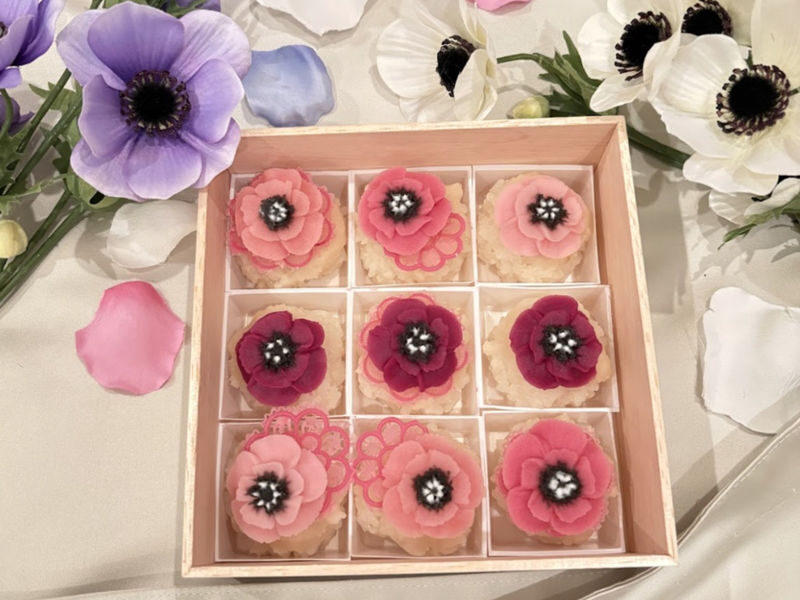
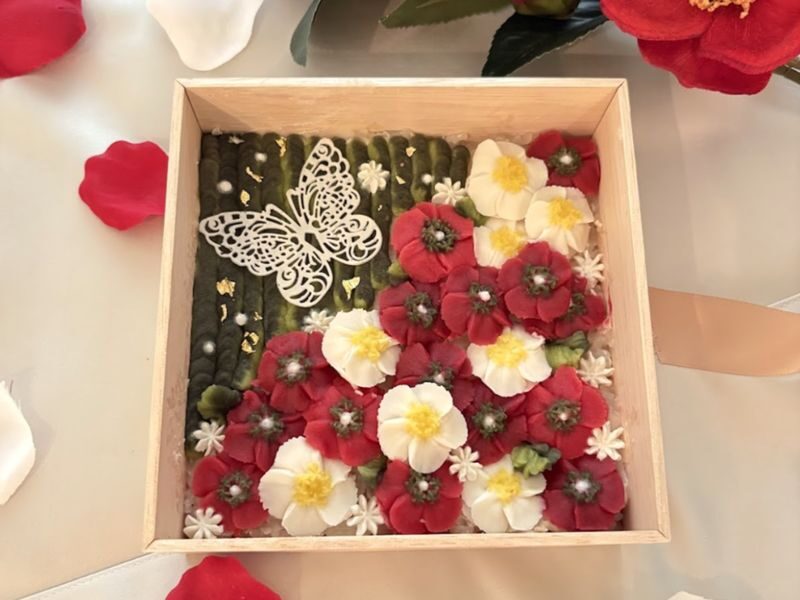
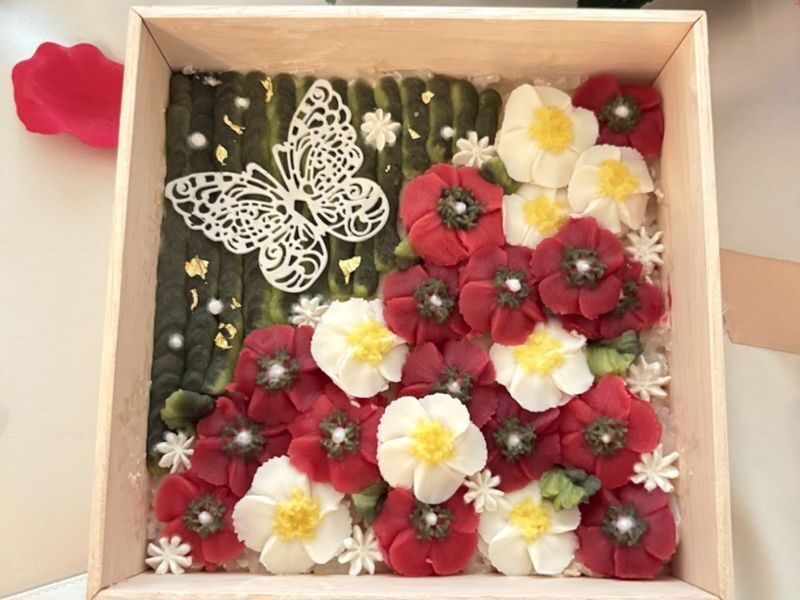
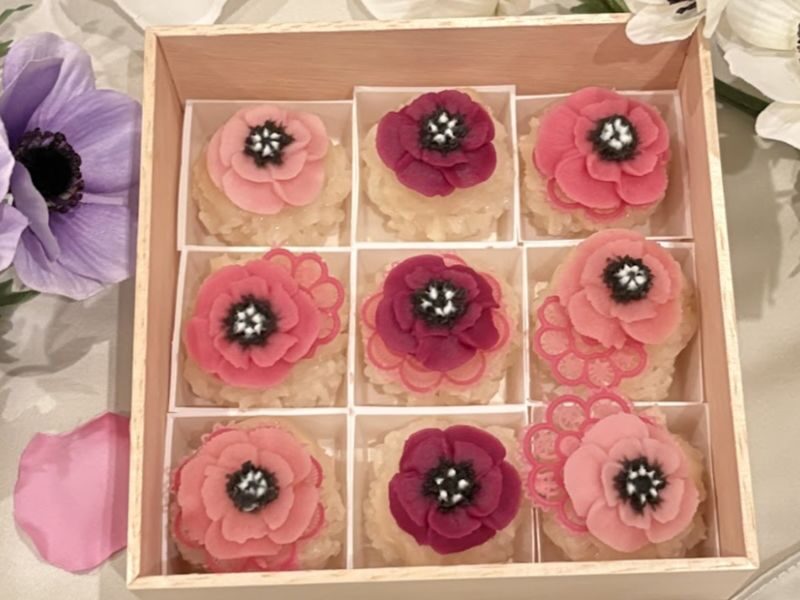
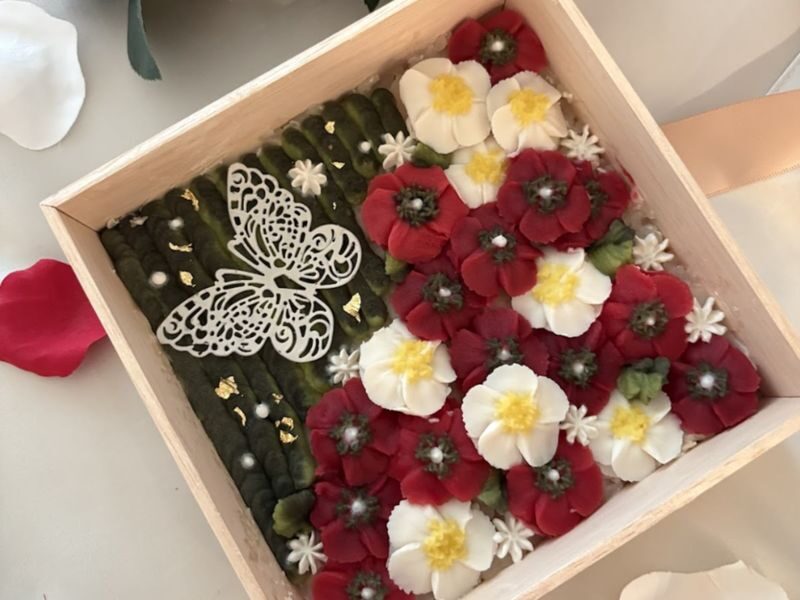
- Pipe flowers from sweet bean paste: Shape the paste by hand, then arrange your work on ohagi, Japanese rice sweets.
- Choose a design: The options are Bamboo Grove & FlowerBox and Anemone Beauty Ohagi Box.
- Learn in English: English-speaking staff provide instruction and an English recipe to take home.
- Meet at Higashi-Shinjuku Station: The instructor waits at the top of the escalator at Exit A3, about a three-minute walk from the class location.
- Plan for a three-hour outing: The stated schedule runs from 11:00 to 14:00 and includes matcha, a light meal and time for photos.
- Check the participation rules: The class is women-only, open to participants aged 16 and older, and does not include transport to or from the venue.

👉 See our pick of the Our Picks For The 11 Best Workshops & Classes In Tokyo
A flower craft, not just a sweets tasting
Wagashi are traditional Japanese sweets, often shaped to echo the seasons. This class focuses on floral decoration: you work with sweet red bean paste and glutinous rice, then use fruit and vegetable powders for color. The result is meant to be both edible and carefully arranged, a small piece of seasonal food art rather than a plated dessert you simply order.
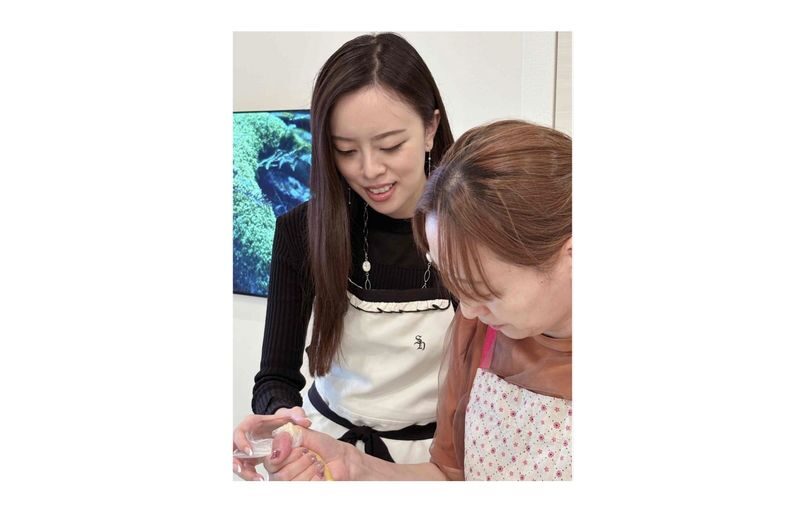
The process is hands-on. You learn to pipe the bean paste into flower shapes, then place those flowers on ohagi in a box. The instructor guides the technique, so you do not need prior experience with pastry work or Japanese sweets. One account of the class described the teacher as patient, helpful and accommodating, which matters when you are learning a precise hand skill for the first time.
I would come for the making as much as the finished sweets. Piping takes care and practice, and your flowers may not look identical to the sample. That is part of the appeal: you leave with something you shaped yourself, not a factory-perfect souvenir.
The class is presented as gluten-free, and the listed ingredients include red bean paste and glutinous rice. The name of glutinous rice can be confusing: it refers to its sticky texture, not wheat gluten. Still, the provider does not accept responsibility for allergic reactions or health issues. If you have a serious allergy or need firm assurance about ingredients and handling, ask before you reserve.
You can also read our reviews of more tours and experiences in Tokyo.



The two designs and what you will make
You can choose between the Bamboo Grove & FlowerBox workshop and the Anemone Beauty Ohagi Box workshop. Both are priced from $88.29. The first has a bamboo-grove and flower-box theme; the second centers on anemone flowers and an ohagi box. The available details do not specify the exact number of sweets or the dimensions of each finished piece, so ask the provider if those points matter to you.
The shared core is the bean-paste piping lesson. You learn to form decorative flowers and arrange them on ohagi, which combines the visual work with a traditional rice sweet. Fruit and vegetable powders supply natural color, rather than the class relying only on plain bean paste. The seasonal flower theme also gives the activity a stronger Japanese character than a generic cooking workshop.
The two package names suggest different looks, but the practical choice is simple: pick the design you most want to make and take home. Your tools are provided for use during class, but they are not yours to keep. The included English recipe is the useful take-home item if you want to repeat the method later.
A three-hour morning near Higashi-Shinjuku
The schedule begins at 11:00 and ends at 14:00. Meet at Higashi-Shinjuku Station, Exit A3, where the instructor waits at the top of the escalator. The class location is about a three-minute walk from the station, in the Higashi-Shinjuku area of Shinjuku. The exact address is sent by email after your reservation is confirmed.
Arrive five minutes early. This is a small class with a fixed start, and late arrivals or no-shows are not refundable. The meeting instructions mention Shinjuku, but the practical point is to use Higashi-Shinjuku Station, Exit A3, not to assume you are meeting at the larger Shinjuku Station.
Introductions come first, followed by instruction in piping bean paste flowers. You then arrange the flowers on ohagi in a box. This order gives you a chance to learn the basic hand movement before turning your work into a finished arrangement. With personal guidance and a small-group setting, you should be able to ask for help instead of trying to keep pace with a large demonstration.
The class also includes matcha, photos and a small gift. You can enjoy your sweets and document the finished work, but there are limits on what you may share: video recording is prohibited, and photos that reveal the recipe, process or class content may not be posted. In other words, take a photo of your finished creation, but respect the instructor’s rules about showing how it was made.
A light meal is included, which makes the three-hour session more self-contained. It is not a full-day food tour, and you should not expect transport or a wider sightseeing program. Think of it as a focused workshop that takes up a morning and gives you something specific to do.
What the price includes, and what it does not
At $88.29 per person, this is not the cheapest way to sample Japanese sweets. The value comes from the guided making session and the materials, rather than from the amount of food. Your fee covers the wagashi ingredients, English-speaking staff, a recipe in English, matcha, a light meal, an insulated bag with an ice pack and the tools needed during class.
The insulated bag and ice pack are practical touches. You can take your finished sweets home, and the packaging helps keep them protected on the way. You do not get to keep the cooking tools, so do not count those as part of the souvenir.
Round-trip transport is not included. Since the meeting point is close to a station served by the Fukutoshin and Oedo lines, the final approach is straightforward if you are already in Tokyo. You will need to pay for your own travel to and from Higashi-Shinjuku.
The price makes the most sense if you enjoy hands-on crafts, want English instruction, or value a small-group lesson over a quick tasting. If your main goal is simply to eat wagashi, buying sweets from a shop will cost less. Here, you are paying for the time, guidance and chance to learn a decorative technique.
Who will enjoy this class most
I would recommend the workshop to women aged 16 and older who like making things, are curious about Japanese food culture, or want a slower-paced activity between sightseeing stops. You do not need to be an experienced cook. The teacher’s patient approach is especially useful for a task where the shape of each flower depends on careful piping.
It also suits visitors who want a souvenir with a personal touch. You make the sweets yourself, arrange them in a box and take them home in the supplied insulated bag. The English recipe gives you a chance to revisit the method after your trip, though ingredients and equipment at home may differ.
This is less suitable if you are looking for a mixed-gender activity, need a class for a child under 16, or want a fully flexible schedule. Children under 15 are not allowed, and the activity is specifically for women. The meeting time is fixed, and there is no parking at the venue.
If you have allergies, ask the provider about ingredients and food handling before booking. The class states that its ingredients are safe to eat, but it does not take responsibility for reactions or other health issues. That is a meaningful caveat for anyone who needs more than a general description of the recipe.
Small details that make the morning easier
Bring a towel, an apron and writing materials. The class supplies the cooking tools for use on site, but the provided information asks you to bring those personal items. There is no parking, so plan to arrive by train or another form of transport.
Keep your booking confirmation handy. Confirmation is normally sent within minutes; if it does not arrive, contact customer support. The voucher is valid only for the date and time you booked. You can cancel for a full refund up to 24 hours before the activity, based on local time.
The instructor’s name is not provided, so you cannot request a particular teacher. What you can expect is English-speaking support and personal instruction in a small class. The workshop also has clear privacy rules: do not share personal information about other participants or the instructor, and do not record video or post images that show the recipe or process.
Is this Shinjuku wagashi class worth booking?
Book it if you want a calm, hands-on introduction to floral wagashi, appreciate patient instruction and like the idea of taking home sweets you made yourself. The English recipe, matcha, light meal and insulated packaging help justify the price, especially if the activity is a highlight rather than a filler between attractions.
Skip it if you only want to taste Japanese sweets, need a class open to all genders, or have food sensitivities that the provider cannot clearly address. For the right person, this is a focused cultural activity with a satisfying result; for everyone else, the restrictions and price may outweigh the appeal.
Shinjuku: Gluten-Free Anko Flower Wagashi Making Cultural Experience
“I had so much fun joining the class, teacher was very helpful and accomodating, taught the art of decorationg with a lot of patience, I highly reco…”
FAQ
Where does the class meet?
Meet at Higashi-Shinjuku Station, Exit A3. The instructor waits at the top of the escalator. The class location is about a three-minute walk away, and the exact address is sent by email after booking.
How long does the experience last?
The stated schedule runs from 11:00 to 14:00, for about three hours. Arrive five minutes before the start time.
Who can take the class?
The activity is for women aged 16 and older. Children under 15 are not allowed.
What is included in the price?
The price includes English-speaking staff, wagashi ingredients, an English recipe, a light meal, matcha, an insulated bag with an ice pack, and cooking tools for use during class. Transport to and from the venue is not included.
What should I bring?
Bring a towel, an apron and writing materials. The cooking utensils and tools are provided for use during the lesson, but you cannot take them home.
Can I take photos or video during the class?
You may take photos, but video recording is prohibited. Do not post photos that reveal the recipe, the process or class content.