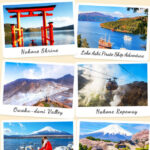
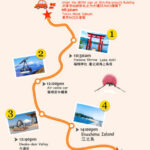
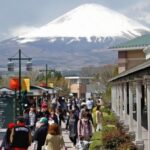
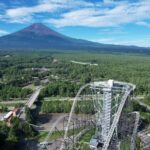
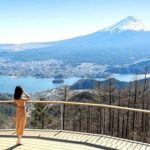
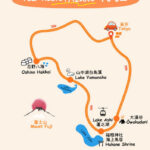
Mount Fuji is the headline, but this day trip gives you more than a single lookout. In roughly 10 hours, you move from Hakone Shrine’s cedar approach and Lake Ashi to Owakudani’s steaming volcanic ground, then on to two quieter spots in the Fuji Five Lakes region.
I like the contrast between the shrine and its red water torii and Owakudani’s raw geothermal terrain. I also like that the day ends at Oshino Hakkai, where clear spring ponds offer a gentler finish than another roadside viewpoint.
The trade-off is a packed schedule, long road transfers and a view of Fuji that depends on weather. Traffic can cut into stop times, so treat this as an efficient sampler, not a slow visit to each place.
- At a glance
- A full day of variety, at a brisk pace
- The cedar approach and Heiwa no Torii
- Lake Ashi by pirate ship, if you choose it
- Owakudani’s steam vents and ropeway ride
- Lake Yamanaka and the Fuji Five Lakes
- Oshino Hakkai’s clear spring ponds
- What the schedule means in practice
- What the price includes, and what it does not
- Guides, weather and the small print that matters
- Should you book this Mount Fuji and Hakone tour?
- FAQ
- How long is the tour?
- Is the pirate ship included?
- Is the Owakudani Ropeway included?
- Which languages are available for the guided tour?
- Where does the tour return to?
- What should I bring?
- The Best Of Hakone!
- More Tours in Hakone
- More Tour Reviews in Hakone
At a glance

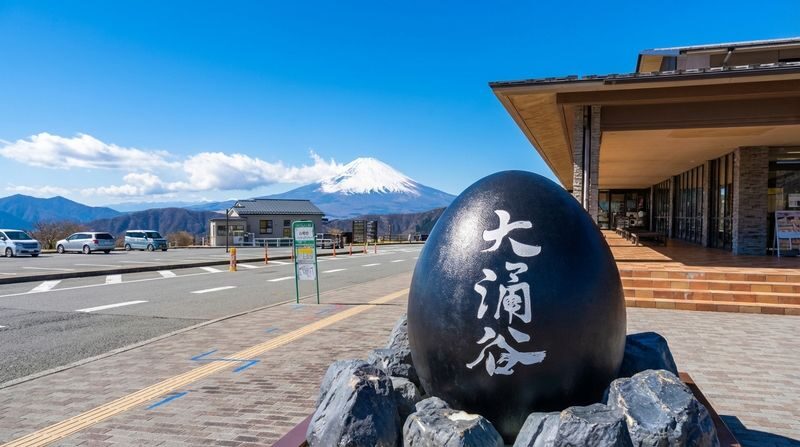
- Hakone Shrine’s Heiwa no Torii: Allow about an hour for the shrine and its famous gate beside Lake Ashi, split into two scheduled stops.
- Lake Ashi boat ride: The pirate ship is optional and costs 1,700 yen one way unless you choose the package that includes the experience.
- Owakudani by ropeway: The listed tour includes a one-way ropeway ticket, but it is non-refundable and non-changeable if service is suspended.
- Two Fuji-region stops: Lake Yamanaka offers a chance to see swans; Oshino Hakkai is known for its eight clear spring ponds.
- A full day from Tokyo: Departures are listed at 7:30 or 8:00, with return times around 17:30 or 18:00, depending on the option.
- Strong guide feedback: Mandy, Sakuragi, Yaya and Will are among the guides praised for clear explanations, friendly help and keeping the group on schedule.

👉 See our pick of the Hakone’s 3 Top Walking Tours
A full day of variety, at a brisk pace
This is a bus-based day out for anyone who wants to see several of the region’s signature sights without arranging multiple trains, buses and separate tickets. Round-trip transfers and an English- or Chinese-speaking guide are included. The vehicle is assigned according to group size; smaller groups may have a driver and accompanying staff member rather than a separate tour leader.
The route’s appeal is its variety. Hakone brings shrine architecture and lake views, Owakudani shows the area’s volcanic activity, and the later stops shift toward Fuji and mountain spring water. That range makes the outing feel more rewarding than a day built around one photo stop.
There is a cost to covering so much ground. You have only brief visits at most stops, and the coach journey from Tokyo can take longer than expected when roads are busy. Some groups have found time at individual sights short by five to ten minutes; a delay can also squeeze the chance to buy food or linger at the final village.
You can also read our reviews of more tours and experiences in Hakone.
The cedar approach and Heiwa no Torii
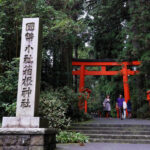
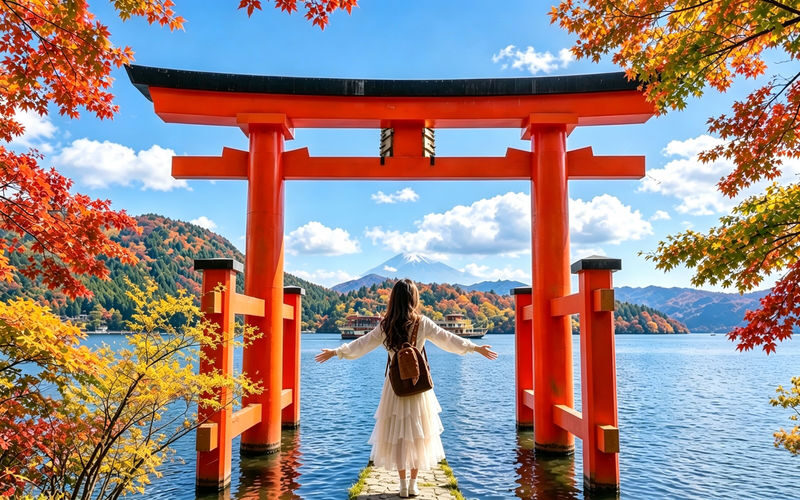
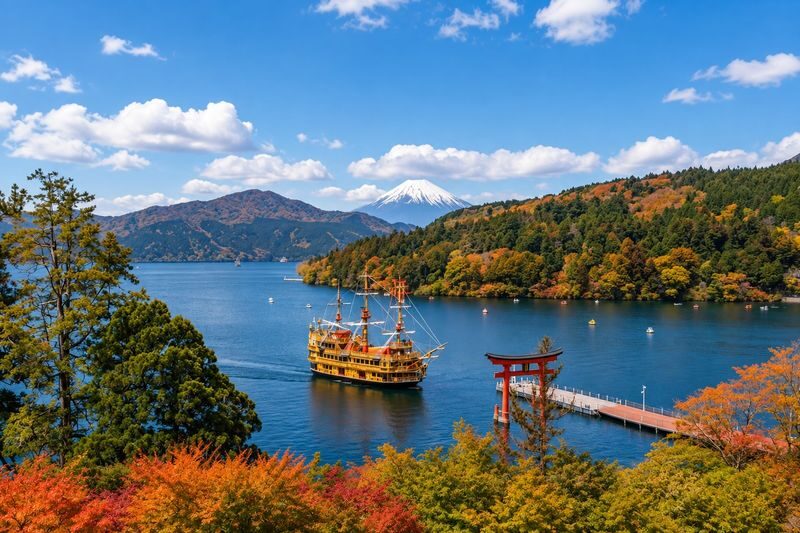
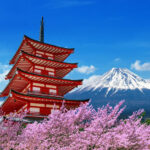
The morning’s first major stop is Hakone Shrine, founded in 757 and set near Lake Ashi. Its approach through cedar trees offers a welcome change from Tokyo’s streets, while the shrine’s vermilion details bring color to a shaded, wooded setting.
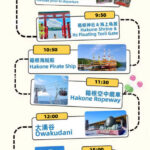
The schedule gives 40 minutes for Heiwa no Torii, followed by another 20 minutes at the water gate. In practice, think of these as time for the shrine area and the famous lakeside torii, rather than a long, unhurried visit to every corner. The gate stands in the water and is a popular photo spot, so you may need to move quickly if getting a picture is a priority.
There is a useful choice here: spend your time at the shrine itself, or join the queue and wait for a photograph at the torii. The views are tied to weather and visibility, and Fuji may be hidden by cloud. Even without the mountain in sight, the cedar setting and lake edge give the stop its own appeal.
Lake Ashi by pirate ship, if you choose it
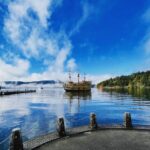
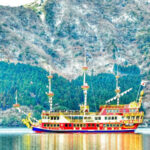
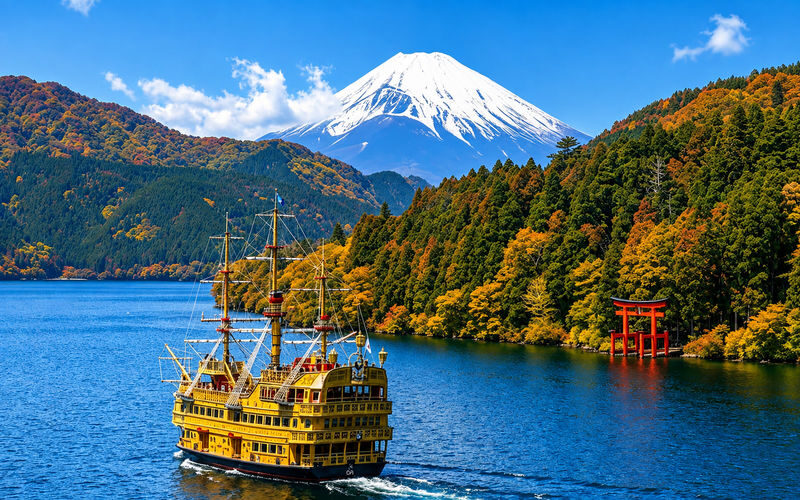
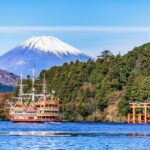
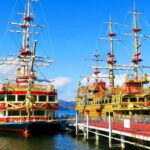
The Hakone pirate ship sails on Lake Ashi, with a design inspired by 18th-century European warships. The ride is optional, and a one-way ticket is listed at 1,700 yen. If the boat is a priority, check the two package choices carefully: one includes the ropeway, while the other adds the pirate ship experience as well.
A boat ride gives you a different angle on the lake and its surroundings. It can also be a practical way to see the water torii from farther out, rather than relying only on the busy shoreline photo spot. One family found the boat helpful for getting pictures of the gate, with their guide offering assistance.
The listed stop at Togendai Port is 30 minutes, so do not assume there is time for a long cruise and a leisurely visit ashore. The boat’s schedule and operations can change, and the complimentary ropeway ticket is not refunded or changed if the service is unavailable. If the ship matters to you, confirm what your selected package covers before booking.
Owakudani’s steam vents and ropeway ride
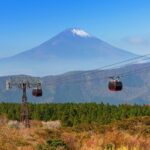
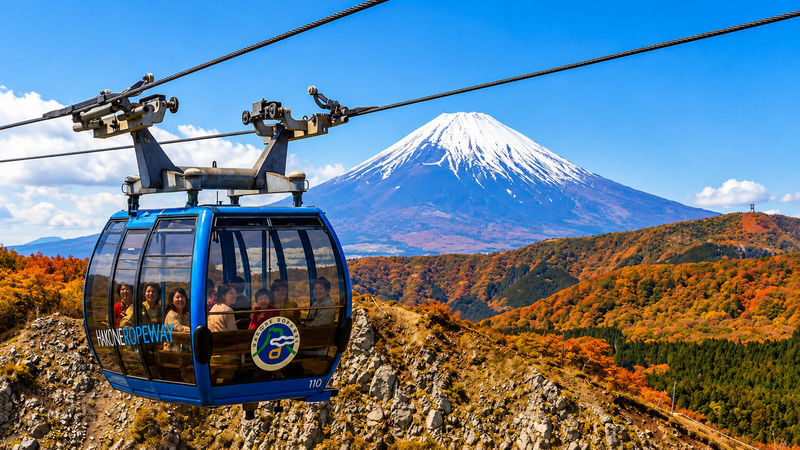
The ropeway is included in the package details, and the listed ride takes about 30 minutes one way. From above, you can look across the volcanic area, Lake Ashi and, on a clear day, toward Mount Fuji. It is one of the day’s strongest transitions: the wooded shrine gives way to open views and evidence of geothermal activity.
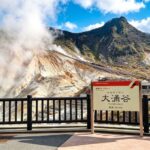
At Owakudani, the ground releases sulfuric steam, and exposed rock gives the area a stark, otherworldly character. The stop is scheduled for 40 minutes, enough to get a close look at the fumaroles and take in the volcanic setting, but not a long walk through the wider area.
Conditions matter. Ropeway operations can be affected by circumstances beyond the tour’s control, and the included ticket is non-refundable and non-modifiable if unused. The tour may adjust the route or stop times for weather, maintenance or traffic. If the ropeway is a main reason for booking, be prepared for the possibility that the day’s conditions could alter the plan.
Lake Yamanaka and the Fuji Five Lakes
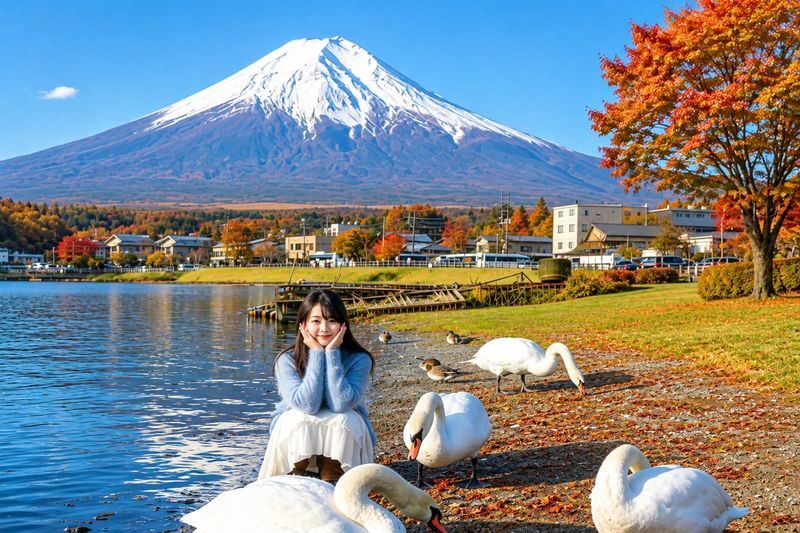
After Hakone, the tour heads to Lake Yamanaka, the largest and highest-altitude of the Fuji Five Lakes. Its 20-minute stop is short, but it brings a different mood: a broad lake, mountain air and swans along the shore.
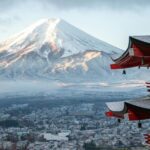
You may have the chance to watch or feed the swans, as described for the stop, but the time is limited. The lake is also known for views of Mount Fuji reflected in the water when conditions cooperate. Clouds can obscure the mountain, so enjoy the lake itself rather than treating a clear Fuji view as guaranteed.
This is a quick pause, not a boating excursion. If you are hoping to spend time on the water or explore a longer stretch of shore, this schedule will likely feel rushed. Its value is in the contrast: a peaceful lakeside stop between Hakone’s volcanic ground and the village setting of Oshino Hakkai.

Oshino Hakkai’s clear spring ponds
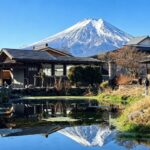
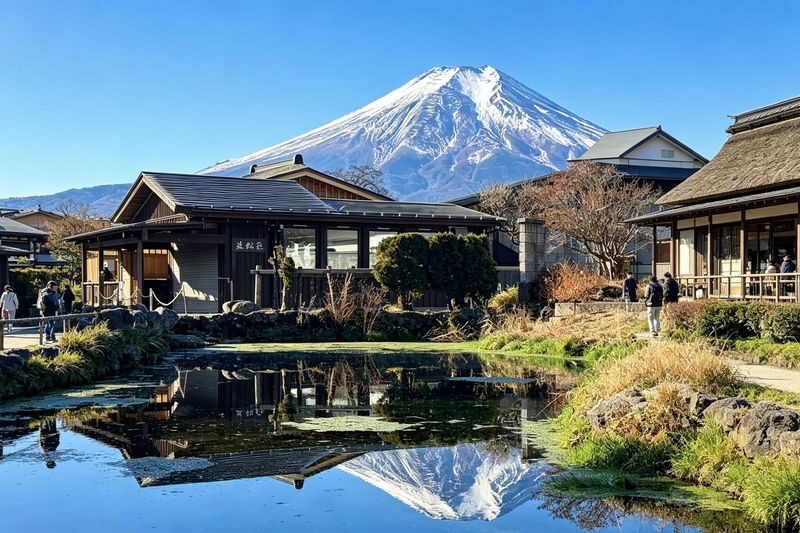
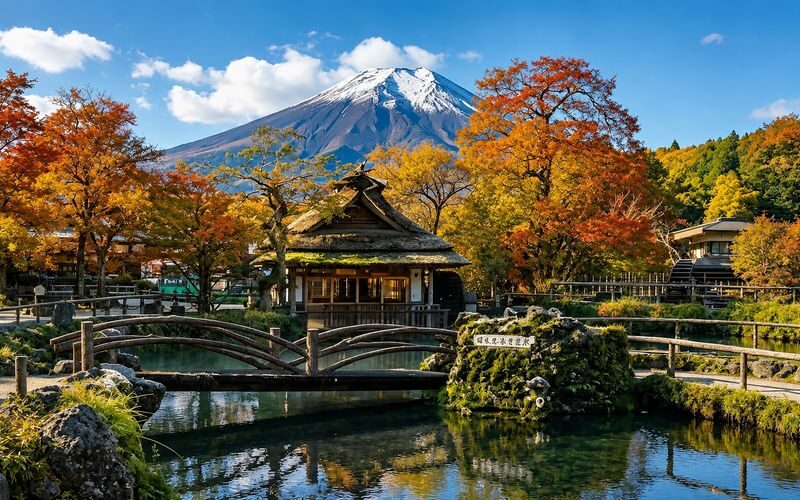
The final scheduled attraction is Oshino Hakkai, a group of eight natural spring ponds in Oshino Village. Meltwater from Mount Fuji filters through the ground over many years before emerging here. The water remains around 13°C, according to the tour information, and is known for its clarity.
You have about 40 minutes to see the ponds and village. That is enough for a short wander, but not a leisurely exploration of every corner. The water and small-scale village setting make a quieter close to a day otherwise shaped by major sights and coach transfers. If this is the stop that most interests you, keep an eye on the clock and head there promptly.
The spring water is described as safe to drink directly. Still, do not count on a long sit-down meal here. Food is not included, and some people on the tour have found the schedule too tight to buy lunch comfortably. Eat breakfast, carry a small snack and water, and follow the rule against eating or drinking in the vehicle.
What the schedule means in practice
The tour runs for about 10 hours, with morning departures listed at 7:30 or 8:00. You are asked to arrive 10 minutes early, and late arrivals or no-shows are not refunded. The return is scheduled for around 17:30 at Shinjuku West Exit Mitsui Bank or 18:00 at Tokyo Station Marunouchi North Exit, depending on the departure and arrangement.
Those times are estimates, not a promise of an exact arrival. The operator warns that road conditions can change the return time. Do not plan a dinner reservation, flight or Shinkansen immediately afterward. Weekend and holiday traffic, the Obon travel period, marathon dates and seasonal crowds can all prompt changes to the order of stops or the amount of time available.
The schedule also includes a gap between Owakudani and Lake Yamanaka. Treat the printed times as a broad plan rather than a minute-by-minute guarantee. The guide will manage the group and make adjustments where needed, but a day with five major stops cannot offer long, independent visits at all of them.
What the price includes, and what it does not
Prices start at $49.29, which can be good value if you want round-trip transport, a guide and a busy route through several distinct areas. Organizing the same day independently would mean coordinating transport between Tokyo, Hakone and the Fuji region, then keeping an eye on connecting services. The tour trades flexibility for convenience.
The ropeway ticket is included in the listed package, while the pirate ship is an extra unless you select the package that includes it. Personal expenses are also extra. Check the exact package name and inclusions before paying, as the two options are easy to confuse.
Bring a payment method for the boat if you want that ride, plus a snack for the road. There is no luggage storage or delivery service, so travel light. Wear comfortable shoes and light clothing, but bring a warm layer if needed: conditions can differ between stops, and the tour advises preparing for cooler weather.
Guides, weather and the small print that matters
Guide quality is a frequent strength of the experience. Mandy, Sakuragi, Yaya and Will are among the named guides praised for friendly communication, useful local context and careful time management. That matters on a day with several fixed stops: a clear briefing helps you understand where to meet and how long you have.
No guide can promise Mount Fuji will appear. The mountain was visible for some groups throughout the day, while cloud and rain blocked it for others. The other attractions still offer variety, but if your main goal is a clear Fuji photograph, choose a day with favorable conditions if your plans allow and keep expectations flexible.
Before departure, watch for an email with vehicle and guide details, due by 8 p.m. the day before. Keep your booking contact app available during your time in Japan, and check your spam folder. The tour requires at least four participants; if that minimum is not met, you can choose another date or request a full refund. Bad weather may also lead to cancellation, with notice by email.
The activity is not recommended for people with impaired mobility or for pregnant participants. Infants and children must be included in the passenger count. Changes are allowed up to 24 hours before the activity, subject to the stated exceptions, and cancellation at least 24 hours ahead qualifies for a full refund. The voucher is valid only for the booked date.
Should you book this Mount Fuji and Hakone tour?
Book it if you want a broad first look at Hakone and the Fuji area, value an organized ride from Tokyo, and are comfortable with short stops. The combination of shrine, lake, ropeway, volcanic ground and spring ponds is its main strength. Guides who keep the group informed and on time make the packed route easier to manage.
Skip it if you want long walks, a slow shrine visit, a full cruise or a guaranteed view of Fuji. Those are not promises this schedule can make. For most people comparing a day trip with the hassle of planning this route independently, the value is strongest when you treat it as a sampler, pack breakfast and snacks, and leave your evening free for delays.
Mount Fuji & Hakone Day Tour | Hakone Shrine, Lake Ashi Water Torii Gate, Owakudani, Lake Yamanaka, Oshino Hakkai (Departure from Tokyo)
“We get to see Mt. Fuji today! Mandy our tour guide is the best, she gives off positive energy and really cares for us. Even though there's traffic,…”
FAQ
How long is the tour?
The tour lasts about 10 hours. Departures are listed at 7:30 or 8:00, and return is scheduled for around 17:30 or 18:00, depending on the option and road conditions.
Is the pirate ship included?
Not in every package. The pirate ship costs 1,700 yen for a one-way trip unless you select the package that includes the pirate ship experience.
Is the Owakudani Ropeway included?
Yes, the package details include a one-way Owakudani Ropeway ticket. The ticket is complimentary, non-refundable and non-modifiable if it cannot be used.
Which languages are available for the guided tour?
The tour provides an English- or Chinese-speaking guide.
Where does the tour return to?
The listed return points are Shinjuku West Exit Mitsui Bank at about 17:30 or Tokyo Station Marunouchi North Exit at about 18:00. Actual arrival times depend on road conditions.
What should I bring?
Wear comfortable shoes and light clothing, and bring warm clothing if needed. Carry a snack, since food is not included and the schedule may leave little time to buy lunch.