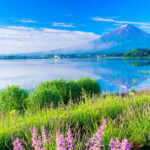
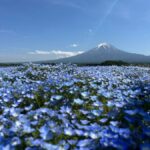
Mount Fuji is only the beginning on this two-day circuit. You’ll move from a Fuji viewpoint to Hakone’s steaming volcanic valley, sleep at a hot spring hotel in Izu, then finish with the Shonan coast and Kamakura’s famous seaside railway crossing.
I like the mix of scenery and transport: a mountain cable car, a lakeside shrine gate, an onsen stay and a ride on the Enoden all appear in one trip. I also like that meals and the overnight stay are included, which makes a busy route easier to manage. The trade-off is time: this is a highlights tour, with short visits and a schedule that can shift for traffic or weather.
- At a glance
- A two-day sampler, not a slow tour
- Fuji views depend on the calendar and the sky
- Lake Kawaguchi gives you a choice
- Owakudani and Lake Ashi show Hakone’s contrasts
- Shuzenji is the reward at the end of day one
- Shuzenji town and Mount Omuro make day two distinct
- Enoshima and the Enoden finish by the sea
- What the price covers, and what it doesn’t
- Is this the right two-day trip for you?
- FAQ
- Is Mount Fuji’s 5th Station visited year-round?
- Are the Lake Kawaguchi and Mount Omuro cable cars included?
- Are meals included?
- Which Enoden ticket is included?
- Where does the tour return to Tokyo?
- How much luggage can I bring?
- What is the cancellation policy?
- The Best Of Fujiyoshida!
- More Spa & Hot Springs in Fujiyoshida
- More Tours in Fujiyoshida
- More Tour Reviews in Fujiyoshida
At a glance
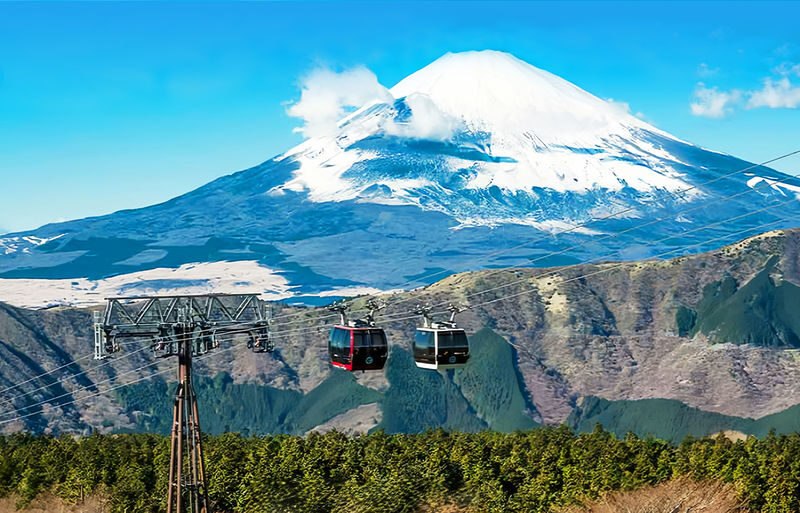 1 / 10
 2 / 10
 3 / 10
 4 / 10
 5 / 10
 6 / 10
 7 / 10
 8 / 10
 9 / 10
 10 / 10
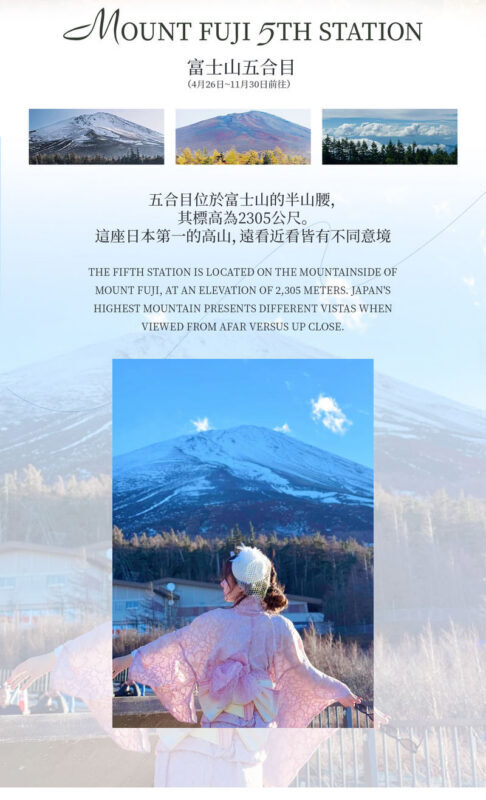
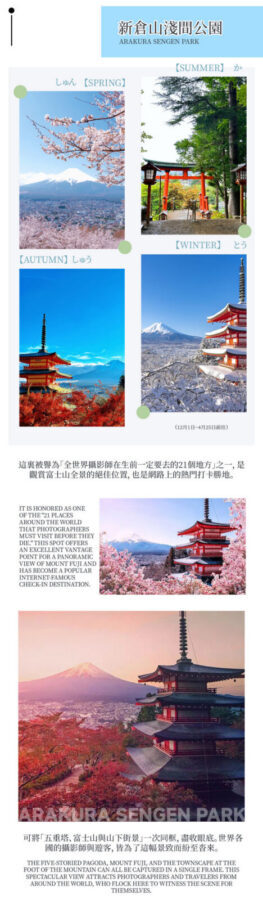
- Fuji views change with the season: Visit the 5th Station from April 26 to November 30, or Arakurayama Sengen Park from December 1 to April 25.
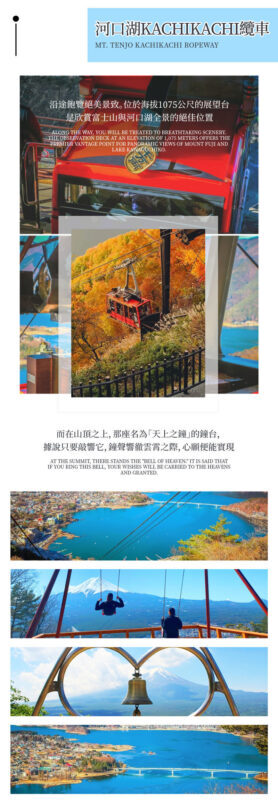
- Lake Kawaguchi has an extra-cost ropeway: You get free time by the lake, but the Kachikachi Mountain Ropeway ticket is not included.
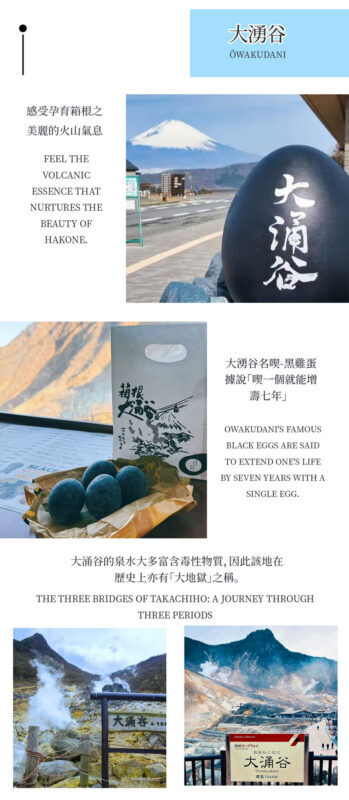
- Owakudani brings volcanic scenery: Expect sulfurous steam, crater views and the chance to try the area’s well-known black eggs.
- Your overnight stop is in Shuzenji: Dinner, breakfast and a night at an onsen hotel are included.
- The Enoden fare is covered: The included ticket is for the stretch between Enoshima Station and Kamakurakokomae Station.
- The route covers a lot of ground: It works best if you want a broad introduction to the region, not long, unhurried visits.

👉 See our pick of the 8 Most Highly Rated Private Driver Services In Fujiyoshida
A two-day sampler, not a slow tour
The appeal is the range. In two days, you’ll see mountain scenery, a volcanic lake, hot spring country and the Pacific coast. That variety makes the tour useful if you have limited time in Tokyo and would rather leave the driving, parking and route planning to someone else.
The cost of that coverage is a brisk pace. Day one begins around 7:00 to 8:30 a.m., depending on the assigned pickup, and includes several stops before the evening hotel arrival. Day two continues from Shuzenji through Mount Omuro and the coast before the return trip to Tokyo. At each stop, you’ll need to keep an eye on the time and follow the guide’s instructions.
This is a shared tour with a fixed route. The vehicle may be a small car or a larger vehicle, depending on the number of people booked. In a small car, the pace may feel more flexible, but the driver may have less time for explanations while focusing on the road. Some guides have earned particular praise for careful driving, clear communication and practical help. Names have included Wu, Shi, Tim, Sherry, Zhang Ting, Zhao and Yong, but your guide is assigned for your departure.
You can also read our reviews of more tours and experiences in Fujiyoshida
Fuji views depend on the calendar and the sky
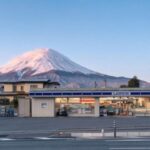
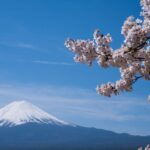
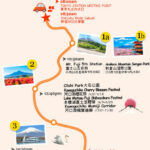
The tour offers two Fuji viewpoints, chosen by season. From April 26 through November 30, the plan is to go to Mount Fuji’s 5th Station, a high-altitude access point on the mountain. The stop is scheduled for about 40 minutes, enough for a look around and photos, but not a long walk or a climb toward the summit.
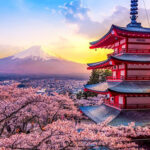
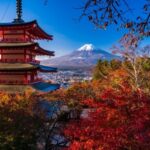
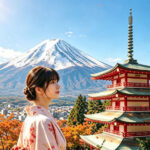
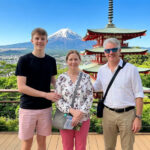
From December 1 through April 25, the route instead goes to Arakurayama Sengen Park. The signature view pairs Mount Fuji with the red, five-story Chureito Pagoda and the town below. Reaching the viewpoint means climbing 397 steps near the main hall. That effort is worth weighing if stairs are difficult for you, since the tour is not recommended for people with impaired mobility.
Weather can change the plan. If conditions prevent a visit to the 5th Station, the operator may substitute Arakurayama Sengen Park. And even on a clear day, Fuji’s visibility is never guaranteed. I’d treat a mountain view as a welcome bonus, not a promise, and bring a camera only after packing layers and comfortable shoes.
Lake Kawaguchi gives you a choice
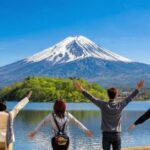
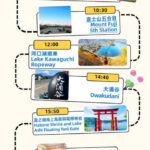
You have about an hour and a half at Lake Kawaguchi, including time to find lunch. The main optional activity is the Kachikachi Mountain Ropeway, which climbs to an observation deck with views across the lake and toward Mount Fuji. On a clear day, the Southern Alps may also be visible. The ropeway ticket is not included, so budget separately if you want the ride.
The lake stop is also your chance to slow down a little between the Fuji area and Hakone. You can take in the views, eat, or use the time for the ropeway. The Heavenly Bell at the top is associated with making a wish, but reaching it means taking the ropeway and allowing time for the visit. With a fixed departure time, don’t leave the return walk or queue until the last minute.
Owakudani and Lake Ashi show Hakone’s contrasts
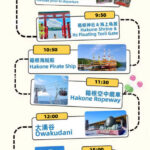
Owakudani is a volcanic geothermal area, known for sulfurous steam and the unusual smell in the air. The stop lasts about 40 minutes, so you’ll have time to see the geothermal activity and, if you wish, try the famous black eggs. This is a striking change from the quiet lake views, though the scent and steam may not suit everyone.
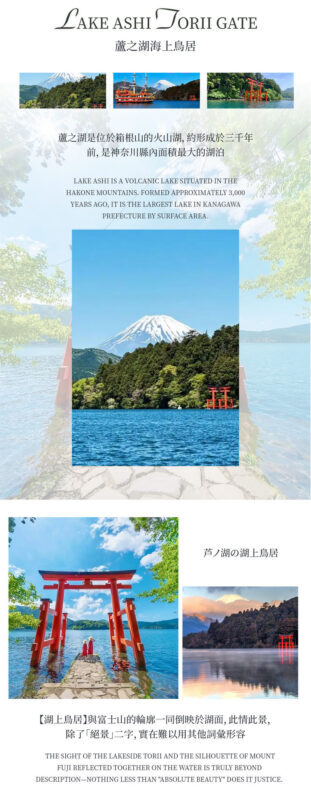
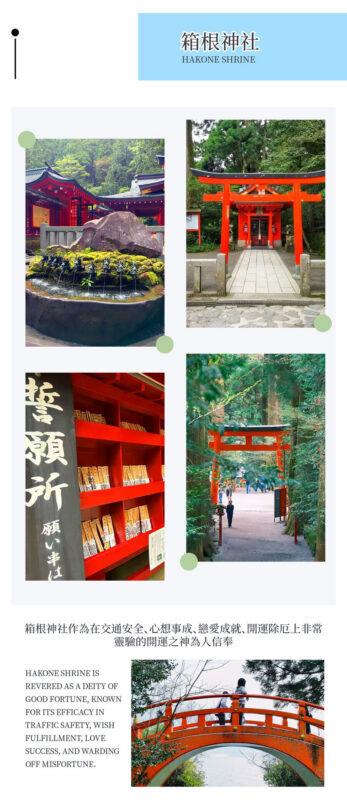
Next comes Lake Ashi and Hakone Shrine, with about an hour at the shore. The red torii gate at the water’s edge is one of Hakone’s best-known sights. Fuji may appear beyond the lake when the weather cooperates, but cloud, haze and the day’s conditions can obscure it. The tour description notes that capacity or weather can force some stops to be skipped, so keep your expectations flexible.
The route is packed, and traffic can affect the timing. The operator may adjust the sequence or leave out an attraction if conditions require it. That flexibility is sensible on a long day, but it also means the schedule is not a guarantee of how long you’ll have at each place.
Shuzenji is the reward at the end of day one
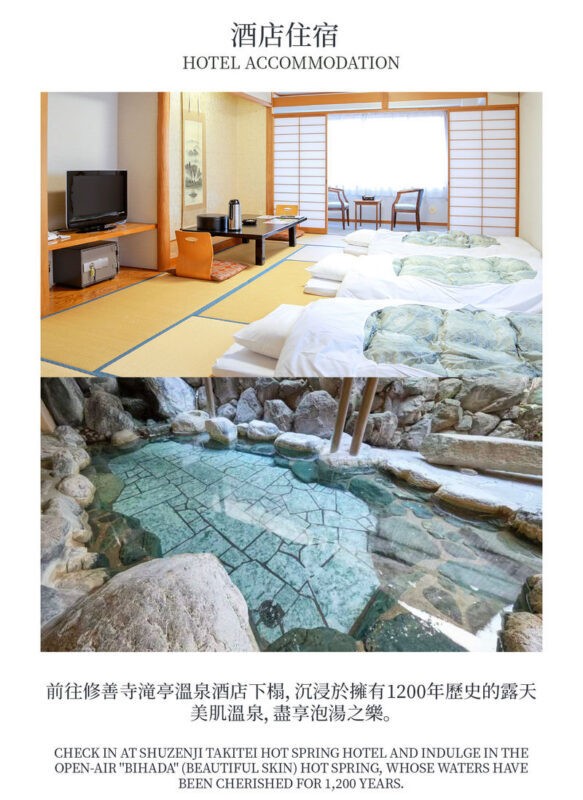
After the first day’s sightseeing, you arrive at the Shuzenji area for an overnight stay at Shuzenji Takitei Onsen Hotel, or another hotel of the same level if it is full. Dinner and breakfast are included. The meal menu can change with the season and ingredient availability.
The onsen is a meaningful part of the experience, not just a bed between sightseeing days. A soak in an open-air hot spring can be a welcome way to rest after hours in a vehicle and repeated stops. The stay also gives you a taste of Japanese hot spring culture without arranging a separate overnight trip.
Room options affect the price. The starting rate is $244.69 per person for the 3-4 people per room option, $250.99 for a double room and $375.75 for a single room. The listed price is a starting point, so check the selected date and room arrangement before booking. One practical note: breakfast has been described as simple, and pillow comfort may not suit everyone. Think of the hotel as a convenient onsen stay, rather than a reason to expect a luxury resort.
You can also read our reviews of more tours and experiences in Fujiyoshida
Shuzenji town and Mount Omuro make day two distinct
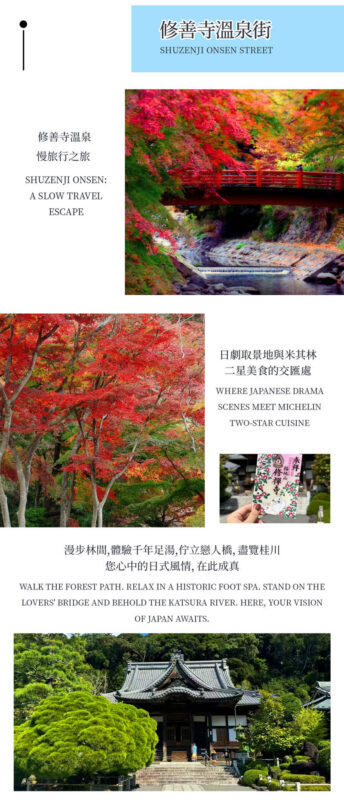
The morning begins with about an hour to explore Shuzenji Onsen Town, roughly a ten-minute walk from the hotel. The town is known for its hot spring culture and for its associations with Japanese writers and the story The Izu Dancer. You’ll have time for a stroll and a look around, but not a full morning of independent exploration.
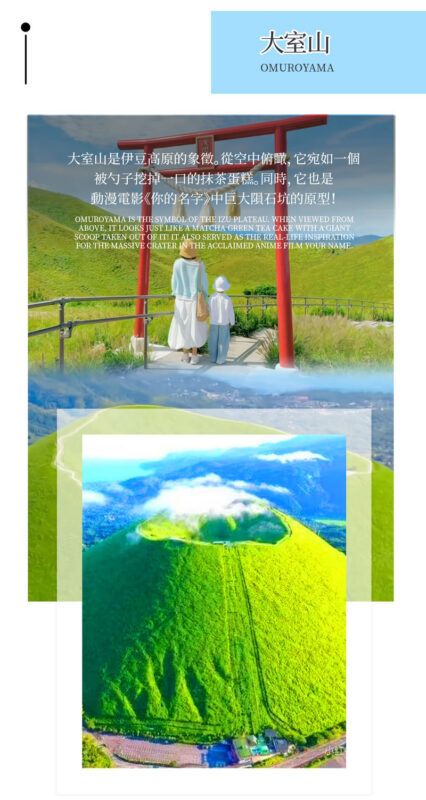
Mount Omuro offers a different kind of view. The green, rounded volcano is sometimes nicknamed Matcha Mountain, and a cable car takes you up to the crater rim. The planned visit lasts about an hour and a half, including time for the crater trail and views across the Izu Mountains and Sagami Bay. The Mount Omuro cable car ticket is not included, so add it to your budget if you want to go up.
This stop is one of the tour’s strongest contrasts with the Fuji and Hakone sections. Instead of a distant summit or steaming valley, you get a broad view from the rim of a volcanic crater. The trail and cable car make it a memorable stop, but you’ll still be working within the group’s timetable.
Enoshima and the Enoden finish by the sea
The afternoon brings about an hour and a half of free time on Enoshima. The island and nearby Shonan coast are known for sea views, Enoshima Shrine, an observation lighthouse and the Iwaya Caves. You can also look for local foods such as octopus crackers or whitebait rice bowls. With limited time, choose a few priorities rather than trying to see everything.
Then comes the Enoden, the nostalgic coastal railway. The included fare covers the ride between Enoshima Station and Kamakurakokomae Station. It’s a short, useful taste of the line rather than a full railway outing, and the train offers a change of pace from the tour vehicle.
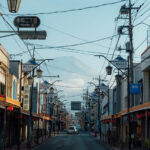
At Kamakurakokomae, you’ll have about 50 minutes near the railway crossing known for its sea view and its connection to Slam Dunk. The crossing is a popular photo stop, so be patient and stay clear of the tracks. The coastline is the real setting here; Fuji may be visible in the distance on a clear day, but it is not assured.
The return drive begins around 5:10 p.m. and is expected to reach Tokyo Station around 6:30 p.m., or Shinjuku MODE Gakuen around 7:00 to 7:30 p.m. Those are estimates, not firm arrival times. Traffic and itinerary changes can push the return later, so avoid scheduling a flight or important evening activity on the same day.
What the price covers, and what it doesn’t
The price includes round-trip transport from the pickup arrangement, guide and driver service, fuel, tolls, parking, one night at the Shuzenji onsen hotel, dinner, breakfast and the Enoden ticket for the specified segment. That is useful value for a route spanning several regions, especially if you would otherwise need to arrange transport and lodging yourself.
You’ll need extra money for the Lake Kawaguchi ropeway, Mount Omuro cable car and personal purchases. Tips are not included. Lunch is also not listed among the included meals, so plan to pay for it during the Lake Kawaguchi stop.
The tour can make financial sense if you value convenience and want to cover many sights in two days. It is less suited to anyone who wants to linger, choose every stop or avoid long drives. One bag per person is allowed at no charge; extra luggage costs ¥2,000 per piece and must be noted when booking. No child seats are available, and children aged four and older pay the adult rate.
Is this the right two-day trip for you?
Book this tour if you want a broad, organized introduction to Fuji, Hakone, Izu and Kamakura, and you’re happy to trade long visits for variety. The included hotel, meals and transport take much of the planning off your hands, while the onsen stay and Enoden ride give the trip more character than a string of roadside photo stops.
Skip it if your priority is a long visit to any one place, a guaranteed view of Fuji, or a relaxed schedule. The best fit is someone with limited time, comfortable with early starts and ready to follow a group timetable. For a first look at the region from Tokyo, it’s a practical way to connect mountain, hot spring and coastal sights in one trip.
Mt. Fuji, Hakone, and Kamakura 2-Day Tour | Mt. Fuji 5th Station or Arakurayama Sengen Park, Kawaguchiko Ropeway, Owakudani, Lake Ashi Torii, Shuzenji Onsen Hotel, Enoden, Kamakurakoko-mae Station | Departure from Tokyo
“Guide Wu was very considerate and thoughtful in adjusting our itinerary to accommodate the bad weather during the trip. She also made sure we could…”
FAQ
Is Mount Fuji’s 5th Station visited year-round?
No. The tour visits the 5th Station from April 26 through November 30. From December 1 through April 25, it visits Arakurayama Sengen Park instead. Weather may also affect the plan.
Are the Lake Kawaguchi and Mount Omuro cable cars included?
No. The Kachikachi Mountain Ropeway at Lake Kawaguchi and the Mount Omuro cable car are not included in the tour price.
Are meals included?
Dinner and breakfast are included during the overnight stay. Lunch is not listed as included, and the menu may change depending on the season and available ingredients.
Which Enoden ticket is included?
The included ticket covers the ride between Enoshima Station and Kamakurakokomae Station.
Where does the tour return to Tokyo?
The stated return points are JR Tokyo Station’s Marunouchi North Exit, around 6:30 p.m., and Shinjuku MODE Gakuen, around 7:00 to 7:30 p.m. Actual arrival times vary with traffic and the day’s progress.
How much luggage can I bring?
One piece of luggage per person is allowed at no charge. Each extra piece costs ¥2,000 and should be noted when you book. The operator may refuse luggage that exceeds the vehicle’s capacity.
What is the cancellation policy?
A full refund is available if you cancel at least seven days before the activity date, using the destination’s local time. If the operator cancels because of extreme weather or another unforeseen event, you can choose to reschedule or request a full refund.