Kimono cloth can carry a whole place in its pattern: Okinawan colors, Amami’s earthy tones, or the fine designs of Kyoto and Kanazawa. At this Hatchobori workshop, you hear about those traditions, choose a piece of vintage fabric, and make it into a framed art panel to take home.
I like two things especially: you get a close look at regional textiles without buying an entire kimono, and the project gives those older fabrics a useful second life. Instructor Yuki has a personal connection to preserving kimono craft, and the class includes time for questions as well as making.
One thing to plan around: the advertised duration is one hour, but the stated schedule runs for 90 minutes. Also, a participant recommends knowing some basic Japanese for the fullest exchange, even though an English- and Japanese-speaking guide is included.
- What makes this workshop worth your time
- Regional fabrics bring the lesson to life
- From vintage kimono cloth to a finished panel
- Yuki’s teaching and the cultural context
- Timing, location, and what to expect
- Is .85 a fair price?
- Who will enjoy this class most
- Booking details to check before you go
- Should you book the Kimono Art Workshop?
- FAQ
- How long does the workshop take?
- Where does the workshop take place?
- What start times can I choose?
- How early should I arrive?
- What fabrics can I choose from?
- Do I need crafting experience?
- Is the workshop suitable for children?
- What language is the workshop in?
- What is included in the price?
- The Best Of Tokyo!
- More Workshops & Classes in Tokyo
- More Tours in Tokyo
- More Tour Reviews in Tokyo
What makes this workshop worth your time
 1 / 9
 2 / 9
 3 / 9
 4 / 9
 5 / 9
 6 / 9
 7 / 9
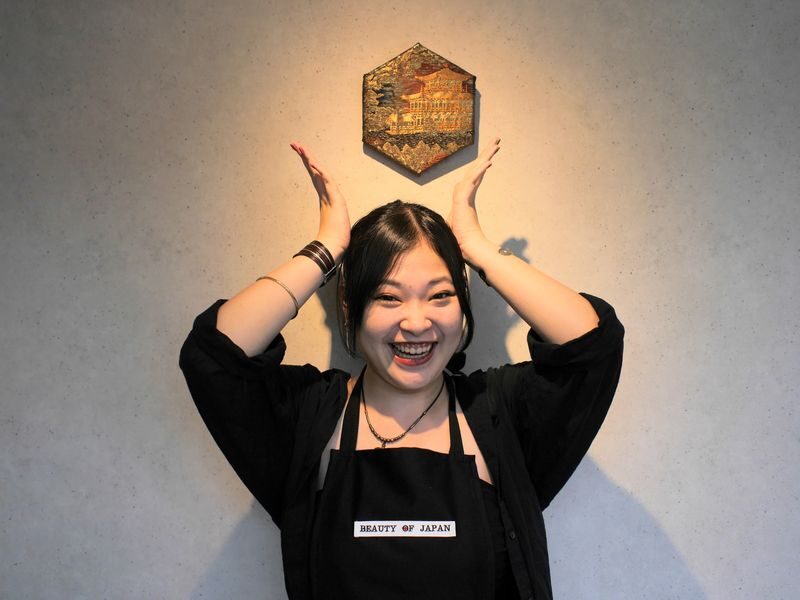 8 / 9
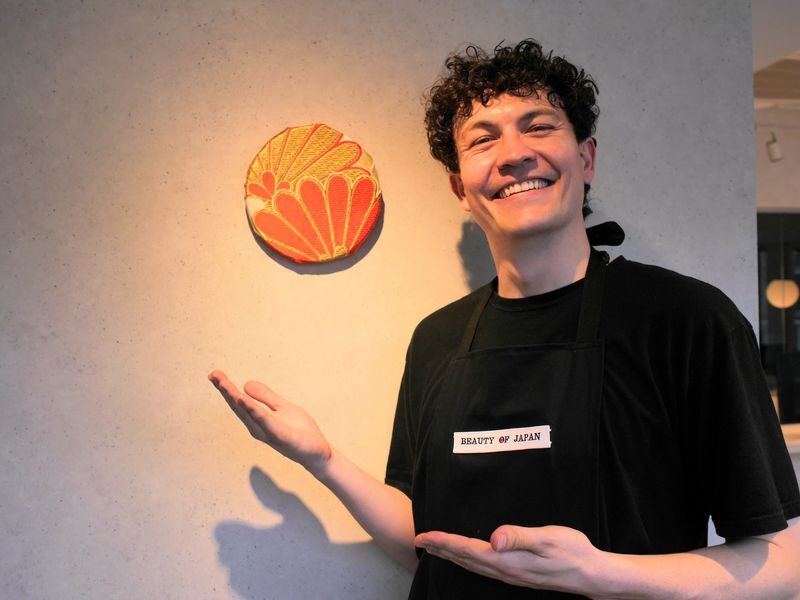 9 / 9
- Choose among four regional textile traditions: Bingata from Okinawa, Oshima Tsumugi from Amami, Kaga Yuzen from Kanazawa, and Kyo Yuzen from Kyoto.
- Make a fabric art panel: The project is designed for beginners, and you leave with a finished piece rather than only a demonstration.
- Learn while you work: The introduction covers kimono history, regional styles, and the meaning of motifs.
- Use vintage kimono fabric: The workshop repurposes older textiles, letting you take home a small piece without purchasing a whole kimono.
- Meet instructor Yuki: She leads the history and craft portion, and the class is set up for questions and guidance.
- Book for a 90-minute window: Choose the 11:00 or 14:00 start, and arrive 10 minutes early at the Hatchobori Third building.

👉 See our pick of the Our Picks For The 11 Best Workshops & Classes In Tokyo
Regional fabrics bring the lesson to life
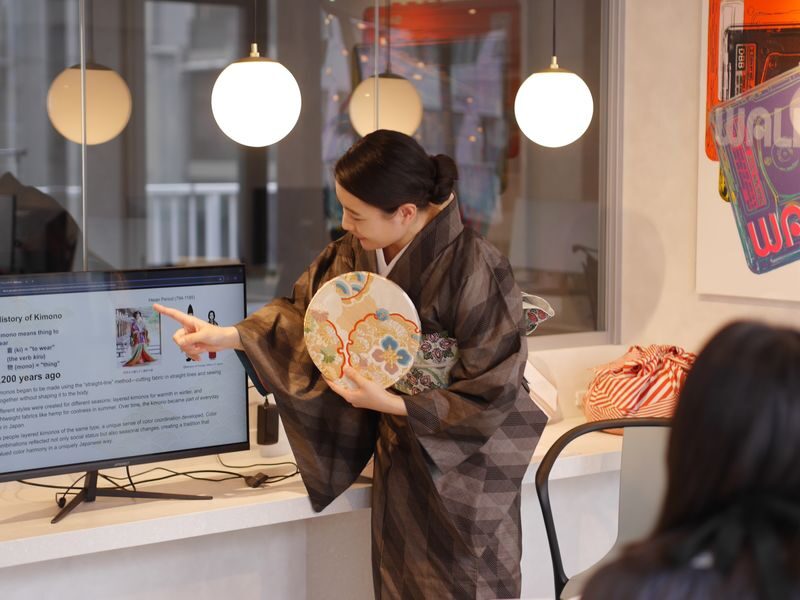
The workshop starts with an introduction to kimono culture and traditional styles from different parts of Japan. Rather than treating kimono as one uniform garment, the class connects cloth and pattern to regional identity.
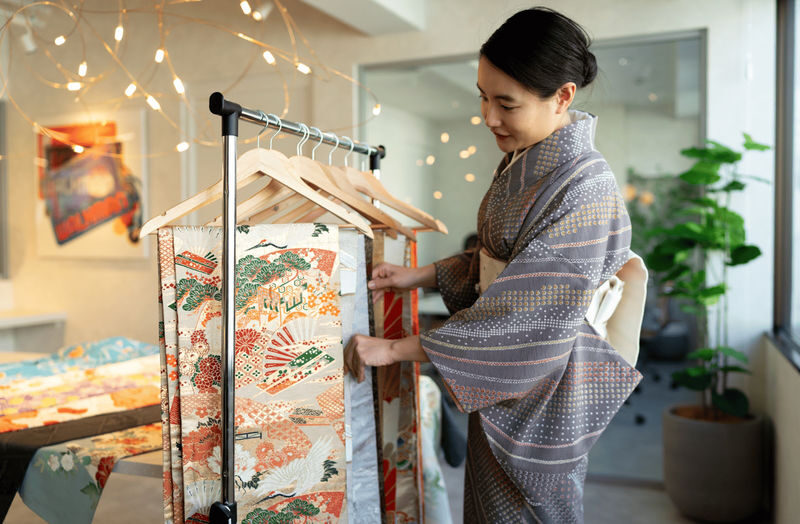
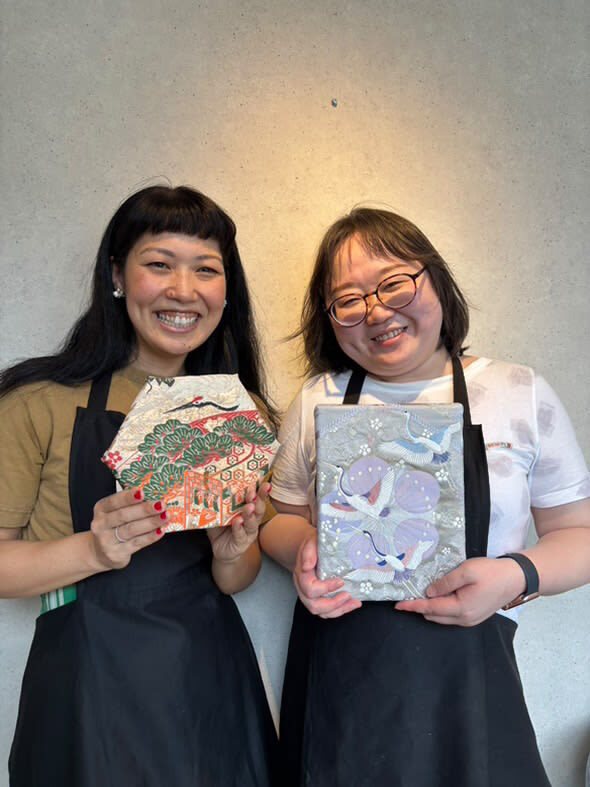
The fabric choices give that lesson a practical focus. Bingata, associated with Okinawa, is known for colorful patterns; Oshima Tsumugi from Amami has more earthy, subdued tones. Kaga Yuzen from Kanazawa and Kyo Yuzen from Kyoto offer their own detailed, refined designs.
You choose a fabric that appeals to you, but the choice can also be a way to notice what you have learned. You might find yourself drawn to a particular palette, motif, or style after hearing about its origins. The workshop’s subject is more than decoration: the patterns and techniques are part of the story.
The range is a useful reason to take this class if you are curious about textiles but do not know much about kimono. You are not expected to arrive with specialist knowledge. The introduction gives you context before you make your selection, and the hands-on portion lets you spend time with the fabric itself.
You can also read our reviews of more tours and experiences in Tokyo


From vintage kimono cloth to a finished panel
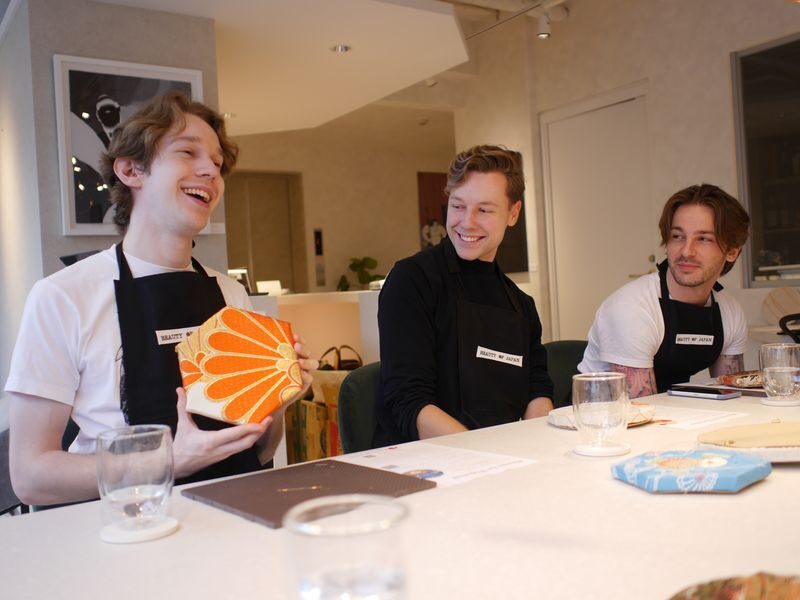
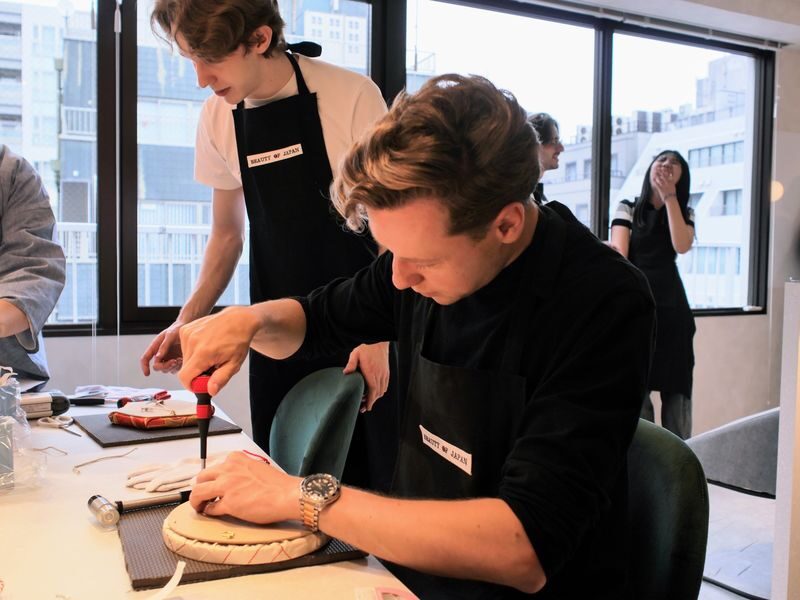
After the introduction, you select a piece of fabric and use simple techniques to create an art panel. The goal is a compact, finished keepsake, not a lesson in sewing a full kimono or dressing in one.
That distinction matters when you decide whether the class fits your plans. If you want a wearable garment, this is not the right activity. If you want to handle real kimono textiles and make something you can take home, the format is a better match.
The process is described as beginner-friendly, and the teaching is step by step. A participant who found the task fun and easy was already fairly crafty, while another described the finished piece as beautiful and the teachers as patient. If you are less confident with crafts, the instructor’s guidance should help, but it is still a hands-on activity, not a sit-back-and-watch demonstration.
The materials also add to the appeal. One participant noted that the work used nails and staples rather than glue. That practical detail suggests a more considered construction, though the exact tools and steps may depend on the fabric and panel.
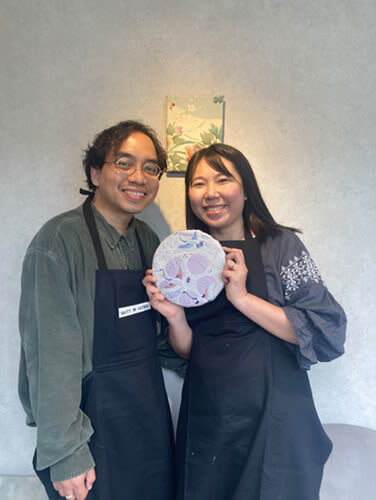
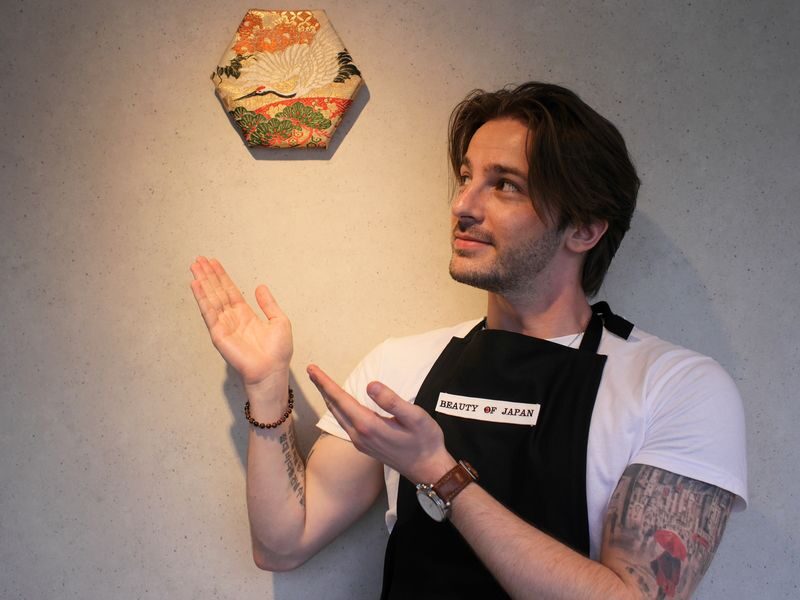
You leave with a personal object made from vintage cloth. That makes the souvenir more particular than a standard shop purchase: it records the textile you chose and the time you spent learning about it.
Yuki’s teaching and the cultural context
The instructor is a major part of the experience. Yuki has spoken about her wish to share kimono design and help preserve the heritage of these garments by finding new uses for older pieces. That purpose gives the workshop a clear thread: learning about kimono is paired with a small act of reuse.
The class combines a concise presentation with time to make and ask questions. The history, regional variations, and symbolism of motifs are all part of the material. If you like knowing why a pattern looks the way it does, that context can make choosing fabric more meaningful.
There is room for more detail than a short class can provide. One participant would have liked a fuller explanation of obi folding, different arrangements, and the meanings behind them. So go in expecting an introduction, not an exhaustive course in kimono construction or dress customs.
The language setup deserves a little thought. An English- and Japanese-speaking guide is included, but one participant recommends basic Japanese conversation for getting the most out of the workshop. If you are comfortable asking simple questions or following a bilingual explanation, you may find it easier to engage fully. If not, the clear, concise presentation and practical demonstration should still give you a useful introduction.
Timing, location, and what to expect
The workshop takes place at Hatchobori Third, 7F, at 3 Chome-14-4 Hatchobori in Chuo City, Tokyo. The staff wait at the building’s first-floor entrance, so look for them there rather than heading straight upstairs.
You can select an 11:00 or 14:00 start when booking. The corresponding return times are listed as 12:30 and 15:30, depending on the start you choose. Since the overview gives a one-hour duration but the schedule spans an hour and a half, I would keep the full 90 minutes free and verify your confirmed timing before setting other plans.
Arrive 10 minutes before your selected start. Late arrivals and no-shows are not refundable, so leave enough time to find the building and the first-floor meeting point. The activity is for participants aged 10 and older.
The workshop is a fixed-location activity in Hatchobori, not a sightseeing tour that moves around Tokyo. The schedule notes that timing may change with traffic or weather, so allow a little flexibility around the start and finish. Meals, drinks, and personal expenses are not included.
Is $78.85 a fair price?
At a starting price of $78.85, this is not a bargain craft table, but the value comes from the combination of teaching, traditional material, and a finished piece to take away. You are paying for an introduction to regional kimono styles, help from an instructor, the use of vintage fabric, and a guided project in a small workshop setting.
The comparison that makes sense is not simply one souvenir against another. Buying a whole kimono is a larger commitment, while this class gives you a way to work with a piece of its textile tradition in a shorter session. If you value a hands-on activity and a keepsake with a personal connection, the price may feel worthwhile.
The cost is harder to justify if you mainly want a deep, technical study of kimono or a long class focused on a particular craft method. The workshop covers several regions and styles in a short time, so the lesson is introductory by design. Check the confirmed duration and package details before booking, especially given the one-hour and 90-minute timing difference.



Who will enjoy this class most
I would recommend this to you if you enjoy making things, have an interest in Japanese textiles, or want a quieter cultural activity between larger Tokyo attractions. It can also suit a parent or family looking for an activity for someone aged 10 or older, provided the child is happy to listen and take part in a craft project.
You do not need to be an experienced maker. The techniques are described as simple, and the instructors guide the process. Still, if you dislike hands-on tasks or would rather spend your time watching a demonstration, you may find the crafting portion less appealing.
This is also a good choice if sustainability matters to you. Repurposing vintage kimono fabric makes the activity more thoughtful than buying a new souvenir, and you get to see how a textile can keep serving a purpose after its original garment has aged.
I would choose another activity if your priority is a detailed lesson on wearing kimono, obi tying, or tailoring. Those topics are not the focus here. The class is about learning some cultural context, selecting cloth, and making an art panel.
Booking details to check before you go
The voucher is valid only for the date and time selected, so keep your confirmation handy. You receive confirmation within minutes; if it does not arrive, contact customer support.
Cancellations made at least 24 hours before the activity date, using local destination time, qualify for a full refund. The workshop is offered by Beauty of Japan, whose overall provider rating is listed as 91 percent good reviews across 2,625 reviews.
Should you book the Kimono Art Workshop?
Book this if you want an approachable, hands-on introduction to kimono textiles and a handmade souvenir with a story behind it. The best parts are the regional fabric choices, Yuki’s personal approach to preserving kimono craft, and the chance to turn vintage cloth into something you will keep.
Think twice if you are looking for a long or highly technical class, or if you need a precise one-hour schedule. Confirm whether your session is expected to take 60 or 90 minutes, and arrive early at the building’s first-floor entrance. With those details in mind, this is a worthwhile way to spend a short stretch of time in Tokyo.
Kimono Art Workshop in Tokyo
“I could tell the instructor has a great passion for kimono art as she enthusiastically shared her story and her reason for why she decided to host…”
FAQ
How long does the workshop take?
The activity is advertised as one hour, while the stated schedule runs for 90 minutes. Allow 90 minutes and check the confirmed timing for your booking.
Where does the workshop take place?
It takes place at Hatchobori Third, 7F, 3 Chome-14-4 Hatchobori, Chuo City, Tokyo. Staff wait for you at the first-floor entrance.
What start times can I choose?
The listed start times are 11:00 and 14:00. Choose your time when booking and attend the session you selected.
How early should I arrive?
Arrive 10 minutes before your start time. Late arrivals and no-shows are not refundable.
What fabrics can I choose from?
The listed choices include Bingata from Okinawa, Oshima Tsumugi from Amami, Kaga Yuzen from Kanazawa, and Kyo Yuzen from Kyoto.
Do I need crafting experience?
No prior skill is required. The activity is described as beginner-friendly, and instructors guide you through making the art panel.
Is the workshop suitable for children?
Participants must be at least 10 years old.
What language is the workshop in?
An English- and Japanese-speaking guide is included. Basic Japanese conversation may help you get more from the workshop.
What is included in the price?
The package includes admission and an English- or Japanese-speaking guide. Meals, beverages, and other personal expenses are not included.