Matcha takes center stage here, but the lesson goes beyond learning to whisk a bowl. You’ll hear how tea is grown and graded, learn basic tea ceremony etiquette, and taste selected matcha before making your own. I like that the instructor challenges fuzzy marketing labels such as ceremonial grade and gives you practical ways to judge tea for yourself.
I also like the pairing of an easy-to-wear kimono with a focused, English-language lesson. It makes this a useful cultural stop for first-time matcha drinkers and curious tea fans alike. One thing to know: this is more of a tea class with a hands-on preparation session than a formal tea ceremony where the host prepares and serves tea to you.
- Key points to know
- Matcha class, kimono, and a little tea philosophy
- What happens after you meet in Yotsuya
- A class, not a full formal tea ceremony
- What makes the tasting useful
- The value of the kimono and the English instruction
- Price, timing, and small details that matter
- Who should book this Tokyo tea experience
- FAQ
- How long does the activity take?
- Where is the meeting point?
- Is kimono rental included?
- Is the lesson taught in English?
- Should I bring anything?
- What happens if I arrive late?
- The Best Of Tokyo!
- More Tours in Tokyo
- More Tour Reviews in Tokyo
Key points to know
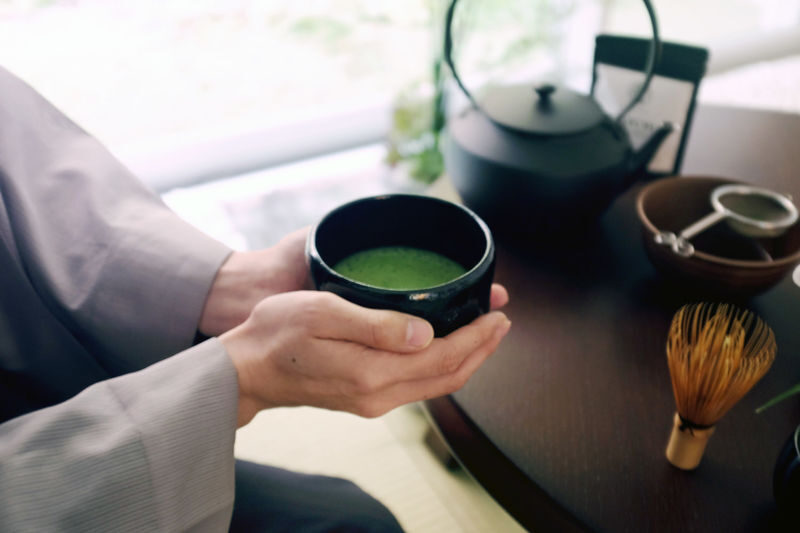

- Your own bowl is part of the lesson: You’ll learn four key steps for whisking matcha, then prepare a bowl yourself with rented tea tools.
- The topic reaches beyond taste: The instructor covers matcha cultivation, tea types, health claims, and the ideas behind Japanese tea practice.
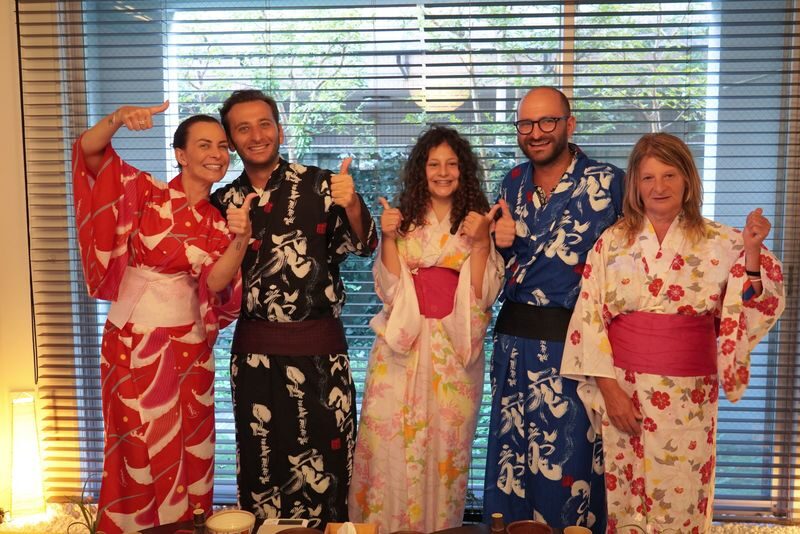
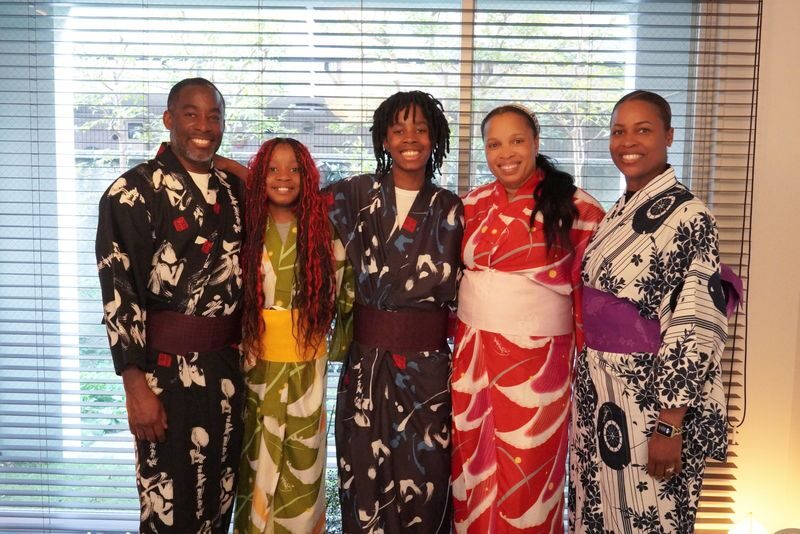
- The kimono is easy to wear: You can choose a kimono before the lesson, adding a cultural touch without turning the session into a full day of dressing.
- Tea selection is a feature: The experience promotes first-flush matcha and access to a large collection, with more than 100 teas described for tasting and a cellar said to hold over 400 types.
- It meets in Yotsuya: The guide waits by the LUUP stand near ACN Yotsuya Building, about a six-minute walk from Yotsuya Station.
- Be punctual and bring socks: Arrive 10 minutes early, and bring socks for the traditional flooring. A delay of 10 minutes or more means automatic cancellation without a refund.

👉 See our pick of the Our Picks For The 11 Best Workshops & Classes In Tokyo
Matcha class, kimono, and a little tea philosophy
This short Tokyo activity bundles three things many visitors want to try: wearing a kimono, learning about matcha, and handling tea ceremony tools. Its strength is the way the parts connect. The kimono sets the scene, but most of your time is spent learning what matcha is, how to choose it, and how to prepare it well.
The English-speaking instructor makes the subject approachable, even if your tea knowledge starts and ends with ordering a matcha latte. The talk covers the origins and cultivation of tea, differences among green, black, and Chinese teas, and the cultural ideas often summed up as teaism and tea ceremony. You’ll also hear about the agricultural value of matcha and health claims from a scientific point of view.
The most practical thread is learning how to judge matcha. The instructor questions the usefulness of the word ceremonial on packaging and explains that the label alone does not tell you whether a tea is high quality. That is useful if you plan to buy matcha in Japan, where attractive tins and grand claims can make every powder sound special.
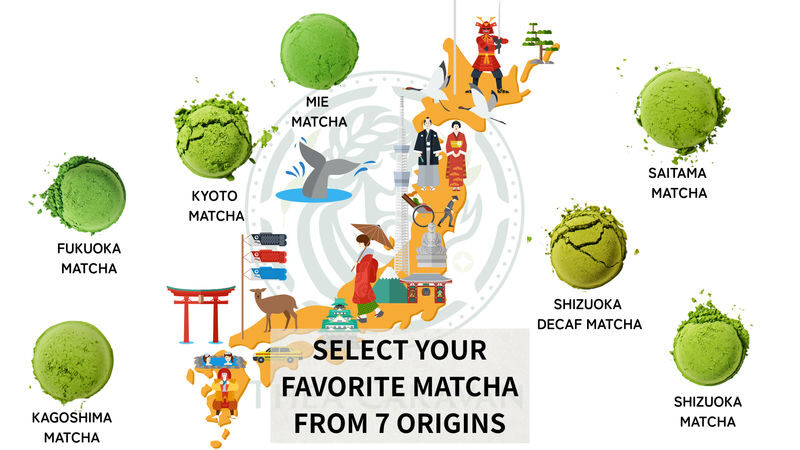
The advertised collection is unusually broad. The experience describes a selection of more than 100 matcha types from around Japan, while its highlights refer to a cellar holding over 400. You may have a chance to compare or choose a tea, but the exact range available to taste is not specified. The session also promotes first-flush matcha, the season’s early harvest, selected for tasting.
You can also read our reviews of more tours and experiences in Tokyo.



What happens after you meet in Yotsuya
The meeting point is the LUUP scooter stand beside ACN Yotsuya Building, at 2-chome Yotsuya in Shinjuku City. It is about a six-minute walk from Yotsuya Station. The guide waits outside with a workshop sign, then takes the group to the workshop once everyone has arrived. The stand is a meeting place, not the tea room itself, so do not expect to begin the lesson right there.
There are three listed departure times: 11:00, 13:30, and 16:00. The corresponding return times are 12:30, 15:00, and 17:30. Although the activity is described as one hour in its short summary, its schedule allows 90 minutes from departure to return. I’d leave that fuller window clear rather than plan a tight connection or meal immediately afterward.
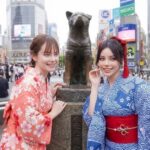
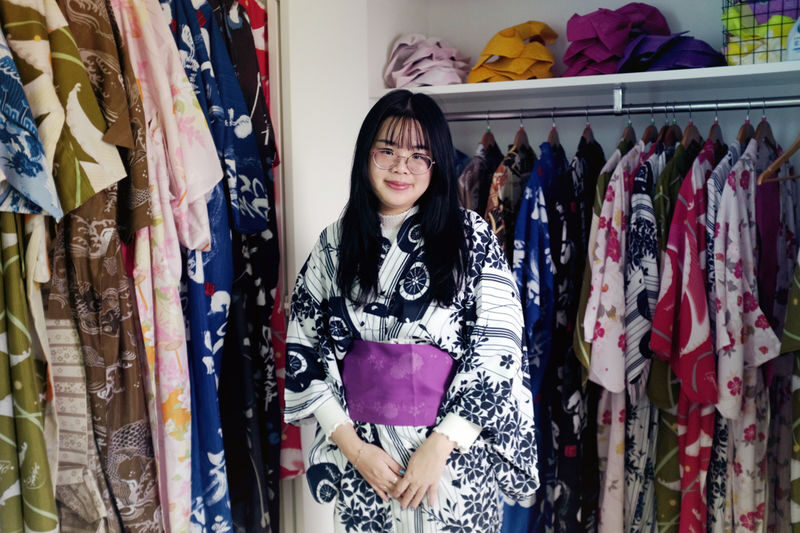
Once at the workshop, you can choose an easy-to-wear kimono before the lesson begins. The clothing is included, and the activity is designed to be straightforward to put on. The selection has been described as suitable for men and women, and the kimono adds a visual and tactile connection to the subject without requiring you to arrange a separate rental.
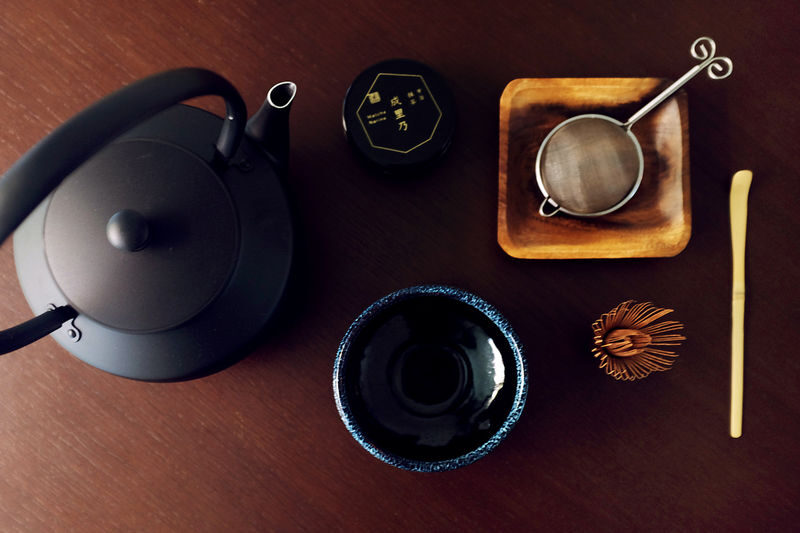
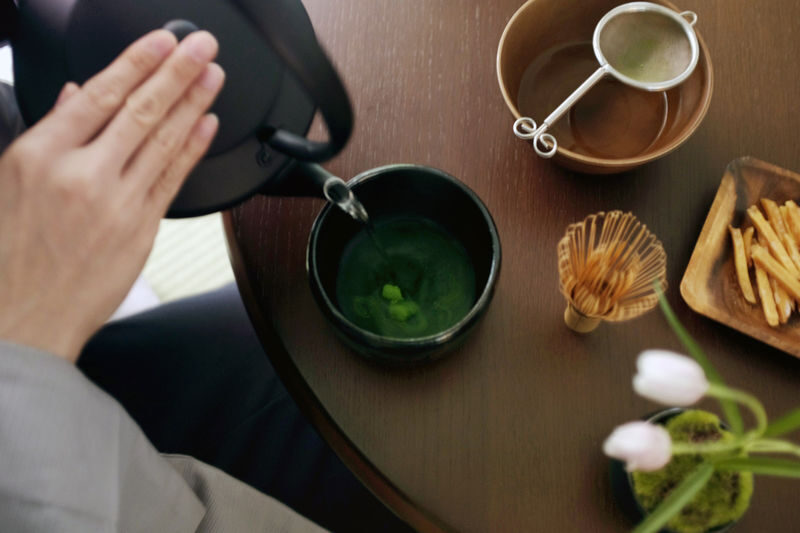
Then comes the lesson. Expect a guided explanation of tea types, matcha production, and the etiquette of receiving and drinking a bowl. The instructor introduces the tools and walks you through preparing matcha. You are not simply watching a demonstration: the aim is to teach you how to make a good bowl at home, with four key preparation points to remember.
A snack is included, along with meals and beverages as listed in the package details. Matcha and tea ceremony tools are also included, so you need not bring equipment. The activity does not specify the exact snack or the amount of tea served, so treat this as a tasting and class rather than a full meal.
A class, not a full formal tea ceremony
This distinction matters when you decide what to book. The session teaches basic tea ceremony etiquette and introduces the philosophy behind the practice, but the hands-on format has you prepare your own matcha. It is not necessarily the kind of formal ceremony where a host performs each step and serves tea to seated guests.
That teaching-first approach is a plus if you want practical skills and context. You can learn how water temperature and handling the bowl affect the result, and you get to try the steps yourself rather than only observe them. By the end, you should have a clearer sense of how to whisk matcha and what to look for when shopping.
If your main wish is to sit quietly and watch a complete, traditional service, ask yourself whether a participatory workshop is the right fit. One attendee suggested that a host-prepared tea service would add something, which points to a real difference in format. Here, the focus is on explanation and practice, not a ceremonial performance.
The talk can also be information-heavy. That is part of the value for tea enthusiasts, but it may feel like a lot if you came mainly for kimono photos or a quick taste. The instructor’s enthusiasm and ability to explain the subject in clear English help make the material accessible, though the balance leans toward learning.
What makes the tasting useful
Matcha can be confusing to buy, especially when packaging relies on broad terms that sound like quality grades. This class encourages you to look past labels and consider the tea itself. A chance to taste selected matcha gives those explanations a practical anchor: you can connect what you hear about cultivation and grade to what is in your bowl.
The range of tea is another reason this suits curious drinkers. You may be able to choose the matcha you taste, and the instructor can explain differences among varieties. The experience also compares Japanese matcha with matcha from overseas, a useful angle if you have mostly encountered the powder in cafés or supermarket tins.
The health discussion is framed as part of the lesson, not a reason to treat matcha as a cure-all. You’ll hear about claimed benefits alongside agricultural and production context. That approach is more useful than a sales pitch built around wellness buzzwords.
If you enjoy the tea you try, matcha may be available to buy from the host. Buying is optional and is not included in the stated price. I’d consider the session valuable even if you leave without a tin: the more lasting takeaway is knowing how to prepare the tea and assess what you might buy later.
The value of the kimono and the English instruction
The kimono is not just an extra photo prop. Wearing one gives the session a more tangible connection to Japanese clothing and custom, while keeping the process simple through the easy-to-wear style. You can also take photos, and the time spent with the clothing has been described as generous. Still, if you are choosing this mainly for a long kimono photo session, remember that tea is the main subject.
English instruction is central to the value. The guide explains history, preparation, and etiquette in English, so you can follow the lesson without relying on gestures or translation apps. The teaching style is also personal: the instructor answers questions and makes room for beginners, while tea fans can ask more detailed questions about varieties and quality.
The host’s name is given as Komei in several accounts, while other names appear in individual accounts. The safest practical expectation is an English-speaking instructor with a strong focus on matcha, rather than a guarantee of a particular named guide for every departure.
The format appears suitable for families. Children aged five and older pay the adult rate, while children aged zero to four are free. A 12-year-old has found the subject interesting, and the experience has also been described as family-friendly. The lesson does involve listening and learning, so it may suit an older child with an interest in food or Japanese culture better than a very young child.



Price, timing, and small details that matter
The price starts at $56.85 per person. For that, you get the English-speaking guide, kimono rental, tea tools, matcha and tea ceremony activity, plus snacks and listed meals and beverages. The value is strongest if you want all three elements, kimono, tea instruction, and hands-on preparation, in a single short outing. If you only want a quick bowl of matcha, this is more class than you need.
Book with the 90-minute schedule in mind, even though the basic description calls it a one-hour activity. Traffic or weather can affect the schedule, and the guide escorts the group from the meeting point to the workshop. The departure time is selected when booking, so double-check it before setting off.
Bring your own socks. They protect the traditional flooring, and you may be asked to buy a pair at the workshop if you forget. There is no luggage storage, so leave larger bags elsewhere. Pets are not allowed.
You can book for the same day, and the voucher is shown on your phone. Free cancellation is available with at least 24 hours’ notice. If extreme weather or another unforeseen event leads the operator to cancel, you can reschedule or request a full refund. The strict rule is lateness: after 10 minutes, the booking is automatically canceled and no refund is provided. Find the meeting point early rather than relying on a last-minute call for directions.
Who should book this Tokyo tea experience
I’d recommend this for anyone who wants more than a pretty kimono photo and enjoys learning how food and drink are made. Matcha fans will get the most from the discussion of grades, growing, and preparation. First-time visitors to Japanese tea culture will have a clear introduction, with enough practical instruction to recreate a bowl at home.
It also works well as a compact cultural activity between sightseeing plans. You do not need prior knowledge, special equipment, or formal tea ceremony experience. The kimono, tasting, and English instruction give the session several points of interest, while the teaching remains its main event.
I would look elsewhere if you want a quiet, host-led formal ceremony with little explanation, or if your schedule cannot absorb the full 90-minute window. For an informative, hands-on introduction to matcha with kimono included, the starting price is reasonable value, especially if you expect to use what you learn when choosing tea later.
Matcha Kimono Tea Ceremony Experience in Tokyo
“This was a great experience – Komei is very passionate and knowledgeable about matcha. I already knew a lot about tea ceremony but I learned new th…”
FAQ
How long does the activity take?
The short description lists one hour, while the scheduled outing runs for about 90 minutes from departure to return. The listed time slots are 11:00 to 12:30, 13:30 to 15:00, and 16:00 to 17:30.
Where is the meeting point?
Meet at the LUUP stand beside ACN Yotsuya Building in Yotsuya, Shinjuku City. It is about a six-minute walk from Yotsuya Station, and the guide waits with a workshop sign.
Is kimono rental included?
Yes. An easy-to-wear kimono is included, as are tea ceremony tools for the matcha preparation session.
Is the lesson taught in English?
Yes. An English-speaking instructor leads the lesson and explains matcha, tea culture, and basic tea ceremony etiquette.
Should I bring anything?
Bring socks to protect the traditional flooring. There is no luggage storage, so make plans for bags before you arrive.
What happens if I arrive late?
Arrive 10 minutes before your selected departure time. A delay of 10 minutes or more results in automatic cancellation without a refund.