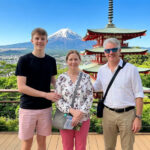
Mount Fuji gives this day its big draw: from the 5th Station, you can get close to the mountain without hiking, then pair that high-altitude stop with village springs and the famous view of Fuji behind Chureito Pagoda. It is a lot of Japan in one long day from Tokyo.
I like two things in particular: the mix of photo stops and local culture, including matcha making and Oshino Hakkai, and the low starting price of $49.29 for transport between far-flung sights. The main trade-off is time: five stops, traffic and a fixed schedule can make some visits feel brief.
- At a glance
- Five Fuji-area stops in one long day
- Fuji’s 5th Station, weather permitting
- Matcha by Lake Kawaguchiko
- Oshino Hakkai’s spring-fed lanes
- Fujiyoshida’s old street and the Chureito view
- The guide, group and pace
- Meeting in Shinjuku and planning the day
- Who should book this Fuji day trip?
- FAQ
- How long is the tour?
- Is Mount Fuji’s 5th Station visited all year?
- Is the matcha activity a formal tea ceremony?
- Is lunch included?
- What languages are available?
- How much walking is involved?
- The Best Of Fujiyoshida!
- More Tours in Fujiyoshida
- More Tour Reviews in Fujiyoshida
At a glance
- The 5th Station is weather and season dependent. When the road is closed, usually from mid-November into early April, the tour substitutes Oishi Park.
- The Chureito Pagoda view is the signature photo stop. Arakurayama Sengen Park has stairs, so expect a real climb rather than a curbside photo.
- Matcha making is a short introduction. It is a hands-on cultural activity, not an extended tea ceremony lesson.
- Oshino Hakkai gives you unhurried free time. Plan to choose your own lunch and explore the spring-fed village at your pace.
- The tour starts early in Shinjuku. Arrive at least 15 minutes before the 7:50 departure, and confirm the exact meeting point in advance.
- Guiding can vary by language and person. Guides named Arpan, Jeffrey and Zhang are praised for helpful explanations, but English ability may not be consistent on every departure.

👉 See our pick of the 8 Most Highly Rated Private Driver Services In Fujiyoshida
Five Fuji-area stops in one long day
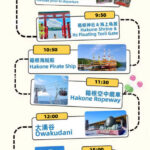
This is a shared day tour from Tokyo, generally running from about 7:50 a.m. to 6:30 p.m. You ride out from Shinjuku, visit a string of popular sights around Mount Fuji, then return to the city. The route can run in a different order, and traffic or weather can shorten a stop or lead to one being dropped.
That arrangement solves a practical problem. The Fuji area’s sights are spread out, and making the same circuit independently would mean coordinating transport and watching the clock all day. Here, you trade some freedom for a driver, a planned route and a chance to see several well-known places in one outing.
The group price starts at $49.29, which is good value if the vehicle runs smoothly and you want a sampler rather than a deep visit to any one place. Meals, drinks and personal purchases are extra. A private-car option is also offered, with hotel pick-up and drop-off, but the route itself cannot be customized; the stated operating period is fixed at 10 hours, and personal delays can incur an overtime charge.
You can also read our reviews of more tours and experiences in Fujiyoshida.
Fuji’s 5th Station, weather permitting
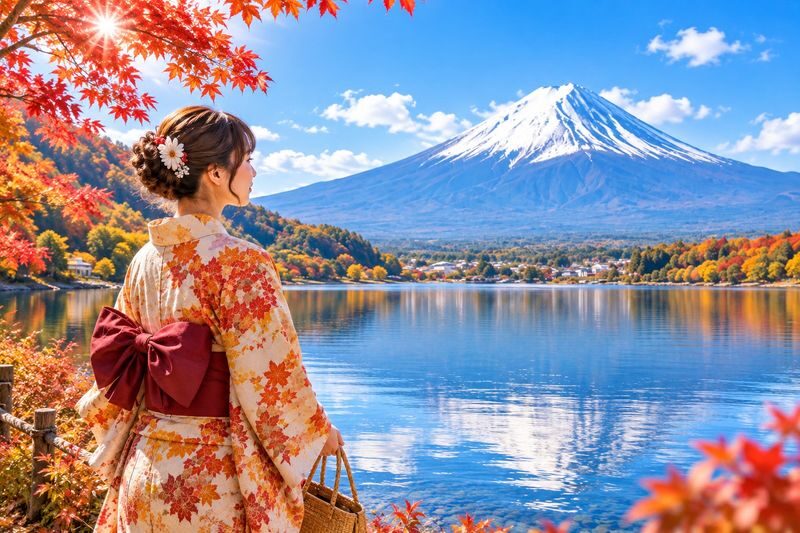
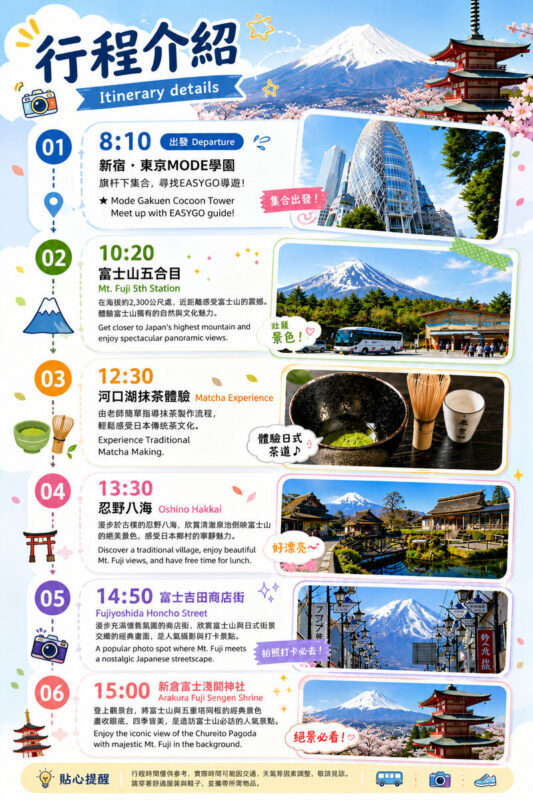
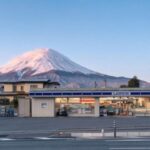
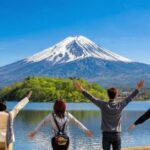
The 5th Station sits at about 2,305 meters and offers a close-up encounter with Mount Fuji without requiring you to climb the mountain. On clear days, the view can stretch over the scenery below, sometimes above a sea of clouds. That high vantage point is the tour’s strongest reason to go, especially if you want to see the mountain from more than a distant viewpoint.
There is a big condition: the road and weather decide what you get. The 5th Station is often closed from mid-November to early April, with the final status subject to official information on the morning of the tour. If it is inaccessible, the group visits Oishi Park instead. The two are alternatives, not extra stops, so do not count on seeing both.
Clouds are another matter. Fuji can hide even when the route is open, and no tour can promise a clear view. The mountain is often difficult to see in summer’s rainy season, and several visitors have had a worthwhile day despite missing the famous peak. I would book this for the range of stops, not as a guaranteed Fuji sighting.
Matcha by Lake Kawaguchiko
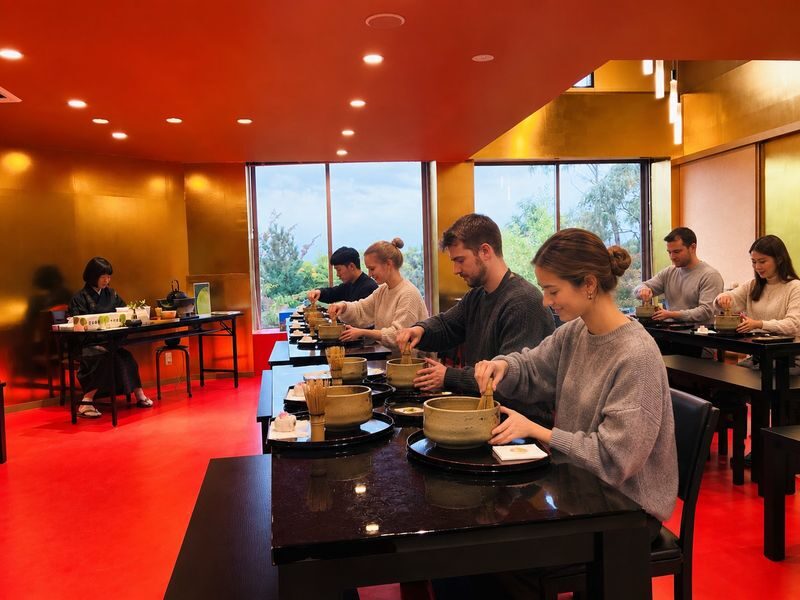
At Fujikawaguchiko Shikido Honpo, you make matcha under the guidance of a tea instructor. It is a modest, roughly 30-minute activity that lets you try the basic process and taste a little of Japanese tea culture.
Keep expectations in scale. This is not a formal tea ceremony course, and the short slot is better understood as a cultural pause than a deep lesson. I like its place in the day: after the mountain viewpoint, it shifts the focus from scenery to a simple hands-on activity. If tea is a major interest, you may want a longer, dedicated class elsewhere.
Oshino Hakkai’s spring-fed lanes
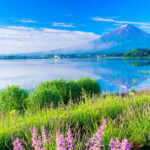
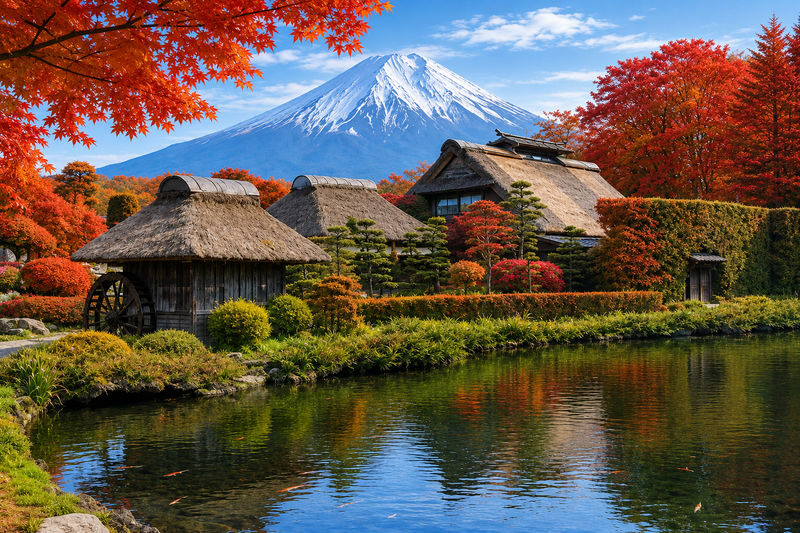
Oshino Hakkai is a village known for clear ponds fed by water filtered through Mount Fuji’s snowmelt. You have about an hour to walk among the springs and traditional village setting, look for Fuji’s reflection and buy lunch or local specialties at your own expense.
This is one of the day’s more rewarding stops if you value a slower, less strictly photographic experience. The free time gives you room to look around without following a guide every minute. But an hour goes quickly if you want both a meal and a proper wander, so decide what matters most when you arrive.
The water and mountain views depend on conditions, as does Fuji’s reflection in a pond. Take cash, water and a light snack if you prefer not to spend your short break choosing a meal. There is no included lunch.
Fujiyoshida’s old street and the Chureito view
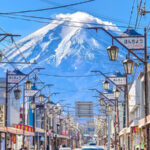
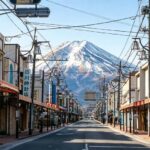
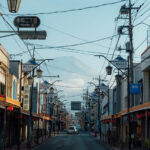
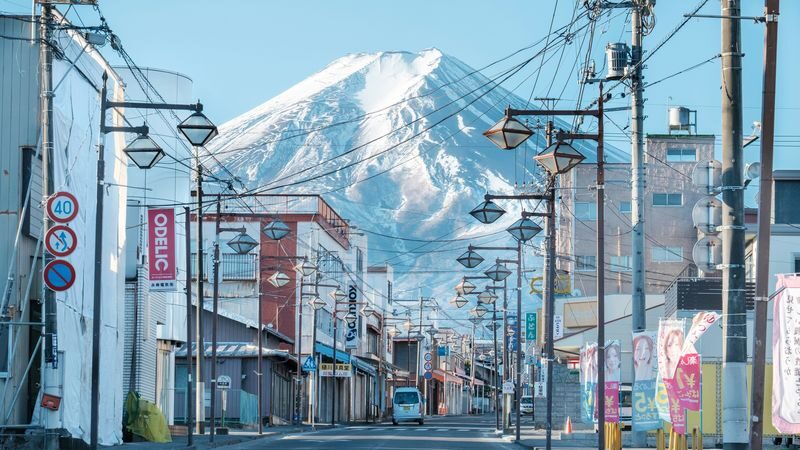
The tour also makes time for Fujiyoshida’s nostalgic shopping street, often associated with the Nichikawa Clock Shop, and the classic view of Mount Fuji aligned with Chureito Pagoda. The street offers a glimpse of an older Japanese townscape, with Fuji looming at the end of the road when the mountain is visible.
Some people may find the street stop less compelling than the mountain viewpoints. It is a short stroll and a photo opportunity, not a long guided visit to historic buildings. Still, it adds a human scale to a day otherwise dominated by wide views and scenic overlooks.
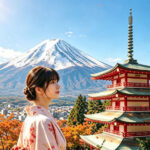
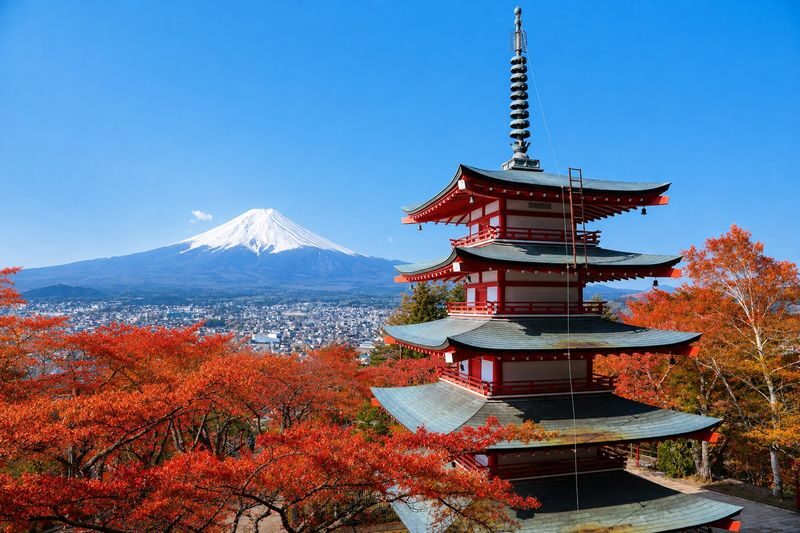
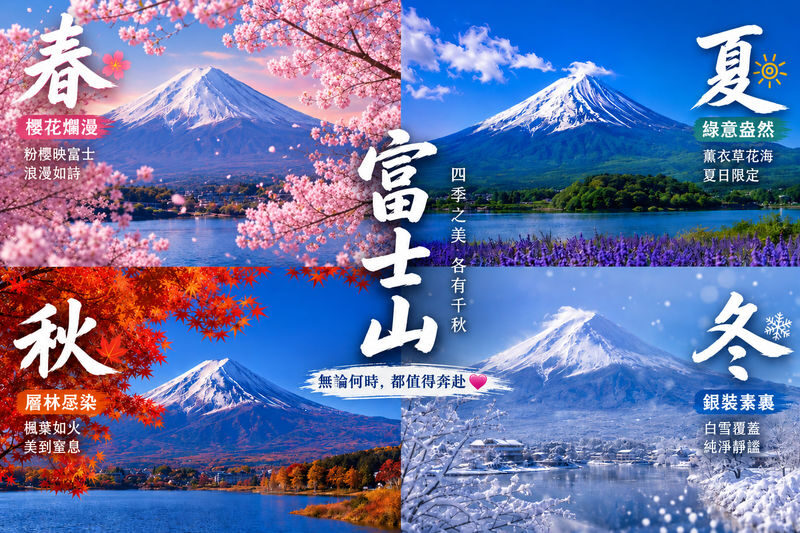
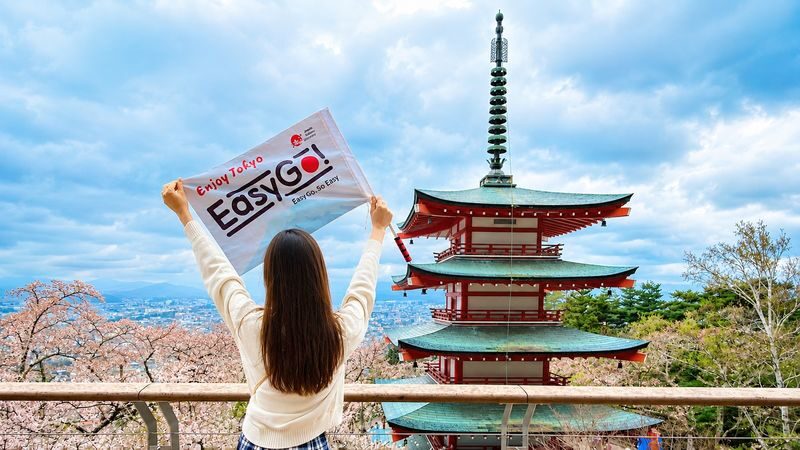
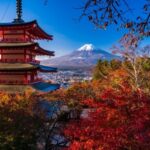
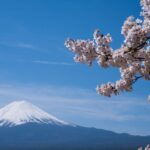
At Arakurayama Sengen Park, you climb toward the pagoda viewpoint. This is the image many people have in mind when they picture Fuji with a red pagoda in the foreground. The view changes with the seasons: cherry blossoms in spring, green growth in summer, autumn color and winter snow. The climb involves stairs and walking, so wear shoes with a good grip and be ready for effort.
Crowds and weather can affect the experience, and the tour cannot guarantee blossoms, fall leaves or a clear mountain. The park is still worth the stop for its setting, but it is not an effortless roadside photo. If mobility is limited, note that the tour involves considerable walking and stairs and is not recommended for people with impaired mobility.
The guide, group and pace
Guide quality can shape a packed day. Guides named Arpan, Jeffrey and Zhang have been praised for clear instructions, friendly manner and adjusting the order of stops around traffic, heat or weather. That flexibility matters when you are trying to make several distant stops before returning to Tokyo.
Language is less certain. The group product is described as Chinese and English guided, and tours may be offered in Chinese, Japanese and English, but the experience can vary by guide and departure. There have been complaints from English-speaking participants who found that their guide spoke little English. If detailed commentary is important to you, confirm the language arrangement before booking rather than assuming that every departure will offer equal fluency.
The tour is shared with other passengers, and seats cannot be selected. Vehicle size depends on the group: smaller groups may travel in a car or minivan, while larger ones may use a minibus or full-size bus. The precise vehicle is not guaranteed. A complaint about a crowded minivan is a reminder that comfort can differ considerably on a long drive, so pack light and keep your expectations practical.
The schedule is full, but feedback on the pace is mixed. Some people appreciate the efficient route and free time at stops; others feel the day is rushed and would prefer fewer sights with longer visits. If your priority is thorough exploration, this is not the best format. If you want a broad introduction without arranging transport yourself, the tight pace is part of the bargain.
Meeting in Shinjuku and planning the day
The meeting point is Tokyo Mode Gakuen’s Cocoon Tower area in Shinjuku, with departure around 7:50 a.m. Arrive 15 minutes early and check in with the EASYGO guide. The busy area and nearby construction have made the precise meeting spot confusing for some people, so check your voucher and contact details carefully before the morning of departure.
Late arrivals and no-shows are not refunded. Provide a working phone number plus WhatsApp or WeChat for urgent contact, as LINE may not work reliably for the operator. There have also been complaints about difficulty locating the right group and reaching support at departure time. I would save the meeting instructions offline, keep the operator’s contact details handy and allow extra time to find the bus.
The return is scheduled for about 6:30 p.m., but this is an estimate, not a promise. Traffic can delay the drive back. Avoid putting a tight dinner reservation or an evening train immediately after the tour.
Bring comfortable walking shoes, weather-appropriate clothing, sunscreen, sunglasses, water, cash and valid ID. Each passenger may bring one standard piece of luggage, but larger bags may not fit depending on the vehicle. There are no child safety seats, and children aged zero to three ride free only if they do not need a separate seat.
Who should book this Fuji day trip?
This tour suits first-time visitors who want a quick, affordable overview of the Fuji area and do not want to plan several connections on their own. It is also a sensible choice if you enjoy photography, can manage stairs and are comfortable with a long day that mixes guided transfers with independent time.
It is less suitable if you want a slow visit, need a guaranteed English-speaking guide, have limited mobility or are booking chiefly for a clear Mount Fuji view. Those conditions are outside the operator’s control, and the 5th Station may be replaced by Oishi Park in winter.
My advice: book for the combination of stops, the matcha activity and the convenience of round-trip transport. Treat Fuji as a possible bonus, not a certainty. Read the meeting instructions closely, confirm the guiding language and leave your evening schedule open.
Departing from Tokyo: Mount Fuji Scenic Day Tour | 5th Station, Kawaguchiko Matcha, Oshino Hakkai, Arakurayama Sengen Park
“Although the guide doesn't speak Korean, they explain things first in English and then in Chinese. This tour is great as long as you pay attention…”
FAQ
How long is the tour?
The day is about 10.5 hours, with departure around 7:50 a.m. and a scheduled return around 6:30 p.m. Traffic and weather can change the timing.
Is Mount Fuji’s 5th Station visited all year?
No. The road is often closed from mid-November to early April. If the 5th Station is inaccessible, the tour visits Oishi Park instead.
Is the matcha activity a formal tea ceremony?
No. It is a simple matcha-making activity guided by a tea instructor, not a formal tea ceremony course.
Is lunch included?
No. Lunch and drinks are not included. You have free time at Oshino Hakkai to choose and pay for your own meal.
What languages are available?
Tours are offered in Chinese, Japanese and English, but the exact language support can vary by departure and guide. Confirm the language arrangement when booking.
How much walking is involved?
The tour includes a considerable amount of walking and stairs, particularly at Arakurayama Sengen Park. Walking shoes are recommended, and the activity is not recommended for people with impaired mobility.