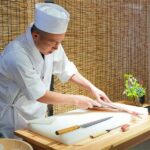
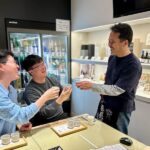
Japanese home cooking is the point here, not a restaurant-style show. With host Emi, you choose three dishes and learn to make them step by step in a real kitchen in Nerima, away from central Tokyo’s sightseeing crush. I like the chance to cook familiar favorites such as gyoza and tonkatsu, and I like that you sit down to eat your work with rice and barley tea.
One thing to plan around: everyone in your group must choose the same three dishes, and menus can change with the season and group size. The class also takes place at one of several studios, so wait for Emi’s address and map link before setting off.
- Choose three dishes together: Options can include tonkatsu, gyoza, oyakodon, salmon with hijiki seaweed, and Japanese-style Hamburg steak.
- Learn in English: Emi teaches the class in a real kitchen, with ingredients and utensils provided.
- Eat the meal you make: Your cooking is served with rice and barley tea.
- Expect a changing menu: Past classes have included dishes such as onigiri, okonomiyaki, yakisoba, yakitori, and karaage.
- Check the venue carefully: The kitchen is within walking distance of Nerima, Hikawadai, or Hikarigaoka Station.
- Book ahead for larger groups: Classes for three or more take place in a cooking studio, and advance booking is recommended in busy seasons.
- A Home Kitchen, Not a Demonstration Counter
- Choosing Three Dishes for Your Group
- Cooking, Step by Step, at Your Own Pace
- Sitting Down to Your Homemade Meal
- What the Price Buys
- Getting to the Right Kitchen
- Who Will Enjoy This Class Most
- Should You Book Emi’s Nerima Cooking Class?
- FAQ
- How much does the cooking class cost?
- Where does the class take place?
- What dishes can I choose?
- Does everyone in my group need to choose the same dishes?
- Is the class suitable for beginners?
- Are ingredients and cooking equipment included?
- Can the class accommodate dietary requirements?
- Can children attend?
- Can I book on a national holiday?
- Is transport included, and how do I show my voucher?
- The Best Of Tokyo!
- More Tours in Tokyo
- More Tour Reviews in Tokyo
A Home Kitchen, Not a Demonstration Counter
 1 / 8
 2 / 8
 3 / 8
 4 / 8
 5 / 8
 6 / 8
 7 / 8
 8 / 8
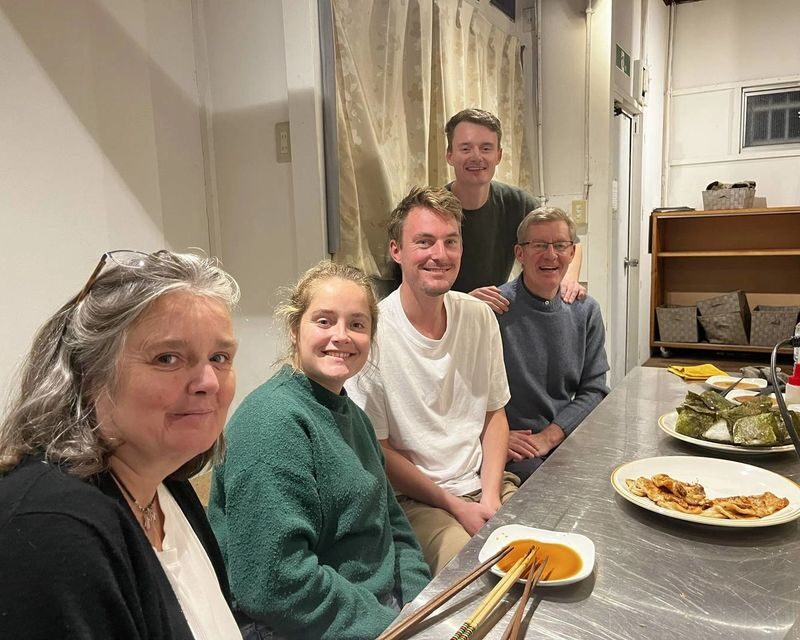
The appeal of this private Japanese cooking class is its scale. Rather than watching a chef from the back of a busy room, you work through three dishes with Emi in a real kitchen. The setting makes the lesson feel closer to cooking with a local host than attending a polished restaurant event.
That difference matters if you want to learn techniques you can use at home. You can ask questions as you go, follow the steps at your own pace, and see how a Japanese meal comes together through hands-on work. The class is described as suitable for beginners and people with cooking experience, so you do not need to arrive with knife skills or a well-stocked recipe box.
The lesson is private, but the exact setting depends on your group size and the host’s arrangements. The experience may be held at one of three cooking studios in Nerima City, near Nerima Station, Hikawadai Station, or Hikarigaoka Station. A cooking class in someone’s home can feel intimate, while a studio may be more practical for a larger party. Wait for the host to send the exact address and map link before planning your route.

👉 See our pick of the Our Picks For The 11 Best Workshops & Classes In Tokyo
Choosing Three Dishes for Your Group
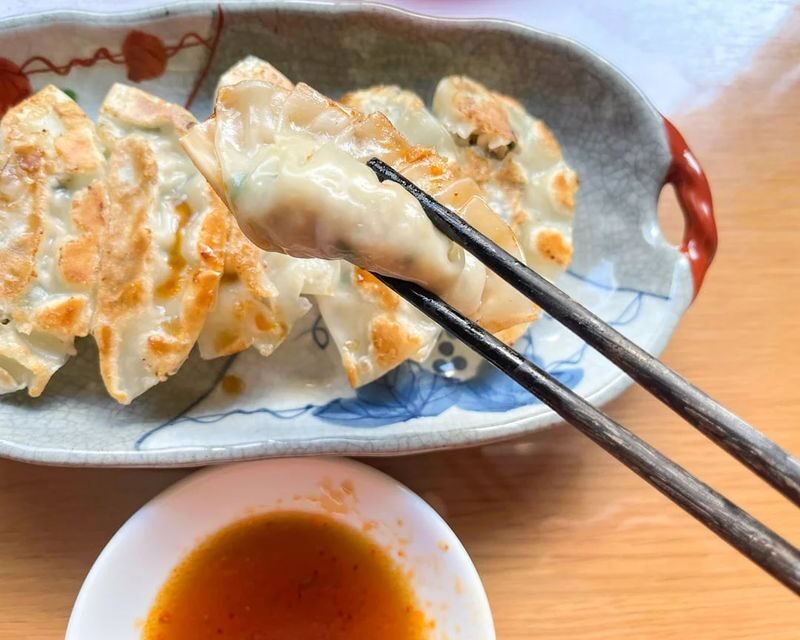
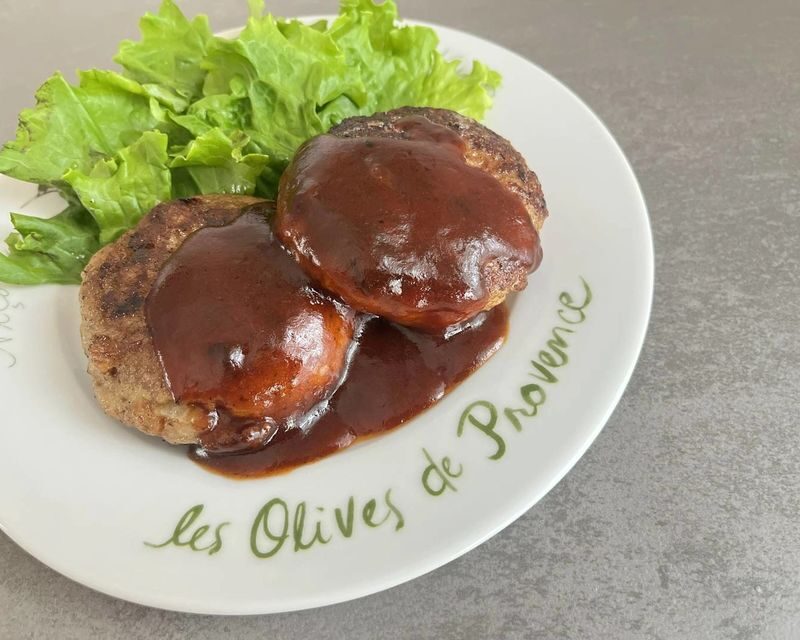
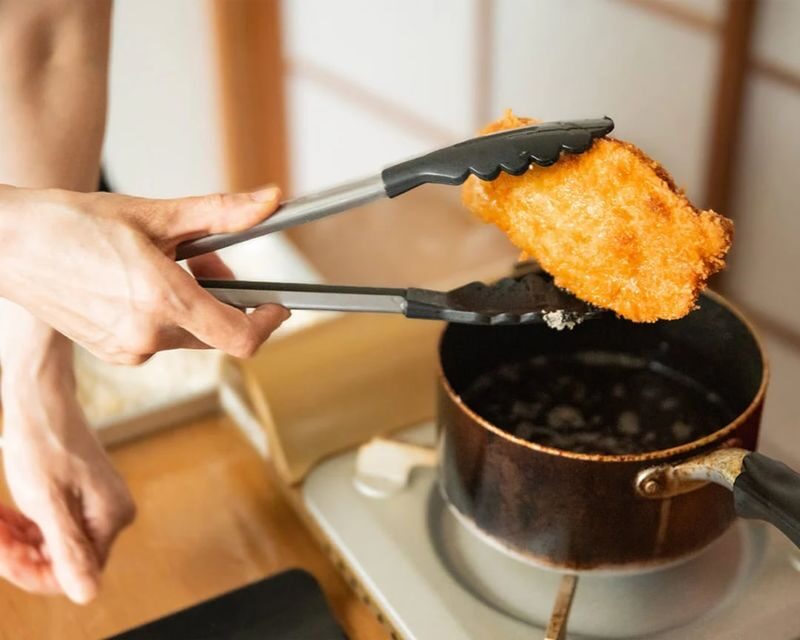
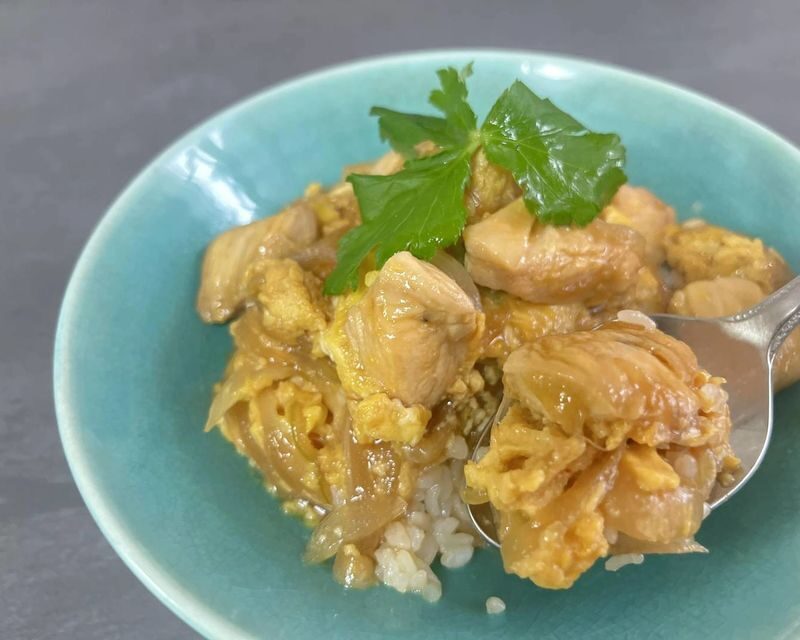
Before class, your group selects three dishes from the available menu. Choices can include tonkatsu, breaded pork cutlet; salmon with hijiki seaweed; oyakodon, chicken and egg served over rice; gyoza dumplings; and Japanese-style Hamburg steak, made with ground beef and pork.
The choices cover different kinds of home cooking. Gyoza gives you a chance to learn a dish that takes some hands-on shaping, while tonkatsu and Hamburg steak offer hearty, familiar flavors. Salmon with hijiki introduces a seaweed ingredient that may be less common in your own kitchen. If you choose oyakodon, it is already served over rice; otherwise, rice is provided alongside the meal.
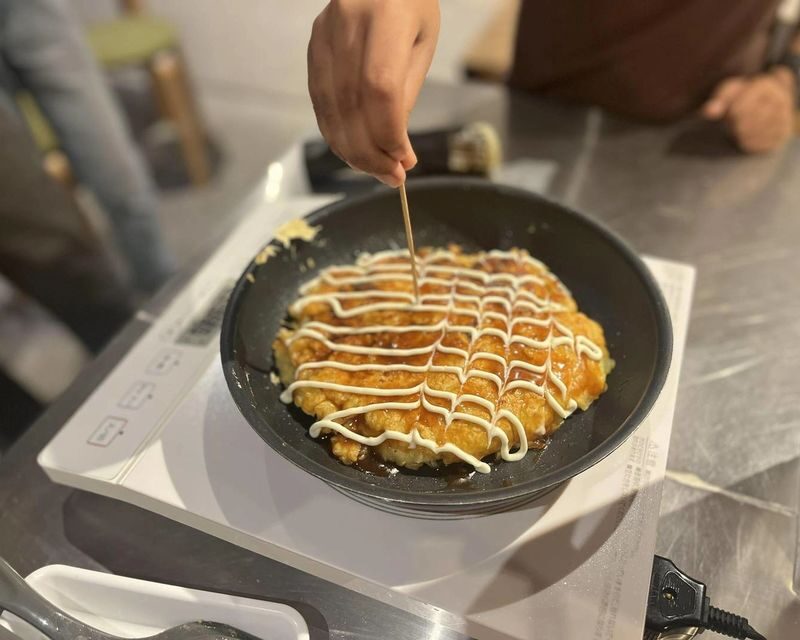
The menu is not fixed. Classes have also included dishes such as onigiri, okonomiyaki, yakisoba, yakitori, and karaage. That variety is good news if you are hoping to learn a particular favorite, but it also means you should treat the listed options as a guide rather than a promise that every dish will be available on your date.
You must give the host your menu preferences when booking, and everyone in your group needs to settle on the same three dishes. If Emi has not heard from you by four days before the class, she will choose the menu for you. I would make this an early task, especially if your group has different tastes or dietary needs.
You can also read our reviews of more tours and experiences in Tokyo.



Cooking, Step by Step, at Your Own Pace
Once you arrive, the class moves from preparation to cooking, with Emi guiding you through each dish. Ingredients and cooking utensils are included, so you do not need to shop or bring equipment. English instruction and an English recipe booklet help you follow the process and keep the recipes for later.
The step-by-step approach is useful for more than copying a recipe. You get to handle the ingredients and see how the dishes are put together, which makes it easier to remember the method when you try it again. If you are new to cooking, the host is prepared to teach at your pace; if you already cook, the lesson still offers a chance to learn home-style Japanese techniques and ask about the dishes as you work.
The class is also a natural setting for conversation. Cooking side by side leaves room to talk about food, Japan, and life back home. Emi has helped visitors with recommendations for places to see, and she has shared class photos afterward. Those are thoughtful extras, not the core product, so consider them a pleasant possibility rather than a guaranteed part of the lesson.
A past class was described as lasting three hours. That gives you a useful sense of scale, though you should confirm the timing for your own booking rather than assume every session runs exactly the same length.
Sitting Down to Your Homemade Meal
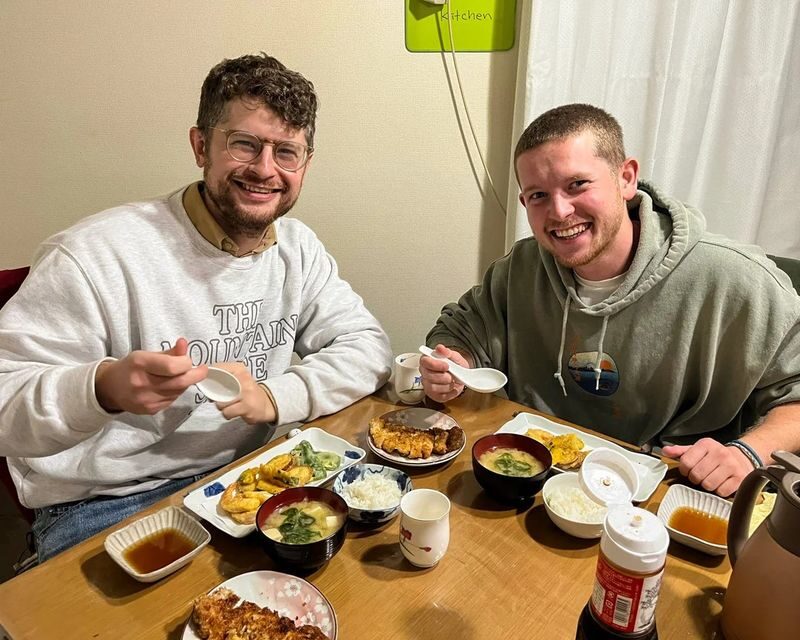
After the cooking, you eat what you have prepared, with rice and refreshing barley tea. This meal is a welcome part of the experience: you are not just practicing recipes, then heading out to find lunch. You get to taste the finished dishes together and see how the choices work as a meal.
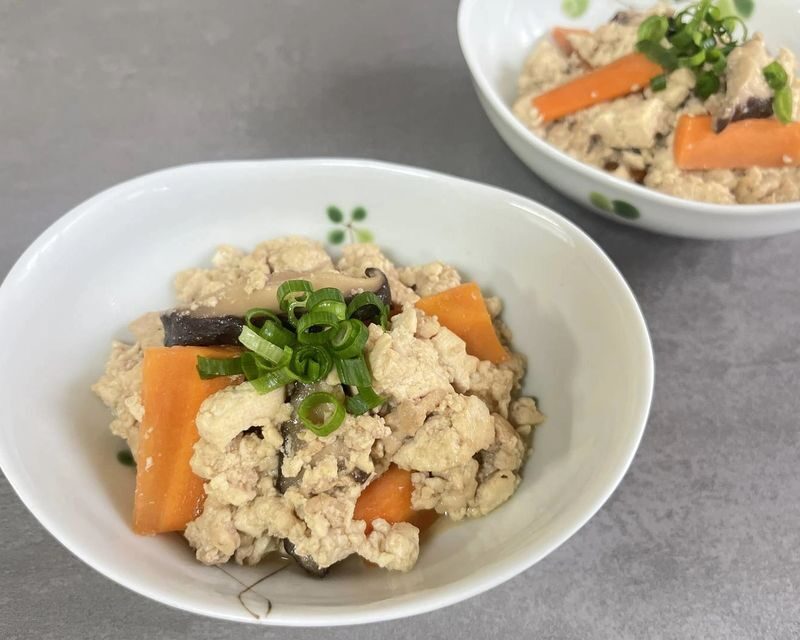
The results can be a highlight, especially if your group chooses a mix of dishes. A meal might include dumplings and a meat dish, or a rice-based dish alongside another favorite. The exact combination depends on the menu you arrange with the host, and the range can shift with the season and group size.
Barley tea is included. Alcohol is not part of the standard class, but you can book a package that adds a Dassai sake pairing or a Junmai Ginjo pairing. Those options cost more than the base class, so they make sense if you specifically want sake with your meal. If learning the cooking is your priority, the standard package already includes the meal and tea.
What the Price Buys
The private Japanese cooking class starts at US$89.89. That covers the English-speaking host, ingredients, utensils, your meal and beverages, and an English recipe booklet. You are paying for an active lesson and a meal, not just a short demonstration or a recipe handout.
The sake packages start at US$98.09 for Dassai and US$95.10 for Junmai Ginjo. Compare the difference against your own plans: the standard option includes barley tea, while the add-ons are for people who want a sake pairing. Transport is not included, so budget for your trip to the Nerima area separately.
For a private, hands-on activity, the price is reasonable if you want to cook rather than simply eat. It is less compelling if you are mainly looking for a low-cost meal or a quick stop between major sights. The value is in the instruction, the chance to ask questions, and recipes you can take home and make again.
Getting to the Right Kitchen
Nerima Station is the stated meeting point, but the actual class location may be near Nerima, Hikawadai, or Hikarigaoka Station. The host sends the detailed address and Google Maps link by WhatsApp or email, so provide a valid contact method and check your messages before the activity.
Do not assume that the class is right beside Nerima Station just because it is the named meeting point. The venue is described as a short walk from one of the three stations, and knowing which one matters when you plan your route. Transport is not included.
For groups of three or more, classes are held in a cooking studio. Booking two to three months ahead is strongly recommended for these groups, particularly around New Year, spring, and autumn. On national holidays, the class is available only to groups of three or more, so parties of one or two cannot book those dates.
There are a few other rules to check before paying. Participants must be at least nine years old, and children aged nine to 17 need a paying adult with them. Infants and children must be included in the passenger headcount. The activity also states that a single male participant cannot take part alone, so check eligibility if that applies to you.
Pescetarian, vegetarian, and gluten-intolerant diets can be accommodated, but you must tell the host in advance. Gyoza can be made with a vegetable or pork option. Hamburg steak contains both pork and beef, so it is not suitable if you avoid either meat.
Who Will Enjoy This Class Most
This is a good fit if you want more than a meal and like the idea of taking home practical cooking skills. It suits couples, families with children aged nine or older, and small groups who are happy to agree on one shared menu. It can also be a welcome change of pace after days spent moving between Tokyo’s busy sights.
You will get the most from it if you are curious about Japanese home cooking and willing to take part, rather than expecting to sit back while someone else does all the work. A beginner can learn at a comfortable pace, while a confident cook can focus on the techniques and details behind familiar dishes.
It is not the best choice if your group cannot agree on three dishes, you need a fixed menu, or you are looking for a central Tokyo venue. Nerima is a separate destination from the city’s most famous sightseeing districts, and the precise studio location varies. Build in time to travel, and check the address before you leave.
Should You Book Emi’s Nerima Cooking Class?
Book this class if you want a personal, hands-on look at Japanese food and would enjoy making dinner part of the activity. The best reasons to go are the small-scale instruction, the chance to learn three dishes, and the meal you share afterward. Emi’s friendly, considerate teaching has helped make the experience especially welcoming, including for visitors coping with jet lag.
Think twice if you want a guaranteed menu, have a very tight schedule, or need a venue close to central Tokyo. Contact the host early about your dish choices, dietary needs, and meeting location. With those details settled, this is a satisfying way to trade a few hours of sightseeing for skills and recipes you can use long after your trip.
Cook Your Choice of 3 Japanese Dishes in Nerima, Tokyo
“We had a great time with Emi during the cooking class. I've make an effort to take a cooking class in every country I visit and this was just as go…”
FAQ
How much does the cooking class cost?
The private Japanese cooking class starts at US$89.89. A package with Dassai sake starts at US$98.09, and one with Junmai Ginjo starts at US$95.10.
Where does the class take place?
The class is held at one of three cooking studios in Nerima City, within walking distance of Nerima, Hikawadai, or Hikarigaoka Station. The host sends the exact address and map link by WhatsApp or email.
What dishes can I choose?
Options can include tonkatsu, salmon with hijiki seaweed, oyakodon, gyoza, and Japanese-style Hamburg steak. Menus may vary with the season and group size, and other dishes have been served in past classes.
Does everyone in my group need to choose the same dishes?
Yes. Everyone in your group must choose the same three dishes. Send your menu preferences when booking; if the host has not heard from you four days before the class, she will choose the menu.
Is the class suitable for beginners?
Yes. The class is suitable for people with cooking experience and complete beginners, and the instructor teaches at your pace.
Are ingredients and cooking equipment included?
Yes. Ingredients and cooking utensils are included, along with an English-speaking guide, an English recipe booklet, the meal, and barley tea.
Can the class accommodate dietary requirements?
Pescetarian, vegetarian, and gluten-intolerant diets can be accommodated if you tell the host in advance. Gyoza can be made with vegetables or pork. Hamburg steak contains both pork and beef.
Can children attend?
Participants must be at least nine years old. Children aged nine to 17 must be accompanied by a paying adult, and infants and children must be included in the passenger headcount.
Can I book on a national holiday?
On national holidays, the class is available only for groups of three or more. Groups of one or two cannot book those dates.
Is transport included, and how do I show my voucher?
Transport is not included. Present your mobile voucher for the activity.