Beneath Tokyo Dome, Spa LaQua brings natural hot spring water up from 1,700 meters underground, then sets it among indoor and open-air baths, saunas, and quiet places to rest. I like the unusual chance to soak in genuine spring water without leaving central Tokyo, and I like that you can turn a quick bath into a longer pause with food, a massage, or time in the relaxation areas.
The main catch is that this is not a quiet retreat by default. It can get busy even on weekdays, admission prices vary by date, and people with tattoos are not allowed in. Check the rules and opening hours before you buy a non-refundable ticket.
- What to know before you go
- A natural hot spring in the middle of Tokyo
- What the bathing area offers
- Saunas, Healing Bade, and time to rest
- Eating, treatments, and the longer visit
- How much time to allow, and when to go
- Getting to LaQua and checking in
- Rules worth checking before you pay
- Is Spa LaQua good value?
- Should you book Spa LaQua?
- FAQ
- Where is Spa LaQua?
- How do I get to Spa LaQua by train?
- What does the basic admission ticket include?
- Are tattoos allowed?
- Can children visit Spa LaQua?
- What are Spa LaQua’s opening hours?
- The Best Of Tokyo!
- More Spa & Hot Springs in Tokyo
- More Tours in Tokyo
- More Tour Reviews in Tokyo
What to know before you go
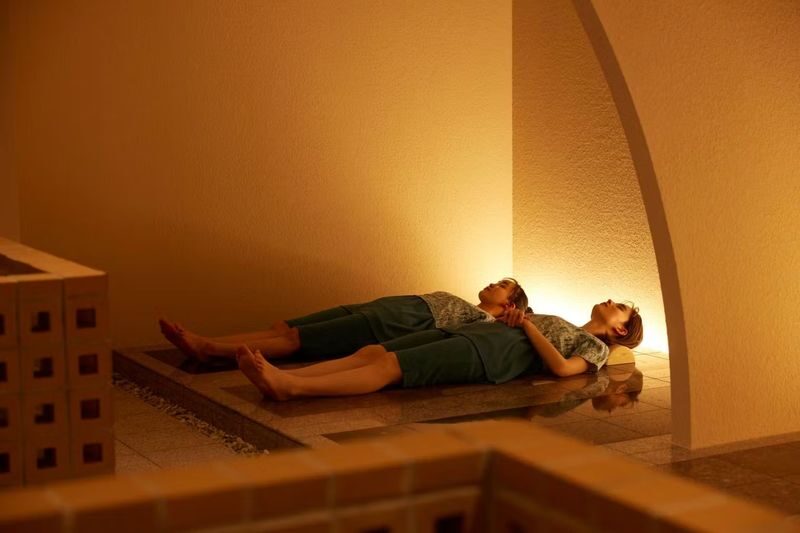
- The spring water comes from deep below Tokyo Dome: The main natural hot spring uses mineral-rich water drawn from about 1,700 meters underground.
- You have more than one way to warm up: Expect indoor and open-air baths, carbonated and silky baths, other attraction baths, and several types of sauna.
- Healing Bade costs extra on the basic ticket: A package that includes a stone sauna is also offered, so check exactly what your selected option covers.
- Crowds can affect the mood: The facility is spacious, but even weekday visits can be busy, including around the shower area.
- The entry rules are strict: Tattoos are not permitted, children aged 0 to 5 cannot enter, and people under 18 face accompaniment and time restrictions.
- The Tokyo Dome City location is handy: LaQua is a short walk from several subway and rail stations, with Korakuen Station especially close.

👉 See our pick of the Our Picks For The 11 Best Workshops & Classes In Tokyo
A natural hot spring in the middle of Tokyo
The appeal here is simple: you can get into natural hot spring water without making a day trip out of it. Spa LaQua sits in Tokyo Dome City, in Bunkyo-ku, and draws its mineral-rich water from deep underground. That gives the bathing experience a different feel from a standard hotel pool or a neighborhood bathhouse, while keeping it close to central Tokyo’s transport network.
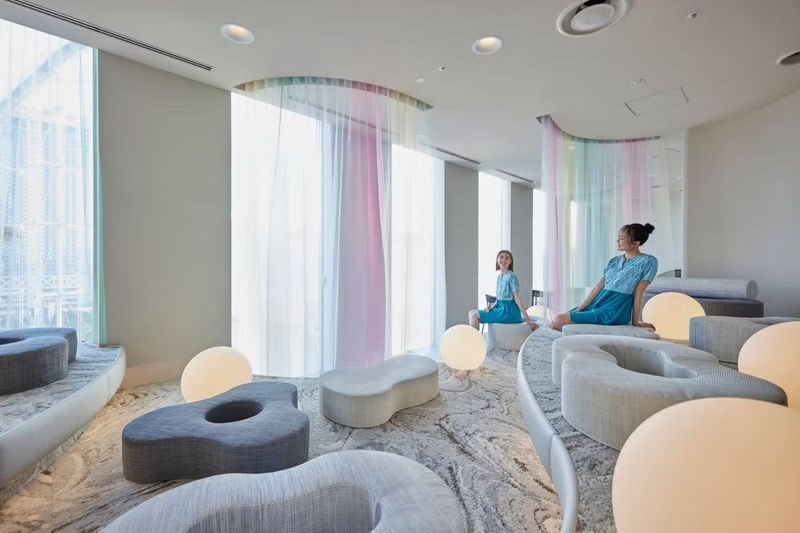
The baths are on the fifth through ninth floors of the LaQua building, with the reception desk on the sixth floor. Once inside, you can move among the bathing area, saunas, relaxation spaces, treatment salons, and places to eat. It is less a quick dip than a small indoor resort: you can arrive tired from sightseeing, wash, soak, rest, and take a meal without having to leave the building.
That all-in-one setup is one of LaQua’s strongest points. It is particularly useful after a day of walking, a long flight, or an event at Tokyo Dome. But the city location comes with a tradeoff. Easy access draws plenty of people, and a large facility does not guarantee a peaceful visit at peak times.
You can also read our reviews of more tours and experiences in Tokyo

What the bathing area offers
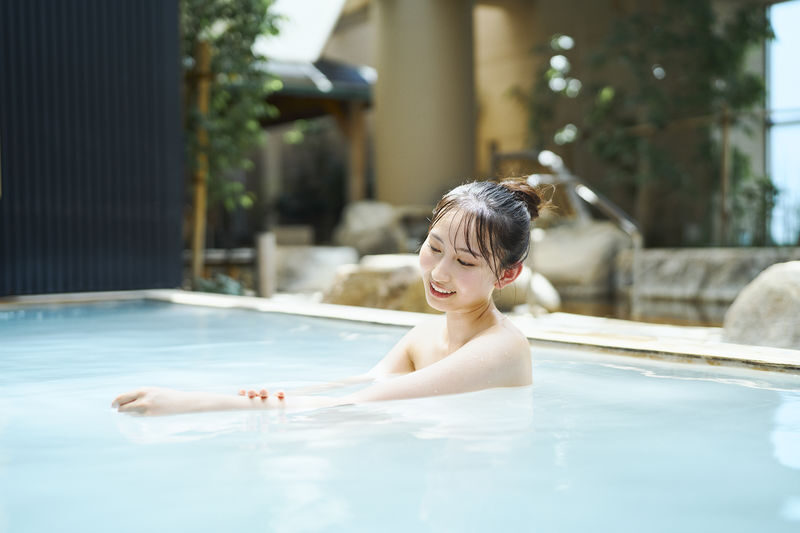
The central experience is the hot spring bathing area. You’ll find indoor and open-air baths, along with carbonated springs, silky baths, other themed or attraction baths, and saunas of different types. The variety gives you room to change pace instead of sitting in one pool for the whole visit.
The spring water itself is the special part. Water rises from about 1,700 meters beneath Tokyo Dome and is described as mineral-rich. One visitor noted its golden color, a detail that makes the natural source feel more tangible than a generic spa bath. Still, the experience is about soaking and unwinding, not a guided lesson in geology or Japanese bathing customs.
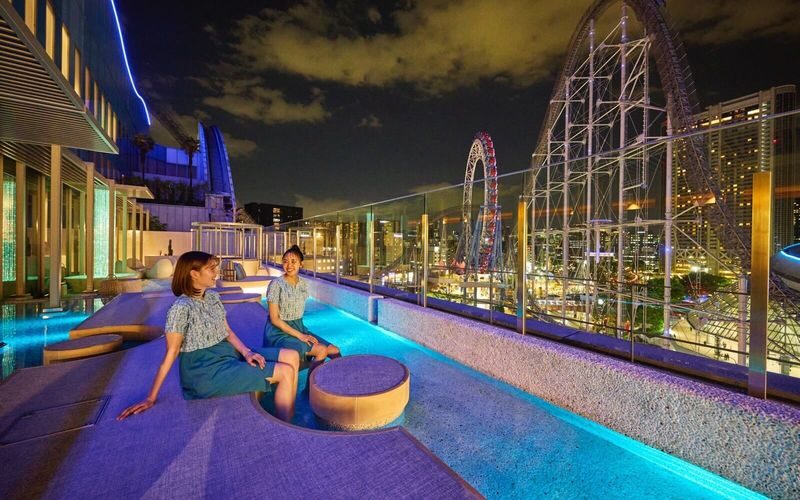
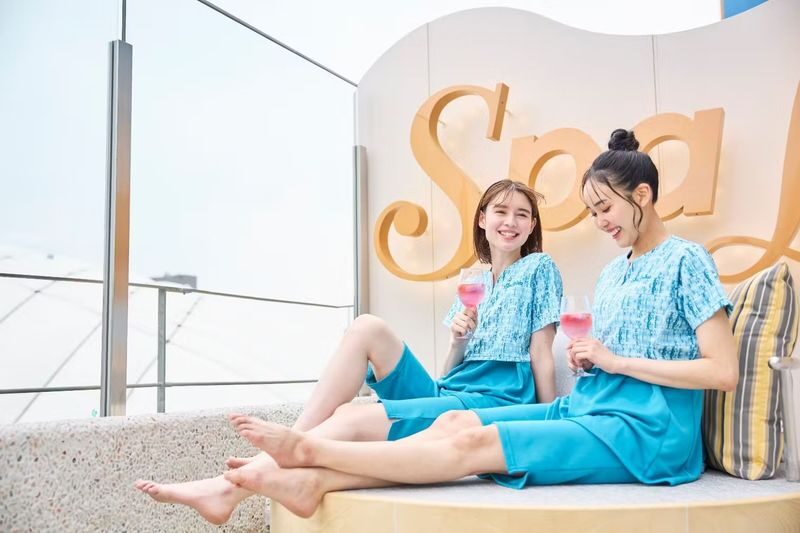
The open-air bath adds a welcome change of setting, and a view of Tokyo Dome City has been noted from the facility. Saunas give you another way to warm up, with a Finnish-style sauna among the options mentioned. The exact mix of baths and sauna areas is more important than any one pool: if you like trying different temperatures and styles, you can fill a good part of an afternoon here.
A practical note: the bathing areas are separated by gender, as is customary at many Japanese bathing facilities. Plan to bathe without a swimsuit unless the facility’s current instructions say otherwise. The supplied information does not specify clothing or bathing procedures in detail, so follow the signs and staff directions once you arrive.
Saunas, Healing Bade, and time to rest
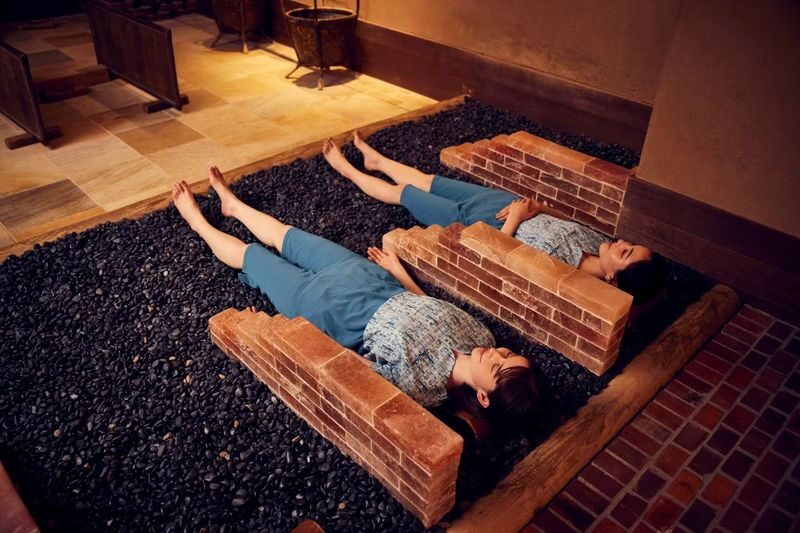
Beyond the main baths, LaQua has several kinds of sauna and a dedicated relaxation area. The optional Healing Bade, also called the stone sauna area in some ticket descriptions, is a separate part of the experience. It has been a highlight for people who choose it, but the basic admission ticket does not automatically cover it. There is an admission option described as including a stone sauna, so compare the package details carefully rather than assuming the names mean identical inclusions.
The extra charge may be worthwhile if you want to make a long visit of it. A basic bath visit is enough to sample the natural spring and sauna facilities; Healing Bade adds another reason to linger. If you are deciding between ticket types, consider how many hours you expect to stay and whether you are likely to use the added area. A lower base price is not necessarily the better value if you already know you want the stone sauna.
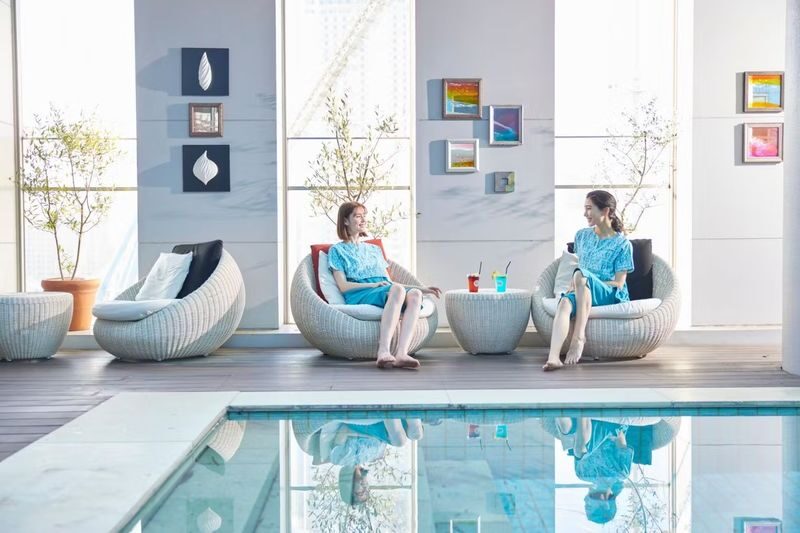
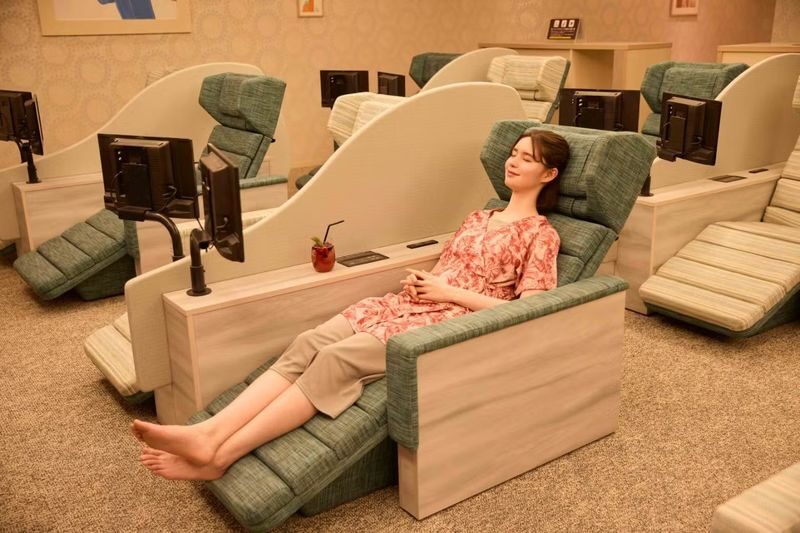
The relaxation spaces matter, too. You can take a break between baths, rest, or settle in for a longer pause. Treatment salons offer services such as massage, though these are separate from ordinary admission. This is where LaQua becomes more than a bathing stop. If you have time, you can turn it into a slow afternoon or evening, with a soak followed by rest, a treatment, and food.
Eating, treatments, and the longer visit
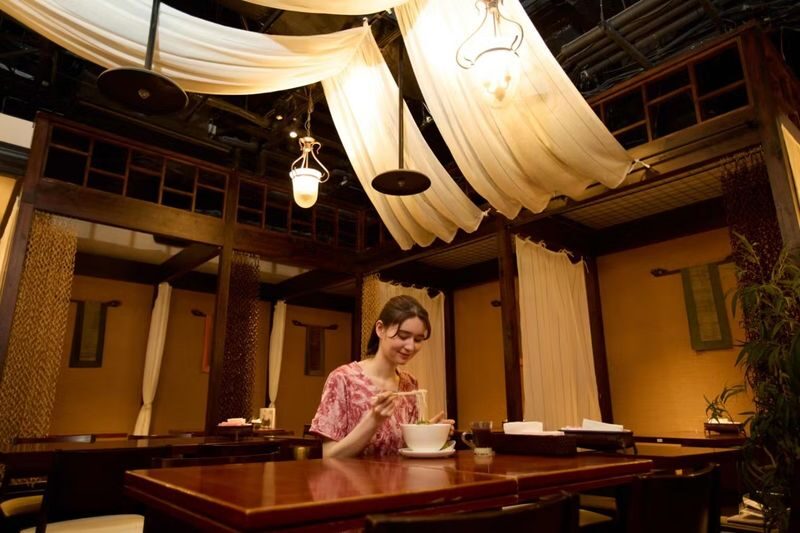
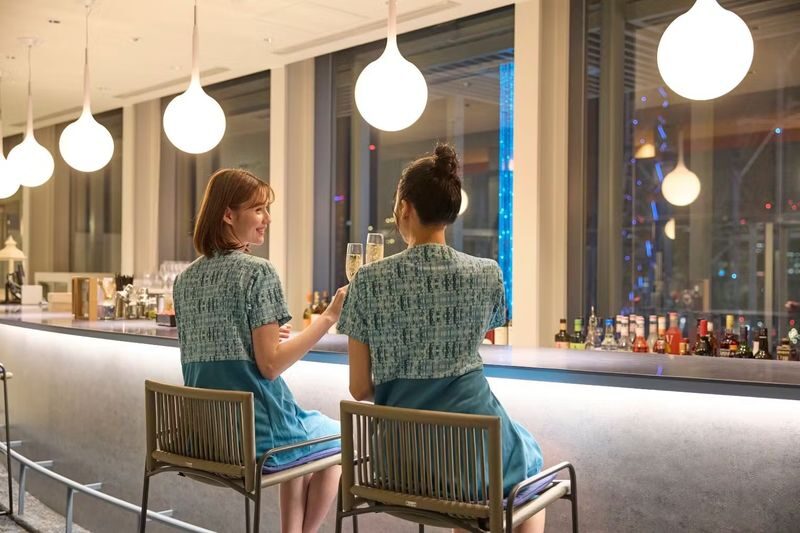
LaQua has a healthy restaurant and cafe, as well as other food and drink options within the facility. This makes a longer stay easier: you do not have to leave the spa whenever you get hungry. Food, drinks, massages, and treatments may add to the bill, so think of the admission price as your entry point rather than the full cost of a full-service spa day.
The facility is designed for different rhythms. You might come in for a bath and leave after a couple of hours, or spend much of the afternoon moving between the pools, sauna, rest areas, and restaurant. Some visitors have made a late visit of it, but hours and late-night access need checking. The information supplied for this ticket gives conflicting schedules: one set of hours says daily from 11:00 a.m. to 9:00 a.m. the next day, while another says 11:00 a.m. to 11:30 p.m., with baths closing at 11:00 p.m. and Healing Bade at 10:30 p.m. Check Spa LaQua’s official hours for your date rather than planning around either schedule.
A late-night surcharge applies for entry between 1:00 a.m. and 6:00 a.m. A discounted night rate is also noted for entries after 7:00 p.m. These are separate pricing details, so check the official facility information before choosing your arrival time.
How much time to allow, and when to go
There is no fixed tour schedule. You arrive, check in, and choose how long to stay. For a quick reset, you can focus on the baths and sauna. If you want the full spa rhythm, allow several hours for bathing, resting, eating, and perhaps booking a treatment.
Crowds are the main variable. The facility is described as large and well kept, but it can still feel busy, even on a weekday afternoon. One practical sign of that is the shower area: at busy times, finding an open shower spot may take patience. Weekdays are a sensible choice if your schedule allows, but they are not a guarantee of solitude. Sundays and holidays can be busier, and day-based price supplements may apply.
If you want the quietest possible experience, avoid arriving with a tight schedule or expecting a private retreat. Be ready to wait briefly or change your order of activities. The attraction is flexibility, not a timed, guided program.



Getting to LaQua and checking in
The address is 1-1-1 Kasuga, Bunkyo-ku, Tokyo, at LaQua, floors five through nine. From Korakuen Station on the Tokyo Metro Marunouchi and Namboku lines, it is about a one-minute walk. Kasuga Station, served by the Toei Oedo and Mita lines, is about two minutes away. Suidobashi Station is also close: about three minutes from the Toei Mita Line station or six minutes from the JR Chuo and Sobu Line station.
You present your mobile voucher at the facility. It does not allow direct entry, so you still need to wait in line and follow staff instructions. The ticket is valid for 90 days from booking confirmation, but it is non-refundable. That matters if your plans are uncertain: the ticket may have a broad use window, but you cannot rely on changing your mind for a refund.
Admission starts at $22.10, though the final rate depends on the day. The basic ticket includes tax and admission at the basic rate, but a price supplement may apply on the day you go. Check the date-specific rate and the selected package before booking. A separate charge applies for Healing Bade unless your chosen option explicitly includes the relevant stone sauna access.
Rules worth checking before you pay
The biggest potential deal-breaker is the tattoo rule: people with tattoos are not allowed to enter. Do not assume that a small or covered tattoo will be accepted. If this applies to you, contact the facility before buying, because admission is non-refundable.
Children aged 0 to 5 are not allowed. People under 18 must buy tickets on site and be accompanied by a parent or guardian until 6:00 p.m.; the stated last admission for them is 3:00 p.m. Children aged 6 to 11 must be accompanied by a guardian of the same sex. If you are planning a family visit, these restrictions shape both who can enter and how long you can stay.
Outside food and drinks, bottles, and cans are not permitted. Pets are not allowed, with guide dogs, service dogs, and hearing dogs listed as exceptions. Entry or use of facilities may also be restricted depending on crowd levels, and bad weather can affect operations. Check current opening days and times before setting out.
Is Spa LaQua good value?
The starting price is reasonable for a central Tokyo facility where you can use natural spring baths, several sauna types, and rest areas. The value improves if you stay long enough to use more than the bathing area. A short visit can feel expensive if you arrive during a price supplement, pay extra for Healing Bade, and leave before you have time to rest or eat.
The best value calculation is personal. If you want a clean, convenient place to soak after sightseeing, the basic ticket may be enough. If the stone sauna is a priority, compare the add-on cost with the package that includes it. Food, drinks, and treatments can make the visit more comfortable, but they are extra expenses rather than part of the basic admission.
LaQua earns its strongest marks for convenience, cleanliness, variety, and the chance to enjoy natural spring water in the city. Its weak points are just as practical: crowding, variable prices, strict tattoo and age policies, and the risk of paying for a package you cannot use if your plans change.
Should you book Spa LaQua?
Book it if you want a substantial, easy-to-reach bathing break and are happy to share the facilities. It works especially well after a day on your feet or alongside a visit to Tokyo Dome City. Choose the basic ticket if bathing is your main goal; pay for a stone sauna option only after checking precisely what is included.
Skip it if you have tattoos, need flexible cancellation, or expect a hushed, uncrowded retreat. Before booking, verify the hours for your date, confirm any day-based surcharge, and check the current rules. Those three steps will do more for a smooth visit than trying to plan every bath in advance.
Tokyo Dome Natural Hot Spring Spa LaQua
“Spa LaQua was exactly what I needed after spending several days walking around Tokyo. The facilities were very clean, spacious, and well maintained…”
FAQ
Where is Spa LaQua?
It is at LaQua, 1-1-1 Kasuga, Bunkyo-ku, Tokyo, on the fifth through ninth floors. The reception desk is on the sixth floor.
How do I get to Spa LaQua by train?
Korakuen Station is about a one-minute walk away. Kasuga Station is about two minutes away, while Suidobashi Station is about three minutes from the Toei Mita Line or six minutes from the JR Chuo and Sobu lines.
What does the basic admission ticket include?
It includes Spa LaQua admission at the basic rate and tax. The price may need a day-specific supplement, and Healing Bade requires a separate fee unless your selected package says it is included.
Are tattoos allowed?
No. People with tattoos are not allowed to enter.
Can children visit Spa LaQua?
Children aged 0 to 5 cannot enter. People under 18 must buy tickets on site and be accompanied by a parent or guardian until 6:00 p.m. Children aged 6 to 11 must be accompanied by a guardian of the same sex. The stated last admission for those under 18 is 3:00 p.m.
What are Spa LaQua’s opening hours?
The supplied information gives conflicting schedules. One says 11:00 a.m. to 9:00 a.m. the next day, while another says 11:00 a.m. to 11:30 p.m. Check the official facility website for the hours and closing times on your planned date.