Asakusa’s best stories unfold between its famous temple gates, neighborhood shrines and old-style food streets. This full-day walking tour pairs Senso-ji, Tokyo’s oldest temple, with a Taiko drum session, a free-choice lunch stop and quieter corners of the district.
I like two things especially: you get a chance to try traditional Taiko drumming, not just hear about it, and lunch is left open for you to choose what to eat in the local izakaya district. A guide named Beth has been praised for being helpful and explaining history and culture clearly.
The trade-off is the length: the tour runs from 9:30 a.m. to about 5:30 p.m., mostly on foot, and lunch and drinks cost extra. If you want a short overview or prefer a meal arranged for you, this may not be the right fit.
- Asakusa in a day: key points
- Start at Senso-ji, Asakusa’s best-known landmark
- Try Taiko at the Miyamoto-Unosuke Drum Museum
- Choose your own lunch on Hoppy Street
- Browse the shops and tools of Kitchen Town
- Visit quieter temples and shrines
- Finish with Sumida Park and skyline views
- What the price covers, and what it does not
- Who should book this Asakusa walk?
- Practical details before you go
- Should you book it?
- FAQ
- How long is the Asakusa walking tour?
- Where does the tour meet and finish?
- What should I wear?
- Is lunch included in the price?
- Can I try playing Taiko drums?
- Is the tour suitable for children?
- What is included in the tour price?
- The Best Of Tokyo!
- More Walking Tours in Tokyo
- More Tours in Tokyo
- More Tour Reviews in Tokyo
Asakusa in a day: key points
 1 / 10
 2 / 10
 3 / 10
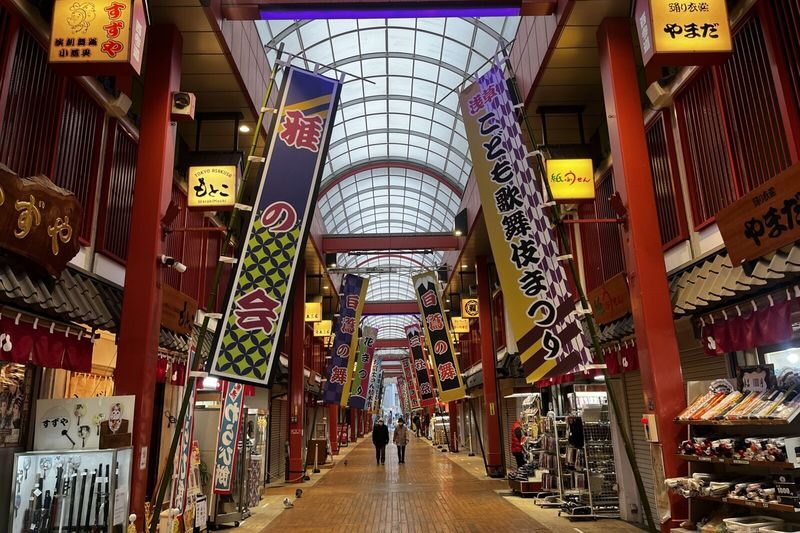 4 / 10
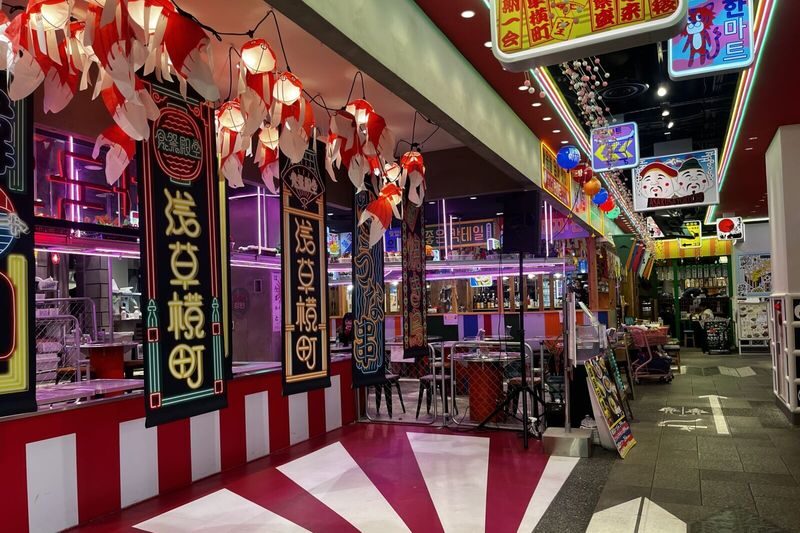 5 / 10
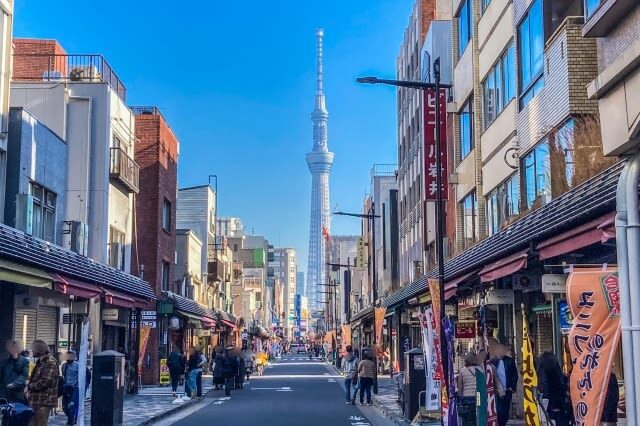 6 / 10
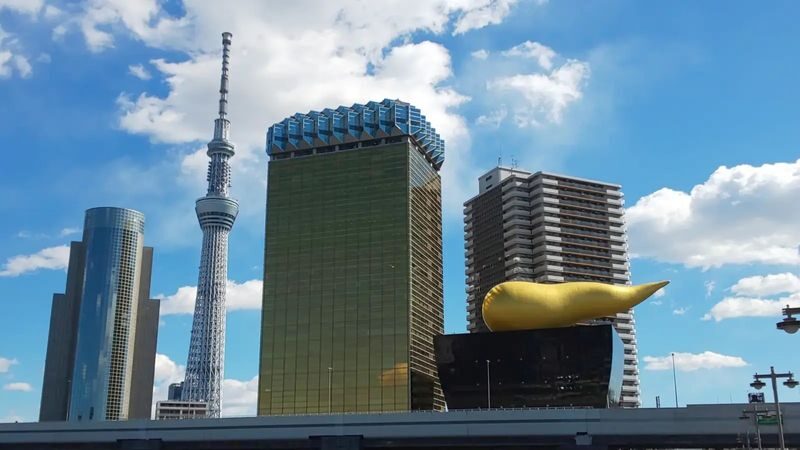 7 / 10
 8 / 10
 9 / 10
 10 / 10
- Senso-ji and Nakamise Dori open the day with Asakusa’s best-known temple and shopping approach, with a guide to explain the complex.
- Taiko drumming brings Japanese festival traditions to life, with time at the Miyamoto-Unosuke Drum Museum and a chance to try the drums.
- Hoppy Street lunch is yours to shape: get an introduction to izakaya culture, then choose your own food and drinks.
- Kappabashi, or Kitchen Town, offers a change of pace, with a guided introduction followed by time to browse and shop.
- Smaller temples and the east side of Sumida Park round out the day with quieter streets, greenery, river views and skyline photos.

👉 See our pick of the Our Picks For The 11 Best Workshops & Classes In Tokyo
Start at Senso-ji, Asakusa’s best-known landmark
The meeting point is the Asakusa Culture Tourist Information Centre, at 2-chome-18-9 Kaminarimon. The tour starts at 9:30 a.m.; arrive five minutes early and look for a guide wearing a SNOW MONKEY RESORTS tour tag. The same centre is the return point at about 5:30 p.m.
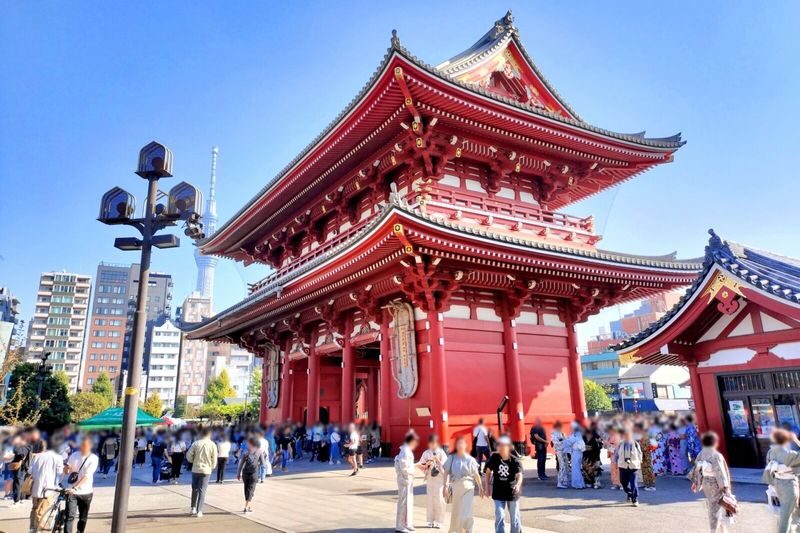
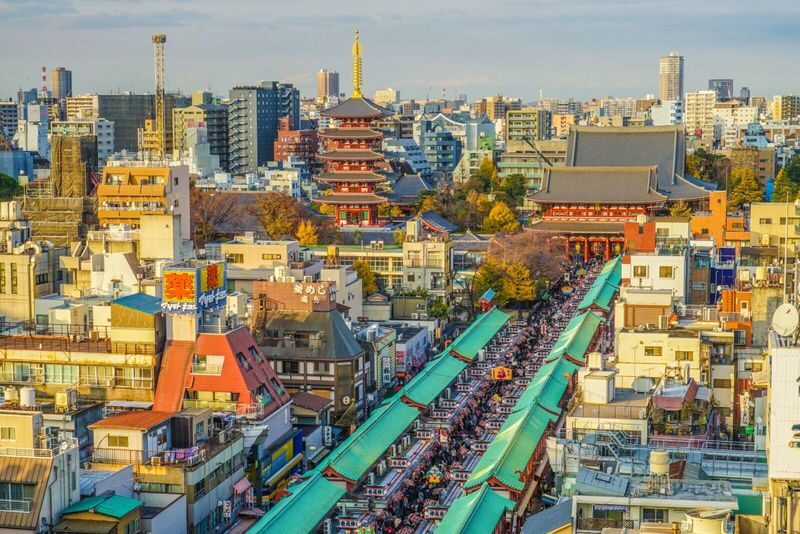
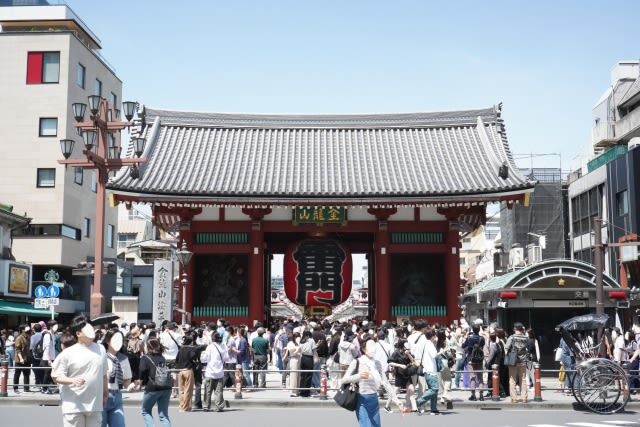
The first stop is the Senso-ji complex, including Kaminarimon Gate, Nakamise Dori, Asakusa Shrine and Senso-ji Temple. A guided walk here is useful because the site is more than a photo stop: your guide can connect its religious spaces and shopping street to Asakusa’s past as the heart of Edo, the city now called Tokyo.
Nakamise Dori is a popular approach to the temple, so expect company around this famous stretch. The tour gives you an introduction before the day moves on, rather than leaving you to work out the layout and significance on your own. If you want to linger at stalls or take extra photos, keep in mind that the group has a schedule.
You can also read our reviews of more walking tours in Tokyo


Try Taiko at the Miyamoto-Unosuke Drum Museum
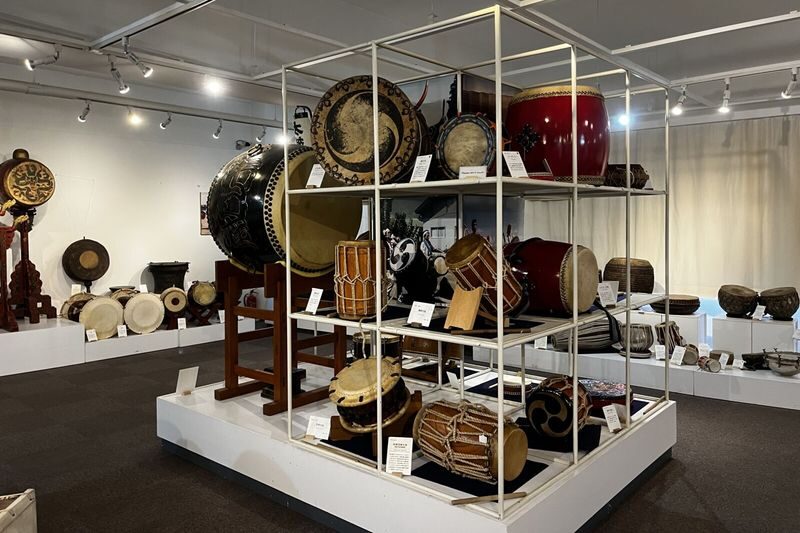
At about 11 a.m., the group heads to the Miyamoto-Unosuke Drum Museum for roughly 45 minutes to an hour. The session covers Taiko, Japanese Matsuri festivals and Mikoshi, the portable shrines carried in festival processions. The highlight is the opportunity to try playing traditional drums yourself.
That hands-on element gives this stop a practical edge. Instead of only hearing about a cultural tradition, you get a brief feel for the instrument and the physical energy involved. It is also a change from the temple walk, which helps break up a long day on foot.
The exact shape of the session is not described in detail, so treat it as an introduction rather than a full drumming lesson. Still, for a first visit to Japan, even a short chance to take part can make the cultural context easier to remember.
Choose your own lunch on Hoppy Street
Around 12:15 p.m., the tour reaches Hoppy Street. Your guide gives a short introduction to the area’s history and izakaya culture, then leaves you free to explore and eat at your own pace. The lunch break lasts until roughly 1:45 p.m.
This is a useful format if you enjoy choosing your own meal. Hoppy Street is a retro dining district popular with Japanese locals, and the tour’s introduction gives you a little context before you decide where to stop. You can sample Japanese food and get a sense of izakaya dining without being tied to a set menu.
The drawback is equally clear: food and drinks are not included. Bring extra spending money, and remember that your break is limited to about 90 minutes. If you have dietary needs or want a particular dish, you will need to make your own choice during the free time; no meal arrangements are specified.
Browse the shops and tools of Kitchen Town
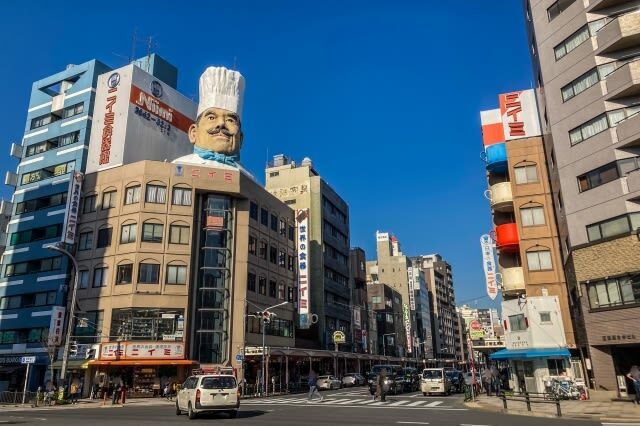
At about 1:45 p.m., the walk continues to Kappabashi-hon-Dori, better known as Kitchen Town. The guide explains the area’s history and significance, then gives you free time to browse and shop.
This stop offers a different view of daily life in Tokyo. Rather than another shrine or temple, you get a look at a district associated with kitchen goods. The guided introduction helps frame the visit, while the unstructured time lets you follow your own interests and pick up a souvenir if something catches your eye.
Shopping is optional, of course, and the tour does not specify what shops you will visit or how long the free time lasts. Think of Kappabashi as a chance to wander at your own pace within the group’s schedule, not as a dedicated shopping excursion.
Visit quieter temples and shrines
At about 3:30 p.m., the group visits Matsuchiyama Shoden and two other distinctive temples or shrines in Asakusa. The guide shares facts and history at these stops.
This part of the day is a welcome contrast with the high-profile Senso-ji complex. The tour specifically takes you to places away from the main tourist areas, which can help you see a more local, less hurried side of the district. You get a guide’s explanation without spending the entire day among the best-known sights.
The names of the other two sites are not specified in advance, so the exact route may vary. Keep your expectations flexible and wear shoes you can walk in comfortably. The schedule may also change with traffic or weather conditions.
You can also read our reviews of more city tours in Tokyo


Finish with Sumida Park and skyline views
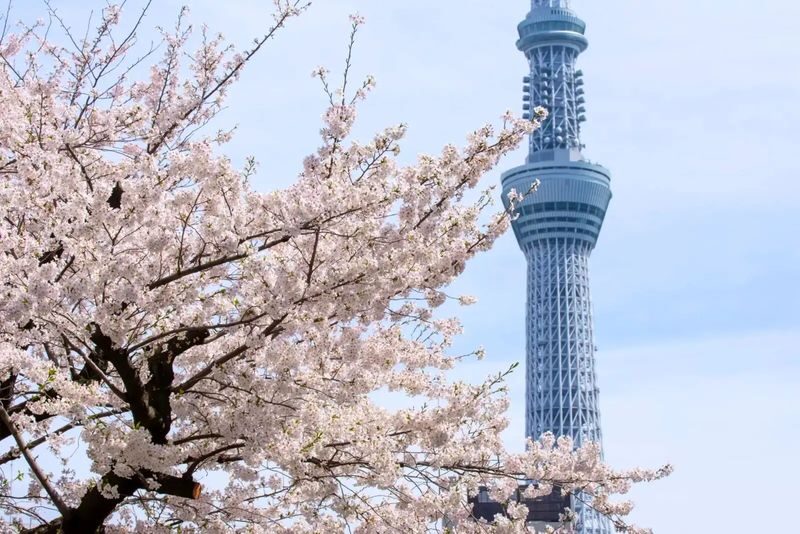
After the final temple, the group walks back toward central Asakusa along the east side of Sumida Park. This stretch offers a pause from streets and shopfronts, with nature, river views and a chance to look back toward the Asakusa skyline.
A popular building is also included as a viewpoint for skyline photos. The specific building is not named, so you should not plan around a particular observation deck or expect a long stop. The value is the change of scene and a final chance to take in the area from above.
The tour returns to the Asakusa Culture Tourist Information Centre at about 5:30 p.m. With an eight-hour schedule, this is a substantial day, but the route varies its focus: temple history, hands-on culture, food, shopping and open-air views.
What the price covers, and what it does not
The tour starts at US$124.95 per person. That price includes admission to attractions and an English-speaking guide. Meals, beverages and personal expenses are extra, so the total cost will be higher if you eat lunch on Hoppy Street or shop in Kitchen Town.
The value depends on what you want from a day in Asakusa. If you would otherwise visit Senso-ji on your own, the tour adds context, a Taiko session, an introduction to izakaya culture and stops beyond the main temple area. The guided structure can be especially useful if this is your first time in Tokyo and you want a broad introduction without planning each stop yourself.
On the other hand, you pay for a full day of guided walking, not a meal package or private experience. If you prefer to move slowly, spend hours at one temple or choose every stop independently, a self-guided visit may suit you better. The group size is not specified, so do not assume a private or small-group format.
Who should book this Asakusa walk?
I’d consider this tour if you want one day that mixes well-known sights with practical cultural experiences. It suits curious first-time visitors, people interested in Japanese festivals and food culture, and anyone who likes having a local guide explain what they are seeing.
It is also a good match if you want lunch to remain flexible. You get an introduction to Hoppy Street, then decide where and what to eat. The same balance applies at Kitchen Town, where the guide sets the scene and you have time to browse for yourself.
Families should note the age rules: children aged 0 to 5 are free, but they must still be included in the passenger headcount. Children aged 13 and older pay the adult rate. The day involves a long walk, so comfortable walking shoes matter for adults and children alike.
Practical details before you go
Bring your mobile voucher and arrive at the meeting point five minutes before the 9:30 a.m. start. Late arrivals and no-shows are not refundable, so allow enough time to reach the Asakusa Culture Tourist Information Centre.
The voucher is valid only for the date and time booked. A full refund is available if you cancel at least 24 hours before the activity date, based on local time; late arrivals and no-shows are not refundable. Confirmation is expected within minutes, and you can contact customer support if it does not arrive.
The guide speaks English, and the day is on foot. The route is listed as subject to change depending on traffic and weather, so leave some flexibility in your plans after the scheduled 5:30 p.m. return.
Should you book it?
Book this tour if you want Asakusa explained, not just photographed. The strongest reasons are the Taiko drumming opportunity, the guided introduction to Senso-ji and the quieter temple stops, and the freedom to choose your own lunch and shopping breaks.
Skip it if you are looking for a short visit, an included meal or a day with little walking. For the right person, the mix of landmarks, local food culture and hands-on tradition makes the price easier to justify than a temple-only tour. Just arrive on time, wear comfortable shoes and budget separately for lunch.
Tokyo City, Asakusa Cultural and Culinary One Day Walking Tour
“Beth is amazing! she is very helpful and tries her best to explain about the history and culture!”
FAQ
How long is the Asakusa walking tour?
It starts at 9:30 a.m. and is scheduled to return at about 5:30 p.m., making it an approximately eight-hour day.
Where does the tour meet and finish?
The meeting point and return point are both the Asakusa Culture Tourist Information Centre at 2-chome-18-9 Kaminarimon, Taito City, Tokyo.
What should I wear?
Wear comfortable walking shoes. The tour includes a full day of walking around Asakusa.
Is lunch included in the price?
No. Meals and beverages are not included. You have free time to choose food on Hoppy Street after a short introduction to the area and izakaya culture.
Can I try playing Taiko drums?
The tour includes a Taiko session at the Miyamoto-Unosuke Drum Museum, and you have the opportunity to try playing traditional Japanese drums.
Is the tour suitable for children?
Children aged 0 to 5 can join for free, but they must be included in the passenger headcount. Children aged 13 and older are charged the adult rate.
What is included in the tour price?
Admission to attractions and an English-speaking guide are included. Meals, drinks and other personal expenses are not.