
Tokyo’s restaurant displays can make wax shrimp and tempura look ready to eat. In Asakusa, you get to try making that convincing illusion yourself, using wax to create a tempura food sample at a workshop in Kappabashi.
I like that this short outing combines a look at finished samples with a chance to make one, so you see the craft before trying it. I also like the English-speaking guide and the personal touch of guides Chihoro and Koo-san, who have been praised for answering questions and helping families feel at ease.
The main consideration is the price: from $104.05 for 1.5 hours, this is a specialty activity, not a bargain workshop. It suits you best if the unusual craft and a guided introduction to Japanese food samples matter more than getting a long class for your money.
- At a glance: wax tempura in Kappabashi
- Why food samples make a memorable Tokyo activity
- A showroom visit before you pick up the wax
- Making tempura at Tokyo Biken
- The 14:30 schedule and meeting point
- Is 4.05 good value?
- Clothes, age limits, and other practical details
- Who will enjoy making a wax food sample?
- Should you book this Asakusa workshop?
- FAQ
- How long does the experience last?
- What will I make?
- Where is the meeting point?
- Is the activity suitable for children?
- What should I wear?
- What is included in the price?
- The Best Of Tokyo!
- More Food & Drink Experiences in Tokyo
- More Tours in Tokyo
- More Tour Reviews in Tokyo
At a glance: wax tempura in Kappabashi
 1 / 9
 2 / 9
 3 / 9
 4 / 9
 5 / 9
 6 / 9
 7 / 9
 8 / 9
 9 / 9
- Make a food sample: Create a realistic-looking tempura replica using wax.
- See the craft in context: Visit the Ganso Food Sample Shop Kappabashi Showroom before the workshop.
- Plan for 90 minutes: The outing runs from 14:30 to 16:00.
- Meet at Niimi Jumbo Cook: Arrive 10 minutes early and look for the guide with a Klook sign.
- Check the age rule: Participants must be at least 13; anyone aged 13 to 18 needs a paying adult.
- Dress for a hands-on activity: An apron is provided, and sleeves that roll to the elbow are recommended.

👉 See our pick of the Our Picks For The 11 Best Workshops & Classes In Tokyo
Why food samples make a memorable Tokyo activity
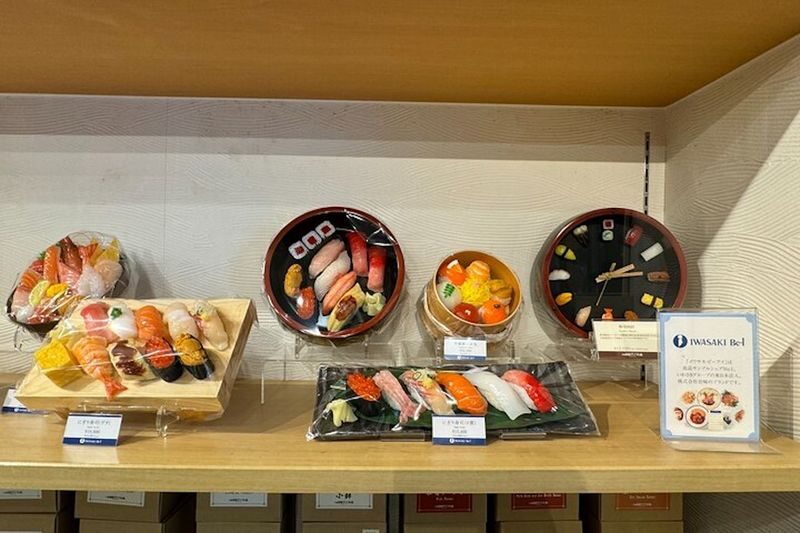
Japanese restaurants often use lifelike food replicas in their displays. These models help diners see what a dish looks like before ordering, and the most convincing ones can be difficult to distinguish from the real thing at a glance. Making one gives you a practical way to connect with a small but recognizable part of Japanese food culture.
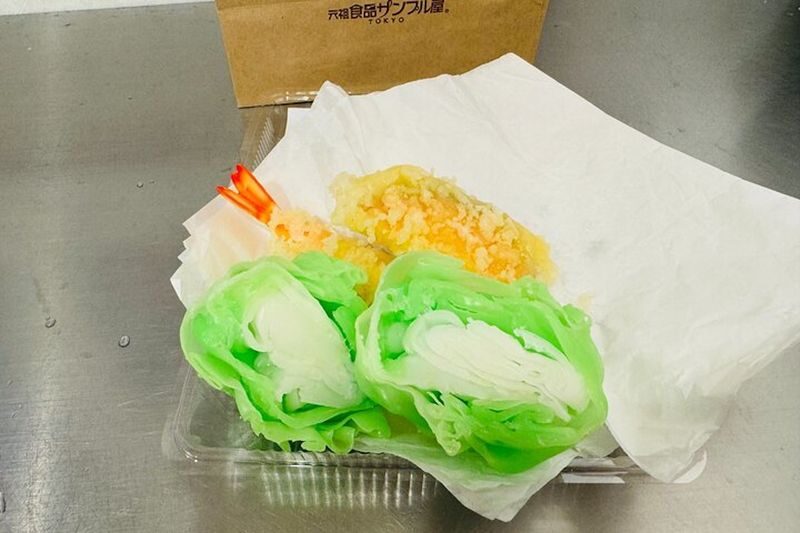
The focus here is tempura, one of Japan’s best-known dishes. You won’t be cooking or eating it. You’ll make a wax version, a souvenir that reflects the craft behind the restaurant displays you may spot elsewhere in Tokyo.
I like the idea because it gives you something to do, not just something to look at. The class also has a clear goal: leave with a realistic food sample you helped make. The information provided doesn’t specify the exact steps or how much individual instruction each person receives, so don’t expect a particular technique or finished design beyond the chance to make wax tempura.
You can also read our reviews of more food & drink experiences in Tokyo


A showroom visit before you pick up the wax
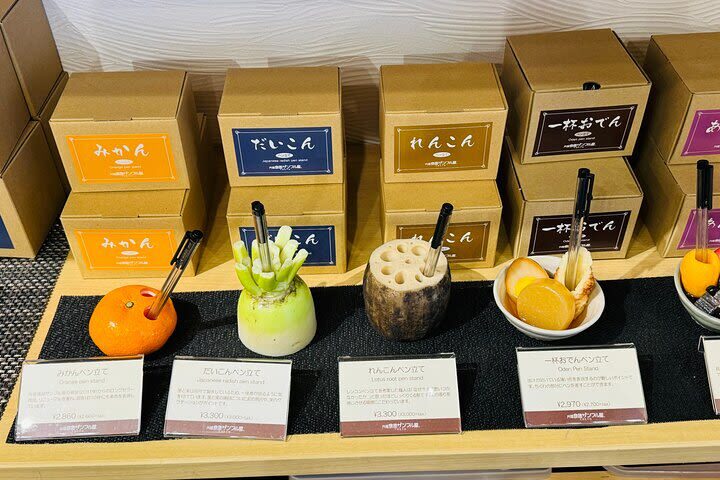
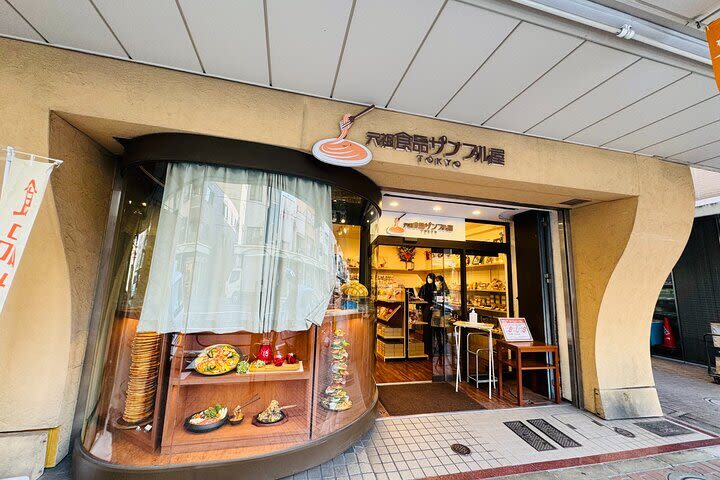
The first listed stop is the Ganso Food Sample Shop Kappabashi Showroom, with about 40 minutes set aside for a guided visit. This is a useful introduction: you can see the kind of finished food samples the workshop is about before attempting one yourself.
That order makes sense. Once you’ve seen the polished results, the craft feels less like a novelty and more like a skilled way of presenting food. If you’re curious about how a replica can look so convincing, this stop gives you a chance to look closely and ask your guide questions.
The schedule describes the showroom visit as guided, but doesn’t detail the displays or promise a specific demonstration there. Think of it as a short orientation to the craft, rather than a lengthy museum visit. Forty minutes is enough to give the activity context without taking over the afternoon.
Making tempura at Tokyo Biken
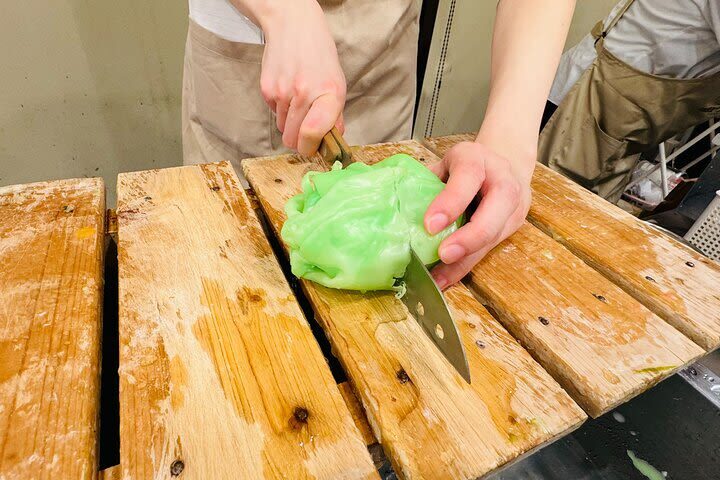
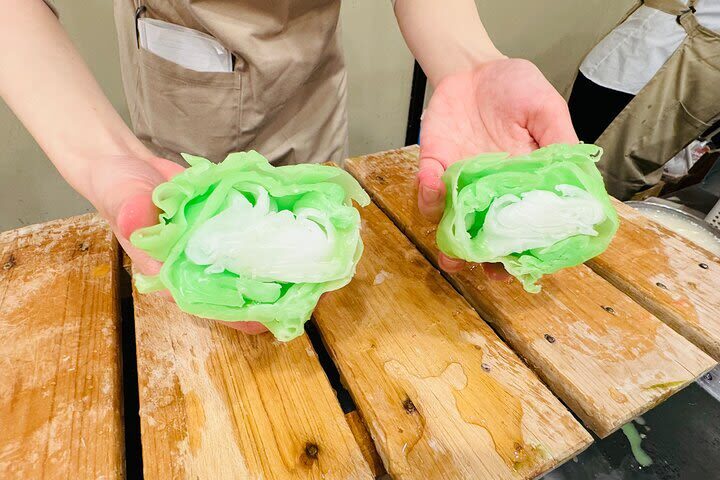
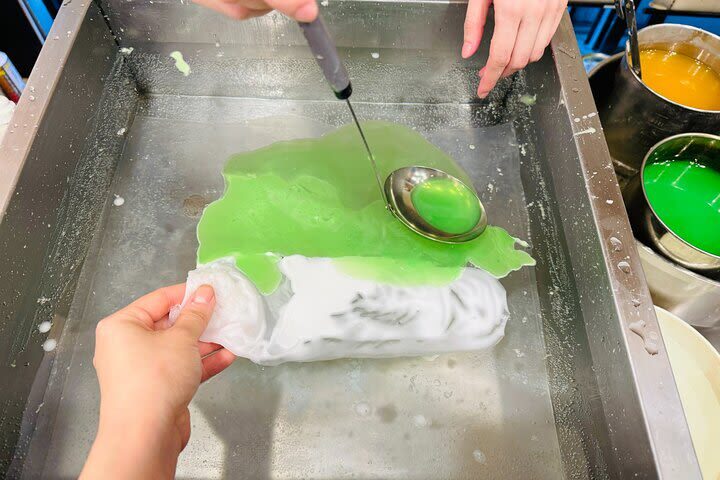
The second stop is Tokyo Biken, where the guided workshop lasts about 50 minutes. This is the hands-on part: you make a tempura food sample using wax, following the workshop’s instruction. The precise method and the number of pieces you’ll make are not specified, so check directly with the operator if those details would affect your decision.
The finished sample is meant to look like the food replicas displayed in Japanese restaurant showcases. That makes the activity a good fit if you enjoy crafts, hands-on cultural experiences, or souvenirs with a story behind them. It’s also an unusual option for families with teenagers, since the minimum age is 13 and the activity is structured around making something rather than simply watching.
Guides Chihoro and Koo-san have been praised for being kind and helpful, and for answering questions. One family with teenagers aged 17 and 21 found the activity enjoyable for all four of them. That’s encouraging if you’re planning an outing with older children, but it doesn’t guarantee the same guide or experience on your date.
The 14:30 schedule and meeting point
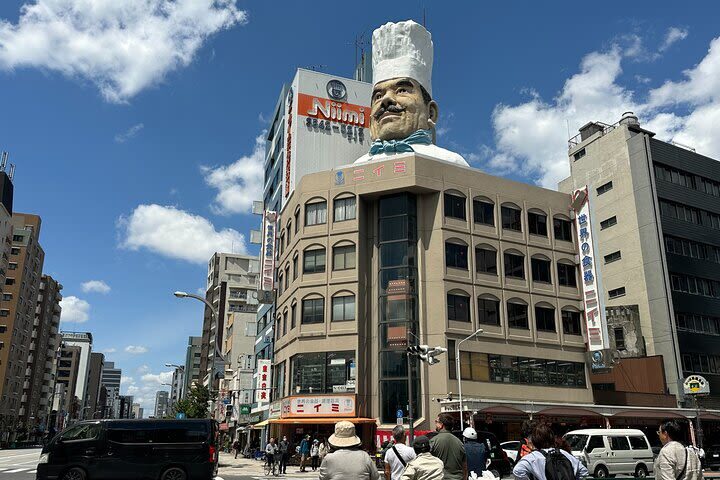
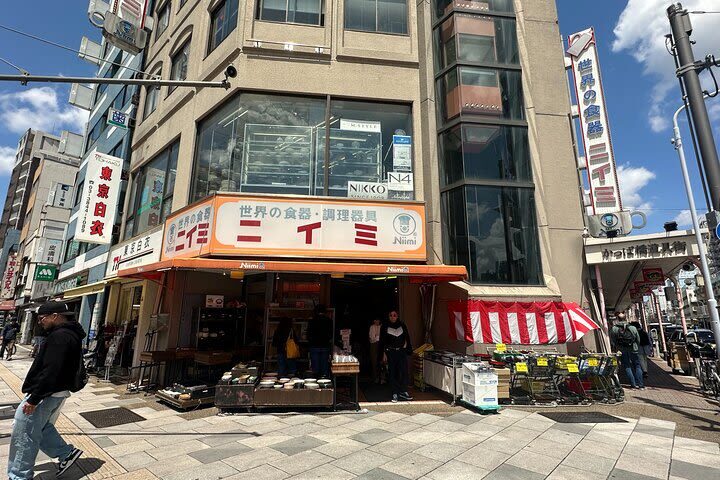
The activity begins at 14:30 and is due to return at 16:00, giving you a compact afternoon plan. Meet at Niimi Jumbo Cook, at 1-chome-1-1 Matsugaya, Taito City. Arrive 10 minutes before departure and look for the guide holding a Klook sign.
The schedule includes 40 minutes at the showroom and 50 minutes at Tokyo Biken. It doesn’t spell out how long it takes to move between the stops, so allow for the possibility that the order or timing may shift. The schedule can change because of traffic or weather.
The stated return is to your hotel or personal address. Confirm what that means for your booking and destination before you set off, particularly if you have a firm appointment afterward. Since the activity ends at 16:00, it can fit into a day that also includes other plans, but leave breathing room rather than cutting the timing too close.
Is $104.05 good value?
At $104.05 per person, this is an expensive 90-minute activity if you judge it only by time. The price includes admission to the food sample-making workshop and an English-speaking guide. It does not include personal expenses or tips.
The better value question is what you want from the afternoon. You’re paying for a guided introduction to the food sample craft, a showroom stop, and the chance to make wax tempura. If you’re keen on Japanese food culture or want a hands-on activity that’s quite different from sightseeing, that combination may justify the cost. If you mainly want a long class, a cheap souvenir, or a broad tour of Asakusa, this may not be the best match.
The two-hour window from departure to return is also worth noting. It makes the activity easy to fit into a busy itinerary, but the class itself is brief. I’d book it for the specific craft experience, not as a full afternoon of sightseeing.
You can also read our reviews of more tours and experiences in Tokyo


Clothes, age limits, and other practical details
Participants must be at least 13 years old. Those aged 13 to 18 must attend with a paying adult, so this isn’t an option for younger children or for teenagers going on their own.
Aprons are provided. Wear clothes with sleeves you can roll up to your elbows if possible, and take care if you have nail art: it may be removed during the process. That’s a small but useful detail to consider before booking.
The voucher is valid only on the date and, where applicable, time you booked. The activity requires at least two participants; if the minimum isn’t met, it will be cancelled and you’ll receive a refund. You can cancel for a full refund at least 48 hours before the activity date, using destination local time. Late arrivals and no-shows aren’t refunded, so treat the early arrival instruction seriously.
Who will enjoy making a wax food sample?
This is a strong choice if you’re curious about a familiar but easy-to-overlook part of Japanese restaurant culture. It also works for adults and families with teenagers who like crafts and want to take home something they made. The praise for guides Chihoro and Koo-san points to the value of a friendly guide who can answer questions, especially if you’re new to the subject.
It’s less suited to families with children under 13, anyone seeking a full-length workshop, or people who aren’t interested in making a food replica. The price also makes it a considered purchase rather than an impulse activity. Ask yourself whether you’d be happy paying for the guided context and the chance to make one wax tempura sample; if yes, the short format can be a neat change of pace from temples, shops, and meals.
Should you book this Asakusa workshop?
Book it if making a realistic wax tempura sample sounds more appealing than another stop where you only look around. The showroom visit gives the activity context, while the workshop gives you a tangible result and a chance to ask questions through an English-speaking guide.
Skip it if you need an inexpensive outing, are traveling with children under 13, or want a detailed account of every step before you reserve. The process details are limited, and the 90-minute format is short for the price. For a curious craft fan or a family with teenagers, though, it offers a distinctive way to spend an afternoon in Kappabashi.
Tokyo: Food Sample Making in Asakusa
“Our Guide Chihoro was very helpful and nice and answered all our questions. Highly recommended!”
FAQ
How long does the experience last?
It runs from 14:30 to 16:00, for a total of 1.5 hours. The schedule allows about 40 minutes at the Ganso Food Sample Shop Kappabashi Showroom and 50 minutes at Tokyo Biken.
What will I make?
You’ll make a realistic-looking food sample using wax. The workshop focuses on tempura, a well-known Japanese dish.
Where is the meeting point?
Meet at Niimi Jumbo Cook, 1-chome-1-1 Matsugaya, Taito City, Tokyo. Arrive 10 minutes early and look for the guide with a Klook sign.
Is the activity suitable for children?
Participants must be at least 13 years old. Children aged 13 to 18 must be accompanied by a paying adult.
What should I wear?
An apron is provided. If possible, wear clothes with sleeves that can be rolled up to your elbows. If you have nail art, be aware that it may be removed during the process.
What is included in the price?
The price includes admission to the food sample-making workshop and an English-speaking guide. Personal expenses and tips are not included.





















