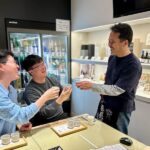
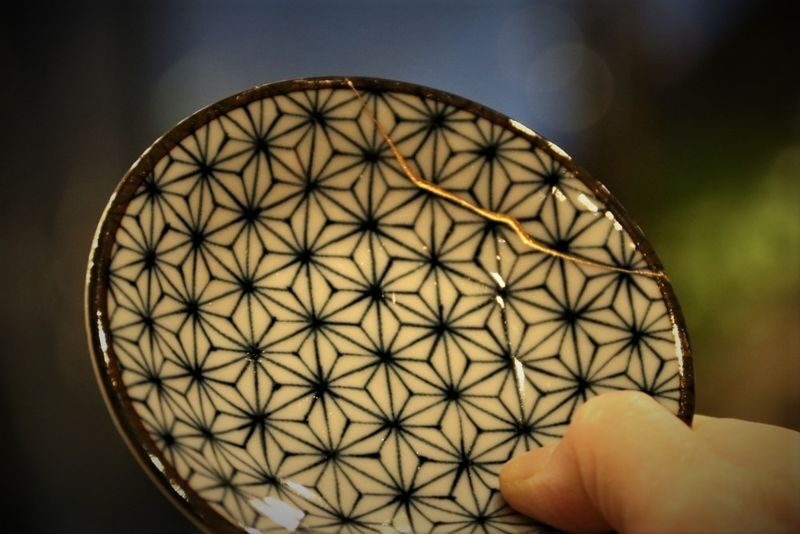
Kintsugi turns a crack into part of a ceramic piece’s design, tracing the break with a bright line of gold. In this Tokyo workshop, you make your own repaired plate in about 90 minutes, with the tools and materials ready at your table.
I like two things here: you get hands-on instruction, rather than just a demonstration, and you leave with a one-of-a-kind keepsake you can display at home. The studio also introduces the craft’s history and approach, so the gold line means more than decoration.
One consideration: this introductory class uses resin, substitute lacquer, and ornamental gold powder, not the materials used in traditional, food-safe repairs. You also work on a plate supplied by the studio, not a ceramic piece you bring from home.
- What to know before you book
- A short workshop with a thoughtful premise
- What happens at the studio
- Choosing Edo Komon or Yobitsugi
- The materials, and what the finished plate is for
- Instruction and the studio atmosphere
- Is .55 good value?
- Getting there and planning your visit
- Who will enjoy this class most?
- Should you book the kintsugi workshop?
- FAQ
- How long is the kintsugi workshop?
- What is included in the course fee?
- Can I bring my own broken ceramic piece?
- Is the finished plate safe for serving food?
- What is the difference between Edo Komon and Yobitsugi?
- Will Master Taku Nakano teach my class?
- Where is the meeting point?
- What are the age and group-size limits?
- How late can I cancel for a full refund?
- The Best Of Tokyo!
- More Workshops & Classes in Tokyo
- More Tours in Tokyo
- More Tour Reviews in Tokyo
What to know before you book
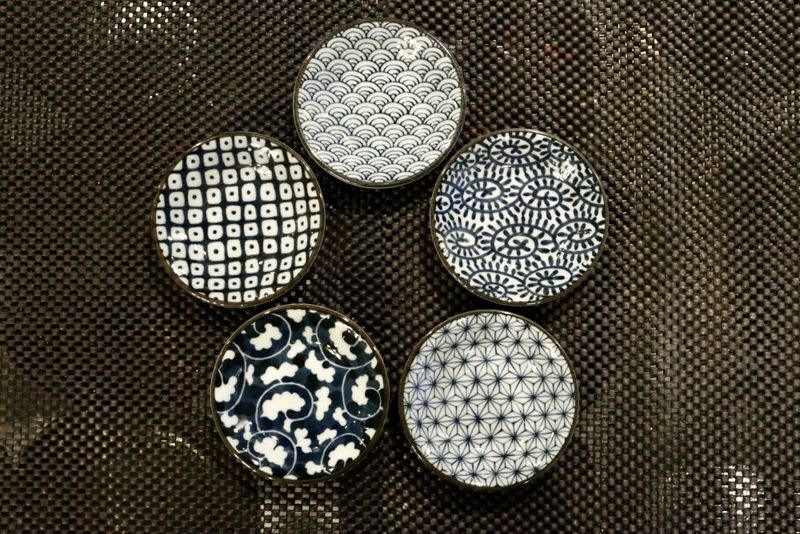

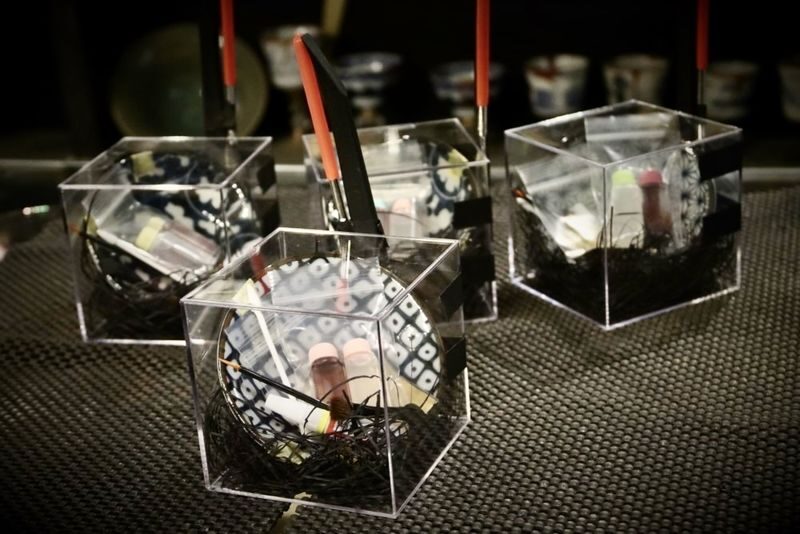
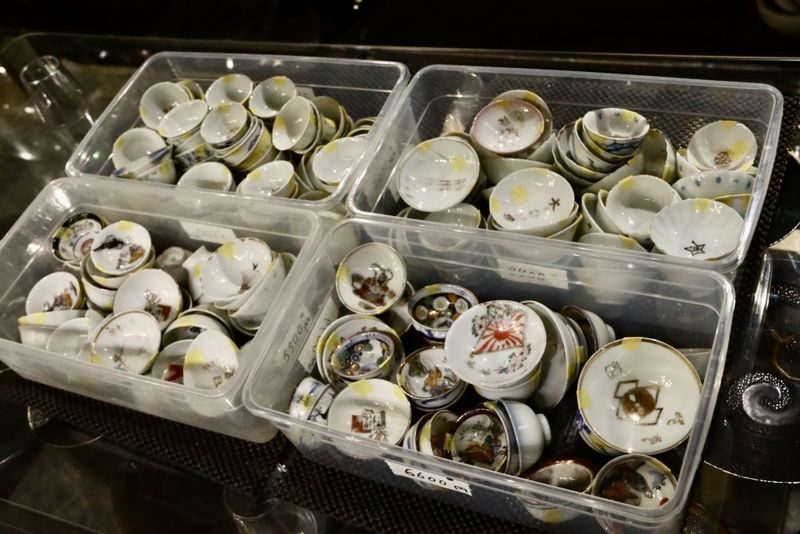
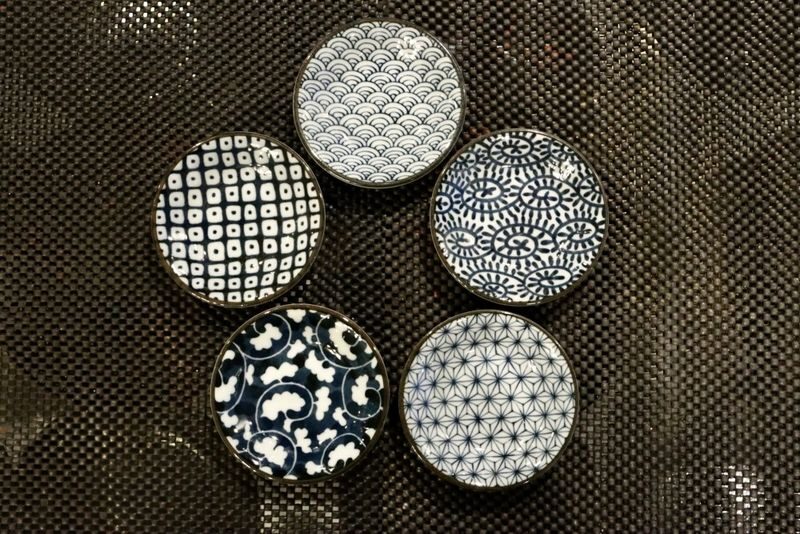
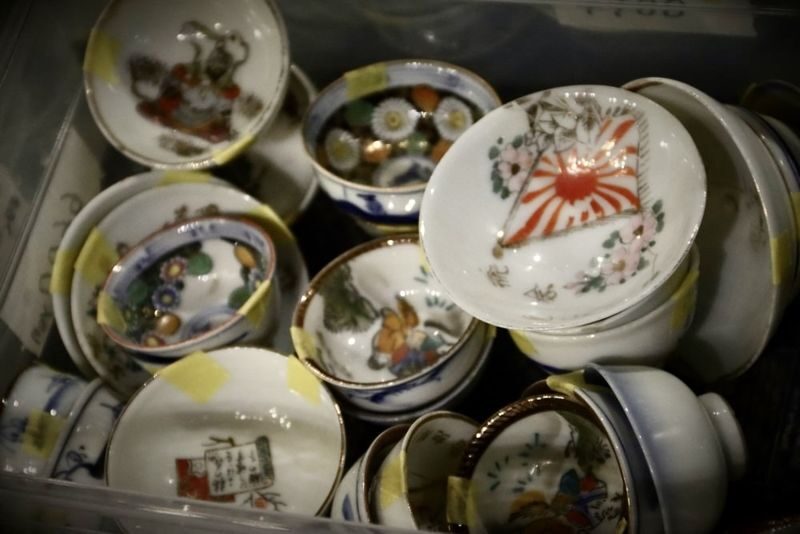
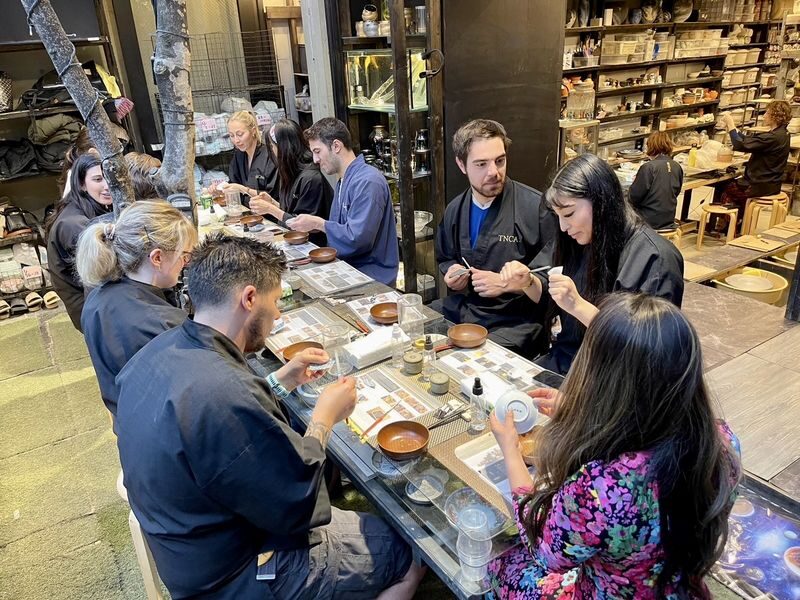
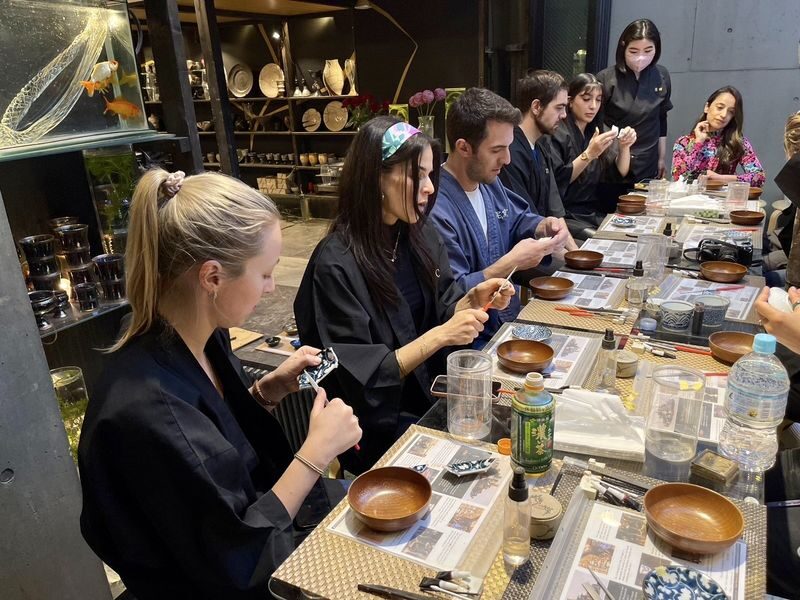
- Make a plate in one session: The class takes about 90 minutes, and you can take your finished piece home the same day.
- Pick your technique: The Edo Komon plate course is designed for beginners. Yobitsugi uses a broader mix of techniques and materials from other pieces.
- Expect guidance, not a guaranteed masterclass: English-speaking staff lead the work. Taku Nakano’s own pieces are displayed in the atelier, and he may be present, but he does not necessarily teach each session.
- The plate is ornamental: Resin and substitute materials make the process suitable for a short class, but the finished plate is not for serving food.
- Leave personal pottery at home: The studio provides beginner plates; you cannot bring a broken cup or plate to repair.
- Check the meeting details carefully: The activity is associated with O.G. Building, while the meetup information also gives TNCA Minami-Aoyama Studio at 3-8-2 Minami Aoyama. Confirm the precise location on your voucher before setting out.

👉 See our pick of the Our Picks For The 11 Best Workshops & Classes In Tokyo
A short workshop with a thoughtful premise
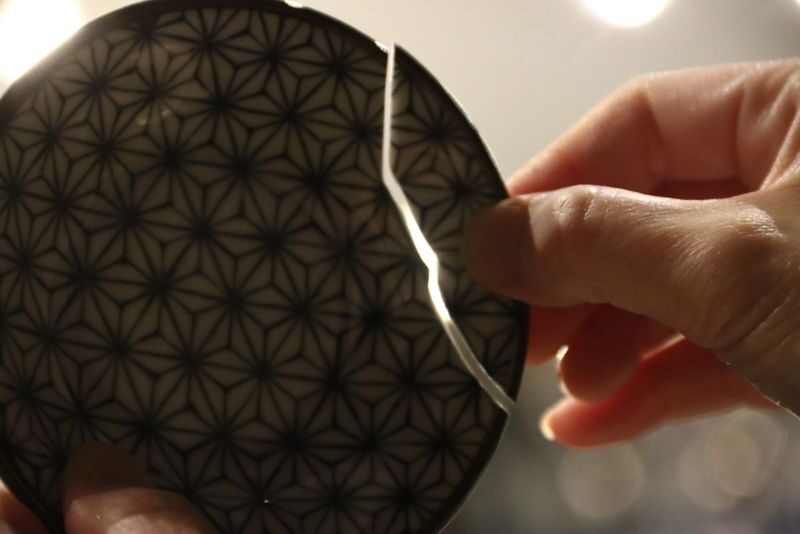
Kintsugi is often described as the art of repairing broken pottery with gold. Its appeal is not simply that a damaged object becomes usable again. The repair is visible, and the break becomes part of the object’s appearance rather than something to disguise.
That idea gives this workshop a welcome pause from Tokyo’s fast-moving sightseeing. You sit down, focus on small steps, and make choices about how to trace and finish the repaired surface. The process is tactile and careful, but it is built for beginners. You do not need prior pottery or craft experience.
The class lasts about 90 minutes. That is enough time for a guided introduction and a finished ornamental piece, without requiring you to set aside half a day. It is also a good option for a rainy afternoon or for a day when you want a quieter activity between bigger sights.
You can also read our reviews of more tours and experiences in Tokyo


What happens at the studio
The atelier is set up for the craft, with tools and materials provided. You work among larger, more intricate pieces associated with Master Taku Nakano, which give you a sense of how the technique can look when developed by an experienced artist. Some sessions have included a short presentation on kintsugi’s history and the master’s methods.
The hands-on work is the heart of the visit. An instructor explains the steps and offers help as you go. The experience is designed so you can complete the plate in the session and take it away that day. Staff speak English, though the amount and ease of English guidance may vary. If an instruction is unclear, ask the instructor to show the step again before moving on.
There is a distinction worth understanding before you book. Taku Nakano’s work is part of the studio setting, and some classes may coincide with his presence. But he is not guaranteed to teach your group. In many sessions, a studio instructor leads the class while the master works elsewhere in the atelier. If meeting or learning directly from Nakano is essential to you, contact the operator before booking rather than assuming he will be your teacher.
Choosing Edo Komon or Yobitsugi
The Edo Komon plate course is the straightforward choice for a first kintsugi class. It is described as the beginner option, and the studio supplies a small plate prepared for the lesson. You learn the basic process and use gold powder to make the repair visible.
The Yobitsugi course is the more advanced option. It brings in varied techniques and combines materials from different pieces. That makes it a better fit if you are drawn to the compositional side of the craft, or want a lesson with more than one simple repair approach. Check the product photos and course details before choosing, since the two options are not identical.
Neither course is a way to mend a cherished family bowl or a piece you found at an antique shop. The studio does not allow personal ceramics in class. That restriction makes sense for a short beginner session: the plates are prepared for the lesson, and the instructor can guide everyone through a controlled process. But if your main goal is to restore a specific object, this is not the right class.
The materials, and what the finished plate is for
This 90-minute class uses synthetic resin glue, substitute lacquer, and substitute gold. The method follows the broad logic of kintsugi, but it does not use the traditional materials associated with a full, slow repair. The substitute materials also avoid the risk of lacquer poisoning, making the class more practical for a short, supervised activity.
That trade-off matters. You get to learn the sequence and make a gold-accented piece, but you should not treat the result as a functional repair. The plate is for display only, not for food service. Think of it as a handmade souvenir and an introduction to the craft, rather than a lesson in restoring everyday tableware.
The class includes the course fee, one small plate, tools, adhesives, and other needed materials. You do not need to bring supplies. Protective packaging is also provided, and the finished work can be packed for the journey home. Some participants have found that the case works as a display, too.
Instruction and the studio atmosphere
Good teaching matters in a craft class, especially when the work involves small details. The strongest part of this experience is the step-by-step help: instructors demonstrate the process, check in on individual work, and offer patient assistance when someone needs to catch up. That supportive approach helps make the class accessible even if your hands are not especially steady or you have never done this kind of work.
The studio atmosphere can vary. Some groups have had a quiet, nearly private session, while others have shared the room with several participants. The stated group size is two to eight people. For parties of nine or more, the operator asks you to inquire. A smaller class can make it easier to get individual attention, though the exact group you join depends on the booking.
There are occasional reports of uneven English explanations, delays, or a less welcoming start. One practical lesson: arrive only five minutes early, as requested, but do not expect to wait inside well before the class. If you have a reservation change, check that the new date and time appear correctly on your voucher before you travel to the studio.



Is $62.55 good value?
At a starting price of $62.55, this is not a bargain craft activity. But the fee covers the instructor-led class, the plate, tools, and materials, plus a take-home object made by you. You are paying for a focused cultural activity and a keepsake, not simply for a small ceramic plate.
I think the price makes sense if you enjoy making things, want a more personal souvenir than a shop purchase, or are curious about Japanese craft. It is less compelling if you expect a full traditional restoration lesson, a functional plate, or guaranteed one-to-one time with the master. The substitute materials and prepared plate keep the activity accessible, but they also define its limits.
The Yobitsugi option may appeal more to someone already interested in the craft, though the supplied details do not specify a separate price or exact difference in lesson length. Compare the package details at booking rather than assuming it is the same format as the standard course.
Getting there and planning your visit
The activity information names O.G. Building as the location, and separately gives the meetup address as TNCA Minami-Aoyama Studio, 3-8-2 Minami Aoyama, Minato-ku. It says the studio is a six-minute walk from Omotesando subway station and a five-minute walk from Gaienmae station. Because the meeting information uses both location references, use the address and map shown with your confirmed booking, not just the broad Shibuya label.
Opening hours are Monday, Wednesday, Thursday, and Friday from 13:00 to 21:00. On Tuesday, Saturday, Sunday, and public holidays, the hours are 11:00 to 19:00. The voucher is valid only for the date and time specified, so check it carefully and arrive five minutes before the session. Late arrivals and no-shows are not refundable.
The activity is listed as stroller- and wheelchair-accessible. Participants must be at least 10 years old, and the same price applies to all ages. The listed group size is two to eight, with larger groups possible by arrangement. Transport, meals, and drinks are not included.
You can cancel for a full refund at least 48 hours before the activity date, using local time. If extreme weather or another unforeseen event leads the operator to cancel, you can reschedule or request a full refund.
Who will enjoy this class most?
This is a strong fit for curious first-timers, couples, families with participants aged 10 and up, and anyone who likes art or hands-on activities. It offers a calm change of pace from Tokyo’s crowded attractions, and the finished plate gives you a concrete reminder of the afternoon.
It is also a thoughtful choice if you want to understand a Japanese aesthetic through making rather than simply reading about it. The visible repair gives the class a memorable theme, and the instructors’ patient, individual help can make the task feel manageable even if you are not naturally crafty.
Skip it if you specifically want to repair your own pottery, learn traditional materials in depth, or take home a plate safe for meals. And if your booking hinges on a lesson with Taku Nakano himself, confirm that in advance. The studio and his work may be part of the setting, but the instructor for your session may be someone else.
Should you book the kintsugi workshop?
Book it if you want a well-contained, hands-on craft class and a souvenir with a story behind it. The standard Edo Komon plate is the sensible first choice for most people. It gives you a guided introduction, a finished object, and a taste of the careful work that makes kintsugi compelling.
Go in with clear expectations: this is a beginner-friendly, ornamental version using substitute materials, not a full traditional restoration. Confirm the exact studio address and do not count on the master teaching your group. With those points understood, it is a worthwhile way to spend 90 minutes in Tokyo.
Authentic Kintsugi Workshop: Art of Golden Joinery in Shibuya
“Fantastic class! Accommodated our 7 and 8 year olds (sat us at a separate table and gave us our own teacher who took great care explaining/showing…”
FAQ
How long is the kintsugi workshop?
The introductory class lasts about 90 minutes. The process is designed to be completed in one session, and you can take your plate home the same day.
What is included in the course fee?
The fee includes the kintsugi course, one small plate, work tools, adhesives, and other required materials. Transport, meals, and drinks are not included.
Can I bring my own broken ceramic piece?
No. You must use a plate supplied by the studio, and personal ceramic pieces are not allowed in this course.
Is the finished plate safe for serving food?
No. The finished piece is for ornamental use only. The class uses resin, substitute lacquer, and substitute gold powder.
What is the difference between Edo Komon and Yobitsugi?
Edo Komon is the beginner course using a prepared small plate. Yobitsugi is more advanced and uses a wider range of techniques and materials combined from other pieces.
Will Master Taku Nakano teach my class?
Not necessarily. His work is displayed in the atelier, and he may be present, but a studio instructor may lead your session. Contact the operator if direct instruction from him is important to you.
Where is the meeting point?
The activity information names O.G. Building and also gives TNCA Minami-Aoyama Studio, at 3-8-2 Minami Aoyama, Minato-ku, Tokyo. Check the confirmed voucher and map for the exact meeting point.
What are the age and group-size limits?
Participants must be at least 10 years old. The listed group size is two to eight participants; larger groups can be arranged by contacting the operator.
How late can I cancel for a full refund?
You can cancel for a full refund at least 48 hours before the activity date, using destination local time. The voucher is valid only for its specified date and time.