Sensoji’s great temple grounds are only the start of this Asakusa shrine walk. With a licensed local guide, you continue into neighborhood sanctuaries, from a temple known for its daikon symbol to Imado Shrine’s lucky cats and a small Fuji mound made with volcanic rock.
I like that the route pairs Tokyo’s best-known Buddhist temple with smaller places you could easily pass without understanding. I also like the practical focus on goshuin, the calligraphic stamps collected at temples and shrines, which gives you a reason to notice each site’s distinct customs and symbols.
The trade-off is the pace: expect a substantial amount of walking and some stairs, with about an hour at Sensoji and shorter visits at the other stops. Goshuin, stamp books, charms, food, and drinks are extra, so the tour price is not the full cost if collecting souvenirs is part of your plan.
- At a glance
- From Sensoji’s grand approach to its quieter corners
- Matsuchiyama Shoden and the meaning of daikon
- Imado Shrine, lucky cats, and wishes for love
- A small Fuji on the Asakusa route
- Goshuin: a keepsake with a purpose
- What the guide adds, and what the price buys
- Practical details before you book
- Should you book this Asakusa shrine walk?
- FAQ
- How long does the tour last?
- What time can I depart?
- What languages can the guide speak?
- Are goshuin and stamp books included?
- Are omamori included?
- Is there an age limit?
- Does the itinerary change during New Year?
- Can I cancel and receive a refund?
- The Best Of Tokyo!
- More Walking Tours in Tokyo
- More Tours in Tokyo
- More Tour Reviews in Tokyo
At a glance
 1 / 9
 2 / 9
 3 / 9
 4 / 9
 5 / 9
 6 / 9
 7 / 9
 8 / 9
 9 / 9
- Sensoji is the main event, but not the whole story: After visiting Tokyo’s oldest temple, you leave the busiest landmark behind for smaller neighborhood sites.
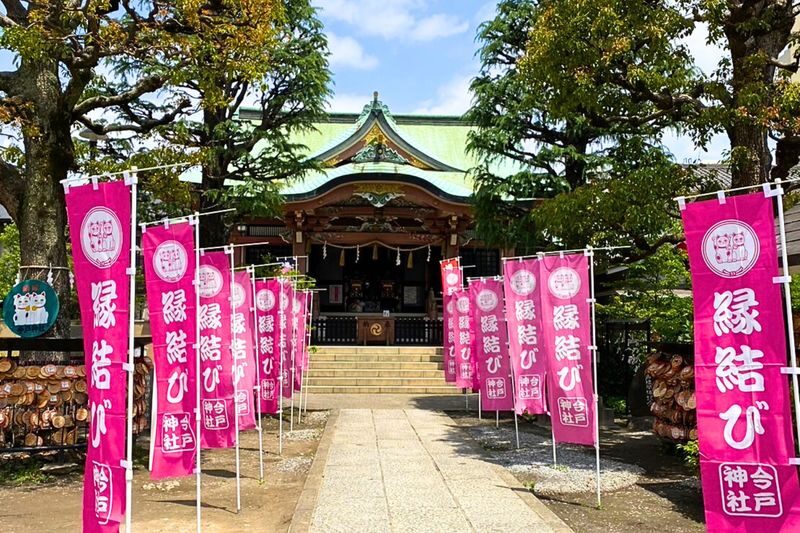
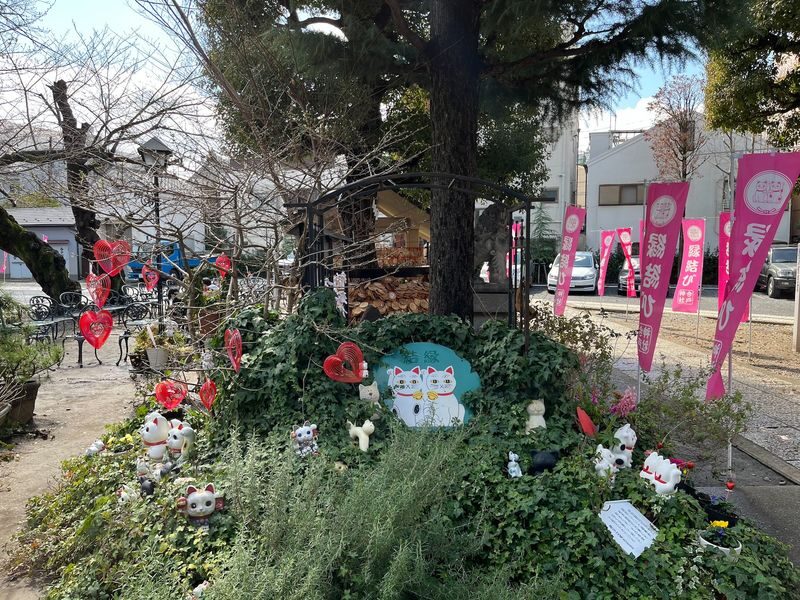
- Imado Shrine links cats with good fortune and romance: Its lucky-cat associations and reputation as a place to pray for love give this stop a distinct focus.
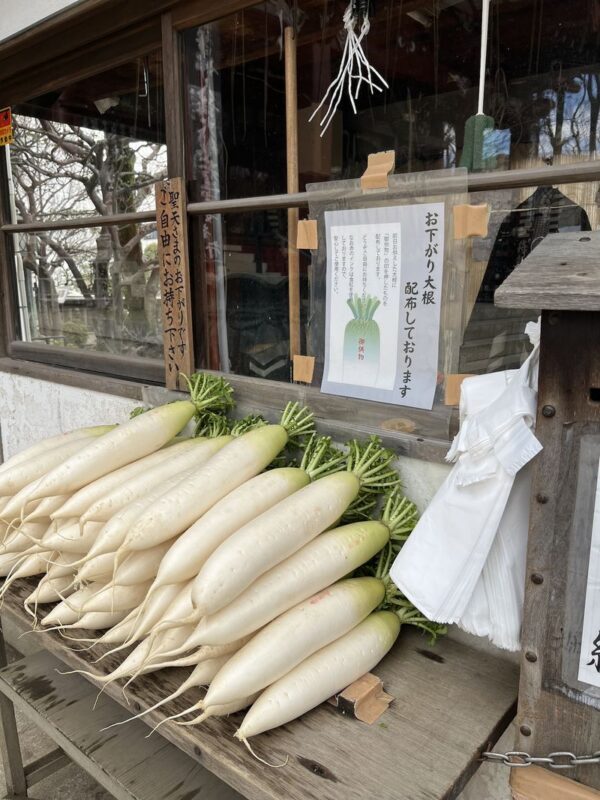
- Matsuchiyama Shoden has an unusual symbol: Daikon represents family harmony and good health here, and the temple sometimes offers daikon.
- The Fuji mound offers a symbolic climb: Asakusa Fuji Sengen-jinja has a small Fuji-zuka built with lava from Mount Fuji.
- Goshuin costs extra: Bring a stamp book if you already collect them, or budget for one and for the stamps themselves.
- The walk suits curious, mobile visitors: It is a half-day outing with stairs and considerable walking, not a seated overview of Asakusa.

👉 See our pick of the Our Picks For The 11 Best Workshops & Classes In Tokyo
From Sensoji’s grand approach to its quieter corners
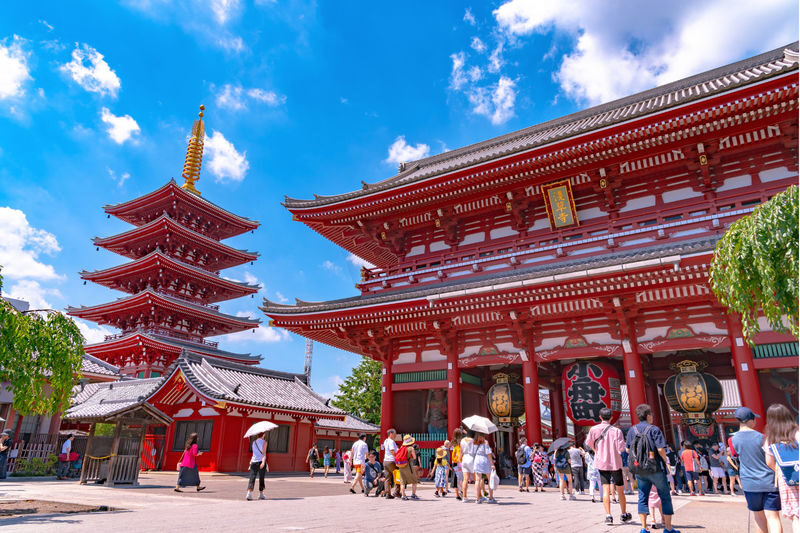
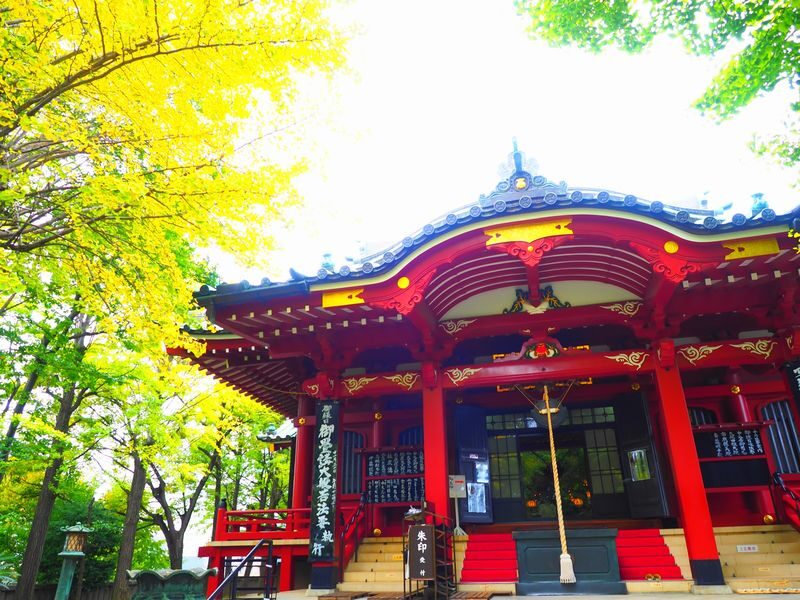
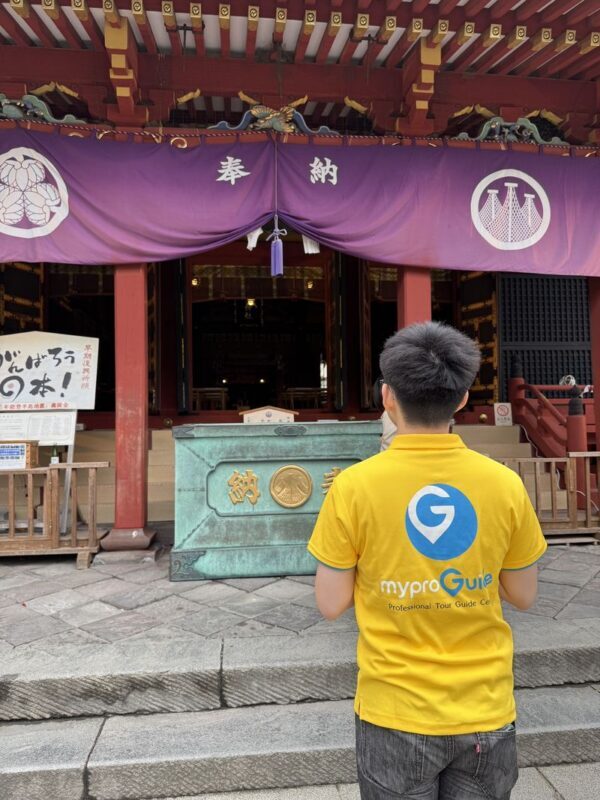
Sensoji is Tokyo’s oldest temple and one of its most famous. Dedicated to Kannon, it has been rebuilt nearly 20 times, and the temple draws an estimated 30 to 40 million visitors a year. That scale is part of the experience: this is a major place of worship as well as a city landmark.
The tour allows about an hour here, enough time to take in the temple and hear how it fits into Tokyo’s story. Tokugawa Ieyasu made the city, then known as Edo, Japan’s political and economic center during the Edo period. A guide can help connect that past to the religious sites and streets you’re walking through today.
Beside Sensoji, Nakamise Street adds a lively commercial stretch to the temple visit. The route description mentions New Year decorations, but seasonal displays depend on when you go. If your visit falls outside the New Year period, treat those decorations as a seasonal feature rather than a guaranteed sight.
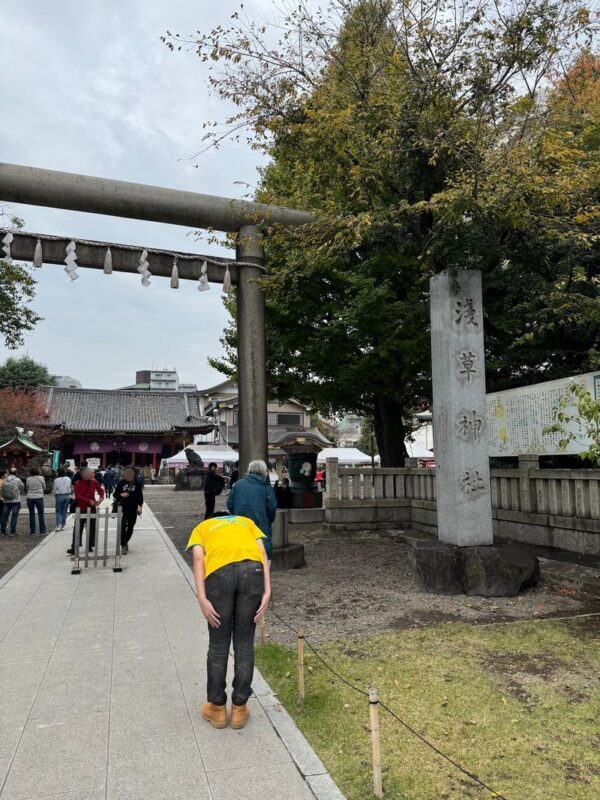
Next door, Asakusa Shrine enshrines the three founders of Sensoji. Even if your scheduled guided stops focus on other shrines, knowing this connection helps explain how closely Buddhist and Shinto sites sit together in the area. The walk’s larger value is not just seeing several buildings; it is learning how their stories relate.
You can also read our reviews of more walking tours in Tokyo



Matsuchiyama Shoden and the meaning of daikon
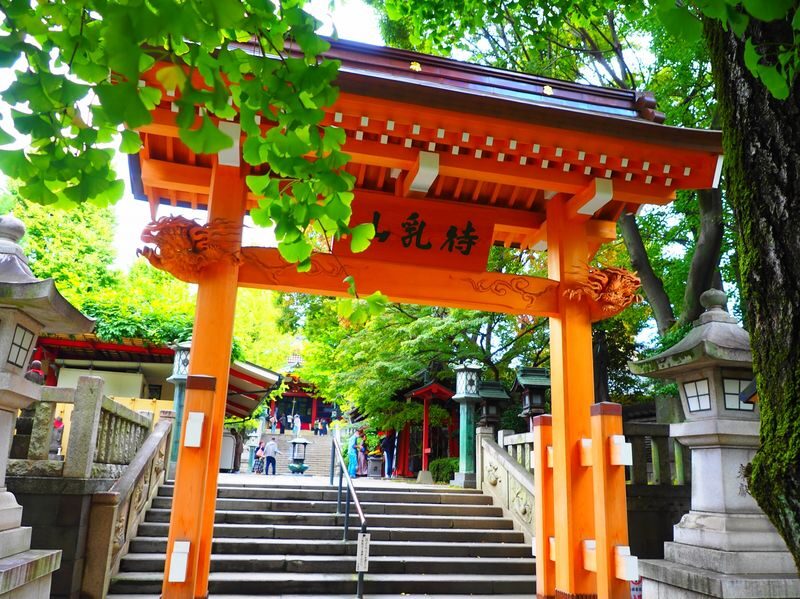
A 15-minute walk leads to Matsuchiyama Shoden, where the tour spends about 20 minutes. Its distinctive daikon imagery makes this a memorable change of pace after Sensoji’s imposing scale. Here, daikon symbolizes family harmony and good health, a straightforward detail that helps make the temple’s customs easier to read.
The site sometimes offers free daikon, but that is occasional, not something to plan your lunch around. The short visit gives your guide time to explain the symbol and its place in the temple’s identity. This kind of small, specific story is exactly what a guided neighborhood walk can add: a detail you might otherwise see without knowing what it means.
The 15-minute walk from Sensoji and the five-minute walk onward to Imado Shrine are manageable on paper, but the route involves repeated walking between stops. Wear comfortable shoes and leave room in your schedule for a slower pace if you like to pause for photos or take in the surroundings.
Imado Shrine, lucky cats, and wishes for love
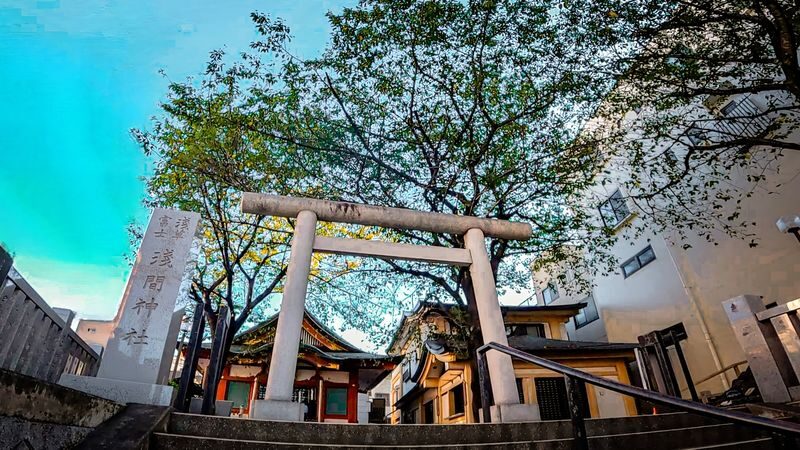
Imado Shrine is a 20-minute guided stop, reached after a short walk from Matsuchiyama Shoden. It is known for its connection with the lucky cat and is also a popular place to pray for love and marriage. If you have seen the beckoning cat as a familiar Japanese good-luck figure, this is a chance to connect that image with a particular shrine and its local traditions.
The shrine has also been used as a filming location for a drama, a point that may appeal if you enjoy seeing places that have appeared on screen. The tour description also links shrine visits with Hatsumode, the tradition of visiting a shrine at the start of the New Year to pray for happiness and good fortune.
Keep expectations grounded: this is a compact stop, not a long ceremony or an arranged prayer session. You have time to hear the story, look around, and decide whether you want an omamori, or protective charm. Charms are not included in the tour fee, and designs or availability can vary.
A small Fuji on the Asakusa route
After another 15-minute walk, the tour reaches Asakusa Fuji Sengen-jinja. The guided visit lasts about 15 minutes. Its small Fuji-zuka is built using lava from Mount Fuji, allowing visitors to make a symbolic climb and receive blessings associated with reaching the real mountain.
That makes this stop especially interesting if you are curious about how Japanese religious practice can turn a distant or difficult pilgrimage into a local ritual. It is also a concise visit, so think of it as a focused story rather than a full-scale mountain experience. The Fuji mound is not a substitute for climbing Mount Fuji in the practical sense; its importance here is symbolic.
The route then allows a 20-minute walk back to the return point at Asakusa Station. The schedule lists departures at 9 a.m. and 1 p.m., with returns around noon and 4 p.m. The actual timing and route can change with weather and daily conditions, so leave some flexibility afterward rather than booking a tight connection.
Goshuin: a keepsake with a purpose
Goshuin are calligraphic stamps that mark a visit to a temple or shrine. They are more than a souvenir for many Japanese visitors, carrying sacred meaning as well as the distinctive artwork and writing of each place. On this tour, the guide can explain the custom as you encounter different religious sites, helping you see why the stamps vary from stop to stop.
The stamps and goshuin-cho, the book used to collect them, are not included. If you already have a book, bring it along. If you are new to collecting, you can purchase one you like, but the tour information does not specify prices or guarantee that every stop will offer a stamp during your visit.
Some shrines have standard and seasonal designs, so what is available may depend on the date. You do not need to collect anything to enjoy the tour. But if you do, the stops give the collection a sense of place: each entry records a different sanctuary and its own visual style.



What the guide adds, and what the price buys
The tour is run by MyProGuide Japan and includes a licensed guide who can speak English, Chinese, or Japanese. That matters on a route built around symbolism and religious customs. A lucky cat or daikon display is easy to photograph; understanding why it belongs at a particular shrine is the part a guide can supply.
Past private-tour guests have named Rich, praised for photography, and Atsushi, described as professional and fun. Those names offer a sense of the hosting style, but they are not a guarantee that either person will lead your departure. The private option is listed from US$163.95, while the experience starts from US$114.79; check the package you select, since the format and price differ.
At the starting price, the value depends on what you want from Asakusa. If you only want to see Sensoji, you can visit the temple on your own. The tour makes more sense if you want an organized route to several smaller sites and an explanation of their symbols, without having to research each one first.
The listed stops add up to roughly three hours, including walking and guided visits, with about 65 minutes of walking in the itinerary. The tour includes insurance, but not meals, drinks, tips, personal expenses, goshuin, goshuin-cho, or omamori. Add those costs only if you expect to buy them.
Practical details before you book
You can choose a 9 a.m. or 1 p.m. departure, and you should arrive 10 minutes early. Look for the guide holding a yellow MyProGuide flag. The exact meeting time and guide details are sent by email one to two days before departure, so check the latest message if you receive more than one.
There is no age limit, but the walk involves considerable walking and stairs. Consider your own fitness and comfort before booking, especially if you have mobility concerns or want a low-effort sightseeing day. The schedule can change because of weather or other daily conditions, and the guide may adjust or remove stops with your consent if circumstances require it.
January 1 to 3 follows an adjusted itinerary because of Japanese New Year. That is a particularly busy period for shrine visits, and the route differs from the regular schedule, so check the details for your chosen date. Goshuin designs may also change by season.
Bookings can be changed up to 24 hours before the activity in eligible cases, though some booking types cannot be changed. A full refund is available for cancellations made at least 24 hours before the activity date. Late arrivals and no-shows are not refunded, so plan your approach to the meeting point carefully.
Should you book this Asakusa shrine walk?
Book it if you want more than a temple photo stop. The route makes sense for first-time visitors who want Sensoji’s major sights alongside small shrines, local symbols, and a practical introduction to goshuin. It is also a good fit for people who enjoy walking and want a guide to explain why the sites matter.
Skip it if you mainly want free time for shopping, prefer a short visit to Sensoji alone, or need a mostly seated activity. The walk is the point, and the compact shrine stops reward curiosity more than lingering. For a focused half-day in Asakusa, it offers a useful balance of famous landmarks and neighborhood religious life, provided the extra costs and walking suit your plans.
Tokyo, Asakusa Sensoji, Imado Shrine Goshuin Walking Tour
“it was excellent. Rich is a great tour guide and photographer!”
FAQ
How long does the tour last?
The listed schedule runs from 9 a.m. to noon or 1 p.m. to 4 p.m., making it roughly three hours. Timing may change with weather and daily conditions.
What time can I depart?
You can choose a 9 a.m. or 1 p.m. departure when booking. Arrive at the meeting point 10 minutes before your selected time.
What languages can the guide speak?
Guides are available in English, Chinese, or Japanese.
Are goshuin and stamp books included?
No. Goshuin and goshuin-cho are not included in the tour fee. Some shrines may offer standard or seasonal stamp designs.
Are omamori included?
No. Protective charms and other personal purchases are not included.
Is there an age limit?
There is no age limit. The tour involves considerable walking and stairs, so you should be fit enough for that level of activity.
Does the itinerary change during New Year?
Yes. The itinerary from January 1 to January 3 is adjusted for Japanese New Year and differs from the usual schedule.
Can I cancel and receive a refund?
A full refund is available if you cancel at least 24 hours before the activity date, using the destination’s local time. Late arrivals and no-shows are not refunded.