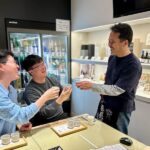
Japanese home cooking is at the heart of this class: you learn to make soup stock, then use it in familiar dishes such as rolled egg and miso soup. Instead of watching a chef cook a restaurant meal, you get hands-on practice and sit down to eat the results.
I like two things about the setup. The group is capped at eight, so there is room to ask questions and take part, and the menu focuses on recipes you can try again at home. I also like that the class ends around the table, turning the lesson into a shared lunch.
One point to plan around: the class is advertised as a 20-minute experience in one place, but its detailed schedule runs from 11:00 to 13:30. Treat it as a two-and-a-half-hour activity, not a quick stop. The studio can also take some finding, so allow time to locate it.
- At a glance
- What this washoku class teaches
- A two-and-a-half-hour cooking rhythm
- Small groups and instructors
- Finding Selva Kitchen Studio in Osaki
- Is .99 good value?
- Who will enjoy this class most
- Should you book this Tokyo cooking class?
- FAQ
- How long does the cooking class last?
- Where does the class meet?
- What dishes are on the menu?
- Is lunch included?
- How many people can join?
- Can dietary needs be accommodated?
- Is the class suitable for children?
- What language is the class taught in?
- What is included in the price?
- The Best Of Tokyo!
- More Workshops & Classes in Tokyo
- More Tours in Tokyo
- More Tour Reviews in Tokyo
At a glance
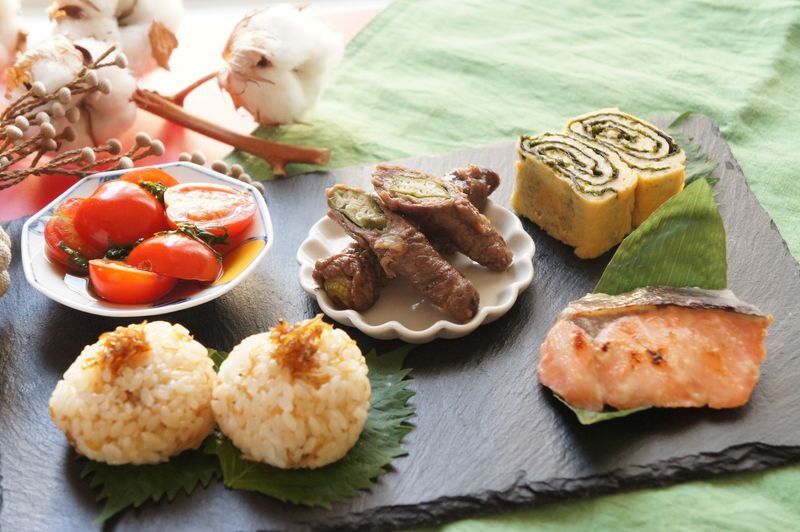
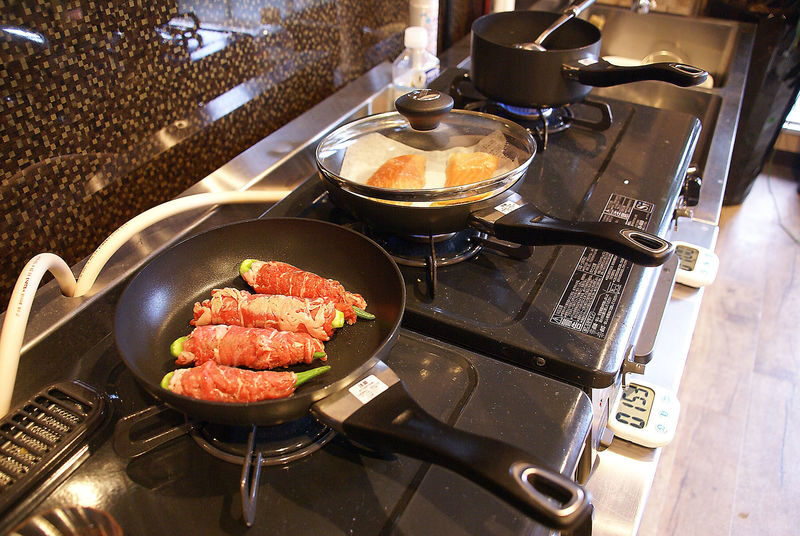
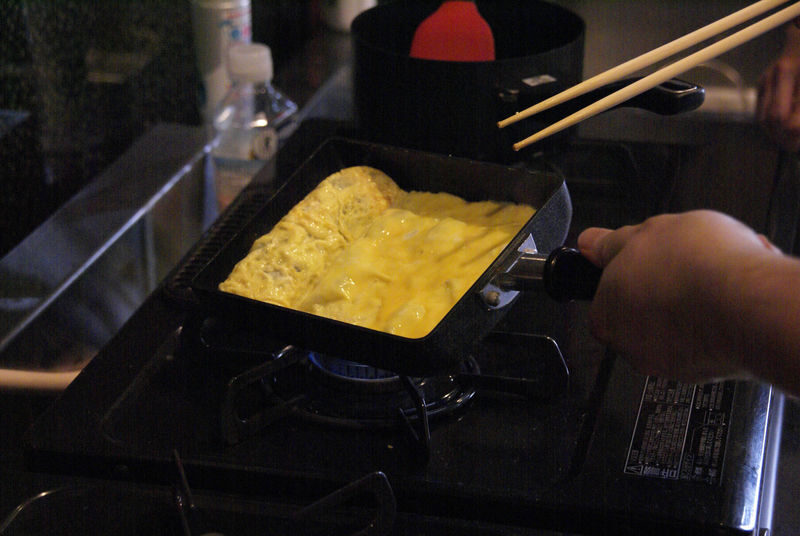
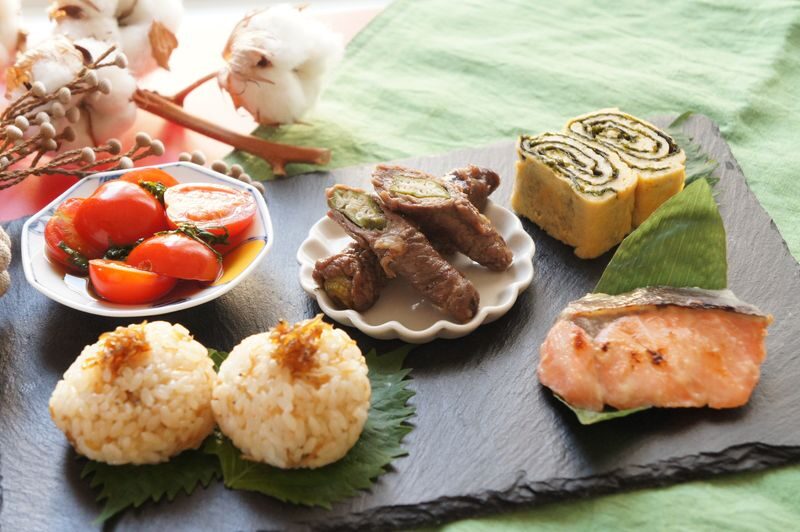
- Four dishes, plus the basics: Learn soup stock, salmon saikyo-yaki, dashimaki-tamago, onigiri and miso soup.
- A small class: Groups range from two to eight participants, with a minimum of two.
- A meal at the end: You taste the food you have prepared together.
- Recipes to take home: The class includes a recipe, useful if you want to repeat the dishes in your own kitchen.
- Osaki location: Selva Kitchen Studio is listed on the second floor, about a four-minute walk from Osaki Station.
- On-site price: The in-person option starts at $81.99. Special dietary needs can be accommodated if you share them at checkout.

👉 See our pick of the Our Picks For The 11 Best Workshops & Classes In Tokyo
What this washoku class teaches
Washoku is the broad term for Japanese cuisine, and this class gives you a practical introduction through a handful of everyday preparations. The menu is not just a set of unrelated dishes. Soup stock, or dashi, is one of its foundations, and the class puts it first so you can see how a simple base helps shape the flavor of other foods.
You’ll make salmon saikyo-yaki, a dish of salmon prepared in the Saikyo style, along with dashimaki-tamago, a rolled egg, and onigiri, a rice ball. Miso soup rounds out the meal. The menu may change with the season and the availability of ingredients, so regard these dishes as the planned lineup rather than a guarantee.
The appeal is in the balance between familiar and new. Rice balls and miso soup may already be part of your picture of Japanese food, but making them yourself gives you a closer look at the small choices behind the finished meal. The class is designed for recipes that are relatively easy to make at home, rather than a parade of techniques you’ll never use again.
That makes this a good fit if you want more than a lunch reservation but do not need a specialist cooking course. You are there to learn a few useful methods, hear about ingredients and enjoy the food you help prepare.
You can also read our reviews of more tours and experiences in Tokyo

A two-and-a-half-hour cooking rhythm
The day starts at 11:00 with an introduction to the recipes. This opening gives you a chance to get oriented before cooking begins. If you have a food allergy, dietary restriction or preference, share it when booking, not when you arrive. The class says it can accommodate allergies, gluten intolerance, vegetarian diets and other dietary needs.
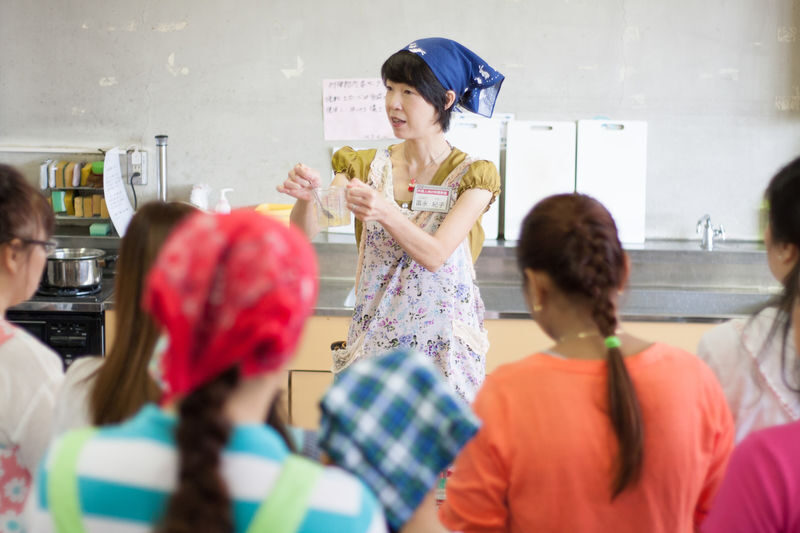
From 11:15 to 12:45, the instructor demonstrates the cooking and leads the lesson. You’ll make the dishes step by step, with time for hands-on work in a small group. That matters: a class of two to eight is more likely to let you follow the process closely than a large demonstration where you mainly watch.
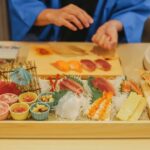
The final stretch, from 12:45 to 13:30, is a tasting party. You eat the lunch you have prepared together, which gives the lesson a satisfying finish and lets you see how the separate dishes work as a meal. Lunch and refreshments are included, as are use of the facilities and a recipe.
Although the overview says each dish takes about 20 minutes to create, the full activity lasts much longer because it includes the introduction, demonstration, cooking and shared meal. Keep the morning free through 13:30. The 20-minute figure is best understood as a guide to the cooking time for each recipe, not the total visit.
Small groups and instructors
The class size is limited to eight, and the minimum is two. That small scale is one of its strongest features. With fewer people, you have a better chance to ask about ingredients or cooking steps and to get involved rather than spend the session looking over someone else’s shoulder.
Past instructors have included Hazel, Michi, Makiko, Motomi and Yuka-Sensei. The particular teacher can vary, so do not book on the assumption that one named person will lead your class. The English- and Japanese-speaking guide is included, and the experience is set up for international participants as well as Japanese speakers.
The atmosphere is described as informal, with conversation extending beyond the recipes to food ingredients and other topics. That kind of exchange can make the class feel less like a formal lesson and more like cooking alongside a local host. Still, the key practical point is that instruction is provided in English or Japanese; if you have a specific language need, confirm that when arranging your booking.
You’ll also receive a recipe. That is more useful than a souvenir photo if you want to put the lesson to work after your trip. A recipe gives you a way to revisit the methods and adapt them to ingredients you can find at home.
Finding Selva Kitchen Studio in Osaki
The meeting point is Selva Kitchen Studio, 2nd floor, 1-19-9 Osaki, Shinagawa-ku, Tokyo. It is described as a four-minute walk from Osaki Station. A Chinese restaurant called Koraku is on the first floor of the same building, which is a helpful landmark.
Even with that clue, build in a little extra time. The address can be easy to miss, and the building-level information has caused confusion. The studio address specifies the second floor, while one attendee recalled a different floor. Use the map supplied with your booking and check the building signage rather than relying on an old description.
Arrive on time. Late arrivals and no-shows are not refundable, and this is a scheduled group activity rather than a drop-in class. The voucher is valid only on the date and time you booked, and you can present it on your phone.
Is $81.99 good value?
The on-site class starts at $81.99. That is not the price of a quick cooking demonstration: you are paying for a small-group lesson, an instructor, use of the kitchen, lunch, refreshments and a recipe, over roughly two and a half hours.
The value depends on what you want from a food experience. If you only want to eat Japanese food, you can find lunch for less. If you want to learn techniques and leave with recipes you can make again, the class offers more lasting value than a meal alone. Its focus on home-friendly dishes makes that especially relevant for cooks who want something practical to bring back from Tokyo.
The experience requires at least two participants and accepts groups of up to eight. If the minimum is not met, you can choose another date or request a full refund. Children aged three and older may participate, but the age and pricing information is not entirely consistent: children aged three to eleven are described as free, while another note says the same price applies to all ages. Check the charge shown for your booking before confirming. Children aged three to twelve must be accompanied by a paying adult, and participants aged twelve or older pay the adult rate.
The booking terms also become stricter as the date approaches. Cancellation fees rise from 20 percent within eight days, to 30 percent within two days, 50 percent within one day and 100 percent on the day of the activity. The details also state no fee for cancellations made within 11 days, so check the exact terms shown at checkout before you commit.



Who will enjoy this class most
I’d choose this class if you like learning by doing, want a taste of everyday Japanese cooking, or are looking for a meal that gives you a little context along with the food. It suits couples, friends and small families who are happy to spend a morning in a kitchen rather than rushing from one Tokyo sight to the next.
It is also a sensible option for beginner cooks. The recipes are intended to be manageable, and the instructor demonstrates the steps before you cook. You do not need to be an expert to take part, though you should be comfortable following a group lesson and sharing the kitchen.
Families should look closely at the age and price conditions before booking. Children aged three to twelve need a paying adult with them, and the stated free admission for children aged three to eleven conflicts with the note that all ages pay the same rate. Clarify the total cost rather than assuming a child’s place is free.
This may be less appealing if you have a very tight schedule, prefer to eat out rather than cook, or expect a long, advanced course in Japanese culinary technique. The menu can change with the season and ingredient supply, and the class is a short introduction rather than a deep specialist lesson. Its strength is that you get to make a meal and understand the basics behind it.
Should you book this Tokyo cooking class?
Book it if a small, hands-on introduction to washoku sounds more rewarding than another restaurant meal. The mix of soup stock, salmon, rolled egg, rice balls and miso soup gives you a useful spread of techniques, and the shared lunch makes the morning feel complete.
Before you pay, confirm the class time, the final price for children if relevant, and any dietary requirements. Allow extra time to find the studio, and plan around the full 11:00 to 13:30 schedule. If those details fit your day, this is a practical way to learn a few Japanese dishes you can carry home in your recipe notes.
Traditional Japanese cuisine class in Tokyo
“Hazel was the perfect host to our traditional Japanese cooking experience. We loved the informal atmosphere and the conversations which ranged from…”
FAQ
How long does the cooking class last?
The detailed schedule runs from 11:00 to 13:30, for a total of two and a half hours. The 20-minute reference describes the approximate time to make each dish, not the whole activity.
Where does the class meet?
It meets at Selva Kitchen Studio, 2nd floor, 1-19-9 Osaki, Shinagawa-ku, Tokyo. The studio is about a four-minute walk from Osaki Station.
What dishes are on the menu?
The planned menu includes soup stock, salmon saikyo-yaki, rolled egg called dashimaki-tamago, onigiri and miso soup. The dishes may change with the season and ingredient availability.
Is lunch included?
Yes. You eat the food prepared during the class, and lunch and refreshments are included.
How many people can join?
The class requires at least two participants and accepts groups of up to eight.
Can dietary needs be accommodated?
Yes. The class can accommodate allergies, gluten intolerance, vegetarian diets and other dietary requirements. Share your needs at checkout.
Is the class suitable for children?
Participants must be at least three years old. Children aged three to twelve must be accompanied by a paying adult. The pricing information says both that children aged three to eleven can join free and that the same price applies to all ages, so confirm the child’s charge before booking.
What language is the class taught in?
An English- or Japanese-speaking guide is included.
What is included in the price?
The on-site class includes the cooking lesson, guide, lunch, refreshments, use of the facilities and a recipe. Other personal expenses are not included.