The appeal here is the close look at sushi work before it reaches the plate. In two hours, you learn about knife care, rice preparation and seasoning, then make fresh wasabi and traditional tamagoyaki with a chef who still works in the field.
I like two things in particular: the lesson covers the unglamorous but vital groundwork, not just rolling or shaping, and the small-restaurant setting sounds more personal than a polished tourist demonstration. Nobu and Kaya are named as the hosts, and the class makes room for conversation as well as instruction.
The main consideration is the price: at US$172.25 per person, this is a costly two-hour activity. It makes most sense if you want technique and a real cooking lesson, rather than a quick, low-cost introduction to sushi.
- Key points before you book
- Sushi technique, not just a photo opportunity
- From knife care to seasoned rice
- Fresh wasabi and a traditional omelet
- A local setting near Nakameguro
- Is two hours worth US2.25?
- Who should take this class?
- Booking details to keep in mind
- Should you book it?
- FAQ
- How long is the sushi-making class?
- Where does the class meet?
- What is included in the price?
- Can children take part?
- Can the class accommodate dietary restrictions?
- What is the cancellation policy?
- The Best Of Tokyo!
- More 2-Hour Experiences in Tokyo
- More Tours in Tokyo
- More Tour Reviews in Tokyo
Key points before you book
 1 / 9
 2 / 9
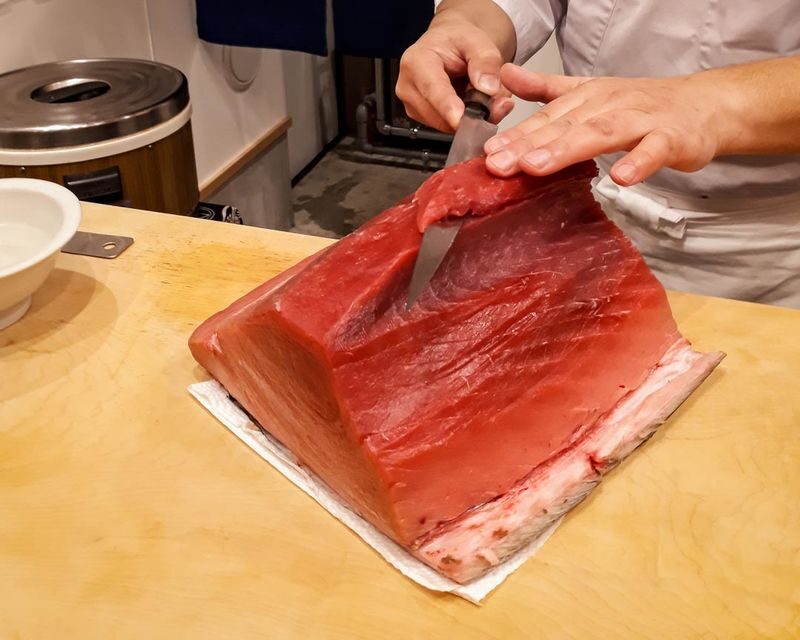 3 / 9
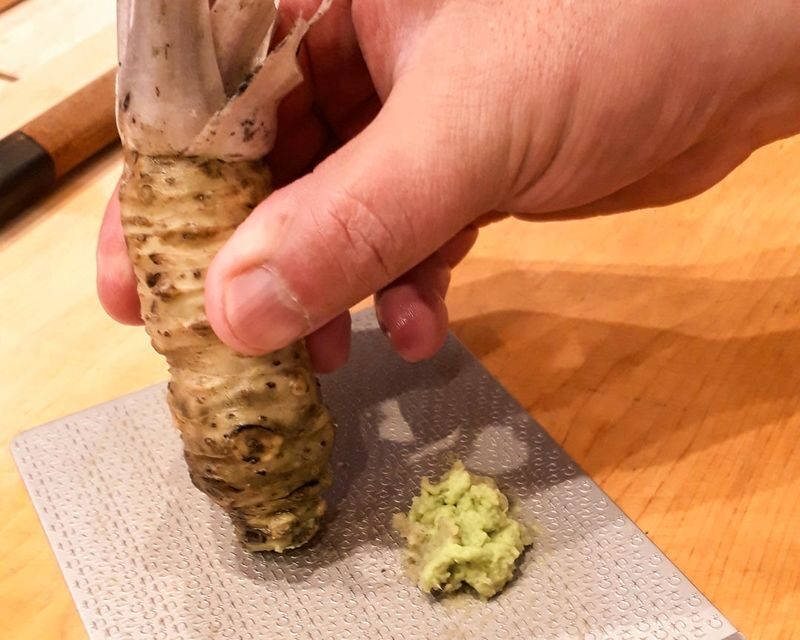 4 / 9
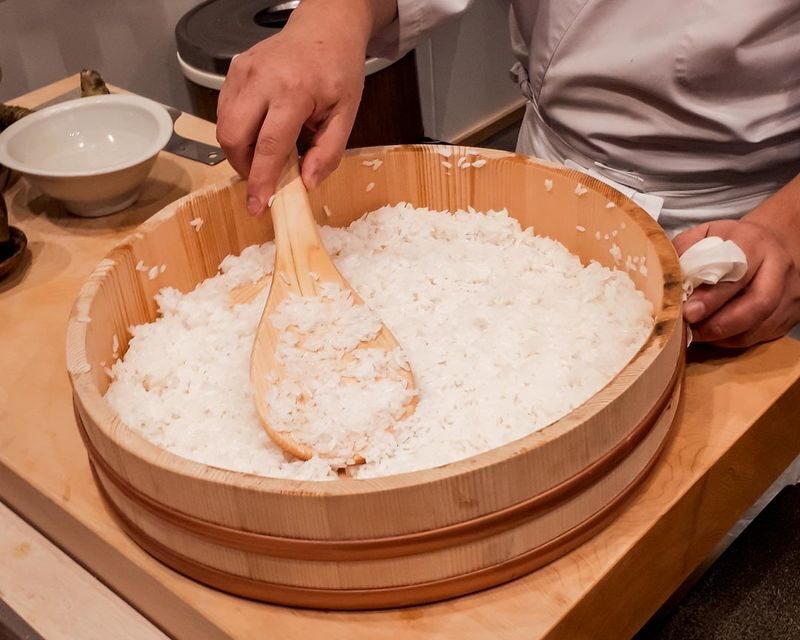 5 / 9
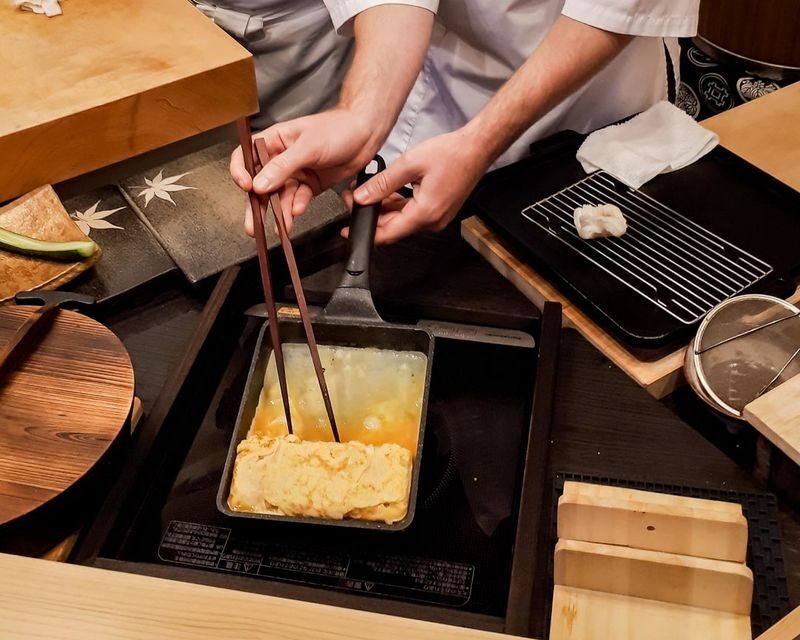 6 / 9
 7 / 9
 8 / 9
 9 / 9
- A working chef teaches the class: You learn from a professional still active in the sushi trade.
- The lesson starts before the fish reaches the plate: Knife care, rice washing, and seasoning are part of the work.
- You make fresh wasabi and tamagoyaki: These are two specific tasks that add more than a basic sushi-making demonstration.
- The class is shared: Other participants may join your time slot, so do not count on a private lesson.
- The meeting point is Nobu: It is about a 10-minute walk from Nakameguro Station.
- Tea, dessert, ingredients, and tools are included: Transport and personal expenses are not.

👉 See our pick of the Our Picks For The 11 Best Workshops & Classes In Tokyo
Sushi technique, not just a photo opportunity
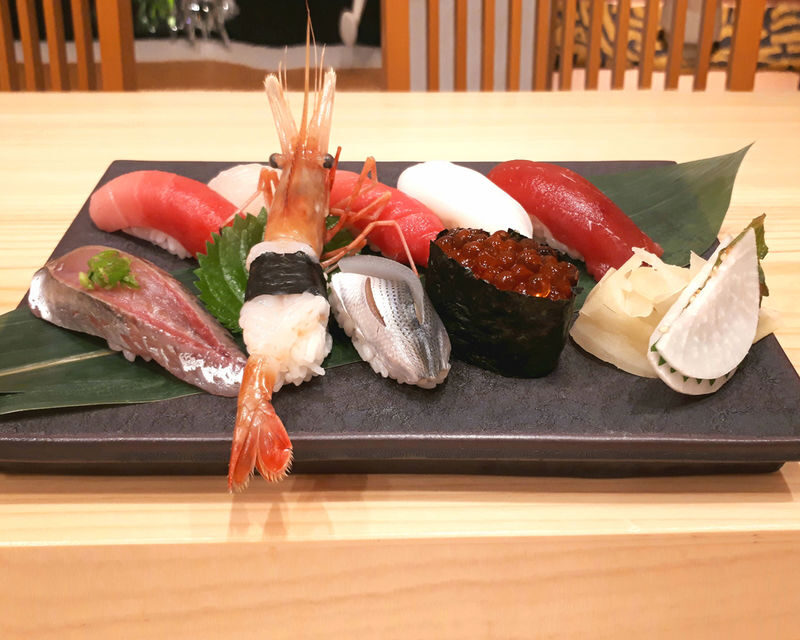
Many short cooking activities focus on the most visible part of the job: shaping sushi. This one promises a wider lesson. You begin with the tools and ingredients, then learn how careful preparation affects the result. That matters because good sushi depends on more than neat hand movements. The knife, rice, seasoning, and balance of flavors all play a part.
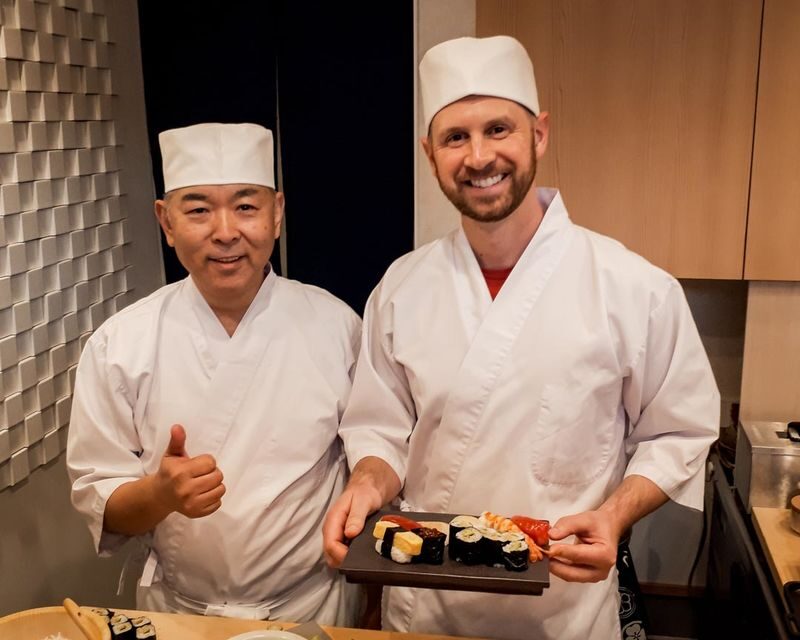
The instructor is described as a professional chef who is still working in the industry. That gives the class a useful point of difference. You are not simply copying a set of steps from a recipe card; you have the chance to ask questions of someone who handles sushi as a working craft. The available details do not specify the exact sushi varieties you will make, so ask before booking if you have a particular dish in mind.
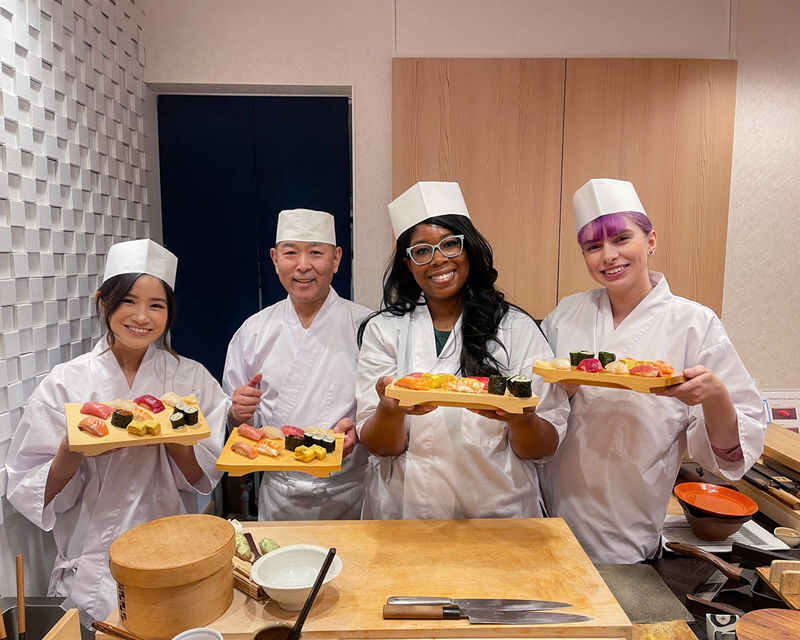
Nobu and Kaya lead the session. One account of the class describes a professional but relaxed mood, with the hosts offering guidance and conversation. That mix is worth looking for in a two-hour lesson: enough structure to learn something, but enough room to enjoy the company around the counter or work area.
The class is not guaranteed to be one-on-one. Other groups may share the same time slot. A small group can make the session more social, but it can also mean less individual attention than the especially personal experience one participant happened to receive. If individual coaching is essential to you, check whether a private option exists before paying. No private package is listed here.
You can also read our reviews of more tours and experiences in Tokyo


From knife care to seasoned rice
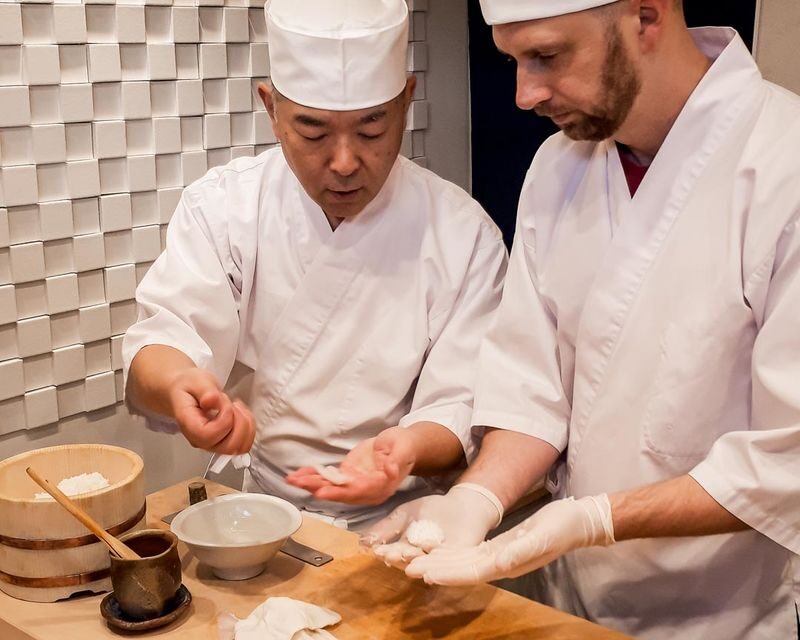
Expect the lesson to cover sushi preparation from the beginning, rather than jumping straight to assembly. Knife care is part of that foundation. You will learn about preparing and maintaining the tools used for the work, a practical skill that helps explain why technique and care matter as much as speed.
Rice is another central part of the session. The class covers washing and seasoning it, steps that are easy to overlook when you think of sushi mainly as fish and seaweed. The goal is to understand how the rice is prepared and how its seasoning contributes to the finished food. You should come ready to listen and follow the chef’s methods; this is a hands-on class, not only a talk.
Fresh Japanese ingredients are provided, along with the tools you need. The exact ingredient list is not specified, so anyone with a strong preference or concern should ask the provider for details in advance. The same goes for the sushi menu: the class description does not name the pieces or styles you will make.
The lesson then brings the preparation together through making and plating. That final stage gives you a chance to apply what you have learned, while seeing how presentation fits into the craft. The class description promises instruction through each step, but does not say how much finished sushi each participant will make or whether the class menu changes by date.
Fresh wasabi and a traditional omelet
Two of the more memorable parts are making fresh-ground wasabi and preparing tamagoyaki, a traditional Japanese rolled omelet. They add useful variety to the class and give you more than one technique to take home. The wasabi is prepared fresh to pair with your creation, while the omelet provides a side dish.
These details also make the session appealing if you already know the basics of sushi. You may have made rolls before, but learning how to prepare wasabi and tamagoyaki broadens the lesson beyond a single task. If this is your first cooking class in Japan, these hands-on steps give you a taste of the care involved in a meal that can look deceptively simple.
Tea and dessert are included. Their exact types are not specified, so think of them as part of the class rather than a promised menu. The description also does not spell out the full eating portion of the session. You will work on preparing and plating sushi, but check with the provider if you need to know exactly what you will eat.
A local setting near Nakameguro
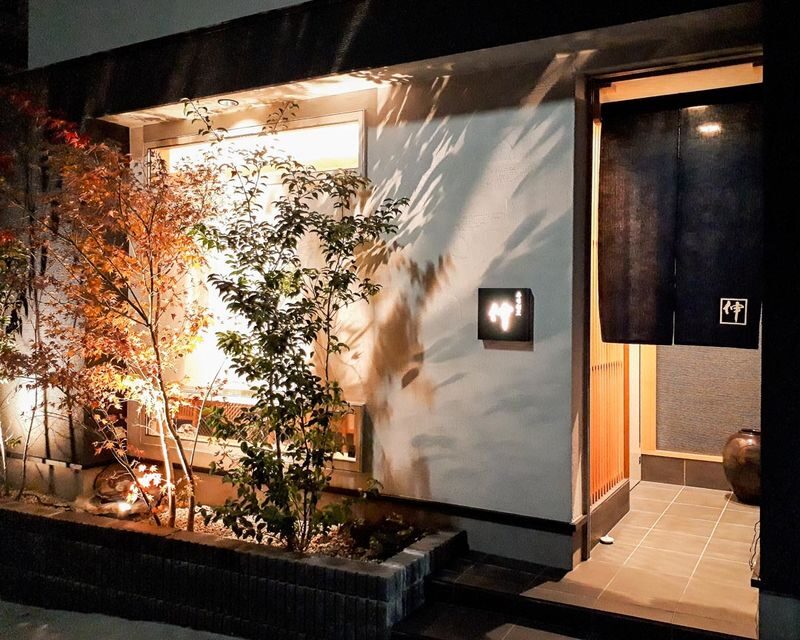
The meeting point is Nobu, roughly a 10-minute walk from Nakameguro Station. That is a useful location detail when planning your day: you can reach the class on foot from the station, but transport to the area is your responsibility. A detailed address and map link are provided after booking confirmation, so use those rather than relying on the venue name alone.
The setting is described as a small neighborhood restaurant, rather than a large tourist-focused venue. That can make the class feel closer to an everyday working kitchen. It also means you should expect a more intimate, practical environment, not a staged culinary show with a large audience.
Still, the class is shared and may include other groups. The small setting does not guarantee a private or quiet session. If you are happiest learning in a close group, that may suit you well. If you would rather have a private lesson, confirm the arrangement before booking.
Is two hours worth US$172.25?
At US$172.25 per person, this is a premium-priced short class. You are paying for more than a quick sushi-rolling demonstration: the advertised lesson includes a working chef, instruction on knives and rice, fresh wasabi, tamagoyaki, ingredients and tools, tea, and dessert. The value is strongest if you want to understand the preparation behind sushi and enjoy a small-group cooking session.
It is less compelling if your main aim is simply to eat sushi, take a few pictures, or get a brief introduction to Japanese food. Transport and personal expenses are extra, and the class lasts two hours. Compare that price with other Tokyo food activities based on what you will actually learn, not just the headline duration.
There is no listed menu of specific sushi pieces, and the available details do not promise a private class. Those are the two points I would clarify before booking if they affect your decision. For someone who values technique, the coverage of rice, knives, wasabi, and omelet makes the cost easier to justify.



Who should take this class?
This class is a good fit for curious home cooks, sushi fans, and visitors who want to do something hands-on rather than watch a demonstration. It should also suit people who appreciate the less obvious parts of cooking, such as tool care and ingredient preparation. You do not need to be an expert, but you should be interested in following a chef’s process.
Families can consider it too. Children aged four and up may participate, and children pay the same rate as adults. The provider asks you to disclose in advance if children aged four to twelve will attend. That price policy makes the class expensive for a family, so weigh the learning time against the full cost for everyone.
The activity is listed as stroller- and wheelchair-accessible. Dietary needs that can be accommodated include pescetarian, kosher, gluten intolerance, vegetarian, and vegan diets. Tell the provider about restrictions ahead of time so they can confirm the arrangements for your particular needs.
Booking details to keep in mind
Arrive on time. If you arrive more than 15 minutes after the scheduled start, the reservation may be canceled. The voucher is valid only for the date and time booked, and you present it on your mobile device.
Confirmation is expected within 48 hours. If it does not arrive, contact customer support. You can cancel for a full refund if you do so at least 72 hours before the activity date, using local time at the destination.
Should you book it?
Book this class if you want a close, hands-on lesson in the work behind sushi, especially rice preparation, knife care, fresh wasabi, and tamagoyaki. The two-hour format and working-chef instruction make it more useful than a quick roll-and-eat activity, while the shared setting leaves room for other participants.
Skip it if you mainly want an inexpensive meal or a guaranteed private session. At this price, the class is best for someone who will value the technique as much as the finished food. If the menu, group size, or dietary setup matters to you, ask before paying.
Professional Level Sushi Making in Tokyo (2 Hours)
“This Sushi course was definitely one of the highlights of our trip! Nobu and Kaja (sorry for probably misspelling the names) are not only very kind…”
FAQ
How long is the sushi-making class?
The class lasts two hours.
Where does the class meet?
It meets at Nobu, about a 10-minute walk from Nakameguro Station. The detailed address and map link are provided after booking confirmation.
What is included in the price?
Ingredients and cooking tools, an English- or Japanese-speaking guide, tea, and dessert are included. Transport and personal expenses are not.
Can children take part?
Yes. Children aged four and older can participate, and they are charged the same rate as adults. Let the provider know in advance if a child aged four to twelve will attend.
Can the class accommodate dietary restrictions?
The activity can accommodate pescetarian, kosher, gluten-intolerant, vegetarian, and vegan diets. Tell the provider about your requirements in advance.
What is the cancellation policy?
You can receive a full refund if you cancel at least 72 hours before the activity date, using local time at the destination.