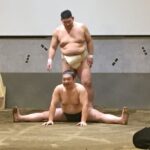
The most striking part of this Tokyo experience is the chance to watch sumo wrestlers train from only a short distance away. You may see warm-ups, repeated drills, and practice bouts inside a stable, where the wrestlers’ routine follows traditions that are rarely explained in a public performance.
I like two things about this visit: you see real training rather than a staged show, and the close viewing gives you a feel for the force and focus of the sport. One important caveat: the session length and amount of explanation can vary, and tournament-season visits may be much shorter than you expect.
- At a Glance
- Inside the Stable, Not in a Sumo Arena
- The 8:00 AM Meeting and the Route to the Stable
- Watching Practice From the Floor
- How Long Will the Practice Last?
- What the English-Speaking Staff Add
- Is .95 Good Value?
- Who Should Book This Visit?
- Should You Book Sumo Practice in Tokyo?
- FAQ
- How long does the sumo practice last?
- What time does the activity start?
- When will I get the stable address?
- Is the visit a sumo tournament?
- Is transport to the stable included?
- Can children attend?
- What should I know about etiquette and seating?
- The Best Of Tokyo!
- More Tours in Tokyo
- More Tour Reviews in Tokyo
At a Glance
 1 / 3
 2 / 3
 3 / 3
- The viewing is close: You watch practice inside a sumo stable, not from arena seats.
- It is an early start: The scheduled meeting is at 8:00 AM, with the exact location sent ahead of time.
- Practice time varies: Expect 60 to 90 minutes on many dates, but only 30 to 40 minutes during Tokyo tournament periods in January, May, and September.
- The stable sets the rules: Keep quiet, avoid food, and do not use flash or make loud camera sounds.
- Floor seating is part of the visit: You may be sitting on the floor for an extended stretch.
- The price starts at $93.95: That buys access and English-speaking staff, not a guaranteed long session or detailed commentary.

👉 See our pick of the Our Picks For The 11 Best Workshops & Classes In Tokyo
Inside the Stable, Not in a Sumo Arena
This is a window into the working side of sumo. Wrestlers live and train in communal stables, where daily life is shaped by longstanding customs. Many stables do not admit foreign visitors, so access to practice is a special opportunity, even when the visit itself is simple: arrive, sit quietly, and watch.
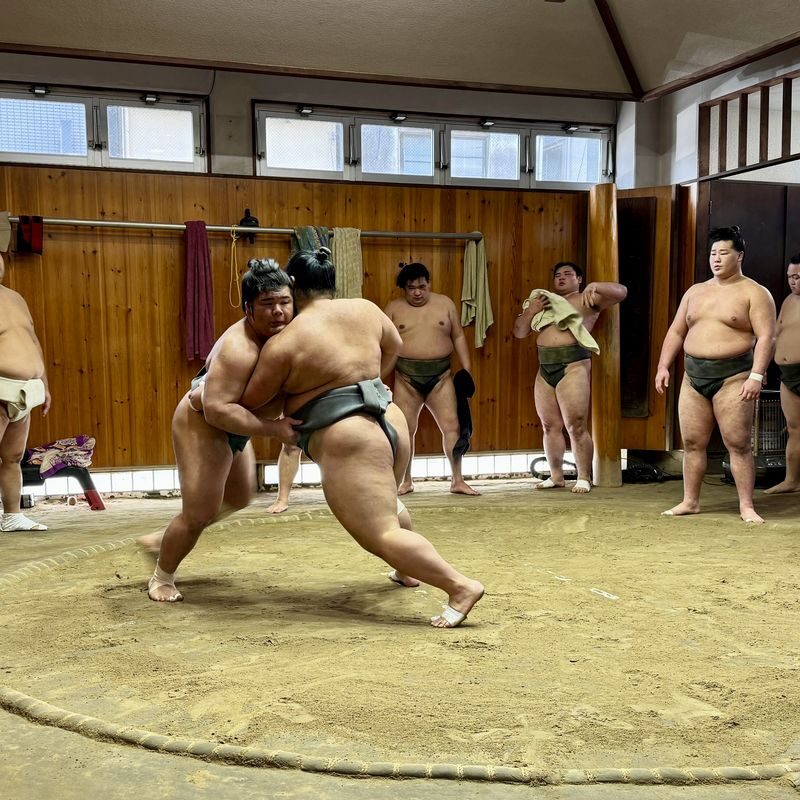
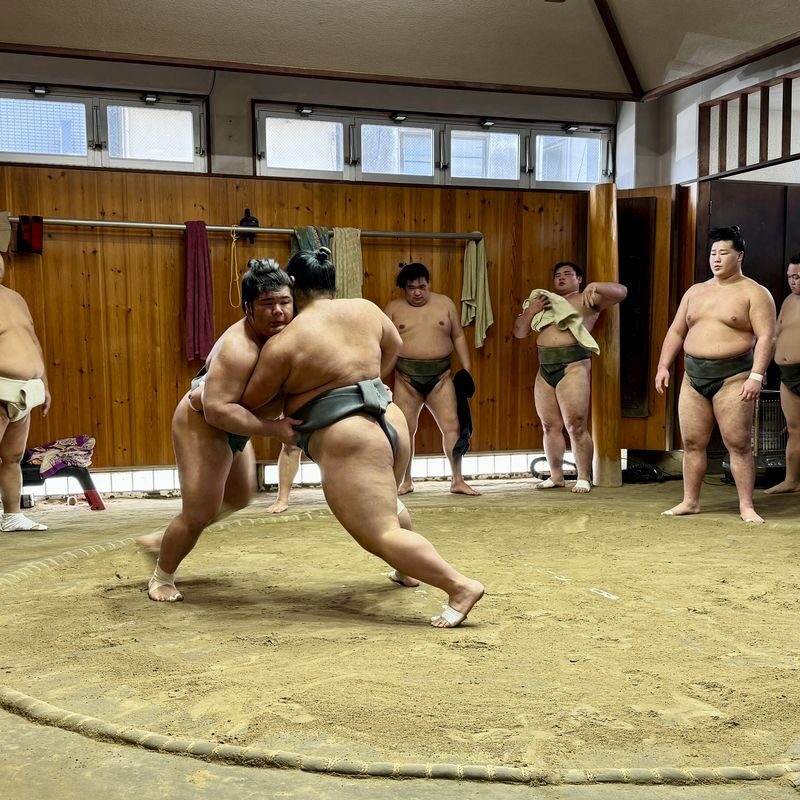
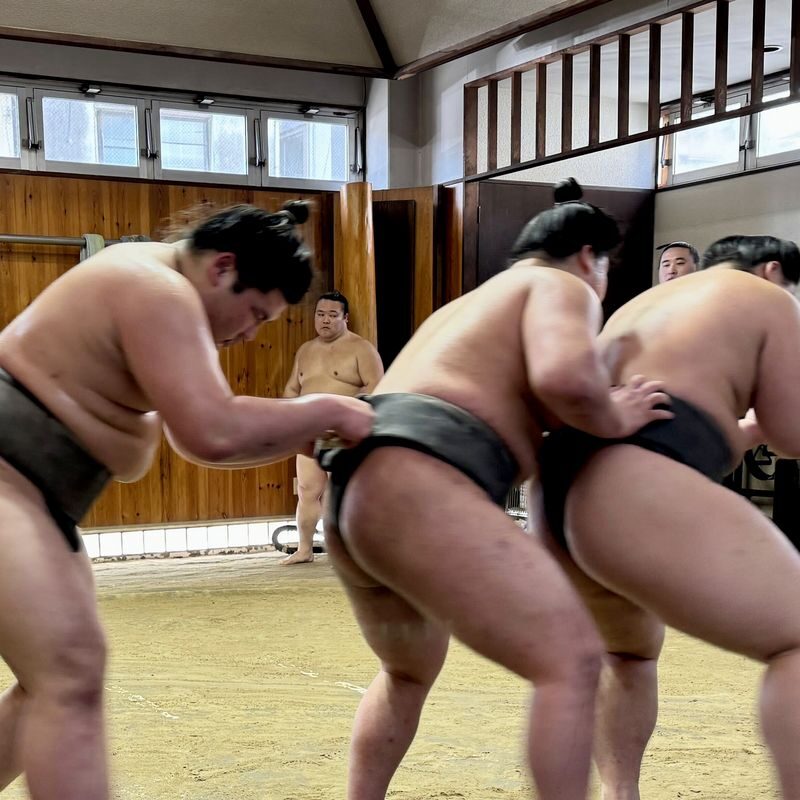
The activity is not a tournament. You are not buying a seat for a formal match with an announced winner and a full arena atmosphere. You are there to observe training as it unfolds. That can mean warm-ups and physical exercises, practice bouts, and pauses between rounds. The intensity can be striking, but the session is a training routine, not a show designed to explain every move to an audience.
That distinction matters when deciding if this is right for you. If you want to see sumo wrestlers at close range and are content to observe without much narration, this can be memorable. If you want a history lesson, a guided explanation of technique, or a guaranteed sequence of dramatic bouts, you may find the format spare.
You can also read our reviews of more tours and experiences in Tokyo.



The 8:00 AM Meeting and the Route to the Stable
The morning begins at a designated meeting point in Tokyo. The meeting address and stable location are provided about a week before the activity, rather than at the time you book. The meet-up is listed for 8:00 AM, and you should arrive 10 minutes early. Late arrivals and no-shows are not refundable, so leave room for a wrong turn or a slower-than-expected connection.
You will need to plan your own route to the meeting point and, based on the experience details, should not assume that transport to the stable is included. Some stables are outside the main sightseeing areas, and the final location can make a difference to your morning. Once the address arrives, check the route and travel time rather than relying on an estimate made before you know where you are going.
The booking information also says the stable’s name, location, and start time depend on its schedule. Confirmation is sent 48 hours before departure, while the address and directions are expected about a week ahead. Keep an eye on your email and contact customer support if the confirmation does not arrive.
Watching Practice From the Floor
At the stable, you will be asked to follow the house rules. Stay quiet, do not eat, and avoid flash photography or camera sounds that could distract the wrestlers. This is their training space, not a venue where spectators set the pace. Treat the visit as observation, and follow the staff’s instructions about where to sit and when to move.
The viewing area is close to the practice ring, which is a major part of the appeal. You can see the wrestlers’ effort and concentration at a distance that makes the physical work feel immediate. Practice may include warm-ups, drills, and bouts, though the exact mix depends on the stable’s daily routine. The wrestlers are not performing to a fixed script for the group.
Seating can shape your experience. The floor is the standard arrangement, and you may be sitting there for a long time. People with knee or back concerns should consider that before booking; a chair is not guaranteed by the activity details. The viewing area may also feel crowded when several groups attend. Arriving on time is essential, but the seating arrangement and view are not guaranteed to be the same for everyone.
Some visits end with a chance to take a photo with wrestlers. It is a welcome extra when available, but you should treat it as a possibility, not a promised part of every session. The main purpose is to watch practice.
How Long Will the Practice Last?
The scheduled activity runs from 8:00 to 9:15 AM, but that window includes the visit’s timing and is not a promise of 75 minutes of wrestling. The stated practice duration is usually 60 to 90 minutes, with the ending time varying by day. Some sessions may run longer, but do not plan your day around an unusually long visit.
The biggest exception comes during Tokyo’s tournament periods in January, May, and September, generally around the 15th to 25th. During those dates, practice can last only 30 to 40 minutes, while the price stays the same. The stable schedule also changes throughout the year, and some stables close when tournaments take place elsewhere. Exact dates vary, so confirm the schedule for your selected day before making this a trip’s main event.
This variability is the main risk in booking. A short session can still be compelling if you mainly want a close look at the wrestlers, but it is poor value if you expect a full morning of instruction or a long series of practice bouts. Check your date carefully, especially if you are travelling during a Tokyo tournament.
What the English-Speaking Staff Add
English-speaking staff are included, which helps with meeting instructions and the rules for watching. But do not count on a continuous spoken explanation of sumo history or every exercise. Some visitors have found the guidance limited to basic etiquette, and others describe the visit as largely sitting quietly and watching.
I would read a little about sumo before you go. Even a basic sense of the sport’s traditions will help you understand why the stable’s rules matter and what makes daily training different from a match. If you are hoping to ask detailed questions, the amount of explanation may not meet that expectation.
This is not necessarily a flaw in the experience. A stable is a place of work, and the wrestlers’ focus comes first. Still, the description of English-speaking staff should not be mistaken for a promise of a full guided lecture. The value is access to practice, with practical help around the visit.



Is $93.95 Good Value?
At a starting price of $93.95, this is a premium way to watch a morning training session. You are paying for arranged access to a stable that may not otherwise admit visitors, plus English-speaking staff and help coordinating the visit. You are not paying for transport, personal expenses, a guaranteed long session, or a detailed educational program.
For someone fascinated by sumo, the close-up access may justify the cost. Watching athletes train in their own setting offers something quite different from seeing a bout in a stadium or attending a staged cultural performance. Several people find the physical intensity and dedication alone worth the early alarm and the journey across Tokyo.
For a casual visitor, the price deserves more thought. If you pay the same amount for a 30 to 40 minute session during a tournament period, you may feel shortchanged, particularly if you hoped for context or interaction. The per-person price can also feel steep for a solo booking. Compare the date-specific schedule and your interest in the sport before you commit.
Free cancellation is available up to 48 hours before the activity, according to the stated terms. Date changes are not allowed within three days, and late arrivals or no-shows are not refundable. Those conditions make it especially important to verify the meeting details and leave enough time to get there.
Who Should Book This Visit?
I would recommend this for people who are genuinely curious about sumo, enjoy watching sport as it is practised rather than packaged for visitors, and are comfortable with a quiet, low-interaction experience. It can also suit visitors who cannot attend a tournament during their stay but want to see the athletes and training environment up close.
The minimum age is 13, so this is not an option for younger children. The long period of floor sitting is another practical consideration for anyone with mobility or joint concerns. If you need a chair, ask the operator before booking rather than assuming one will be available.
You may want a different sumo experience if you need a set-length program, a guaranteed guide-led explanation, or a predictable amount of action. This visit puts the stable’s schedule first, and the group adjusts to it.
Should You Book Sumo Practice in Tokyo?
Book if the appeal is seeing real training at close range and you are willing to accept an early start, floor seating, and a session whose length can change. The most rewarding part is the access to a working stable and the chance to watch the wrestlers’ effort without the polish of a staged show.
Before paying, check whether your date falls during Tokyo tournament season, review the cancellation cutoff, and plan your route as soon as the address arrives. If a short session or limited commentary would leave you disappointed, choose a different sumo activity. If the practice itself is what you came to see, this can be a distinctive morning in Tokyo.
Sumo Practice in Tokyo
“It was truly impressive to be able to see the sumo wrestlers training up close. Everything was perfectly organized via email, and at the end, you c…”
FAQ
How long does the sumo practice last?
Practice usually lasts 60 to 90 minutes, but the ending time varies by day. During Tokyo tournament periods in January, May, and September, it may last only 30 to 40 minutes.
What time does the activity start?
The scheduled meet-up is at 8:00 AM. You should arrive 10 minutes early, and the exact meeting location is sent before the activity.
When will I get the stable address?
The stable name, location, and directions are provided about a week before the experience. The activity confirmation is sent 48 hours before departure.
Is the visit a sumo tournament?
No. You watch wrestlers practise at a stable. This is a training session, not a formal tournament match.
Is transport to the stable included?
The activity is listed as a meet-up, and transport is not included. Plan your own route to the meeting point and check the directions sent with the stable details.
Can children attend?
Participants must be at least 13 years old.
What should I know about etiquette and seating?
You may need to sit on the floor for a long time. Do not eat, talk loudly, or use flash photography or loud camera sounds, and follow the stable’s instructions.