Shibuya’s best introduction may come with a bite of wagyu in one hand and the roar of the Scramble Crossing in your ears. This half-day walk pairs the district’s famous sights with food stops, a local guide’s take on youth culture and a turn at Japanese arcade games.
I like the mix of street-level orientation and tasting stops: you see how Shibuya moves, then pause to eat sushi, karaage, takoyaki and wagyu. I also like the small group size, capped at eight, and the planned visits to places with very different moods, from the Hachiko statue to Nonbei Yokocho’s narrow alley.
The main consideration is the price, from $187.99, and the food is not promised to be a tour of obscure family-run restaurants. If you want little-known eateries above all else, this may not be the right fit. The menu can change, and the package describes set dishes rather than guaranteeing an all-you-can-eat meal.
- A quick look at what makes this Shibuya walk different
- Start at Hachiko, then get your bearings
- Cross the Scramble and read the city
- SHIBUYA109 and the district’s youth style
- MEGA Don Quijote: Tokyo’s everything shop
- Miyashita Park’s newer side of Shibuya
- Four dishes, desserts and drinks
- Nonbei Yokocho and the old alley atmosphere
- Arcade games add a playful break
- What 7.99 buys, and who gets good value
- Timing, meeting details and small-print essentials
- Should you book this Shibuya food walk?
- FAQ
- Where does the tour meet?
- What time can I start?
- How long does the tour take?
- What food is included?
- Is public transportation included?
- Does the tour include arcade games?
- How large is the group?
- Can children join?
- Is alcohol served?
- Can I cancel or change my booking?
- The Best Of Tokyo!
- More Walking Tours in Tokyo
- More Tours in Tokyo
- More Tour Reviews in Tokyo
A quick look at what makes this Shibuya walk different
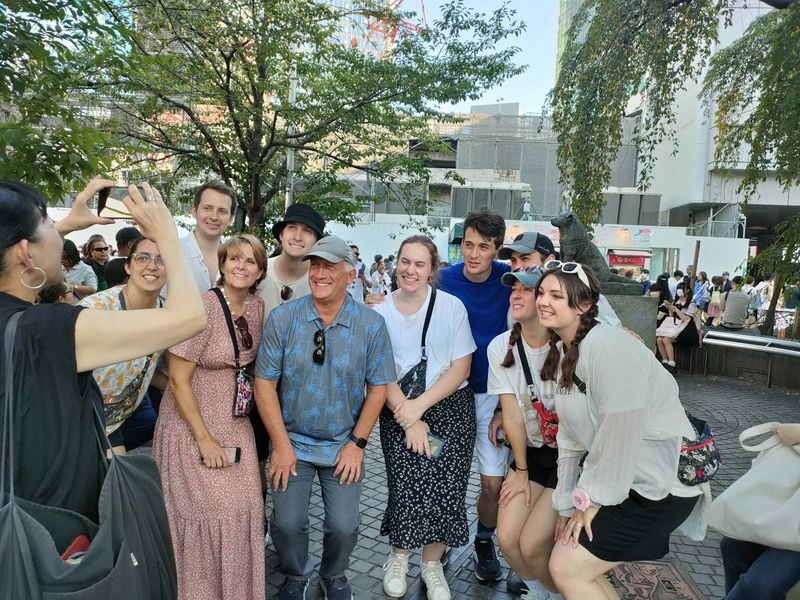
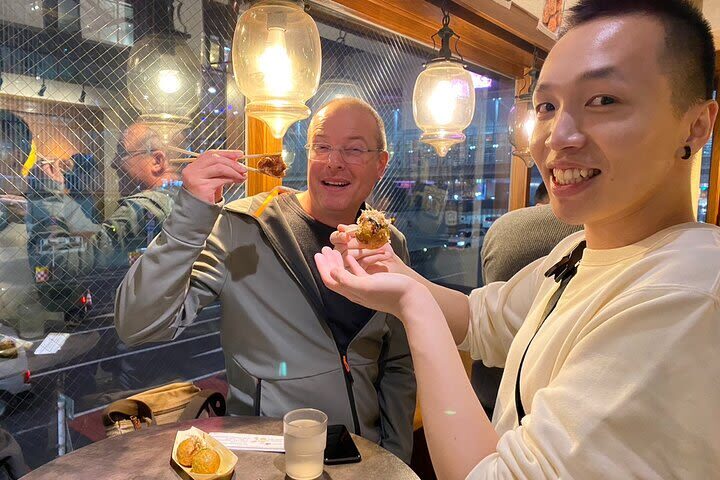
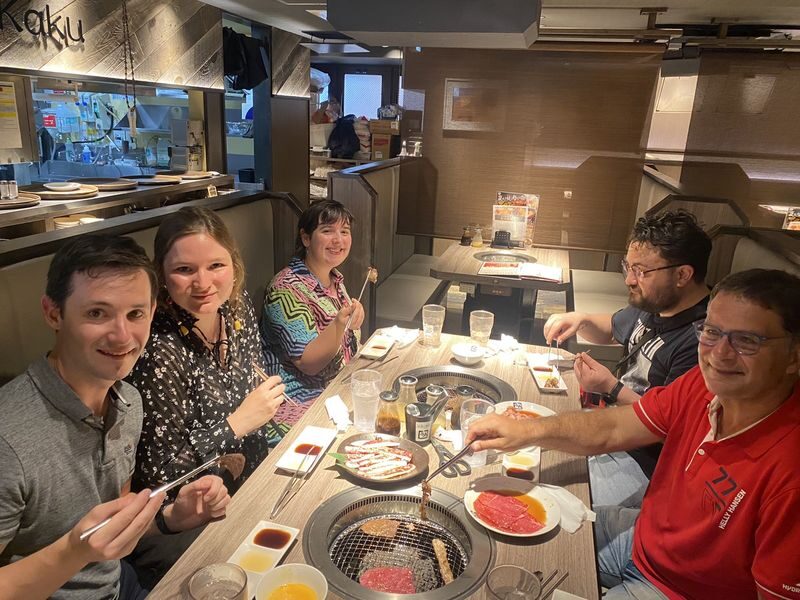
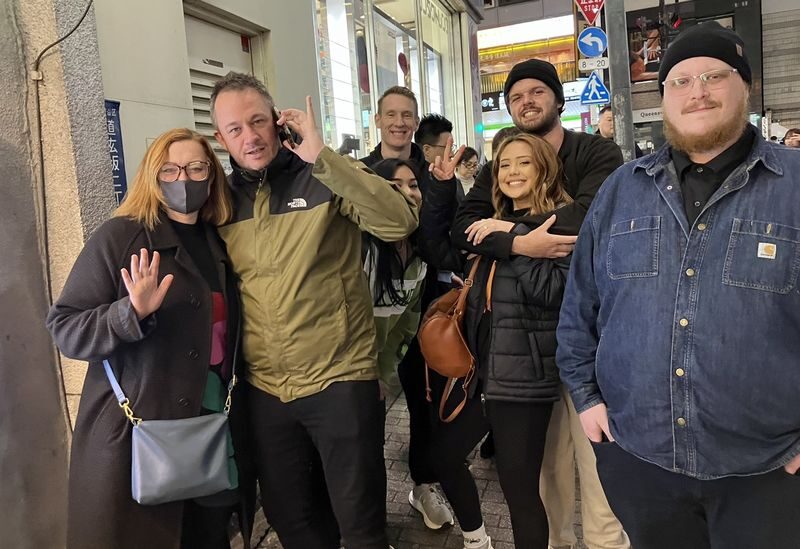
- Four named Japanese dishes: Sushi, wagyu, karaage and takoyaki are included, along with three kinds of dessert and two drinks.
- A small group: The tour accepts one to eight participants, which gives you more room to ask questions than a large bus group.
- Shibuya’s major landmarks: The route takes in Hachiko, the Scramble Crossing, SHIBUYA109, MEGA Don Quijote, Miyashita Park and Nonbei Yokocho.
- Youth culture and arcade games: Your guide provides local context, and the experience includes a stop at a game center.
- Two possible start times: Choose 11:00 or 17:00 when booking. The feel of the district changes with the time of day.
- A practical meeting point: Meet by the Hachiko statue, in front of the ShibuHachiBox Information Centre, and arrive 10 minutes early.

👉 See our pick of the Our Picks For The 11 Best Workshops & Classes In Tokyo
Start at Hachiko, then get your bearings
The meeting point is at the Hachiko Memorial Statue, at 2 Chome-1 Dogenzaka, in front of the ShibuHachiBox Information Centre. From Shibuya Station, use the Hachiko Exit. It is a busy spot, so give yourself time to find the statue and your guide rather than cutting it close.
Hachiko is more than a convenient landmark. The statue commemorates a dog known for waiting for his owner, and it has become one of Tokyo’s best-known meeting places. Your guide spends about 30 minutes here, a useful opening that sets a human story against the rush of the station district.
The group is limited to eight people, and that matters in Shibuya. At a crowded crossing or on a narrow street, a small group is easier to keep together and gives you a better chance to hear the guide. The guide speaks English or Japanese, so check that the language suits your group when choosing the experience.
Past guides have included Islam and Eugene. One past tour also had Akira as a designated photographer, documenting the places visited and dishes sampled. These names are not a promise that you will have the same team, but they give a sense of the personal touches that may be part of a departure.
You can also read our reviews of more walking tours in Tokyo


Cross the Scramble and read the city
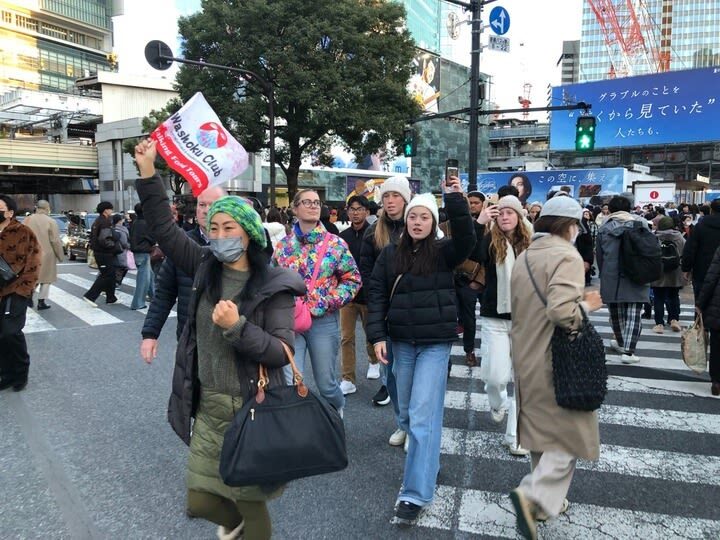
The Shibuya Scramble Crossing is a spectacle, but it is also a working junction at the heart of the district. From the edges, you can watch several streams of people move at once. Your tour allows about 30 minutes here, enough to take in the scene without turning the whole walk into a photo stop.
I like having a guide nearby for a place like this. The crossing is easy to photograph and easy to misread as a complete picture of Shibuya. The surrounding streets reveal more: shops, bars, signs, and groups of young people setting the pace of the neighborhood. Your guide’s focus on local youth culture helps you connect the famous image to everyday life.
Crowds are part of the experience, not a flaw in the route. Still, keep your belongings close and be ready to move when the group does. If you prefer quiet streets and long pauses, Shibuya’s central blocks may feel full-on, especially at busier times.
SHIBUYA109 and the district’s youth style
The tour gives about 45 minutes to SHIBUYA109, a landmark shopping center associated with fashion and youth culture. The point is not simply to browse racks. It is a chance to see how trends, brands and public image shape this part of Tokyo, with your guide helping explain what you might otherwise read only as a wall of shop signs.
This stop is most valuable if you are curious about contemporary Tokyo. You may not have time to shop at length, and the tour is not a dedicated retail excursion. Think of SHIBUYA109 as a cultural stop where the building and its customers tell part of the story.
If shopping is your priority, ask the guide how much free time is realistic. The published plan assigns a set block to each stop, but the schedule can shift with weather and other conditions. It is wise not to plan a tight shopping appointment immediately after the tour.
MEGA Don Quijote: Tokyo’s everything shop
MEGA Don Quijote Shibuya Honten gets another 45 minutes. This 24-hour store sells a wide range of products, making it a vivid contrast to the more focused stops. Expect a dense shopping environment rather than a calm department-store browse. The guide can help explain why a store like this is useful to locals and entertaining to visitors.
The stop can be practical as well as curious. You may spot snacks, souvenirs and everyday goods under one roof, but the tour’s allotted time is not an invitation to make a major shopping list. If something catches your eye, keep track of the group and your meeting time.
A large shop can feel chaotic without context. That is where a guided visit earns its place: you can look around with a local nearby instead of trying to decode the store while also navigating the crowd. Still, this is a commercial stop, not a traditional craft workshop or a quiet look at old Tokyo.
Miyashita Park’s newer side of Shibuya
Miyashita Park has about 45 minutes on the route. It combines a park with a mall and places to eat, presenting a newer, more designed side of Shibuya. The stop offers a change of pace from the crossing and shops, and it gives the guide room to talk about how the district continues to develop.
A KitKat Chocolatory here offers a customizable KitKat option. That is a playful detail, especially if you like trying regional or personalized sweets, but it is not necessarily part of the included tasting menu. Treat it as something to look at or buy separately unless your guide confirms otherwise.
The park’s mix of public space and retail is useful context. Shibuya is not only neon signs and shopping streets; it is also a place where people meet, eat and spend time between errands. The tour’s short visit gives you a taste of that role, though you will not have hours to settle in.
You can also read our reviews of more food & drink experiences in Tokyo


Four dishes, desserts and drinks
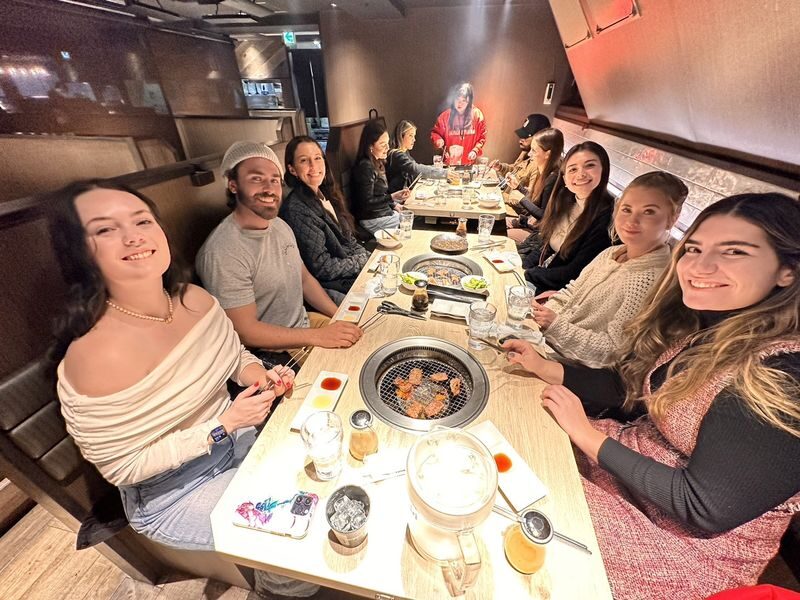
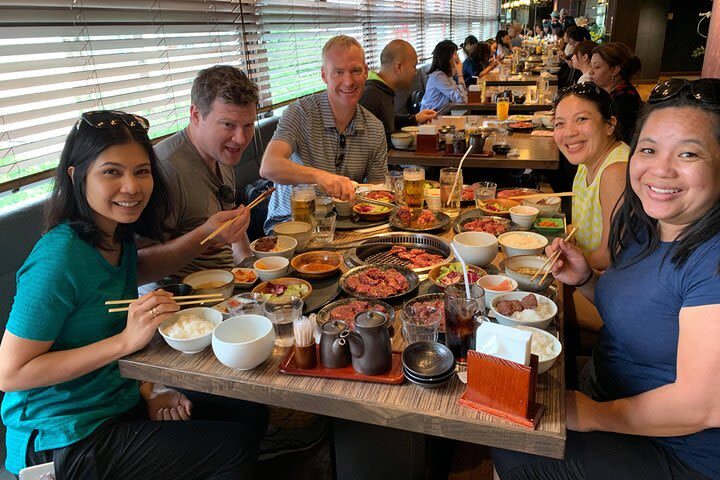
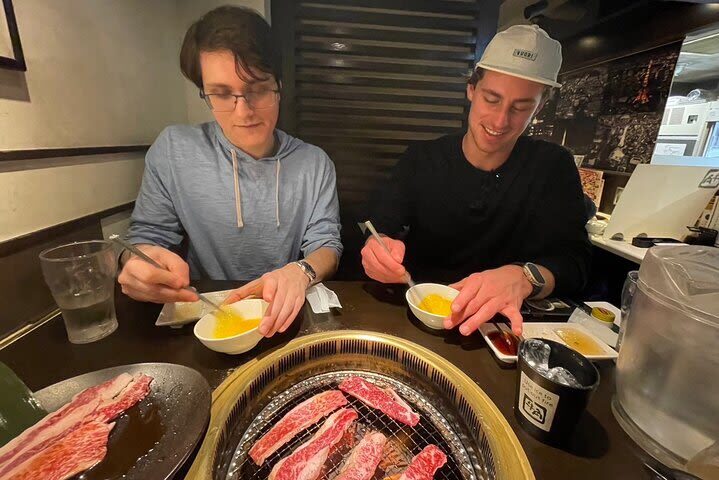
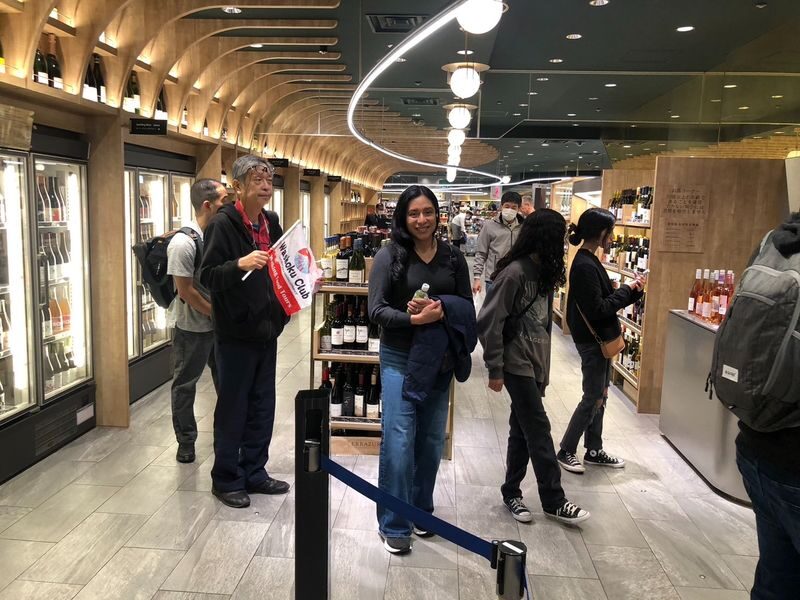
Food is a central reason to book. The listed dishes are sushi, wagyu, karaage and takoyaki, with three kinds of dessert and two drinks. The exact menu may change with the season and the availability of ingredients, so treat those items as the planned selection, not a guaranteed fixed menu.
The range is appealing because it moves across different styles of Japanese eating. Sushi gives you a familiar point of entry, wagyu brings a richer bite, karaage offers crisp fried chicken, and takoyaki brings a hot, savory snack associated with Osaka. The tour’s aim is to connect what is on the plate with the neighborhood around you, rather than make you sit through one long restaurant meal.
One person on an earlier departure described the food as effectively all-you-can-eat and said they left full. That is a useful sign that portions can satisfy, but it should not set your expectations as a formal promise. The package specifies four dishes, desserts and drinks. If you have a large appetite, dietary restrictions or food allergies, ask the operator before booking, since the supplied details do not spell out substitutions.
Two drinks are included, but the package does not identify them. Japan’s legal drinking age is 20, and you should bring valid identification if you may be served alcohol. If you do not drink, confirm what nonalcoholic options can be offered.
Nonbei Yokocho and the old alley atmosphere
Nonbei Yokocho is one of the route’s most distinctive contrasts. The narrow lane is described as a place where locals unwind, with small bars and a more intimate feel than the wide, bright streets nearby. The tour allows about 45 minutes, offering time to see the alley and hear why it has a different character from the surrounding commercial blocks.
This is a good stop for anyone who wants more than a procession of major landmarks. You get a glimpse of a compact drinking district and a reminder that Shibuya’s social life happens in small spaces as well as large public ones. The tour does not promise a full evening of bar hopping, so think of the stop as an introduction rather than a pub crawl.
Your departure time affects the mood. The 11:00 start is listed with a 14:00 return, while the 17:00 start is listed with a 21:00 return. The evening option is likely to make the alley feel more aligned with its role as a place to unwind, while the daytime start can leave more of the rest of your day free. Confirm the exact timing offered for your selected package.
Arcade games add a playful break
The tour includes a chance to try Japanese arcade games at a game center. That is a welcome change from standing at landmarks or listening to explanations. Arcade culture is part of modern urban Japan, and a short hands-on stop can make youth culture feel less abstract.
The exact game center and games are not specified, so do not book expecting a particular machine or a long gaming session. The arcade visit is one part of a walking tour, not a standalone gaming experience. If you are travelling with children or teens, it may be one of the more engaging pauses, though children aged 10 and older are charged the adult rate.
What $187.99 buys, and who gets good value
At a starting price of $187.99, this is not a budget food crawl. The value comes from bundling a guide, four dishes, three kinds of dessert, two drinks and public transportation with a planned walk through several parts of Shibuya. You also get a small group, capped at eight, and explanations that can help you understand the neighborhood rather than simply pass through it.
The price is easier to justify if you want a structured first visit, prefer having a local guide handle the route, and would otherwise pay for several meals and transport separately. It is harder to justify if your main goal is a lineup of obscure restaurants. One past participant felt the restaurant choices were familiar and less distinctive than hoped, particularly for someone from Hong Kong who already knew some of the chains. That is a fair caution: the tour promises Japanese dishes and a Shibuya introduction, not a secret-restaurant hunt.
Another past participant praised the amount of food and the guide, Islam. A couple on a separate tour praised Eugene’s local information and Akira’s photos, and appreciated receiving local sweets to take back to their hotel. Those are encouraging examples of attentive hosting, but guide, photographer and extra snacks are not guaranteed features.
Timing, meeting details and small-print essentials
Choose 11:00 or 17:00 when booking, and arrive 10 minutes before the selected start. Late arrivals and no-shows are not refundable. The voucher is valid only on the date and time shown, and you present it on your phone.
Public transportation is included. The schedule may change due to weather and traffic, and the menu may change with season and ingredient availability. The route’s individual stop times add up to roughly four hours, while the listed start and return choices show different windows, so check the specific timing attached to your chosen departure rather than assuming every tour follows the same length.
Children aged 0 to 5 can join free, while children aged 10 and older pay the adult rate. The group size is one to eight participants. Changes are generally allowed until 24 hours before the activity, with exceptions for certain bookings, and cancellation at least 24 hours before the activity date qualifies for a full refund. The details attached to your booking should be checked before you commit.
Should you book this Shibuya food walk?
Book it if you want an efficient introduction to Shibuya that combines its best-known landmarks, a guide’s local perspective, arcade fun and a substantial tasting menu. It is especially suited to first-time visitors who value a small group and want someone else to handle the route while they focus on the food and street life.
Skip it if your top priority is a carefully chosen trail of little-known restaurants, or if you would rather spend the same budget dining at your own pace. The food selection may be satisfying, but it is not guaranteed to be unusual, and the busy commercial stops will not appeal to everyone. For a first look at Shibuya with plenty to taste along the way, it offers a useful and lively half-day plan.
Tokyo City, Shibuya Food and Culture Half Day Walking Tour
“fantastic time with Islam. Really all-you-can-eat, left stuffed and saw a lot of Shibuya as well.”
FAQ
Where does the tour meet?
Meet at the Hachiko Memorial Statue, in front of the ShibuHachiBox Information Centre, at 2 Chome-1 Dogenzaka, Shibuya City. The nearest Shibuya Station exit is the Hachiko Exit.
What time can I start?
The available start times are 11:00 and 17:00. Choose your departure time when booking and arrive 10 minutes early.
How long does the tour take?
The tour is described as a half-day experience. The listed departure and return times are 11:00 to 14:00 or 17:00 to 21:00, depending on the option selected. The schedule can change.
What food is included?
The package includes four dishes, listed as sushi, wagyu, karaage and takoyaki, plus three kinds of dessert and two drinks. The menu may change with the season and ingredient availability.
Is public transportation included?
Yes. Public transportation is listed as included.
Does the tour include arcade games?
Yes. The experience includes trying Japanese arcade games at a game center. The specific venue and games are not stated.
How large is the group?
The group size is one to eight participants.
Can children join?
Children aged 0 to 5 can join free. Children aged 10 and older are charged the same rate as adults.
Is alcohol served?
Two drinks are included, but the details do not specify what they are. Japan’s legal drinking age is 20, and you should bring valid identification as proof of age.
Can I cancel or change my booking?
A full refund is available if you cancel at least 24 hours before the activity date. Booking changes are generally allowed until 24 hours before the activity, with exceptions for some booking types. Late arrivals and no-shows are not refundable.