Edo lanterns were made to be read from a distance: their brushwork and bold characters had to stay clear, not just look pretty up close. At Namidabashi Oshimaya, a Tokyo workshop with roots reaching back to the Edo period, you can try that tradition for yourself and paint a lantern to take home.
I like two things here: you meet a living craft tradition, passed down through the shop’s generations, and you do not need drawing skills to take part. A guide can also help you understand the instructions, which is useful if Japanese is not your language.
The main consideration is the short format. One hour gives you a focused introduction, not an in-depth craft course, and the activity is limited to people aged 10 and older.
- What makes this lantern workshop worth your time
- A century-old shop, not a staged craft set
- What happens during the 60-minute session
- The appeal of making your own souvenir
- Is .59 fair value?
- Getting to Minamisenju and choosing a time
- Who will enjoy painting an Edo lantern?
- Should you book the lantern workshop?
- FAQ
- How long does the lantern-making experience last?
- Where is the workshop?
- What departure times can I choose?
- How early should I arrive?
- What languages are available for support?
- Do I need drawing experience?
- Can children take part?
- Can I take the lantern home?
- The Best Of Tokyo!
- More Tours in Tokyo
- More Tour Reviews in Tokyo
What makes this lantern workshop worth your time
 1 / 8
 2 / 8
 3 / 8
 4 / 8
 5 / 8
 6 / 8
 7 / 8
 8 / 8
- A working Tokyo craft shop: Namidabashi Oshimaya traces its name to the Edo period, and this branch has operated since the Taisho era.
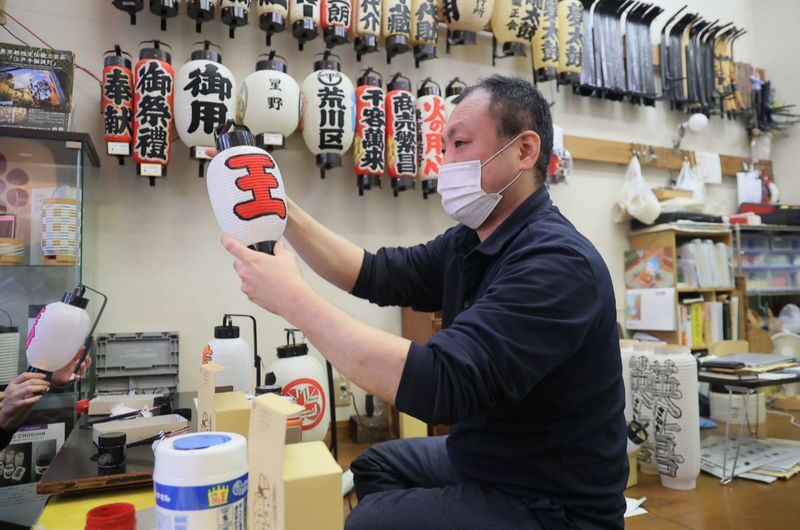
- Guidance from the fourth generation: You’ll make your lantern under the guidance of a craftsperson from the family’s fourth generation.
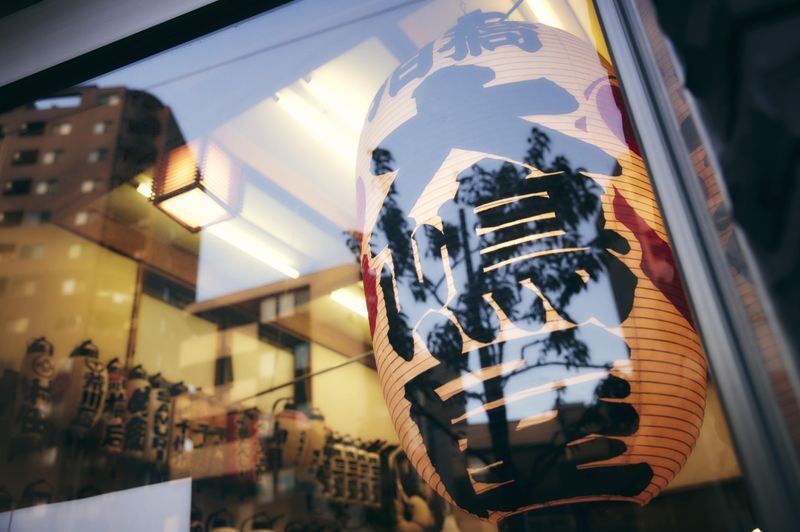
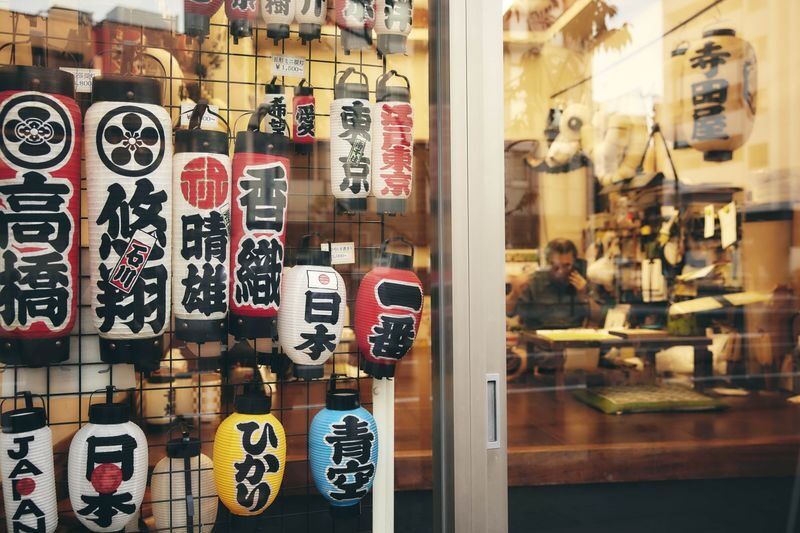
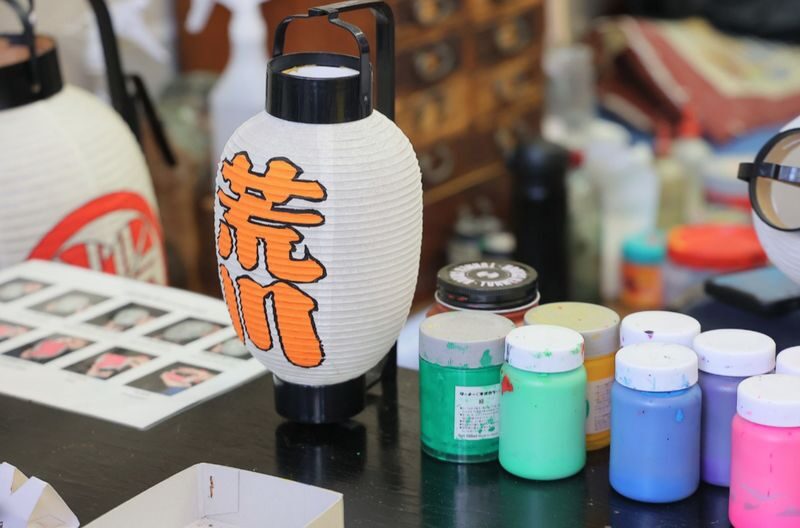
- A useful cultural detail: Edo lantern lettering and family crests are painted for clarity at a distance, with balanced brushwork and distinctive, expansive characters.
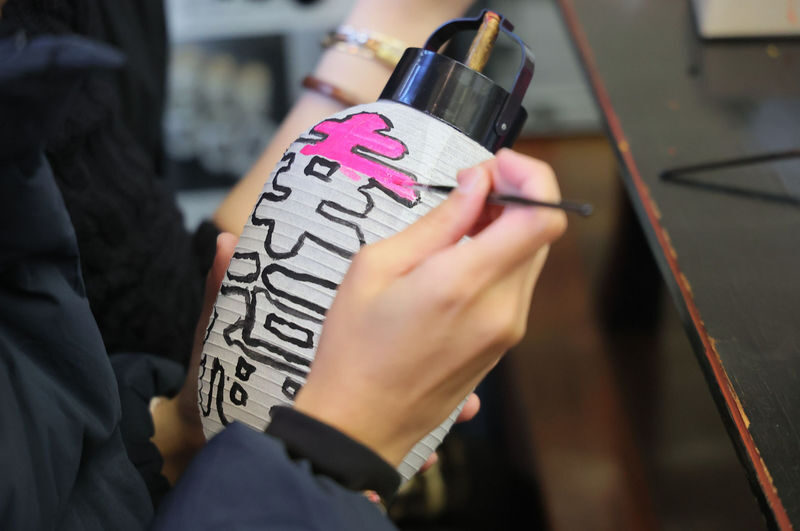
- Beginner-friendly making: You can color or draw a pattern on your lantern without prior art experience.
- A souvenir you make yourself: Your finished lantern goes home with you, a more personal memento than something picked up from a shop shelf.
- Language support: Staff accompany you to the workshop to help with entry and basic communication, and guide support is available in English, Chinese, or Japanese.

👉 See our pick of the Our Picks For The 11 Best Workshops & Classes In Tokyo
A century-old shop, not a staged craft set
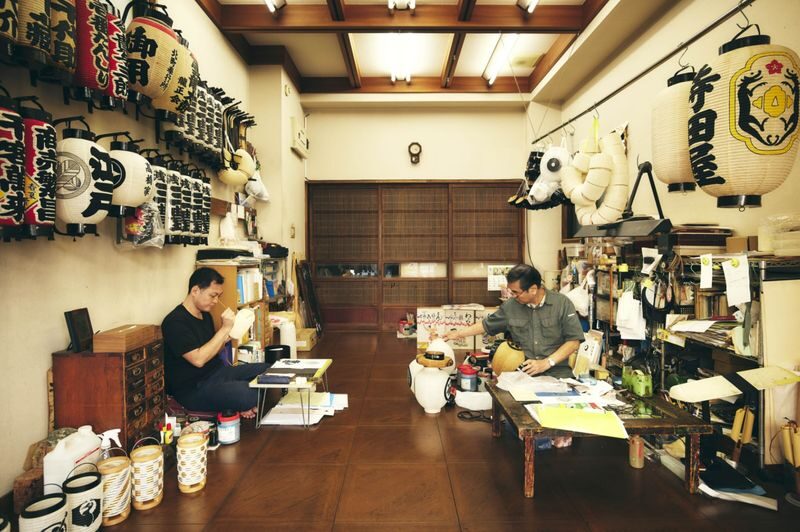
The setting is part of the appeal. Namidabashi Oshimaya is a lantern shop whose name reaches back to the Edo period, while this particular branch has continued since the Taisho era. The craft has been handed down through the third and fourth generations, keeping the activity connected to a working family tradition rather than presenting lantern painting as a one-off tourist exercise.
That distinction matters. A short craft activity can feel thin if it amounts to decorating an object with no sense of where the practice came from. Here, the introduction to Japanese lantern history gives you context for the work in front of you. You learn how Edo-style hand-painted lanterns remain part of Tokyo’s craft life today, and what makes their lettering recognizable.
The shop’s approach to lettering is practical as well as artistic. Family crests and characters are painted so that they remain clear from a distance. The balance of the brushstrokes and the broad feel of Edo characters are part of the style. You may not become a calligrapher in an hour, but you can see why a lantern’s design is meant to work at a glance.
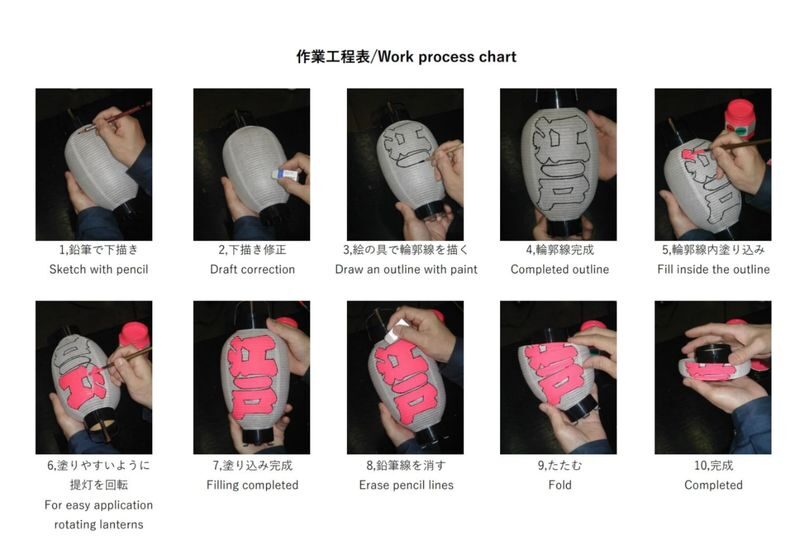
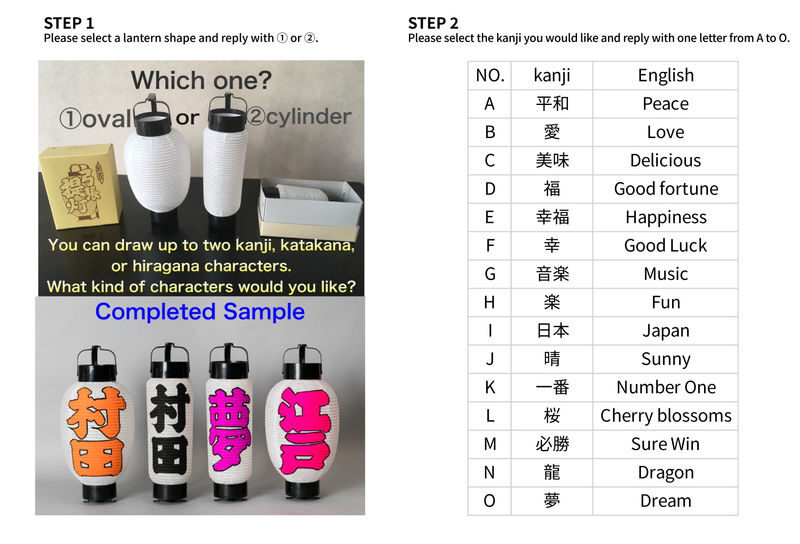
The information provided does not specify exactly what designs you can choose, how much of the lantern you will paint, or how the workshop handles each step. If you have a particular motif in mind, ask before booking or contact the operator. What is clear is that you’ll color or draw patterns on a lantern with instruction, and you can take the finished piece home.
You can also read our reviews of more tours and experiences in Tokyo.



What happens during the 60-minute session
The activity is arranged around a single stop: Namidabashi Oshimaya Lantern Shop in Minamisenju. Staff accompany you to the workshop and can help you get inside and manage basic communication. This is a welcome bit of support if you are unfamiliar with the area or do not speak Japanese.
The session is described as self-guided, but that does not mean you are left to puzzle everything out alone. An instructor guides the lantern-making, and language support is listed in Japanese, English, and Chinese. A participant who needed help understanding the instructions found the accompanying guide stayed with them throughout. That practical support is one of the most useful details here: it lets you focus on the craft rather than worrying about missing directions.
You’ll hear about Japanese lanterns and the continuing tradition of Edo hand-painting, then work on your own lantern. The activity is meant to be approachable, even if you do not draw. That makes it a sensible choice for a first craft workshop, or for someone who likes Japanese design but has never tried painting it.
The one-hour limit keeps the experience manageable in a Tokyo itinerary. It also means you should set your expectations accordingly. This is an introduction and a hands-on souvenir-making session, not a long lesson in brush technique or a deep study of lantern construction. If you want a relaxed cultural stop with something tangible at the end, the length is an advantage. If you want extended instruction, you may wish the session ran longer.
The appeal of making your own souvenir
Tokyo offers no shortage of things to buy, but a lantern you painted yourself carries a different kind of memory. You have a direct connection to the place where it was made and to the craft tradition you learned about along the way. That personal element is the strongest reason to choose this activity over a standard shopping stop.
It is also a good fit if you enjoy doing something with your hands while learning a little about local culture. The activity gives you a simple creative task, but the historical and stylistic context helps explain why the object is more than a blank surface to decorate. You are not expected to arrive with a polished design or artistic confidence.
There is a useful balance between structure and freedom. Guidance keeps the activity accessible, while the chance to create your own pattern gives the finished lantern a personal touch. The details of the exact design choices are not specified, so do not assume every requested motif or color will be available. If you have a specific plan, check with the workshop in advance.
The finished lantern is also a practical keepsake in one important sense: it can be taken home. The provided information does not describe its size or packing arrangements, so consider asking if you need to know how it will fit in your luggage. Still, a handmade object tied to a Tokyo craft shop is a more distinctive memento than a generic souvenir.
Is $42.59 fair value?
The listed starting price is US$42.59 for a 60-minute experience. That is not the cheapest way to fill an hour in Tokyo, but the value is about more than the time at the table. You’re paying for access to a long-running lantern workshop, an introduction to Edo-style lantern craft, guided making, language support, and a lantern you can take home.
The price makes the most sense if you value the cultural context and the handmade result. If you only want a low-cost activity or are mainly interested in sightseeing, you may find the one-hour format hard to justify. But if you like crafts and want an activity that feels specific to Tokyo, the combination of workshop, instruction, and souvenir is a fair proposition.
Only one rating is available, at five out of five, so that is a small sample rather than a dependable measure of what every session will be like. The concrete point worth noting is that the participant praised the guide’s help with understanding instructions and enjoyed creating a lantern. That supports the value of the language assistance, though it cannot tell you how every session is run.
Getting to Minamisenju and choosing a time
The workshop address is 2-29-6 Minamisenju, Arakawa-ku, Tokyo 116-0003. The listed transit options include Minami-Senju Station, served by the Hibiya Line, Joban Line, and Tsukuba Express. A bus stop called ToelBus Bridge of Tears is also listed.
Available departure times are 09:50, 10:50, 13:50, 14:50, and 15:50. The options you can select may vary with the booking and schedule, so choose your time carefully and arrive at the meeting location 10 minutes early. The booking confirmation is sent within 24 hours; contact customer support if it does not arrive.
The schedule information also gives a return time of 11:00, but return options depend on the departure time selected and the itinerary duration. Check the exact timing shown for your booking rather than assuming every slot returns at the same time. The activity itself is listed as one hour, and the schedule may change with traffic or weather.
A few rules are worth knowing before you go. Participants must be at least 10 years old. Outside food and drinks are not allowed, and anyone who appears intoxicated may be refused service without a refund. The voucher is valid only on the date and, where applicable, time selected. You can cancel for a full refund at least 48 hours before the activity date, subject to the stated conditions; once redeemed or expired, it cannot be refunded.



Who will enjoy painting an Edo lantern?
This workshop suits craft-minded visitors, first-time Tokyo visitors, and anyone who prefers a hands-on hour to another museum stop. It is particularly appealing if you like Japanese visual culture and want to learn about an object through the process of making one. The guide’s language support also makes it easier to take part if you are concerned about following directions in Japanese.
Families can consider it if all participants are 10 or older. The activity is described as suitable for all ages, but the minimum age still applies. Because no drawing experience is needed, you do not have to be an artist to join. A parent or teenager who likes creative activities may find it more engaging than a passive cultural demonstration.
It may be less suitable if you want a long workshop, a detailed course in traditional painting, or an activity with a clearly specified design menu. Those details are not provided. The session is brief, and the best reason to book is the combination of cultural background and a simple, personal making experience.
Should you book the lantern workshop?
Book it if you want a compact, distinctly Tokyo craft experience and would enjoy taking home something you made yourself. The fourth-generation guidance, family workshop setting, and beginner-friendly approach give the hour a strong sense of place. I especially like that language support is part of the experience, since clear instructions matter when you are working with a craft you may not know.
Skip it if your priority is a long, intensive class or if you are not interested in making a souvenir. One hour is a tasting, not a full course. For the right person, though, that is the point: you get a focused look at Edo lantern craft without giving up half a day.
Tokyo Edo Traditional Hand-Painted Lantern Making Experience
“the tour guide stayed with me the whole time and helped me understand instructions. I had a great time creating my own lantern and I recommend this…”
FAQ
How long does the lantern-making experience last?
The activity is listed as a 60-minute experience.
Where is the workshop?
It takes place at Namidabashi Oshimaya, 2-29-6 Minamisenju, Arakawa-ku, Tokyo 116-0003.
What departure times can I choose?
The listed options are 09:50, 10:50, 13:50, 14:50, and 15:50. Available times can vary with the booking, so check the options shown when you reserve.
How early should I arrive?
Arrive at the location 10 minutes before your selected departure time.
What languages are available for support?
Japanese-speaking staff are included, and guide support is listed in English, Chinese, and Japanese.
Do I need drawing experience?
No. The activity is described as easy to try without drawing skills.
Can children take part?
Participants must be aged 10 or older.
Can I take the lantern home?
Yes. You can take your completed lantern home as a souvenir.