Tokyo’s tea ceremony class is a hands-on introduction to matcha and the small gestures that give tea preparation its meaning. You’ll watch an instructor demonstrate, try preparing tea yourself, and learn how to handle the utensils. Choose carefully: the sweets-making options are separate packages, and the basic tea experience may not include them.
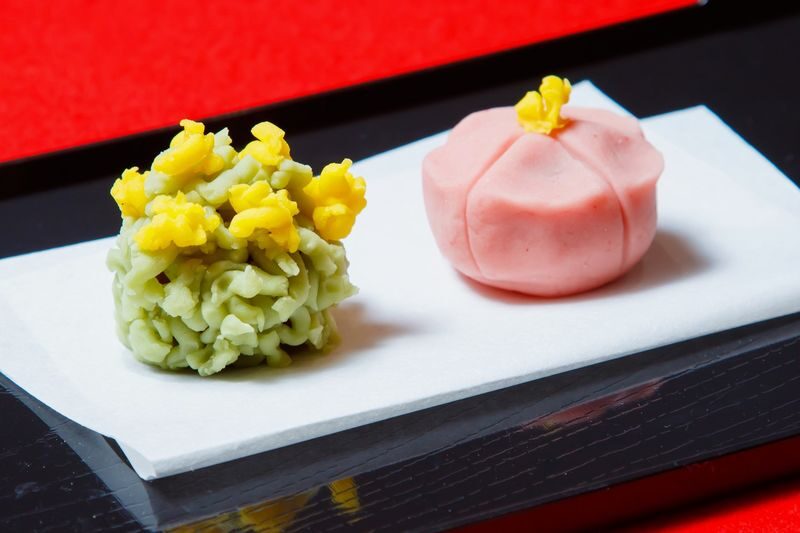
I like that you get to make and drink your own matcha, rather than only watch a demonstration. I also like the chance to shape nerikiri, a delicate wagashi sweet whose seasonal designs turn a small treat into an edible bit of art.
The main caveat is the format. The basic session is listed at just 20 minutes, and the room may feel more like a classroom than a traditional tea room. English explanations are offered, but how much you get can vary.
- What to know before you book
- A short, practical introduction to matcha
- Making matcha, one step at a time
- Nerikiri and ohigashi are separate choices
- The room and teaching style
- What the 20-minute itinerary really means
- Is the price good value?
- Who will enjoy this class
- Should you book it?
- FAQ
- How long does the experience take?
- What is the starting price?
- Are Japanese sweets included in the basic tea package?
- Where does the class take place?
- Do I need experience with matcha or tea ceremony?
- Is the class taught in English?
- Can children take part?
- Can the activity accommodate food allergies or special diets?
- When should I arrive, and what if I am late?
- The Best Of Tokyo!
- More Tours in Tokyo
- More Tour Reviews in Tokyo
What to know before you book
 1 / 5
 2 / 5
 3 / 5
 4 / 5
 5 / 5
- The basic session is brief: Allow about 20 minutes for the Traditional Tea Ceremony Experience package.
- Sweets depend on your package: Nerikiri and ohigashi appear in separate package options, so check exactly what your chosen ticket includes.
- You take part: The instructor demonstrates the tea-making steps, then you prepare matcha and taste it.
- Expect instruction, not a staged ritual: The focus is on learning basic customs and techniques, often in a classroom-style setting.
- Language support can vary: Some instructors explain in both Japanese and English; the balance is not guaranteed.
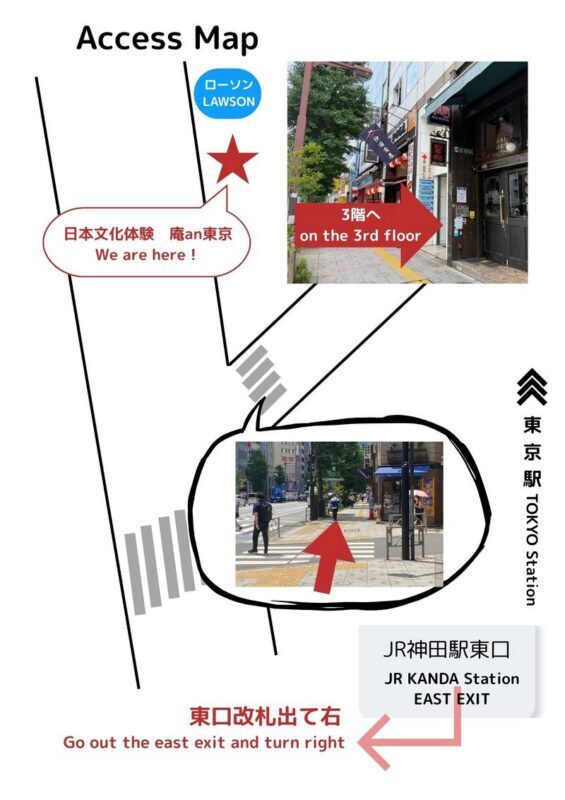
- The venue is in Chiyoda: Find 庵an東京 on the third floor of the Second Toei Building at 2-2 Kajicho, Chiyoda City.

👉 See our pick of the Our Picks For The 11 Best Workshops & Classes In Tokyo
A short, practical introduction to matcha
This experience gives you a compact way to learn what goes into preparing matcha and how tea customs work. You are not just served a bowl and sent on your way: the instructor demonstrates the process, explains the utensils and gestures, and gives you a chance to prepare and drink the tea.
That makes the class useful if you are new to matcha, unsure how to hold the equipment, or curious about the ceremony’s emphasis on care and attention. The point is not to master a long ritual in one visit. It is to notice how simple actions, such as preparing the bowl and whisking the tea, ask you to slow down and pay attention.
The format is beginner-friendly, and you do not need prior experience. The teaching style can be lively and clear, but the amount of English instruction may differ from session to session. If a full explanation in English matters to you, contact the operator before booking rather than counting on every detail being translated.
You can also read our reviews of more tours and experiences in Tokyo.



Making matcha, one step at a time
The tea portion is hands-on, but keep your expectations in proportion to the time. In the basic package, the entire experience is listed as about 20 minutes. There is time for an introduction and a turn making tea, not an extended lesson in every part of tea ceremony practice.
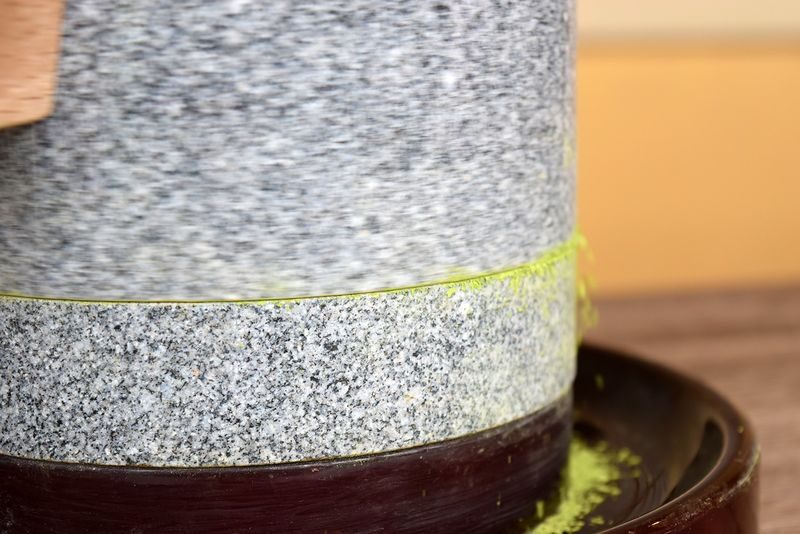
Some of the ingredients or preparation may already be ready when you arrive. You may stir the matcha yourself, but do not assume you will grind tea leaves from scratch or perform every step of a formal ceremony. The short format is a good fit if you want a taste of the practice between sightseeing stops. It is less suitable if you want a long, quiet session devoted to ritual detail.
The tea itself is part of the lesson. You get to taste what you have prepared, which helps connect the demonstration to the flavor and texture in your bowl. Even if matcha is not usually your drink, the experience may still appeal: one couple who did not normally drink it found they enjoyed finishing their bowls.
Nerikiri and ohigashi are separate choices
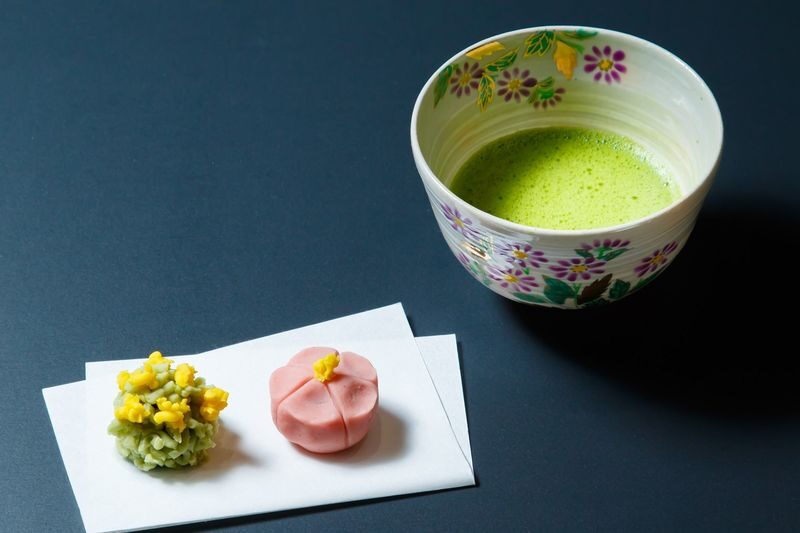
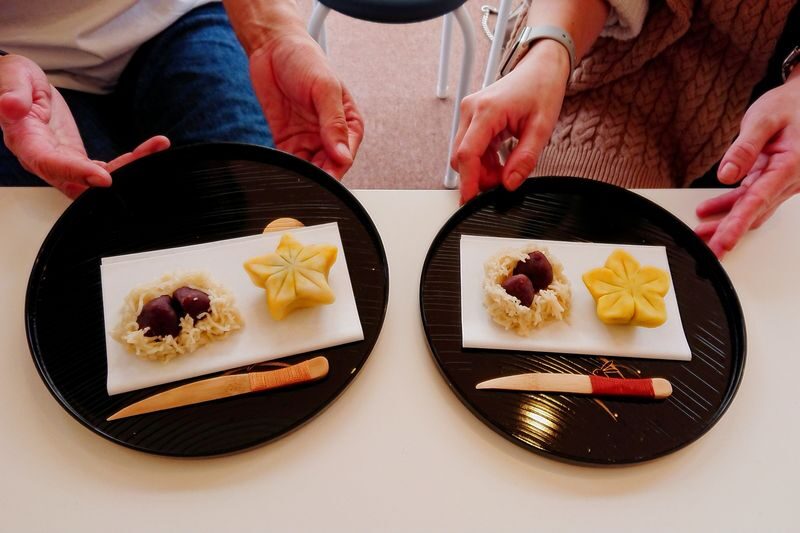
The sweets options add a different kind of hands-on activity. Nerikiri is a soft wagashi sweet often served with tea, shaped and decorated into small seasonal designs. It is both food and craft: you use your hands to form the sweet, then eat the result with matcha.
Some sessions use designs that change every few weeks. That gives the activity a seasonal touch, though the exact design is not specified in advance. The instructor guides you through the steps, and the process is intended for beginners. You do not need to arrive with artistic skills; the pleasure is in trying the technique and seeing what you make.
Another option pairs tea with ohigashi, a dry Japanese sweet, as well as nerikiri. These packages take longer than the basic 20-minute tea session. Some combined classes have run around an hour and a half, and a multi-part booking can take longer still. Build extra time into your day instead of scheduling a train or timed attraction immediately afterward.
The package names matter here. There are options for a tea ceremony alone, tea with nerikiri-making, and tea with both ohigashi and nerikiri. The general description of the activity may mention sweets, but the basic tea package is not a safe choice if making sweets is your priority. Confirm the exact inclusions on the ticket before paying.
The room and teaching style
Go in expecting a class, not necessarily a traditional tea room with tatami mats. The venue is in a commercial building, and some sessions use tables and chairs in a classroom layout. Classes can be large, with groups reported at around 20 or 30 people, so the pace may depend on how many participants need help.
That setup is not automatically a drawback. A clear demonstration can be easy to follow at a table, and a friendly instructor can make the lesson relaxed and approachable. But if you picture an intimate ceremony in a quiet, traditional room, this experience may not match that image. The value here is active instruction and an introduction to tea and sweets, rather than atmosphere alone.
Teaching is sometimes given first in Japanese and then in English, or shared between the two languages. Some instructors are comfortable switching languages and explaining each step; in other sessions, the English portion may be brief. Demonstrations help you follow along even when you miss a phrase, but they are not a substitute for full translation.
What the 20-minute itinerary really means
The schedule is simple: meet at the venue, take part in the tea session, and finish at the same location. There is no transport component to plan around. The short duration makes this easy to fit into a day in Tokyo, though you should leave room for arriving, finding the room, and any time the class runs over.
For the basic package, the listed duration is 20 minutes. That is best understood as a concise introduction, not a leisurely tea gathering. A sweets-making package is a more substantial activity, and the combined options may take around 90 minutes or longer. Check the duration attached to your chosen package rather than applying the basic session’s timing to all options.
The listed start times are 09:05, 11:35, 14:05, 16:35, and 19:05, with available choices depending on the package and schedule. Arrive five minutes early. The building can be tricky to locate at first, and map apps may point you to the wrong side or a different street with a similar name. Use the full Japanese address, 〒101-0044 東京都千代田区鍛冶町2-2 第二登栄ビル3階, and look for 庵an東京 on the third floor.
Is the price good value?
Prices start at $8.05, a low entry point for a guided cultural activity in Tokyo. At that price, the basic session can be a worthwhile introduction if you want to try making matcha and understand a few customs without committing half a day. Its value comes from participating and tasting, rather than the length of the class or a lavish setting.
The sweets packages offer more time and a second skill to try. If you are interested in wagashi, the extra activity may justify choosing a higher-priced option, especially if you enjoy making things by hand. But do not assume the cheapest ticket includes nerikiri. Compare the package name and its listed contents before booking.
All ages are charged the same price, and infants and children must be included in the passenger count. The activity allows groups of one to 100 participants, though that maximum does not tell you how many people will be in your particular class. If you prefer a small group, ask about the expected class size before booking.
Who will enjoy this class
I’d consider it for a first-time visitor who wants a short, approachable cultural activity, or for a family looking for something hands-on. The nerikiri option is a good fit if you like food crafts and want to see how much care goes into shaping a traditional sweet. Solo participants can also book, and the activity is designed for beginners.
It may not suit you if you want a formal, private tea ceremony, a long discussion of tea history, or a guaranteed English-only lesson. The class format and language balance vary, and the basic package is brief. If atmosphere and ceremonial detail are your main priorities, compare other tea experiences in Tokyo before deciding.
Dietary needs are an important limitation: the activity cannot accommodate allergies, gluten intolerance, or vegetarian diets. If any of those apply, do not assume the ingredients can be changed. The included item is all necessary ingredients for the chosen activity; personal expenses are not included.
Should you book it?
Book this if you want to try making matcha in a guided setting, especially if you choose a sweets package and have time for a longer class. It is an affordable, beginner-friendly introduction that puts your hands to work and gives you a taste of Japanese tea culture.
Skip it if you are expecting a private, hushed ceremony in a traditional room. For the best chance of getting what you want, select the package by its exact name, allow extra time for the sweets options, and confirm language and dietary details before you go.
Traditional Tea Ceremony Experience in Tokyo
“A very pleasant and nice therapist; my body felt very relaxed after the treatment, and the tea and cookies were delicious.”
FAQ
How long does the experience take?
The Traditional Tea Ceremony Experience is listed as 20 minutes. Packages that include nerikiri or ohigashi take longer; some combined classes have lasted around an hour and a half or more.
What is the starting price?
Prices start at $8.05. The final price depends on the package you choose.
Are Japanese sweets included in the basic tea package?
Do not assume so. Nerikiri and ohigashi are named in separate package options, so check the inclusions for your selected ticket.
Where does the class take place?
It takes place at 庵an東京, on the third floor of the Second Toei Building, 2-2 Kajicho, Chiyoda City, Tokyo. The Japanese address is 〒101-0044 東京都千代田区鍛冶町2-2 第二登栄ビル3階.
Do I need experience with matcha or tea ceremony?
No. The activity is described as beginner-friendly, and the instructor demonstrates the steps.
Is the class taught in English?
English explanations may be provided, but the amount can vary. Some instructors explain in both Japanese and English, while other sessions may include less English translation.
Can children take part?
Yes. There is no stated age restriction, but infants and children must be included in the passenger headcount. The same price applies to all ages.
Can the activity accommodate food allergies or special diets?
No. The activity cannot accommodate allergies, gluten intolerance, or vegetarian diets.
When should I arrive, and what if I am late?
Arrive five minutes before your scheduled start time. Late arrivals and no-shows are not refundable, so allow time to find the third-floor venue.