Japan’s plastic food displays are more than restaurant decoration. They are miniature sales pitches, built to make a dish look irresistible from the sidewalk. At Yamato Sample Factory, you get to make one yourself, with help from a family-run workshop that has been in the business since 1952.
I like two things in particular: you leave with a distinctive handmade souvenir, and the friendly instructors share the craft’s background as well as its basic techniques. One consideration: the class can be quite short in practice, and much of the sample is prepared before you begin, so this is a guided craft activity rather than a full production lesson.
- The most useful things to know
- Why make a plastic bowl of ramen?
- Choosing ramen, parfait, or a tart charm
- What happens during the workshop
- The people make this a personal visit
- Getting there, and making time for the neighborhood
- Is the price worth it?
- Who should book this workshop?
- FAQ
- How long does the workshop take?
- What can I make?
- Is the workshop conducted in English?
- What is included in the price?
- How old do participants need to be?
- Do I need to bring an apron?
- How do I get to the workshop?
- Can I cancel for a refund?
- The Best Of Tokyo!
- More Food & Drink Experiences in Tokyo
- More Tours in Tokyo
- More Tour Reviews in Tokyo
The most useful things to know
 1 / 8
 2 / 8
 3 / 8
 4 / 8
 5 / 8
 6 / 8
 7 / 8
 8 / 8
- Pick your project: Make a ramen sample, a real-size parfait, or a small tart charm.
- Expect a compact class: The experience is sold as one hour, though some projects have taken less time to finish.
- Get a little craft history: The workshop introduces Japan’s restaurant food-display tradition and the materials used to make the models.
- Language is manageable: English varies by instructor, but demonstrations and visual instructions help you follow along.
- Plan for the trip: The workshop is a five-minute walk from Kita-Ikebukuro Station, in a quieter residential area.
- Take home more than your project: Materials, tools, an instructor, and a small food-sample keyholder are included.

👉 See our pick of the Our Picks For The 11 Best Workshops & Classes In Tokyo
Why make a plastic bowl of ramen?
Walk past restaurants in Japan and you’ll soon see plastic dishes that look almost good enough to eat. These food models, often called shokuhin sampuru, show diners what a menu item looks like before they order. They can be custom-made to match a restaurant’s signature dishes, and the craft takes care to make noodles, toppings, fruit, and cream look convincing.
That everyday detail makes this workshop more interesting than a standard souvenir craft. You’re not just decorating an object; you’re getting a close look at a small but familiar part of Japanese restaurant culture. Yamato Sample Factory has worked in this field for decades, and the instructors can explain how the craft developed and how materials affect the finished models.
The class is a good fit if you want a hands-on activity with a clear result and a modest time commitment. It’s also a welcome change of pace from temple visits and busy shopping streets. The location is outside the central sightseeing zone, so getting there gives you a glimpse of a quieter Tokyo neighborhood.
You can also read our reviews of more food & drink experiences in Tokyo


Choosing ramen, parfait, or a tart charm
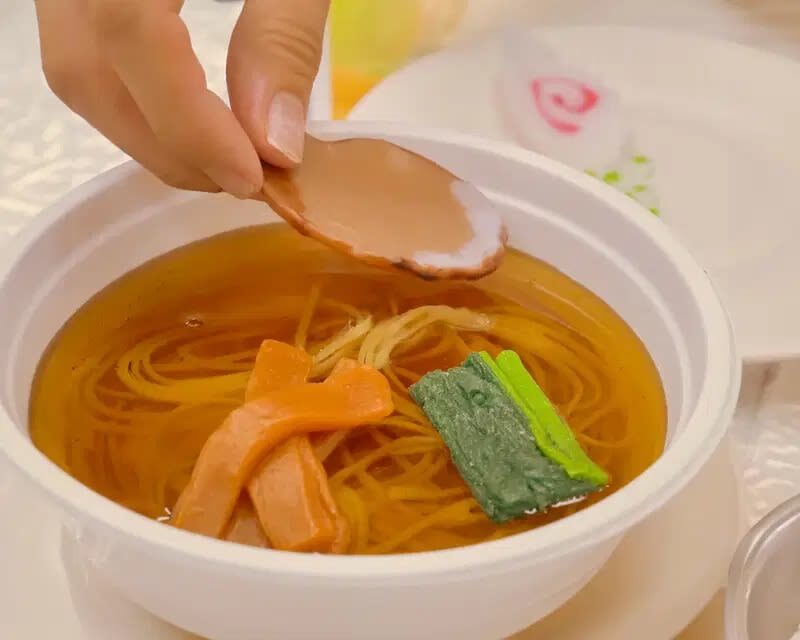
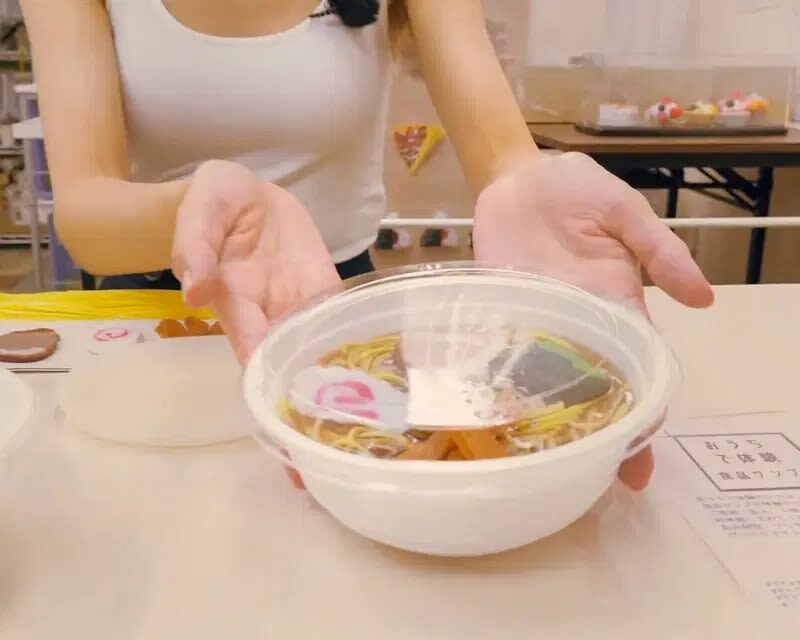
The ramen option is the most immediately recognizable choice. You make a miniature bowl that works as a playful display piece and a reminder of Japan’s famous restaurant-window models. The project is designed for a beginner, and instructors guide you through the steps rather than expecting you to know anything about model-making.
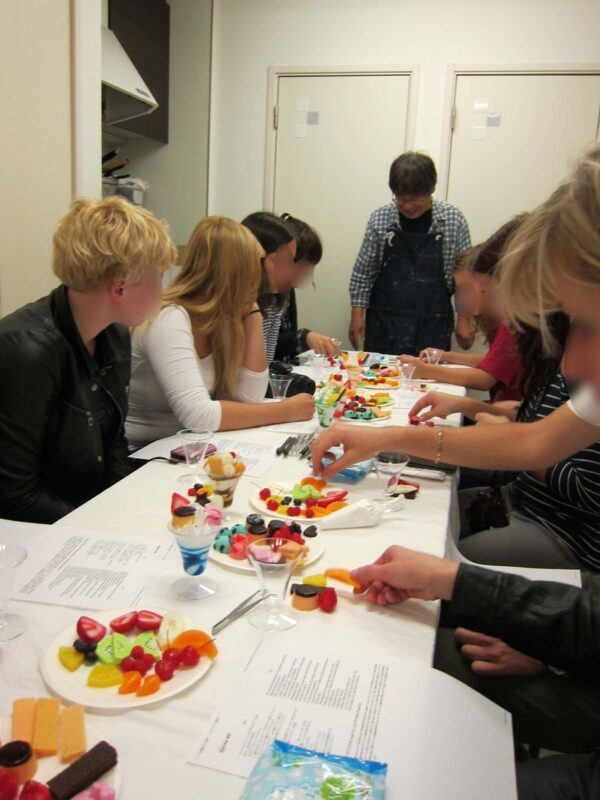
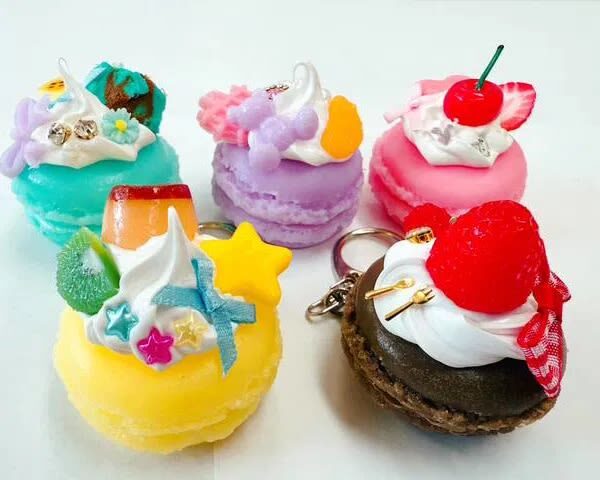
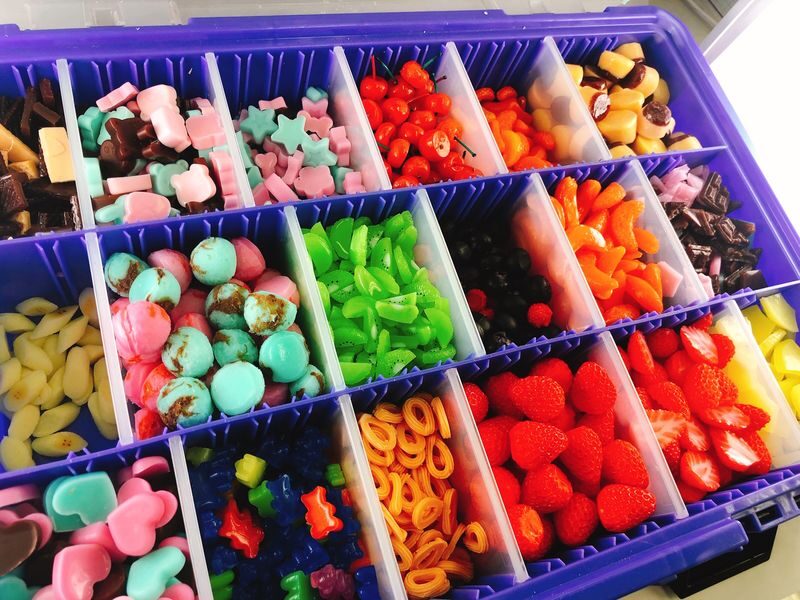
A real-size parfait offers a different kind of fun. You decorate it with colorful pieces, and the result is closer to a dessert display than a tiny keepsake. Extra toppings for this option cost 300 yen or more, so check the details before adding them if you’re keeping a close eye on your budget.
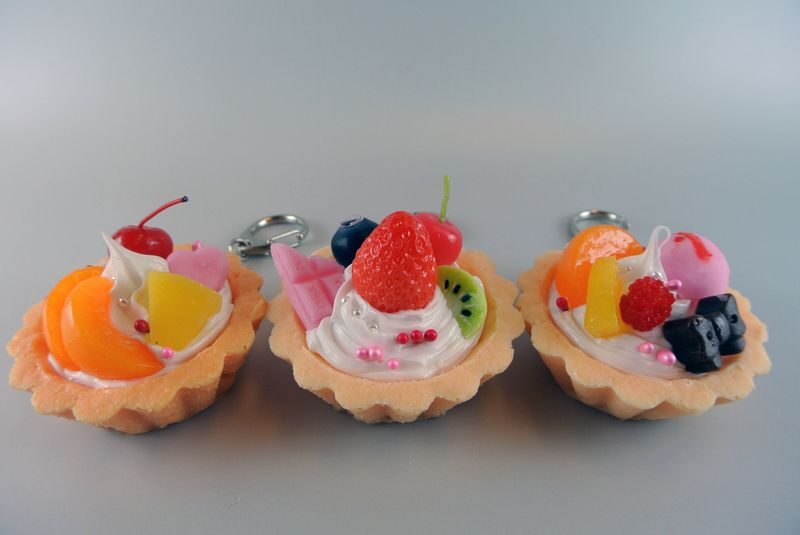
The tart charm is the smallest option. It makes a practical little accessory that you can hang from a bag, and its size makes it easy to pack. Some seasonal decorations may be available, but don’t count on a particular theme being offered on your visit.
The options differ in scale and style, so think about what you’d actually like to take home. Choose ramen for the classic display-food look, a parfait if you want a colorful tabletop piece, or a tart charm for something compact and wearable. The starting price is $24.39, but the price for each option may vary. The basic package details are for ramen, so check which project your chosen price covers.
What happens during the workshop
The experience is booked for one hour, but allow some flexibility in how much hands-on time you get. The work is partly prepared in advance. One participant described the process as arranging the final decoration rather than making every component from raw material. That is useful to know if you’re hoping for a technical lesson in how plastic food is produced.
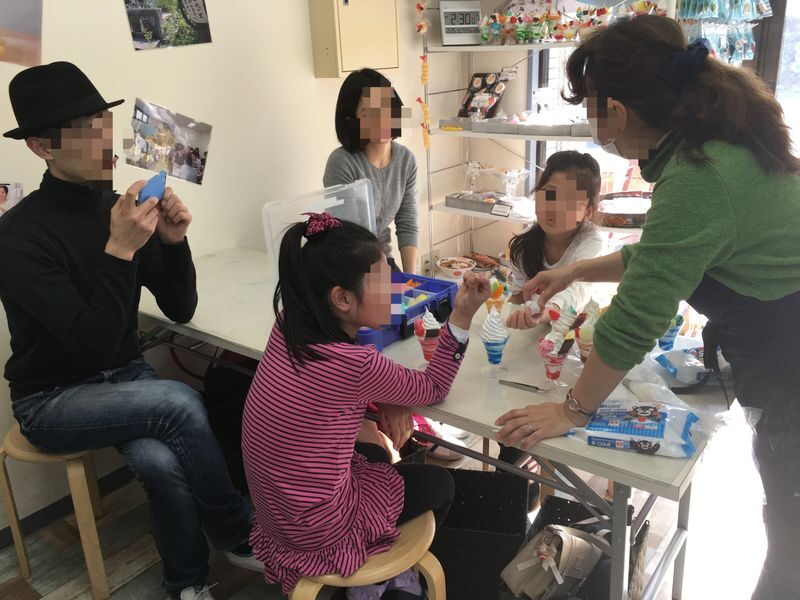
Instead, expect an accessible introduction to the craft and a guided project. The instructor demonstrates what to do, then helps you shape or arrange your sample. For parfaits, that can mean choosing decorative pieces; for ramen, you’ll work toward a finished bowl. The exact steps depend on the package you choose.
Some people finish in less than half an hour, while the listed activity duration is one hour. Treat the hour as the time set aside for the experience, not a promise that you’ll be working continuously for that long. If you’re keen to learn the industrial side of the business, ask questions as you go. Instructors may be able to talk about the materials and methods, but the class itself is focused on making a finished souvenir.
When your piece is complete, it is carefully packed in a paper box. That’s a practical touch if you have more sightseeing ahead or want to keep it safe in your luggage. You also receive a small food-sample keyholder as part of the experience.
The people make this a personal visit
This is a small workshop, not a large classroom. The shop has room for about three or four groups at a time, which helps keep instruction close and personal. The family-run setting is part of the appeal: instructors have been described as patient, warm, and happy to talk about the craft and the neighborhood.
Ryou has been named as an instructor, and some classes are led by family members. English ability varies. Some instructors speak it well; others rely on simple phrases, demonstrations, and tools such as Google Translate. You should be able to follow the activity through visual guidance, but don’t expect a long English-language lecture every time.
The human side of the visit can make a short activity feel more meaningful. Instructors have drawn maps to the station and suggested nearby places to eat or visit. That sort of help is not a guaranteed part of the class, but it reflects the personal welcome you may find at a small family business.
Getting there, and making time for the neighborhood
The workshop is listed at address 18, with the full location and Google Maps link provided on your voucher after confirmation. From Kita-Ikebukuro Station on the Tobu Tojo Line, it’s about a five-minute walk. From the east exit of Itabashi Station on the JR Saikyo Line, allow around 12 minutes.
The area is quieter and more residential than central Tokyo. That may be a plus if you want to see a different side of the city, but there may not be a long list of major sights right around the workshop. Some people enjoy wandering nearby or asking the instructor for local suggestions. Leave a little time to find the shop, especially if your map app brings up a different place with the same address. Searching for Yamato Sample Factory 3rd Craft may help.
Come in clothes you don’t mind getting dirty, or bring your own apron. The activity is listed as stroller- and wheelchair-accessible. You’ll need a confirmed booking and should present your mobile voucher; the voucher is valid only for the date and time specified.
You can also read our reviews of more tours and experiences in Tokyo



Is the price worth it?
At a starting price of $24.39, this is a reasonable buy if you value a hands-on activity and a keepsake you make yourself. The price covers instruction, tools, materials, and a small keyholder gift. You’re paying for more than the finished object: you also get a short introduction to a craft you’re likely to notice elsewhere in Japan.
It’s less compelling if your main goal is to watch a full production process. Much of the work may already be prepared, and the finished project can come together quickly. If you want a deeper technical demonstration, this one-hour class may not satisfy that curiosity.
Factor in possible extras. Additional food-sample kits to take home cost more, and extra toppings for the full-size parfait start at 300 yen. These are optional, but the cost can change the total if you want to make more than the included project.
Who should book this workshop?
I’d recommend it to families with children aged seven and up, couples looking for a light activity, and anyone who enjoys crafts or wants a souvenir that feels specific to Japan. Children aged seven and older pay the same rate as adults. The simple, guided format also makes it a sensible choice if you’re nervous about doing an activity in Japanese.
It’s a weaker match for someone who wants a long class, a fully English-led explanation, or an in-depth look at factory production. If that’s you, manage expectations and treat the activity as a short, friendly craft session. For most visitors, the best reason to go is the combination of an unusual project and personal contact with a long-running local business.
I’d book it if you have a free hour and like the idea of making your own piece of Japan’s restaurant-window culture. Choose the project you’ll enjoy displaying or carrying home, and leave enough time to find the small shop without rushing.
Tokyo Food Sample Making Workshop (1 Hour)
“The shop owner is very patient and communicative, and enjoys chatting with customers. Before I left, they even drew me a map to the station, which…”
FAQ
How long does the workshop take?
It is sold as a one-hour activity. The time spent making the sample can be shorter, with some projects completed in under half an hour.
What can I make?
You can choose a ramen food sample, a real-size parfait food sample, or a tart charm food sample.
Is the workshop conducted in English?
The class is partly in English, and the amount of English spoken varies by instructor. Visual instructions and demonstrations help you follow the steps.
What is included in the price?
An instructor, materials, tools, and a small food-sample keyholder gift are included. Additional kits and some toppings cost extra.
How old do participants need to be?
Participants must be at least seven years old. Children aged seven and older pay the same rate as adults.
Do I need to bring an apron?
You can bring your own apron, or wear clothes you don’t mind getting dirty.
How do I get to the workshop?
It is about a five-minute walk from Kita-Ikebukuro Station on the Tobu Tojo Line, or a 12-minute walk from the east exit of Itabashi Station on the JR Saikyo Line. The full location and map link are provided on your voucher.
Can I cancel for a refund?
You can receive a full refund if you cancel at least 72 hours before the activity date, using destination local time.