At Daikoku Parking Area, Tokyo’s car culture gathers in a working highway rest stop: modified cars pull in, drivers meet, and the lineup can change from one visit to the next. I like this tour for two reasons: you get a guide who shares the ride and can talk cars, and the outing pairs the meet with an expressway cruise, Rainbow Bridge views and a car parts store.
One point to keep in mind: the car you ride in can vary. Some outings use distinctive Japanese cars, while one visitor rode in a Mercedes-Benz C-Class, so don’t book expecting a particular model or a drift demonstration. This is a guided sightseeing trip into the car scene, not a driving lesson.
- What to know before you go
- Daikoku Parking Area, where the cars gather
- The expressway ride is more than transport
- Rainbow Bridge brings a change of pace
- The car parts store gives you a final browse
- What the guide adds to the outing
- Who gets the best value from the price
- Practical details that can affect your night
- Is this Tokyo car tour right for you?
- FAQ
- What does the tour include?
- Is this a drifting experience?
- Which guides might lead the tour?
- What kind of car will I ride in?
- How long is the tour?
- Does the tour include pickup and drop-off?
- What is the starting price?
- Can I cancel and get a refund?
- What happens if I arrive late?
- When will my booking be confirmed?
- The Best Of Tokyo!
- More Shopping Tours in Tokyo
- More Tours in Tokyo
- More Tour Reviews in Tokyo
What to know before you go
 1 / 9
 2 / 9
 3 / 9
 4 / 9
 5 / 9
 6 / 9
 7 / 9
 8 / 9
 9 / 9
- Daikoku is the main event: See the cars gathered at the parking area, with time to walk around and take photos.
- The ride is part of the experience: The route includes a highway cruise, which adds a moving view of Tokyo and its car culture.
- Rainbow Bridge is a photo stop: Expect a lookout-style pause for city views, not an extended sightseeing visit.
- The last stop is a car parts store: Browse automotive goods and souvenirs, with Autobacs mentioned as a stop on some outings.
- Guides help set the tone: Toshi, Hiro, Kenta, Takeshi, Akito and Daisuke are among the named guides.
- The vehicle is not fixed: You may ride in a Japanese performance car, but the exact model is not guaranteed.

👉 See our pick of the Our Picks For The 11 Best Workshops & Classes In Tokyo
Daikoku Parking Area, where the cars gather
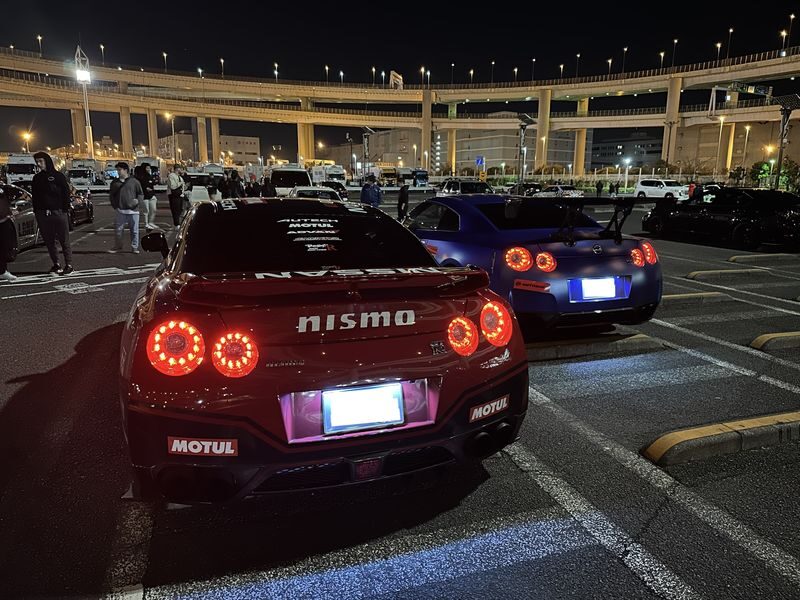
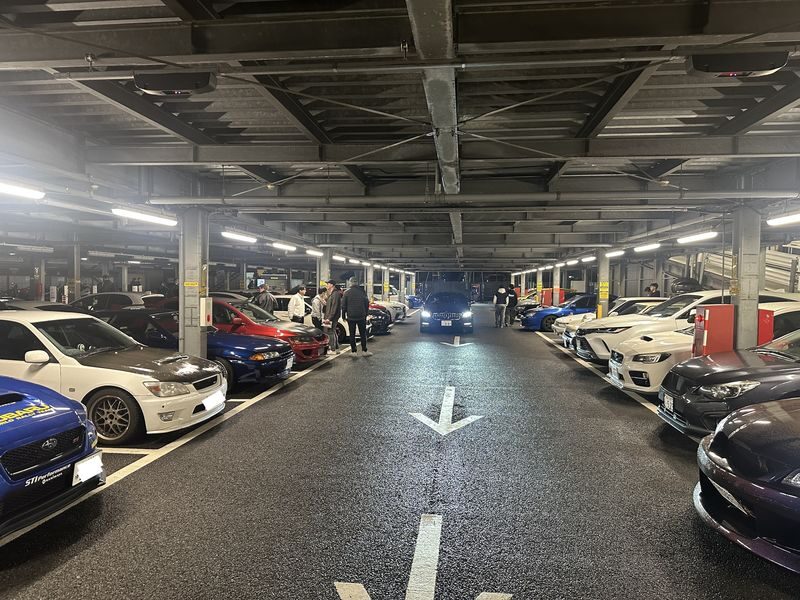
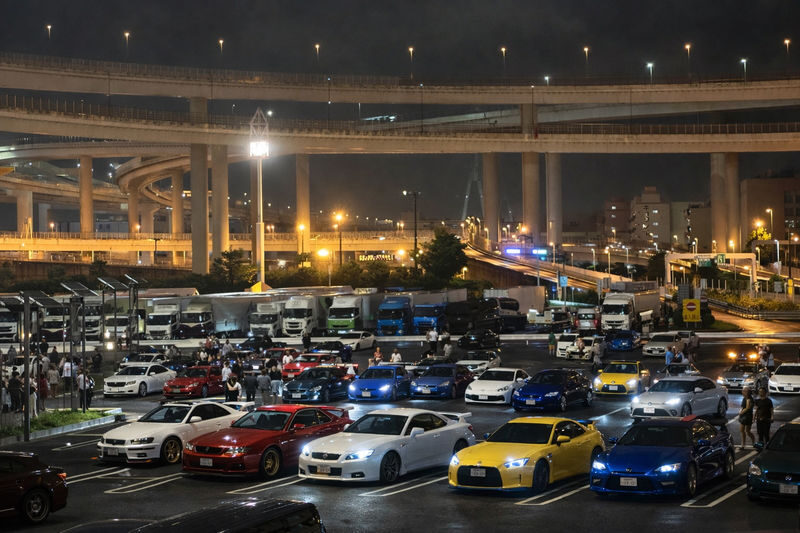
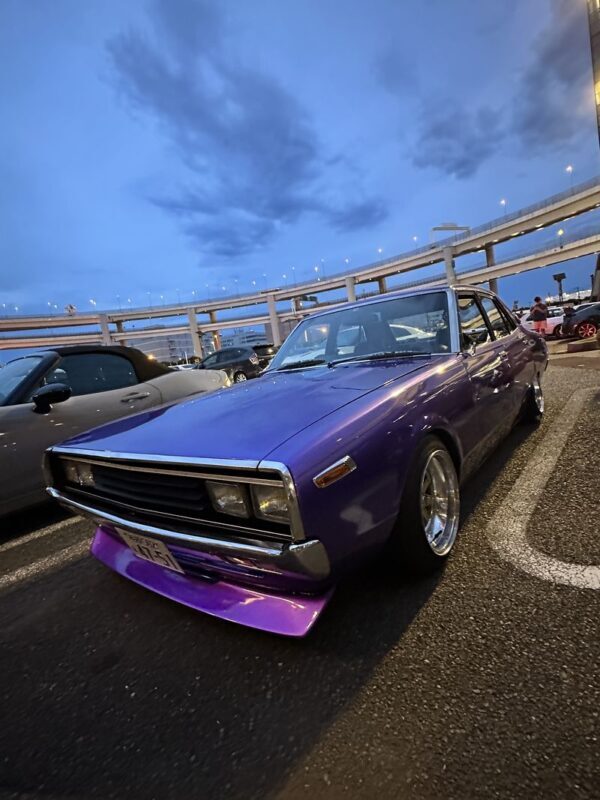
Daikoku Parking Area is the reason to book. It is a rest stop on the highway network, but on a car-meet night it becomes a gathering place for enthusiasts and modified vehicles. You are not visiting a museum display with a fixed collection. The cars, turnout and atmosphere can all vary, which is part of the appeal.
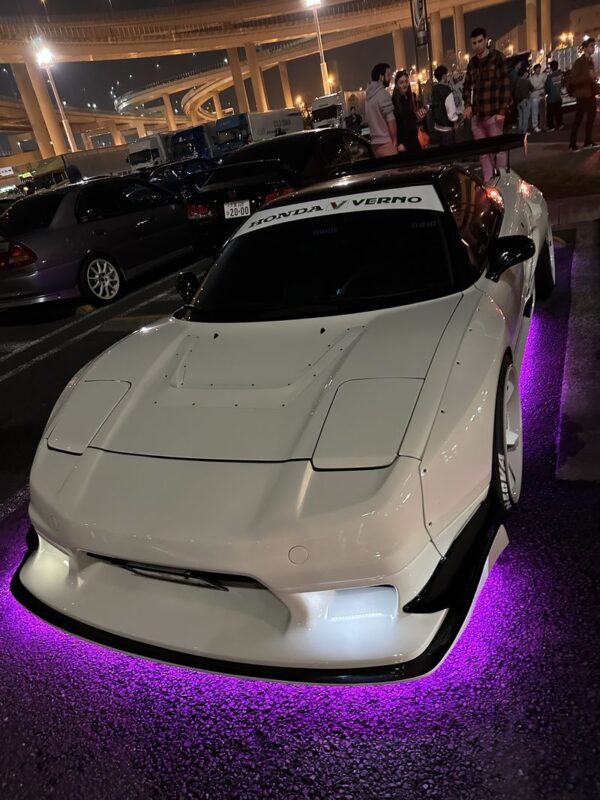
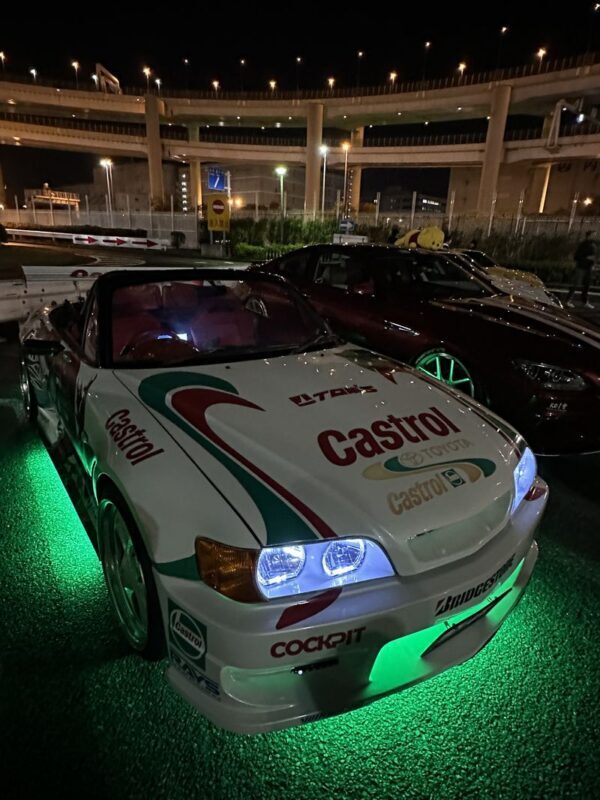
Once there, you can walk among the parked cars, take pictures and look for details that are easy to miss in a quick roadside glimpse: wheels, bodywork, paint, exhausts and other modifications. One outing included about an hour at the meet, though you should not assume every schedule allows the same amount of time. The visit is likely to mean more if you enjoy spotting makes and modifications, but even a casual car fan can appreciate the sheer variety.
The setting is also a useful window into a local hobby. You are seeing people bring their own cars together, rather than watching a staged show designed around a tourist audience. That makes the scene feel more immediate, but it also means there is no promise of a particular car, club or crowd size. Some nights may offer a fuller mix than others.
A practical tip: treat the meet as a place to look and take photos respectfully. The available details do not set out specific rules, so follow your guide’s instructions and avoid getting in the way of drivers or other people. If you want to take portraits or close-up photos, ask before photographing people.
You can also read our reviews of more shopping tours in Tokyo



The expressway ride is more than transport
The drive between stops helps make this a half-day outing rather than a simple drop-off at a parking area. The route includes a highway cruise, and one reported itinerary described driving back with some of the cars from the meet. That kind of view can be a thrill for car fans, but it is not something to count on as a guaranteed convoy or performance drive.
The car itself is part of the experience, though its character depends on the vehicle assigned. Some outings have featured cars such as a Toyota Celica or Chaser, while another used a Mercedes-Benz C-Class. One person specifically wished they had known what car to expect, a fair reminder that the package name does not guarantee a Lexus or any other model.
If you are booking mainly for a ride in a particular Japanese car, ask the operator what is available before you pay. If your main goal is to reach Daikoku with a guide and see the scene, the exact vehicle may matter less. The drive is still a chance to relax, look out at Tokyo and talk with your guide.
That conversation can add real value. Guides named by people taking the tour include Toshi, Hiro, Kenta, Takeshi, Akito and Daisuke. Several have been praised for being friendly and easy to talk to, and some have discussed Japanese car culture, modified cars and local car clubs. The level of explanation may vary, though. If you want more background about what you are seeing, ask questions rather than waiting for a formal talk.
Rainbow Bridge brings a change of pace
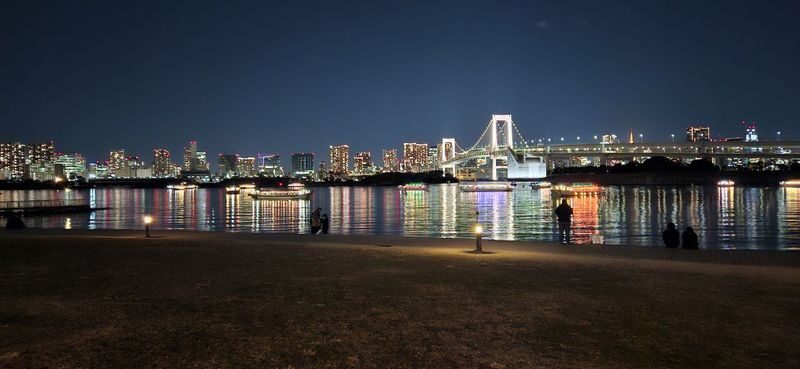
The stop at Rainbow Bridge gives the evening a different view of Tokyo. After the close-up detail of the meet, you get a broader city outlook and a chance to take photos. One outing included a lookout stop, and another description mentioned seeing the bridge in light rain. Weather can change the view, so keep your expectations flexible.
This is a scenic pause, not a full bridge tour. The details provided do not give a fixed stop duration or promise a specific viewpoint, so think of it as a pleasant addition to the car-focused itinerary. If the weather is wet, the visit may still be worthwhile, but bring clothing suited to the conditions and be ready for photos that look different from a clear-night skyline.
The bridge stop also breaks up the driving and gives you a moment to take in the city from outside the car. It is a good counterpoint to Daikoku, especially if someone in your group is less interested in vehicle details.
The car parts store gives you a final browse
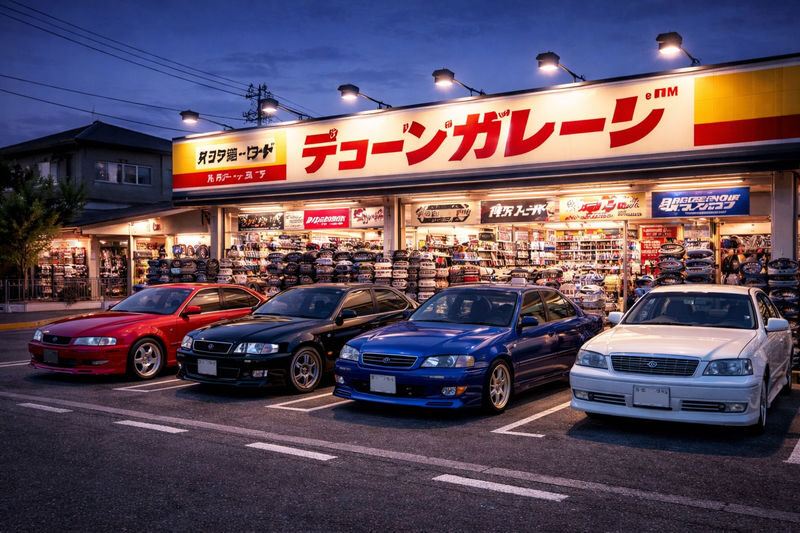
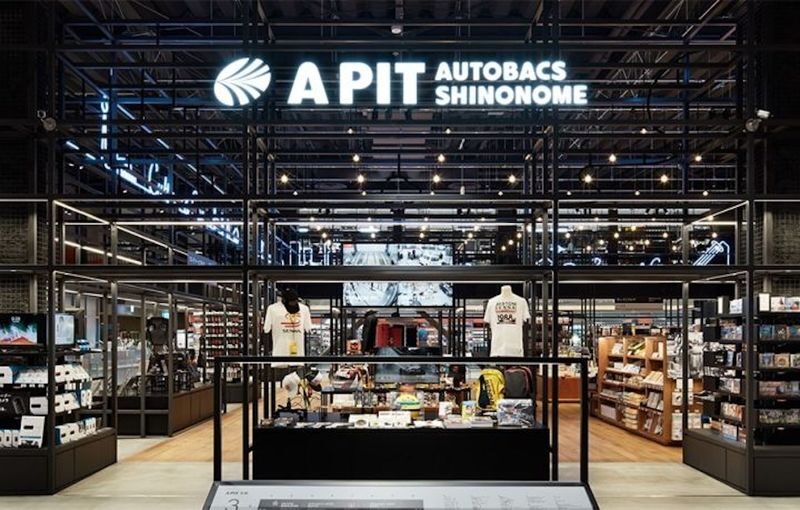
The tour finishes with a visit to a car parts store. Autobacs is named in descriptions of some outings, and the stop can be a chance to browse automotive items, parts and souvenirs. It adds a practical shop visit to the evening, rather than another scenic stop.
For an enthusiast, the store may be as interesting as the meet. You can see the range of car-related goods available in Japan and pick up something small to remember the outing. One visitor mentioned buying merchandise, while another described the stop as a hit for a family member who liked cars.
If you are not interested in shopping, keep this part in perspective: it is an optional-feeling browse within a guided itinerary, not a dedicated retail tour. You may want to set a spending limit before you arrive. The store is also a useful place to look for a souvenir that is more specific to your interests than a standard city gift.
What the guide adds to the outing
A good guide matters here because Daikoku is not a conventional attraction with signs explaining every car. The guide handles the trip between locations and can help you understand the scene, answer questions and keep the experience relaxed. Named guides include Toshi, Hiro, Kenta, Takeshi, Akito and Daisuke, though you should not assume you can request a particular person unless the operator confirms it.
The strongest part of the guiding style appears to be its personal, informal nature. People have described guides as friendly, punctual and accommodating, with some arranging convenient pickup and drop-off points. One guide also took music requests, while another offered restaurant recommendations. These touches can make a long evening in a car feel sociable rather than like a transfer service.
There is a tradeoff. A relaxed guide may not deliver a structured lecture about every vehicle or location. One visitor wished for more explanation during the tour. If you want deeper context, prepare a few questions about car modifications, Japanese car clubs or what makes a particular model distinctive. You will get more from the stop if you engage with the guide.
You can also read our reviews of more tours and experiences in Tokyo


Who gets the best value from the price
The listed starting price is $125.05. For that amount, the appeal is not just access to a car meet. You are paying for a guided outing that combines Daikoku, the expressway ride, a Rainbow Bridge view and a parts-store stop. Pickup and drop-off convenience has also been part of some outings, but confirm exactly what is offered for your booking.
That bundled route can be good value if you want to see several sides of Tokyo’s car culture without working out how to reach each place yourself. Daikoku is not a straightforward attraction to treat like a central-city museum, and a guide helps make the visit easier to navigate. The ride also gives you time to talk with someone who knows the local scene.
The price is less compelling if you only want a brief look at parked cars, or if your priority is riding in one specific sports car. In that case, confirm the vehicle and the itinerary first. The tour is rated 5.0 out of 5 from 224 ratings, and the provider, Matenro & Co. Inc., has a 96% good review rate across 257 reviews. That is a strong snapshot, but the experience still depends on the night’s turnout, weather, vehicle and guide.
Practical details that can affect your night
The activity is described as a half-day tour, but the information provided does not give a fixed total duration or a standard departure time. Some outings have lasted longer than expected, so avoid scheduling a tight commitment immediately afterward. If you have a dinner reservation or an early start the next day, leave a buffer.
Pickup and drop-off arrangements are worth confirming in advance. Some people were picked up at a convenient location or returned to a preferred spot, but that does not establish that every booking includes hotel pickup. Check the meeting details for your chosen date, and arrive on time. Refunds are not issued for participants who are 15 minutes late or more.
The booking confirmation is given within 48 hours. You can cancel for a full refund if you do so at least 48 hours before the activity date, using the destination’s local time. If severe weather or another unforeseen event leads the operator to cancel, you can reschedule or request a full refund. Amendments and rescheduling depend on availability.
Is this Tokyo car tour right for you?
Book this if you want a guided look at Tokyo’s automotive culture, enjoy modified cars, or simply like the idea of a night drive with a few memorable stops. The mix of Daikoku, the expressway, Rainbow Bridge and a parts store gives the outing more variety than a single car-meet visit. Families and solo visitors have also found the format workable, though your enjoyment will depend on how much you like cars and spending time in a vehicle.
Skip it if you expect a guaranteed drift session, a particular car model, or a formal lesson in Japanese motoring. The best reason to go is the chance to see a real car gathering with a local guide, then connect it to a wider Tokyo drive. Ask about the vehicle and pickup details before booking, and keep your schedule flexible. If those terms suit you, this is a distinctive way to spend an evening in Tokyo.
Tokyo Daikoku & Rainbow Bridge Half-Day Tour with Car Parts Store
“Toshi best man! It was a really nice tour. 10/10 can recommend. PickUp was easy and after that I had an amazing evening.”
FAQ
What does the tour include?
The package is a half-day outing to Daikoku Parking Area, with a Tokyo expressway drive, a Rainbow Bridge stop and a car parts store visit.
Is this a drifting experience?
The activity is described as a Daikoku car-meet tour. The provided details do not promise a drift demonstration or a chance to drive.
Which guides might lead the tour?
Named guides include Toshi, Hiro, Kenta, Takeshi, Akito and Daisuke. The guide for a particular booking is not specified.
What kind of car will I ride in?
The vehicle can vary. Outings have featured Japanese cars such as a Celica or Chaser, as well as a Mercedes-Benz C-Class. A specific model is not guaranteed.
How long is the tour?
It is described as a half-day tour, but a fixed total duration is not provided. Some outings have lasted longer than expected.
Does the tour include pickup and drop-off?
Some outings have included convenient pickup and drop-off, but the details provided do not guarantee hotel pickup for every booking. Confirm the arrangements for your date.
What is the starting price?
The listed starting price is $125.05. The final price may depend on the booking details.
Can I cancel and get a refund?
You can get a full refund if you cancel at least 48 hours before the activity date, using destination local time. If the operator cancels because of extreme weather or unforeseen events, you can reschedule or request a full refund.
What happens if I arrive late?
Refunds are not issued for participants who are 15 minutes late or more.
When will my booking be confirmed?
Booking confirmation is provided within 48 hours.